









Basic Information

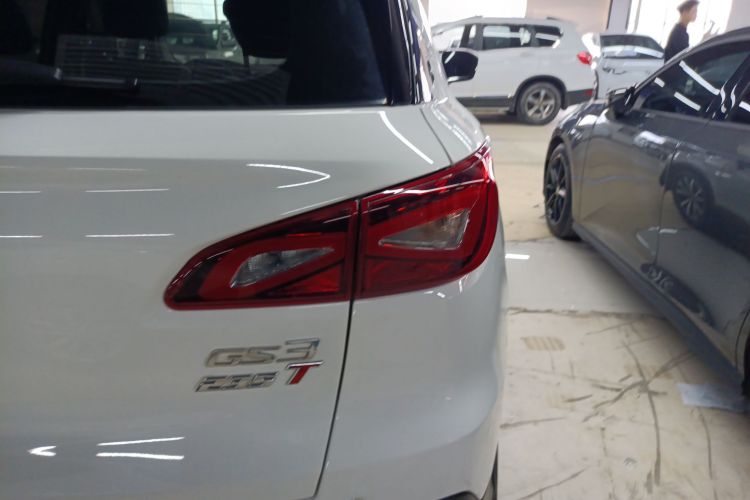
BrandGAC Trumpchi
SeriesGS3
Year2020
First Registration2020/09
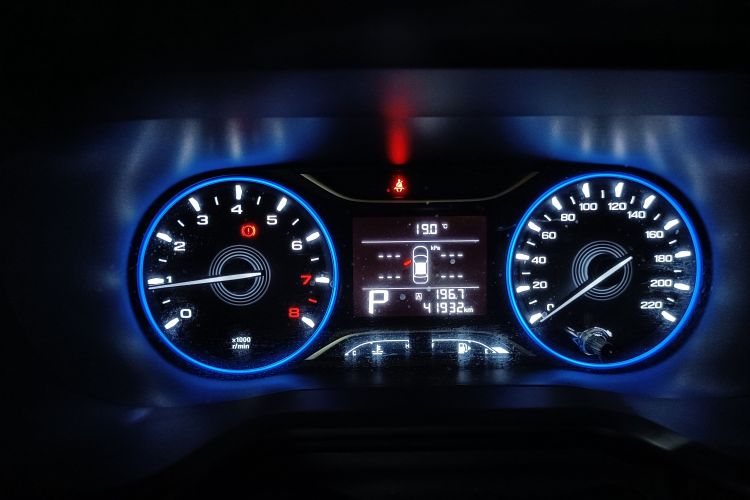
Mileage41,900km
Transfer Count-
FuelGasoline
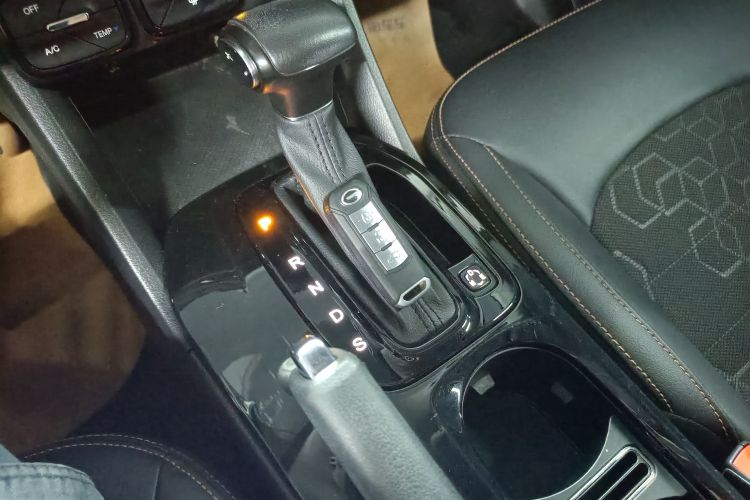
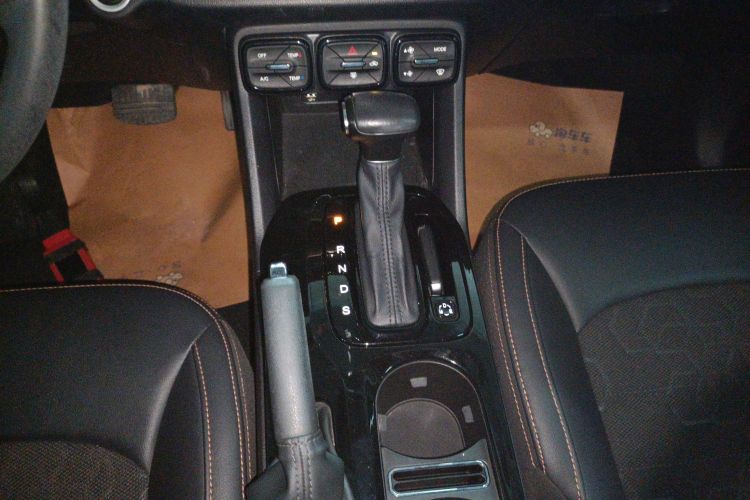
TransmissionDCT
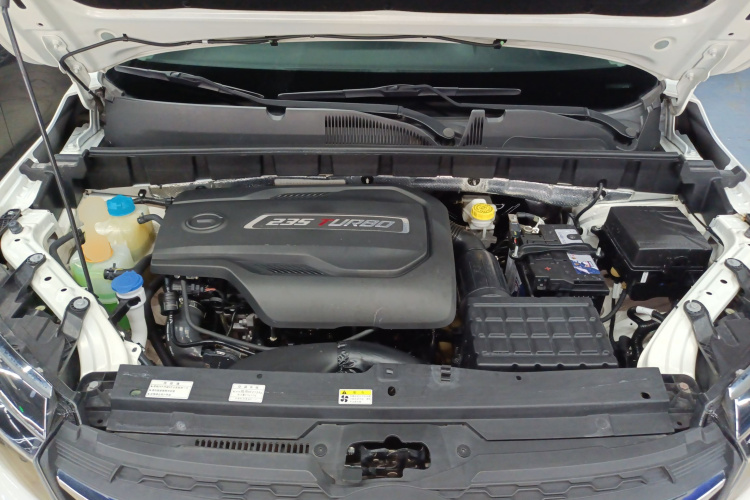
Engine1.5T 163 L3
ColorWhite
Seats-

Condition Description

Excellent car condition detection passed the car condition is better than 80%. Excellent car condition claims 1 transfer 0 times

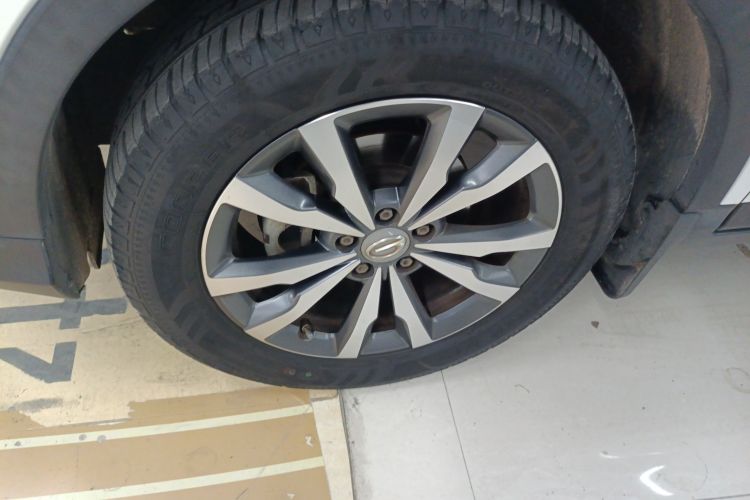
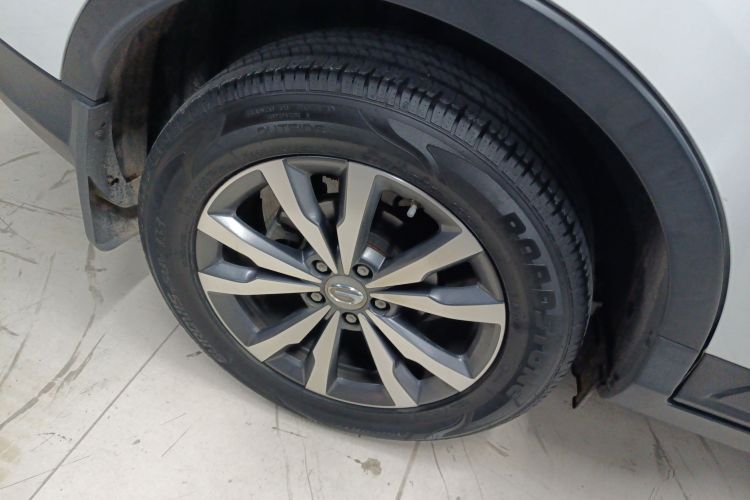
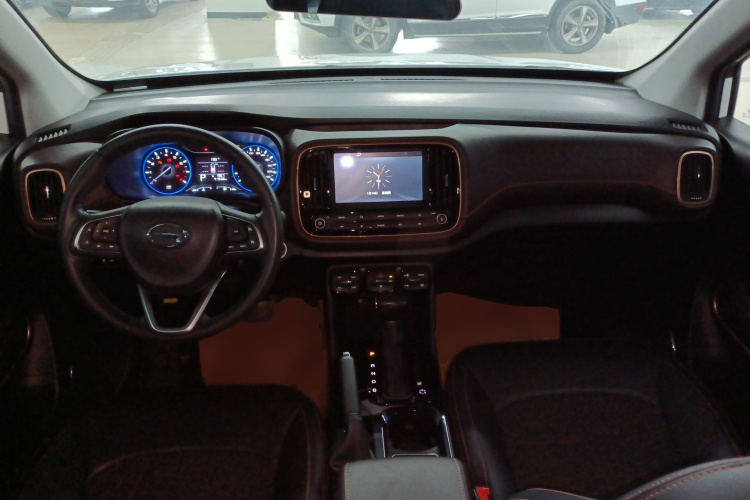
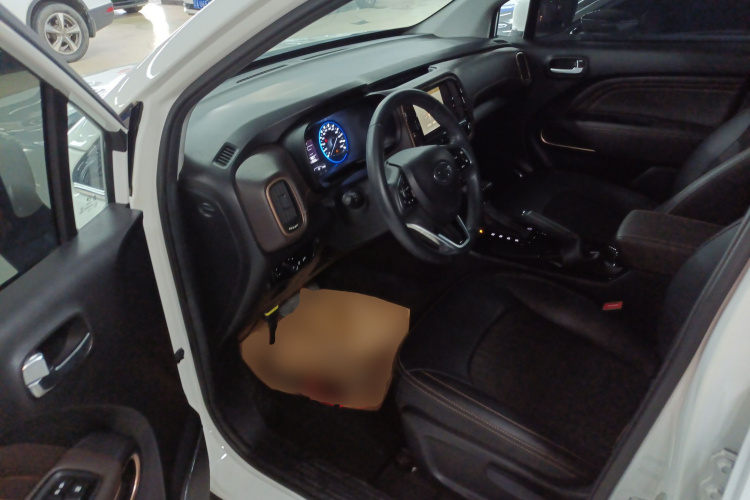
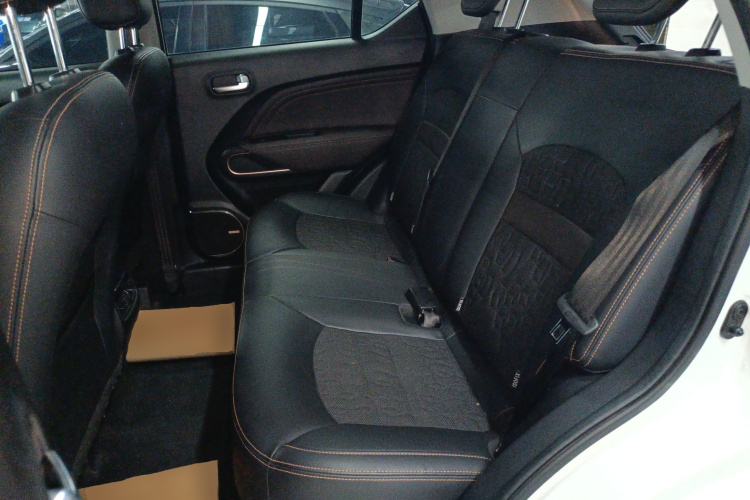
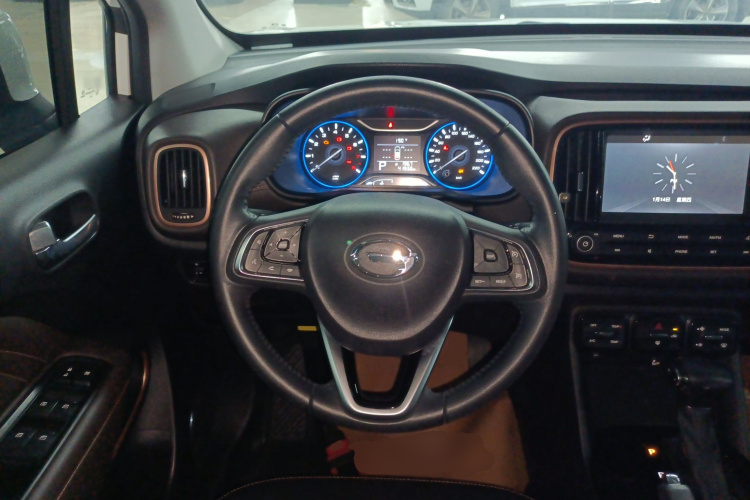
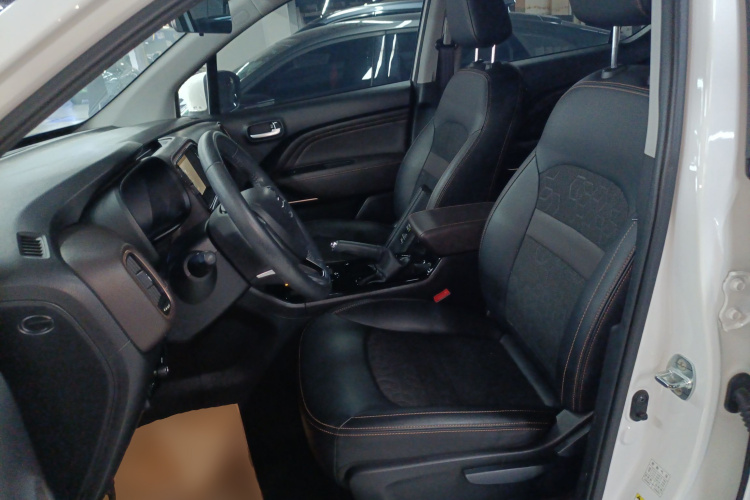
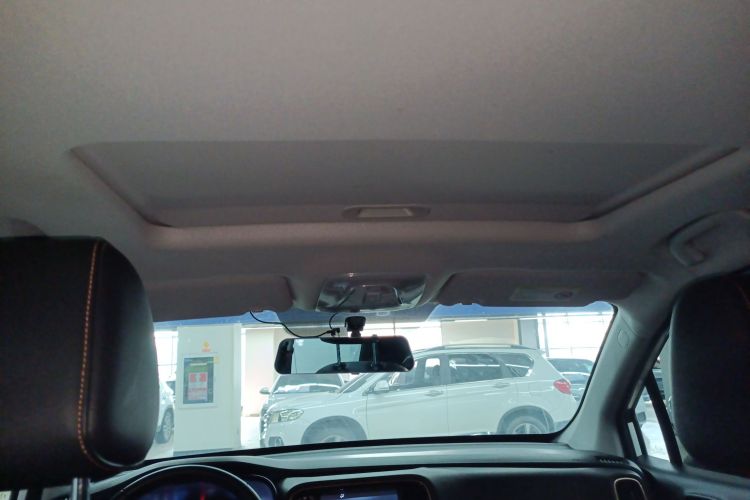
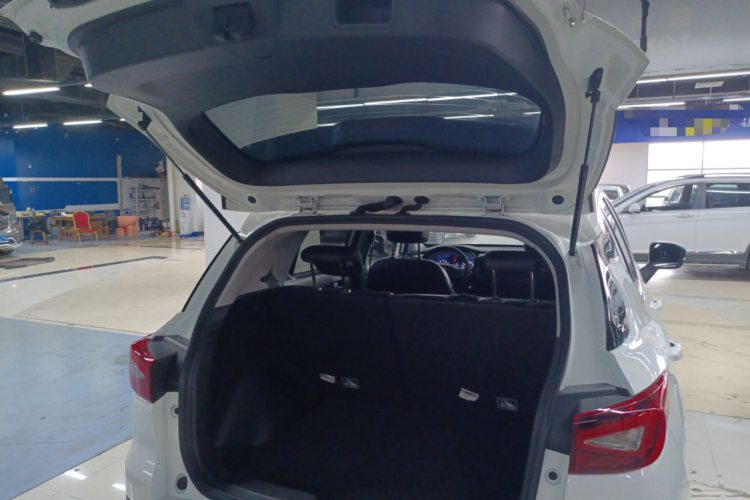
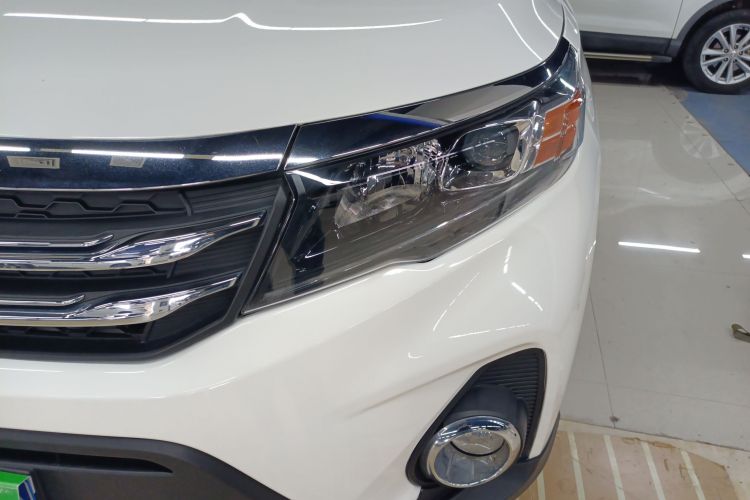
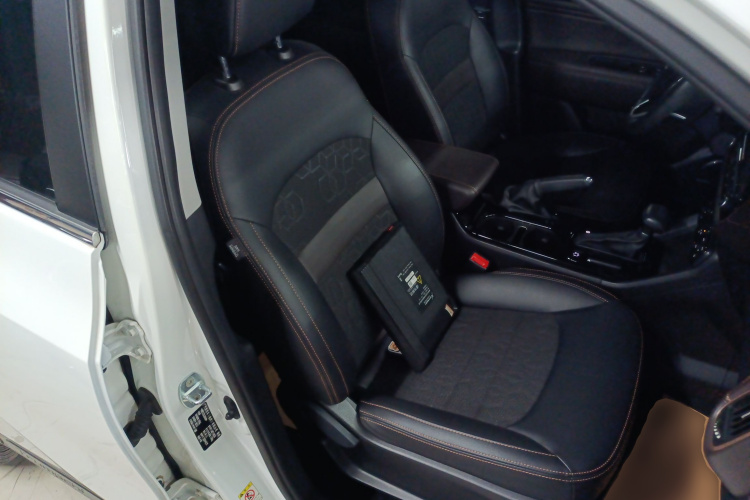
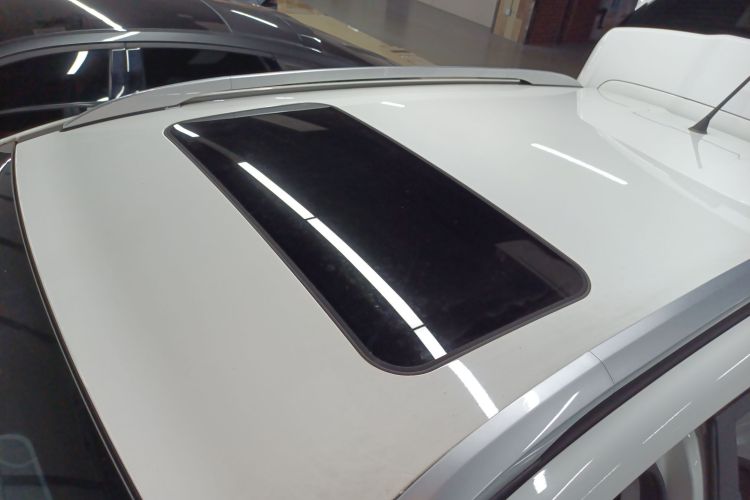
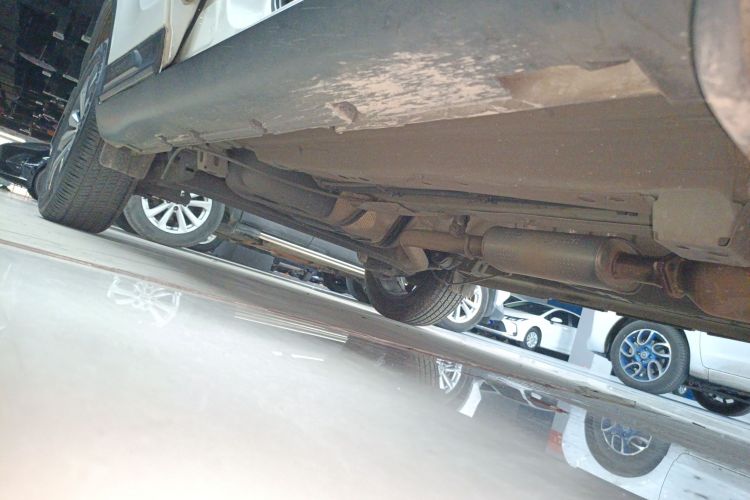
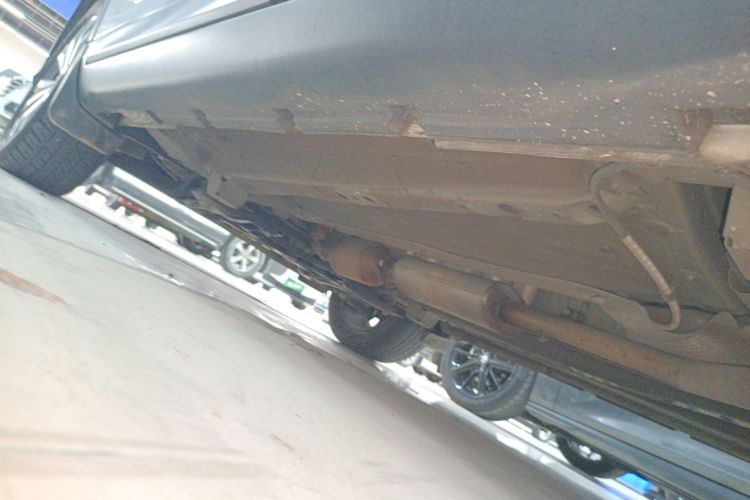
This vehicle is 6 years old, with an average annual mileage of 7,000 kilometers. It has a low frequency of daily use and has never been transferred to another owner, making it a good first-hand vehicle. The exterior paint is in good condition, although there may be a few minor marks. The interior is clean and tidy, with minor signs of use. The overall body frame is intact, but there are a few abnormal issues. The fluid levels are normal, and the powertrain operates smoothly without any abnormalities.

Configuration Highlights

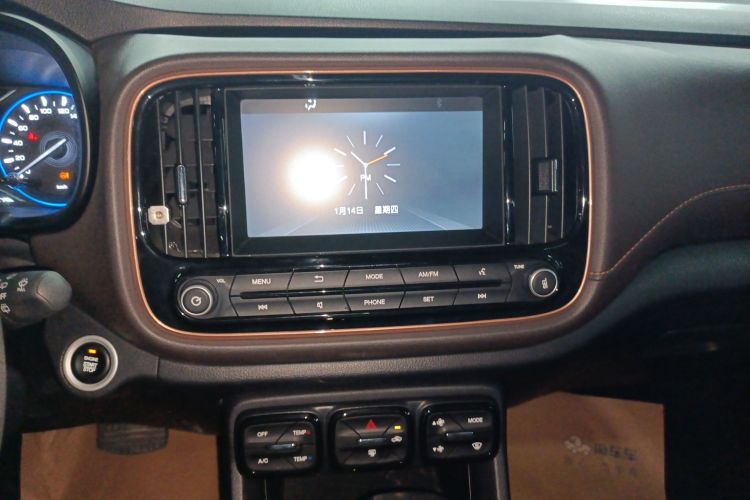
✓Smartphone Connectivity
✓Keyless Entry
✓Backup Camera
✓Cruise Control
✓Keyless Start
✓Rear Air Vents
✓Tire Pressure Monitoring
✓Hill Start Assist
✓Rear Parking Sensors
✓Anti-pinch Windows

Q&A

More

How will the high-voltage protective armor of an electric vehicle chassis be handled if there are minor scraping marks within safety tolerances?

As long as the scratches do not damage the aluminum battery pack casing and do not cause structural dents in the crash beam, we will document it in the inspection report as "Surface Scuff" and no replacement will be made.


How do you assess the appearance condition of a vehicle? What specific standards are there for scratches and dents?

We use quantitative standards. Minor scratches less than 3 cm that do not reach the base coat (which can be polished) are considered normal wear; scratches over 3 cm deep to the base coat or dents larger than 2 cm in diameter will be highlighted in the inspection report's "Appearance Defect Distribution Map" with close-up photos.

How do you detect carbon buildup and wear inside the engine using technology without deep disassembly?

We use two steps: 1. Insert a medical-grade endoscope through the spark plug hole to visually inspect cylinder wall scratches and carbon buildup on the piston top; 2. Extract an engine oil sample to check for large metal debris or emulsification (caused by coolant leakage).