


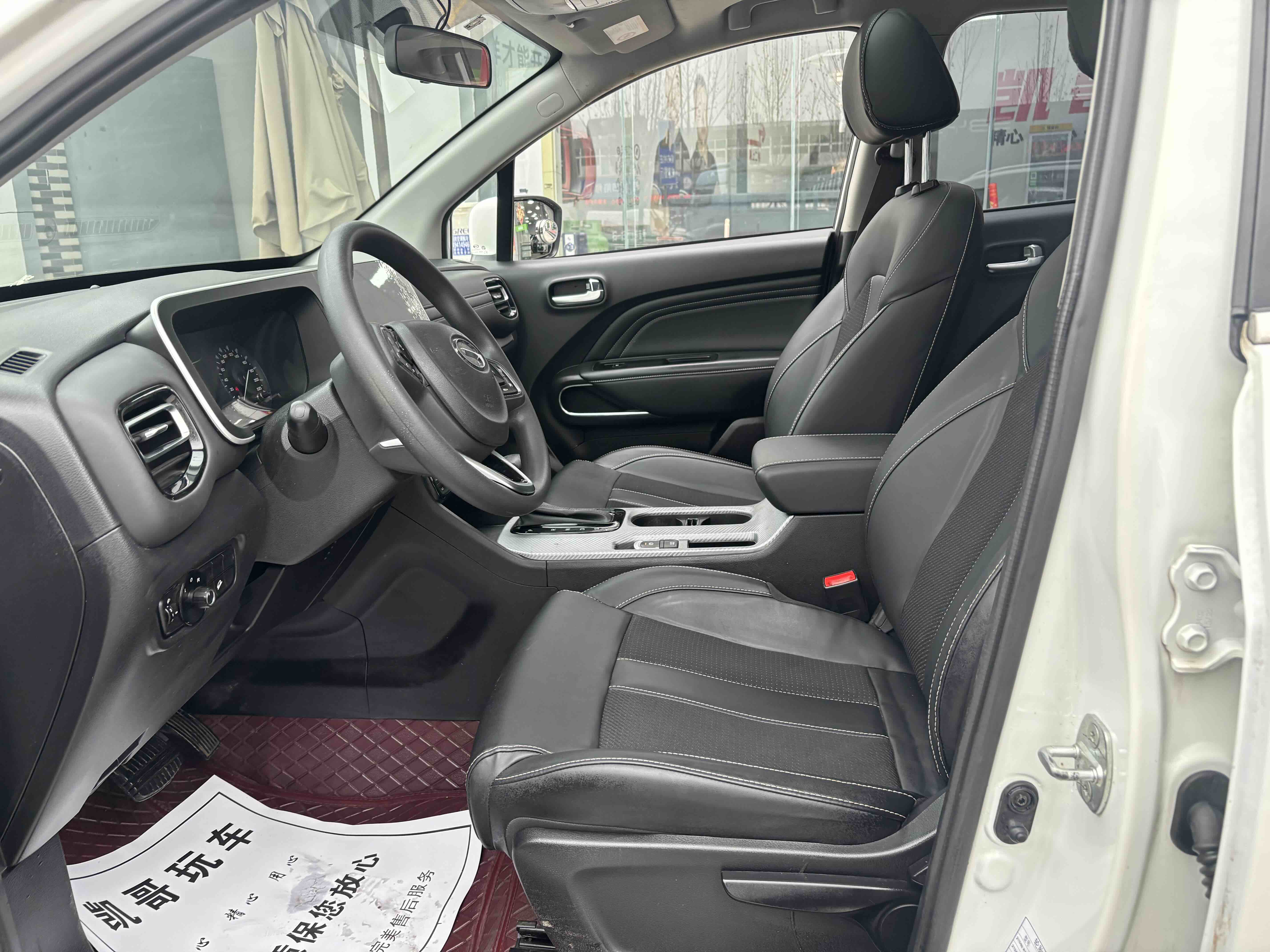
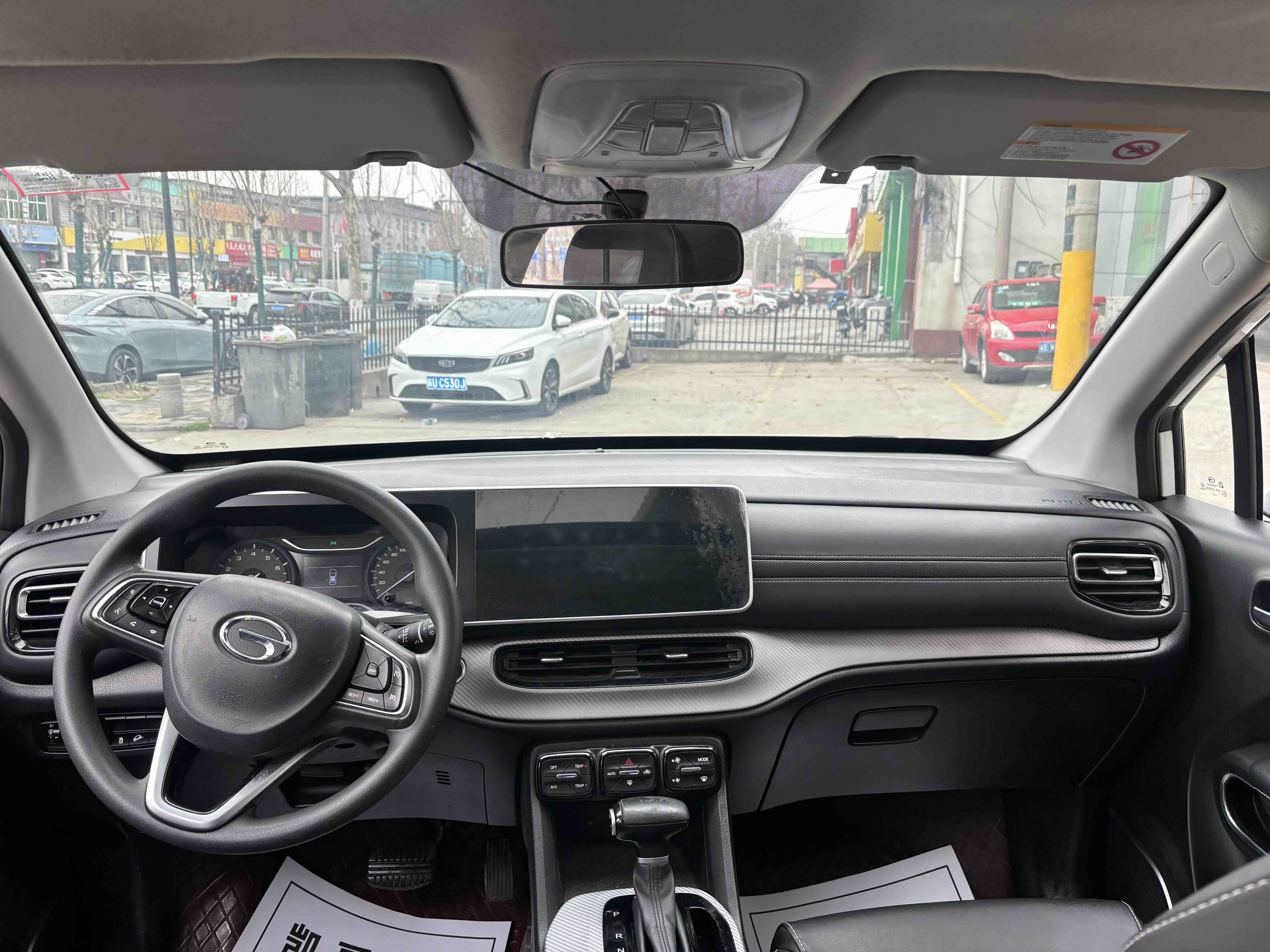
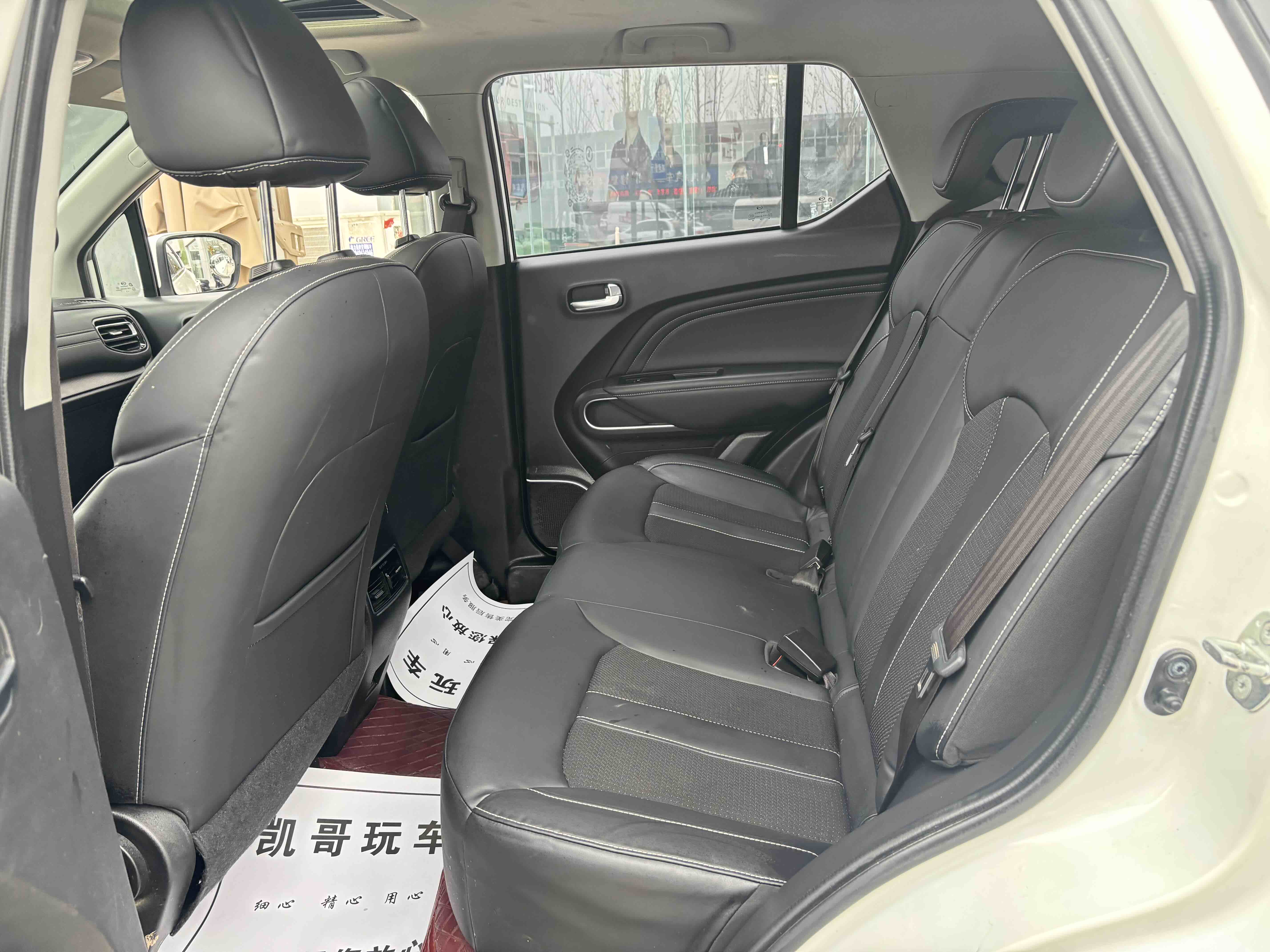

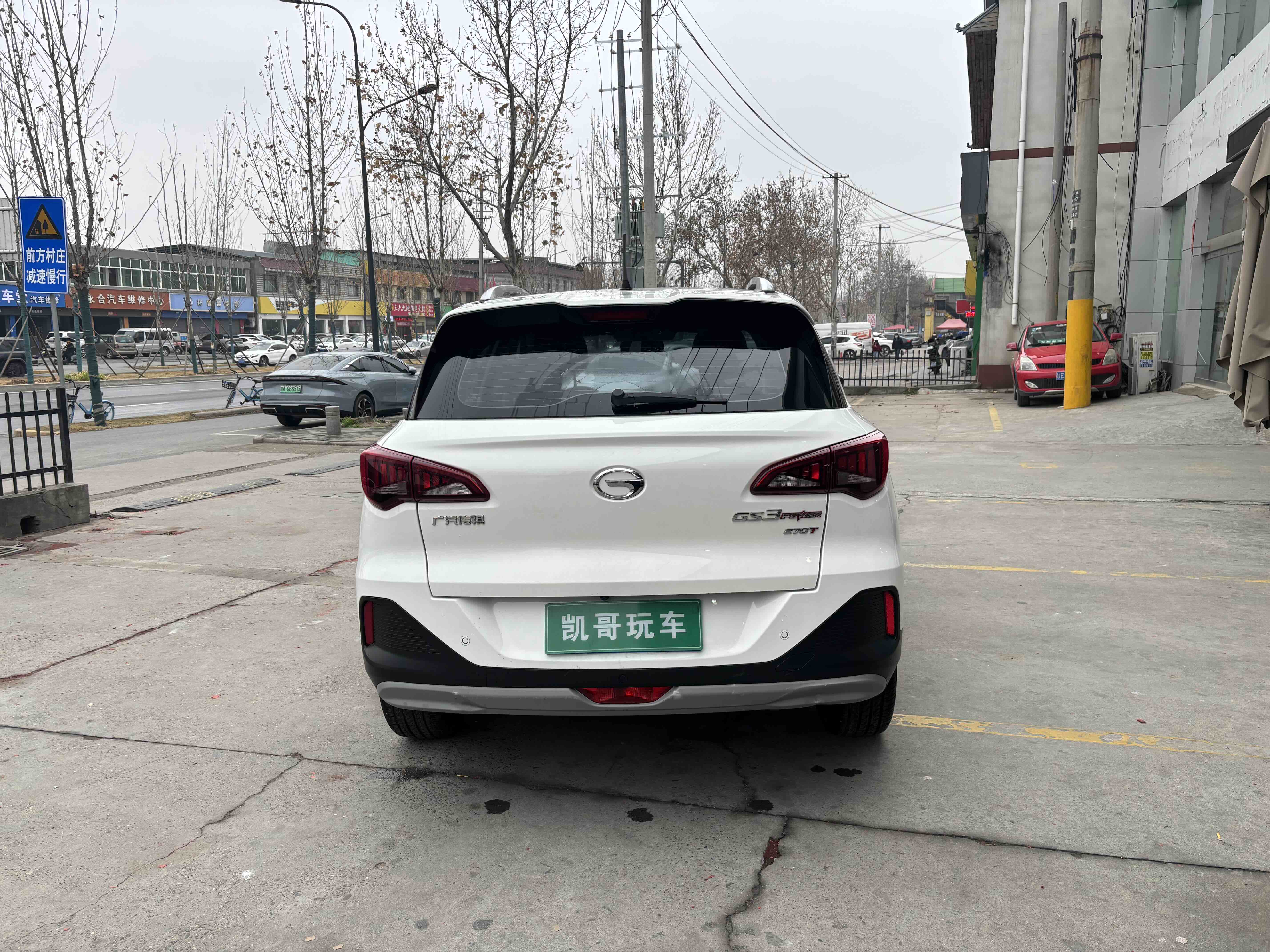




Basic Information

BrandGAC Trumpchi
SeriesGS3
Year2022
First Registration2022/08
Mileage5.7km
Transfer Count-
FuelGasoline
TransmissionManumatic
Engine1.5T 169 L4
ColorWhite
Seats-

Condition Description

2022 Trumpchi GS3 Paint: Original paint on sheet metal parts, repainted front bumper Exterior: Damaged right side step, scratched front bumper, scratched wheel rims, scratched right front door, paint chipping and corrosion on the trunk lid, scratched rear bumper, scratched left front door, scratched left rearview mirror, minor scratches on the left roof rack Replacement: None Claims: Air conditioning compressor, built-in rearview mirror Status: Installment payment Modifications: Two headlights Documents: Complete

Configuration Highlights

✓Driver/Passenger Airbags
✓Tire Pressure Monitoring
✓ISOFIX Child Seat Anchors
✓Keyless Start System
✓Keyless Entry System
✓ABS Anti-lock Braking
✓Electronic Brake Distribution
✓Electronic Stability Control
✓Hill Start Assist
✓Auto Hold
✓Hill Descent Control
✓Roof Rack
✓Multifunction Steering Wheel
✓Seat Material
✓Low Beam Headlights
✓Daytime Running Lights
✓Adjustable Headlight Height
✓Power Windows
✓Anti-pinch Windows
✓Climate Control Type
✓Rear Air Vents

Q&A

More

Is China's "National VI B" emission standard equivalent to Europe's Euro VI standard?

From a technical perspective, China's "National VI B (China VI-b)" is one of the strictest emission standards globally, with limits on carbon monoxide, nitrogen oxides, and particulate matter that are even stricter than some of Europe's Euro VI standards. However, the two are not legally recognized by each other, depending on your country's import regulations.


Can you check the previous history of the vehicle's use (whether it was for personal transport or company use)?

The registration certificate will show whether the previous owner was an individual (registered with ID) or a company (registered with a business license). Vehicles under a company may be driven by multiple people, so we will focus on checking the uniformity of interior wear and the condition of the chassis.

How are the refrigerant pressure, compressor operation, and heating effect of the air conditioning system deeply tested?

The technician will start the vehicle and turn on the air conditioning system, measuring the actual temperature at the vents at the lowest and highest settings with a thermometer; at the same time, they will connect a manifold pressure gauge to check if the refrigerant pressure in the high and low pressure lines is within the normal range, determining if there is a chronic refrigerant leak.