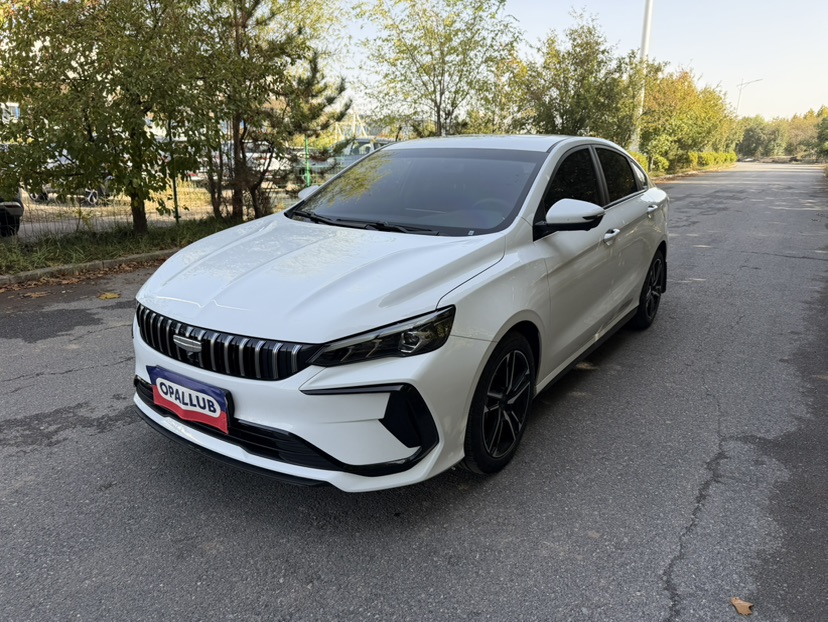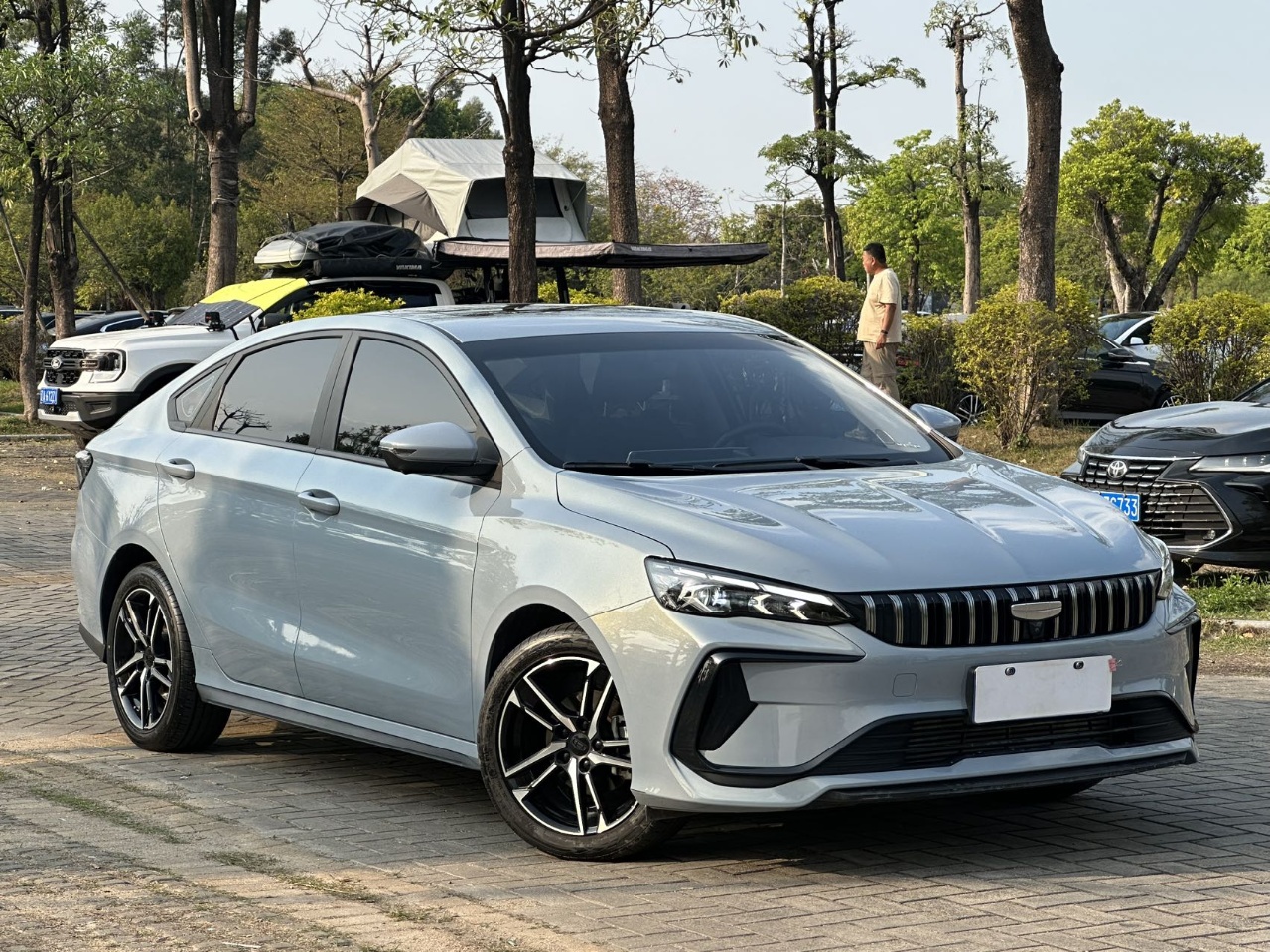
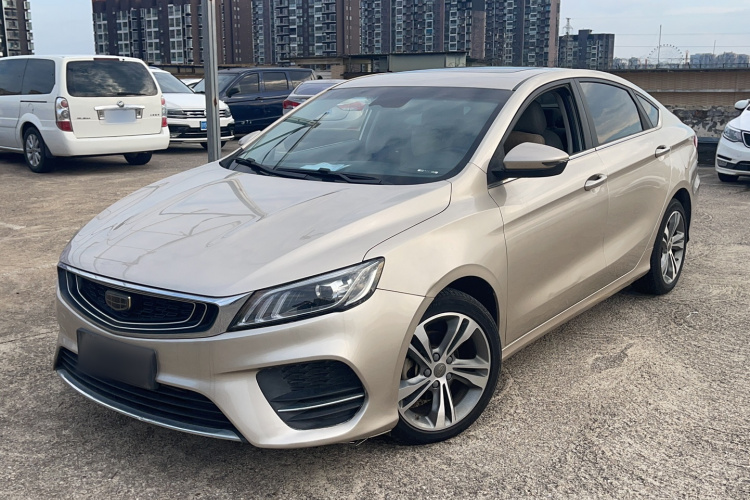
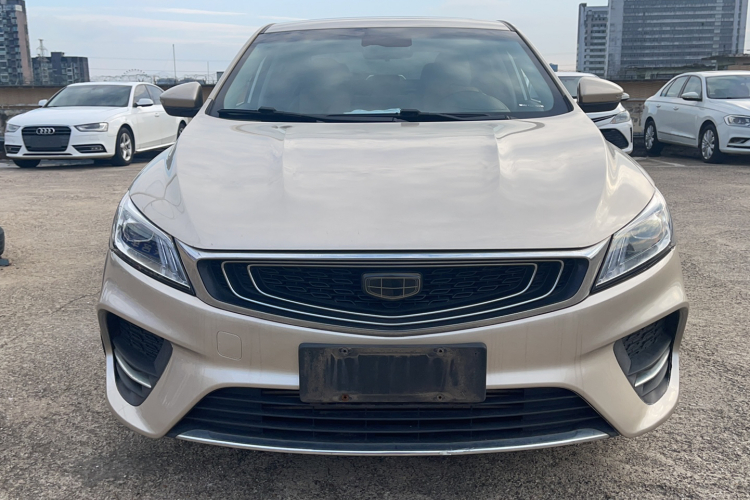
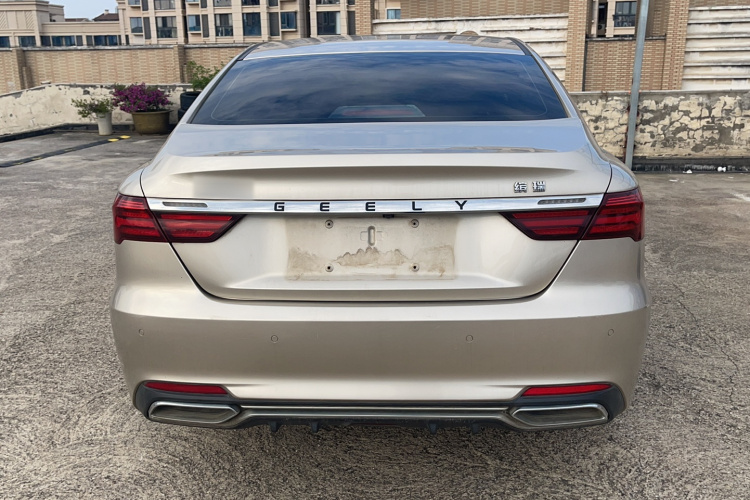
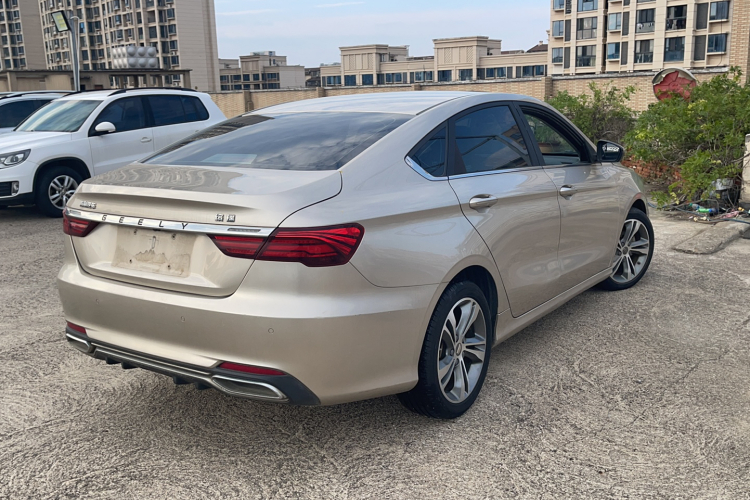
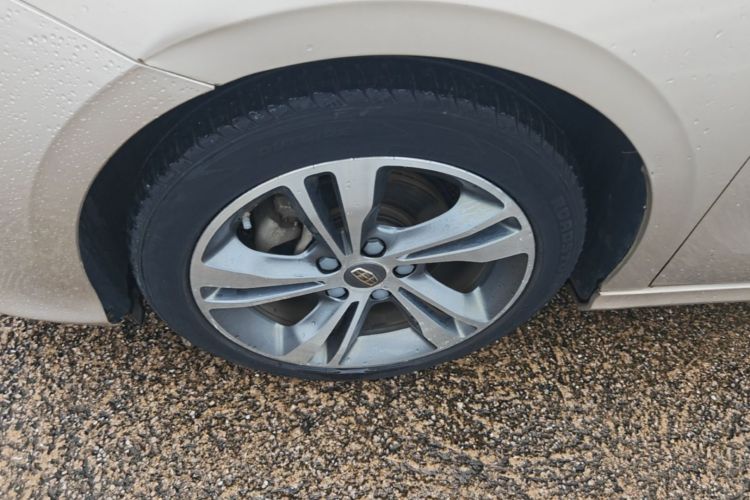
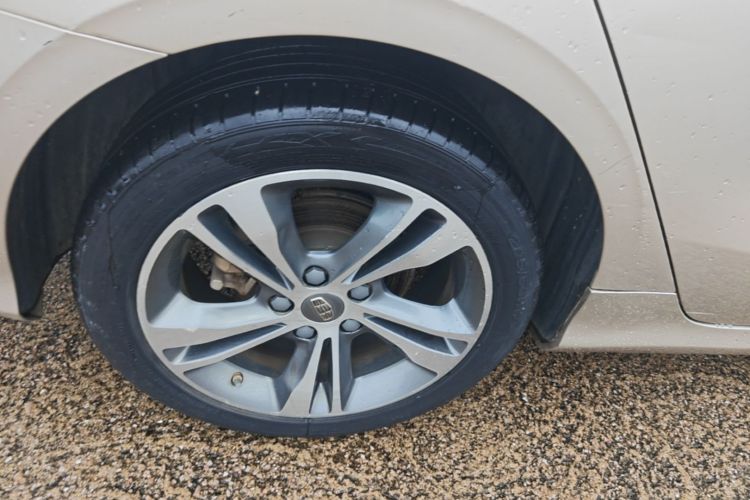
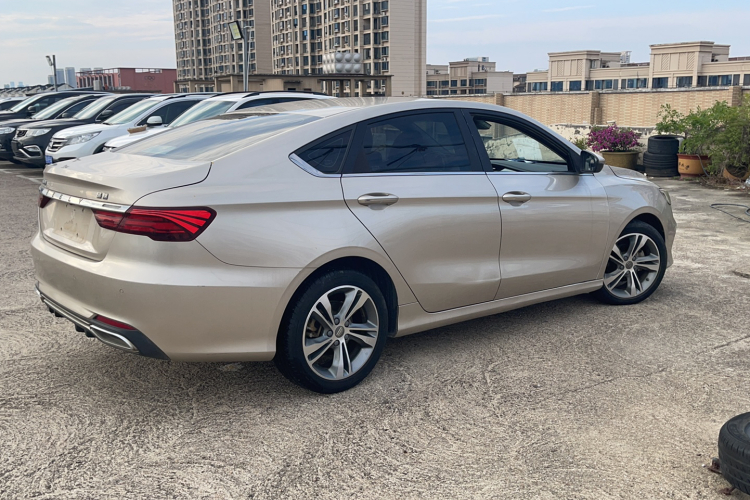
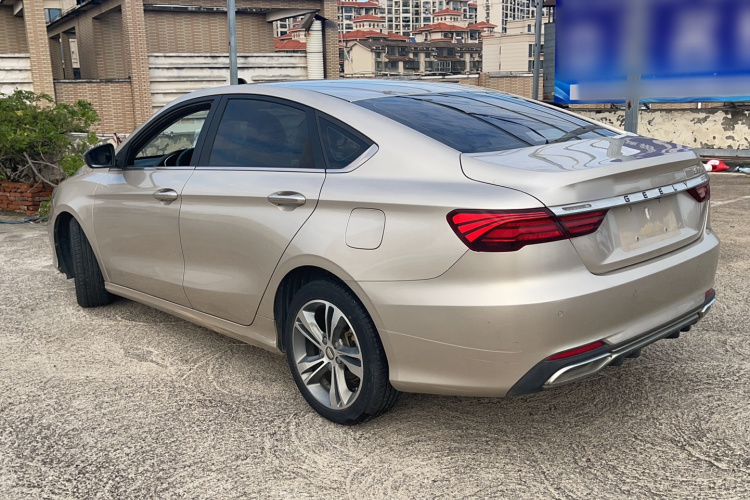
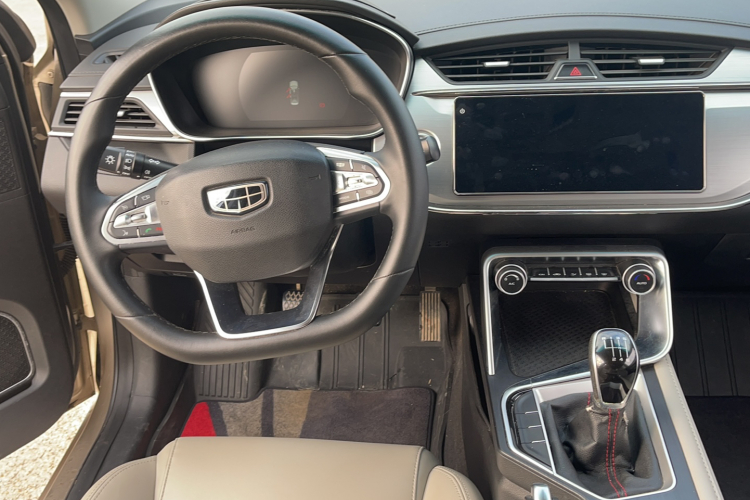
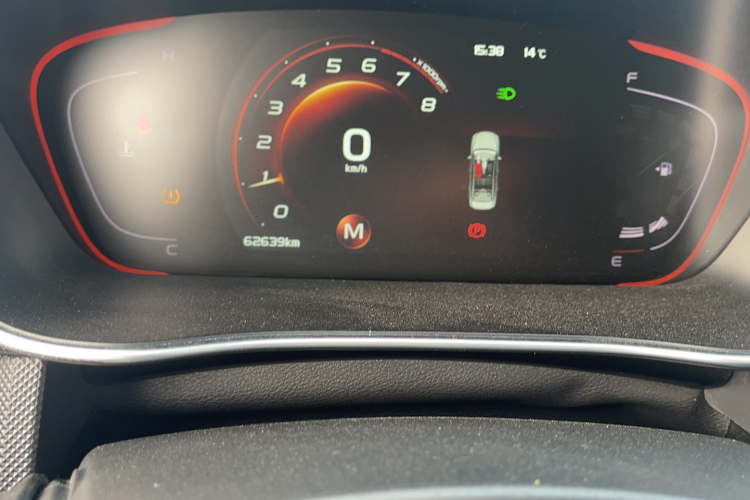
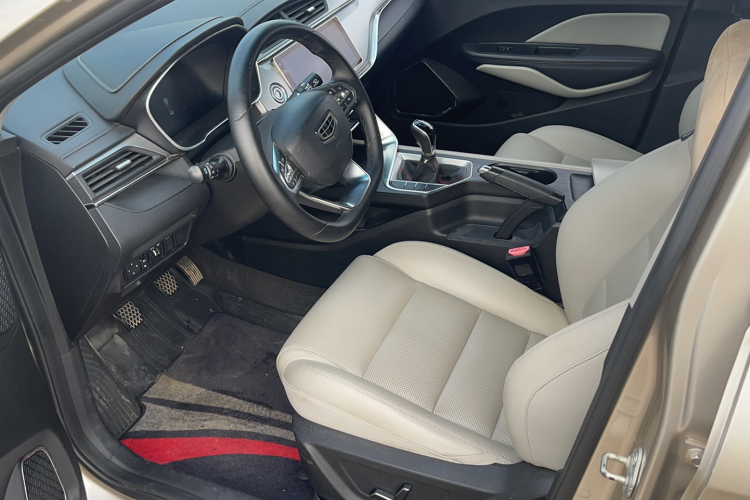
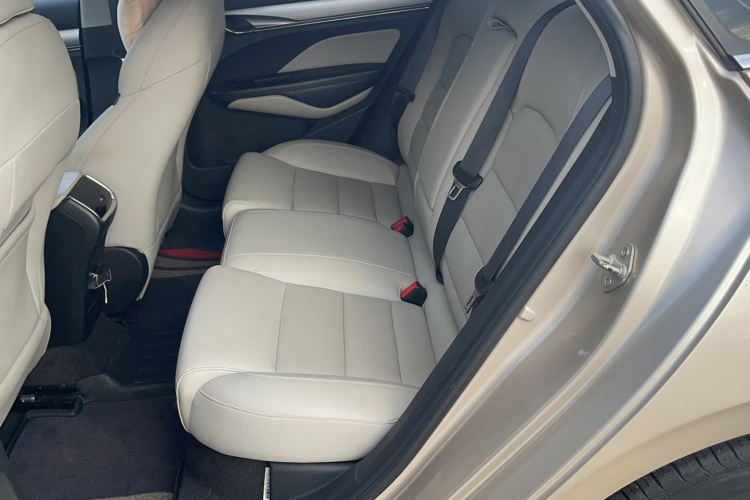
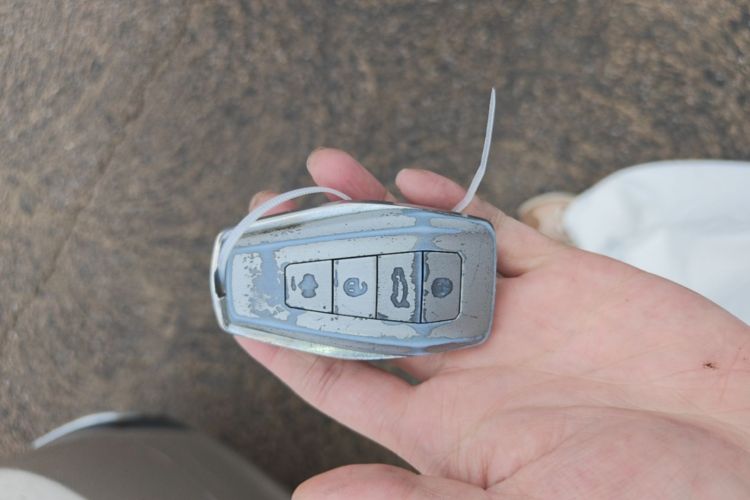
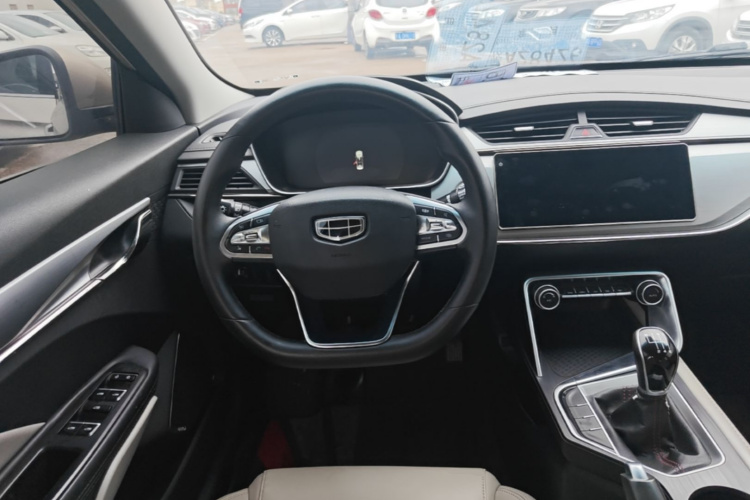
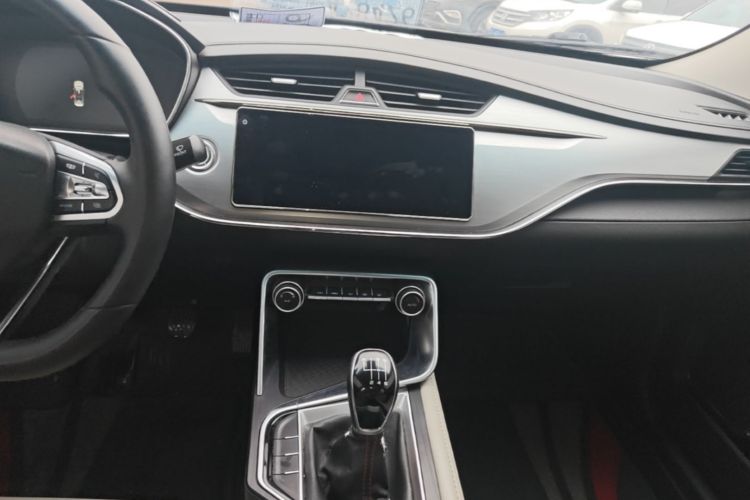
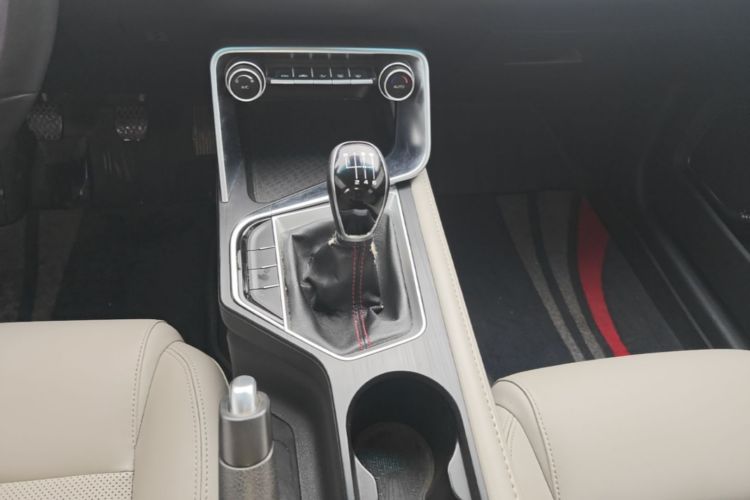
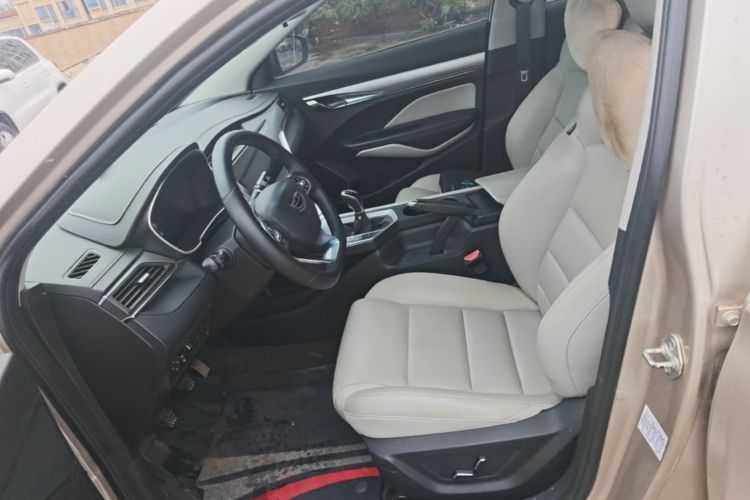
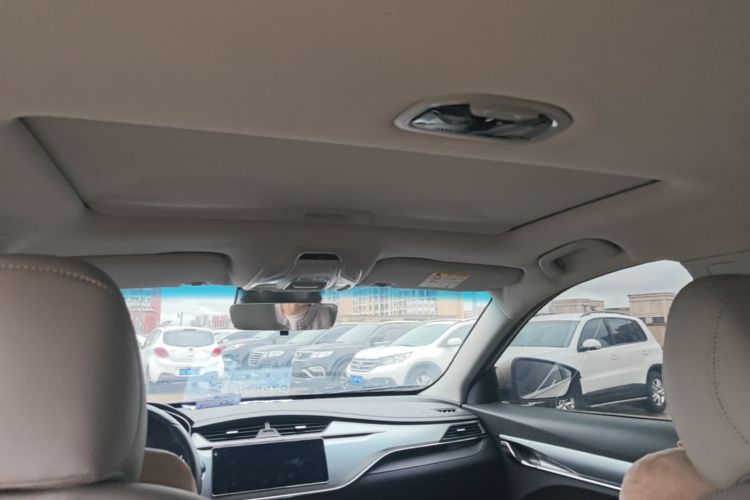
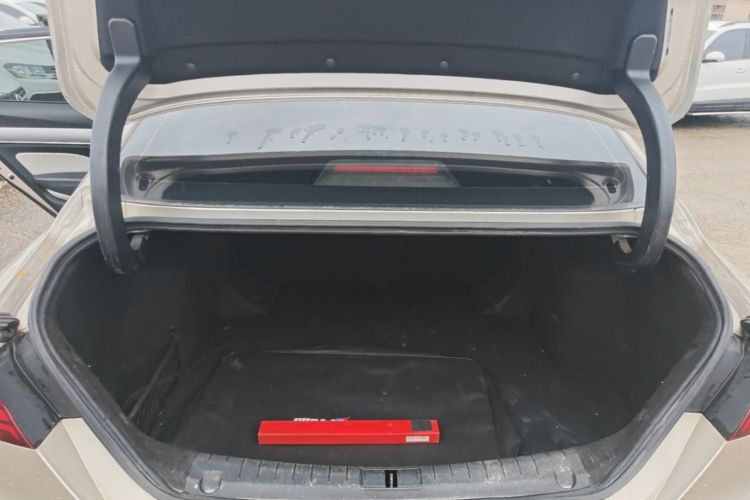
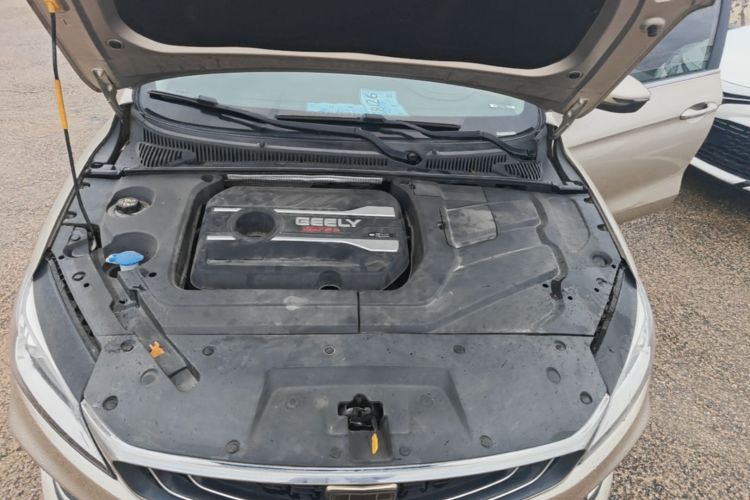
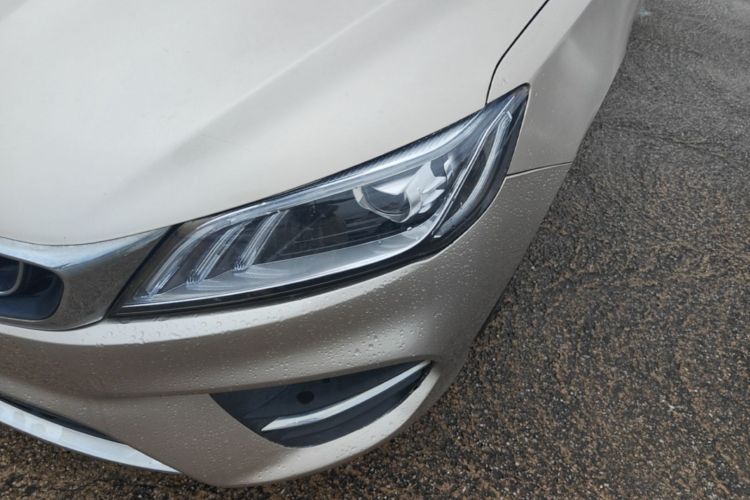
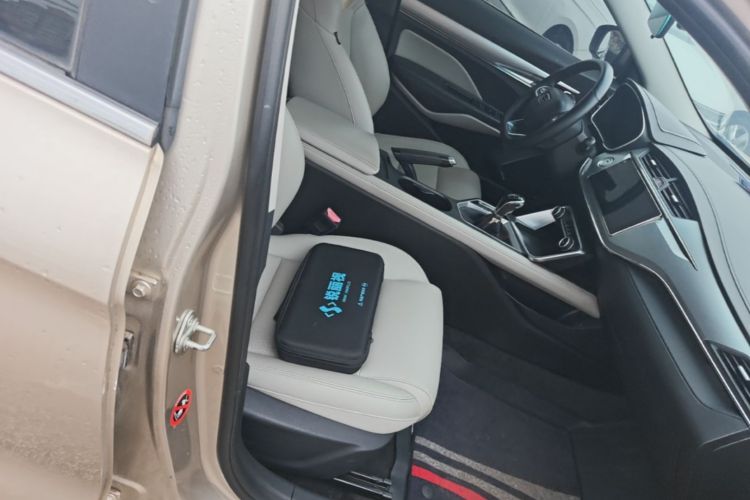
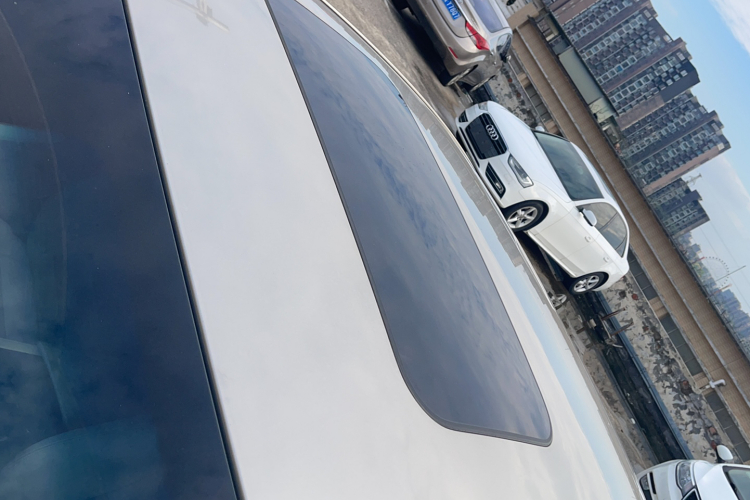
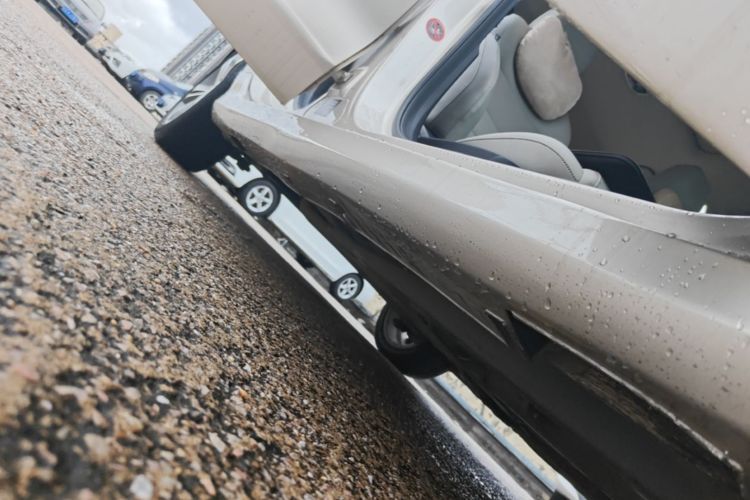



Basic Information

BrandGEELY
SeriesBinray
Year2018
First Registration2018/11
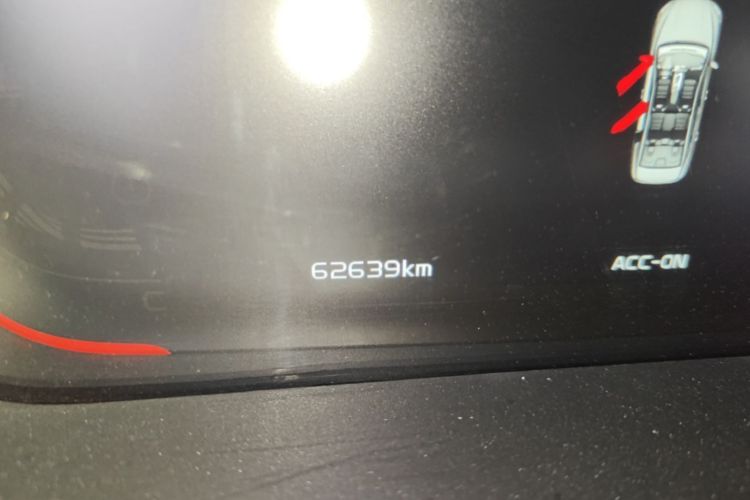
Mileage62,600km
Transfer Count1times
FuelGasoline
TransmissionManual
Engine1.4T 133 L4
Color
Seats-

Condition Description

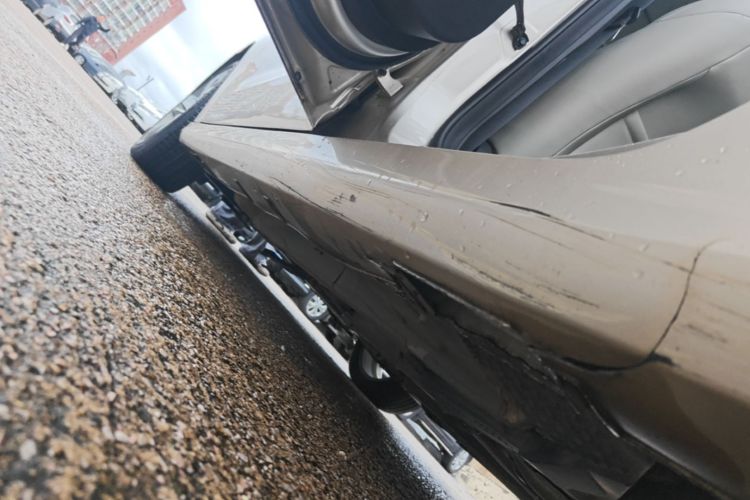
Basic condition meets standards | 2 insurance claims | 1 transfer

Q&A

More

Which import rules (age limits, emissions, safety standards) apply to used cars from China in my country, and how do I confirm the car qualifies before paying?

Rules differ by country. Many markets limit the age of imported used cars (commonly 3-5 years), require left-hand drive, and set minimum emission standards such as Euro 4, 5 or 6. Some regions additionally require a local conformity certificate before the car arrives. Practical steps before any deposit: check your customs authority's official website, or spend 20 minutes with a local customs broker who imports vehicles regularly; give the exporter your country's requirements and the VIN, and ask for proof of the car's emission level (China's standards map roughly to Euro equivalents); confirm the exact model was legally exportable from China. A short verification call at the start can prevent the car being refused entry — or impounded — months later.


When buying a used Chinese EV or smart car, how do I confirm the smart features will actually work in my country?

Many connected features are tied to the car's original market. Start with the basics: the infotainment language, navigation maps and voice assistant may only support Chinese, and some systems require a local SIM or account that cannot be transferred to overseas owners. For driver-assistance systems, check whether the model relies on hardware that works without Chinese map data. Lane keeping and adaptive cruise usually work abroad, but map-dependent features like highway pilot may not. Ask the seller to test each key function on video before shipment: boot-up, touchscreen response, app connectivity and over-the-air update status. Also confirm the battery management system and motor controllers have no region locks. Get written confirmation that the features you are paying for are functional in your destination country, and keep that document with the purchase contract.

If the customs of the destination country values the vehicle higher than your commercial invoice amount, leading to a surge in duties, who is responsible?

The customs of the destination country has the right to disregard the commercial invoice and reassess the value based on its internal database (such as the customs valuation red book). Any additional duties incurred are a result of the importing country's policy and are fully borne by the buyer (importer).