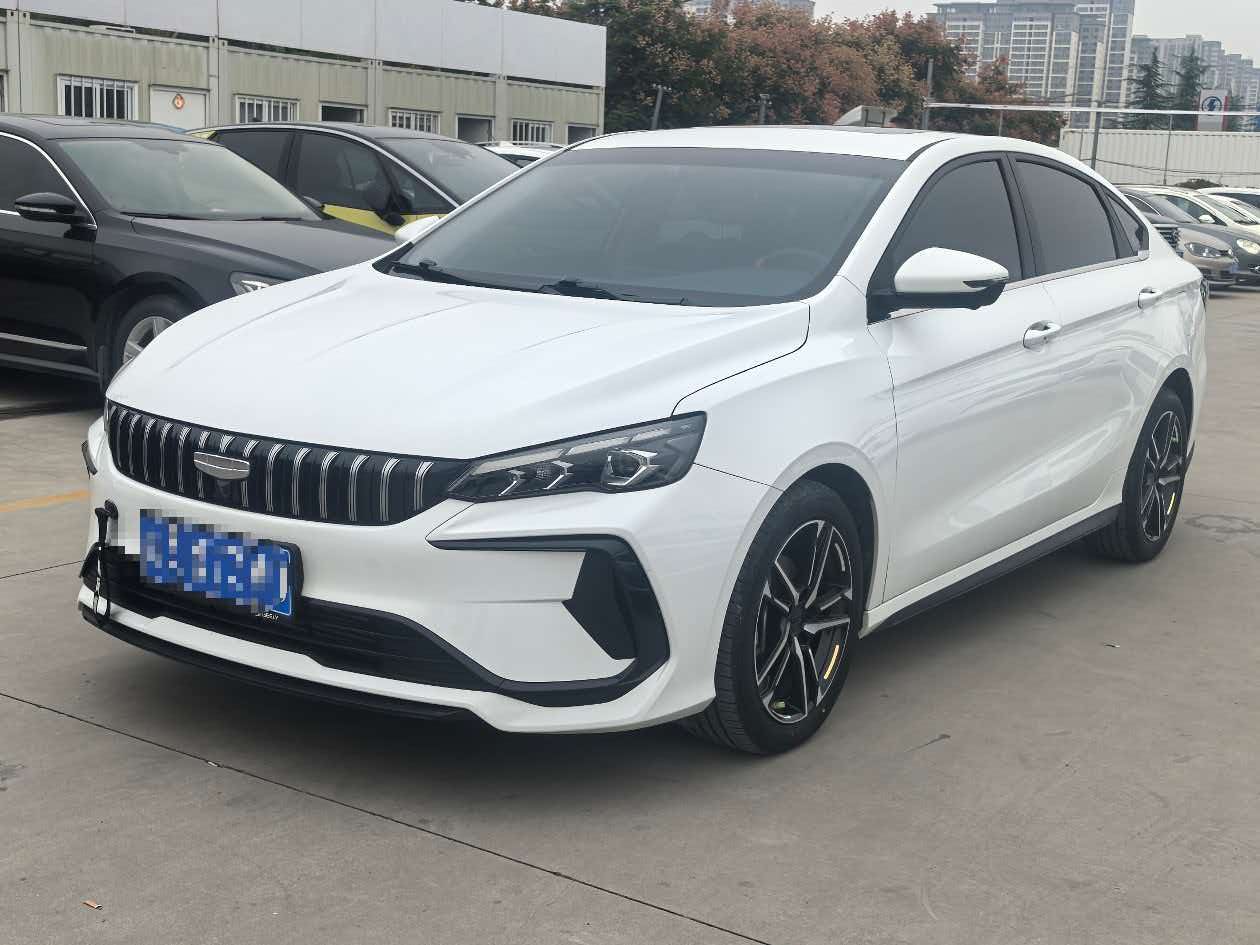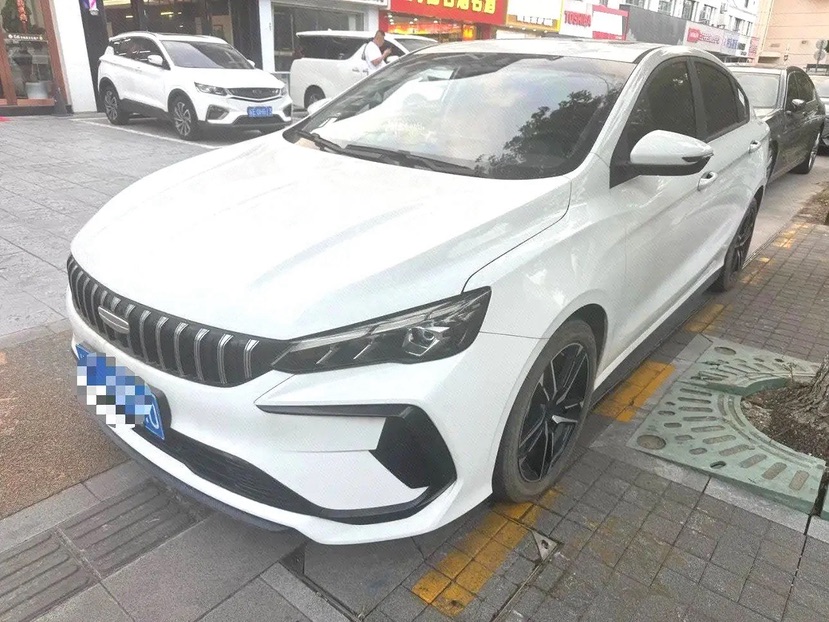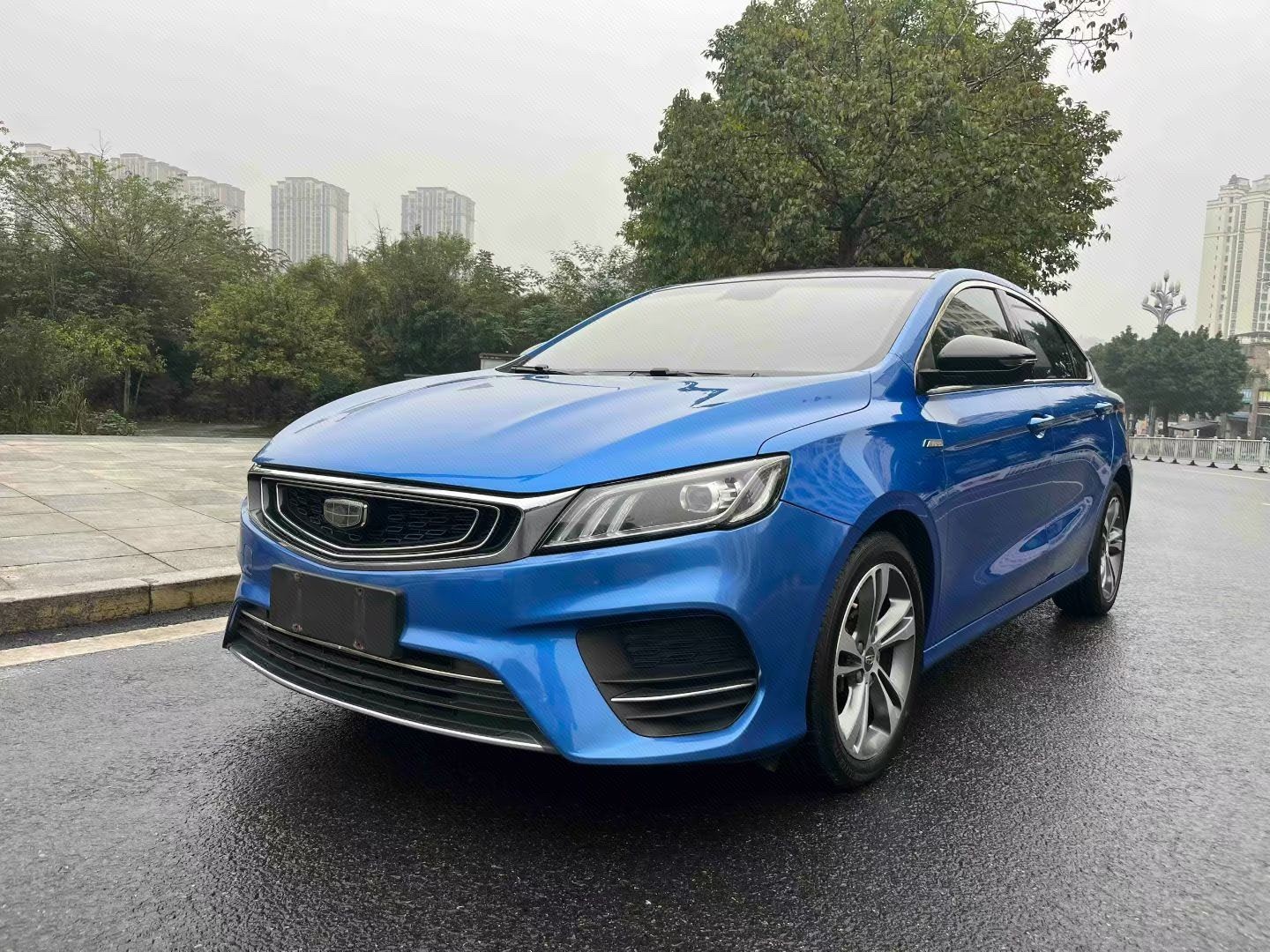
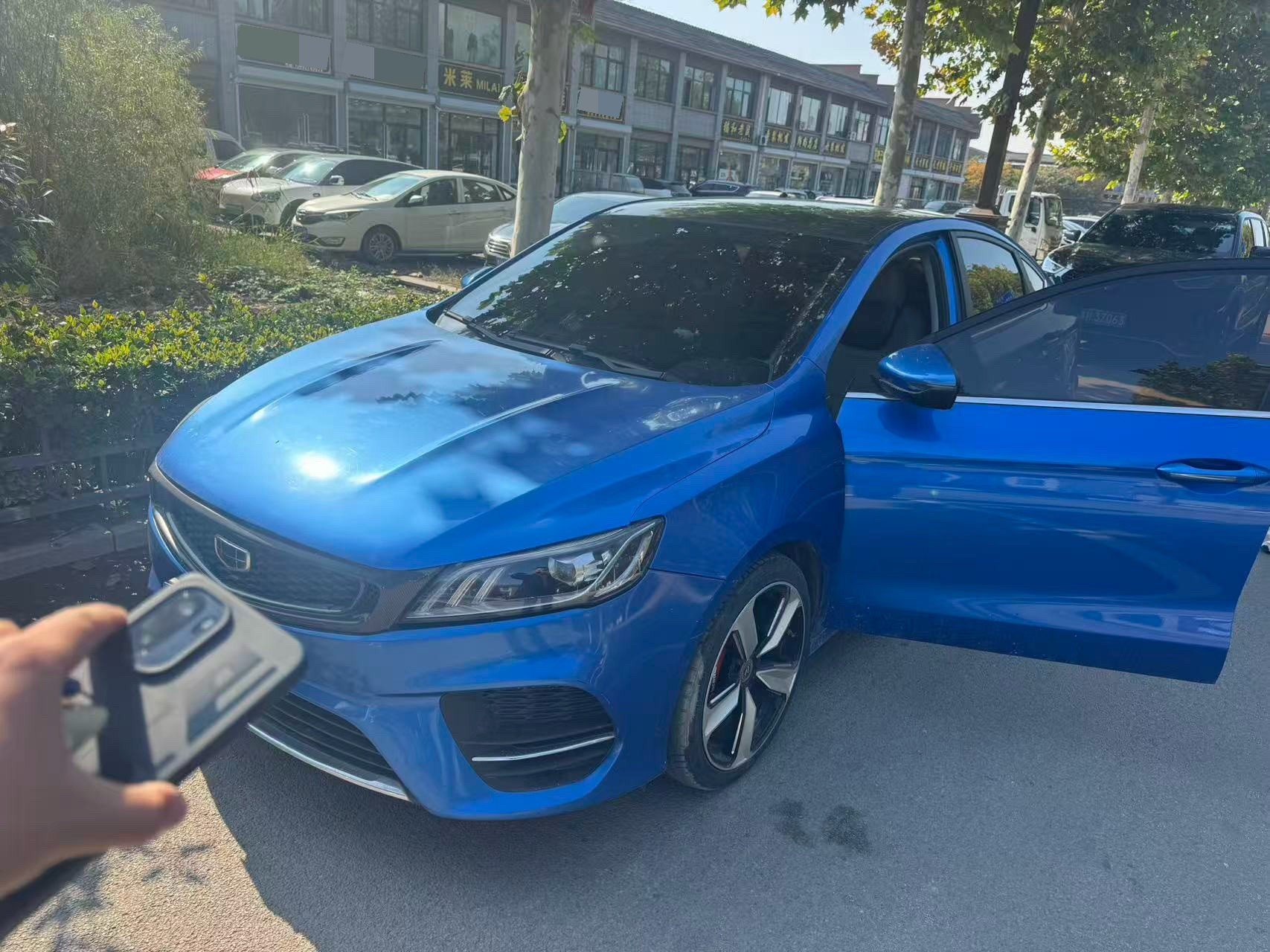
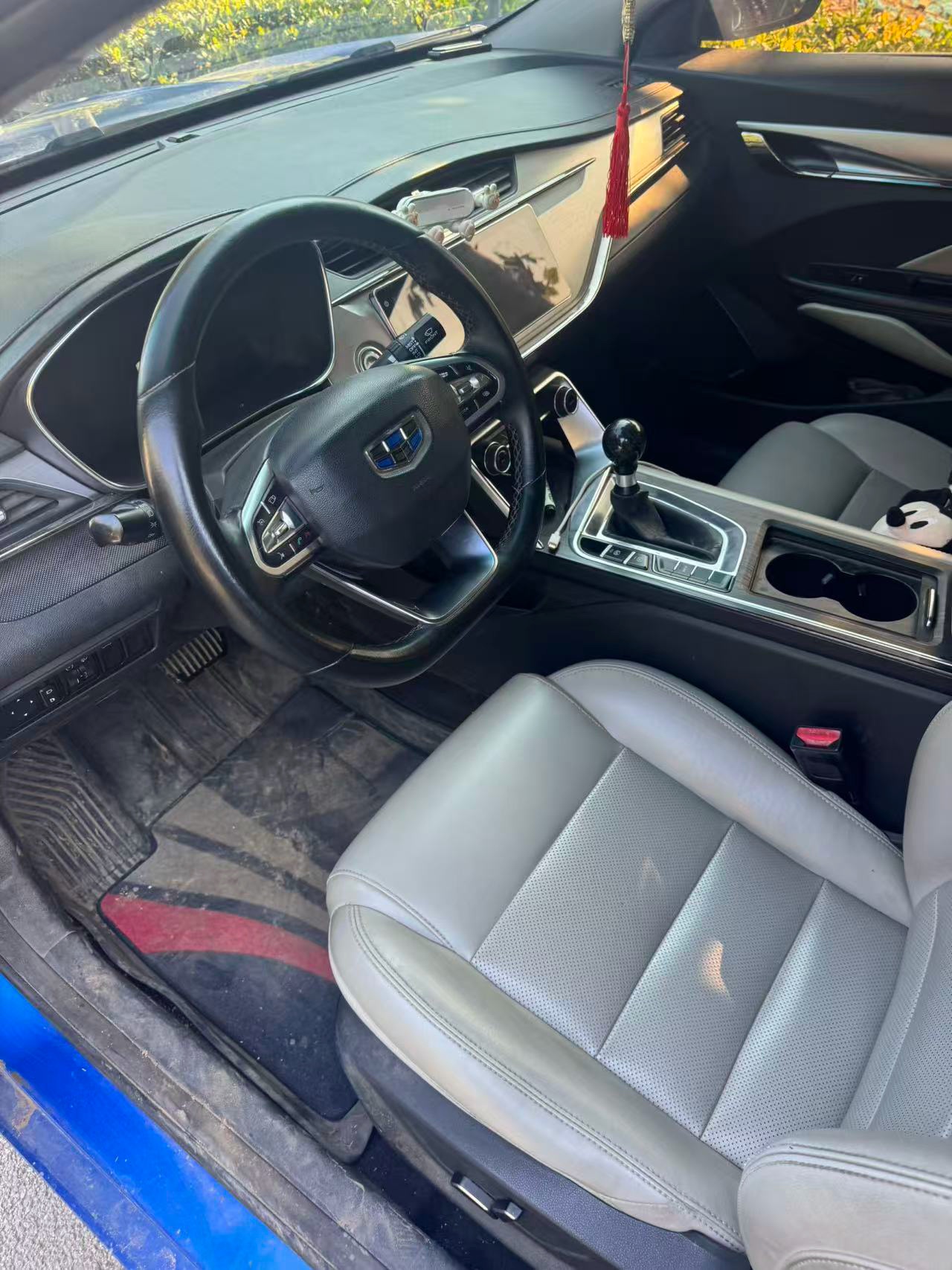
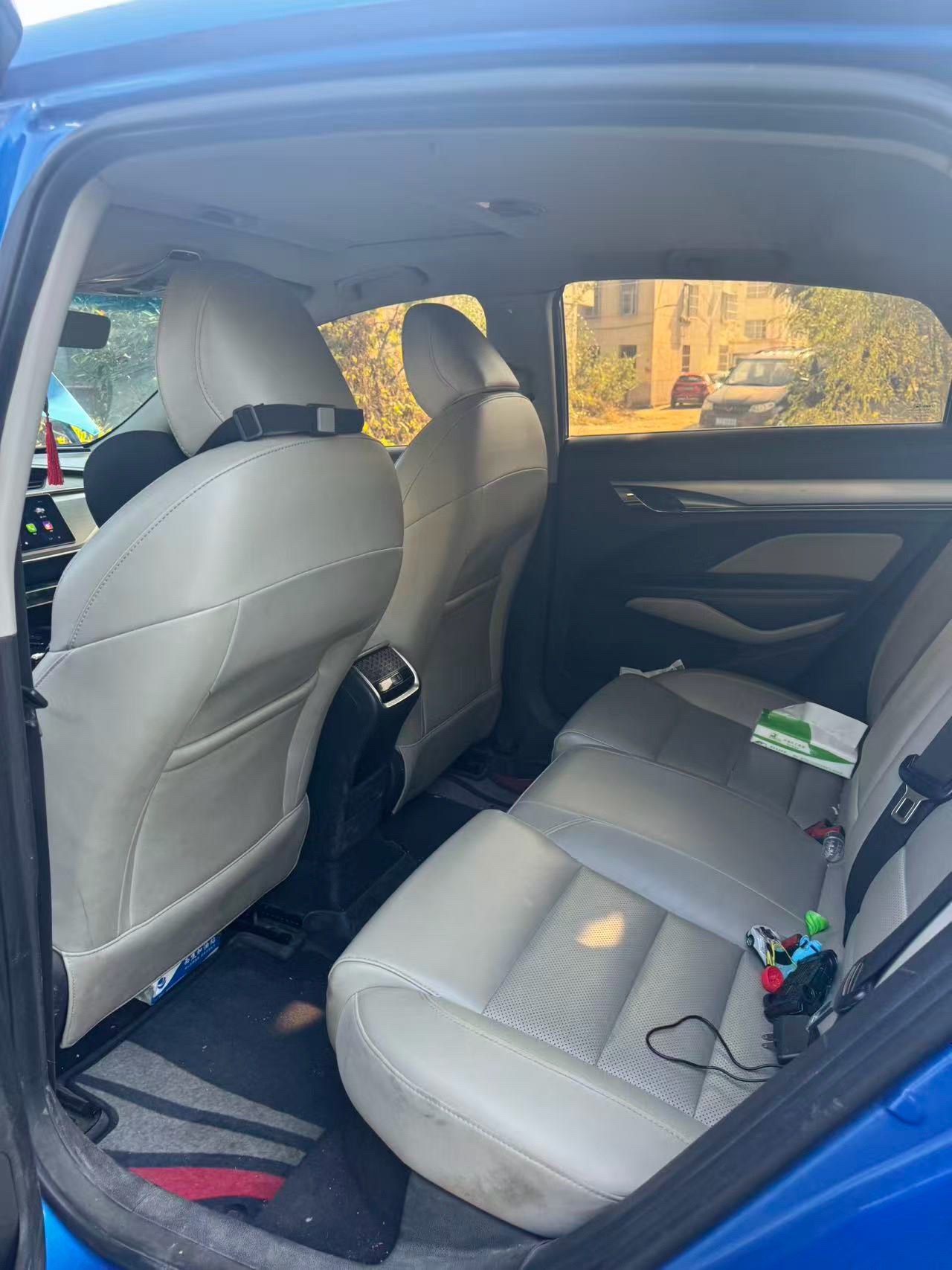
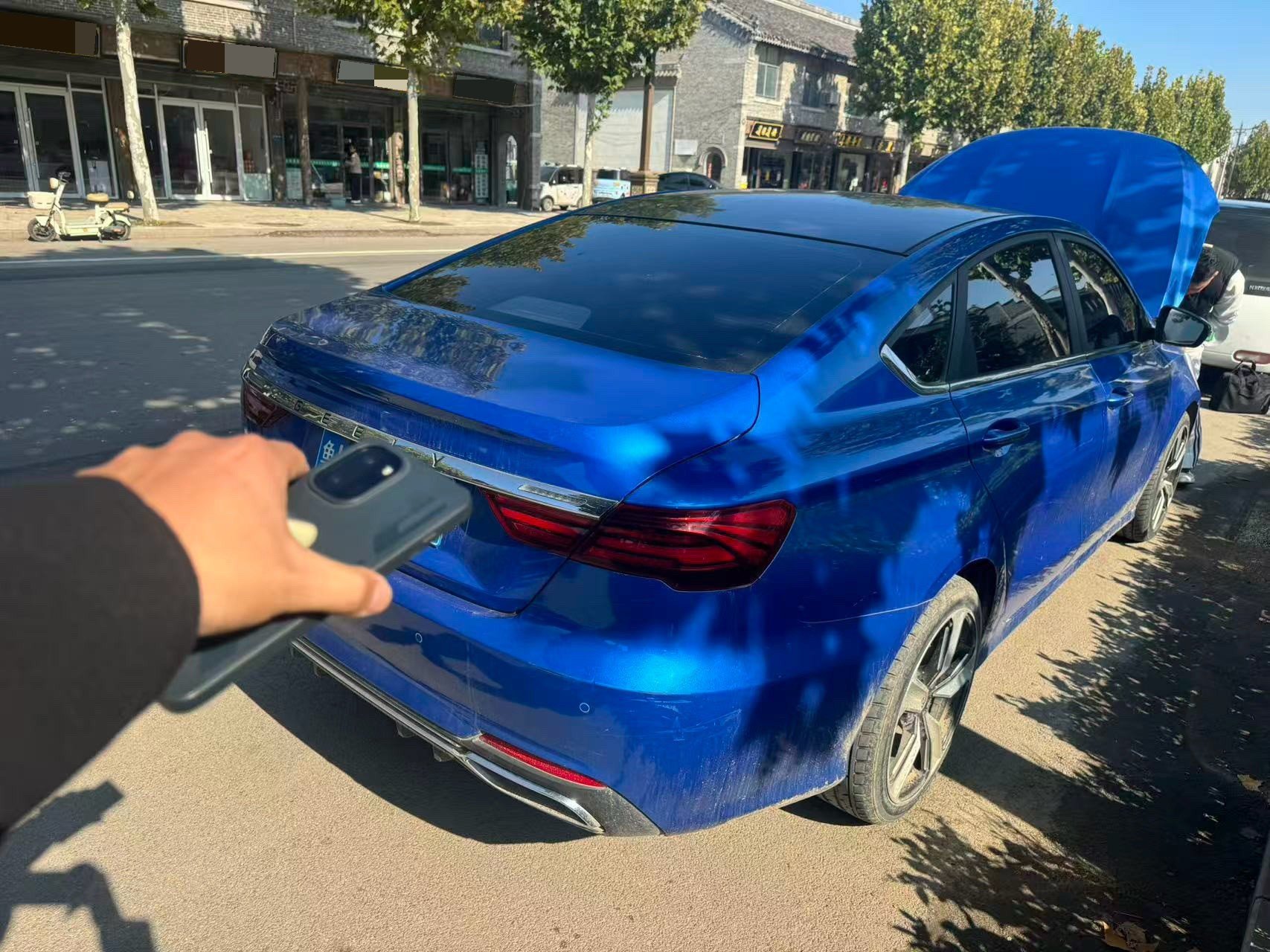
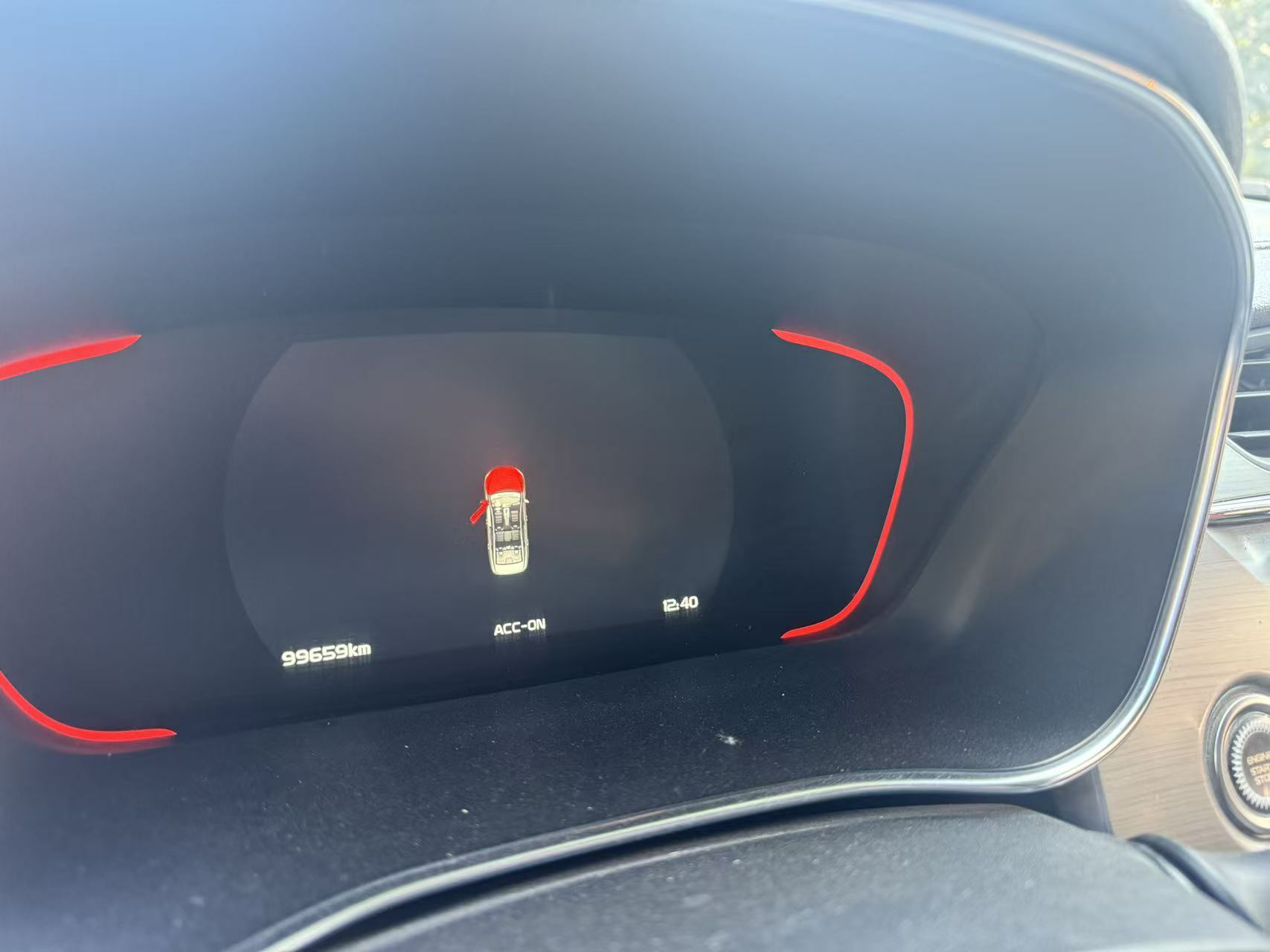



Basic Information

BrandGEELY
SeriesBinray
Year2018
First Registration2018/10
Mileage99,000km
Transfer Count0times
FuelGasoline
TransmissionCVT
Engine1.4T 133 L4
ColorBlue
Seats-

Condition Description

Original condition, three panels repainted. Insurance has 8 days remaining.

Document Information

Inspection Expiry Date-
Warranty Expiry Date-
Insurance Expiry Date2026/11

Q&A

More

How can I detect signs of flood or water damage inside a used car from China during a remote inspection?

Water damage is one of the most common hidden problems in used cars, and it often escapes basic photo reviews. During a live video inspection, ask the inspector to check these specific points: 1. Smell test: A musty or moldy odor inside the cabin is the first red flag. Have them open all doors, run the AC briefly, and smell the air from the vents—musty AC often indicates water in the HVAC system. 2. Under the carpets: Lift the floor mats and look for water lines, rust stains, or dampness on the carpet backing and the metal floor underneath. Sediment or silt residue is a giveaway. 3. Seat rails and bolts: Pull the seats fully forward and backward. Rust on seat rails or fresh-looking bolts suggests the seats were removed for cleaning after flooding. 4. Trunk area: Check the spare tire well and under the trunk carpet for standing water marks or rust. 5. Electronics: Test every window, seat adjustment, and the infotainment screen—water-damaged electronics behave erratically. Also request a scan report: flood cars often store history codes for multiple control modules that failed simultaneously. Cross-check the car's origin; vehicles from flood-prone southern regions deserve extra scrutiny.


What can a pre-purchase OBD diagnostic scan actually reveal about a used Chinese car?

An OBD scan is one of the most cost-effective tools in a remote pre-purchase inspection, but you need to know what it can and cannot tell you. What it reveals well: current and stored fault codes across the engine, transmission, ABS, airbag, and body modules. A car with dozens of cleared codes in multiple modules may have electrical problems or a history of tampering. It also shows readiness monitors — if all monitors show 「not ready」 on a car that claims to be freshly serviced, the codes were probably cleared recently to hide something. What it reveals with the right software: live data. You can watch engine idle stability, coolant temperature under load, transmission shift behavior, and battery cell voltages on EVs. Abnormal fuel trims or misfire counters can flag worn injectors or coils before any warning light appears. What it cannot do: prove real mileage (odometers can be corrected digitally), detect physical accident repairs, or judge paint and rust. Practical advice: ask your inspector for a full-system scan report with screenshots, not just a 「no codes」 verbal summary. For Chinese brands, make sure the tool supports their protocols — mainstream scanners cover BYD, Geely, and Chery well, but some small brands need brand-specific software.

How can I confirm the seller actually owns the car and that it has no outstanding liens or loans in China?

Ask the exporter for a copy of the vehicle registration certificate (机动车登记证书). It lists every owner change and any mortgage registration. If the car was financed, there will be a lien entry; make sure a release entry follows it. You can also verify the VIN against public records through the traffic management platform (12123) — a legitimate exporter can generate a status report on the spot. Check that the seller's company name on the invoice matches the registered owner. For extra safety, require a written statement that the vehicle is free of liens, loans, court seizures, and lease agreements, and wire payment only to the company's corporate account after ownership is transferred to the export entity. That sequence — transfer first, payment second — is your strongest protection.