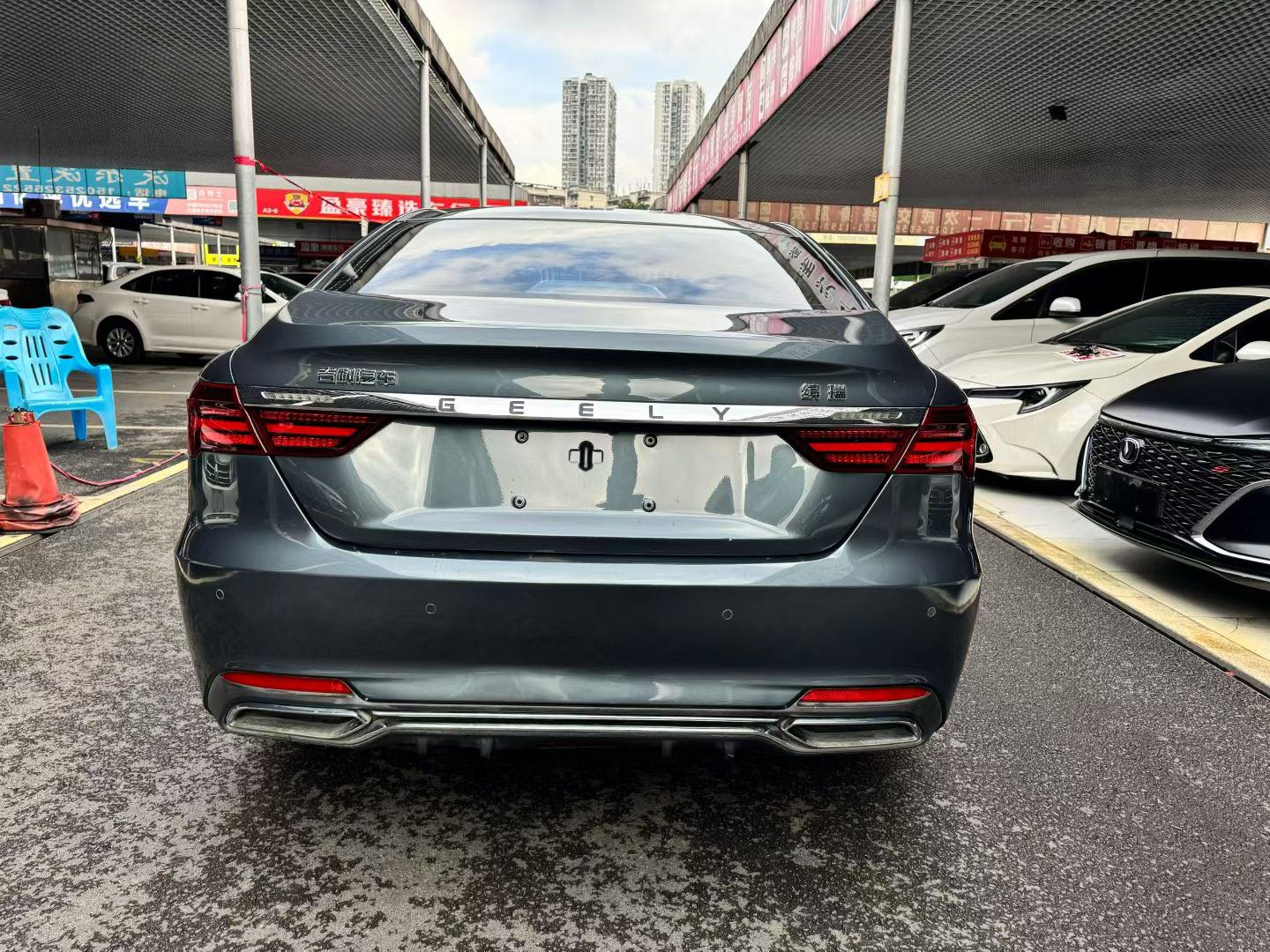
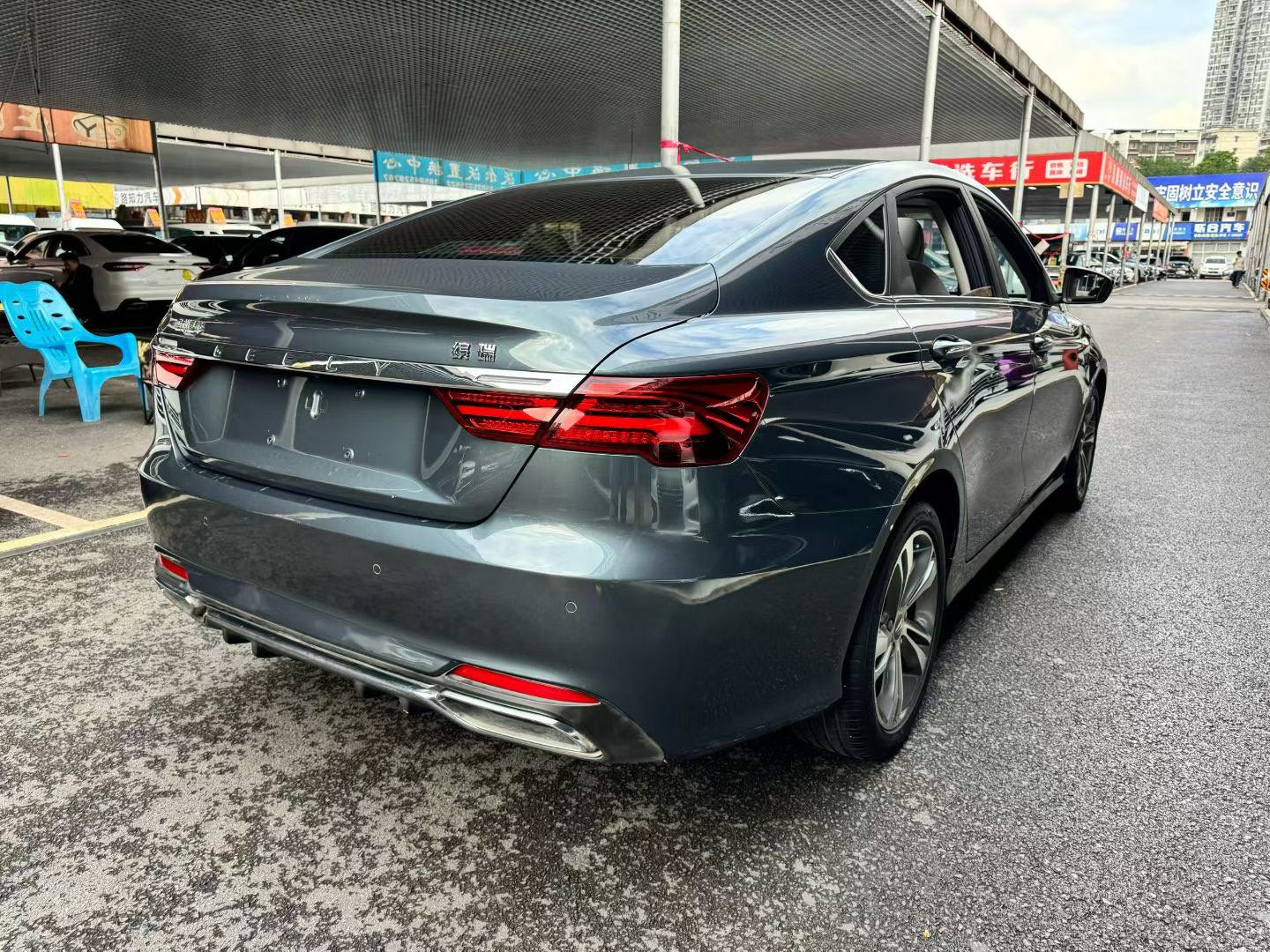



48H

Basic Information

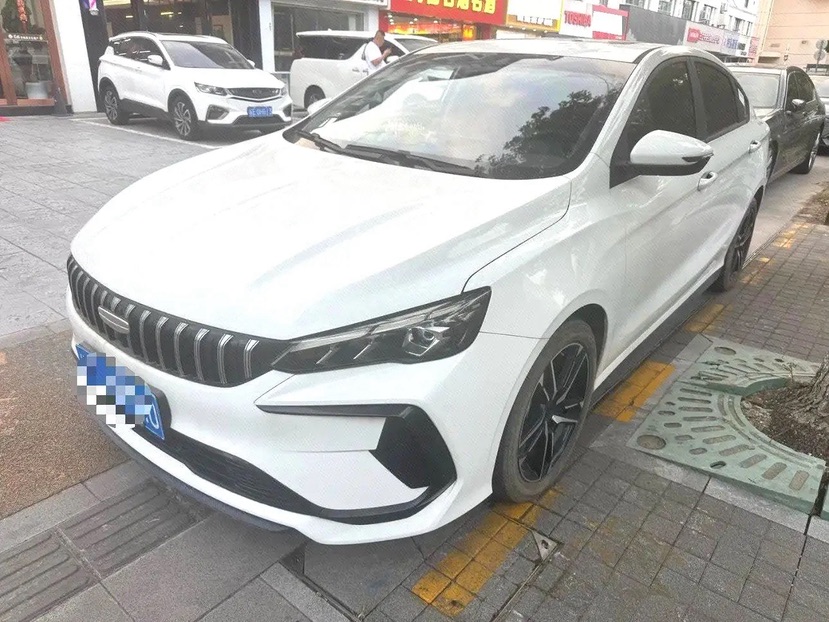
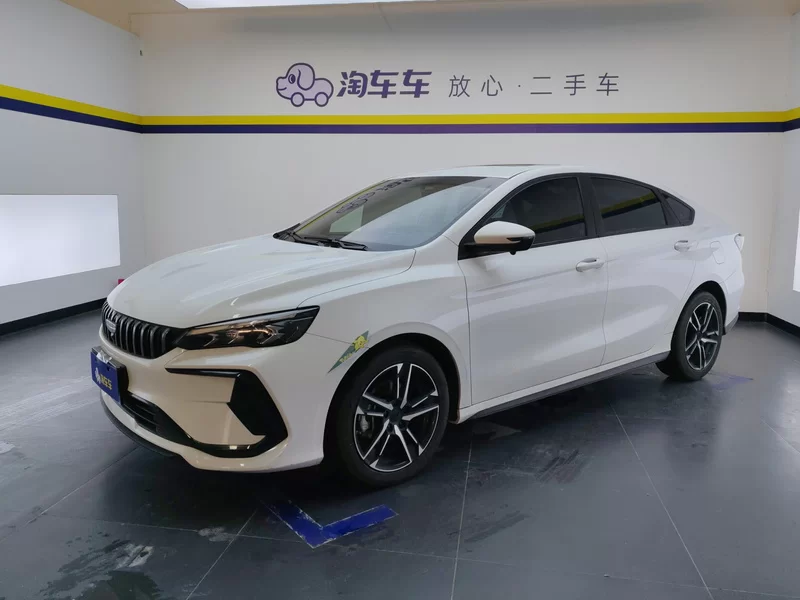
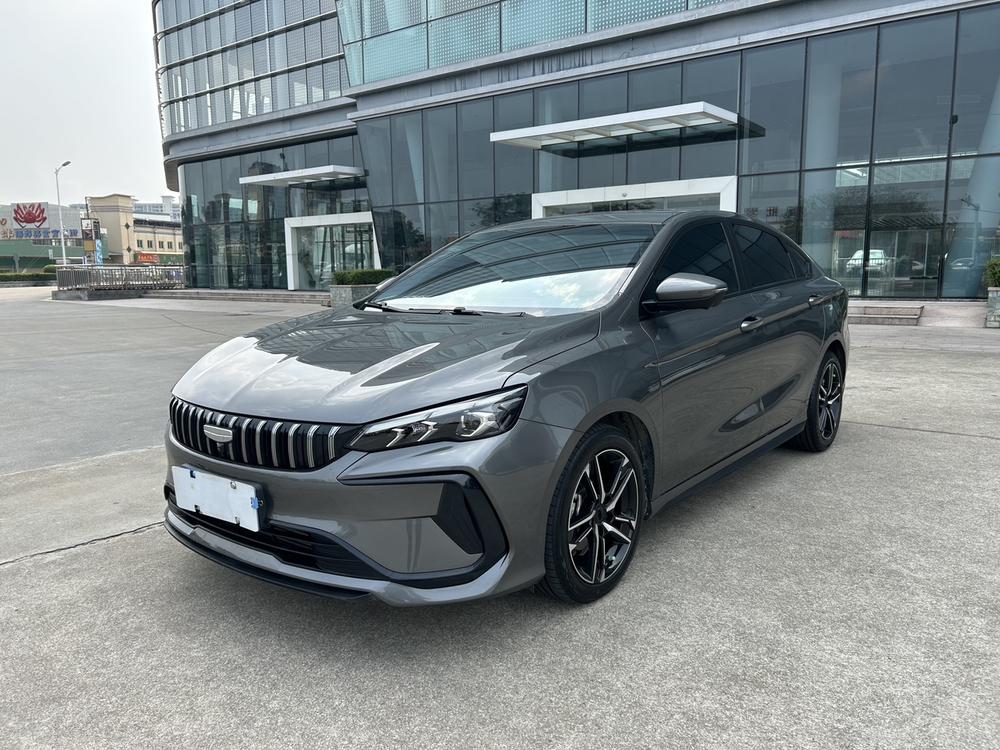
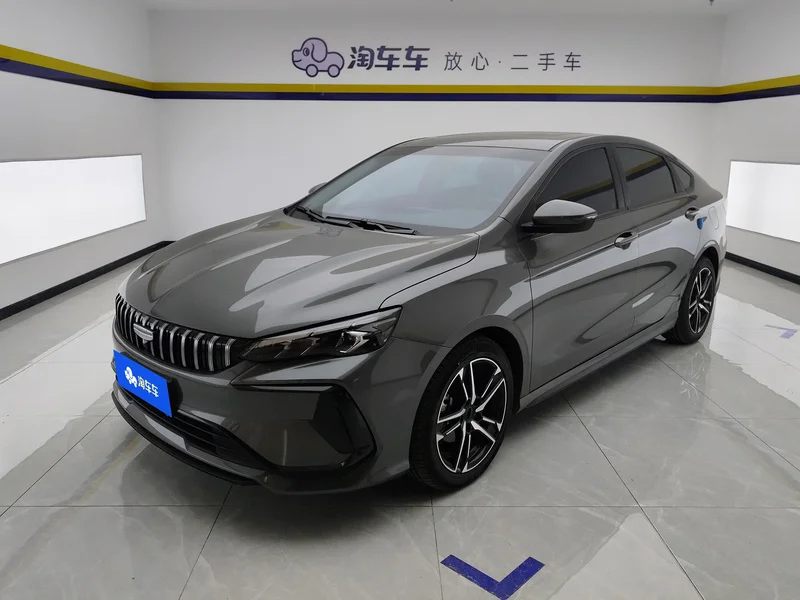
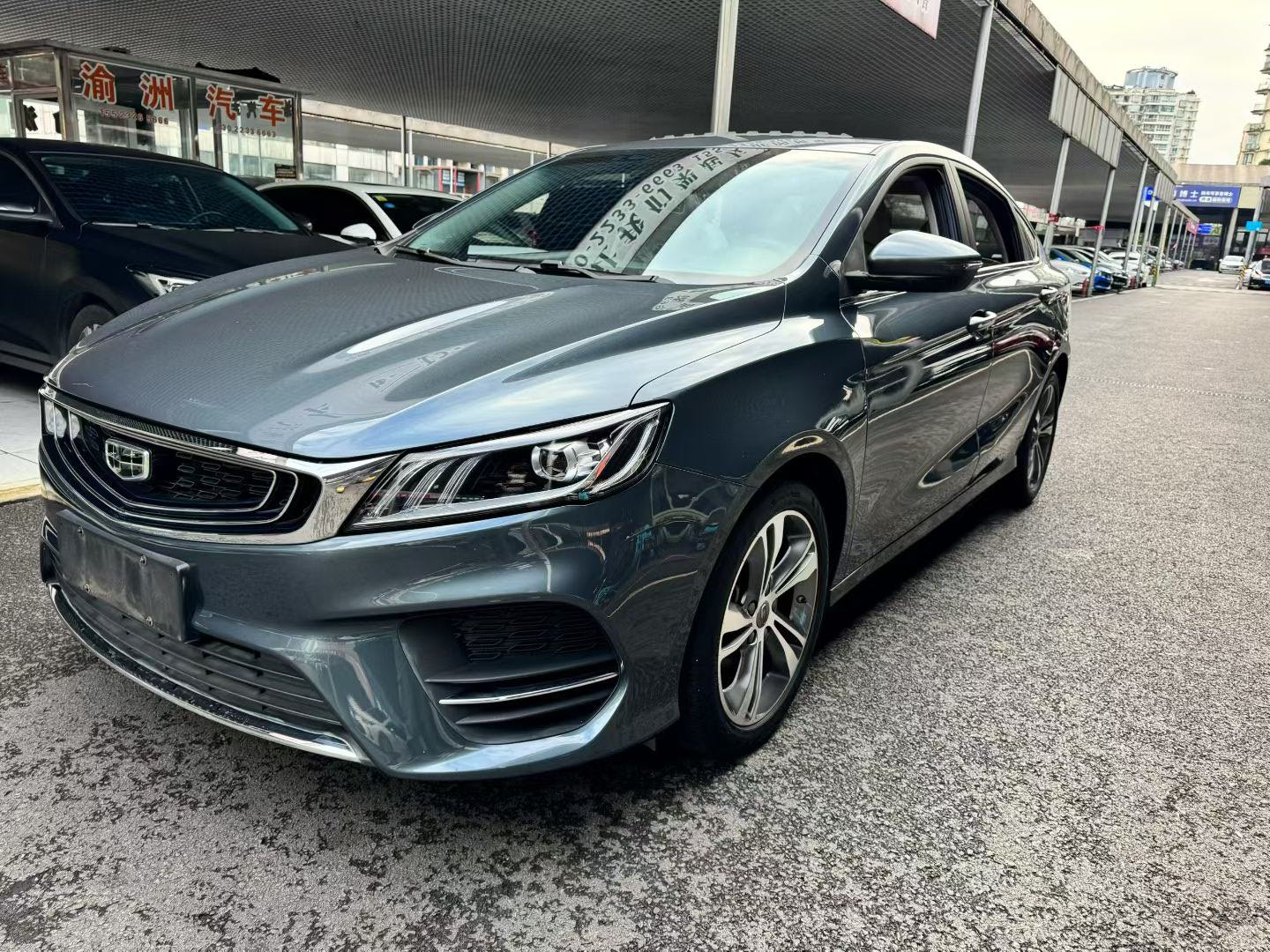
BrandGEELY
SeriesBinray
Year2019
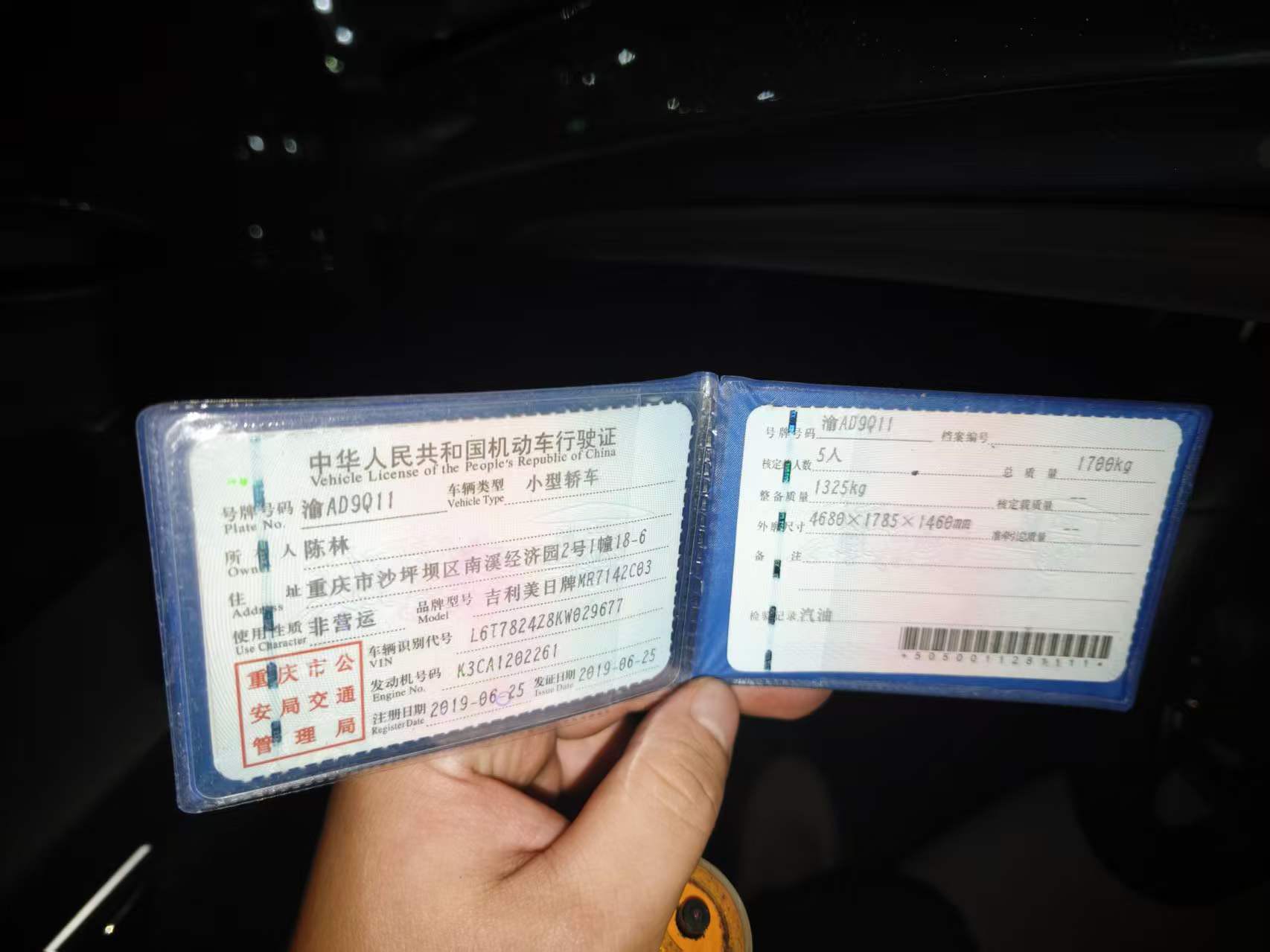
First Registration2019/06
Mileage62,000km
Transfer Count0times
FuelGasoline
TransmissionCVT
Engine1.4T 133 L4
Color
Seats-

Condition Description

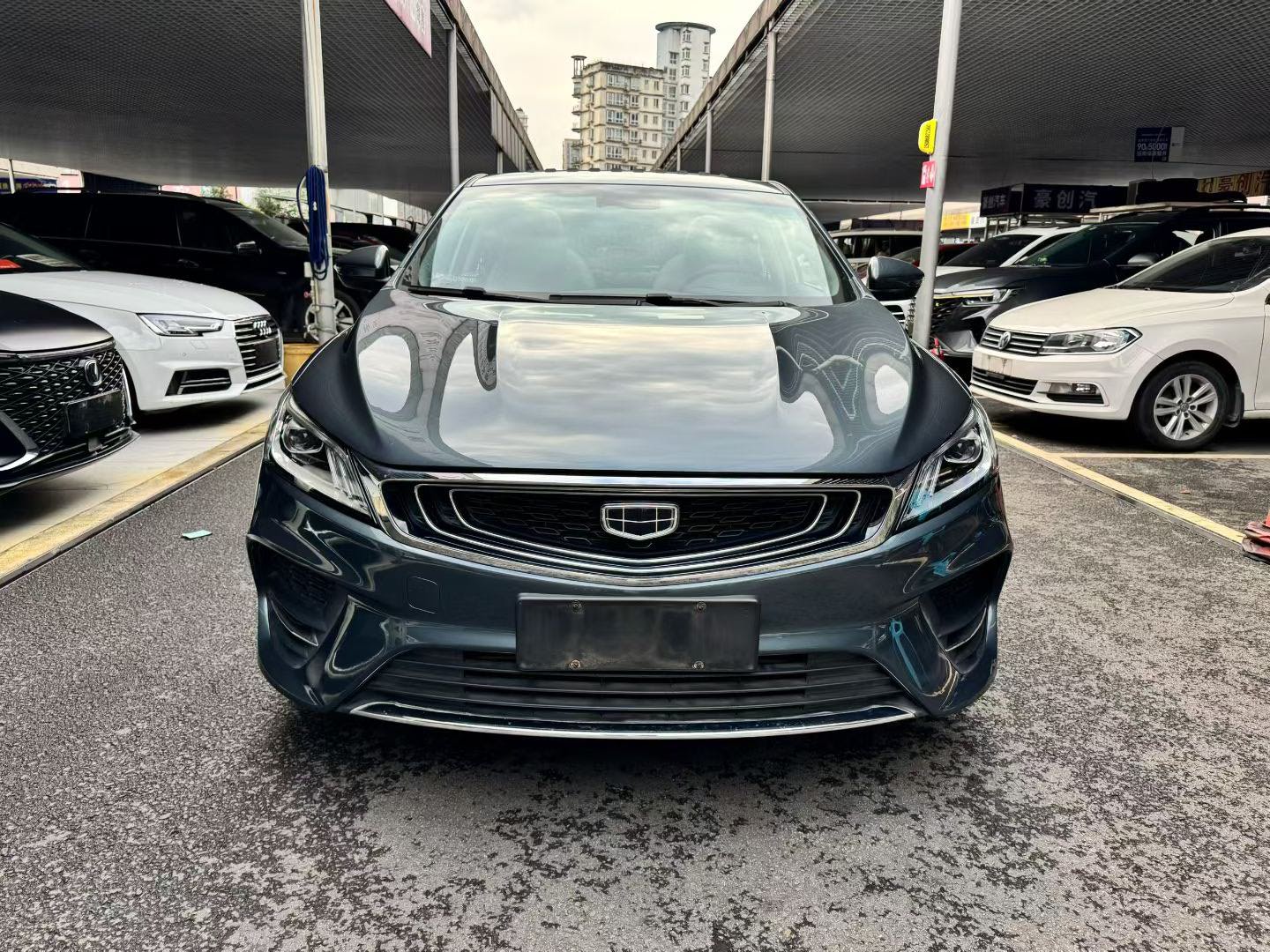
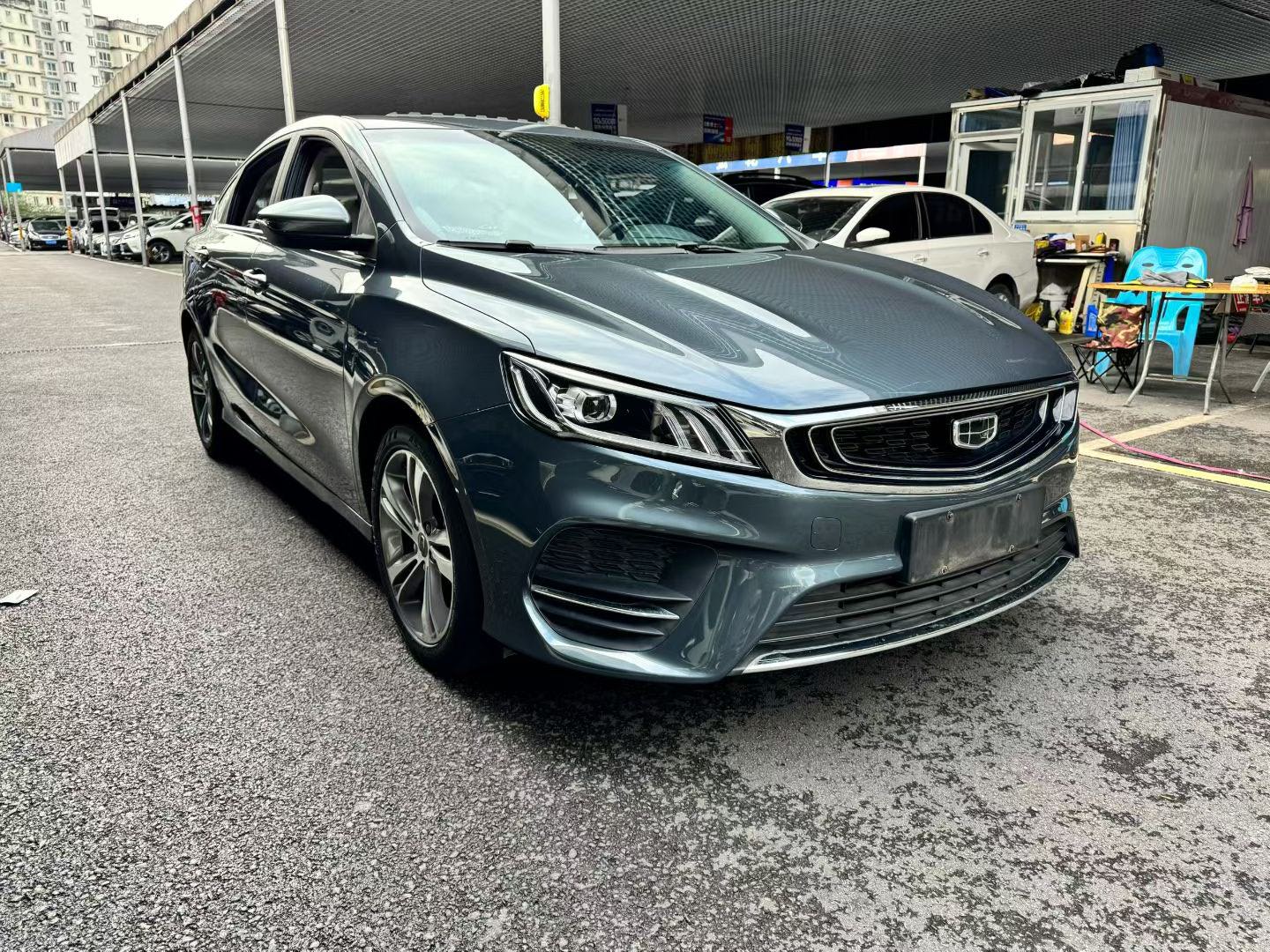
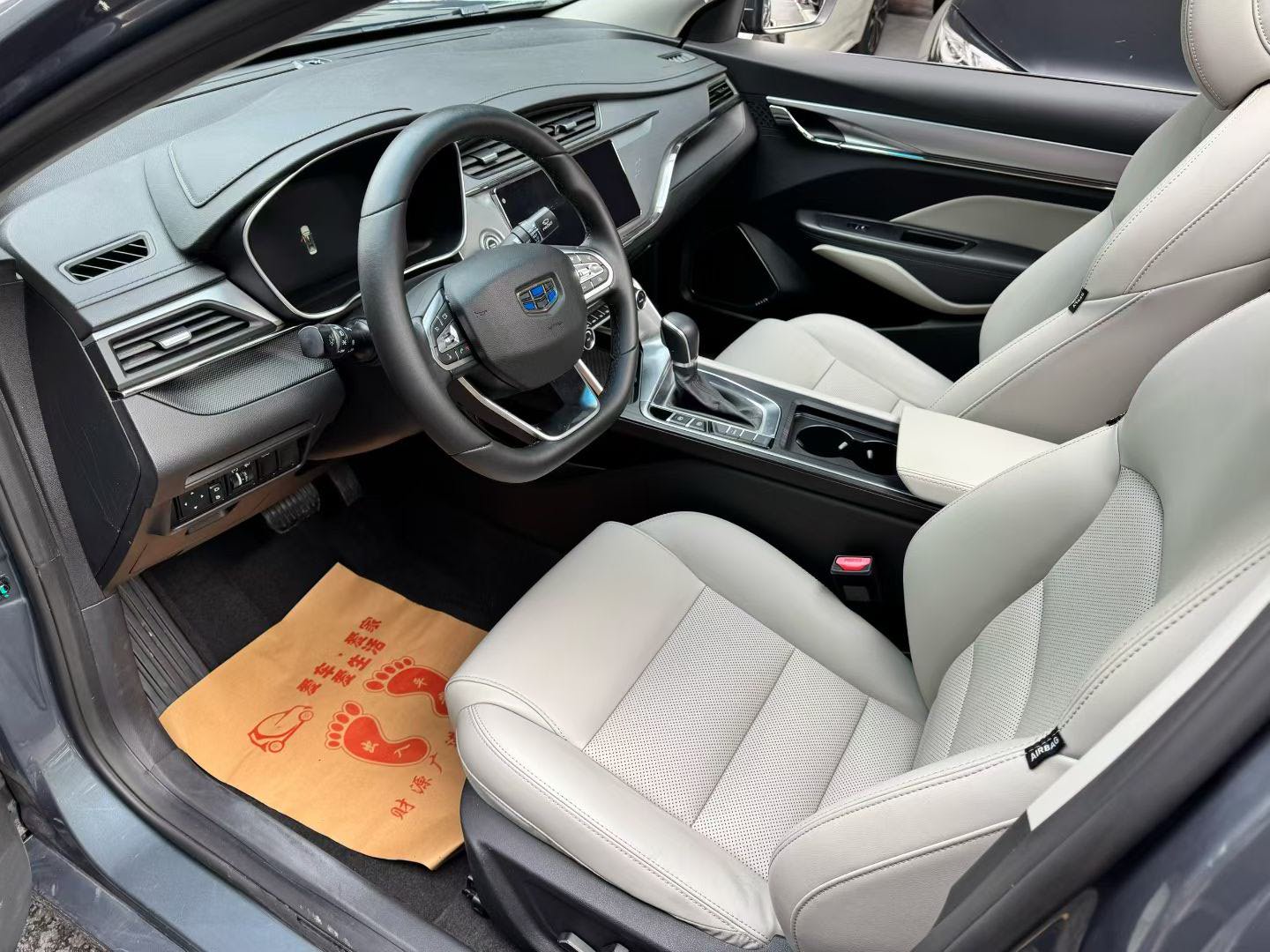
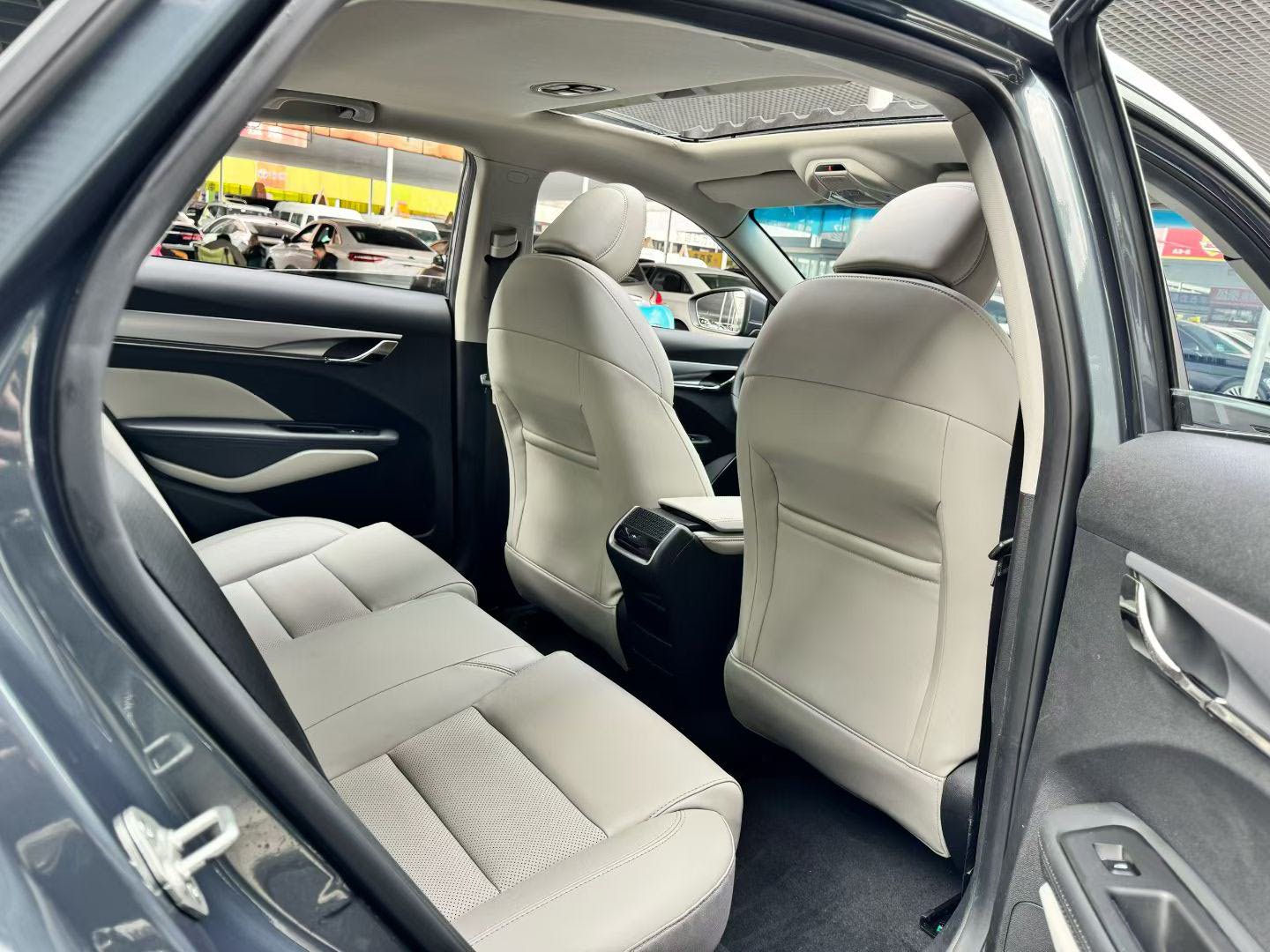
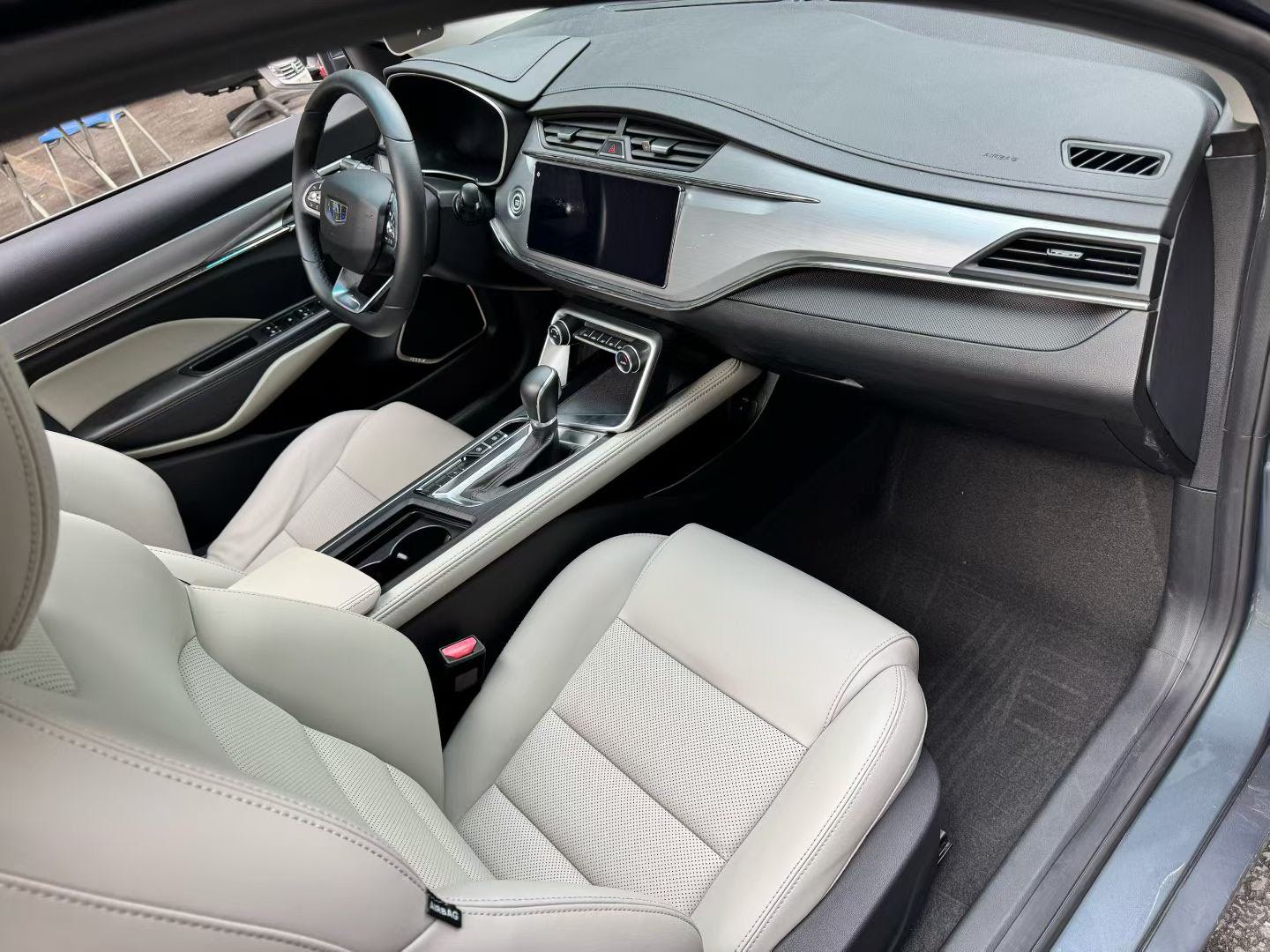
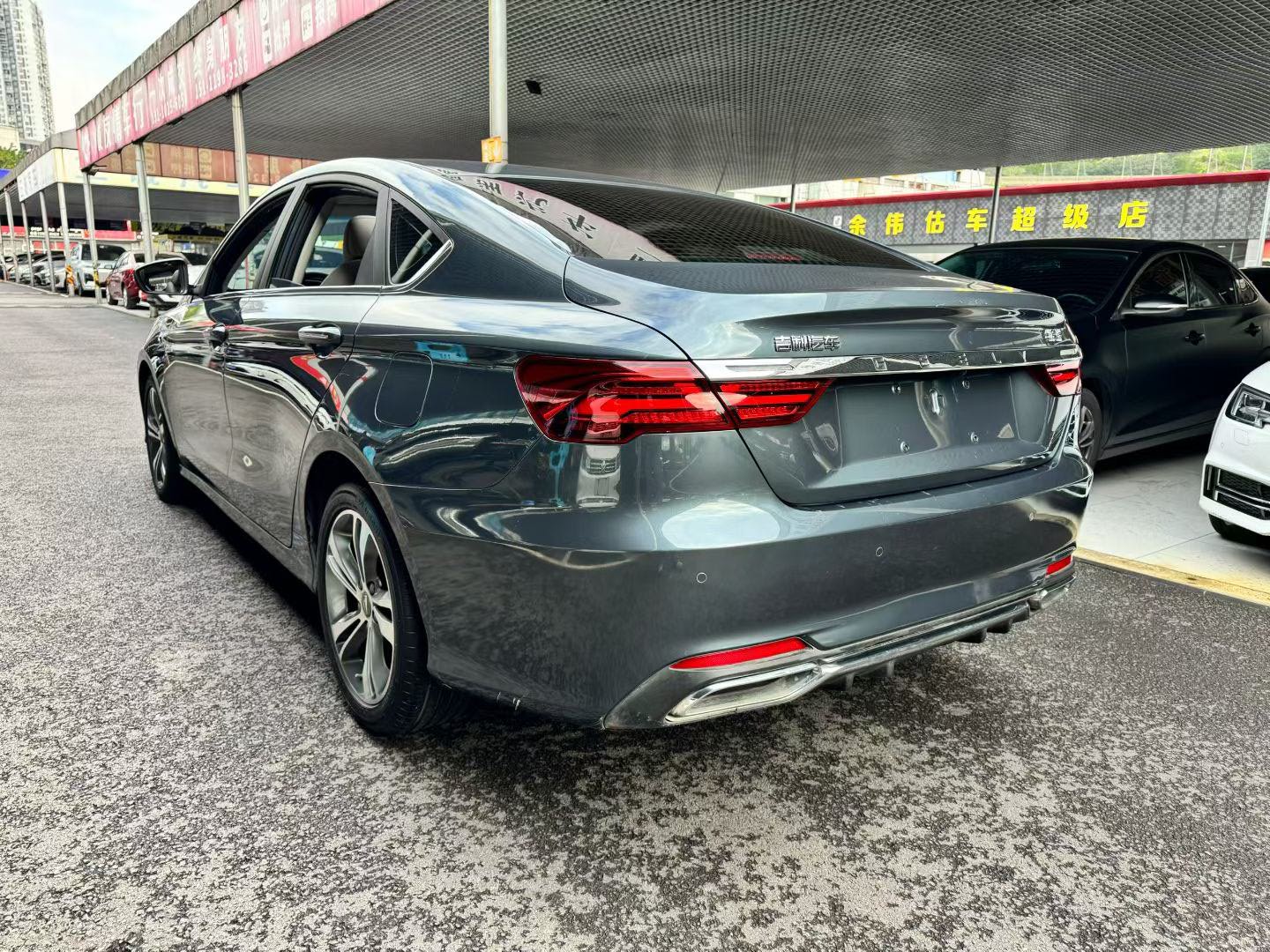
Average condition

First-hand car, original body panels, half of the car has been repainted

可议价
已上架
New
Wholesale

Configuration Highlights

✓品牌: 吉利汽车
✓车系: 缤瑞
✓车型: 吉利汽车 缤瑞 2018款 1.4T CVT 缤致版
✓能源类型: 燃油车
✓发动机: 1.4T
✓变速箱: CVT
✓驱动方式: 前轮驱动
✓排放标准: 国V
✓指导价: 9.68万
✓车源编号: 12810891
✓VIN: L6T7*******029677

Document Information

Inspection Expiry Date2027/06
Warranty Expiry Date-
Insurance Expiry Date2027/05

Q&A

More

What export documents come with a used car shipped from China, and which ones do customs in my country require?

A compliant shipment from China includes a standard document set. Verify you receive all of them before the ship departs, because correcting documents mid-transit is slow and expensive. The core set: commercial invoice, bill of lading (original, if your country requires presentation for customs), packing list, certificate of origin, and the export customs declaration. For used cars, also expect the Chinese registration certificate copy, deregistration proof, and a condition/inspection report. Some destinations require additional certificates — GCC states need GSO conformity, EU countries need COC or individual approval, several African nations require BESC/ECTN tracking numbers issued before loading. Your customs broker will typically need the invoice and bill of lading at minimum, plus proof of vehicle age and emissions where age limits apply. Ask your exporter for scanned copies the day the vessel sails, not when it arrives: pre-clearance can cut port storage fees significantly. One caution: the invoice value must match your payment records. Under-declaring to save duties is customs fraud in most countries and risks seizure.


How do I decode a Chinese VIN and what can it tell me about a used car before I buy?

A Chinese VIN is 17 characters, and decoding it takes minutes but reveals a lot. Positions 1-3 are the World Manufacturer Identifier. Cars sold domestically in China usually start with L (for example LFV for FAW-VW, LGB for Dongfeng Nissan), which tells you it was built in China rather than imported. Position 10 is the model year letter or number. Positions 4-8 describe the model, body type, and drivetrain, so you can verify the seller's description matches the actual car. Cross-check the VIN in three places: the plate at the base of the windshield, the sticker on the door jamb or B-pillar, and the registration certificate. Mismatched VINs or signs the plates were re-riveted are a serious red flag for a cloned or rebuilt vehicle. Use the VIN to pull a history report from a Chinese data provider and to verify recall status with the manufacturer. Any seller who hesitates to share the full VIN is telling you something important.

Which documents should I receive from a Chinese exporter before my used car ships, and how do I verify each one?

Before shipping you should hold: the sales contract and commercial invoice, the export declaration (customs form showing the VIN), the vehicle registration certificate, and the bill of lading or rail waybill once cargo is loaded. Verify them like this. The VIN on the invoice, the export declaration, and the waybill must be identical, character for character. The registration certificate should show a clear ownership chain with the seller as the current owner; ask for a scan before payment. The export declaration proves the car legally left China and is essential for customs clearance at destination. If the exporter cannot provide the registration certificate or hesitates on the VIN check, pause the deal. Also confirm who handles the document courier: originals should arrive before or with the vessel, because many ports will not release a car without original bills of lading.