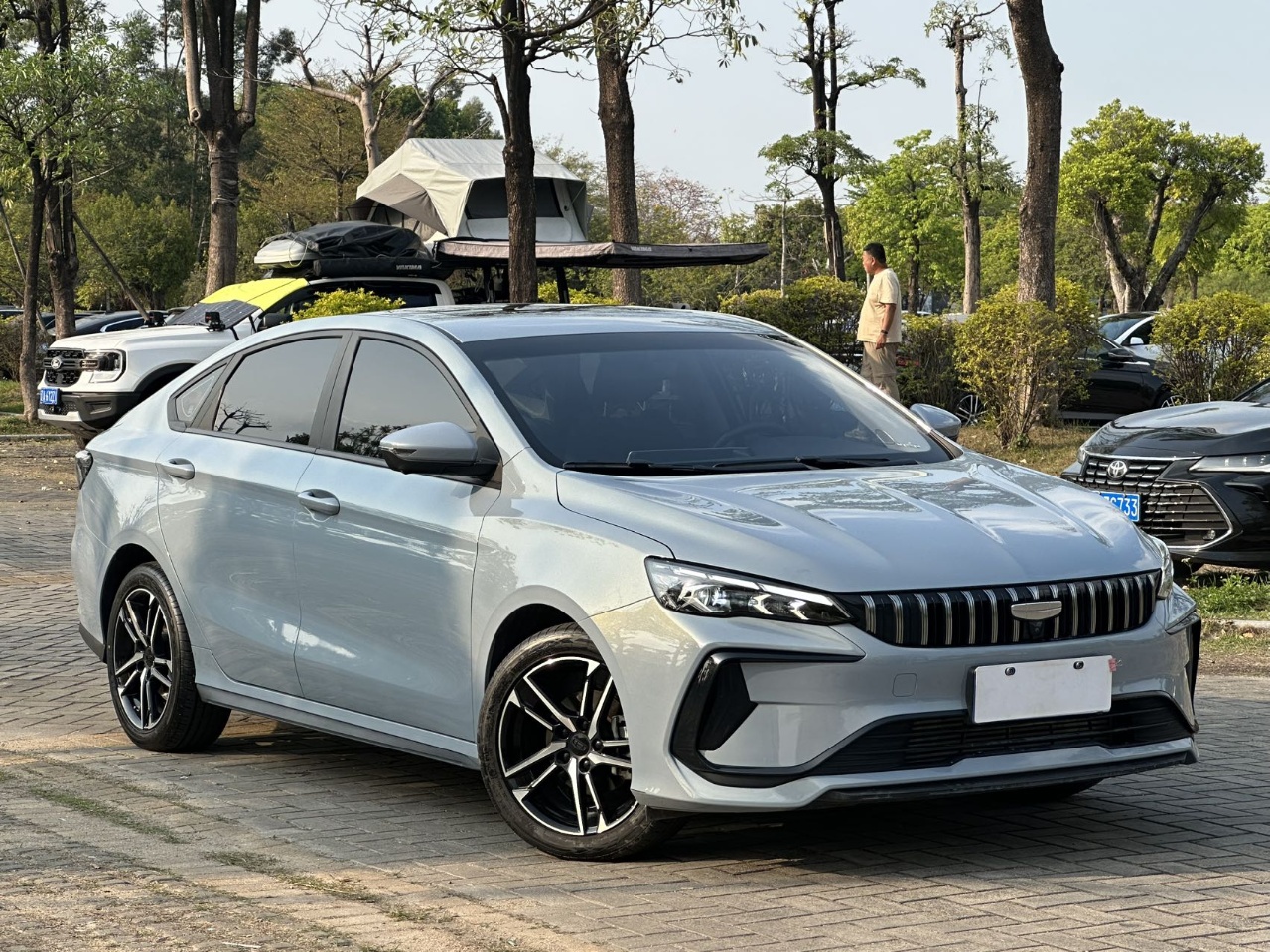
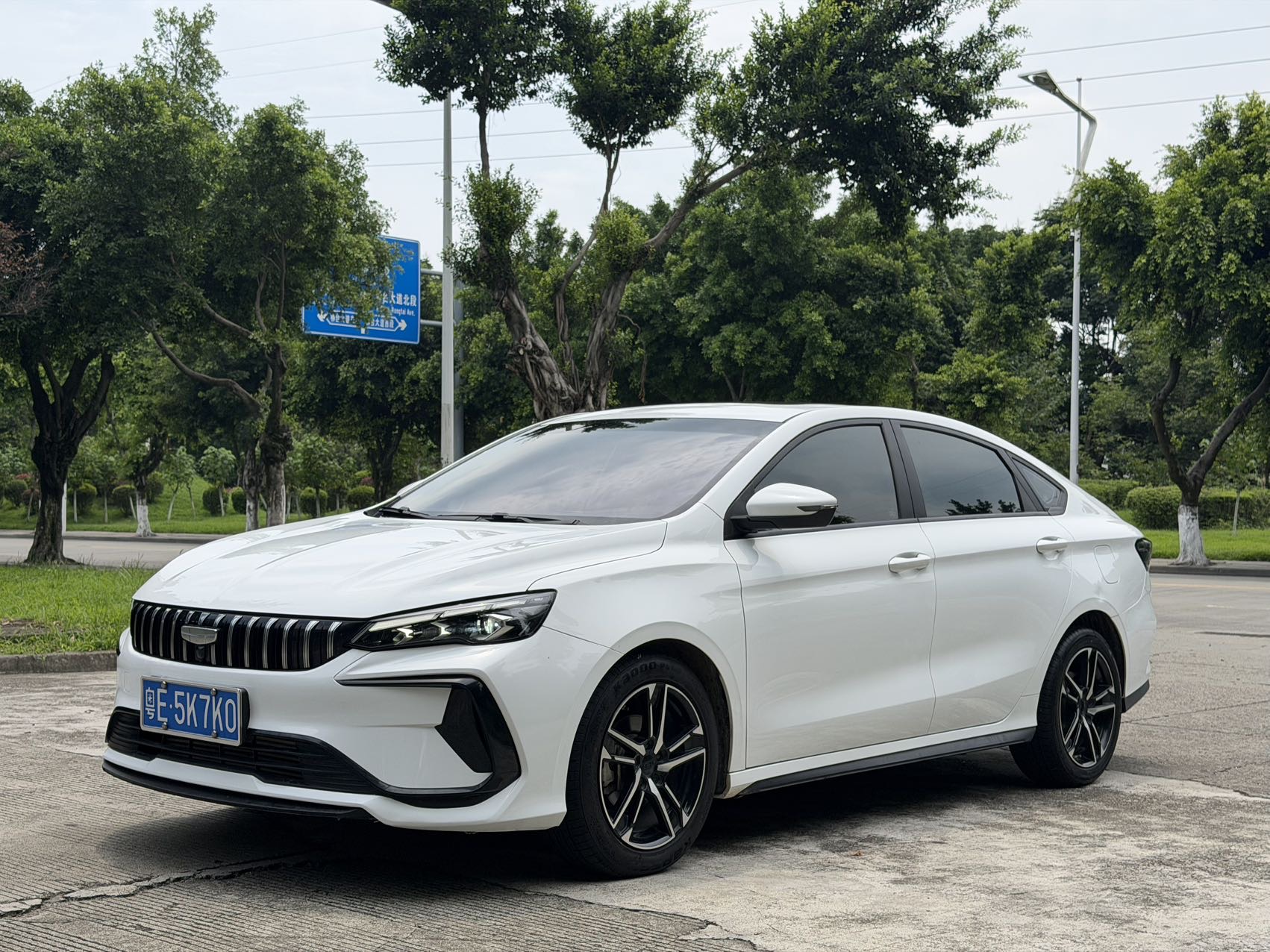
Basic Information

BrandGEELY
SeriesBinray
Year2019
First Registration2019/05
Mileage81,700km
Transfer Count-
FuelGasoline
TransmissionCVT
Engine1.4T 133 L4
ColorBlue
Seats-

Condition Description

Localized body damage or repair marks present. No accident damage or repairs to structural or reinforcement components. Vehicle performance (including three-electric system) has degraded or is limited.

Accident inspection: main structure undamaged, reinforcement components damaged, cover panels undamaged, hinges normal. Engine bay inspection: key mechanical components normal. Exterior: 1 replaced part, 3 sheet metal repairs, 2 paint repairs. Interior: most features normal, airbag system normal, seatbelts normal, dashboard normal, instrument cluster normal, lighting system normal. Start-up inspection: main components normal. Onboard tools: none.

电话直连
可讲价
平台物流
可转售
VIP车源
零过户
新检测标准升级>
非泡水

Document Information

Inspection Expiry Date2027/05
Warranty Expiry Date-
Insurance Expiry Date2027/05

Q&A

More

Why are the shipping costs for used electric vehicles (EVs) usually higher than for internal combustion engine vehicles (ICEs)?

Pure electric vehicles are classified as Class 9 Dangerous Goods due to their large lithium batteries, leading to strict shipping regulations. Shipping companies have high requirements for the loading position and fire isolation measures for dangerous goods, and some roll-on/roll-off ships refuse to accept used EVs. As a result, EVs often require more expensive special container shipping and incur additional handling fees for hazardous materials.


How to prove that the chassis has no serious rust, corrosion, or bottom damage?

All vehicles on the lift must be inspected. We will provide high-definition close-up photos of the chassis directly below, suspension components, and the mid to rear section of the exhaust. We will honestly show any minor surface rust (a common phenomenon in cast iron); if we find bent longitudinal beams or extensive through-corrosion, the vehicle will be scrapped and not exported.

What is a Certificate of Origin and why do I need one when importing a car from China?

A Certificate of Origin (C/O) is an official document stating where the vehicle was manufactured. Customs authorities use it to decide which tariff rates and trade agreements apply to your import. Why it matters: many countries offer preferential tariffs for certain origins. With a valid C/O, such as the ASEAN-China Form E or a GSP Form A, you may pay reduced or zero duty. Without it, you typically pay the standard, higher rate. The certificate must match the vehicle exactly: VIN, make, model and invoice details. It is usually issued by the China Council for the Promotion of International Trade (CCPIT) or customs authorities. Practical tips: request the C/O before shipment, because adding it later is slow; check that your country's customs accepts the specific C/O format; and confirm with your broker whether your vehicle category qualifies for preferential rates. This single document can save you thousands in duty.