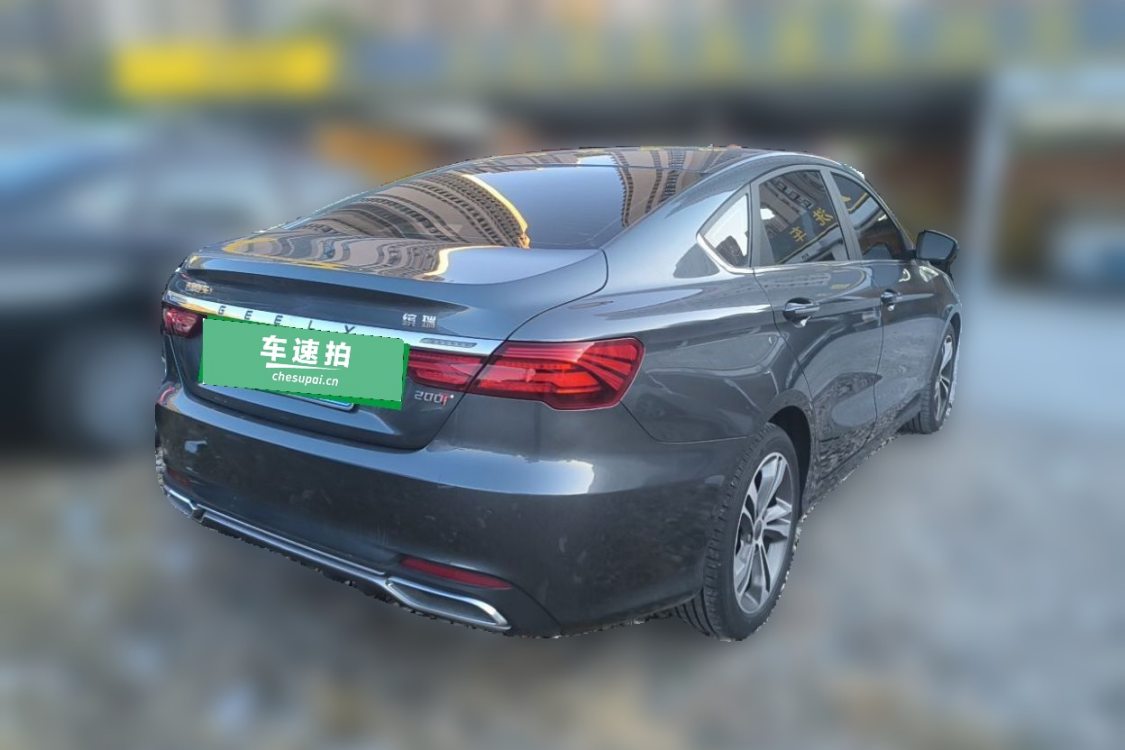
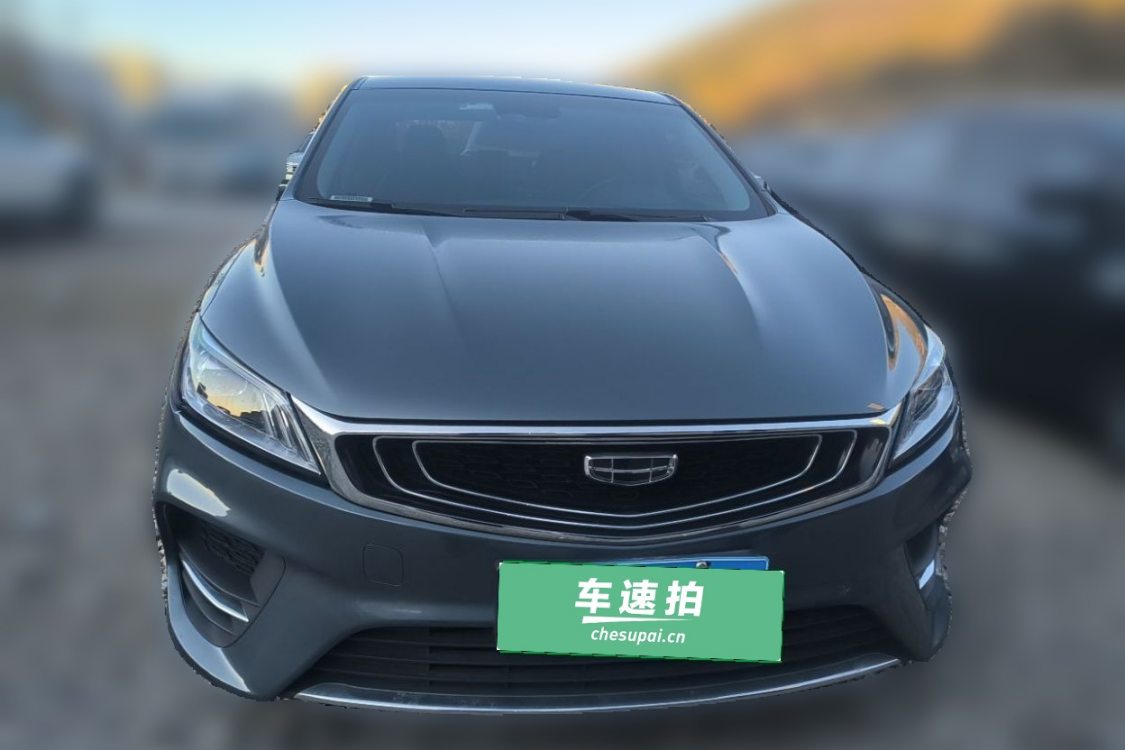
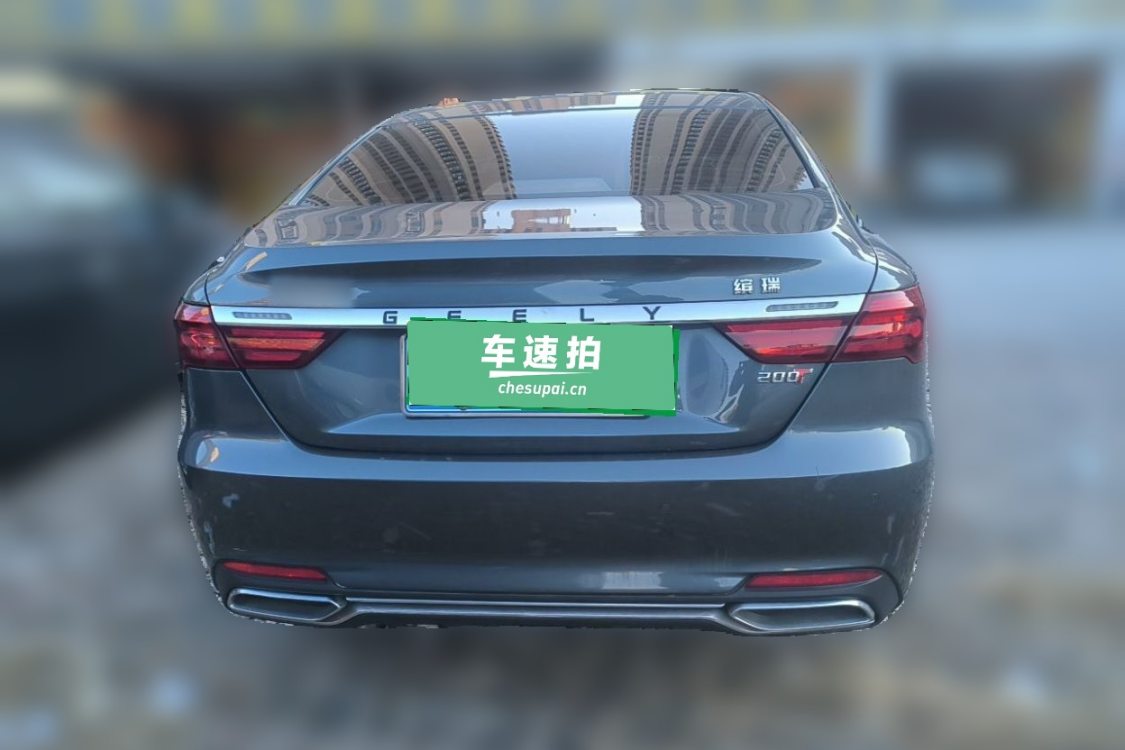
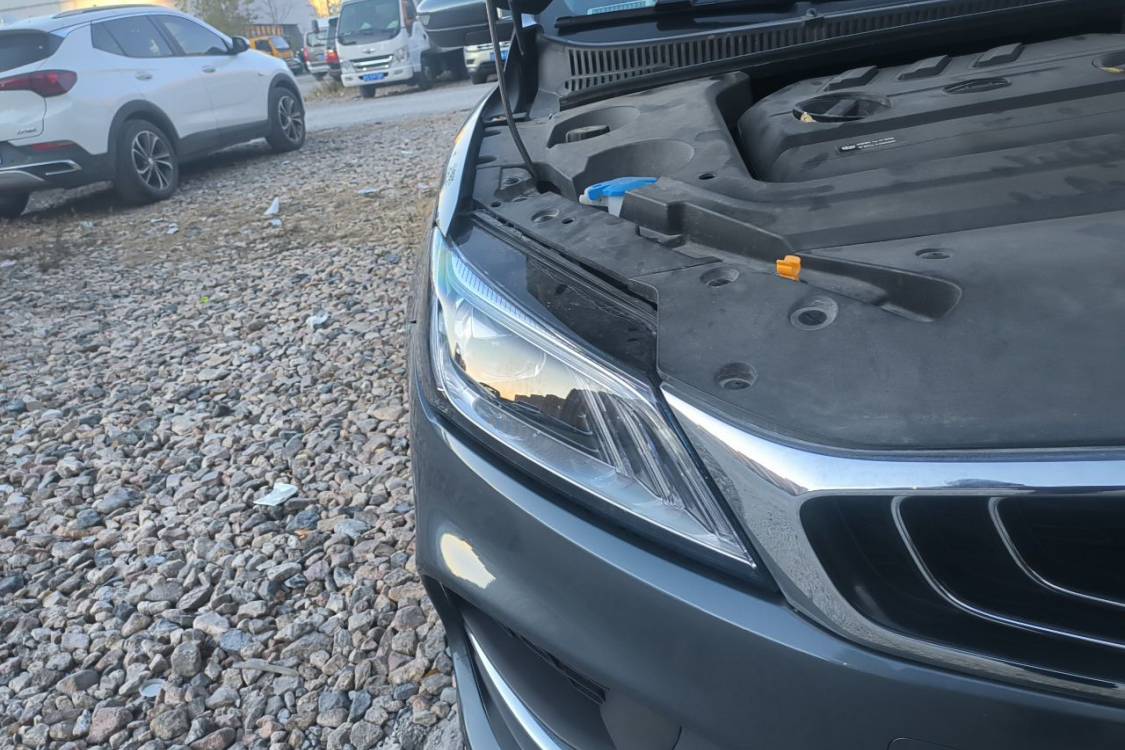



24H

Basic Information

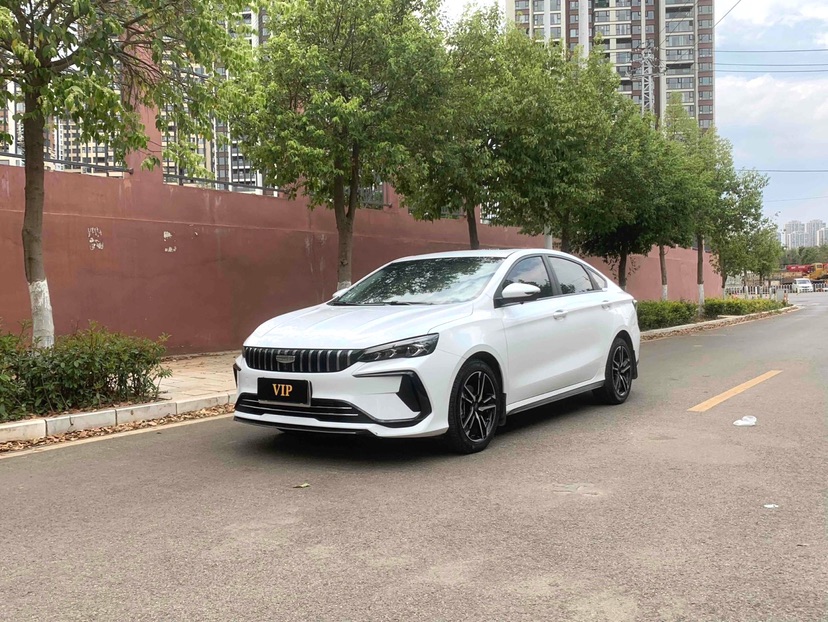
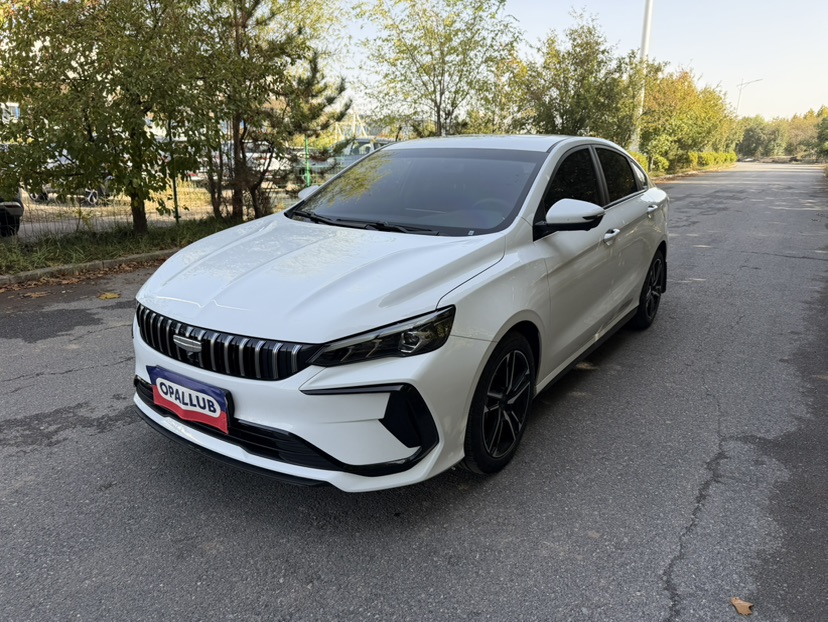
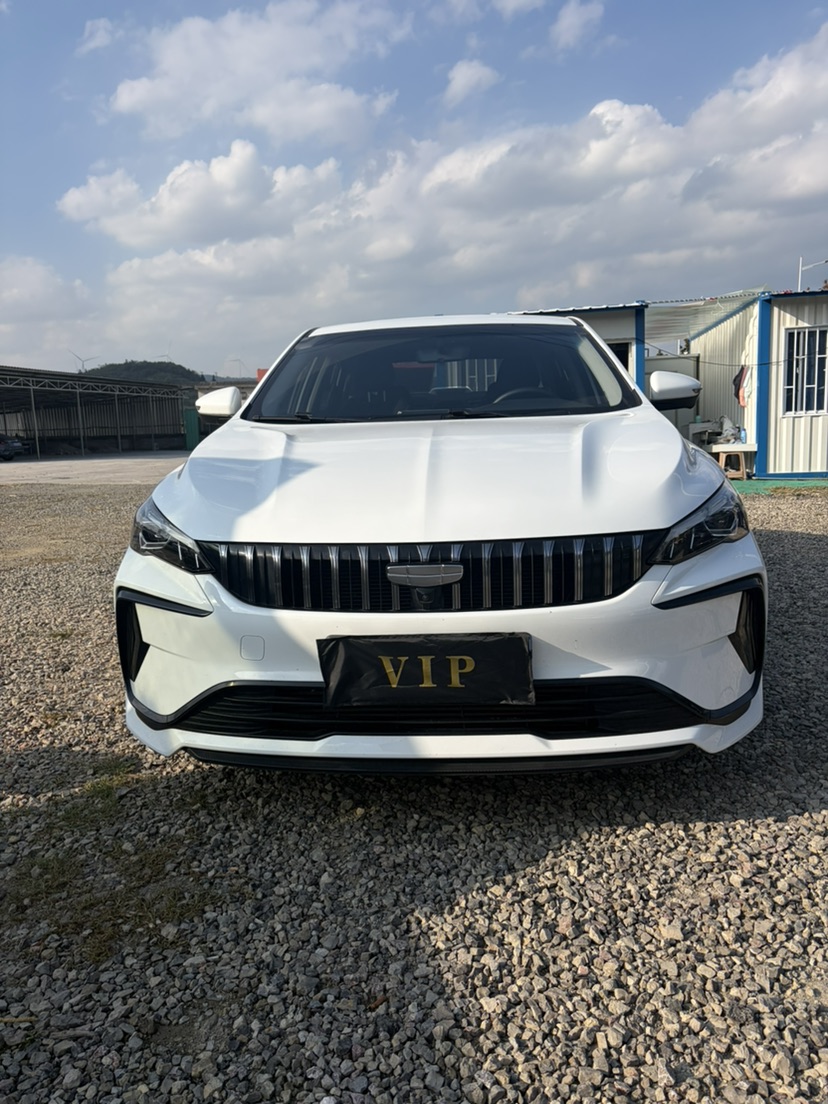
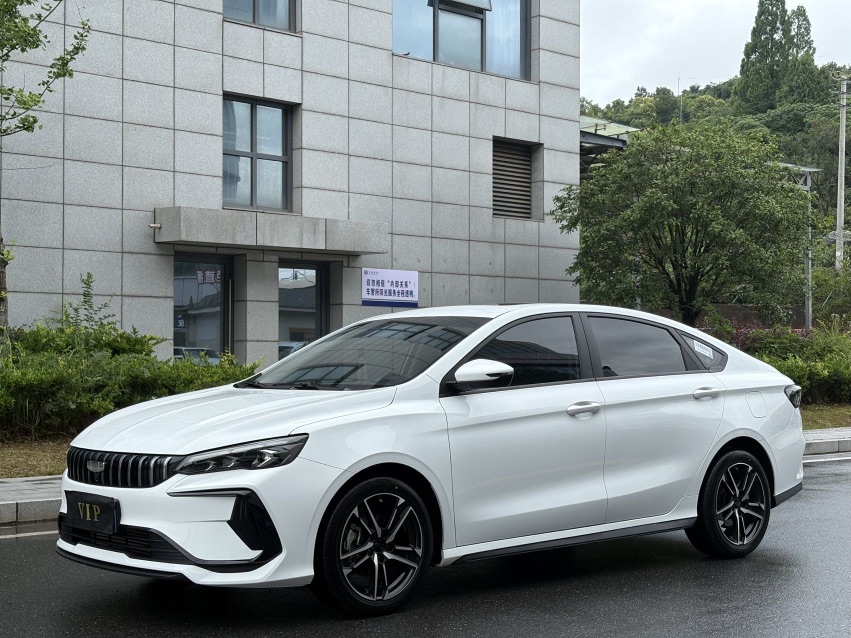
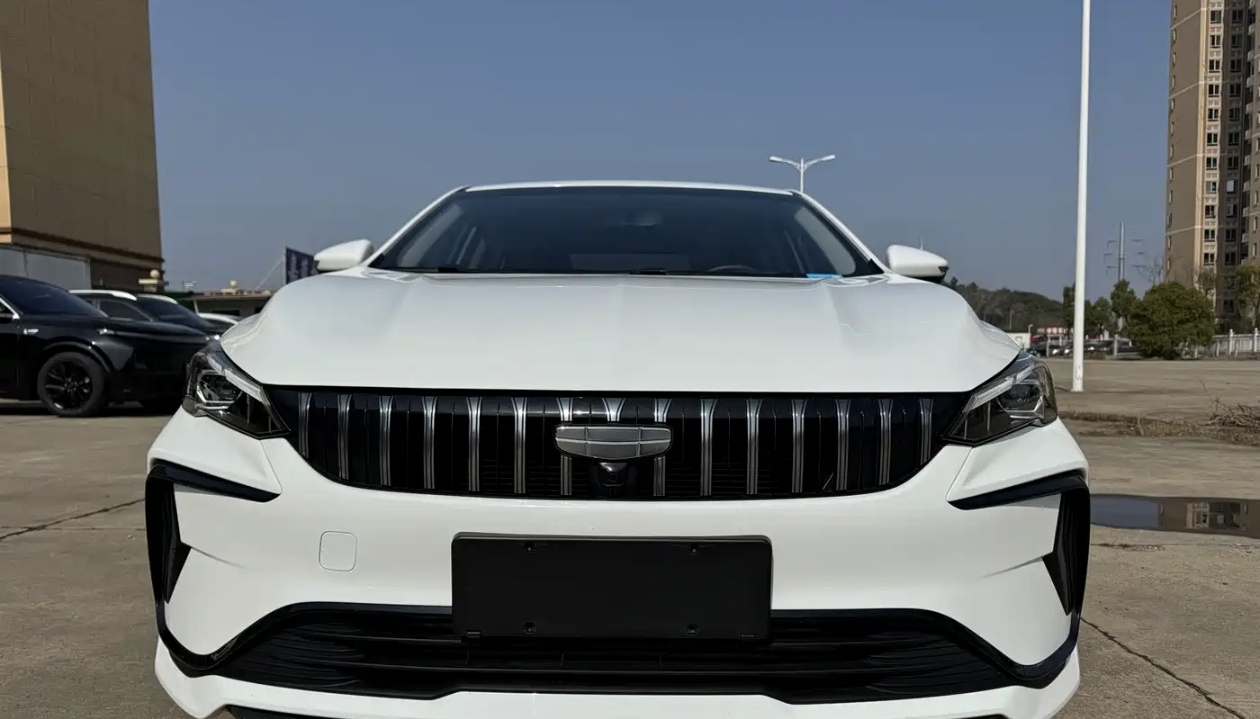
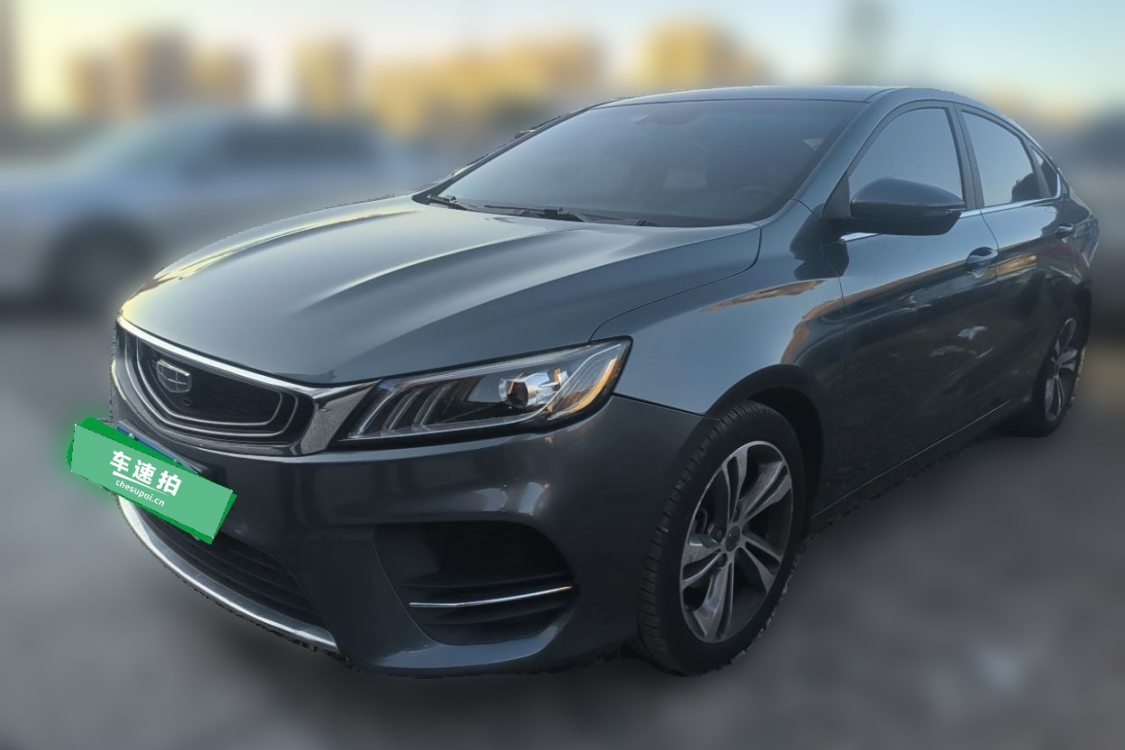
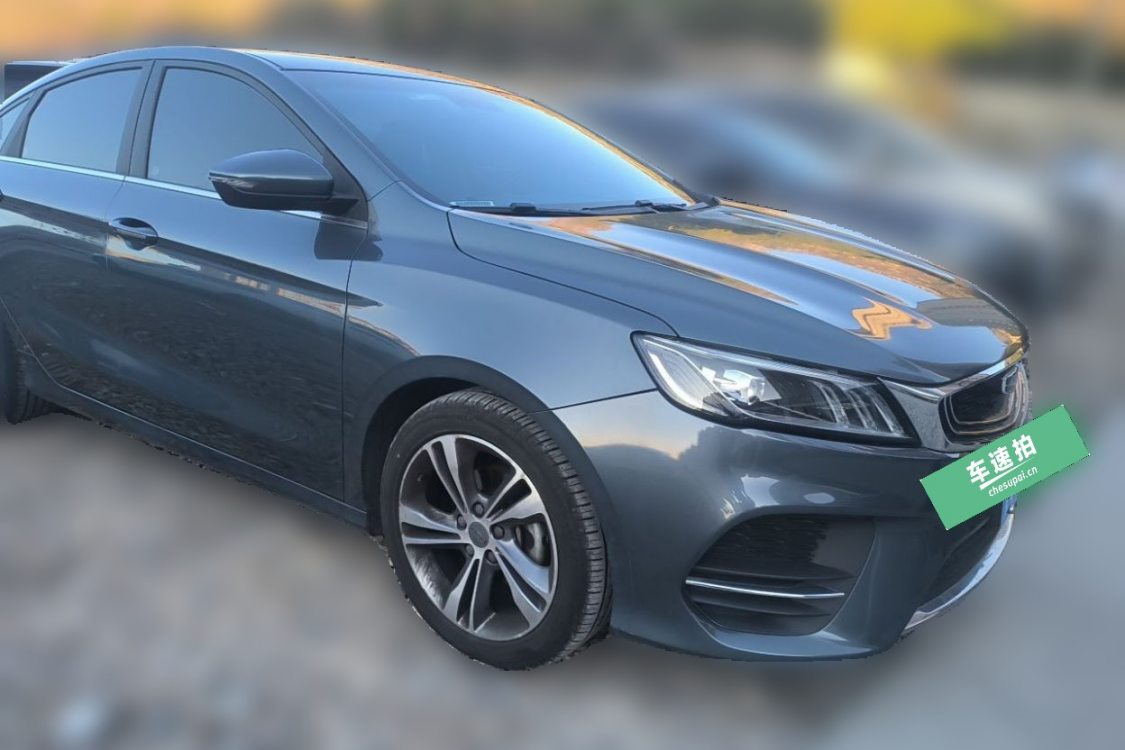
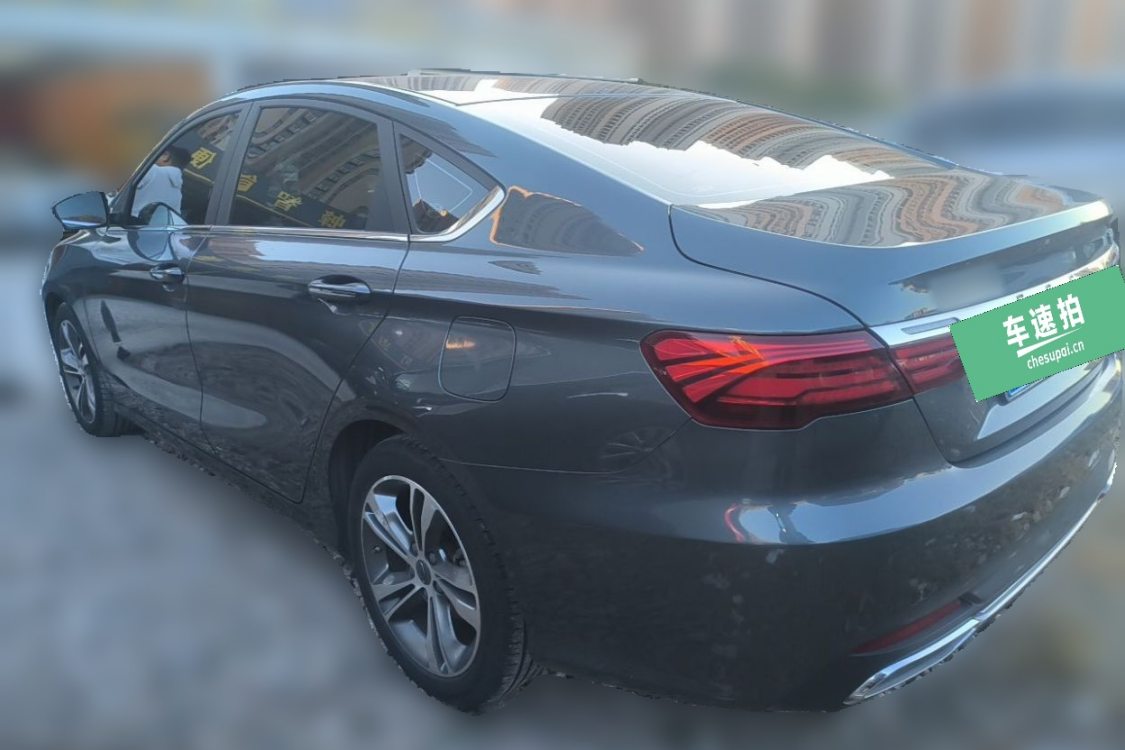
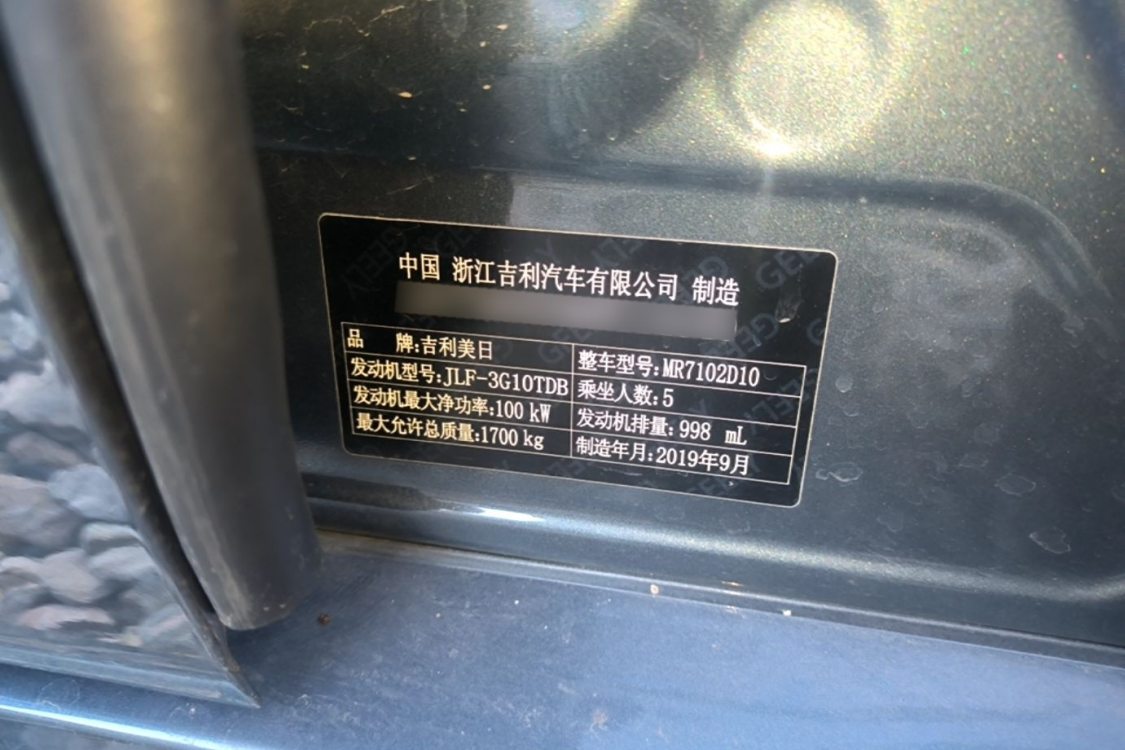
BrandGEELY
SeriesBinray
Year2019
First Registration2019/11
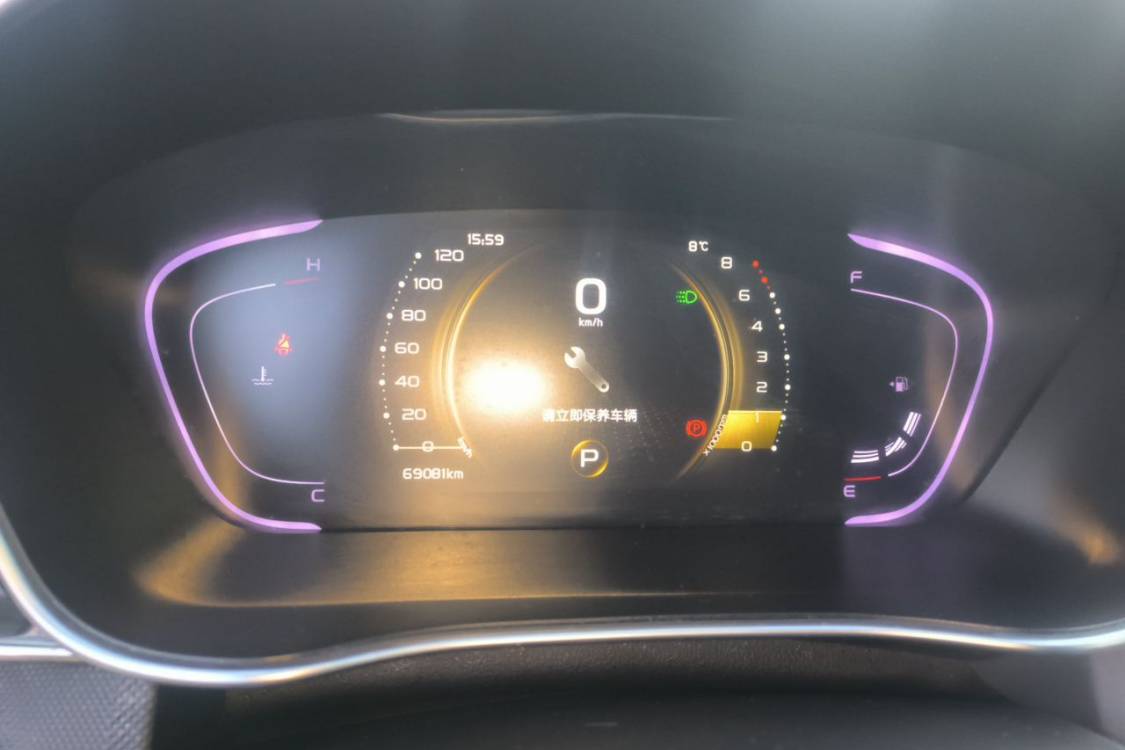
Mileage69,000km
Transfer Count-
FuelGasoline
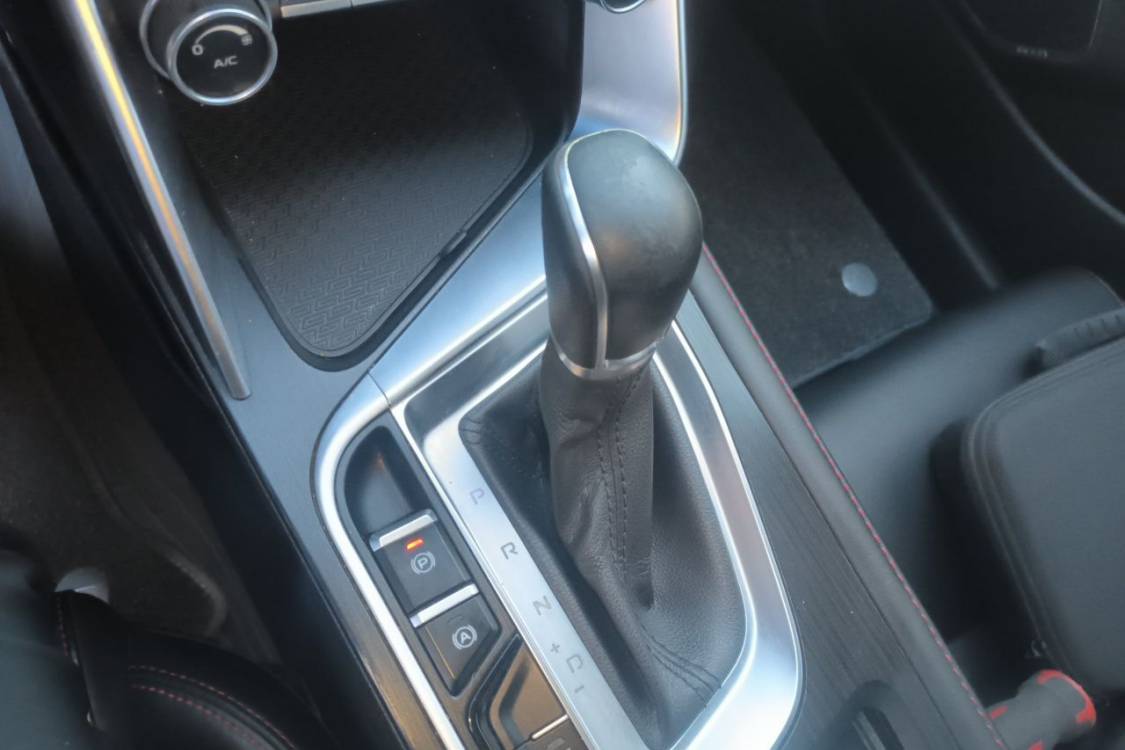
TransmissionDCT
Engine1.0T 136 L3
ColorGrey
Seats-

Condition Description

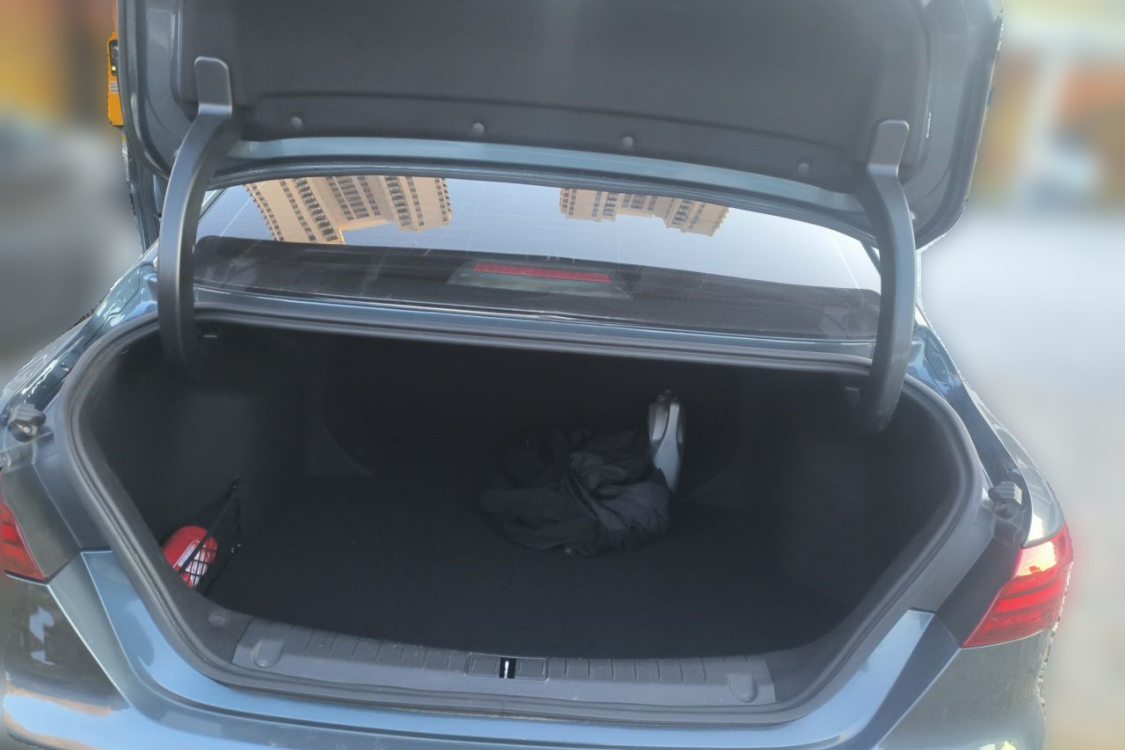
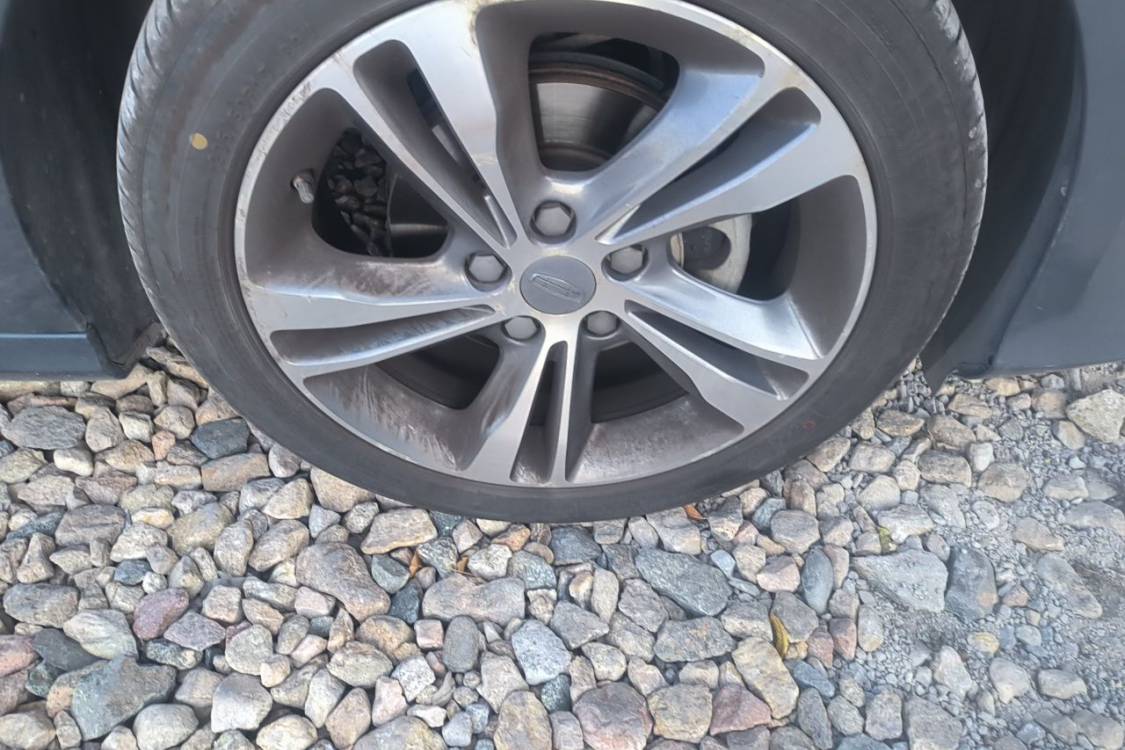
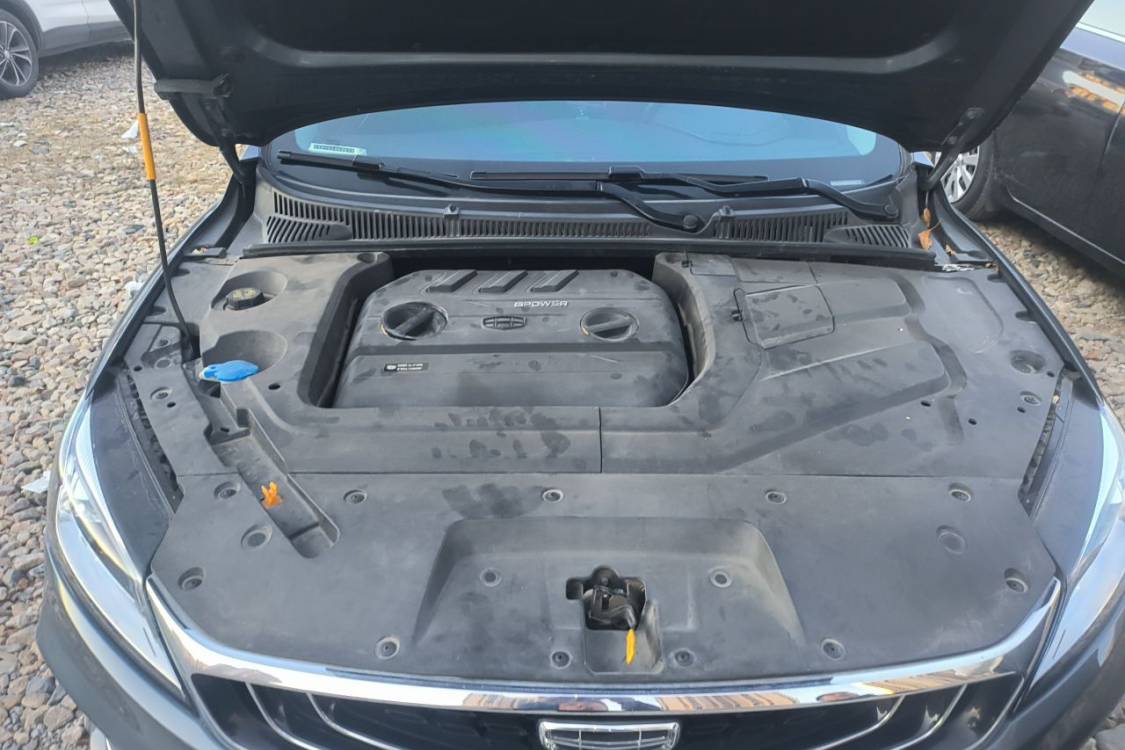
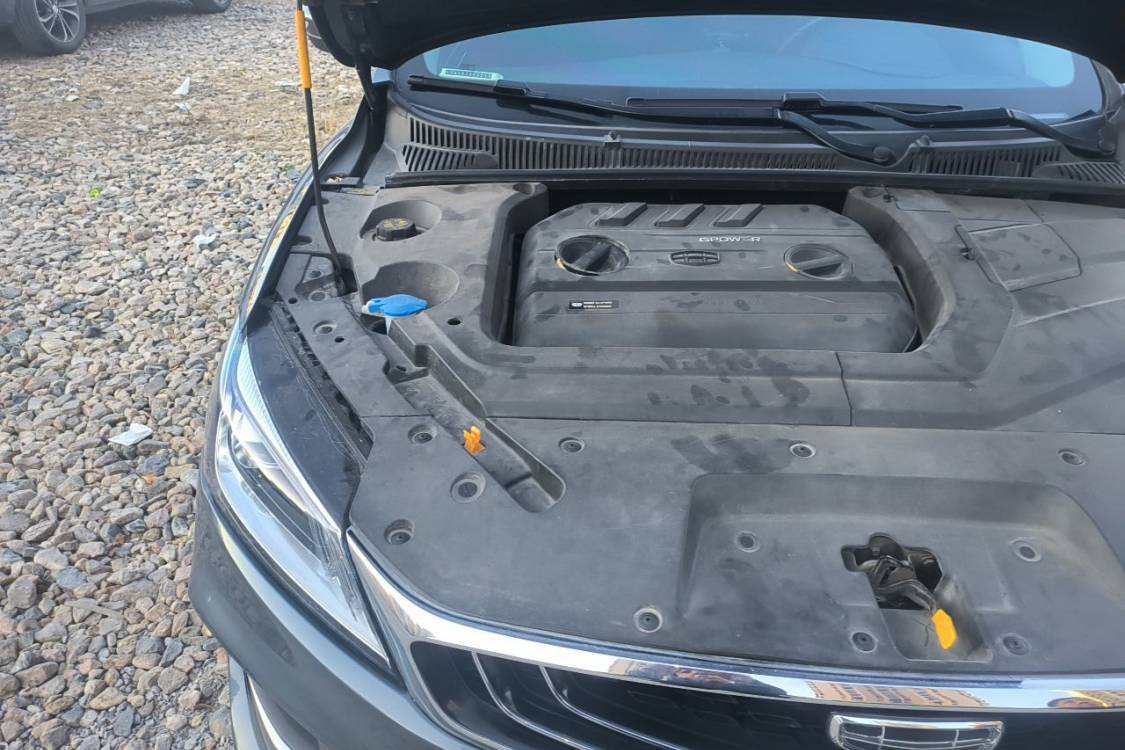
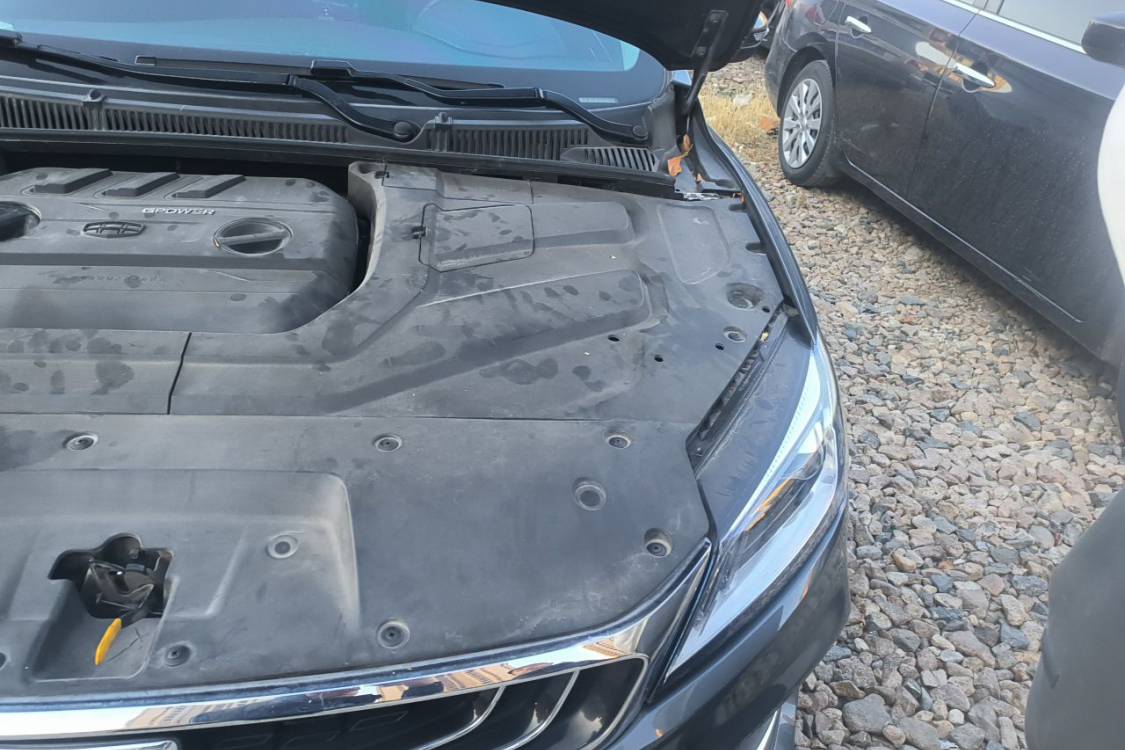
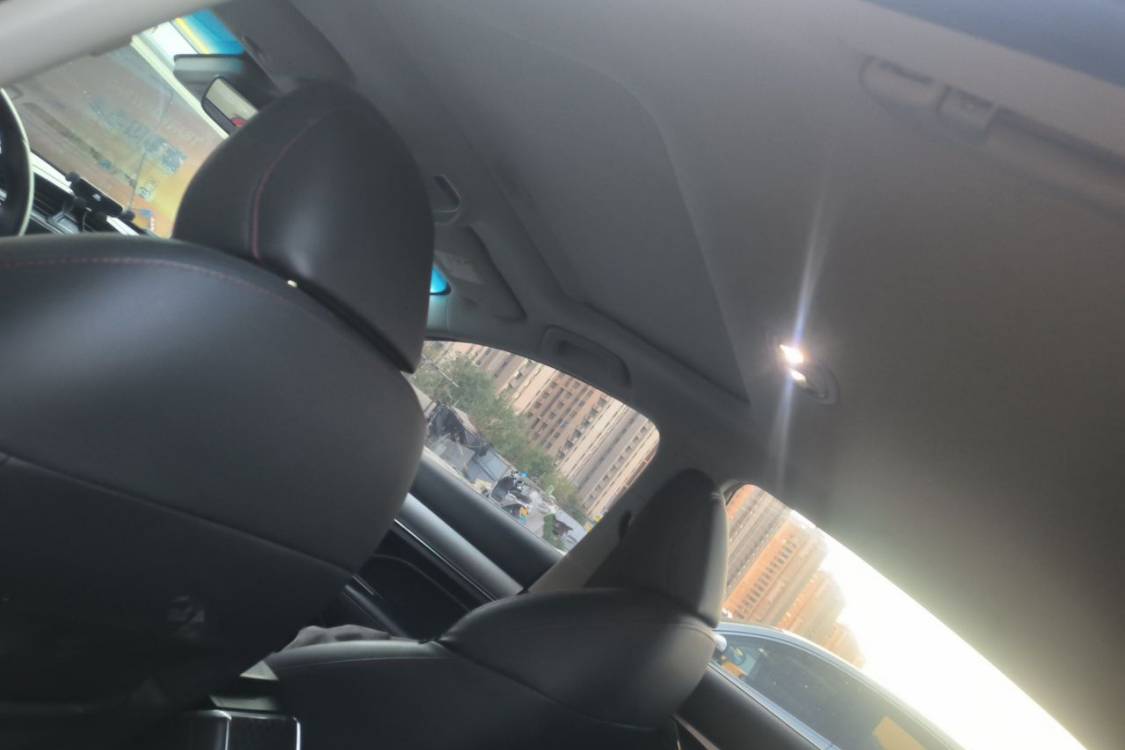
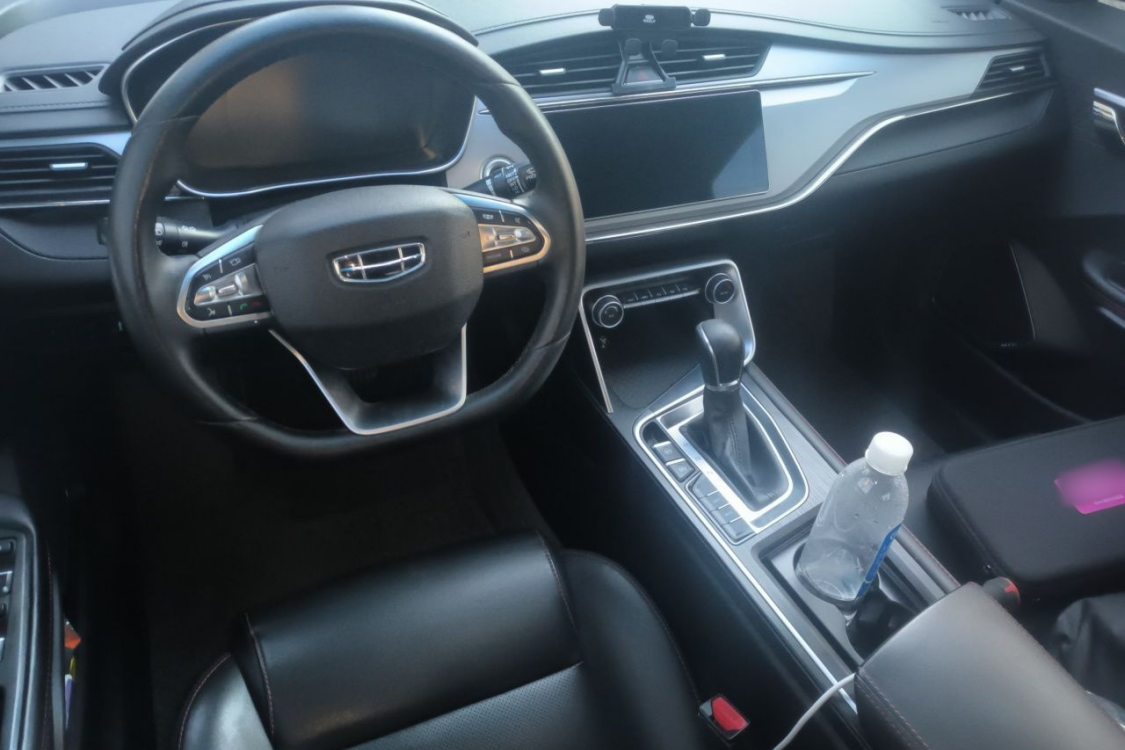
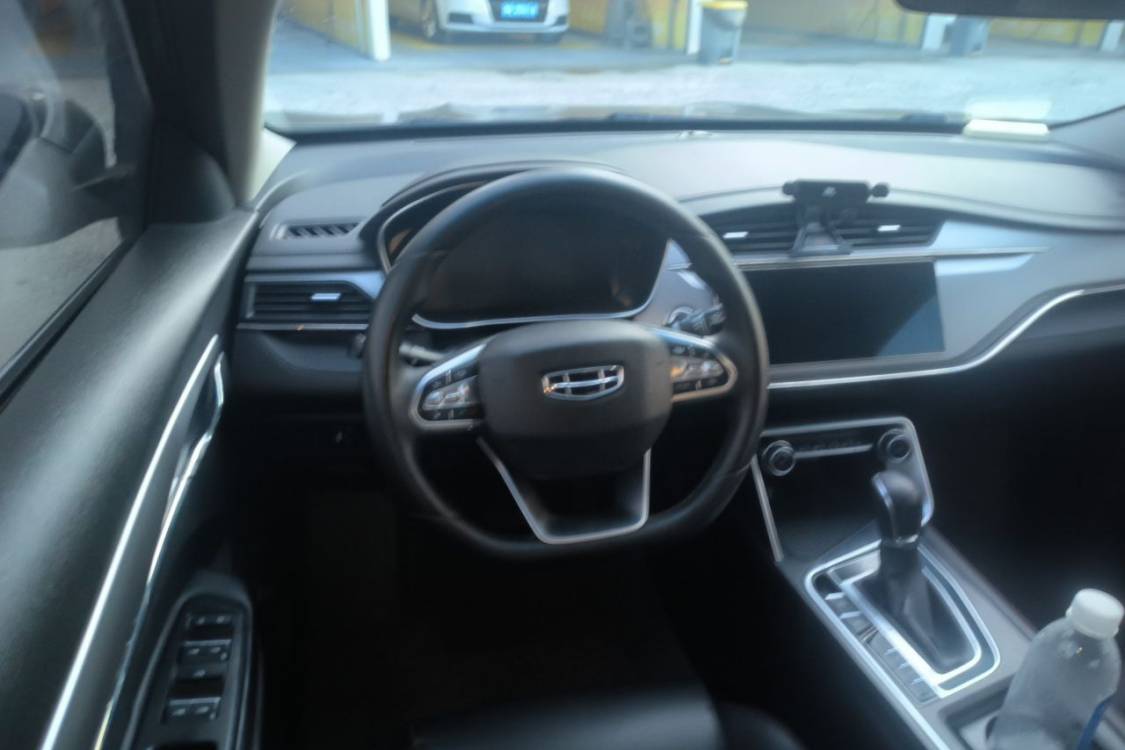
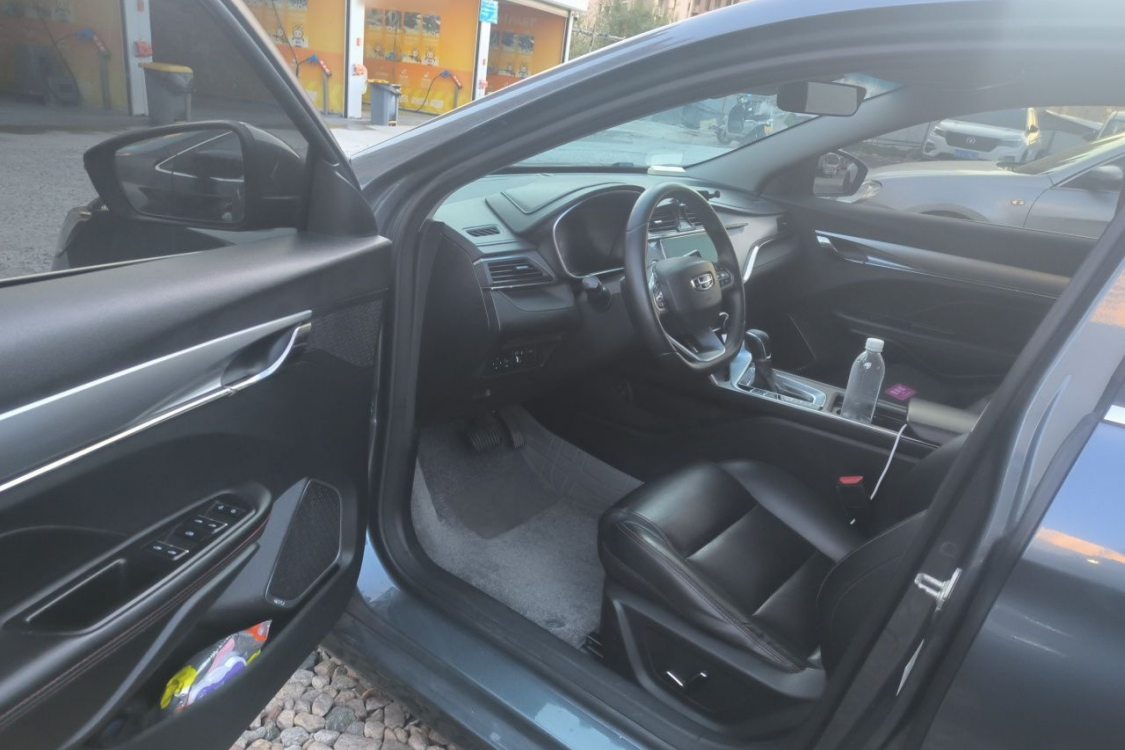
Localized body damage or repair marks present. No accident-related damage or repairs to structural or reinforcement components. Vehicle performance (including three-electric system) has degraded or is limited.

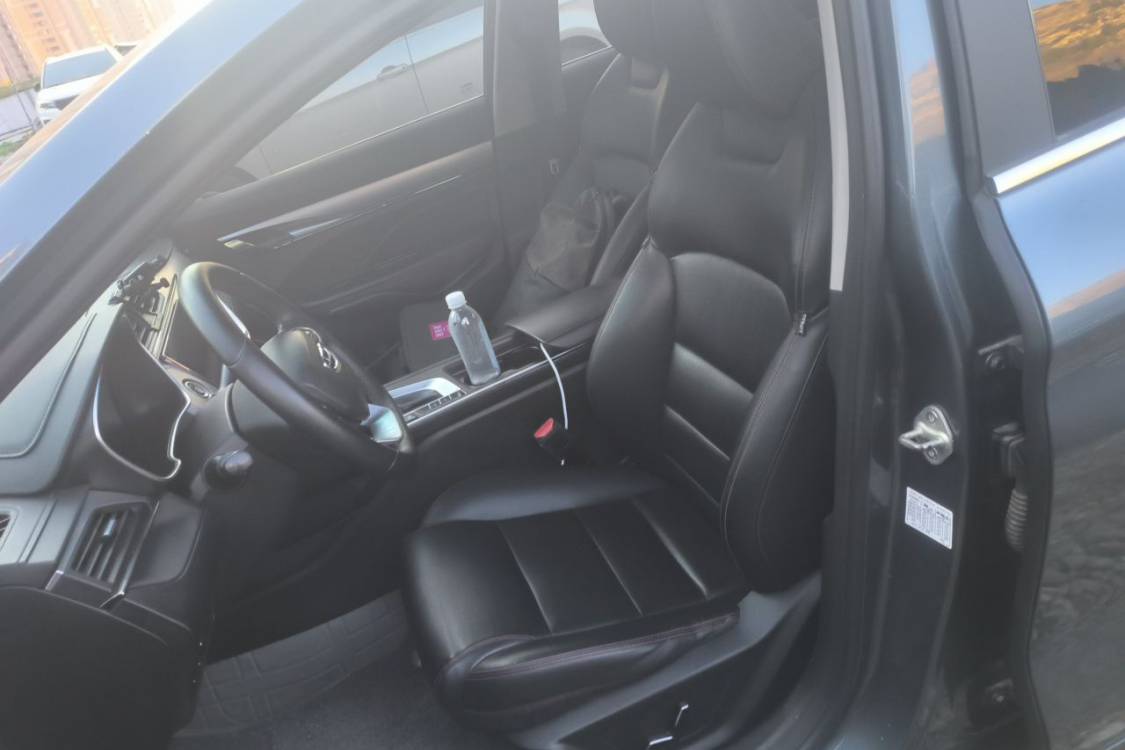
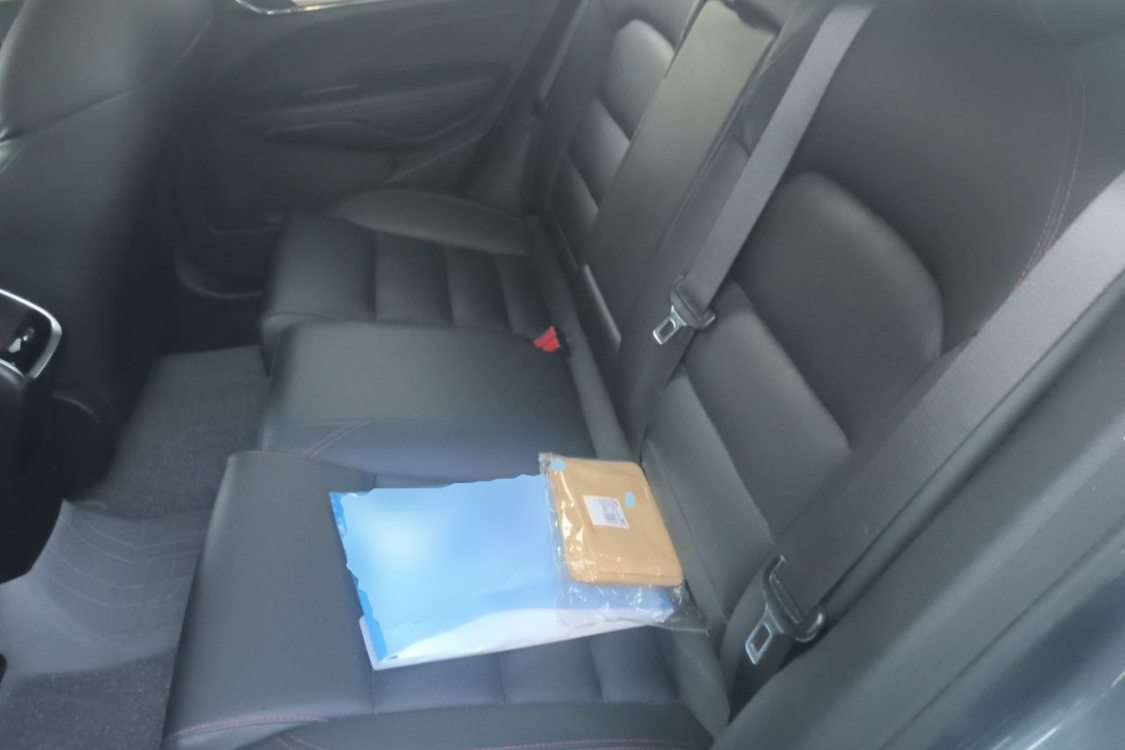
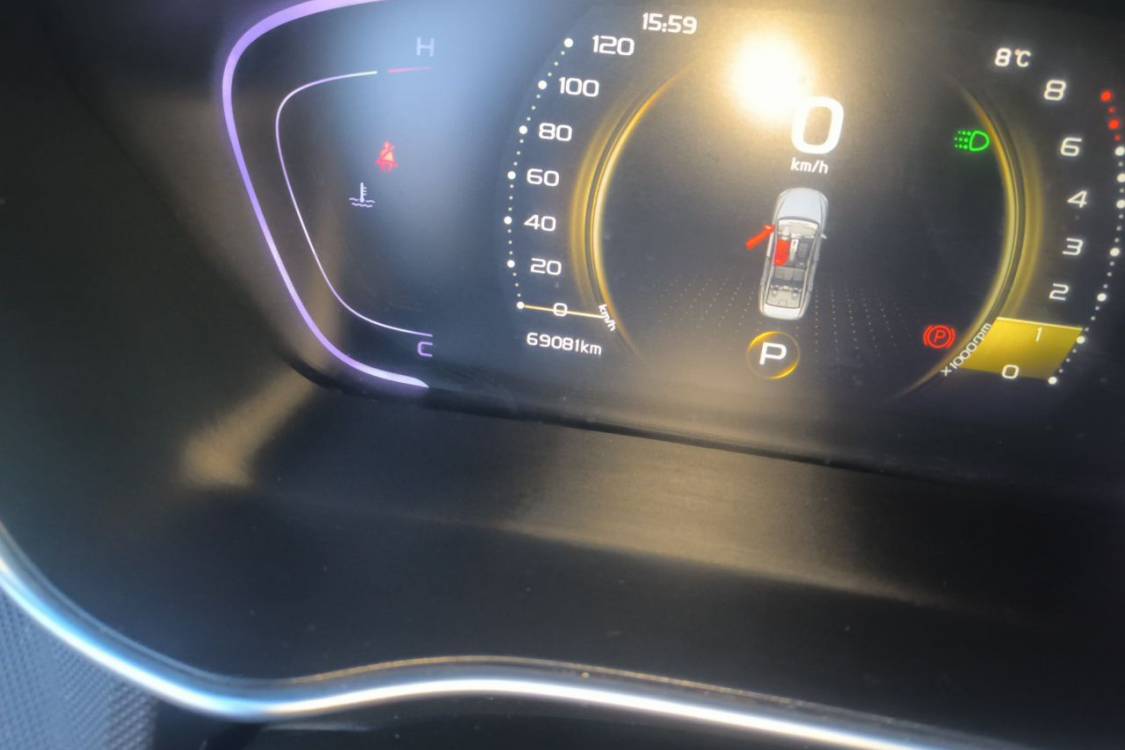
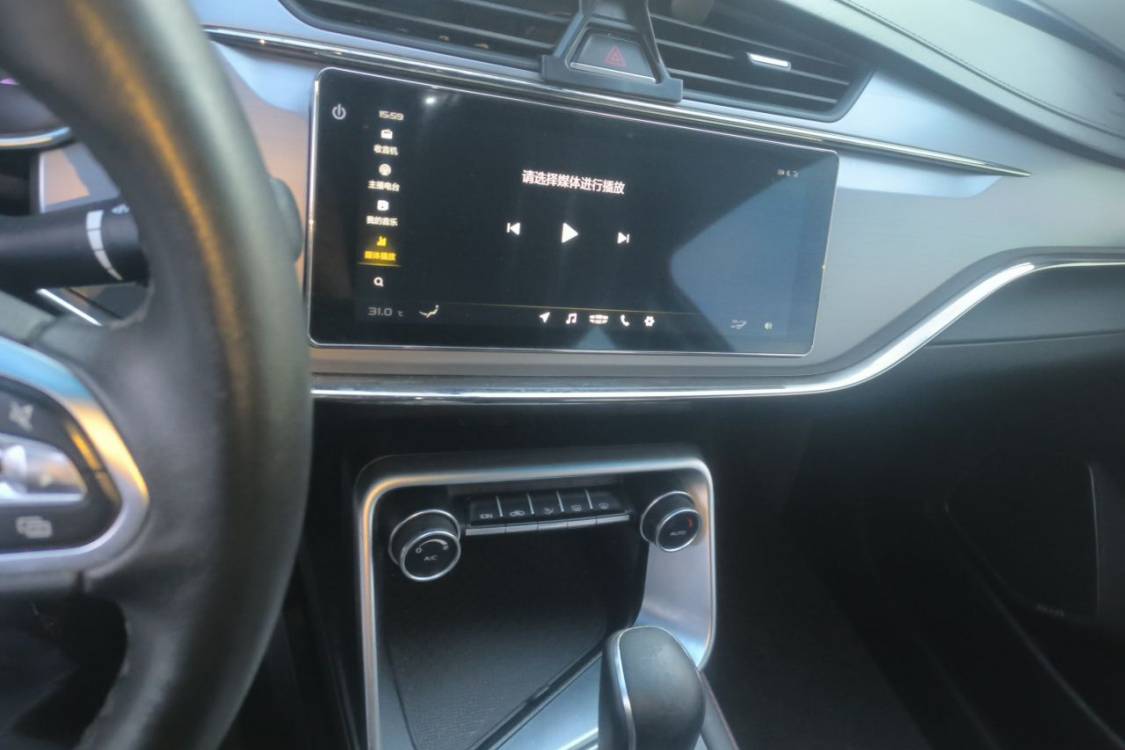
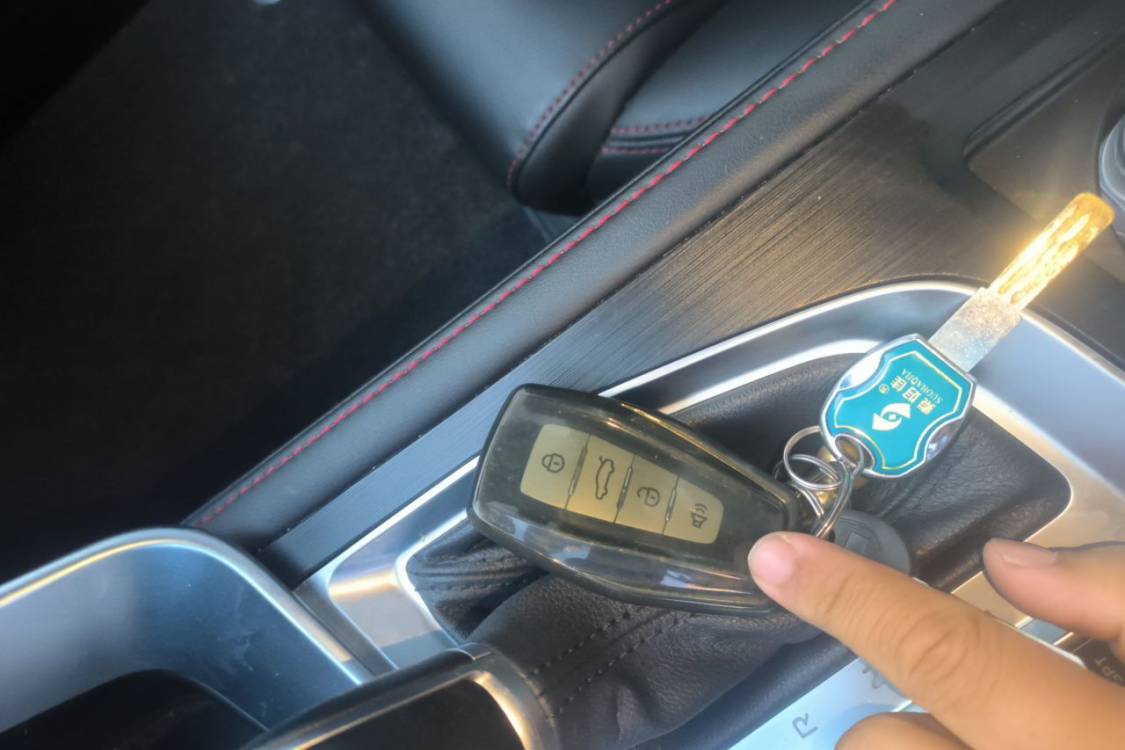
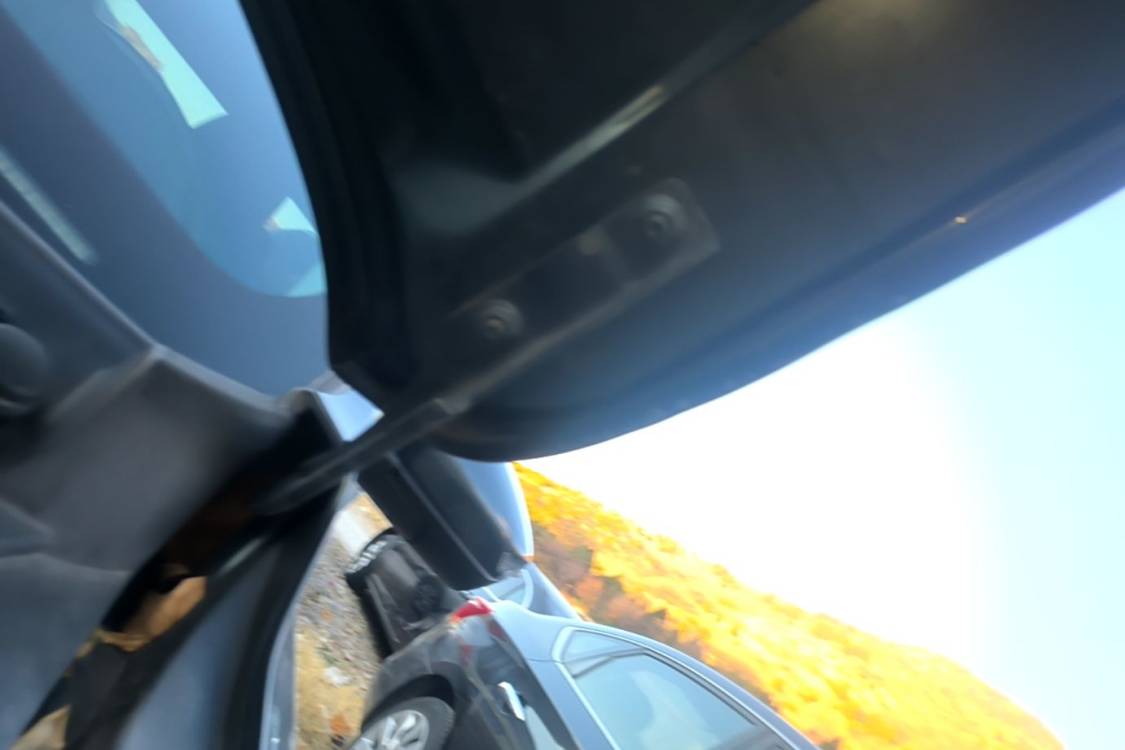
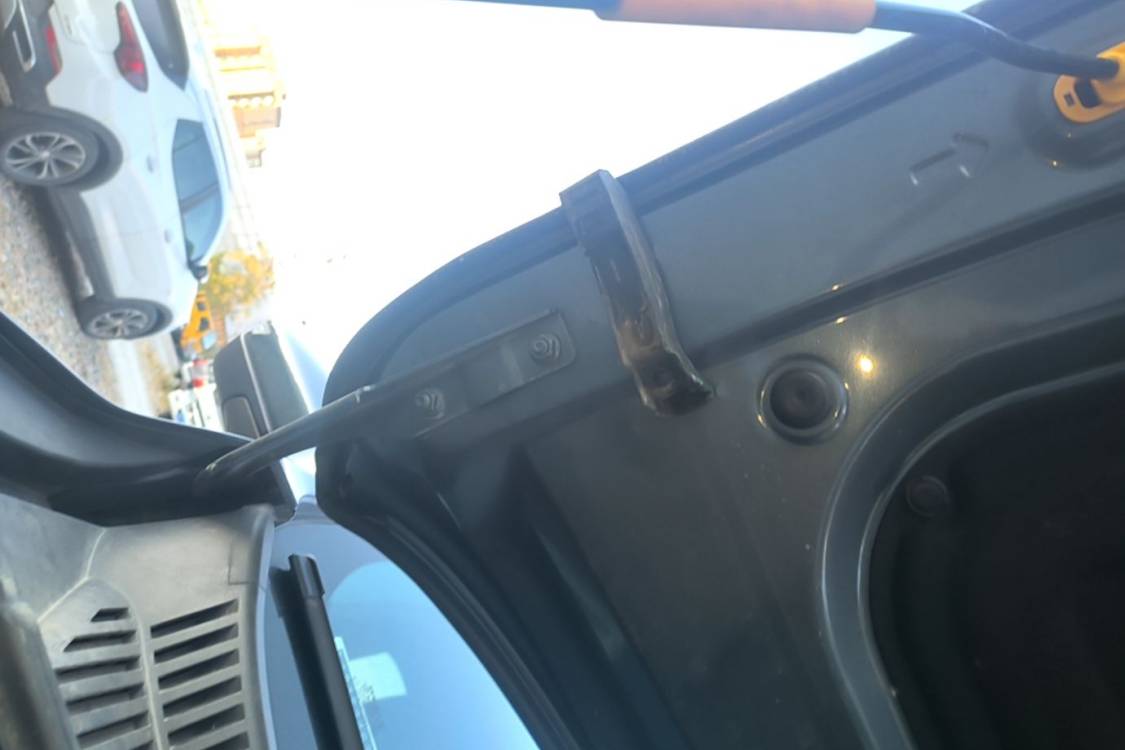
Accident inspection: main structure damaged, reinforcement parts undamaged, cover panels undamaged, hinges abnormal. Engine bay: key mechanical components normal. Exterior: 1 replaced part, 2 panel repairs, 2 paint repairs. Interior: most features normal, airbag and seatbelt systems normal, dashboard and instruments normal, lighting system normal. Startup test: airbag fault light abnormal. Onboard tools: none.

独家上新
电话直连
可讲价
平台物流
可转售
零过户
新检测标准升级>
非泡水

Document Information

Inspection Expiry Date2027/11
Warranty Expiry Date-
Insurance Expiry Date2027/11

Q&A

More

What is a Chinese vehicle registration certificate and how do I verify the seller actually owns the car?

The key document is the 机动车登记证书 (Vehicle Registration Certificate), the green booklet proving ownership. Along with it, the seller should provide the 行驶证 (driving license for the vehicle) and their ID. Verification steps: 1. Check that the VIN/chassis number on the certificate matches the car exactly, stamped on the dashboard and door frame 2. The certificate's 所有人 (owner) field must match the seller's company name or the export agent they claim to work with 3. Look at the registration history pages—frequent transfers in a short period can indicate problem cars being flipped 4. Confirm the car is not marked 抵押 (mortgaged/pledged to a bank) Be cautious if the seller only shows photos of these documents and refuses a live video panning across the original booklet with the day's newspaper. Also verify the export company has 二手车出口资质 (used-car export qualification)—a legitimate exporter will share their license number, which you can cross-check on Chinese commerce bureau websites.


Does the vehicle-to-load (V2L) feature on used Chinese EVs work in my country, and how do I check it remotely?

V2L lets an EV power external appliances through a discharge port, typically 2.2 to 6 kW. Whether it works abroad depends on three things. First, hardware: the car must have a V2L discharge port or adapter, and the OBC must support discharge mode—not all trims include it. Confirm the exact trim has V2L before paying. Second, frequency compatibility: Chinese models output 220V/50Hz, which matches most of Asia, Africa and Europe, but not North America's 110V/60Hz without an external transformer. Third, software region locks: some brands disable discharge functions for exported units. To verify remotely, ask the seller for a live video: connect a load (a kettle or work light), start discharge from the infotainment menu, and show no error messages. Also request a screenshot of the discharge settings page. If V2L matters to you, write it into the contract as a confirmed working feature.

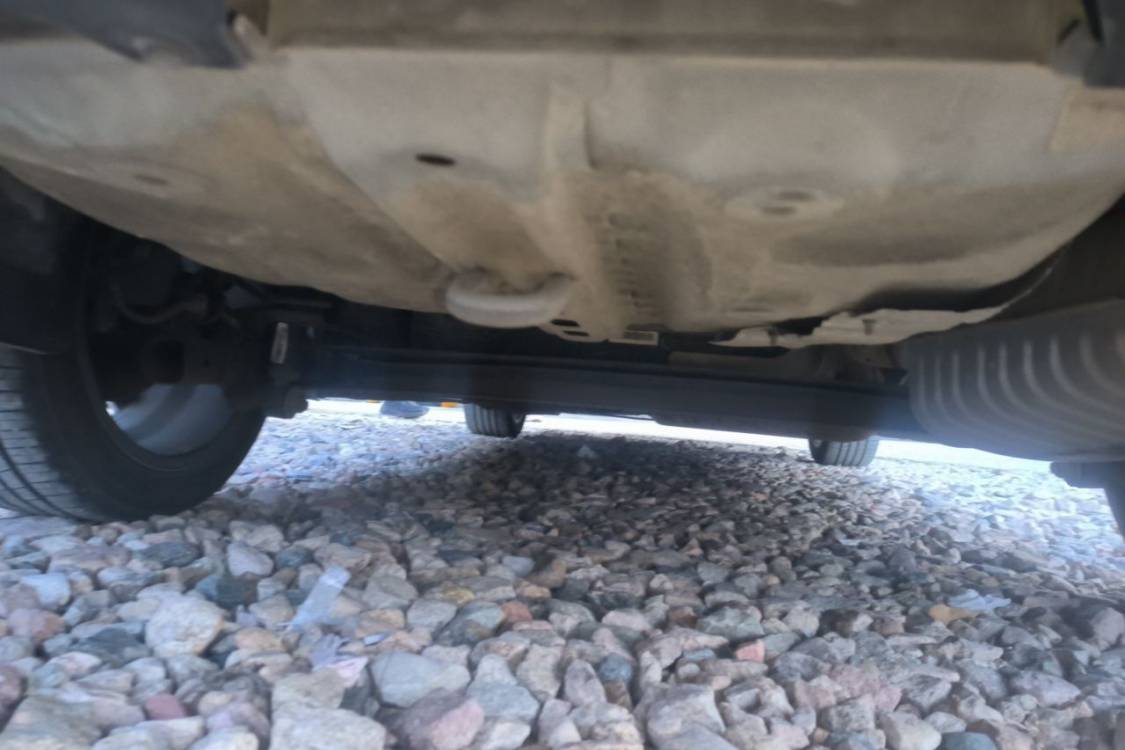
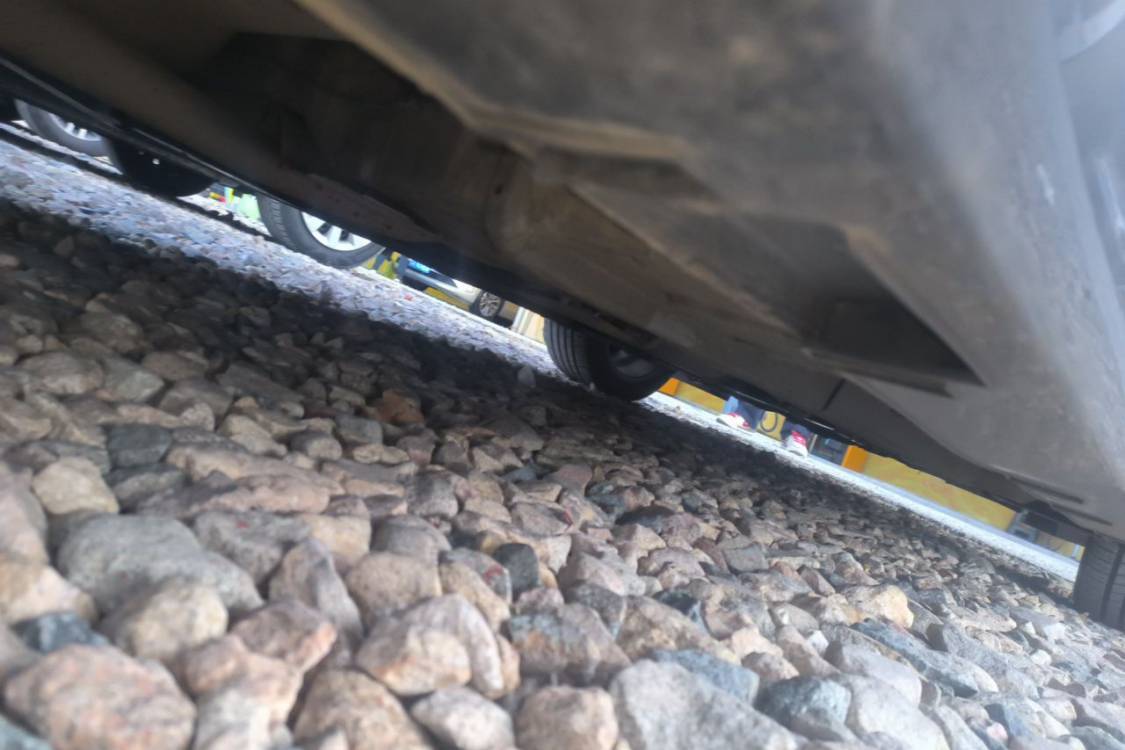
How to prove that the chassis has no serious rust, corrosion, or bottom damage?

All vehicles on the lift must be inspected. We will provide high-definition close-up photos of the chassis directly below, suspension components, and the mid to rear section of the exhaust. We will honestly show any minor surface rust (a common phenomenon in cast iron); if we find bent longitudinal beams or extensive through-corrosion, the vehicle will be scrapped and not exported.