










24H

Basic Information

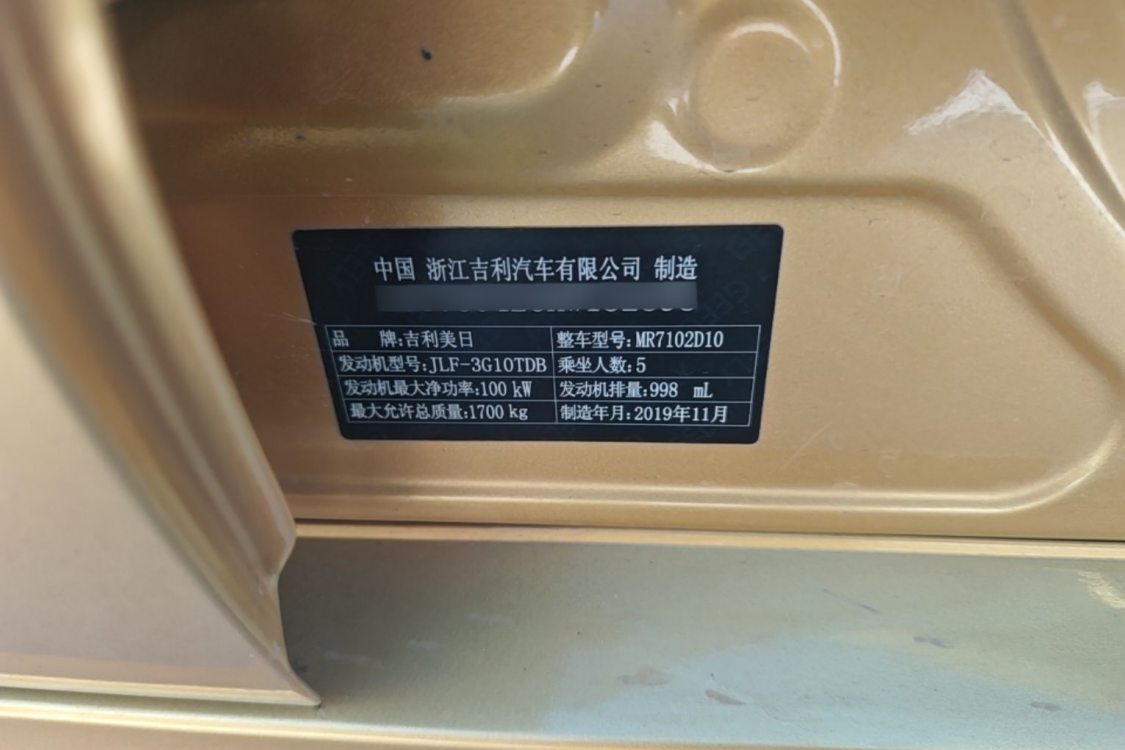
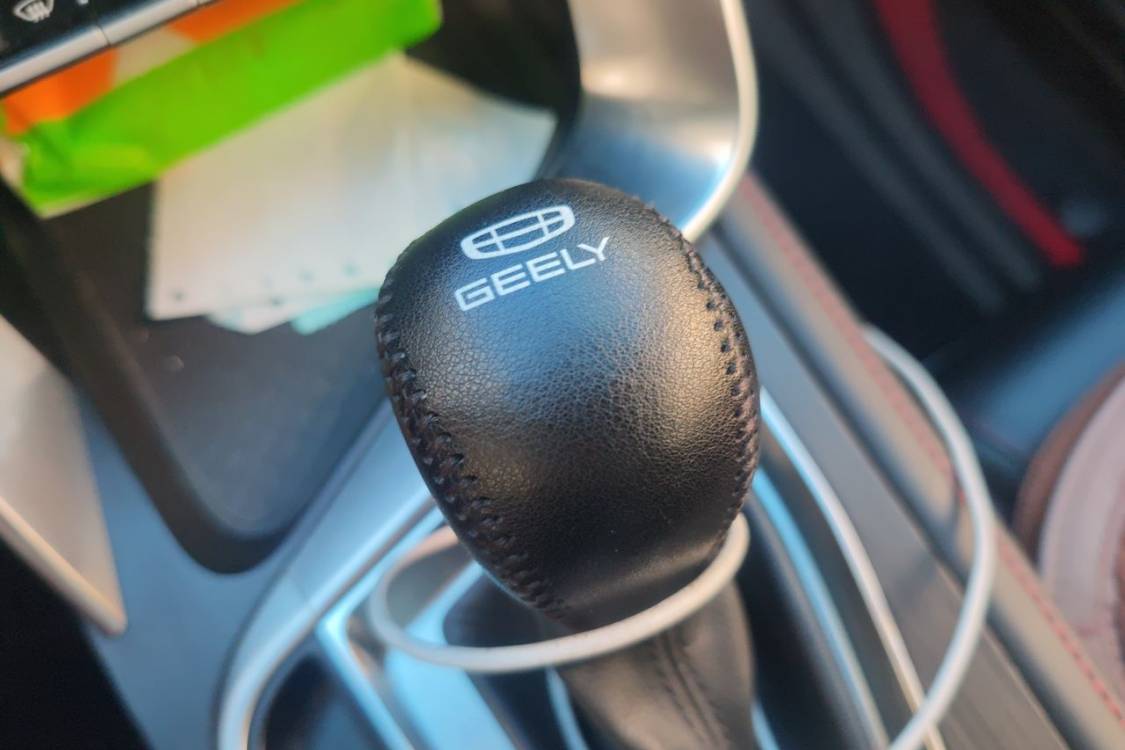
BrandGEELY
SeriesBinray
Year2019
First Registration2019/12
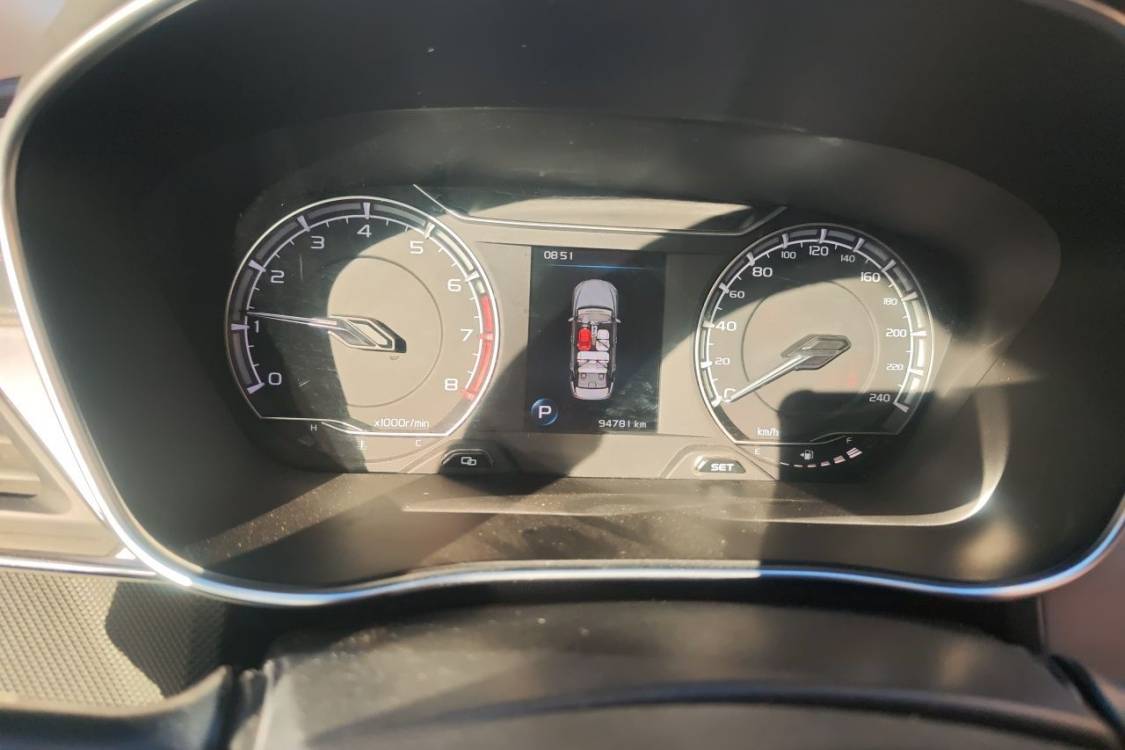
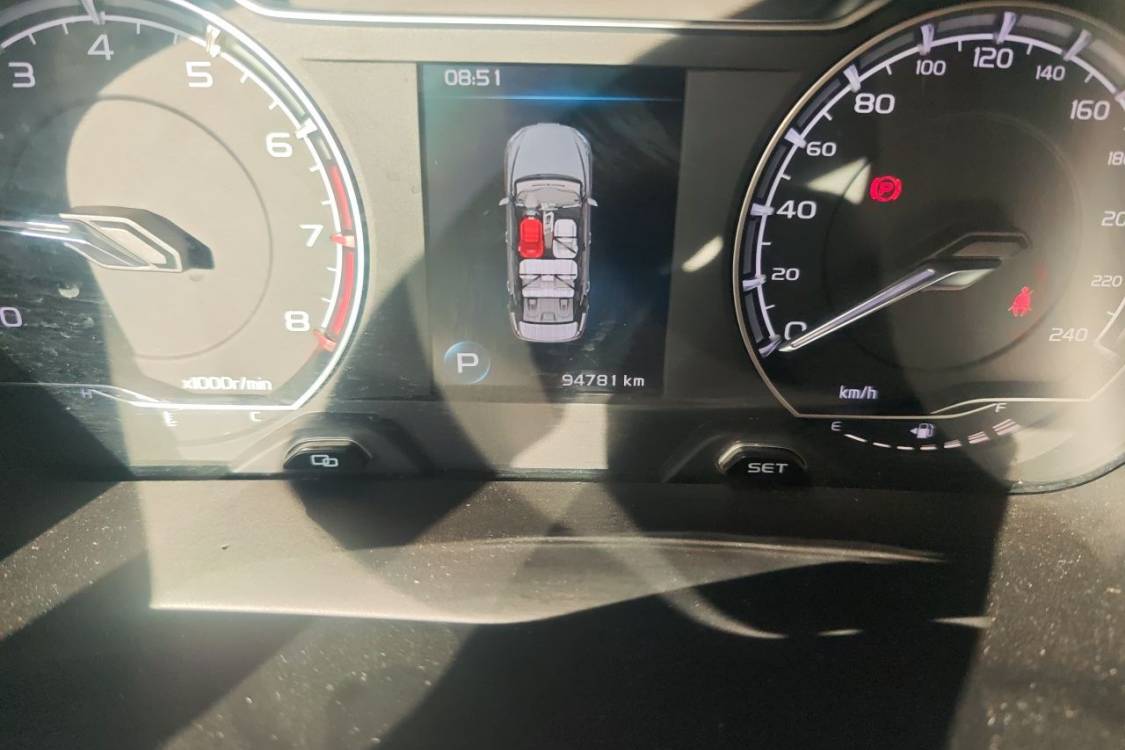
Mileage94,700km
Transfer Count1times
FuelGasoline
TransmissionDCT
Engine1.0T 136 L3
ColorYellow
Seats-

Condition Description

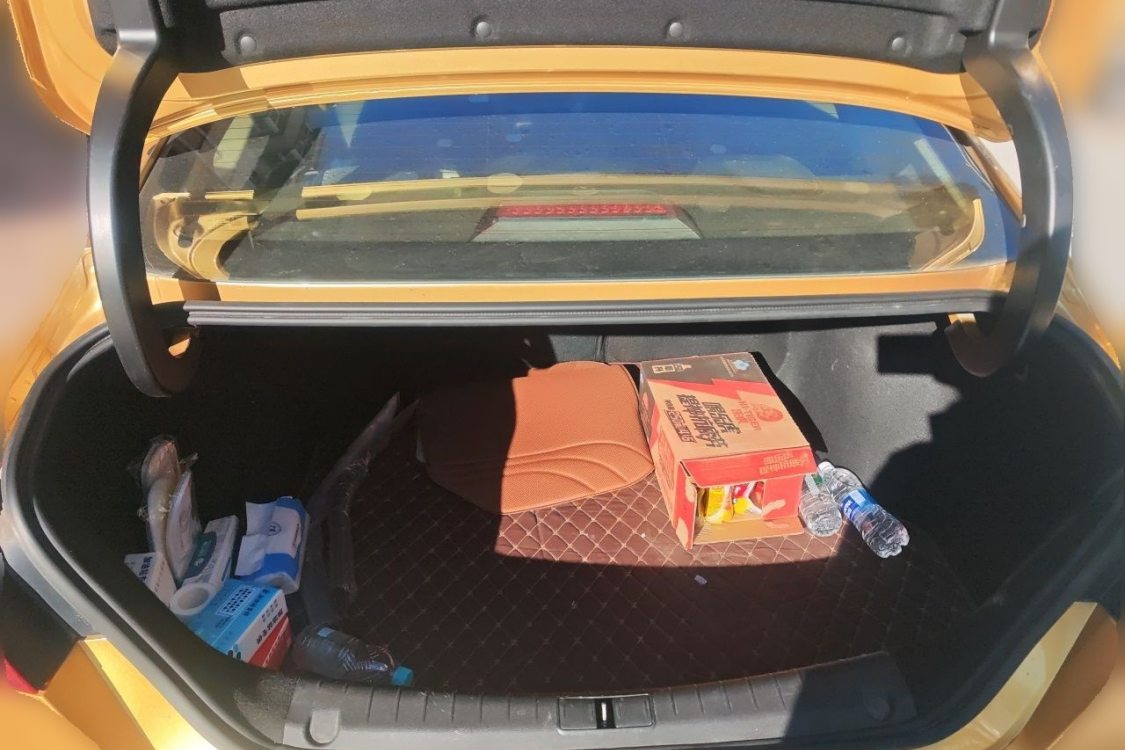
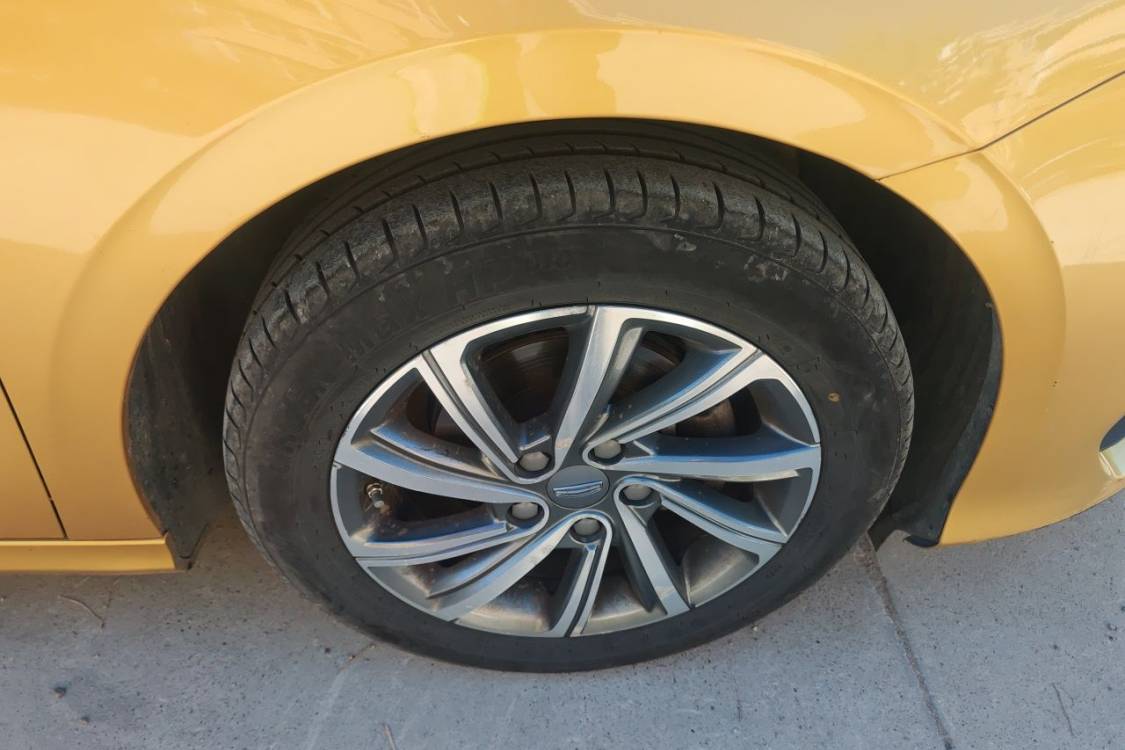
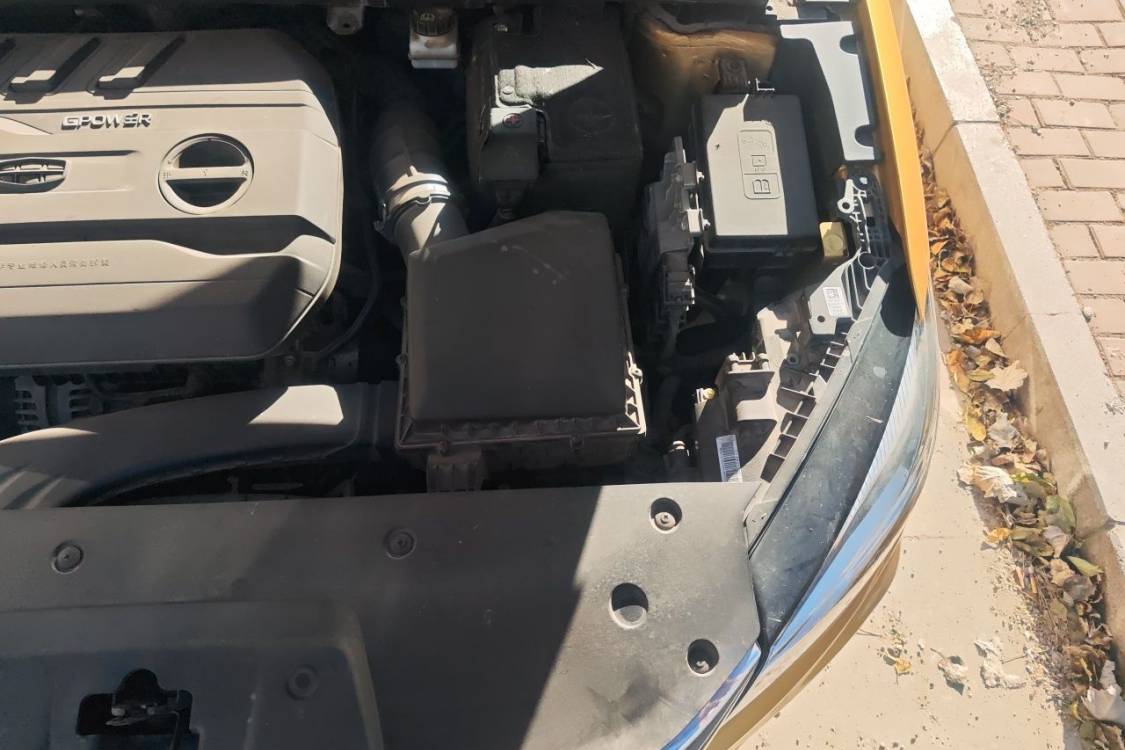
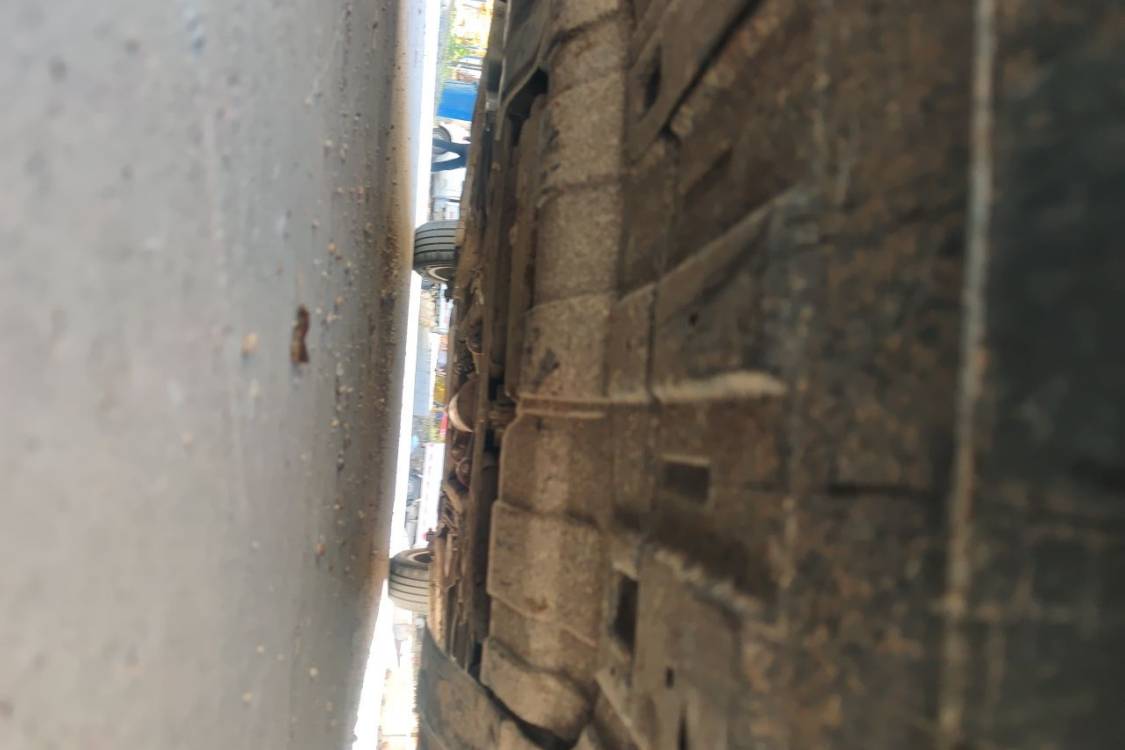
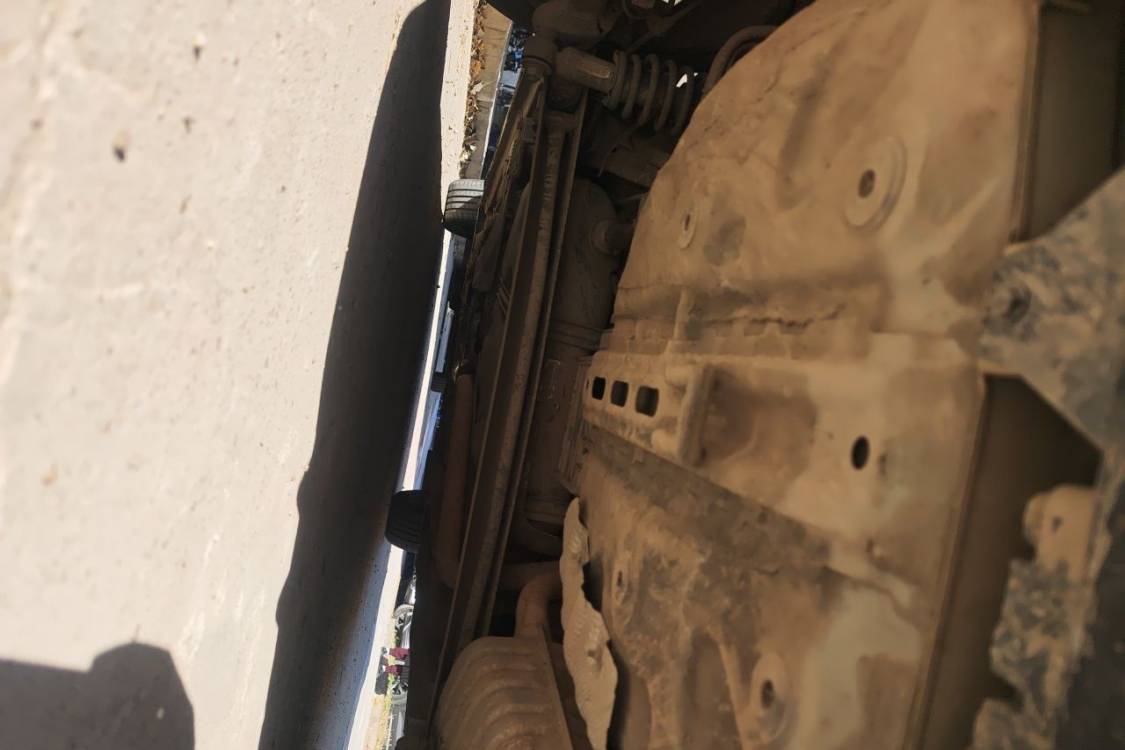
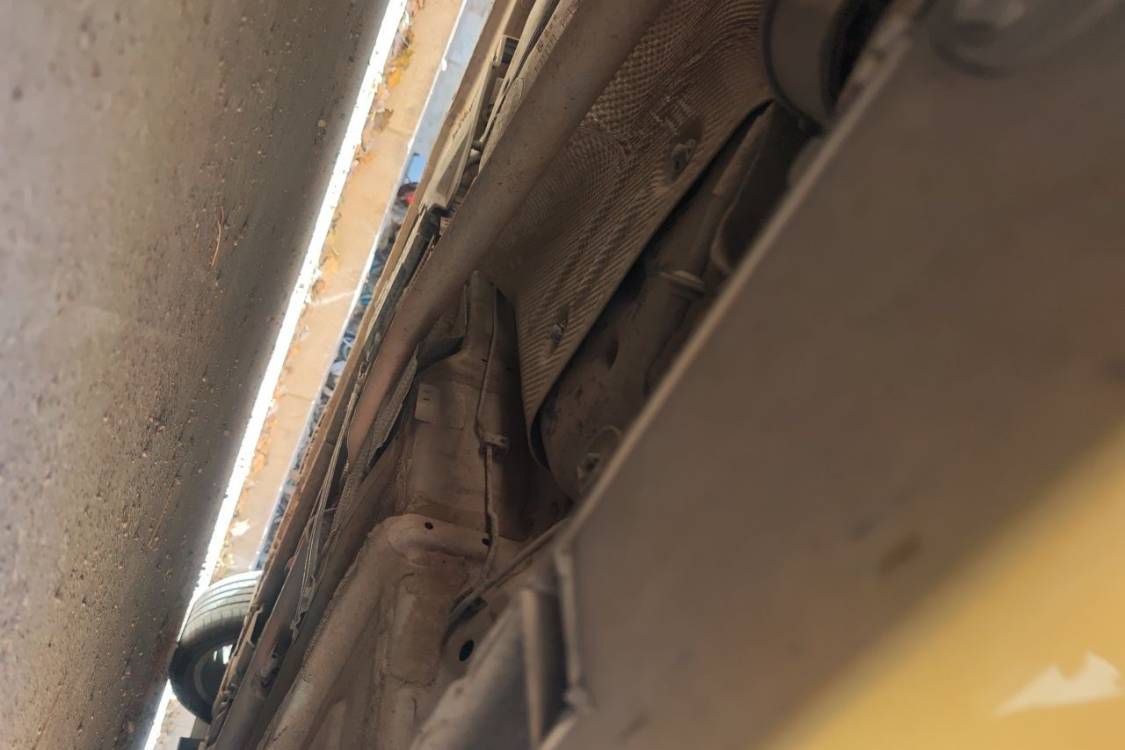
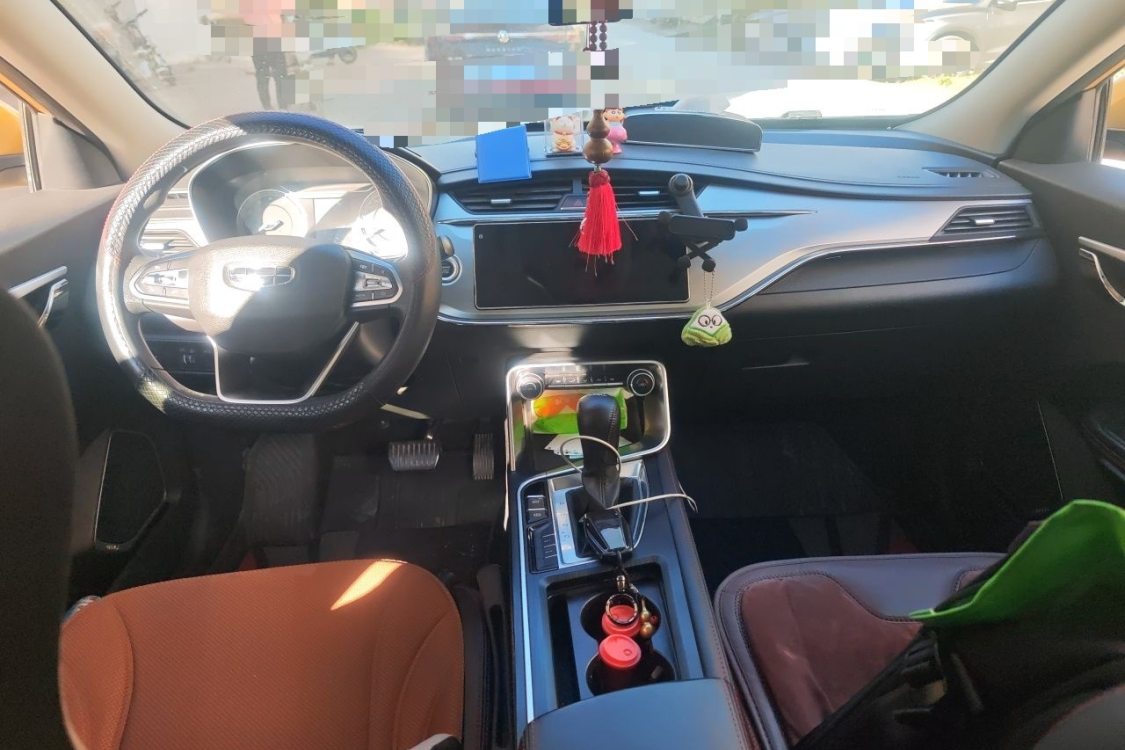
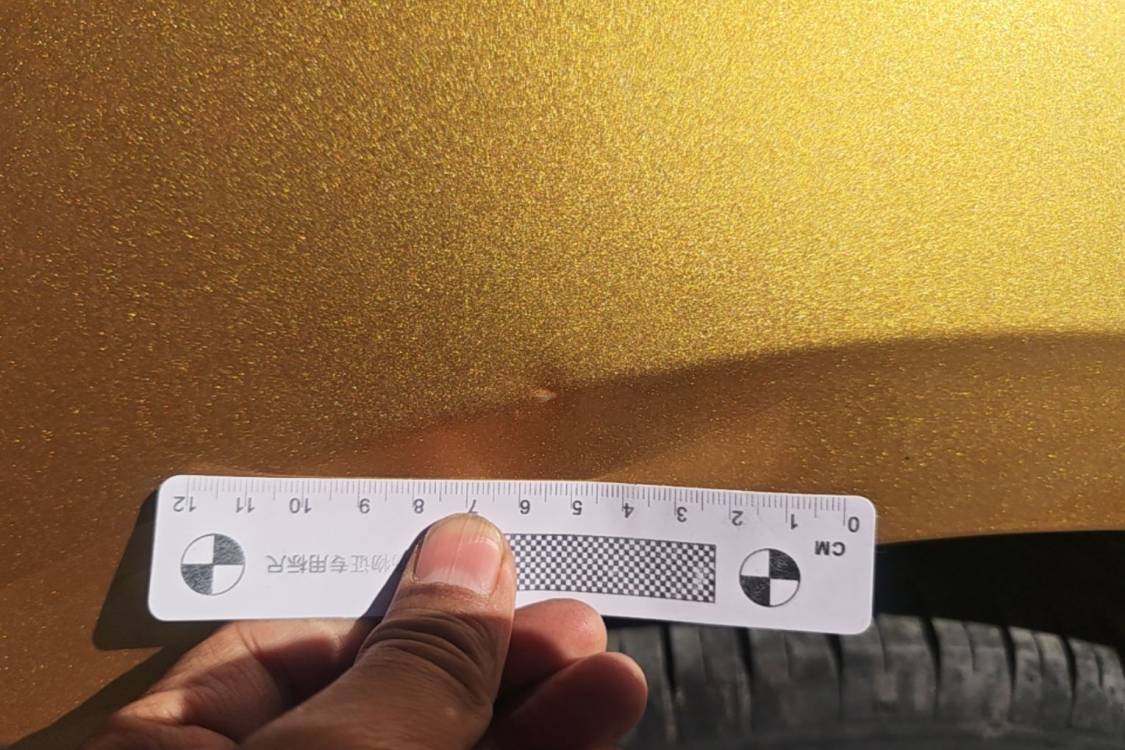
The body has localized damage or repair marks in some areas. Structural and reinforced components show no accident-related damage or repairs. Vehicle performance (including the three-electric system) has degraded or is limited.

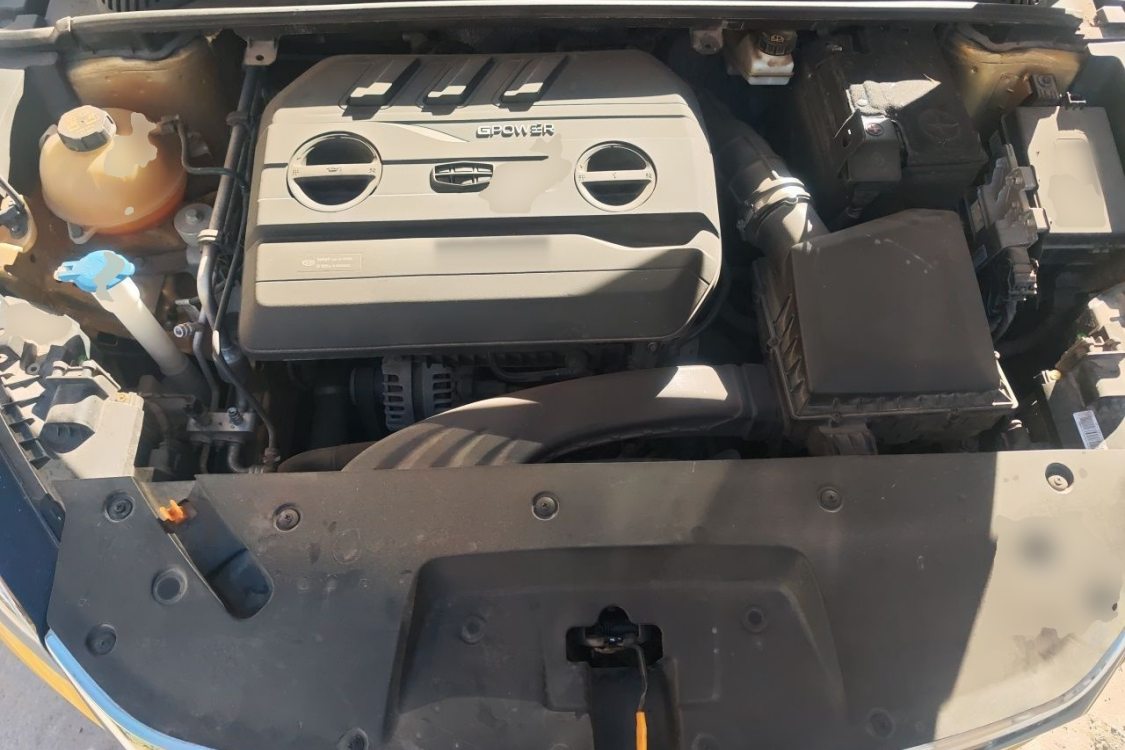
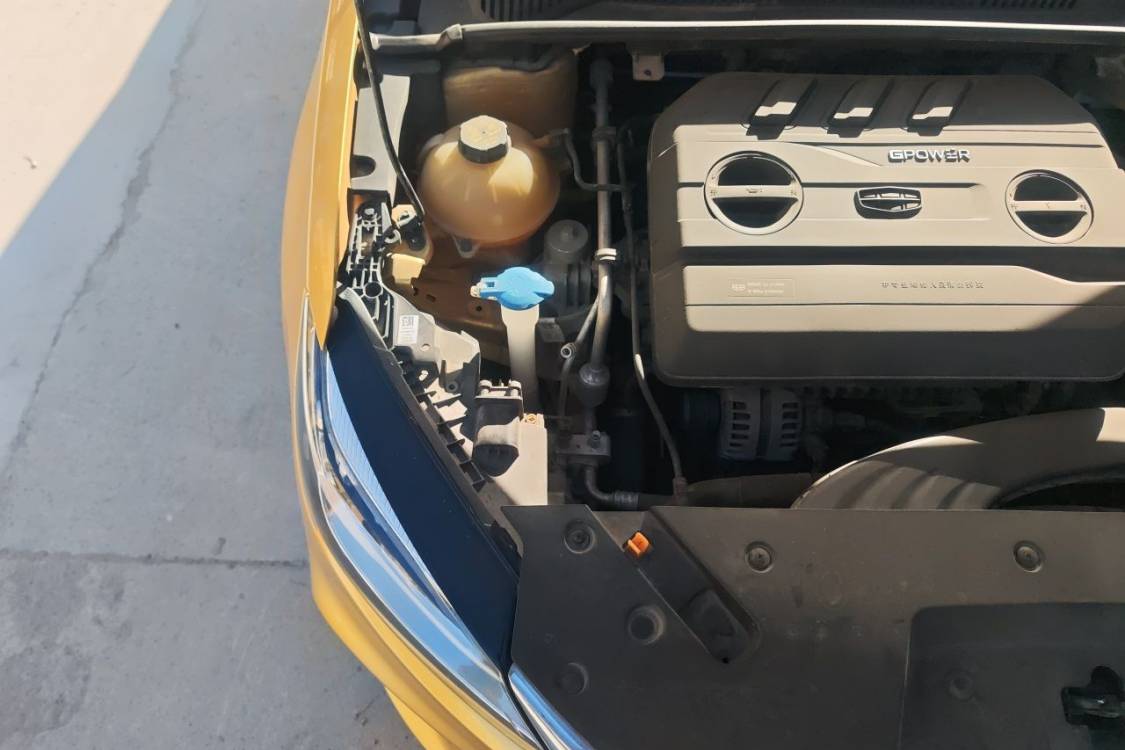
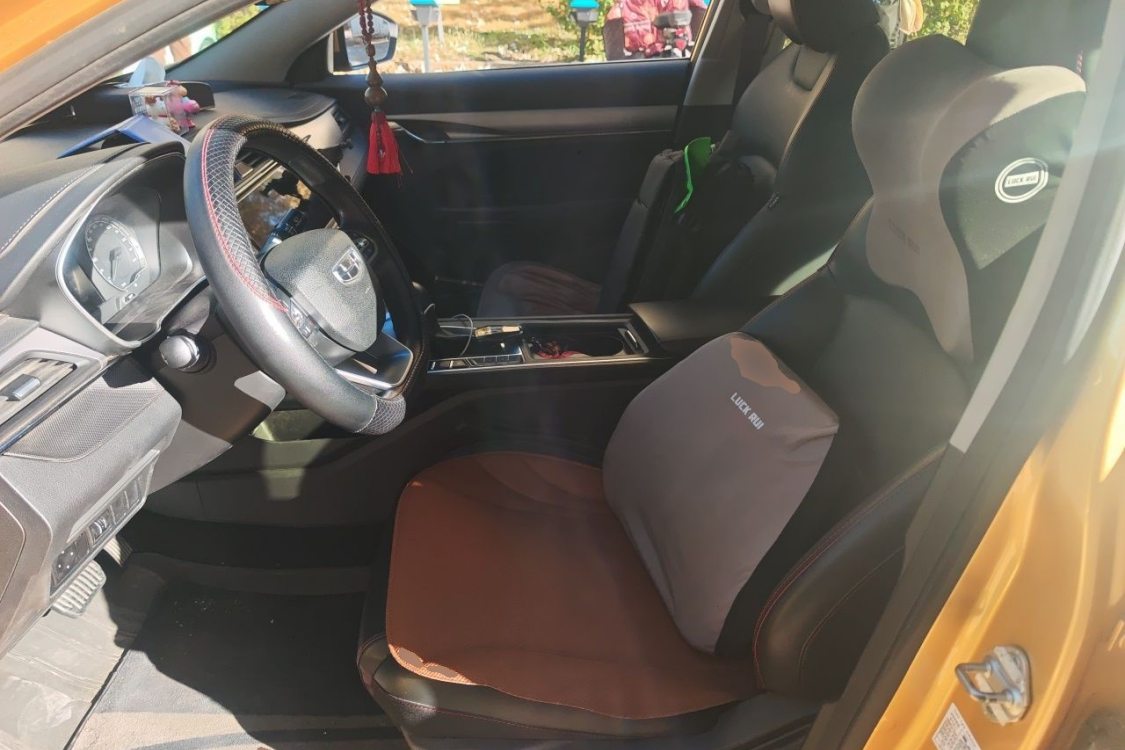
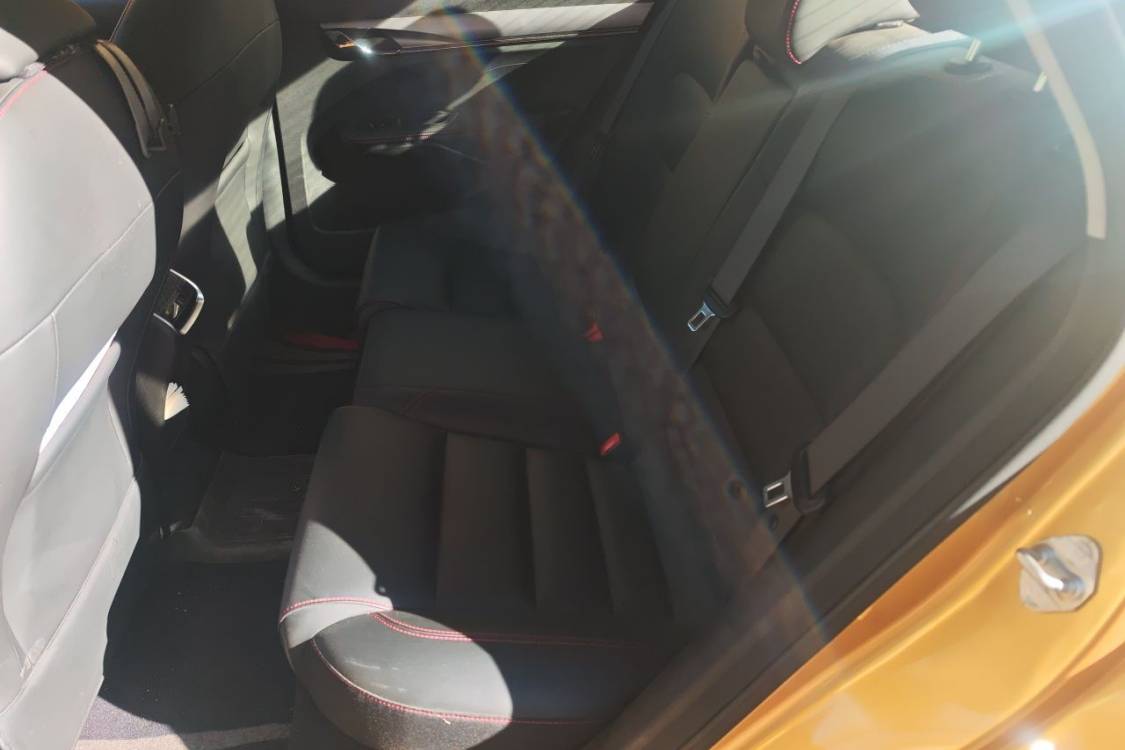
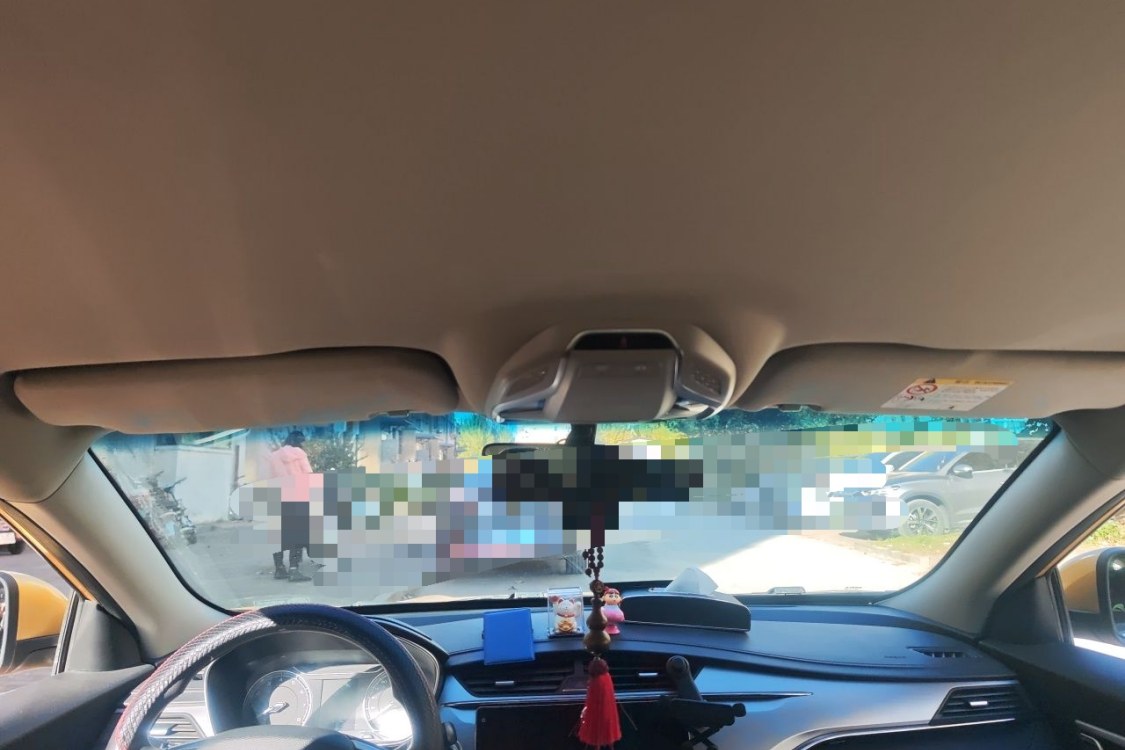
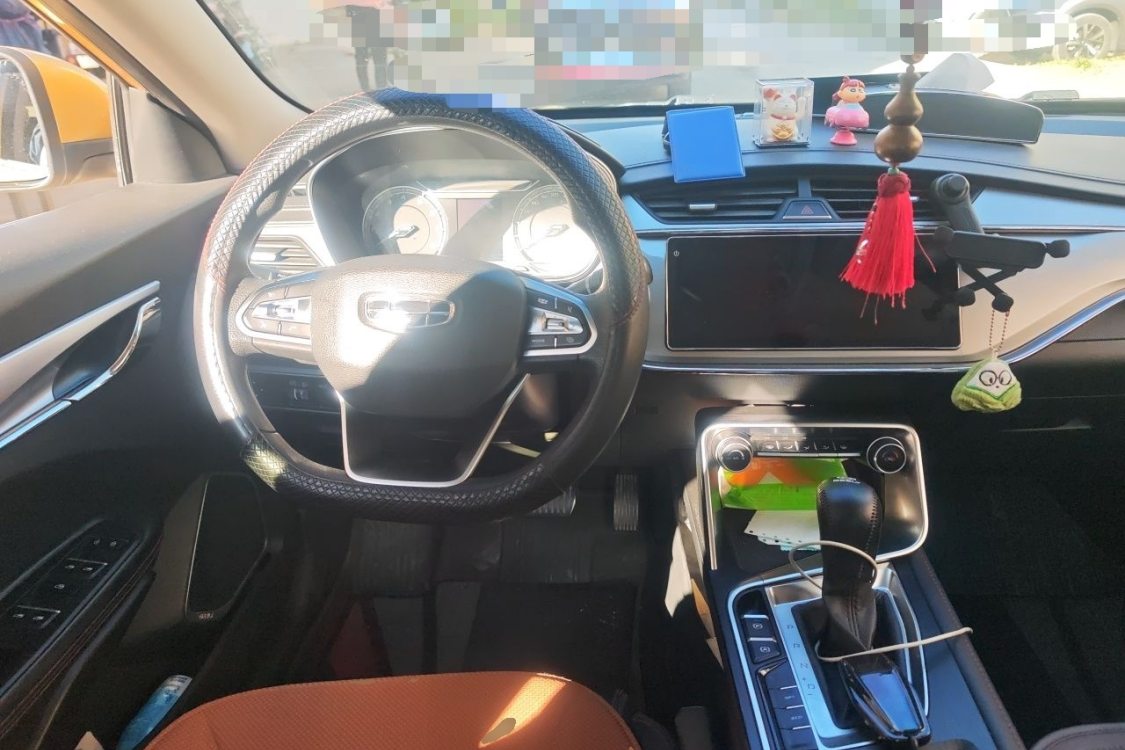
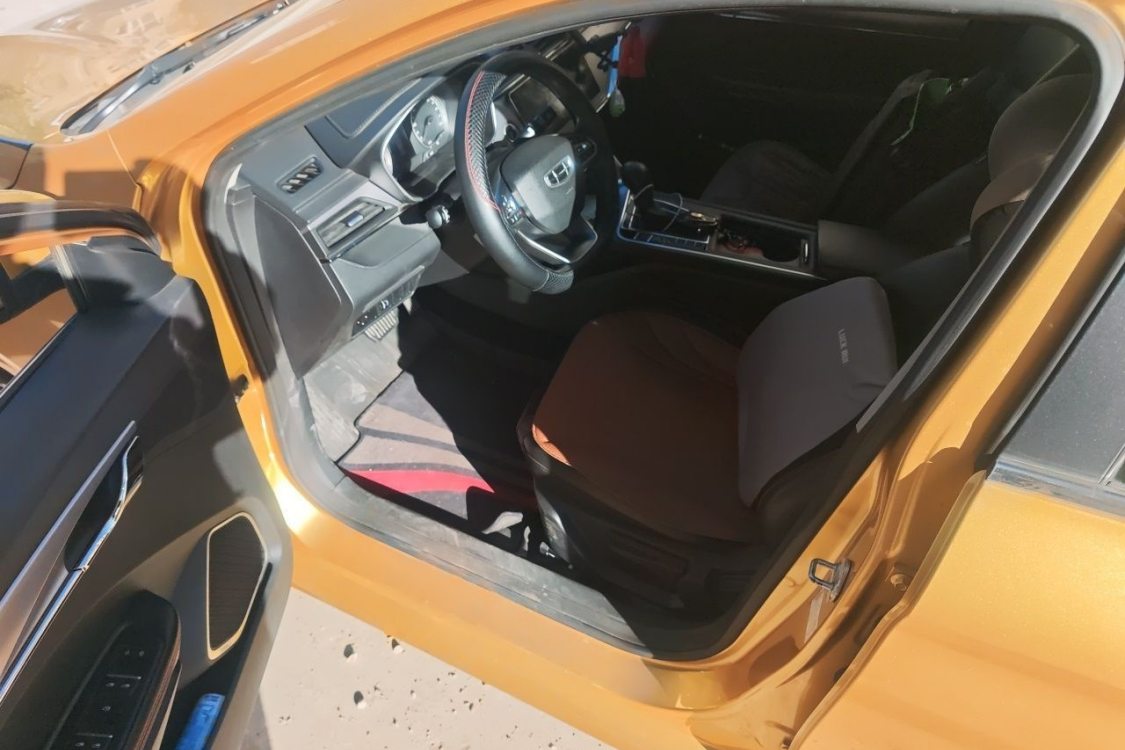
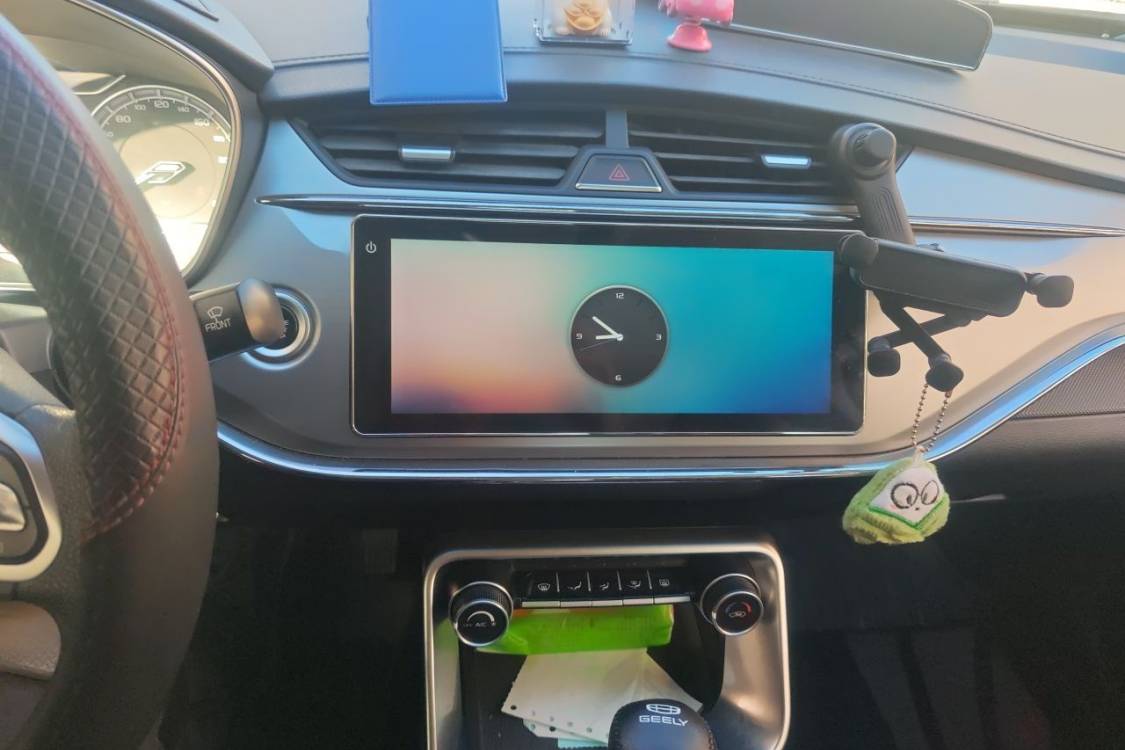
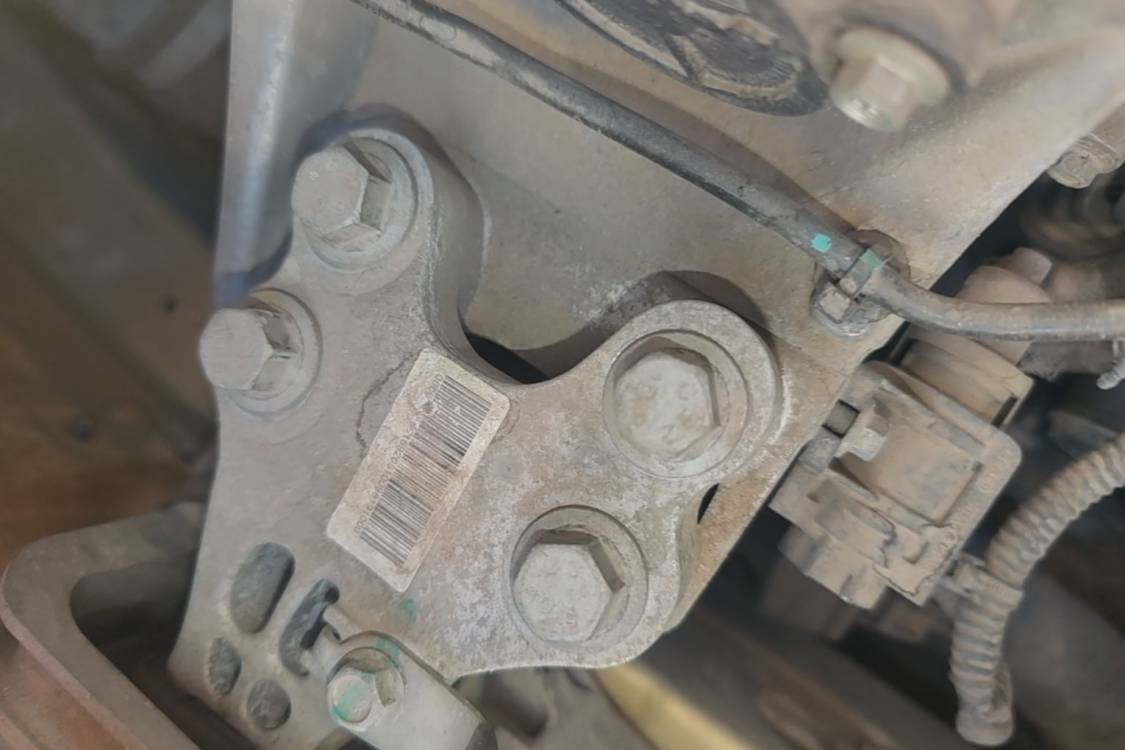
Accident inspection: main structure undamaged, reinforced components undamaged, cover panels damaged, hinges normal. Engine bay inspection: engine assembly has been disassembled for repair, valve cover gasket has disassembly marks, engine cylinder head gasket has disassembly marks. Exterior: none. Interior: most features normal, airbags normal, seatbelts normal, dashboard normal, instrument cluster normal, lighting system normal. Starting test: main components normal. Onboard tools: none.

电话直连
可讲价
平台物流
可转售
新检测标准升级>
非泡水

Document Information

Inspection Expiry Date2027/12
Warranty Expiry Date-
Insurance Expiry Date2026/12

Q&A

More

The bank returned my car payment due to compliance issues. Who bears the exchange rate loss and fees?

If the buyer's country is under international sanctions, or if the buyer fails to provide a legitimate source of funds leading to the bank returning the payment, all transfer fees and exchange rate losses incurred during this period are to be borne entirely by the buyer.


Can the buyer request the internal resistance test data of the battery pack at different state of charge (SOC) levels?

Obtaining precise internal resistance at different SOC levels requires disassembling the battery pack and connecting it to a professional charge-discharge cabinet for several days of cycling tests. This is beyond the scope of non-destructive used car inspections; we only provide real-time estimated internal resistance data based on OBD port readings.

How are the refrigerant pressure, compressor operation, and heating effect of the air conditioning system deeply tested?

The technician will start the vehicle and turn on the air conditioning system, measuring the actual temperature at the vents at the lowest and highest settings with a thermometer; at the same time, they will connect a manifold pressure gauge to check if the refrigerant pressure in the high and low pressure lines is within the normal range, determining if there is a chronic refrigerant leak.