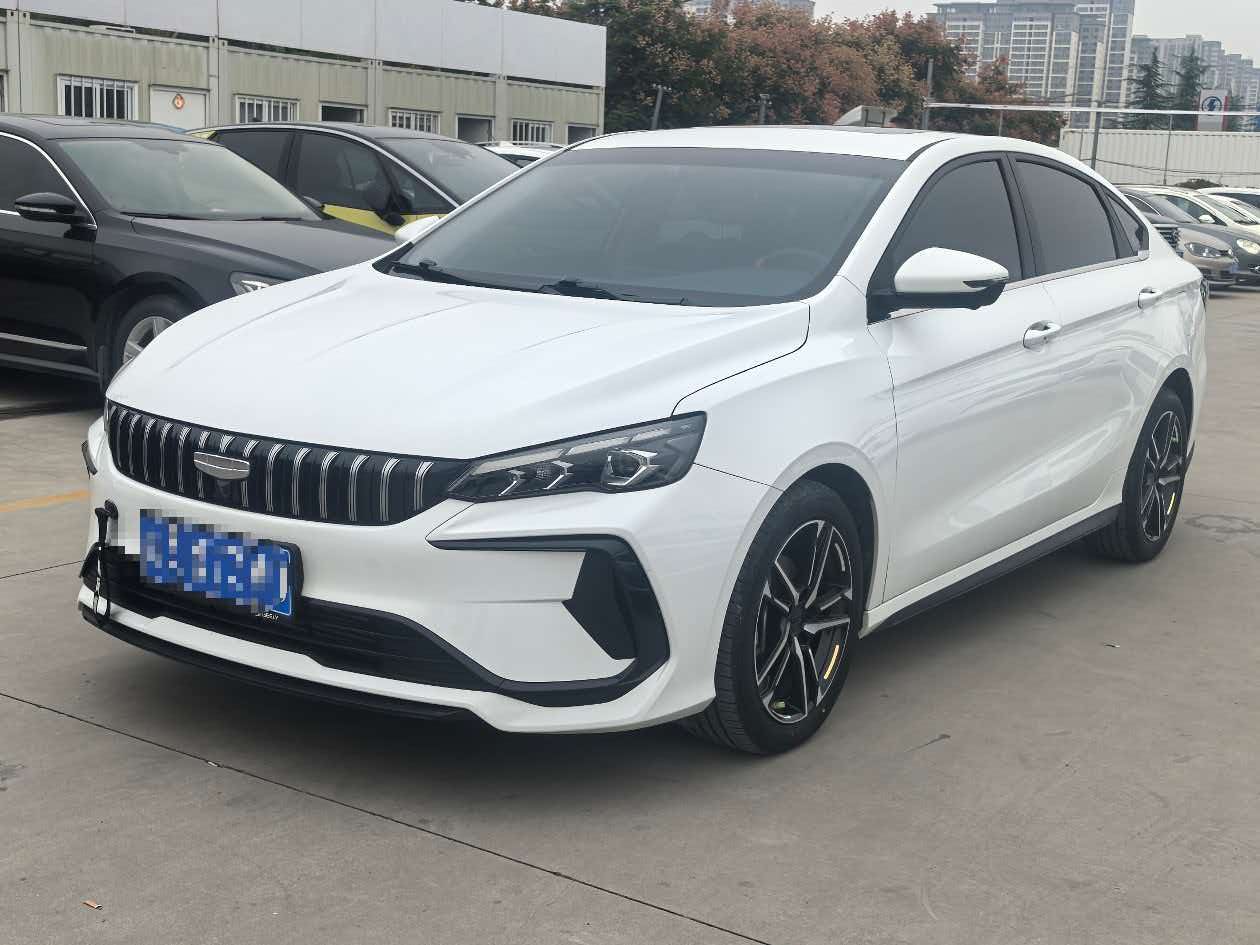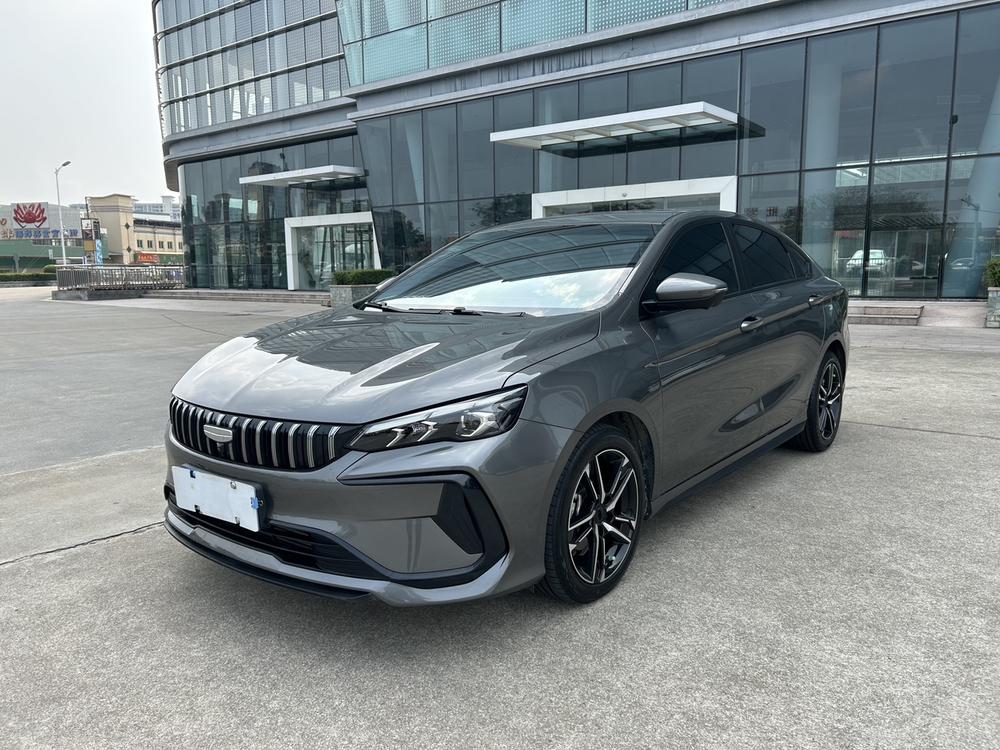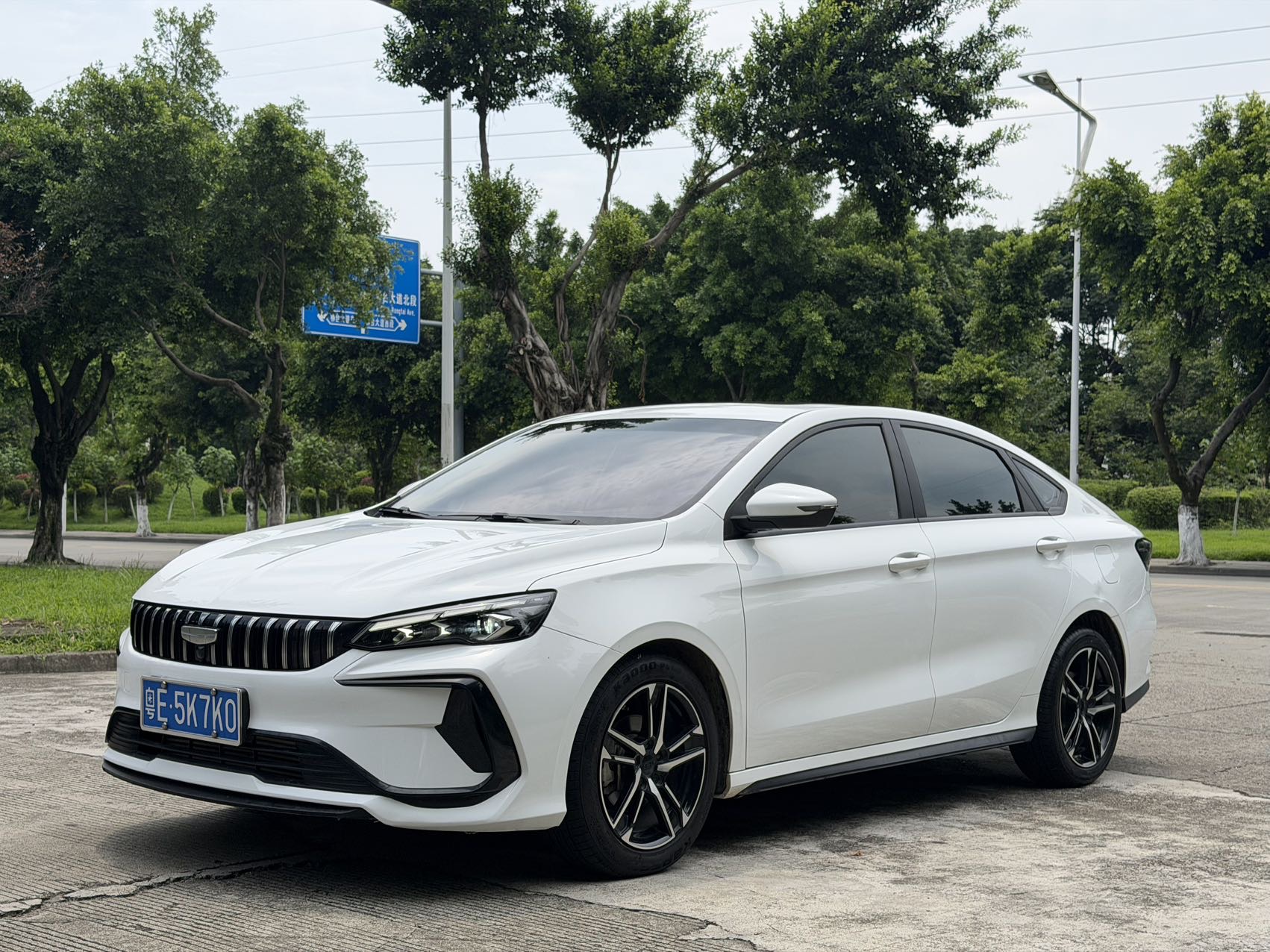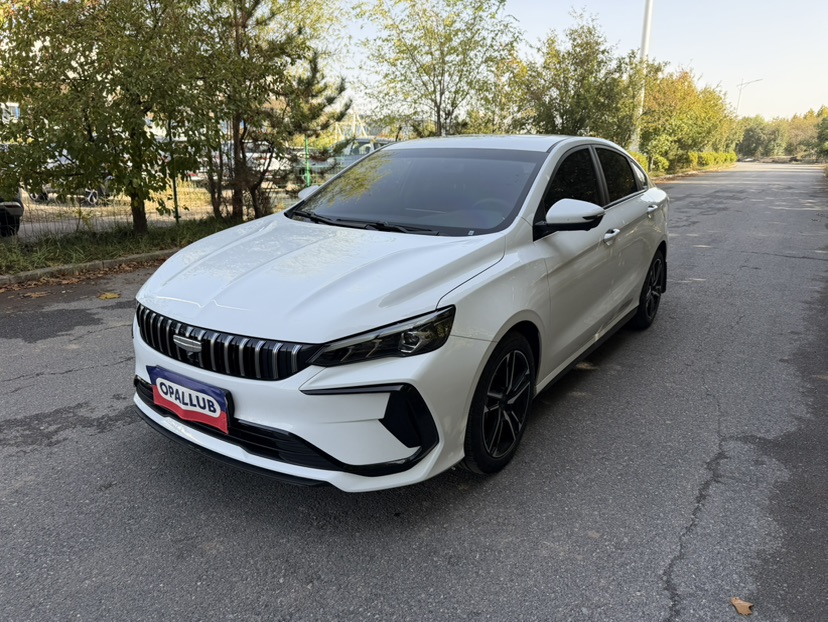





48H

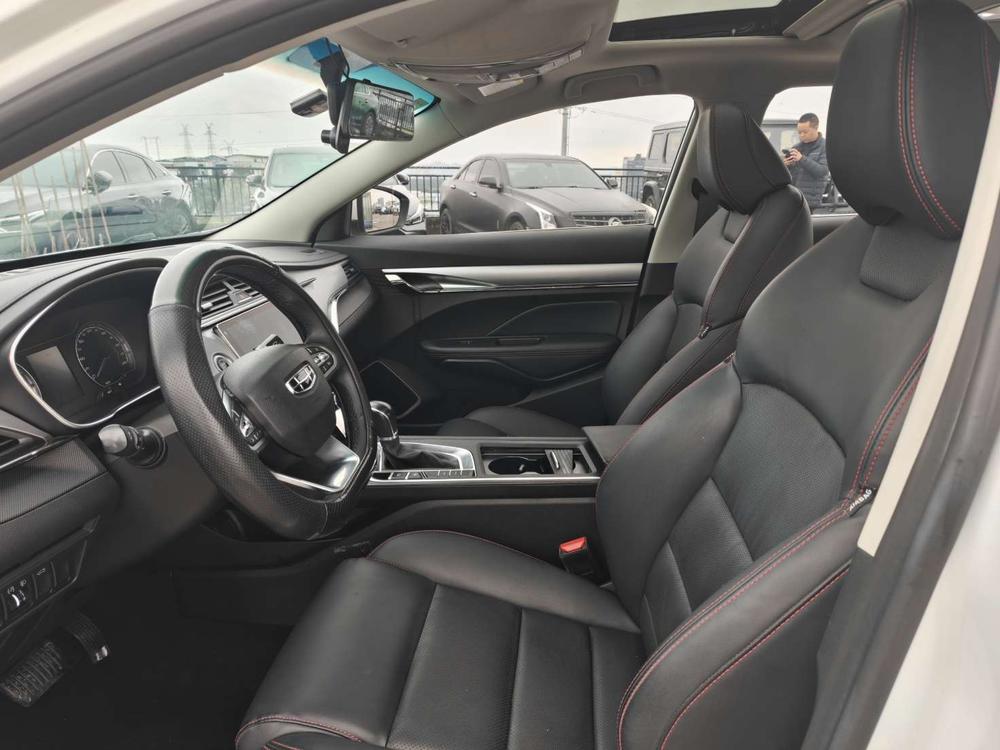
Basic Information

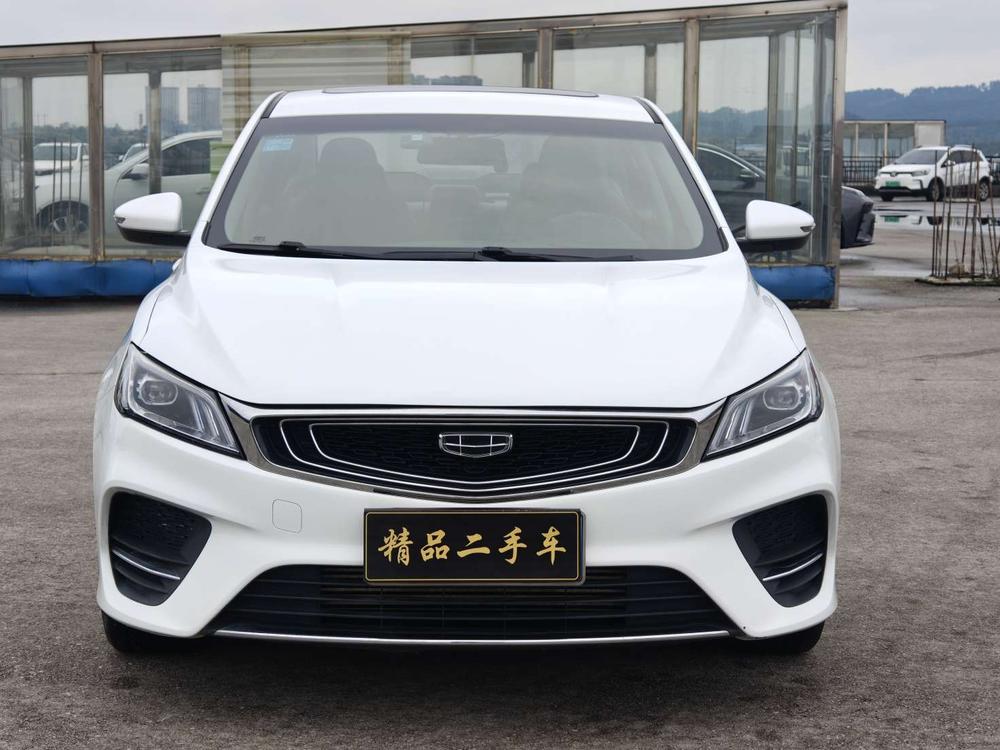
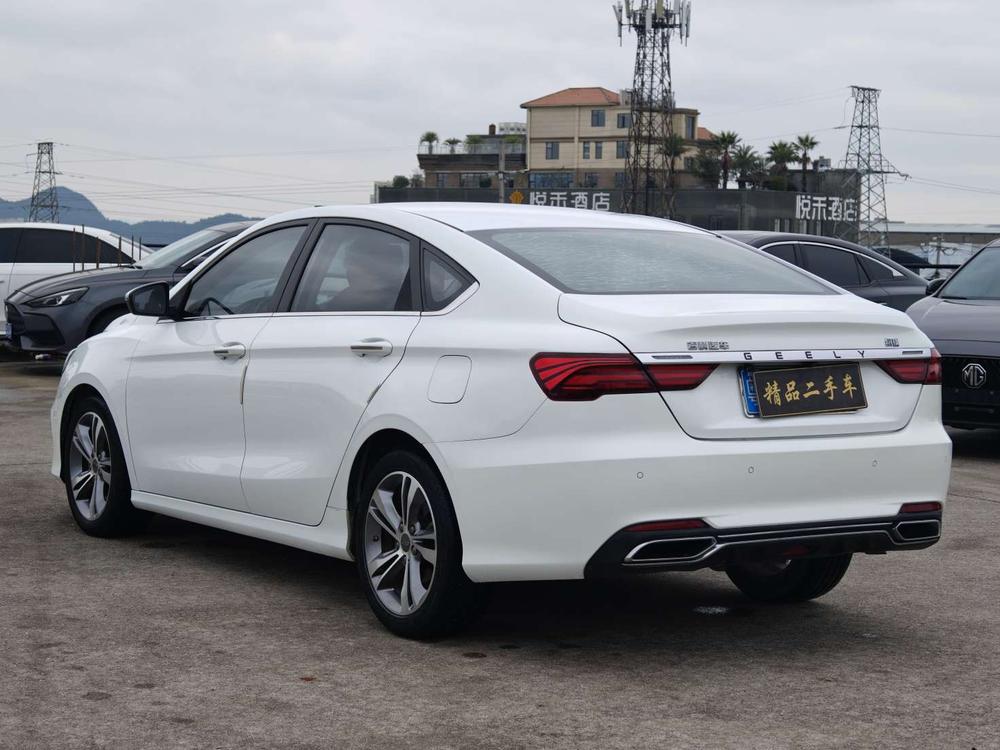
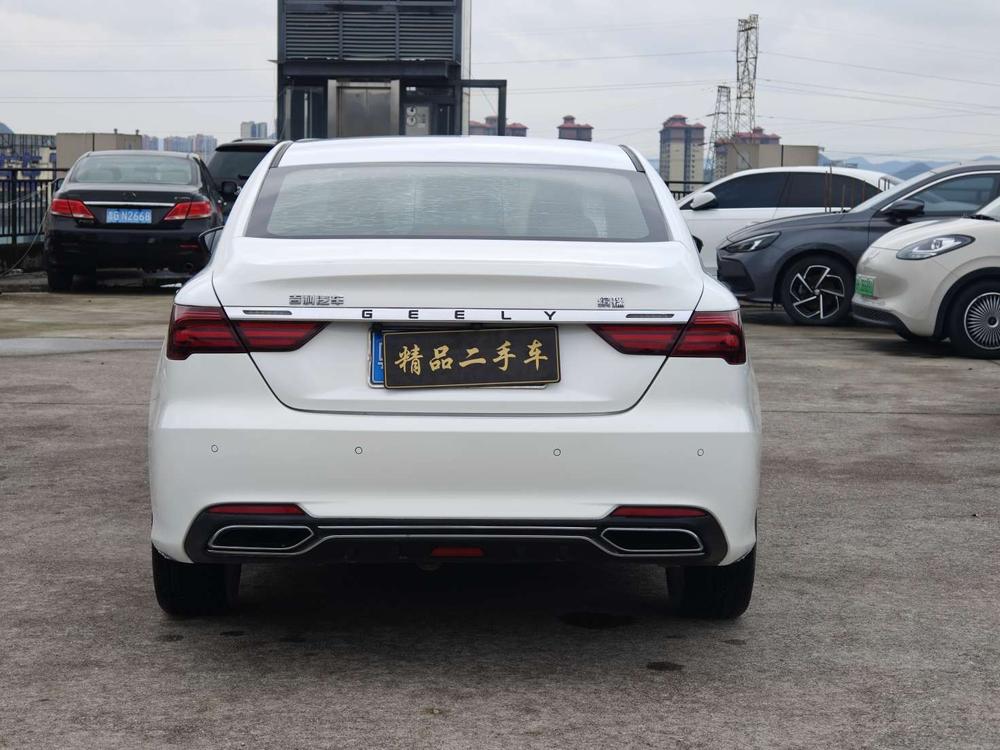
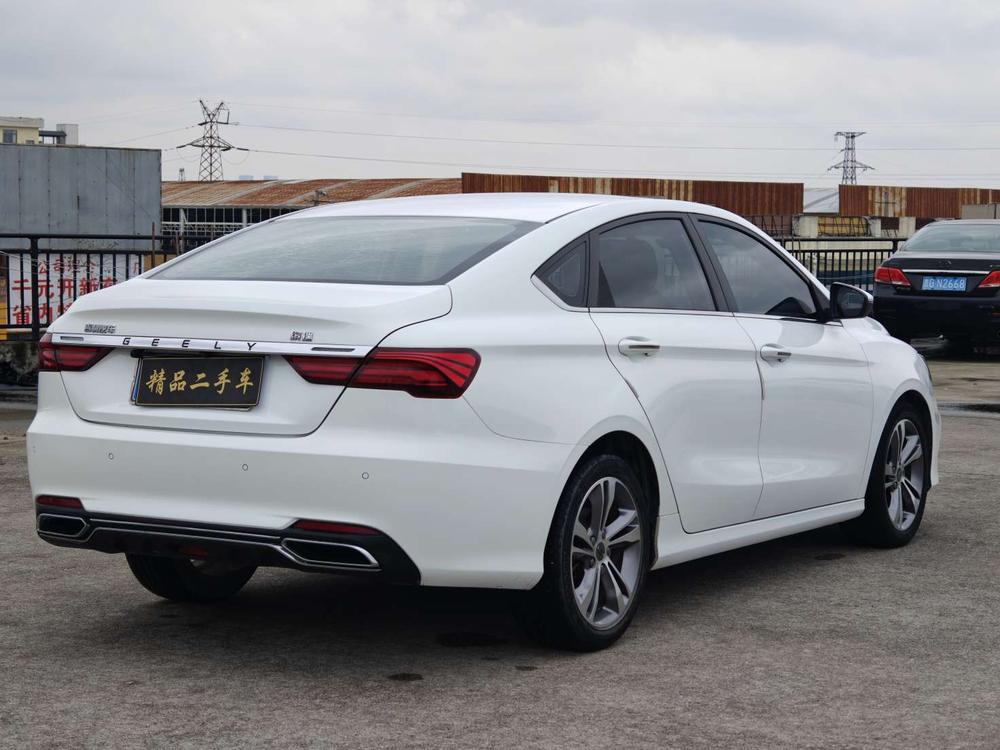
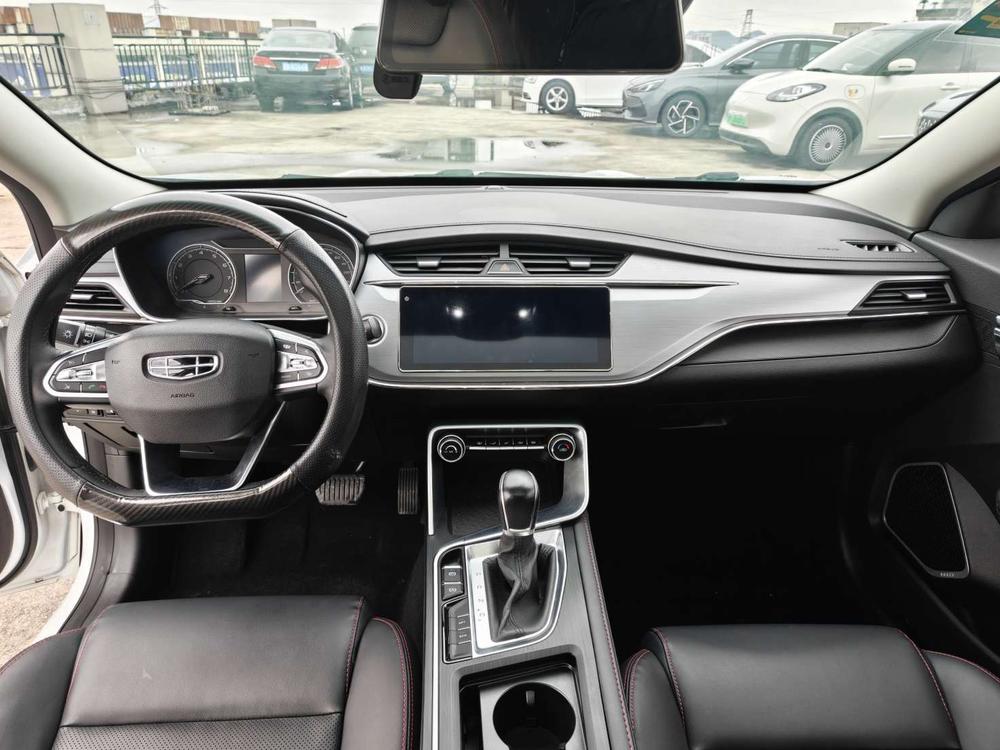
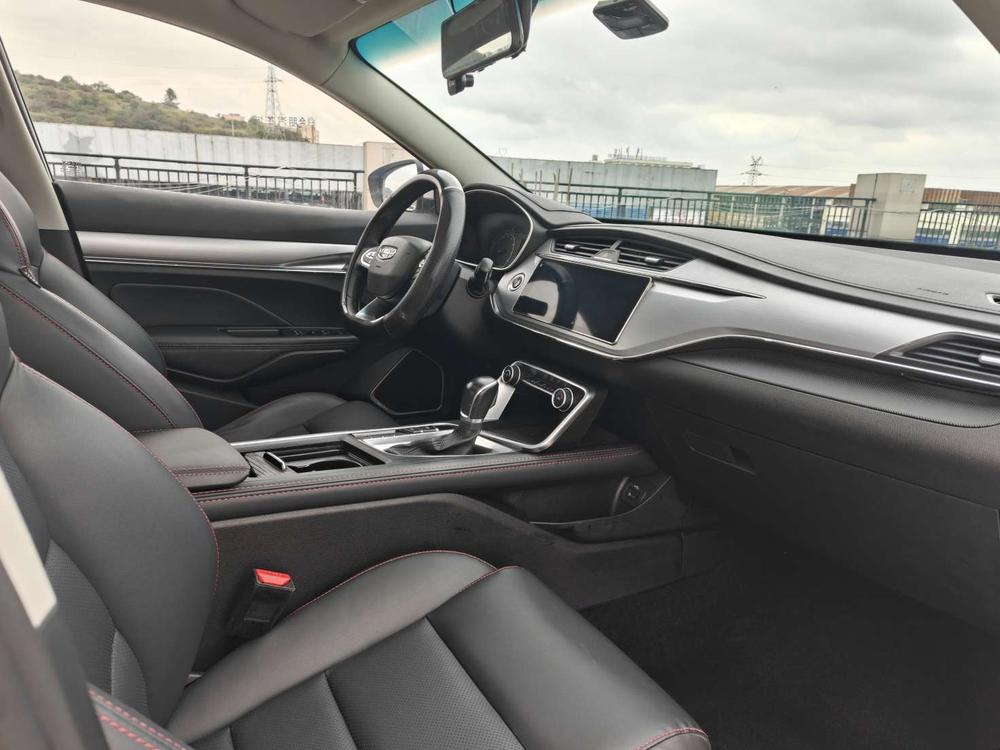
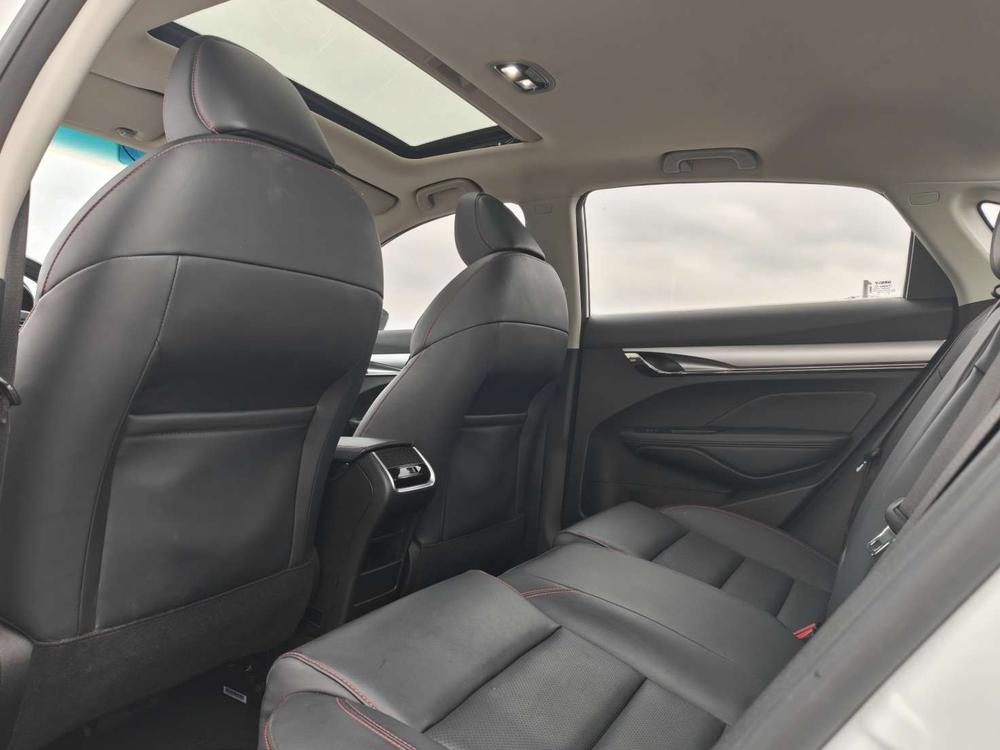
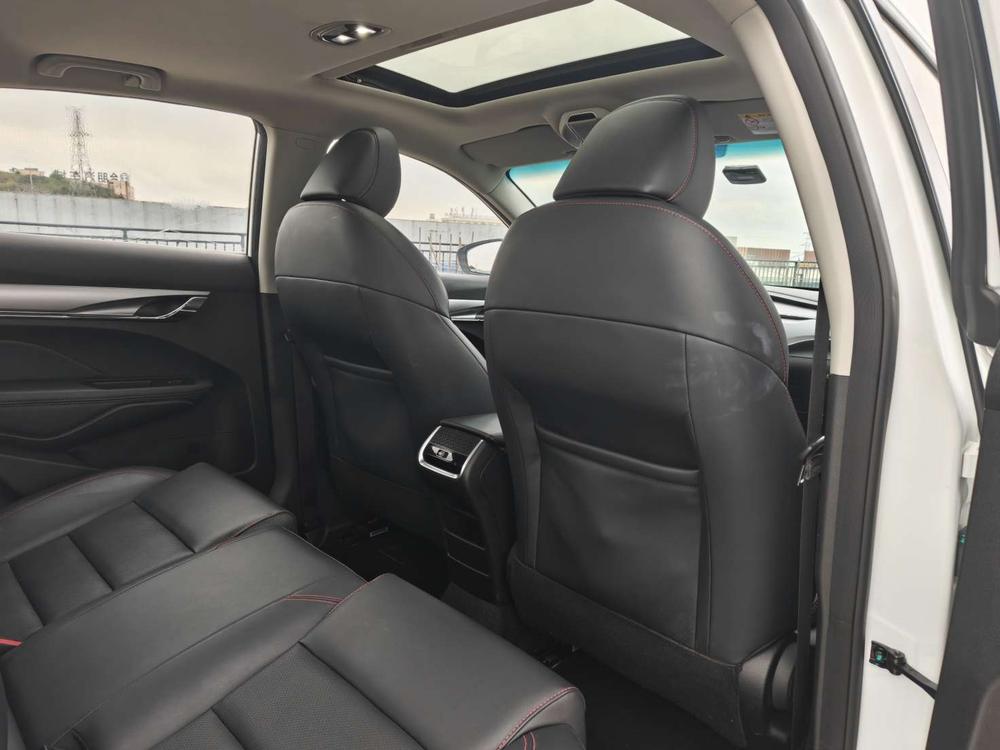
BrandGEELY
SeriesBinray
Year2020
First Registration2020/10
Mileage60,000km
Transfer Count0times
FuelGasoline
TransmissionCVT
Engine1.4T 141 L4
Color
Seats-

Condition Description

官方质检 · 60天全车质保· 7天无理由有偿退车

Configuration Highlights

✓上牌时间: 2020-10
✓表显里程: 6万公里
✓车源地: 贵阳
✓排放标准: 国六
✓发动机: 1.4T
✓轴距: 2670mm
✓变速箱: 自动
✓最大功率: 104kW
✓功能配置: 12项
✓安全配置: 2项
✓动力类型: 前驱
✓空间舒适性: 一般

Q&A

More

How does the step-by-step process work when buying a used car from China for export?

The standard process looks like this: 1. Selection: pick the car, request the VIN, registration certificate, and recent photos/videos. For higher-value cars, order an independent third-party inspection. 2. Negotiation and contract: agree on price and terms. Sign a written contract stating the car's condition, price, payment schedule, and delivery terms (FOB or CIF). 3. Deposit: typically 20-30% to reserve the car. Pay to the company's corporate account, never a personal one. 4. Verification: your agent or inspector confirms the car matches the contract before the balance is due. 5. Balance and export: pay the remaining amount; the seller arranges inland transport, export customs clearance, and port loading. 6. Shipping documents: you receive the commercial invoice, packing list, and bill of lading - usually by courier or email. 7. Arrival: your customs broker clears the car, you pay duties and taxes, then register it locally. Total timeline is usually 4-8 weeks depending on the shipping route.


What should a purchase contract with a Chinese used-car exporter include to protect me?

A solid contract is your main protection in a cross-border deal. It should specify: 1. Vehicle identification: VIN, year, mileage, trim level, and photos of the actual car appended as an annex — not just「a 2021 Toyota」. 2. Condition guarantees: no accident, no flood or fire damage, no structural repairs, supported by a third-party inspection report referenced in the contract. 3. Price and Incoterm: total amount, currency, the named port, and whether freight and insurance are included. 4. Payment schedule: e.g., 20–30% deposit after contract signing, balance against copy of the Bill of Lading. Avoid 100% upfront. Use T/T to the company's corporate bank account only — never a personal account. 5. Timeline: inspection date, estimated loading date, and latest shipment date, with remedies if delayed. 6. Dispute clause: governing law and arbitration (CIETAC or your local chamber) rather than foreign court litigation. Ask for the contract in English (or bilingual) with the supplier's company chop. A company that refuses a written contract or pushes for full prepayment is a red flag.

If the remittance info for the international wire transfer has the wrong contract number, will it cause delays in currency exchange and shipping?

It will cause serious obstacles. China's foreign exchange controls are extremely strict. If the remittance note and the remitter do not match our declared contract, the bank will reject the transaction (Pending). We will need to spend several days submitting additional explanations to the foreign exchange authority, which will inevitably delay the shipping schedule.