


48H

Basic Information

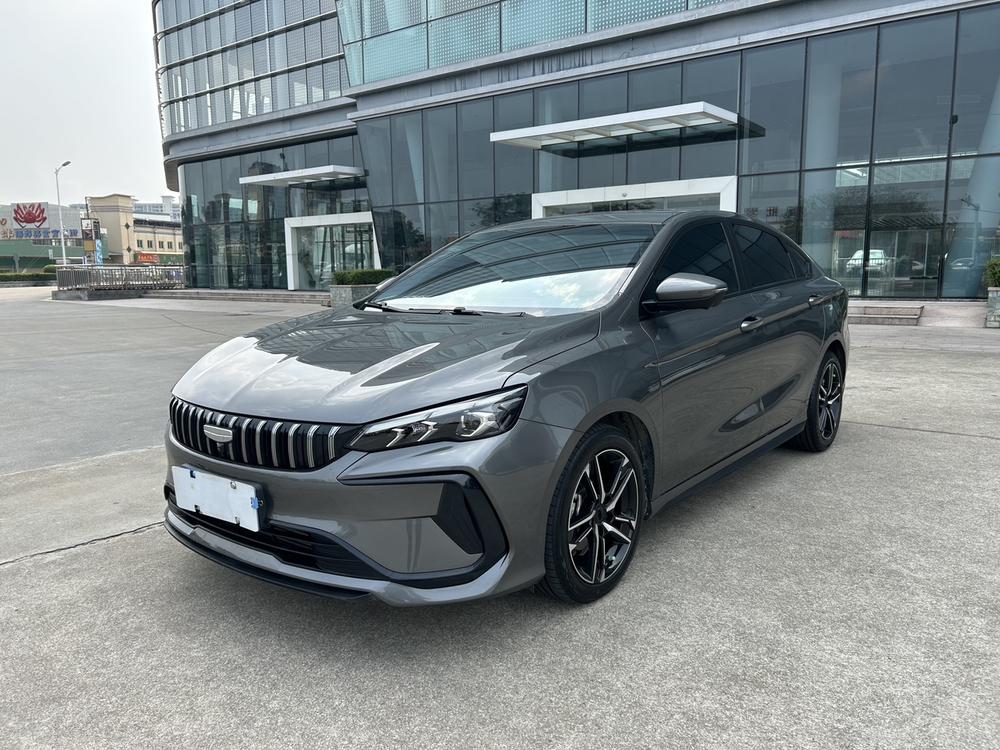
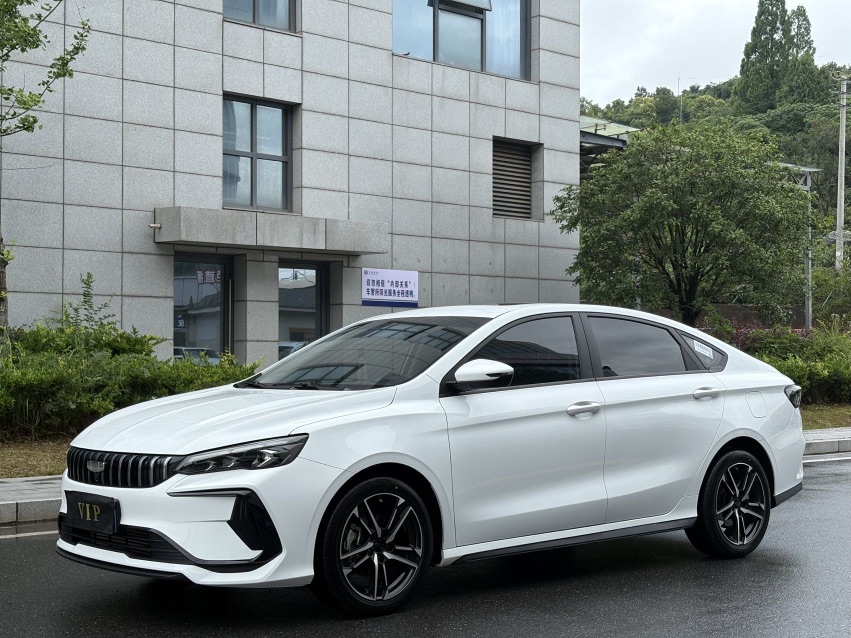
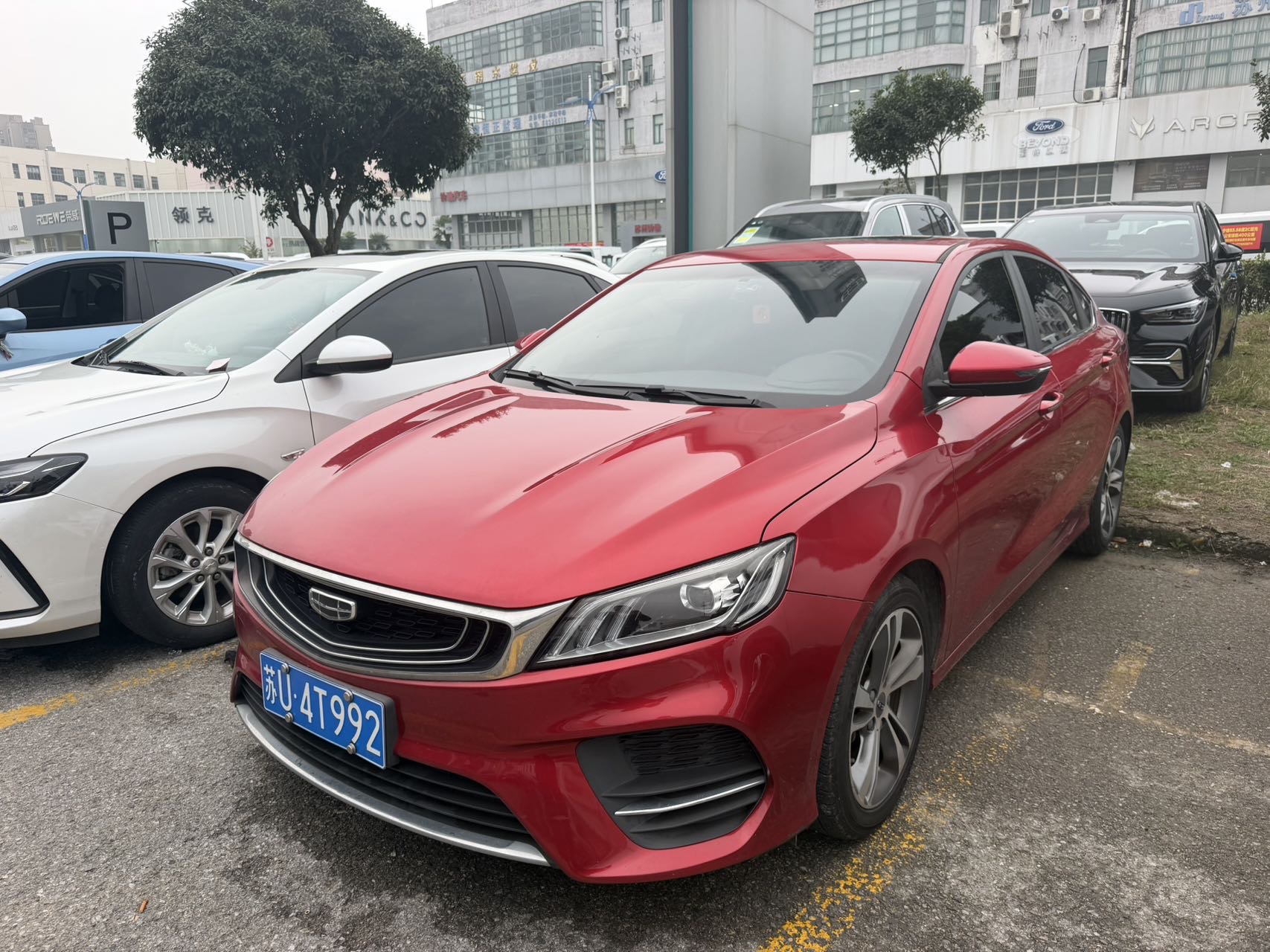
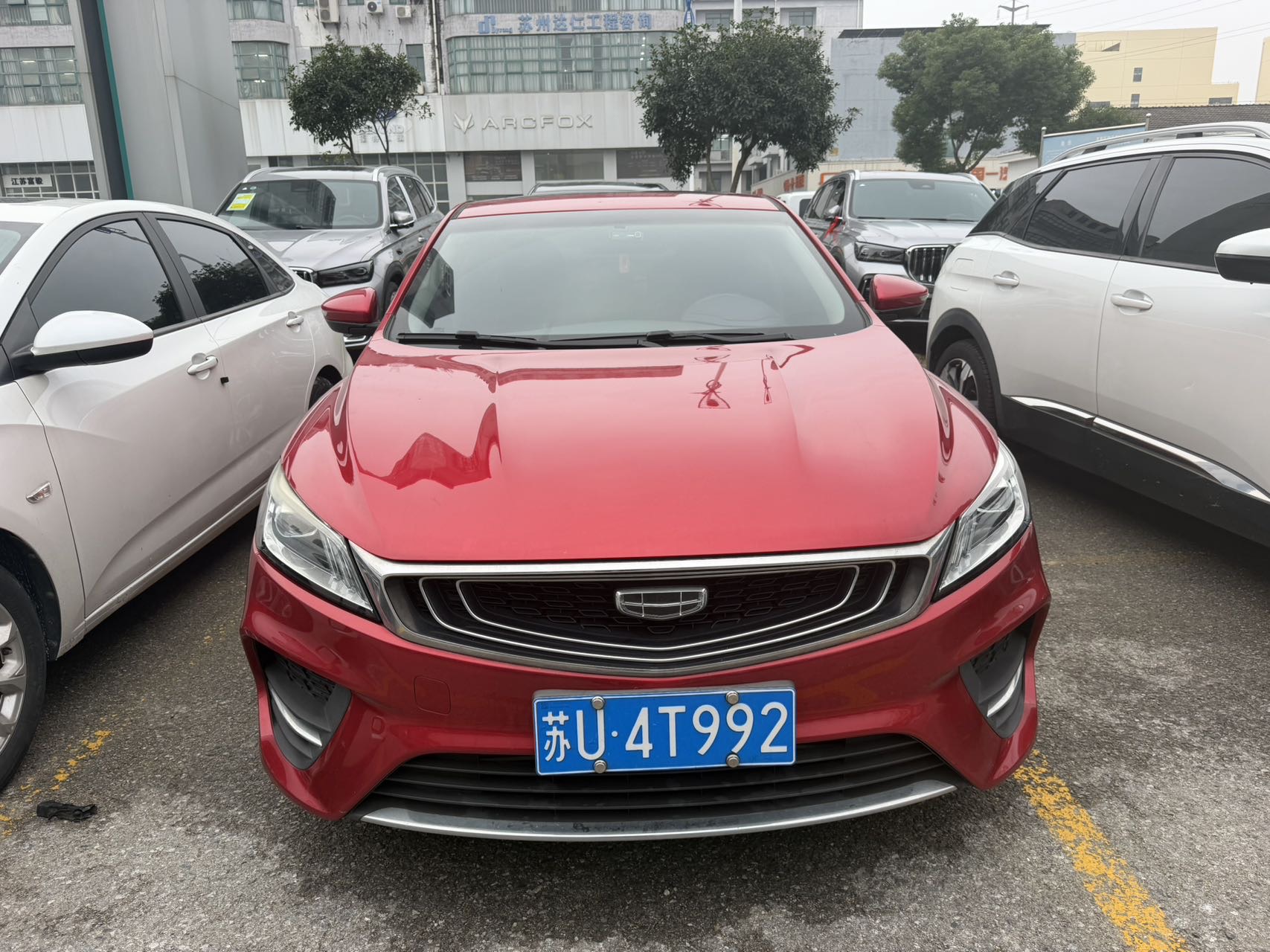
BrandGEELY
SeriesBinray
Year2020
First Registration2020/10
Mileage86,000km
Transfer Count0times
FuelGasoline
TransmissionCVT
Engine1.4T 141 L4
ColorRed
Seats-

Condition Description

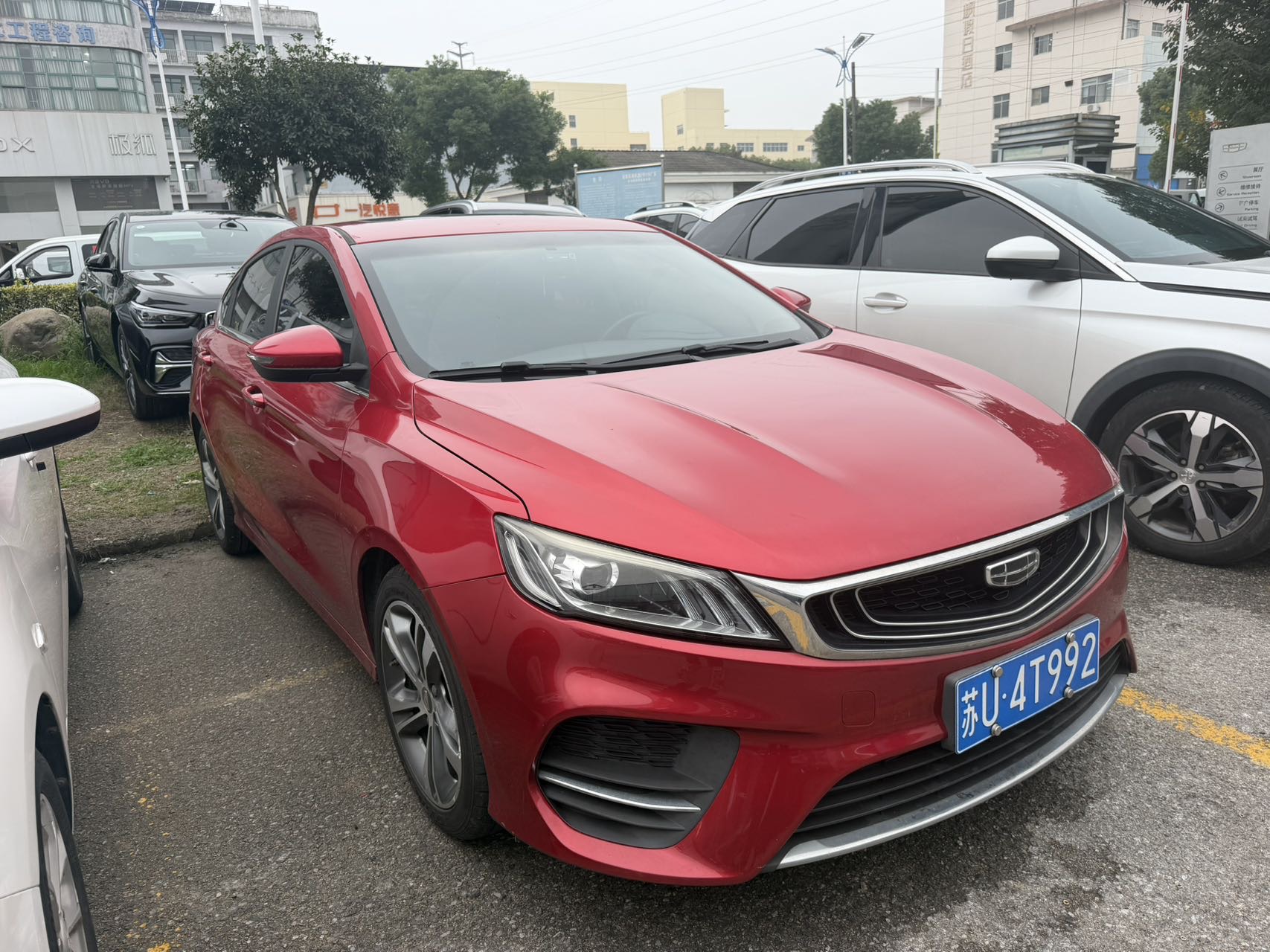
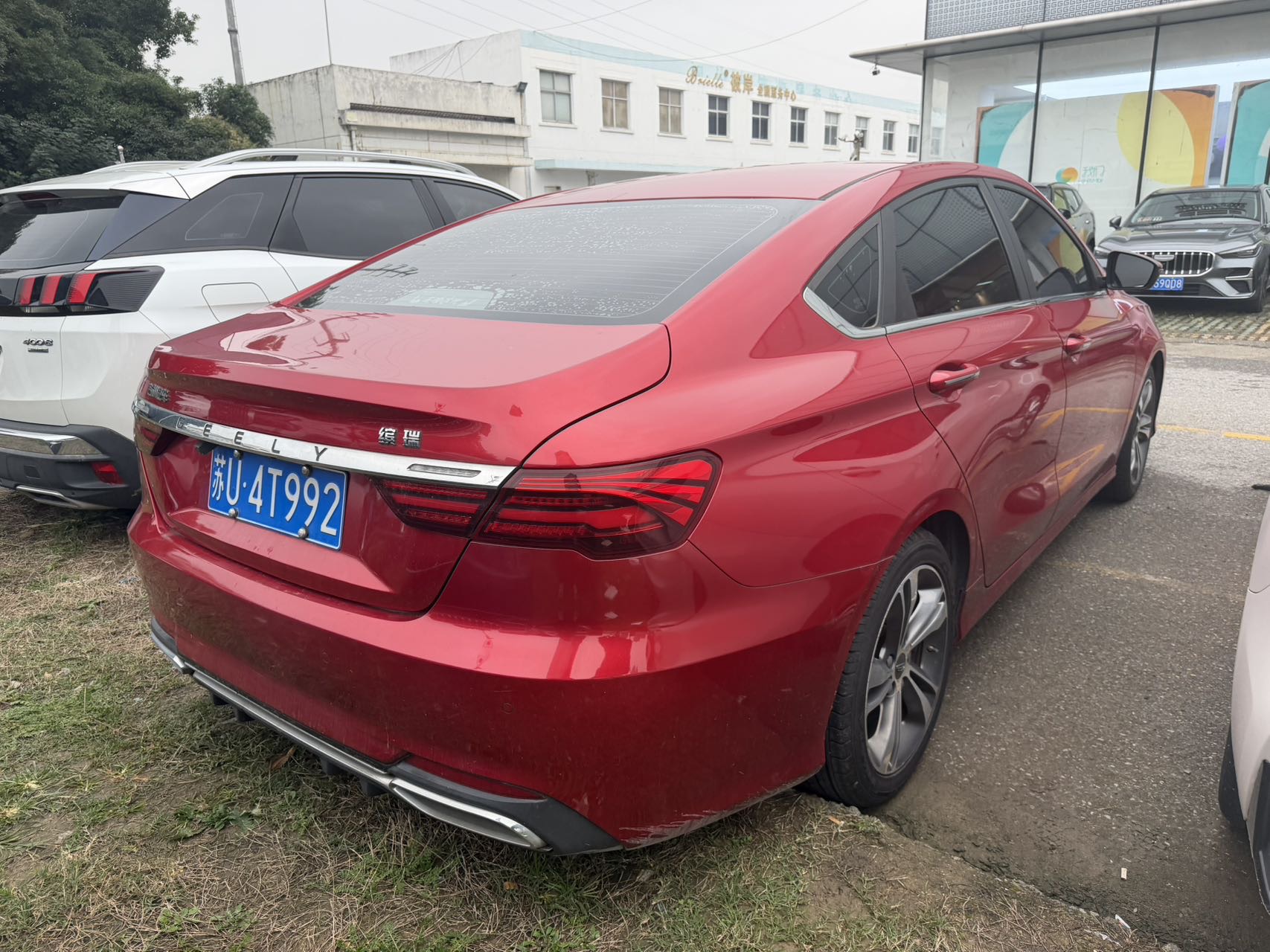
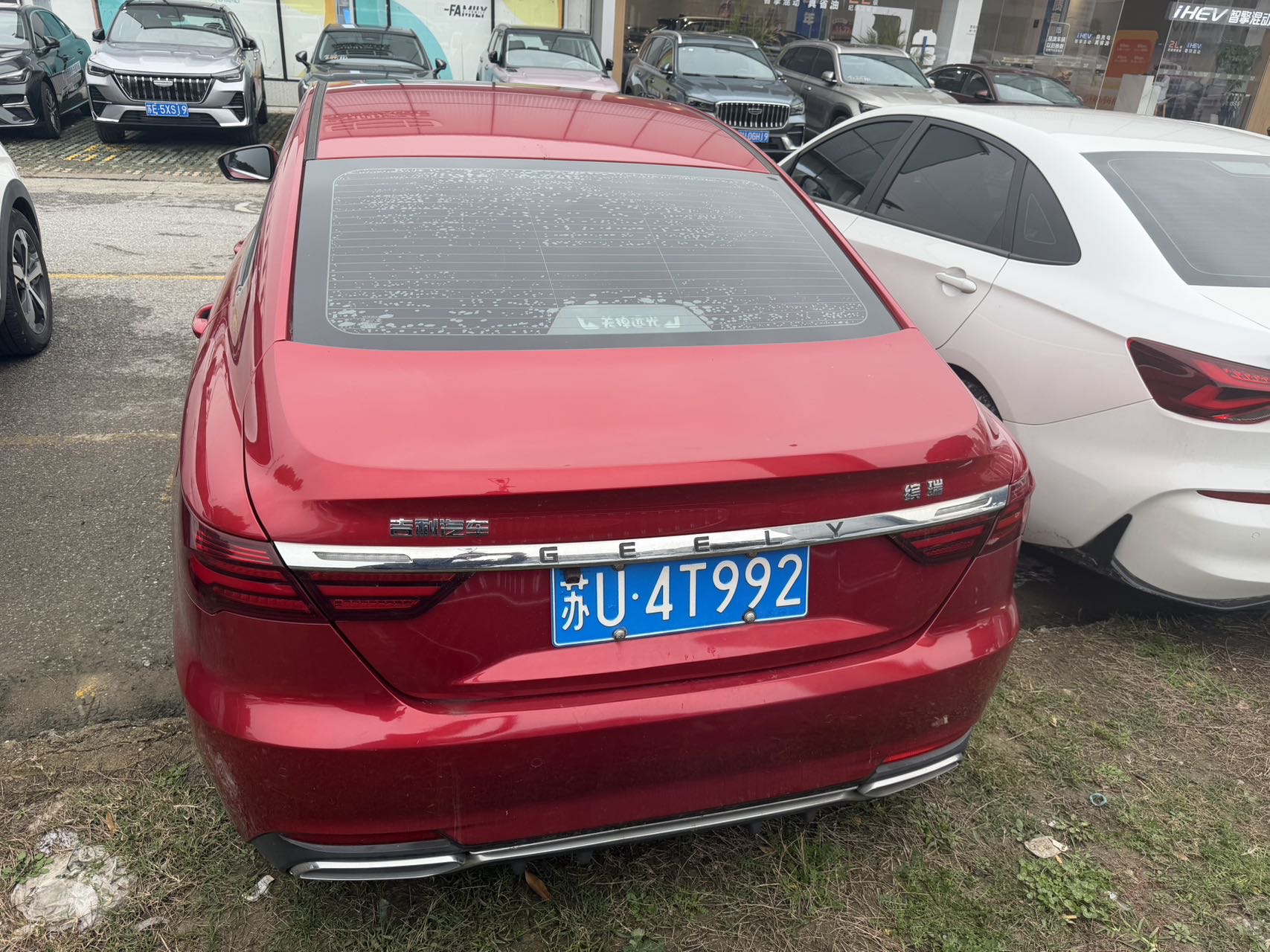
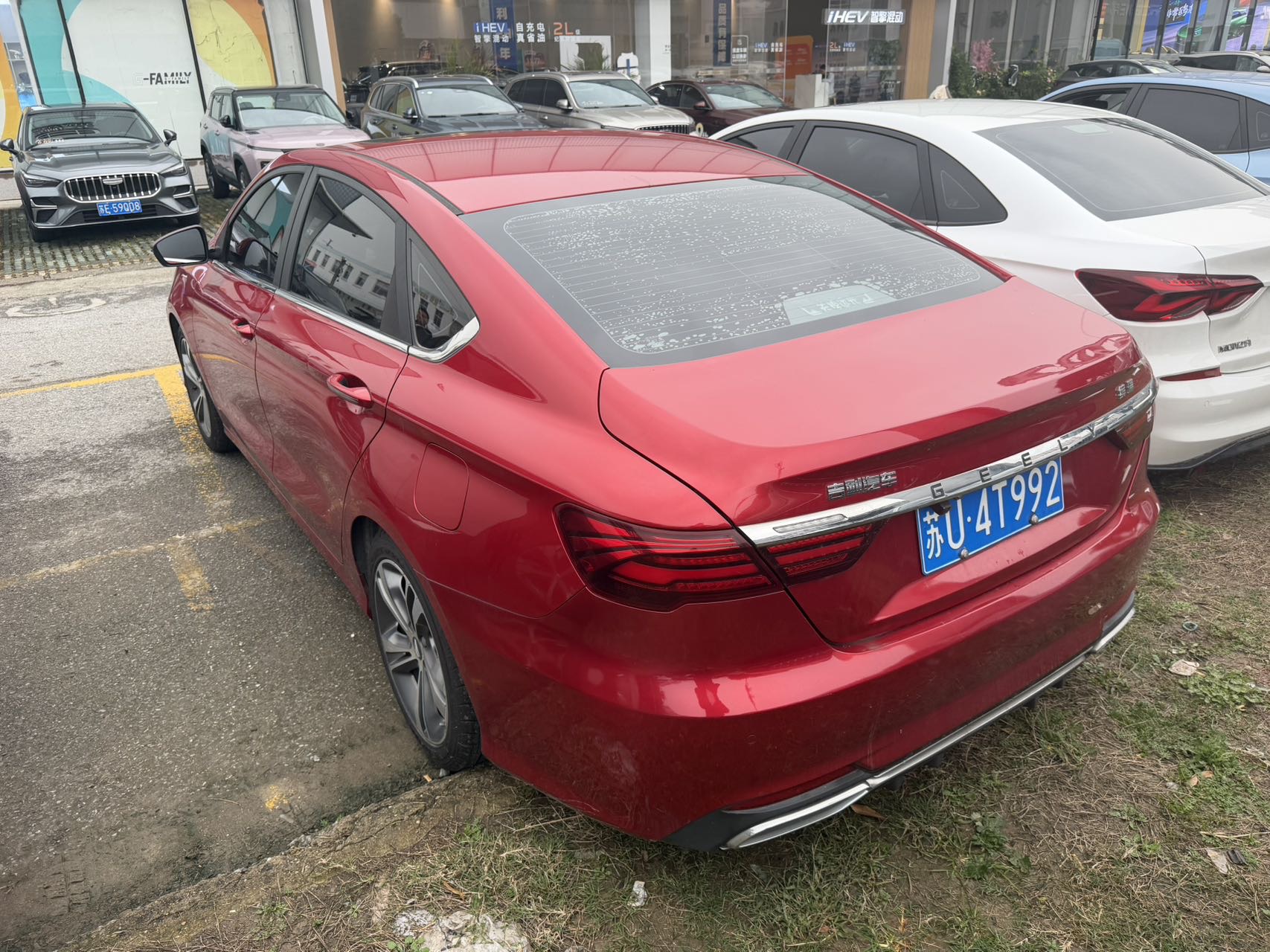
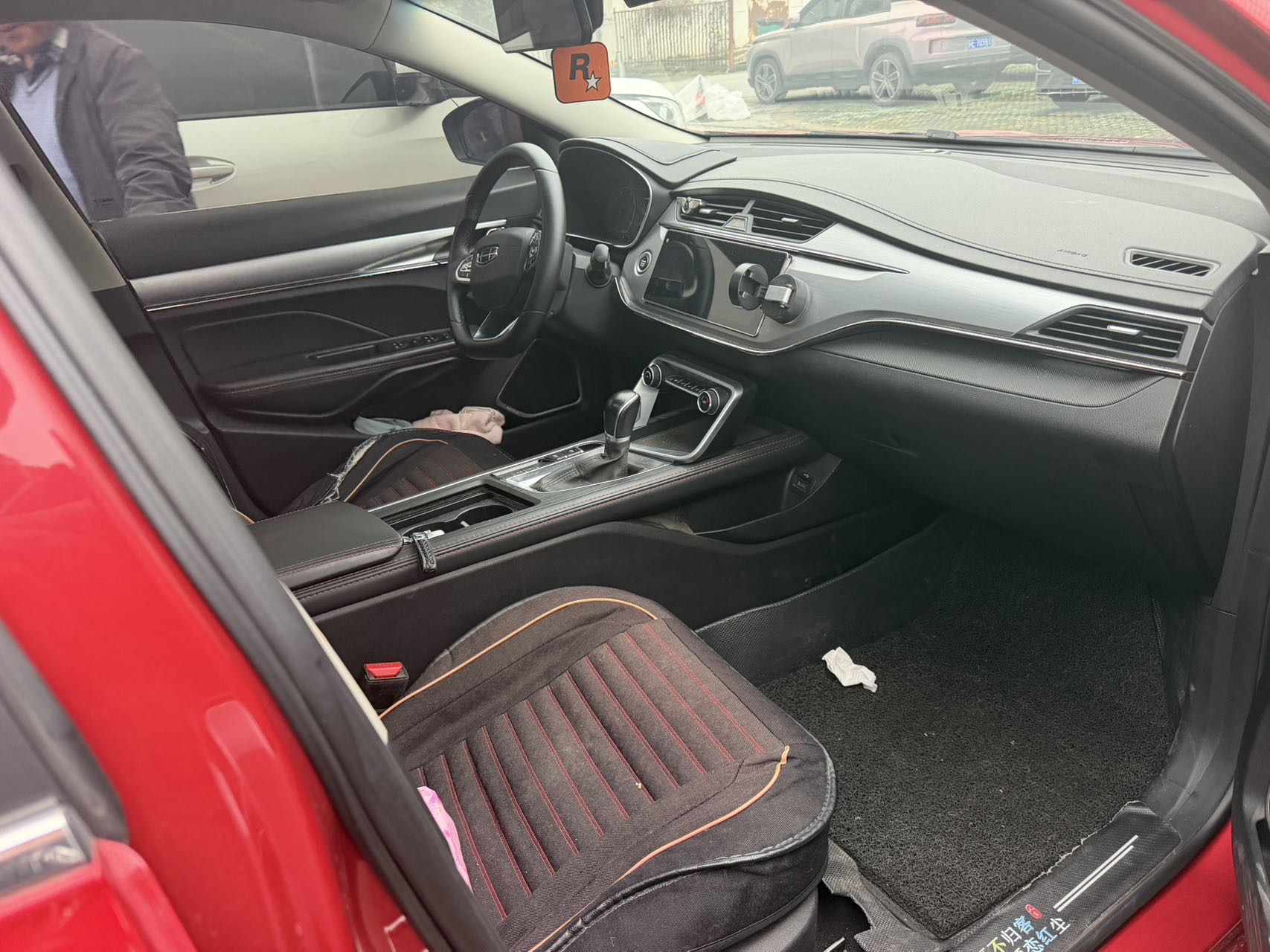
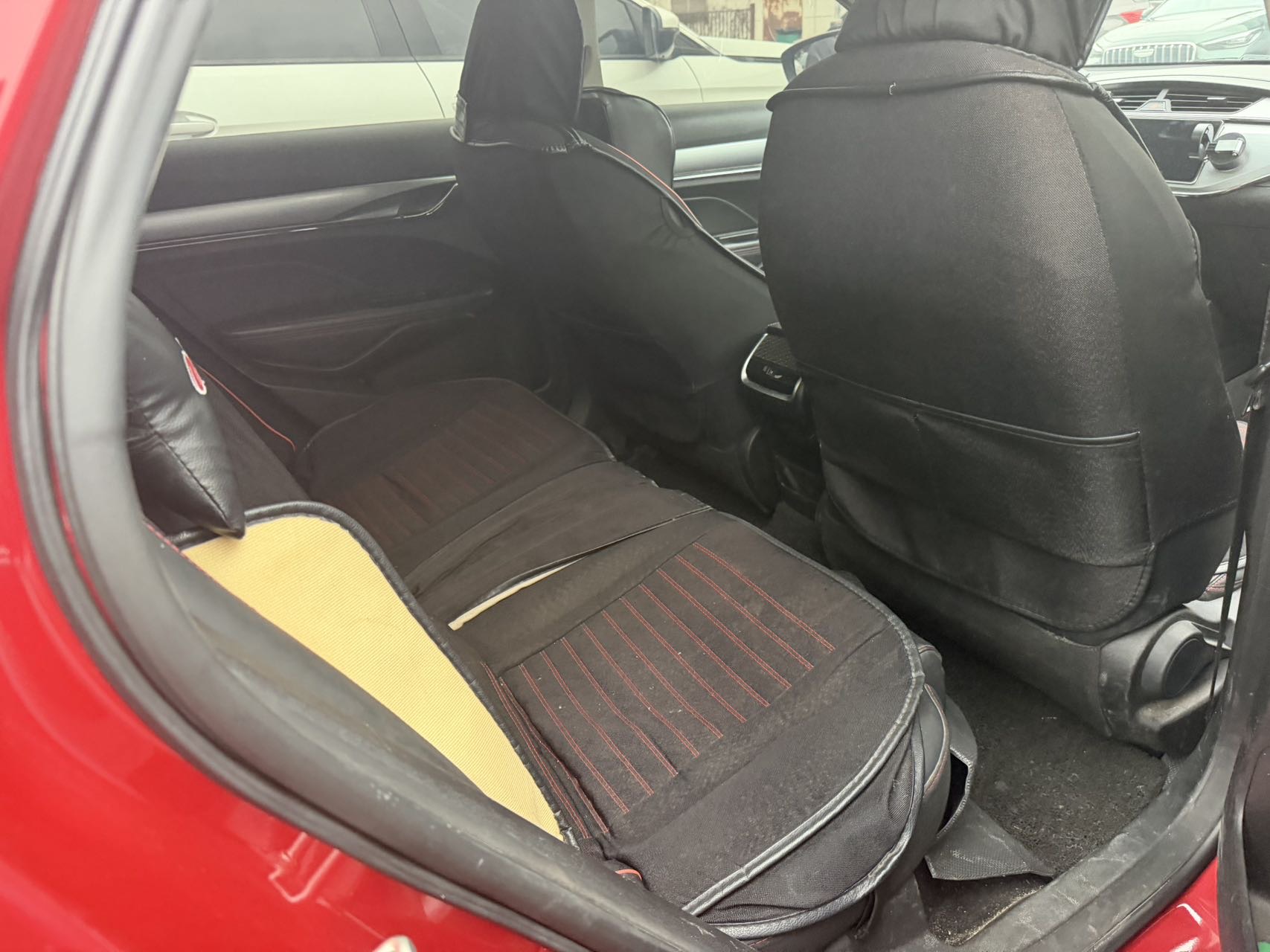
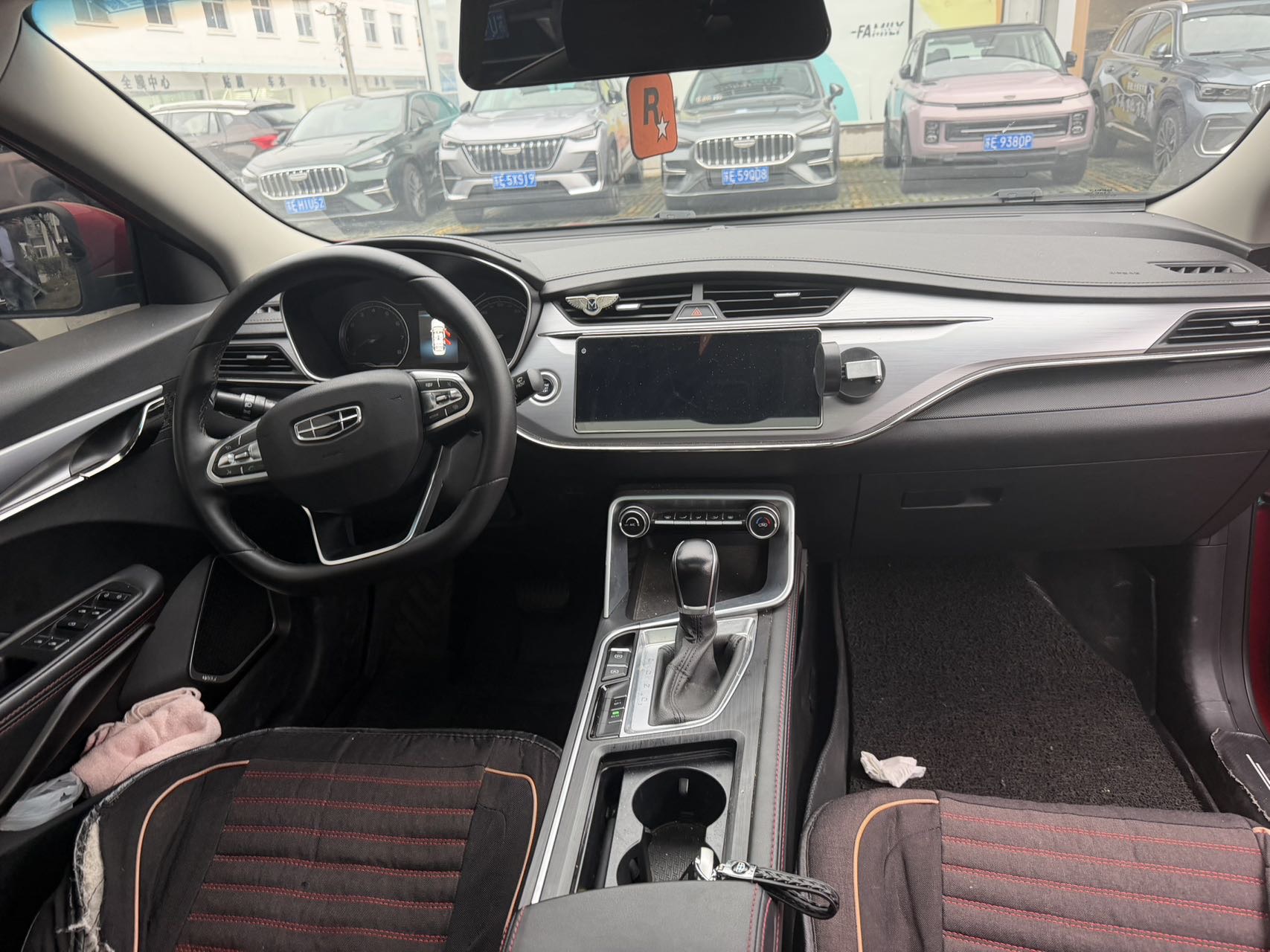
Registered in 2020, one owner, 86,000 km. One repainted panel: left front fender. Passes Chaboshi inspection. Other panels retain original paint and pass third-party inspection.

Document Information

Inspection Expiry Date-
Warranty Expiry Date-
Insurance Expiry Date2027/10

Q&A

More

Will the manufacturer's smartphone app and connected services work in my country after I import a used Chinese EV?

This is one of the most common disappointments after importing a Chinese EV, so check before you buy. Many Chinese EVs rely on an embedded SIM that only works on Chinese carrier networks. Once the car leaves China, remote functions — battery status, pre-conditioning, charging control, and locating the car — may stop working entirely. Some brands let you transfer the account to a foreign phone number, but many require a Chinese ID or Chinese phone number for registration, which you cannot provide. What to do before purchase: ask the exporter to test the app functions live on video while the car is still in China, including remote air-conditioning and battery percentage reading. Ask the brand's official customer service (in writing) whether overseas account activation is supported for your specific model and year. Workarounds if the official app does not work: some functions may still operate locally through the car's own settings, such as scheduled charging from the dashboard. Third-party OBD dongles with companion apps can sometimes restore battery monitoring and pre-conditioning. The car itself drives fine without connected services, but if app functionality matters to you, treat it as a purchase criterion, not an afterthought.


What should I check during a live video test drive of a used car in China, and which sounds or behaviors are red flags?

Request a live video call during the test drive rather than a pre-recorded one. Cold start first: listen for rattling or metal scraping in the first seconds — possible timing chain or hydraulic lifter issues. During acceleration, a whining from the gearbox area can mean bearing wear; hesitation or jerking in an automatic suggests transmission problems. Braking: the pedal should feel firm, not spongy, and the car must not pull to one side. Turn the wheel fully in both directions and listen for clicking — a classic CV joint fault. Insist on a highway segment too: vibrations above 100 km/h often point to unbalanced wheels or bent rims. Ask the driver to film the dashboard throughout — warning lights that flicker on briefly are still faults that OBD will record.

My imported Chinese car needs a repair part. How do I claim warranty or order parts from the exporter?

Start by checking the after-sales clause in your contract—reputable exporters typically offer 3-12 months of parts support. The usual process: send the exporter a fault description with photos or a short video, plus your VIN and contract number. They will confirm whether it is a warranty case or a paid parts order. For warranty claims, common resolutions are free parts shipped with your next container, or a credit/refund for parts you source locally. Keep all communication in writing. To avoid long waits, ask for the OE part numbers in advance and check whether local dealers stock the same components—many Chinese brands share suppliers. Ordering common wear parts (filters, brake pads) together with the car shipment is the cheapest option by far.