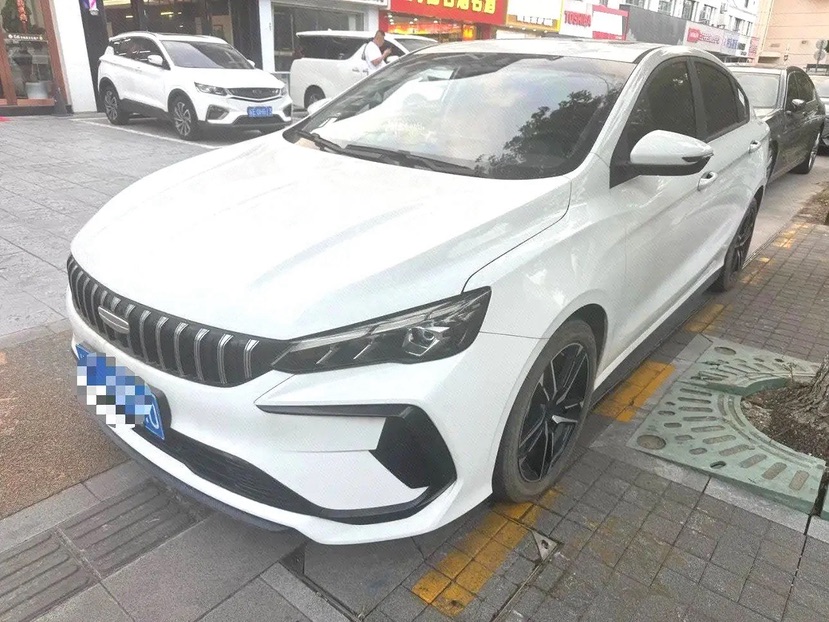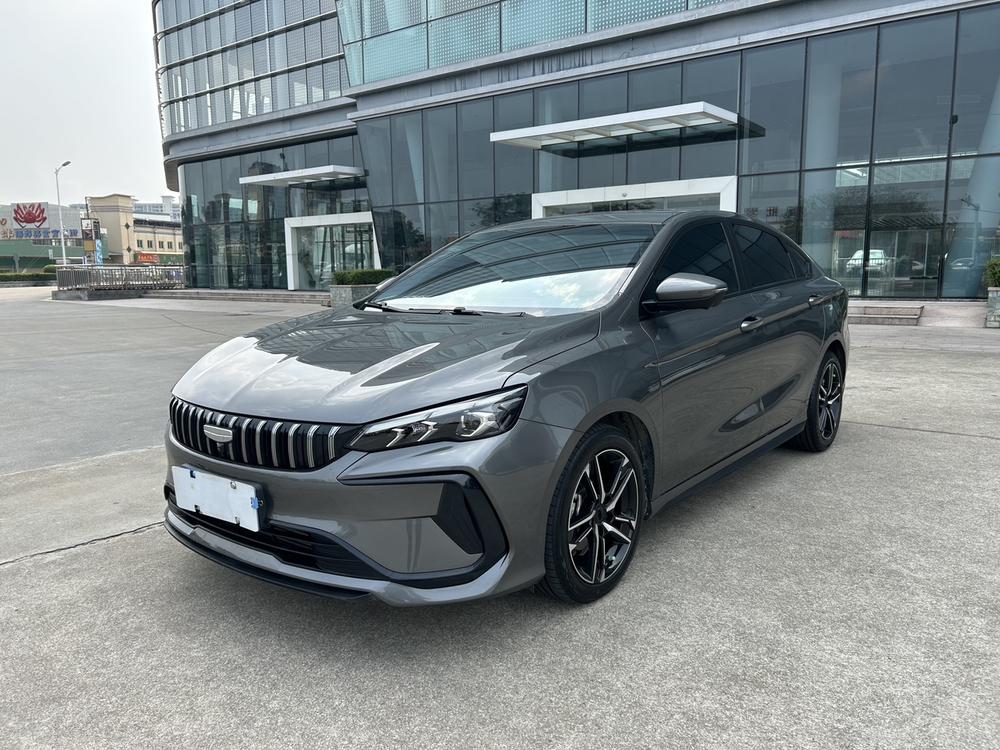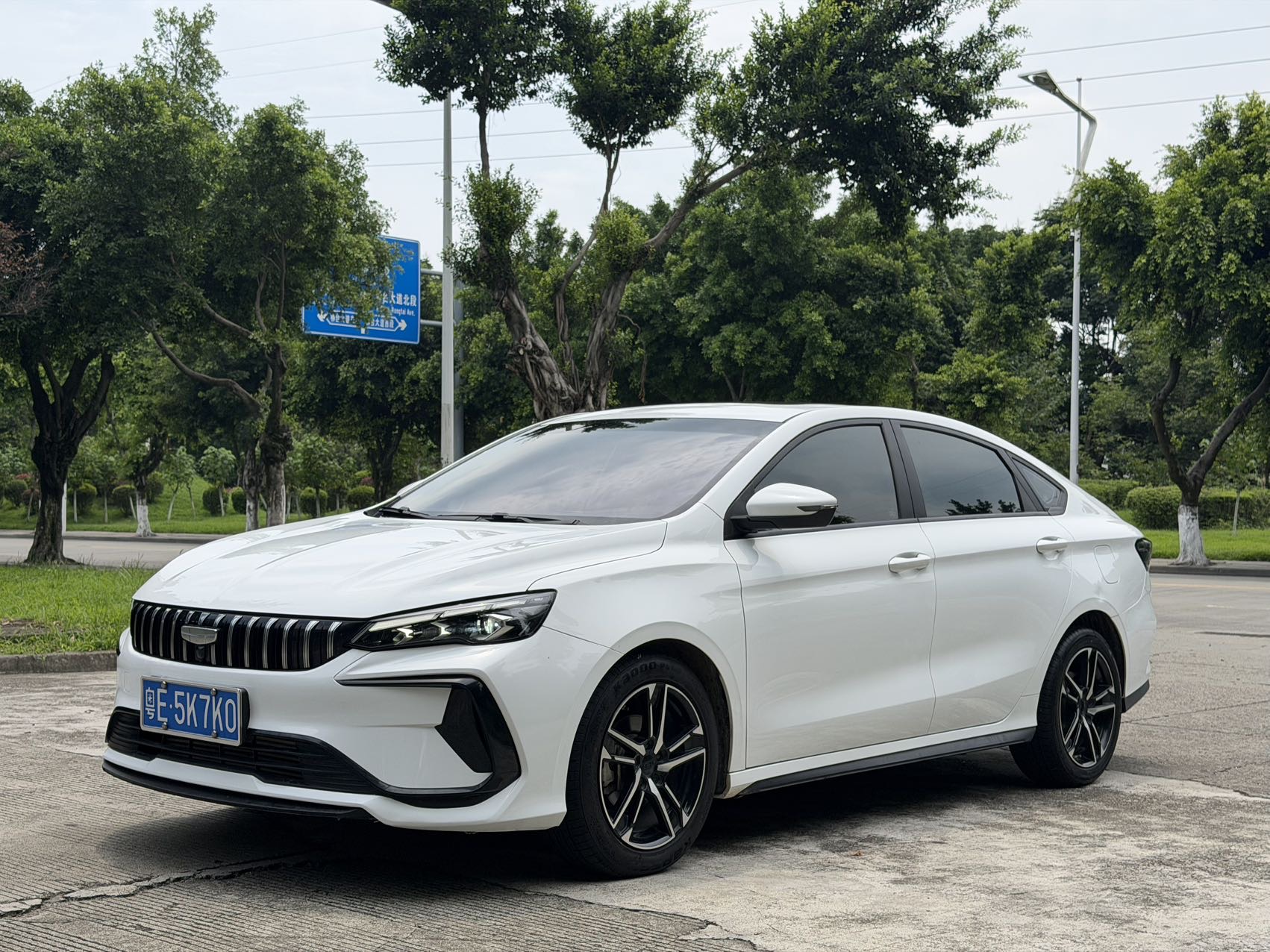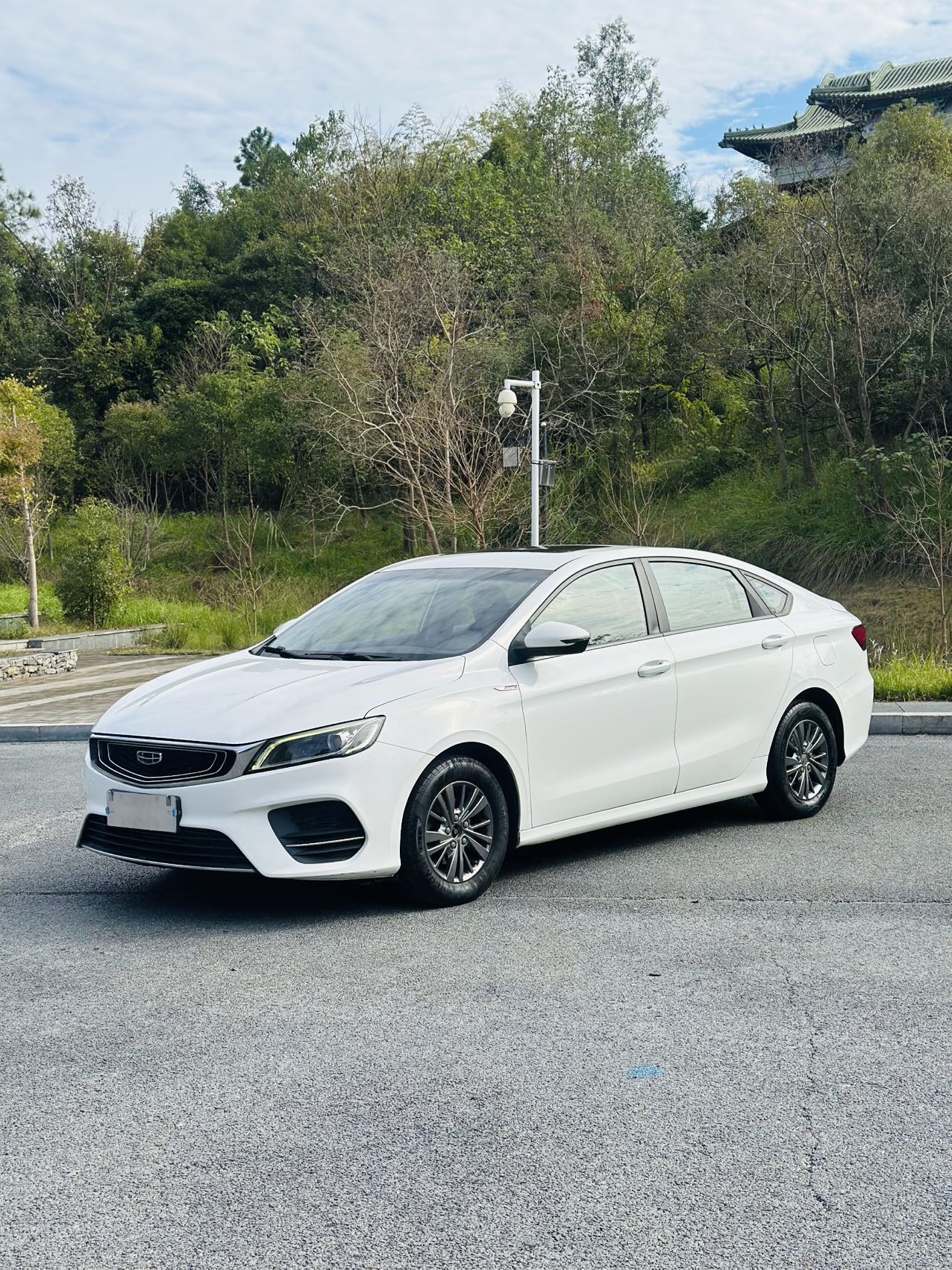
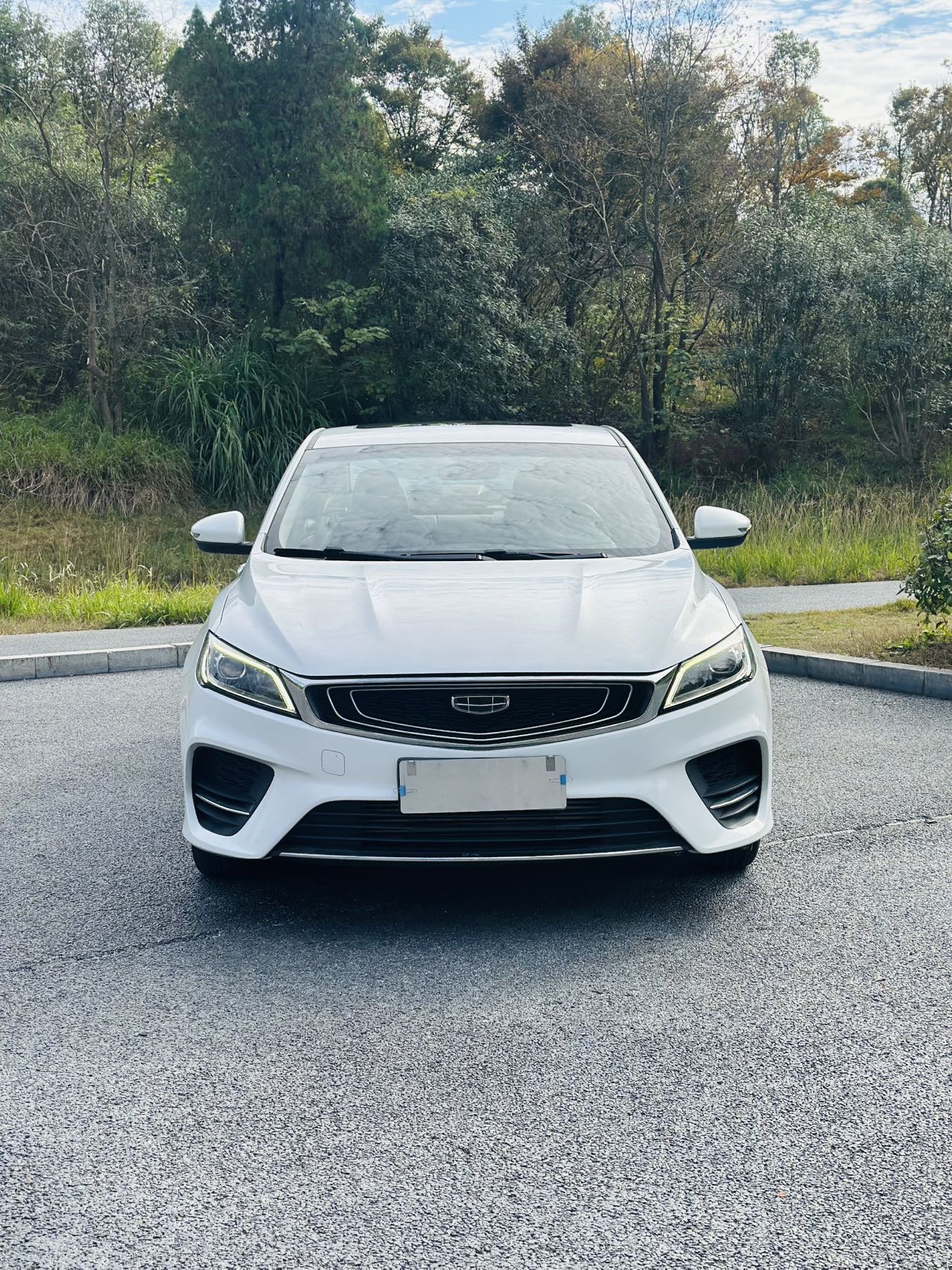
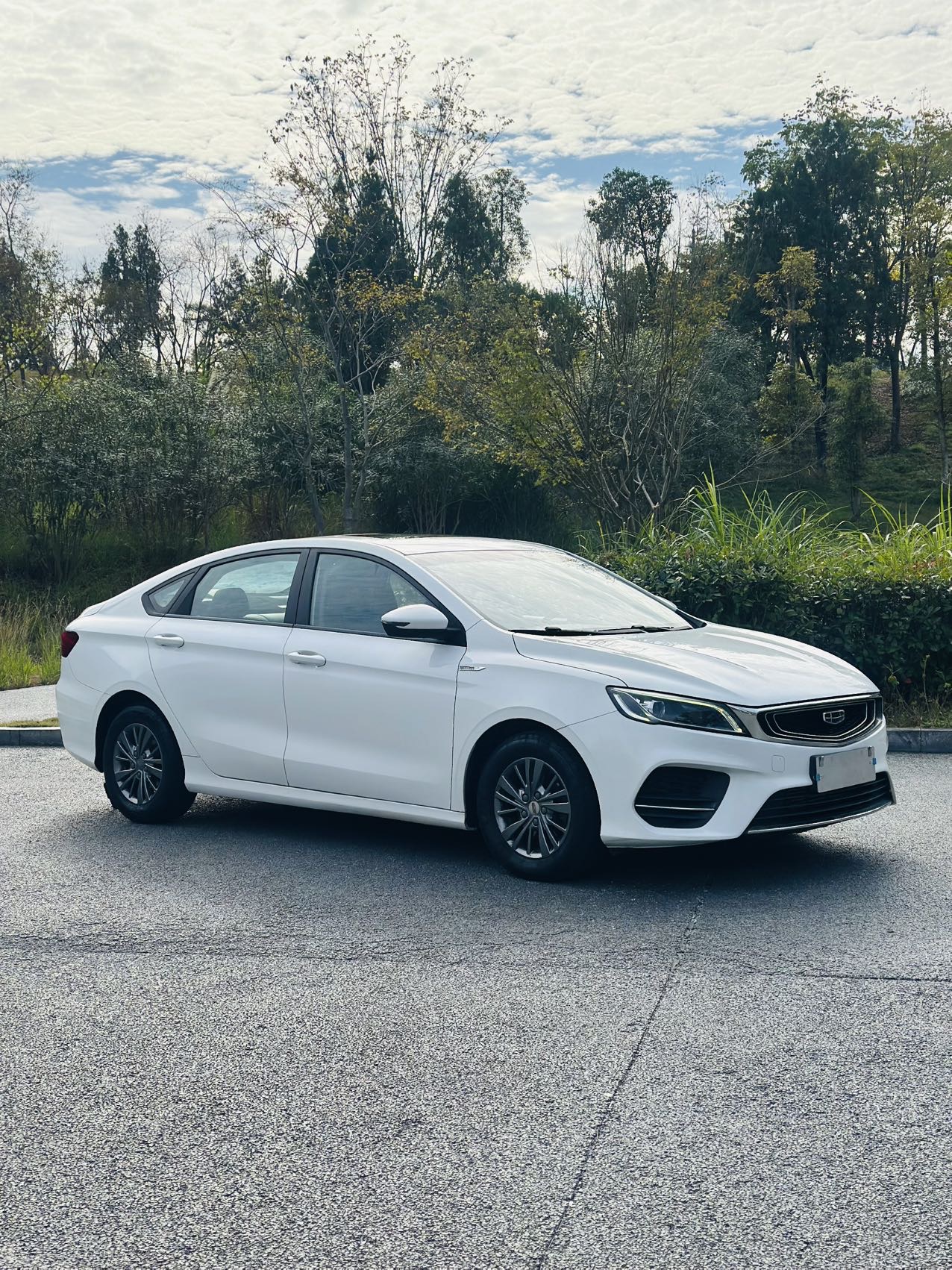
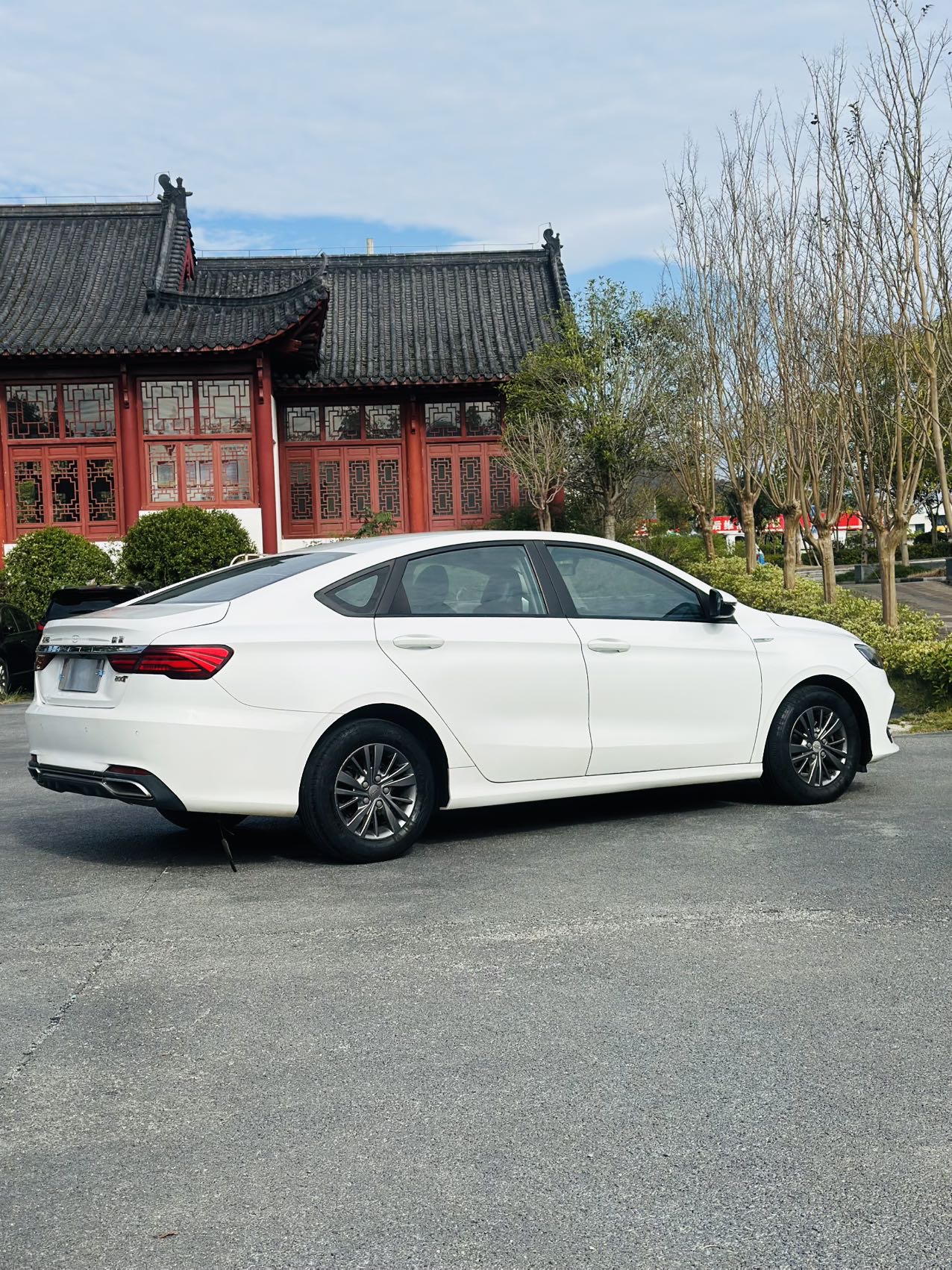
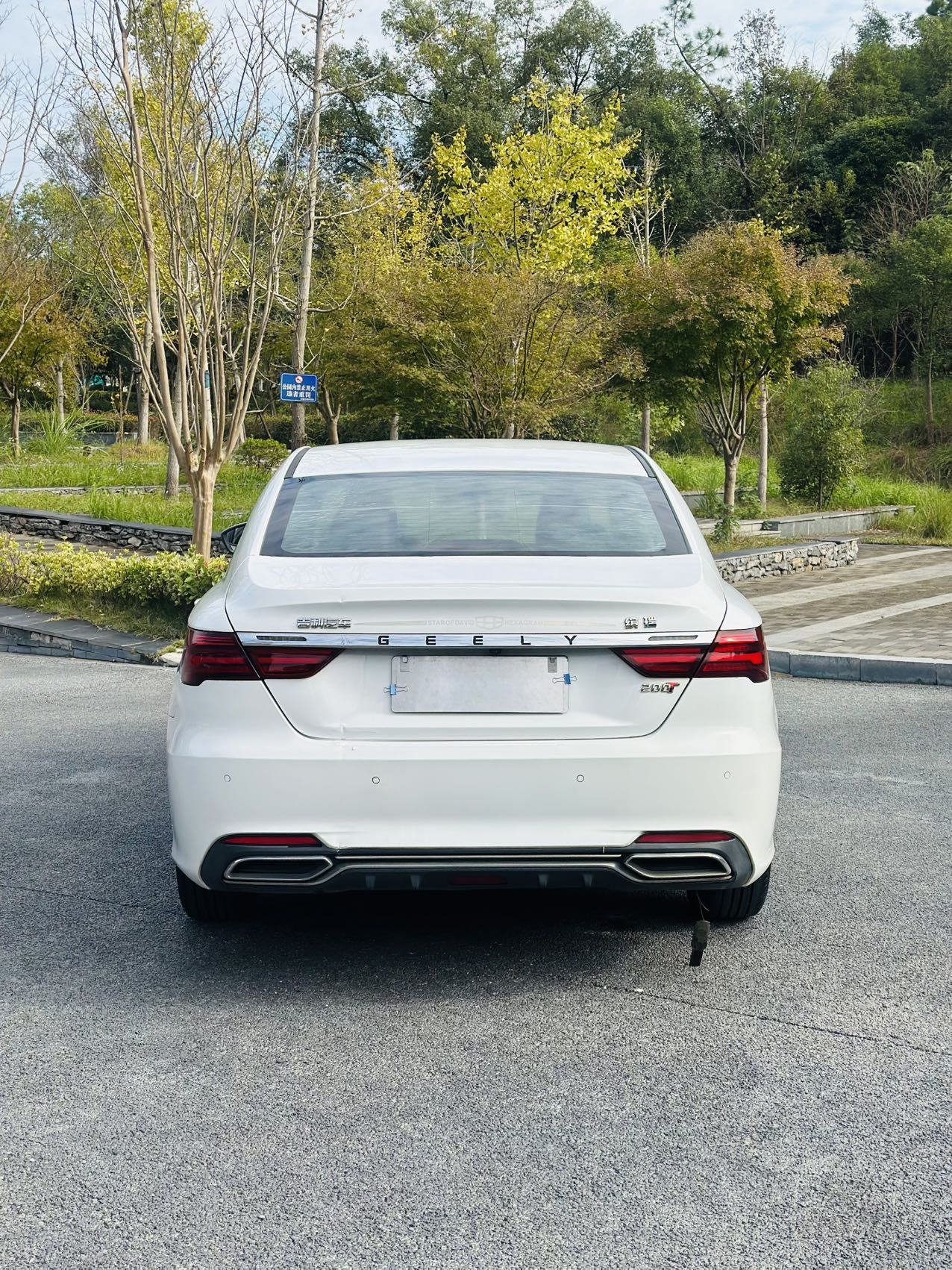
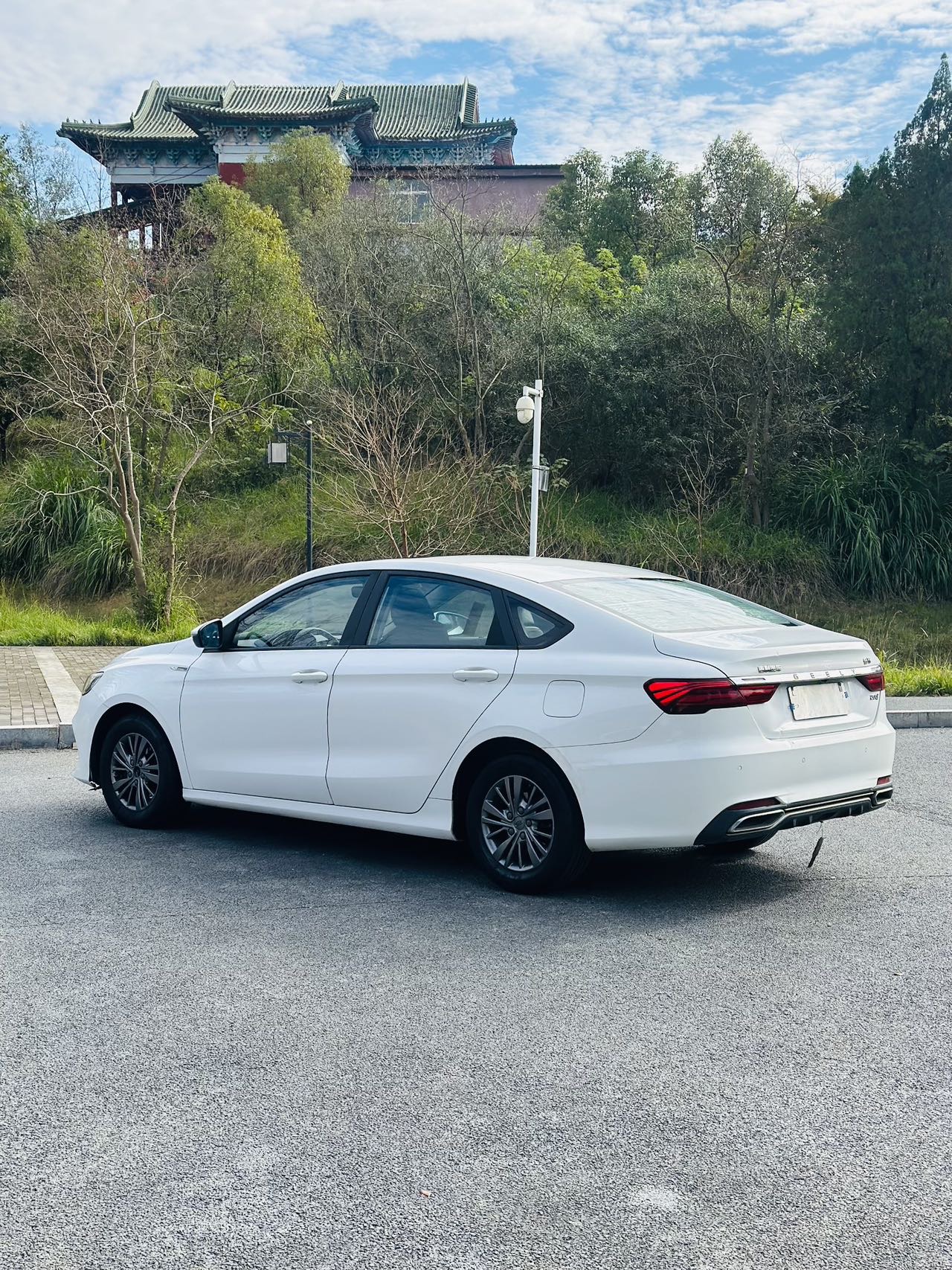
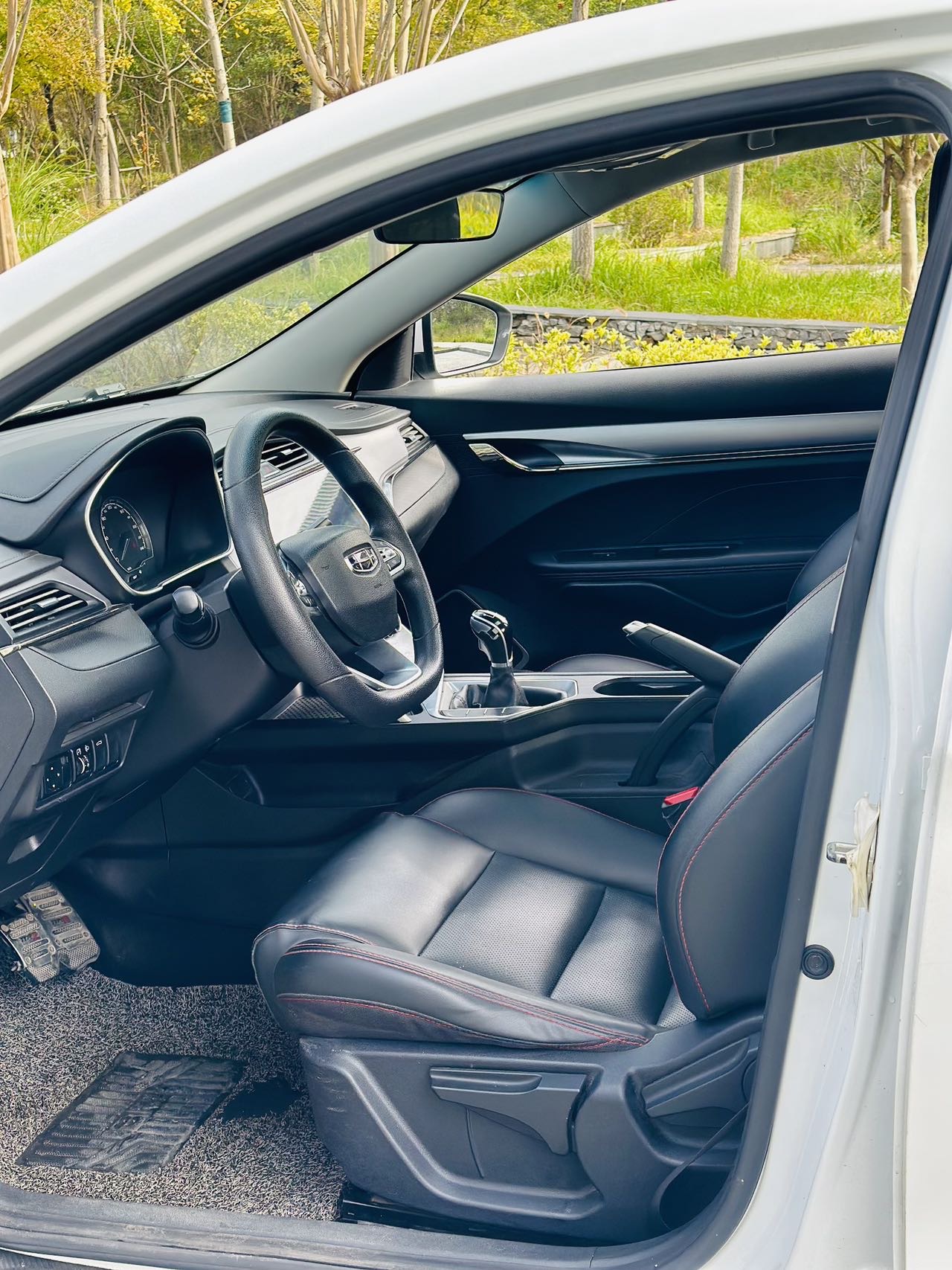
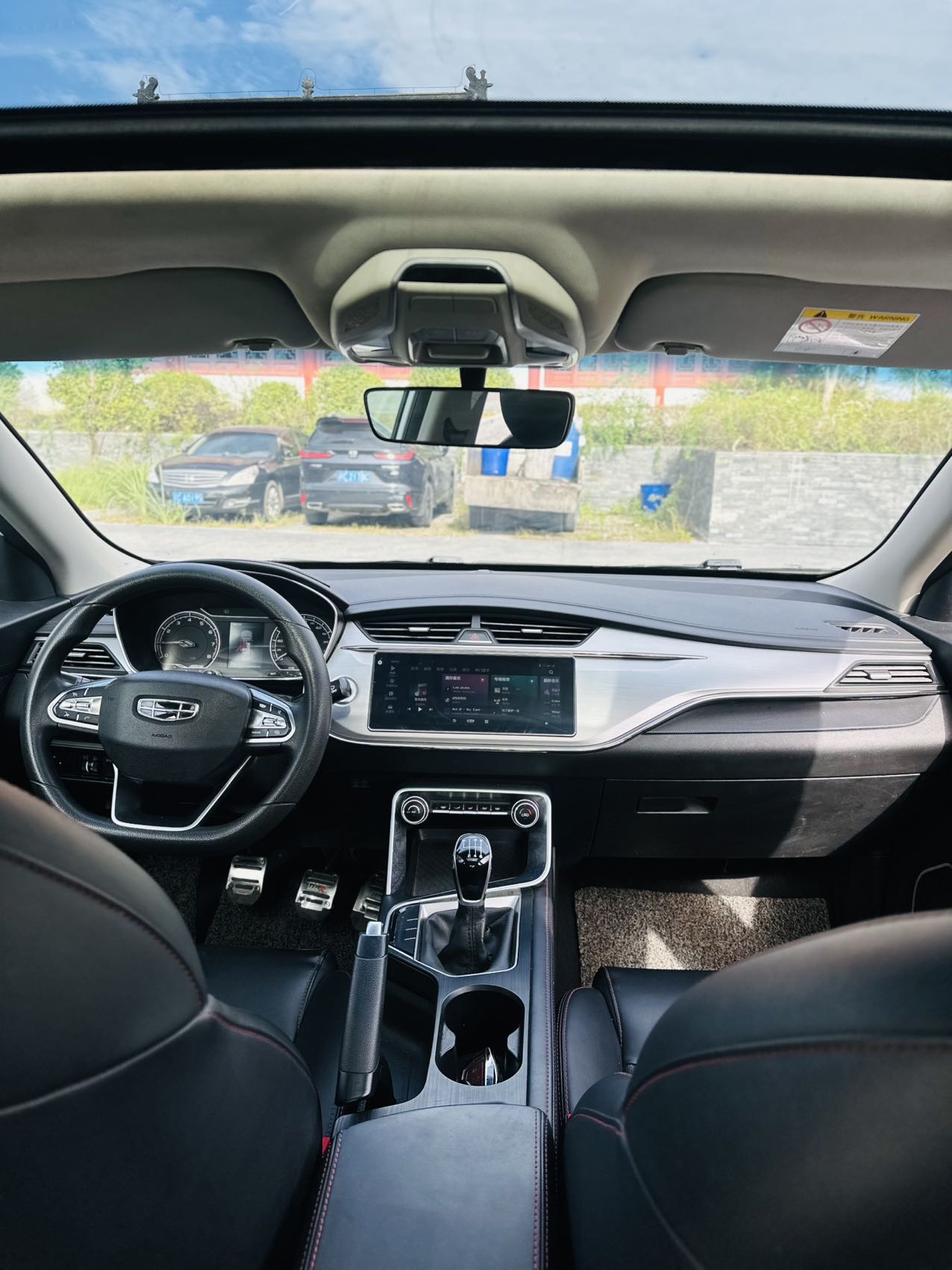
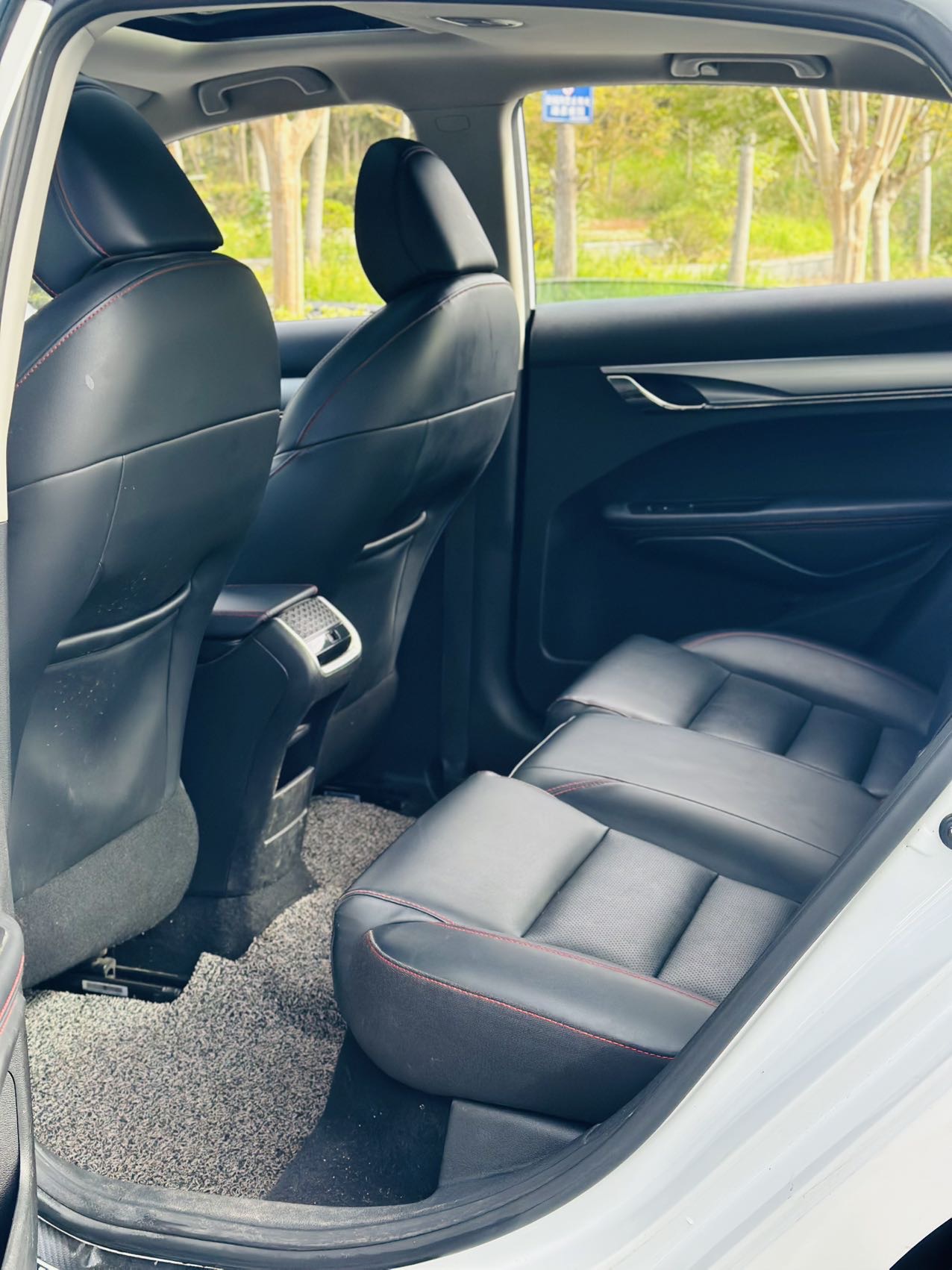
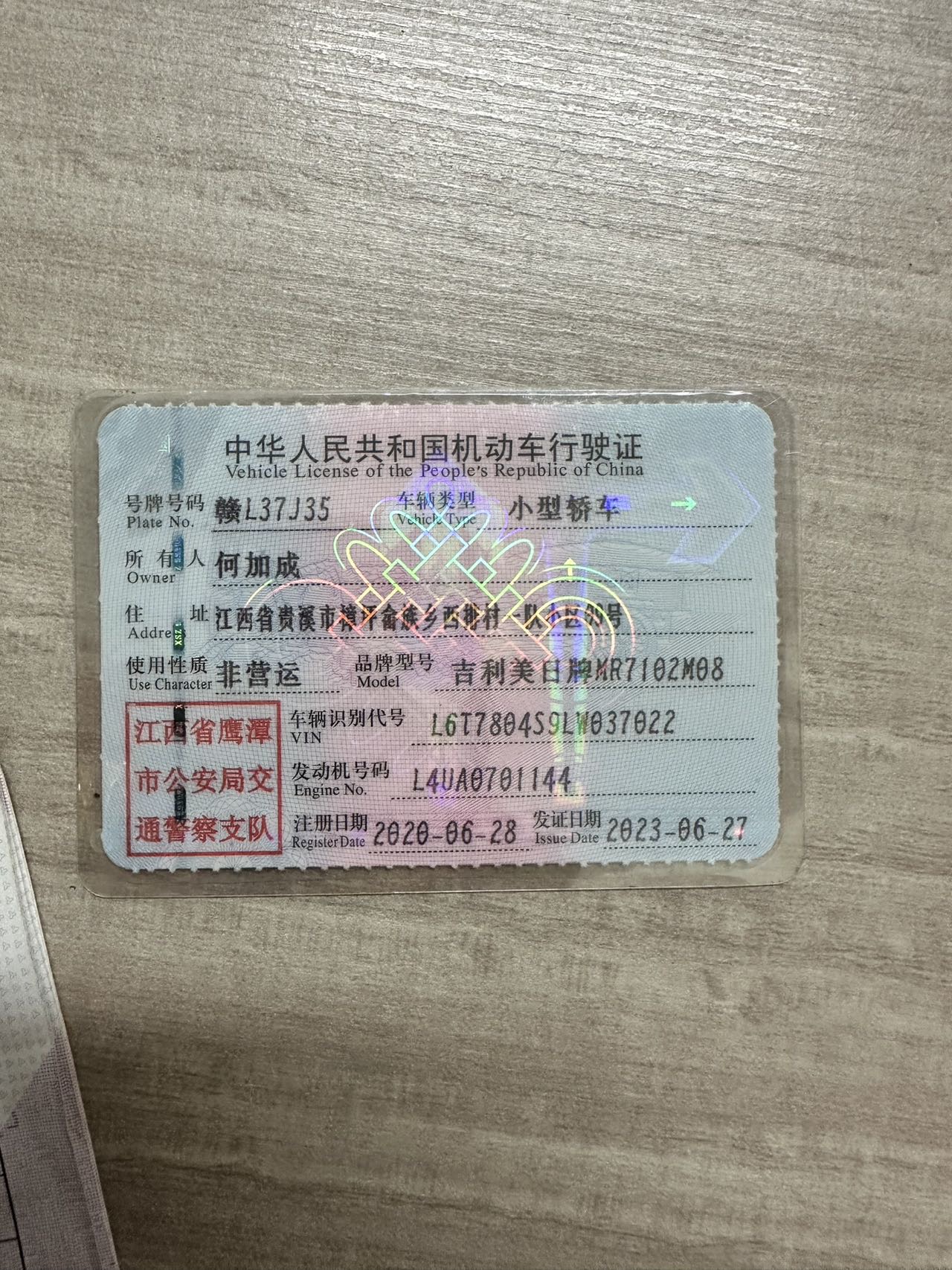



Basic Information

BrandGEELY
SeriesBinray
Year2020
First Registration2020/06
Mileage100,000km
Transfer Count1times
FuelGasoline
TransmissionManual
Engine1.0T 133 L3
ColorWhite
Seats-

Condition Description

Original paint with minor touch-ups. The car drives very smoothly with no vibration. Excellent overall condition and complete maintenance records.

燃油车
轿车
手动
维保开放
事故开放
查验开放

Configuration Highlights

✓品牌: 吉利汽车
✓车系: 缤瑞
✓车型: 2020款 200T 手动舒适型
✓车身类型: 轿车
✓座位数: 5
✓排量: 1.0T
✓变速箱: 手动
✓能源类型: 燃油车
✓VIN: L6T7804S9LW037022
✓搜索关键词: 吉利汽车缤瑞 2020款缤瑞200T手动舒适型

Document Information

Inspection Expiry Date2028/07
Warranty Expiry Date-
Insurance Expiry Date2027/06

Q&A

More

When buying a used Chinese EV or smart car, how do I confirm the smart features will actually work in my country?

Many connected features are tied to the car's original market. Start with the basics: the infotainment language, navigation maps and voice assistant may only support Chinese, and some systems require a local SIM or account that cannot be transferred to overseas owners. For driver-assistance systems, check whether the model relies on hardware that works without Chinese map data. Lane keeping and adaptive cruise usually work abroad, but map-dependent features like highway pilot may not. Ask the seller to test each key function on video before shipment: boot-up, touchscreen response, app connectivity and over-the-air update status. Also confirm the battery management system and motor controllers have no region locks. Get written confirmation that the features you are paying for are functional in your destination country, and keep that document with the purchase contract.


What maintenance schedule should I follow for my imported Chinese car, and where can I find the official service intervals?

Start with the owner's manual for your exact model and year—it lists the official service intervals and the required fluid specifications. If the manual is only in Chinese, ask the exporter for the English version, or check the manufacturer's website and owner community forums for your region. After the car arrives, do a baseline service even if the seller says it was just serviced: engine oil and filter, air filter, cabin filter, brake fluid check, coolant, and a 12V battery test. From then on, follow the "severe" or "extreme conditions" schedule rather than the normal one—dusty roads, short trips, and hot or very cold climates all count as severe duty, and intervals are usually shorter. Keep every invoice and record. A documented maintenance history makes warranty claims easier and protects resale value.

How does customs clearance work at destination when importing a used car from China, and who handles it?

Customs clearance at destination is usually handled by a licensed customs broker, not the exporter. You can hire one yourself or use a broker recommended by your shipping agent. The typical flow: your broker files the import declaration using the documents the exporter must provide — the commercial invoice, packing list, bill of lading, and the certificate of origin. Depending on your country's rules, you will also need to pay import duty, VAT or sales tax, and any excise or environmental levies before the car is released. Things that commonly delay clearance: mismatched VIN numbers between documents, missing pre-shipment inspection certificates (required in some African and Middle Eastern countries), or non-compliance with your country's used-car import age limits. Budget 3–10 working days for clearance after the vessel arrives, plus storage fees if documents are incomplete. Tip: send all documents to your broker for review before the ship departs China — fixing errors at origin is much cheaper than demurrage at destination.