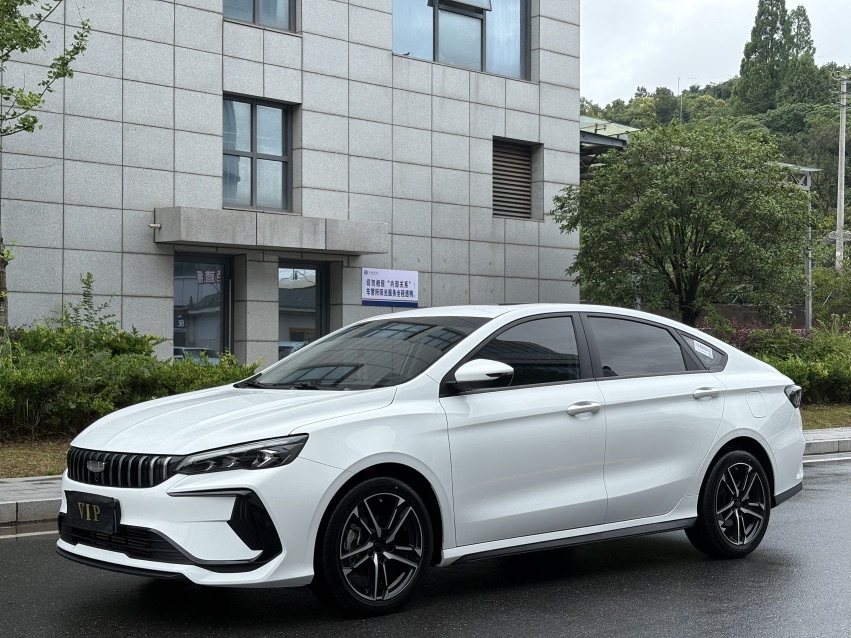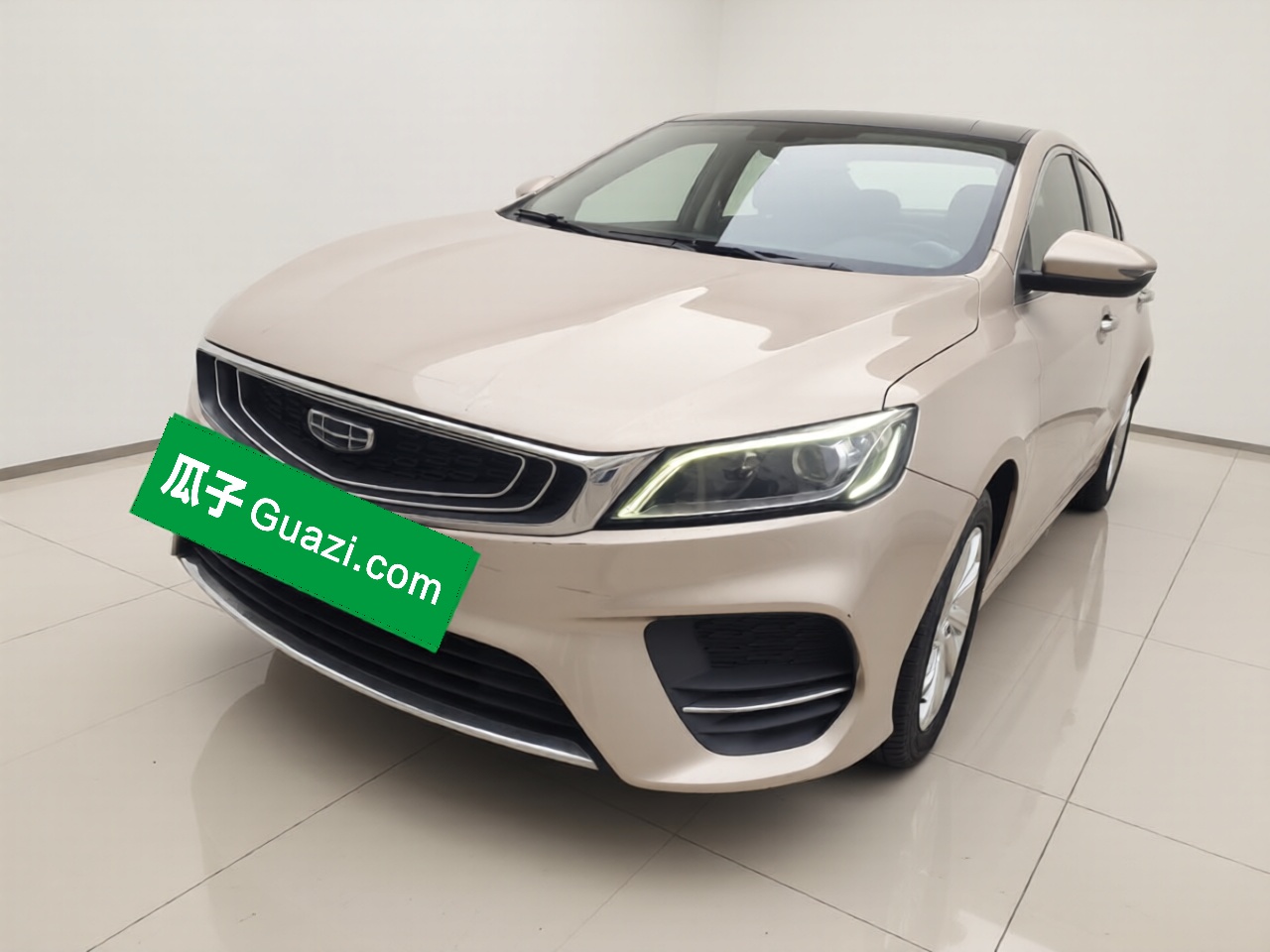
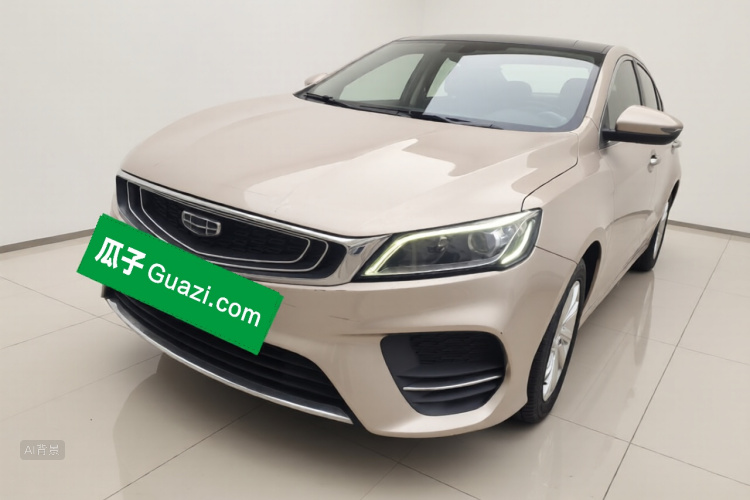
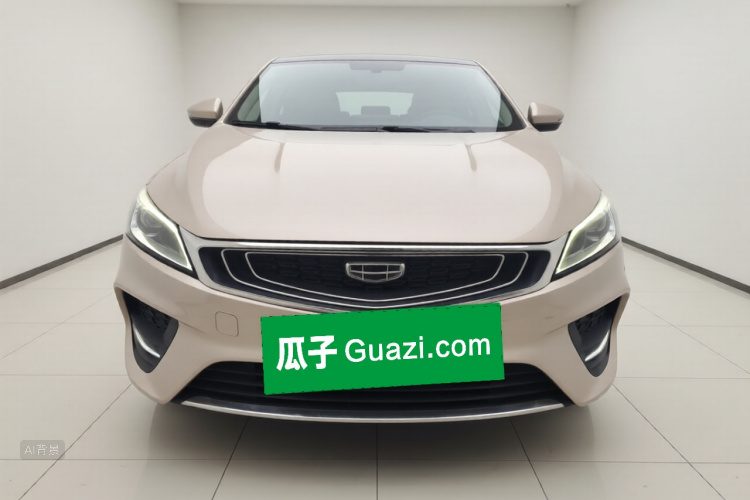
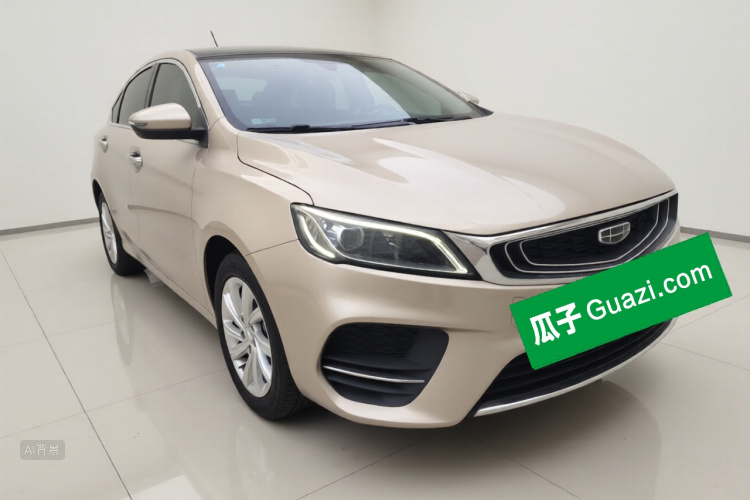
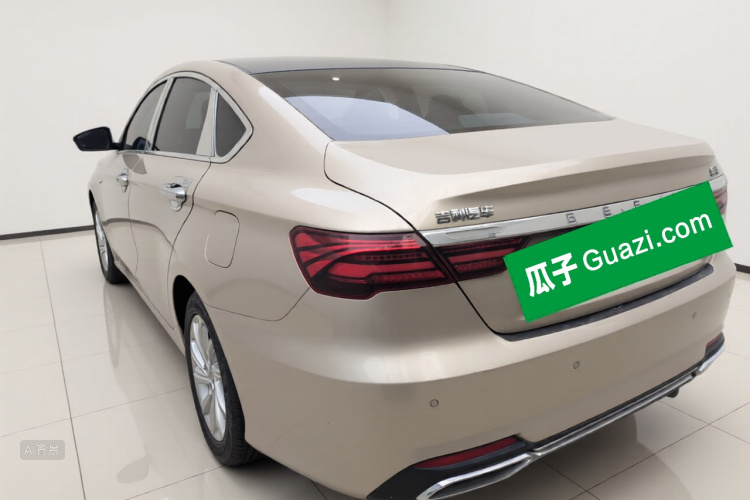
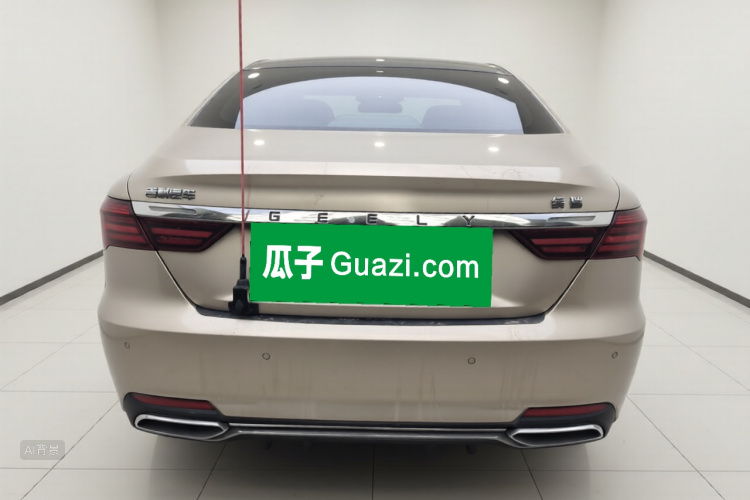
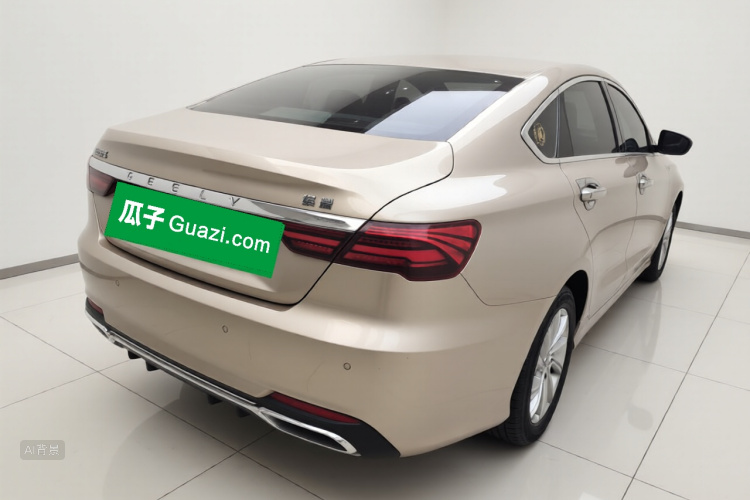




Basic Information

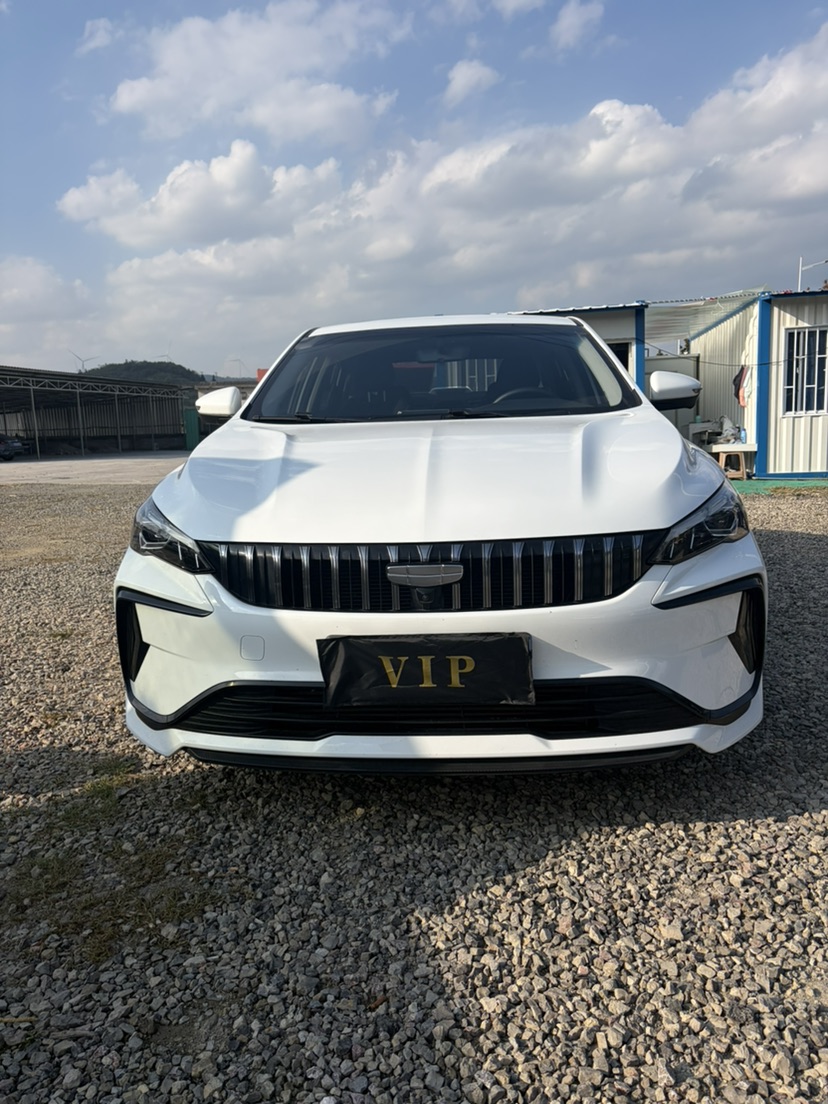
BrandGEELY
SeriesBinray
Year2021
First Registration2021/08
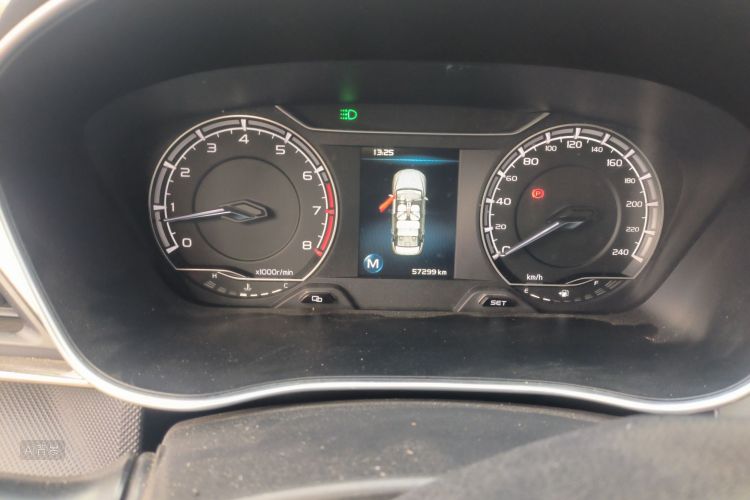
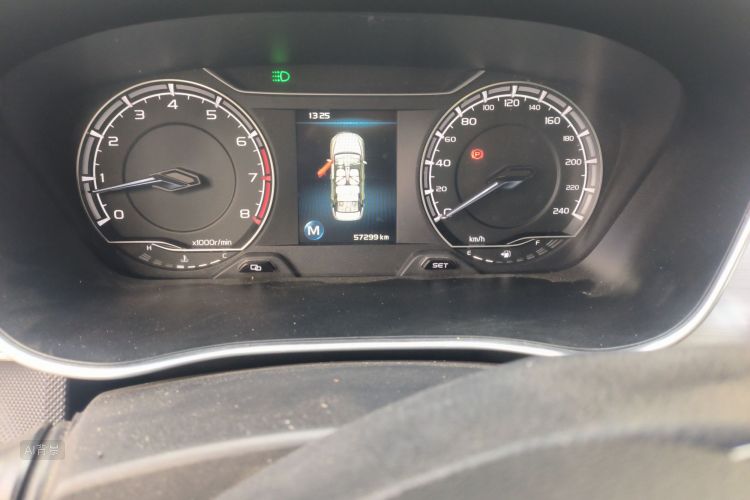
Mileage57,200km
Transfer Count-
FuelGasoline
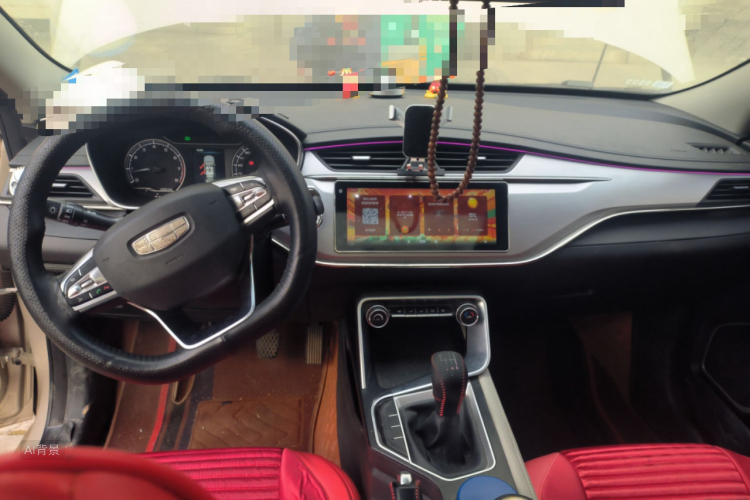
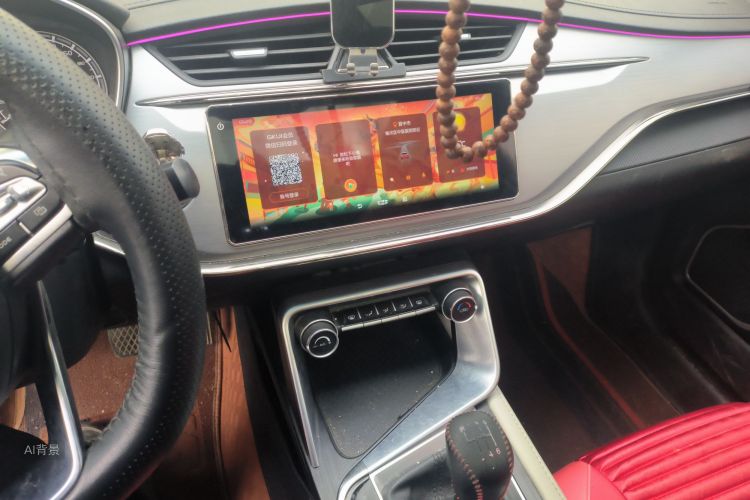
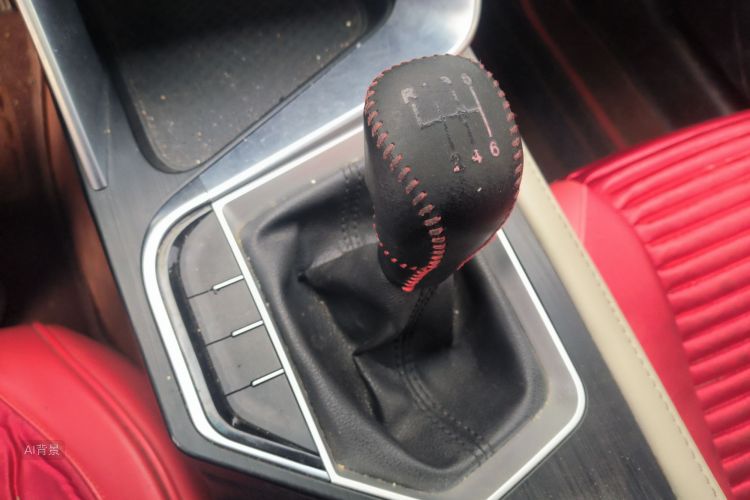
TransmissionManual
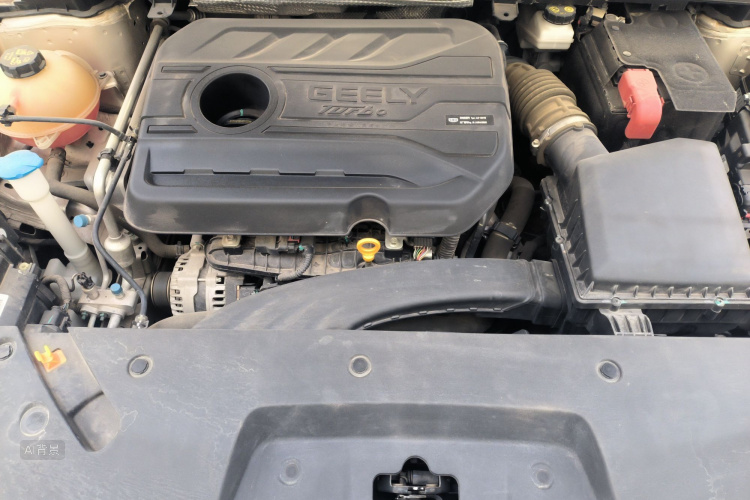
Engine1.4T 141 L4
Color香槟色
Seats-

Condition Description

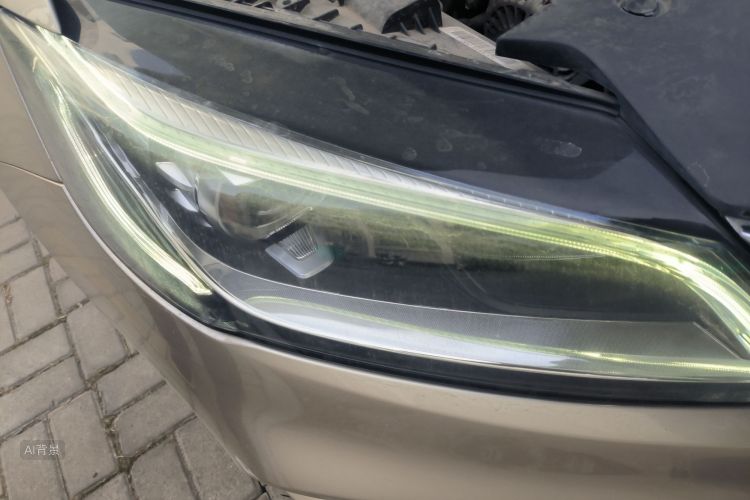
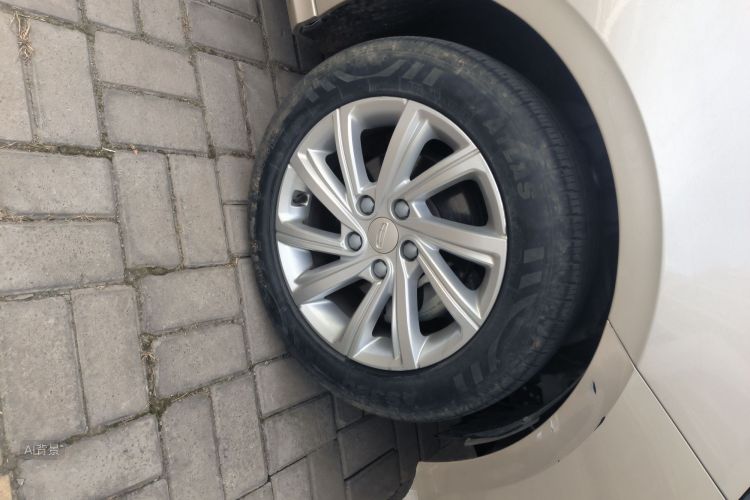
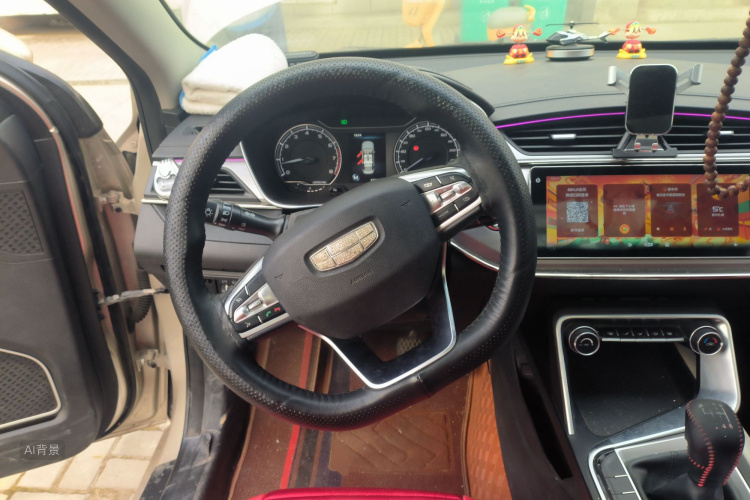
Vehicle in good condition, passed inspection, 1 claim filed, 0 ownership transfers.

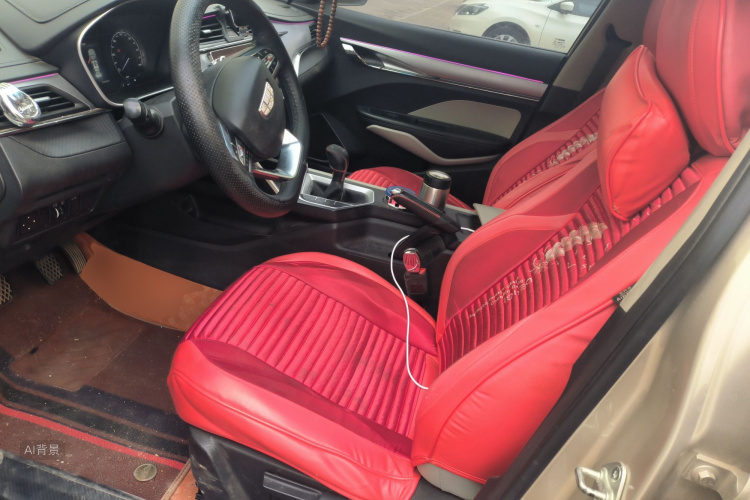
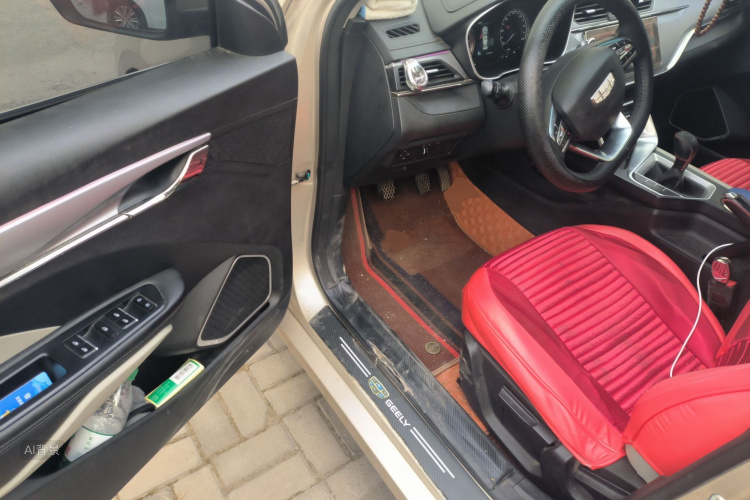
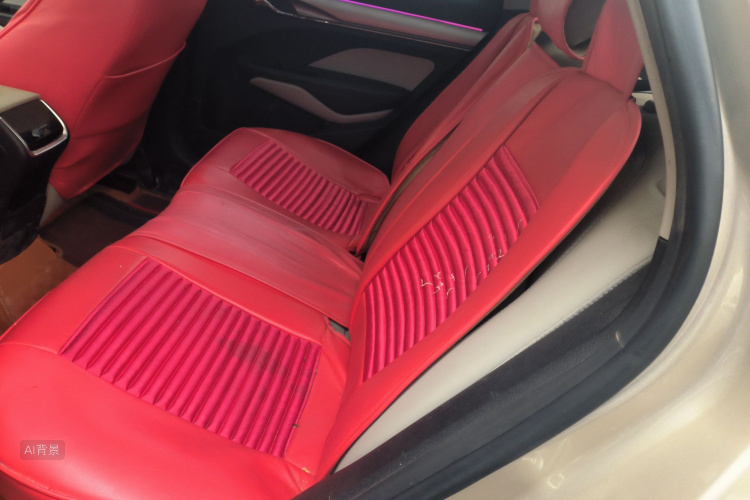
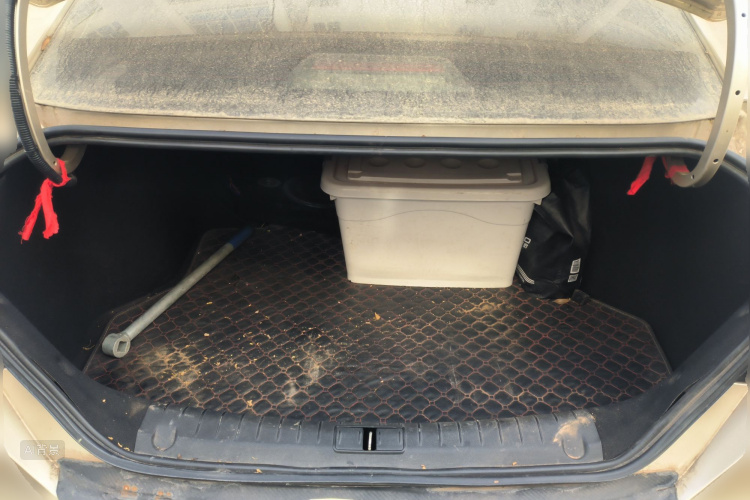
This vehicle is 5 years old with an average annual mileage of 11,400 kilometers. It has been used infrequently and has never been transferred to another owner, making it a good first-hand vehicle. The exterior paint is in good condition, although there may be a few minor scratches. The interior is in good condition with normal signs of use. The overall body frame is intact, although there are a few minor abnormalities. The fluid levels are normal, and the powertrain is functioning well.

Configuration Highlights

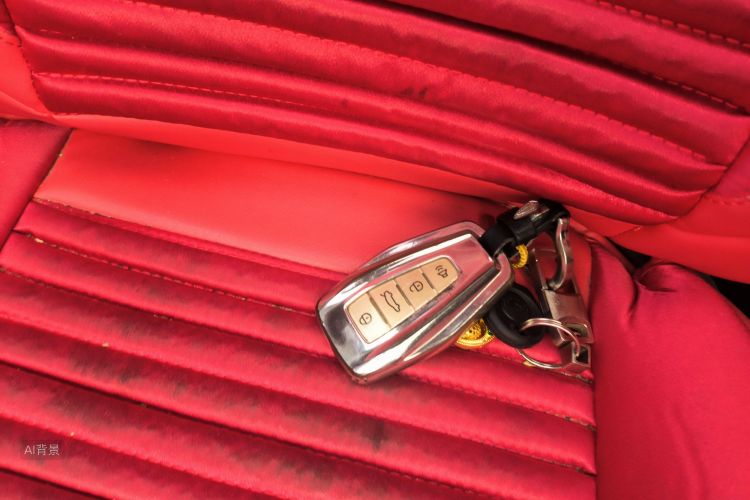
✓Keyless Entry
✓Backup Camera
✓Auto Headlights
✓Cruise Control
✓Keyless Start
✓Tire Pressure Monitoring
✓Heated Mirrors
✓Hill Start Assist
✓Rear Parking Sensors
✓Anti-pinch Windows

Q&A

More

If a vessel encounters a maritime disaster before arriving at port, does the buyer need to pay extra for General Average?

If General Average is triggered, all cargo owners must share the rescue costs. If you purchased marine insurance with a "General Average included" clause under CIF terms through us, the insurance company will cover this high shared cost for you; if you are an uninsured FOB buyer, you will need to pay it yourself.
How can we ensure that the electronic parking brake (EPB) servo motor does not seize the brake disc due to rust after long sea transport?

This is a common issue with sea transport. If the vehicle is parked at a humid dock, the EPB can easily rust to the brake disc. In addition to testing its release before shipping, we try to ask dock workers to secure the wheels with chocks instead of fully engaging the electronic parking brake.

Why are the shipping costs for used electric vehicles (EVs) usually higher than for internal combustion engine vehicles (ICEs)?

Pure electric vehicles are classified as Class 9 Dangerous Goods due to their large lithium batteries, leading to strict shipping regulations. Shipping companies have high requirements for the loading position and fire isolation measures for dangerous goods, and some roll-on/roll-off ships refuse to accept used EVs. As a result, EVs often require more expensive special container shipping and incur additional handling fees for hazardous materials.