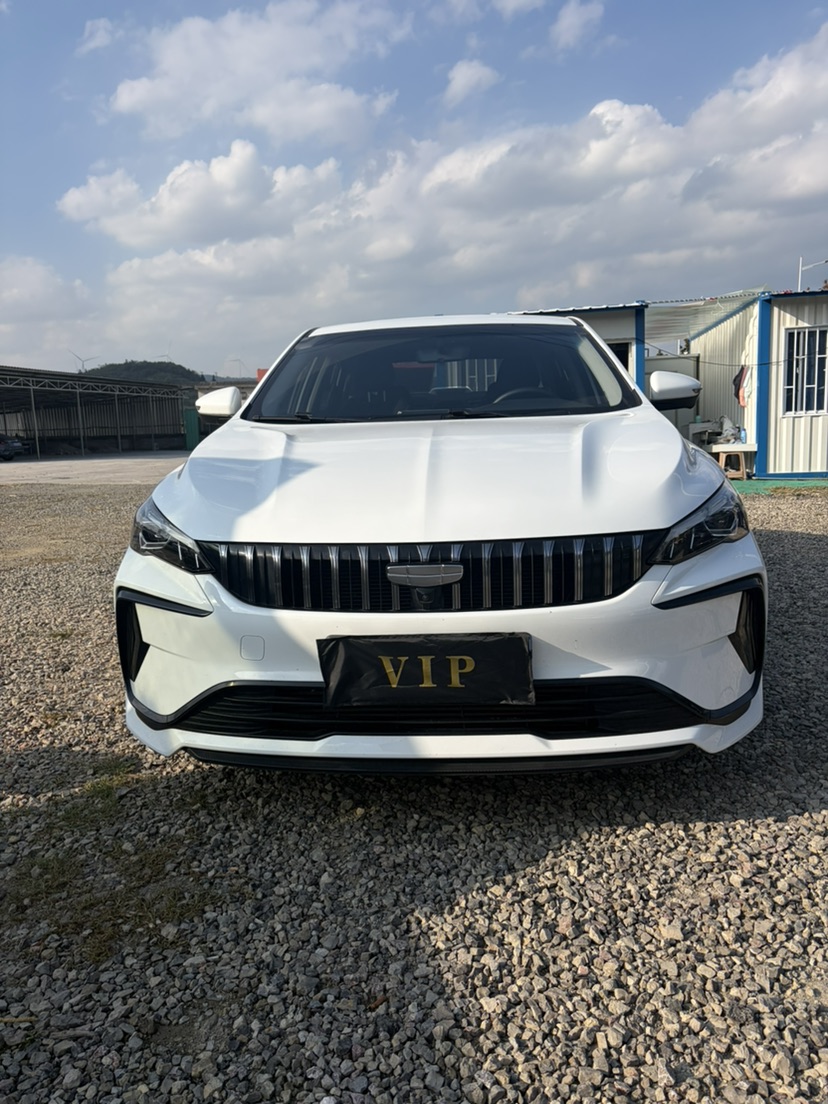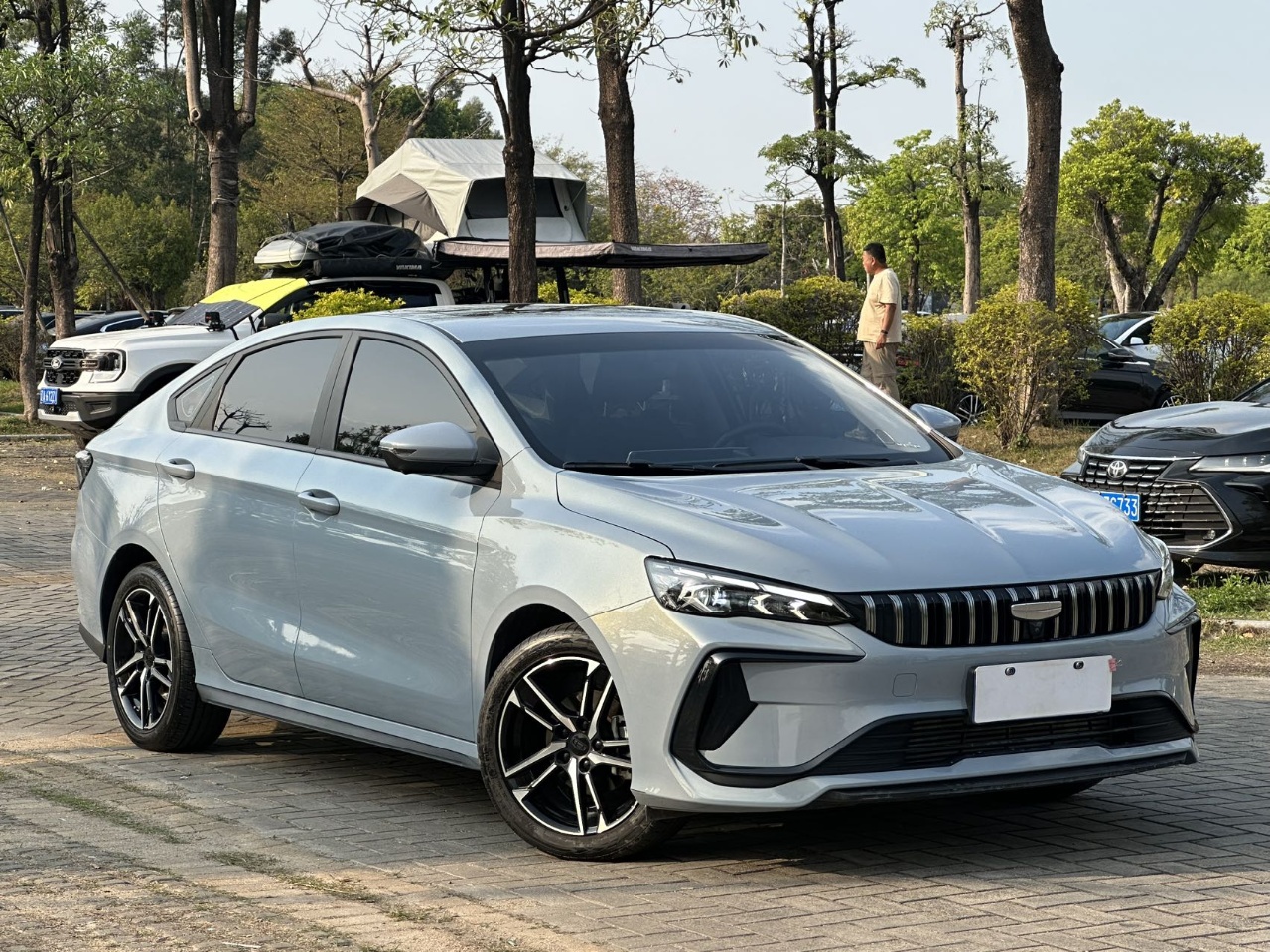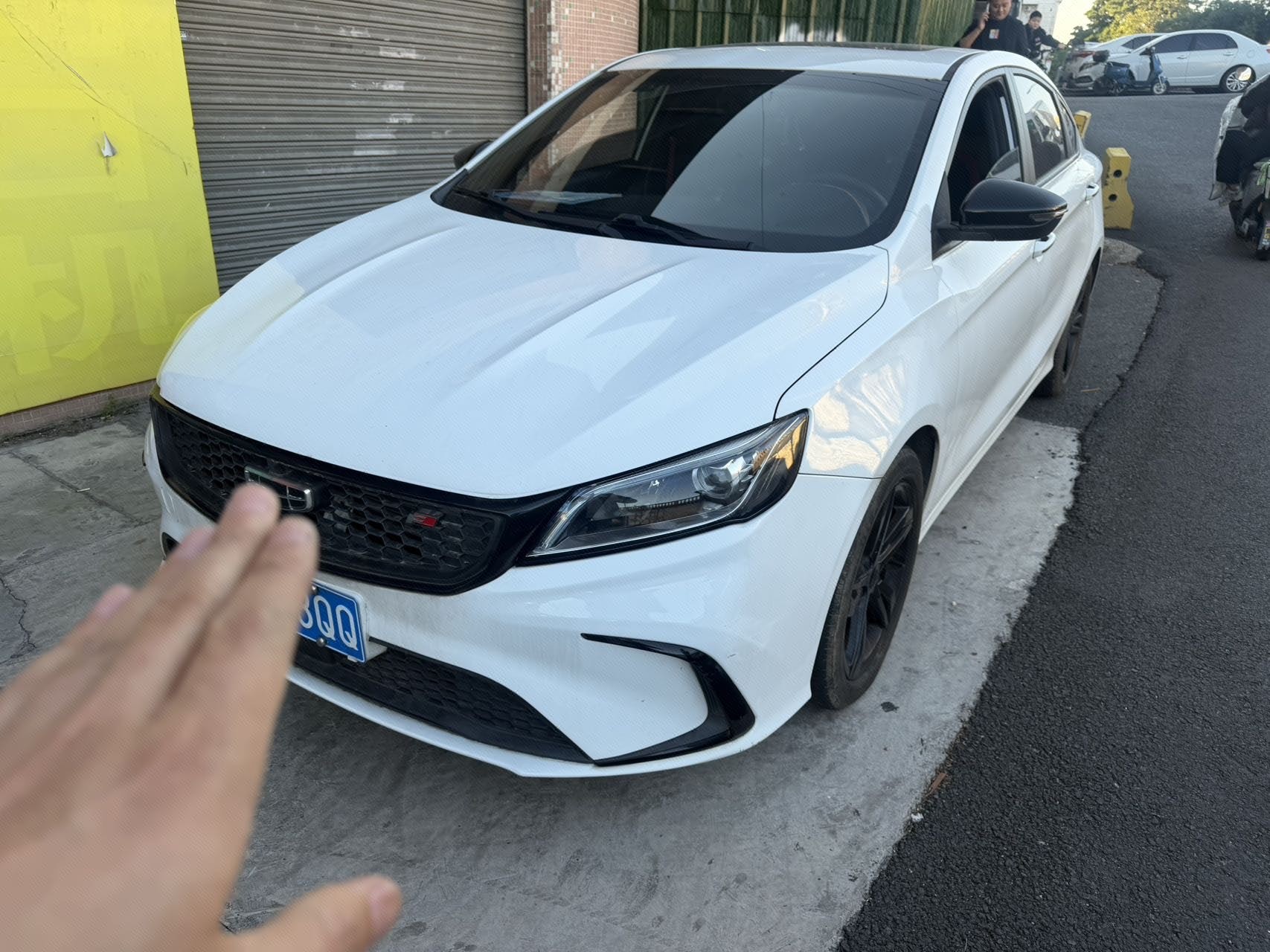
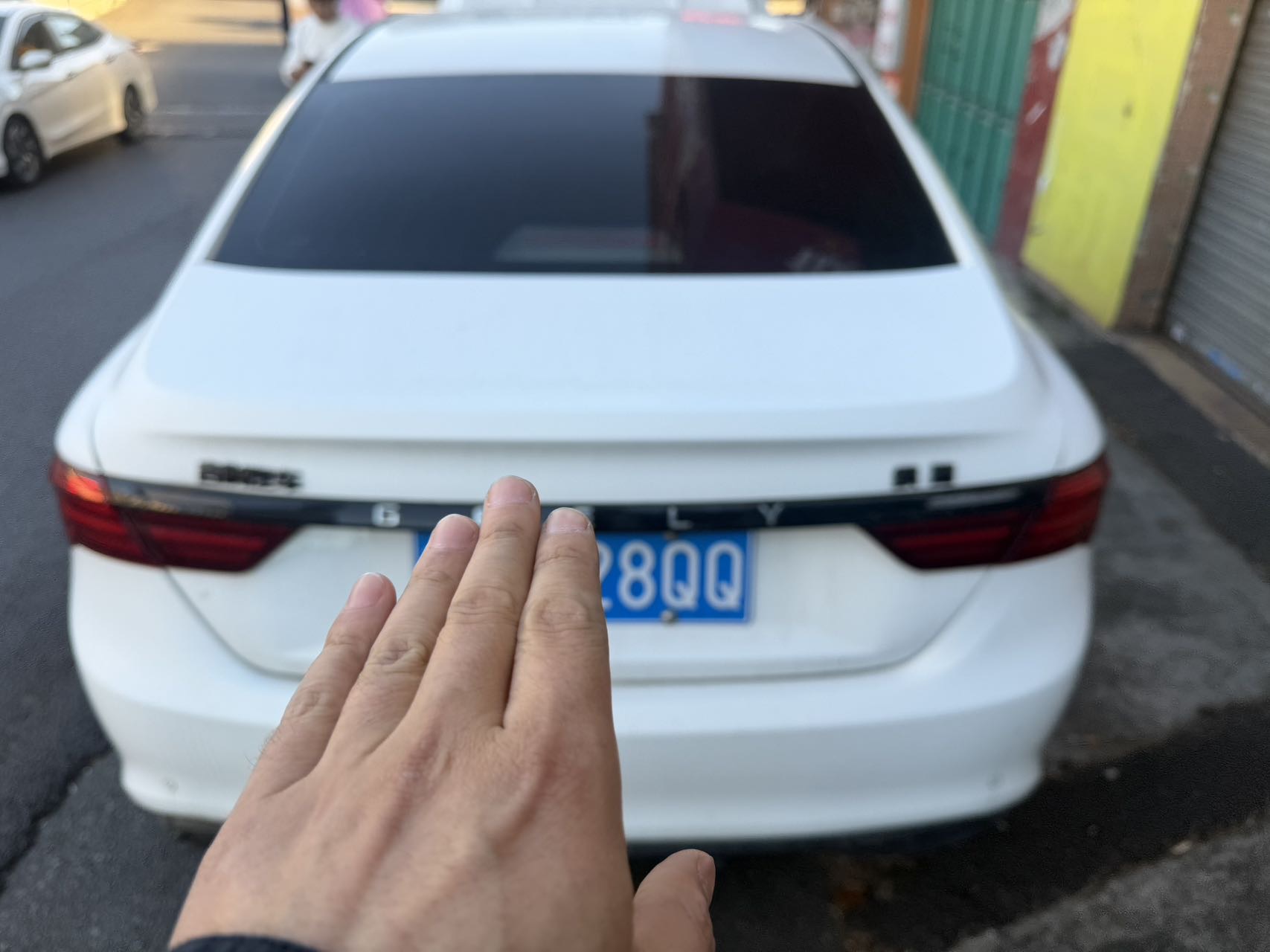
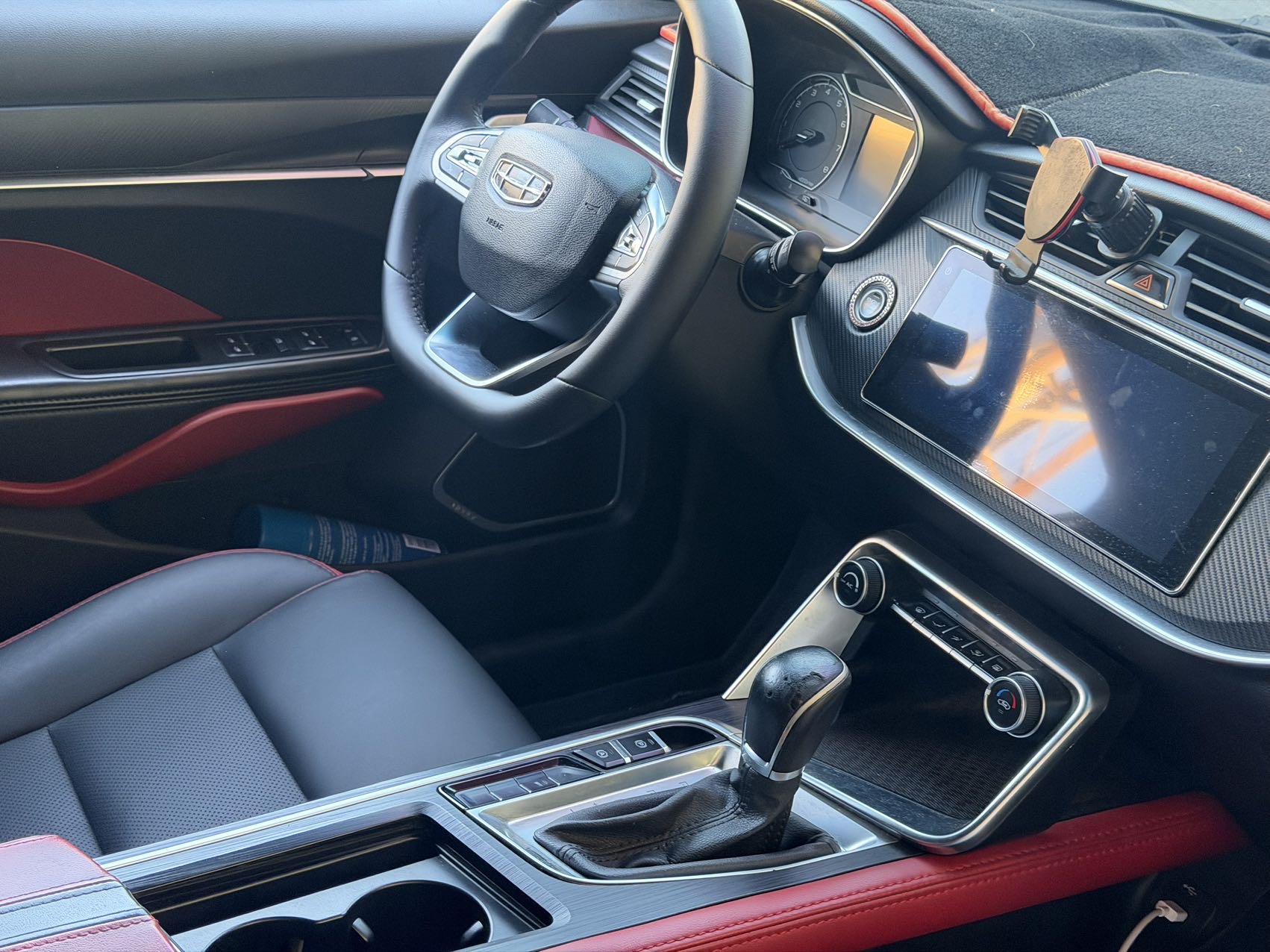
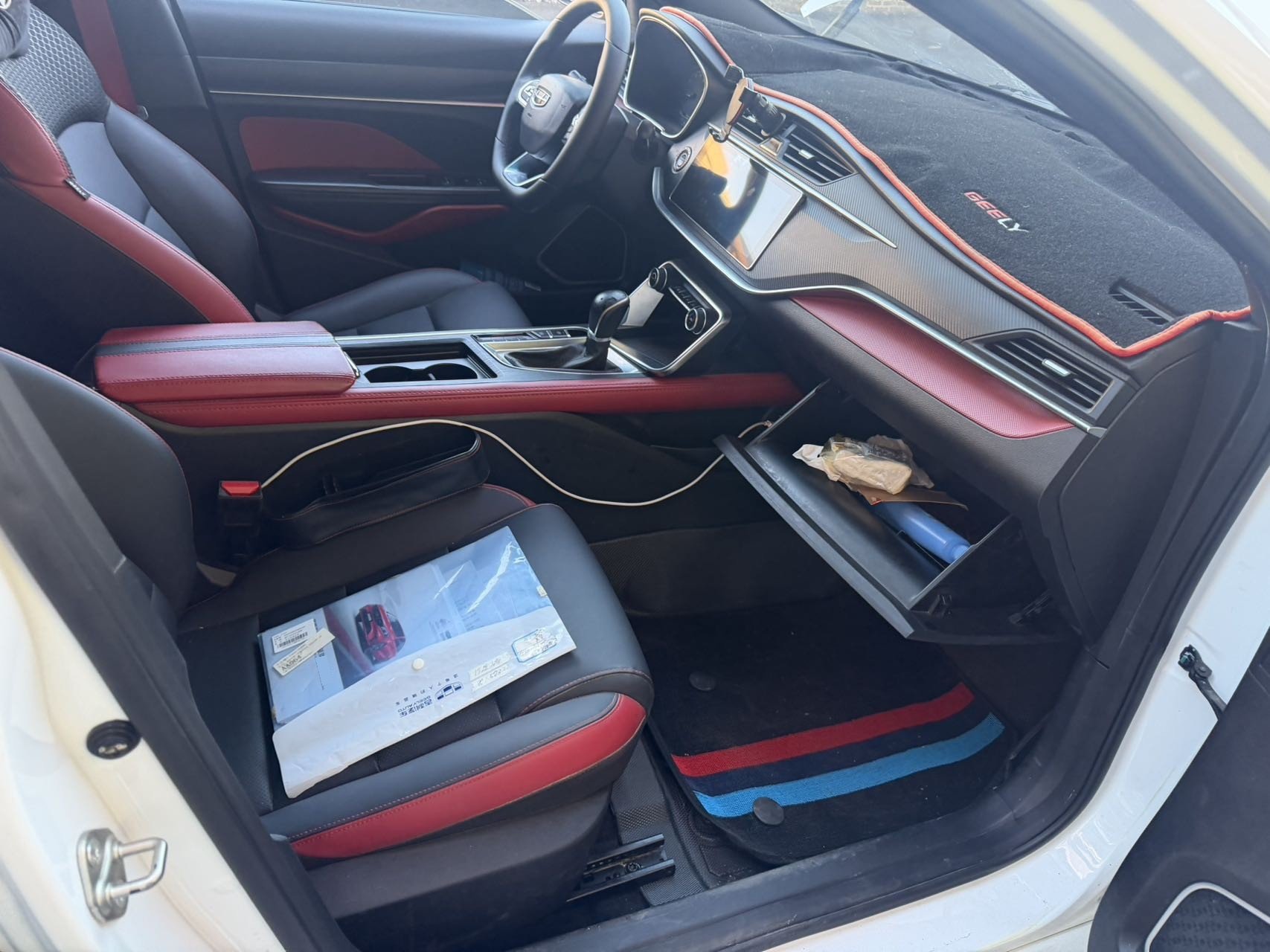
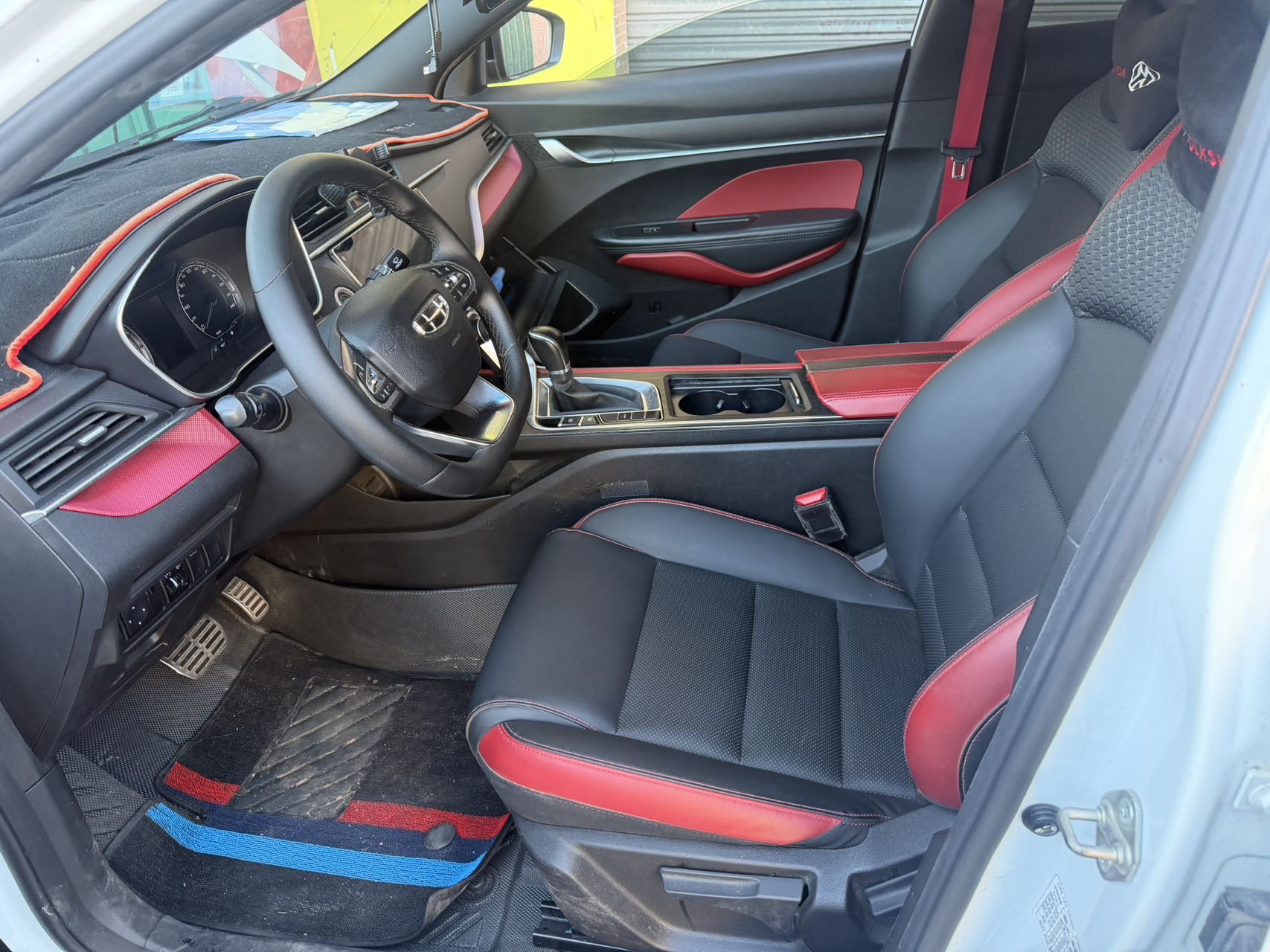
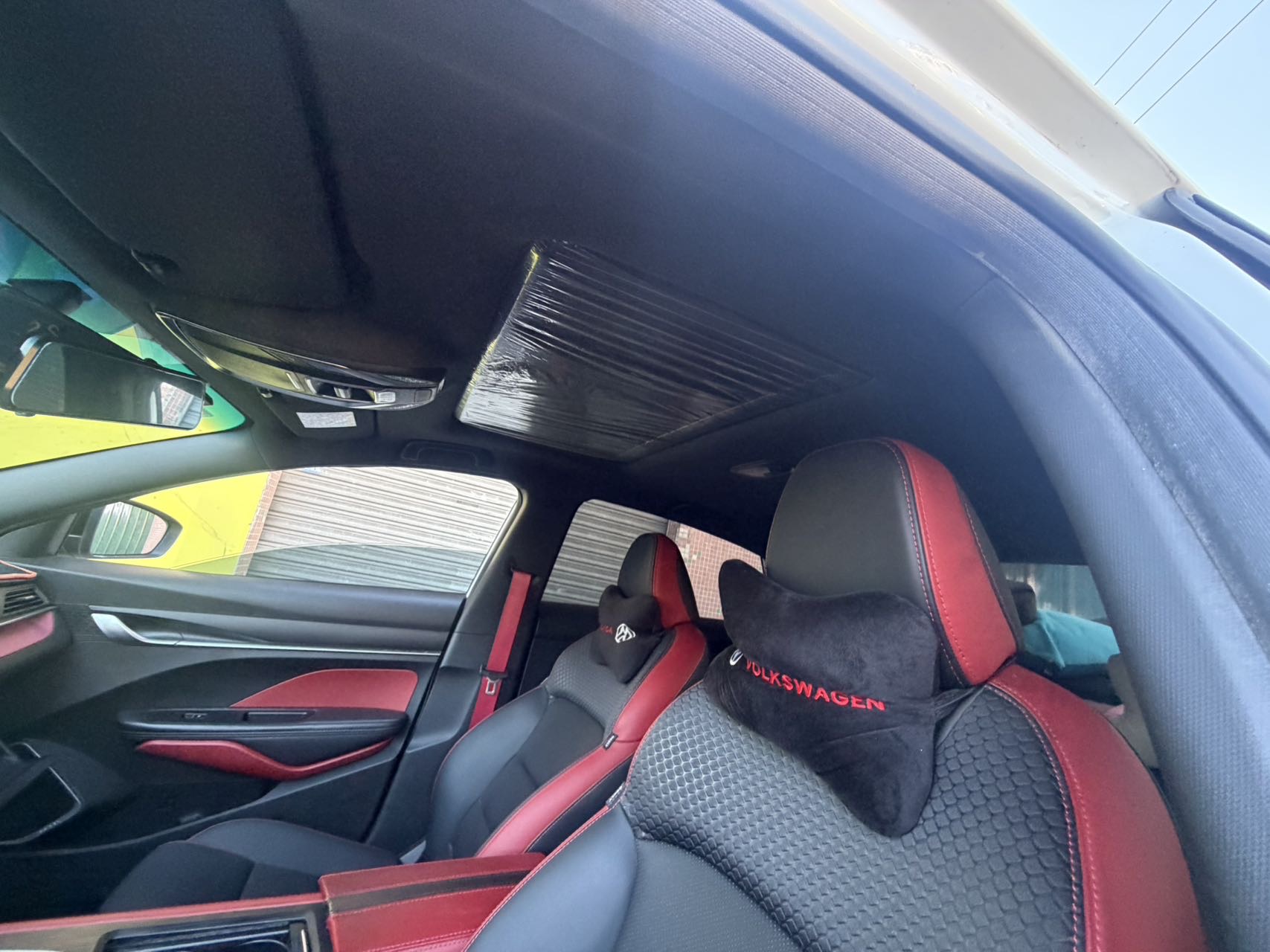
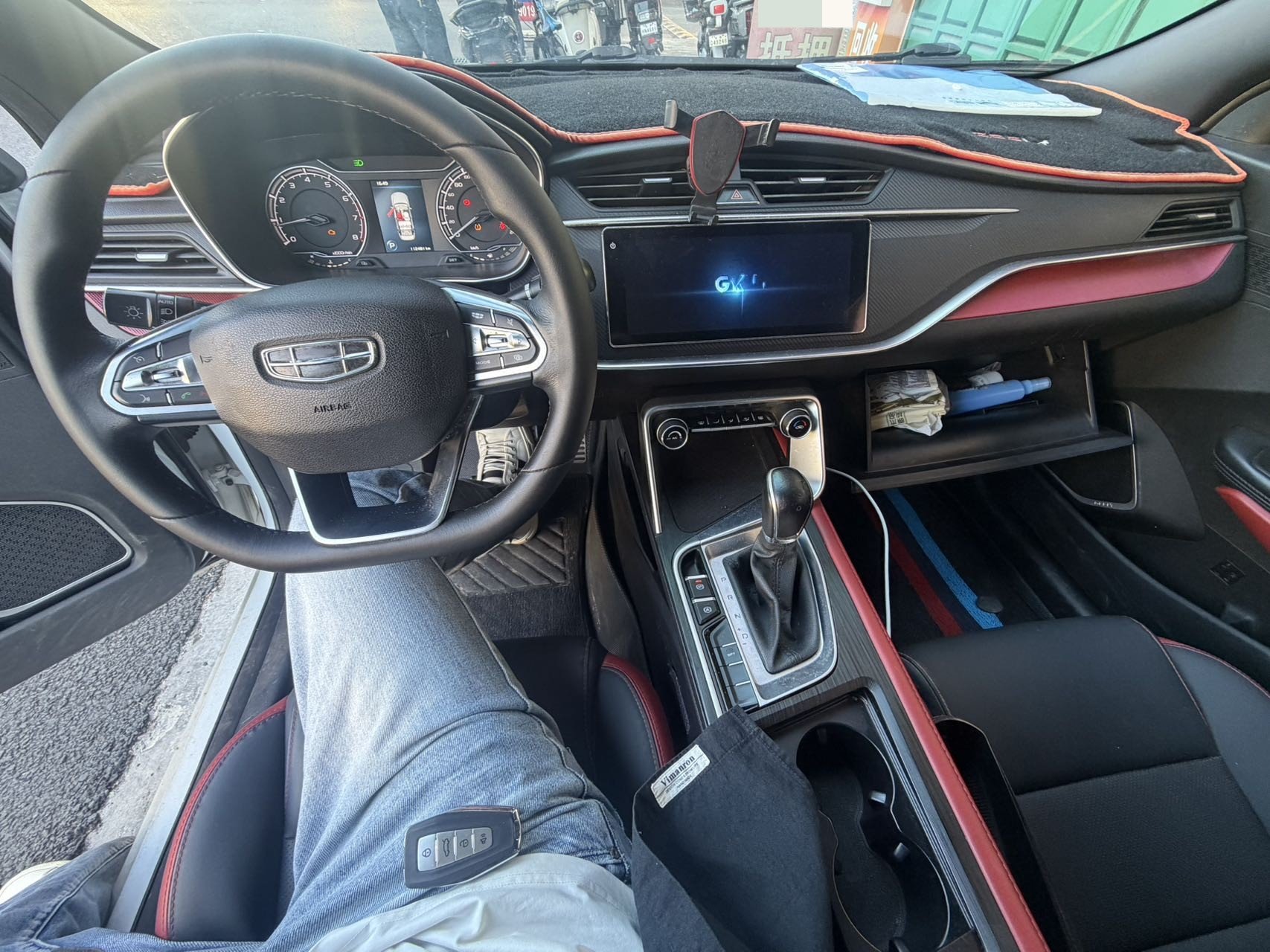
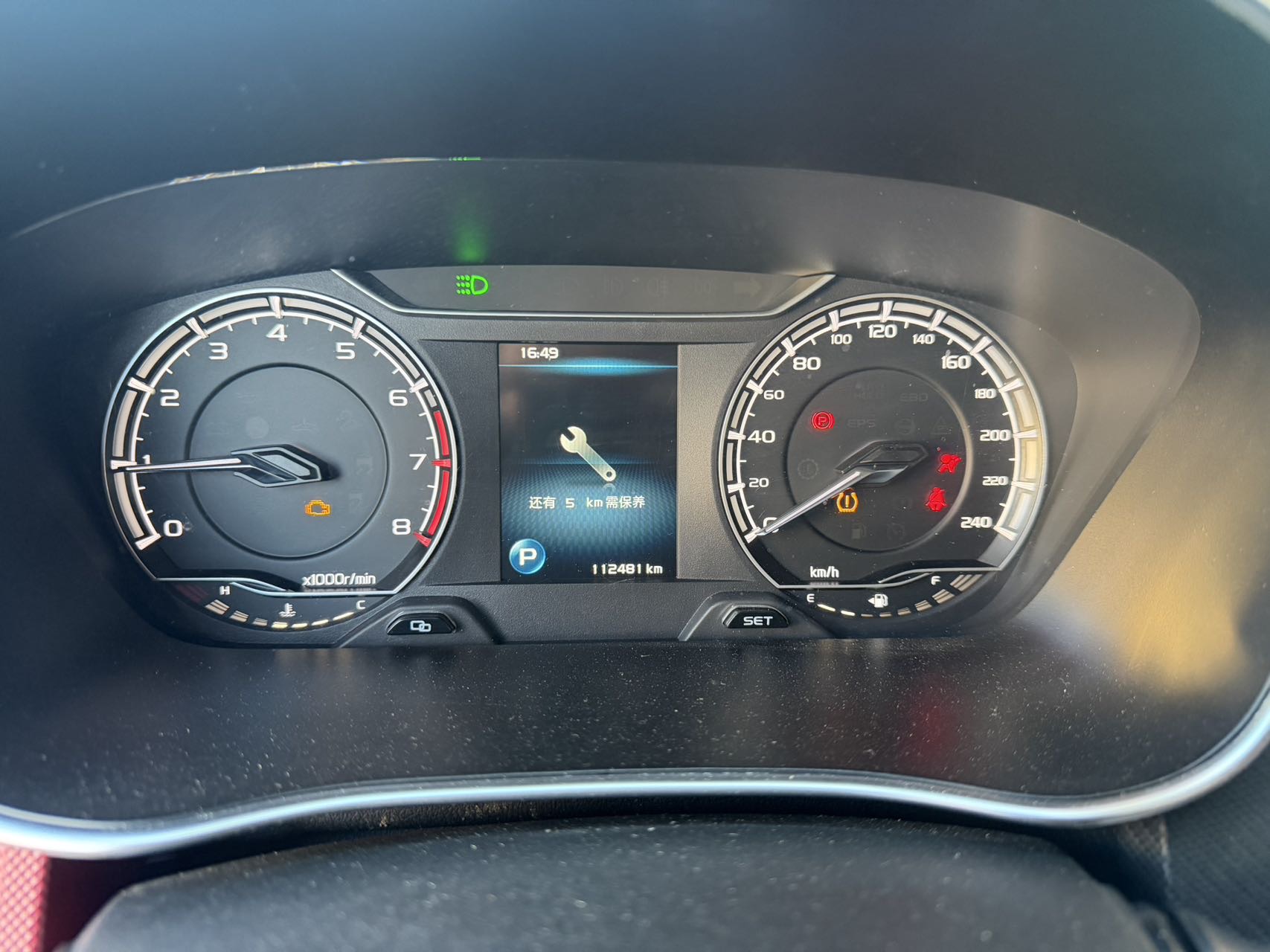



Basic Information

BrandGEELY
SeriesBinray
Year2021
First Registration2021/04
Mileage110,000km
Transfer Count0times
FuelGasoline
TransmissionCVT
Engine1.4T 141 L4
ColorWhite
Seats-

Condition Description

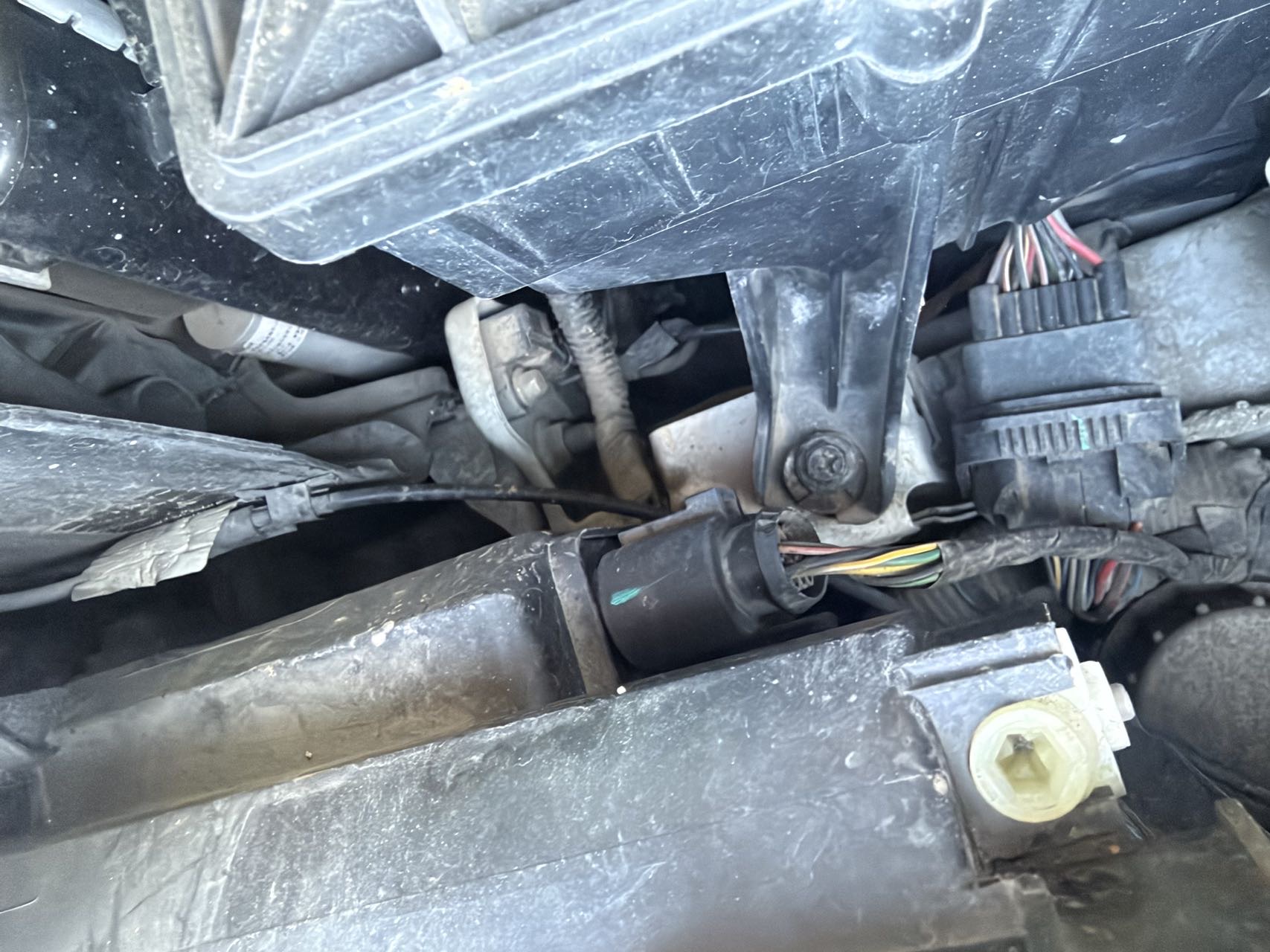
Front-end collision set, one owner, accident vehicle, front and rear accidents.

Document Information

Inspection Expiry Date-
Warranty Expiry Date-
Insurance Expiry Date2027/04

Q&A

More

Which export documents does the Chinese seller provide, and which import documents do I need to prepare myself?

From the Chinese seller, expect these documents: 1. Vehicle registration certificate (the green book) 2. Driving license/registration card for the vehicle 3. Commercial invoice and sales contract 4. Export declaration documents (packing list, declaration forms handled by their forwarder) 5. Bill of lading, issued once the car is on the vessel You prepare on your side: 1. Import permit or approval, if your country requires one 2. Proof of compliance - emissions, safety, or type-approval certificates your customs authority asks for 3. Bill of lading release documents (original B/L or telex release) 4. Customs declaration through your broker, with your tax ID 5. Payment records - keep the bank transfer receipt, as some customs offices verify the declared value Practical tips: insist the seller removes any lien from the green book before export; verify the VIN on all documents matches the physical car; and confirm your country's age/emissions limits before paying a deposit, not after.


If the remittance info for the international wire transfer has the wrong contract number, will it cause delays in currency exchange and shipping?

It will cause serious obstacles. China's foreign exchange controls are extremely strict. If the remittance note and the remitter do not match our declared contract, the bank will reject the transaction (Pending). We will need to spend several days submitting additional explanations to the foreign exchange authority, which will inevitably delay the shipping schedule.

Can I get spare parts for a Chinese-brand car in my country, and how do I order them from China?

Parts availability depends on the brand's official presence in your market, but even unsupported brands can be maintained through direct ordering. Check three channels first: the brand's official dealer network (if any), third-party importers who specialize in Chinese auto parts, and generic equivalents. For wear items like brake pads, filters, and wipers, aftermarket suppliers usually stock cross-references by VIN. For model-specific parts — headlights, sensors, control modules — order directly from China. Ask your exporter for the parts catalog by VIN, confirm OEM part numbers, and compare prices. A turbocharger that costs $900 from a local dealer often ships from China for $350 plus $80 freight. Practical tips: bundle multiple parts into one shipment to amortize freight; ask for DDP (delivered duty paid) pricing so customs clearance is handled; and always verify part numbers against your VIN before paying, as Chinese models have running changes mid-year. Keep a small stock of common wear parts — oil filters, air filters, spark plugs — to avoid a 4-6 week wait for routine maintenance.