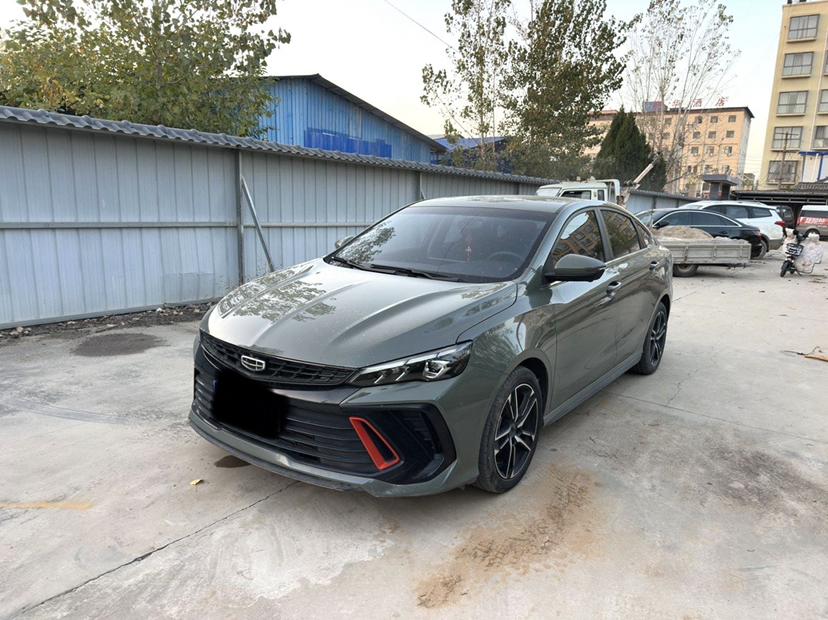
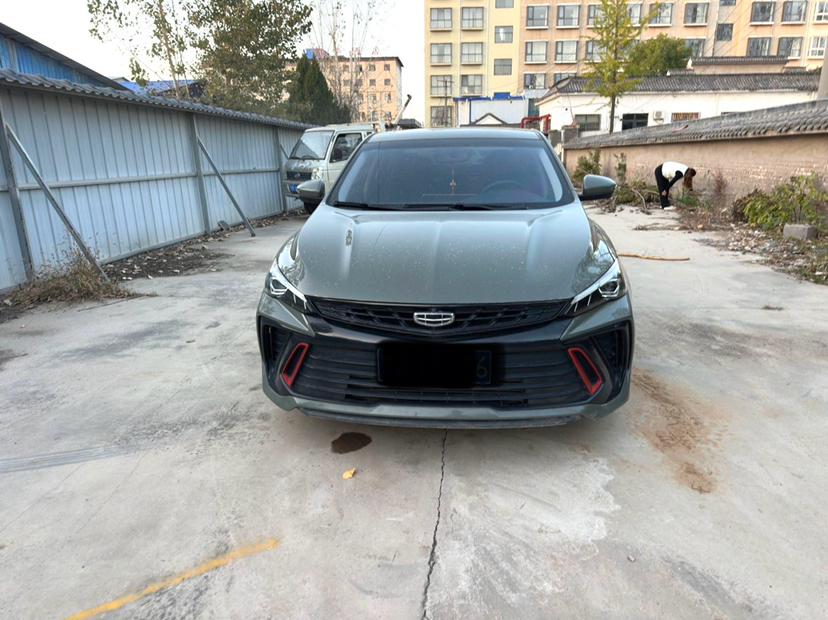
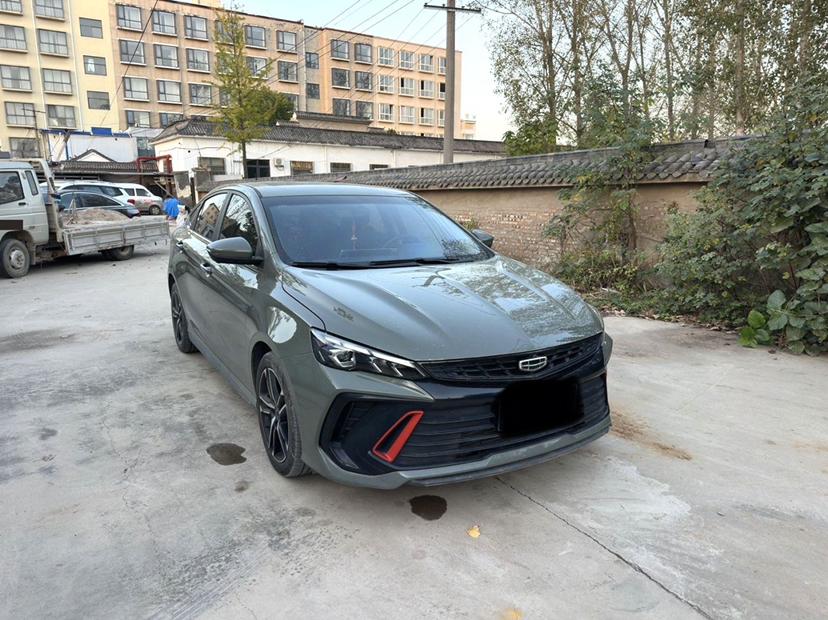
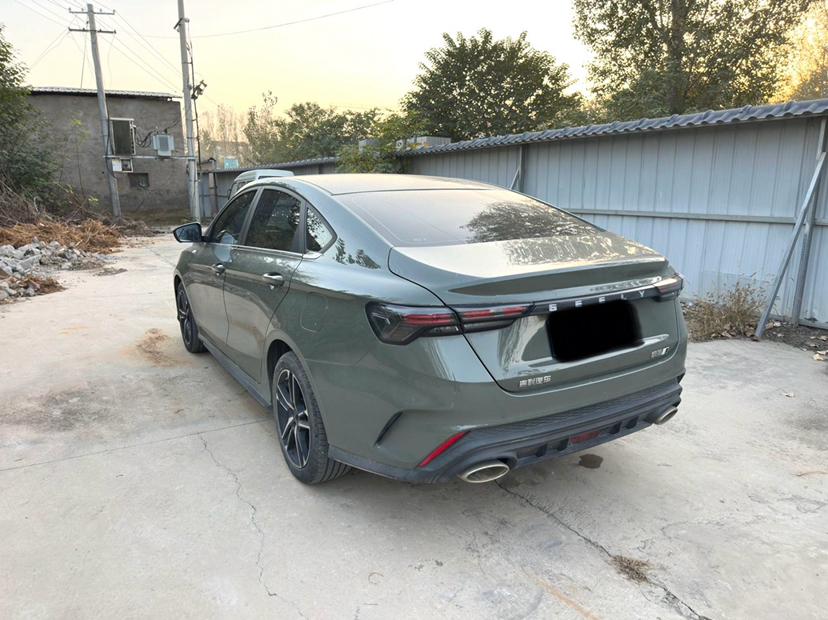
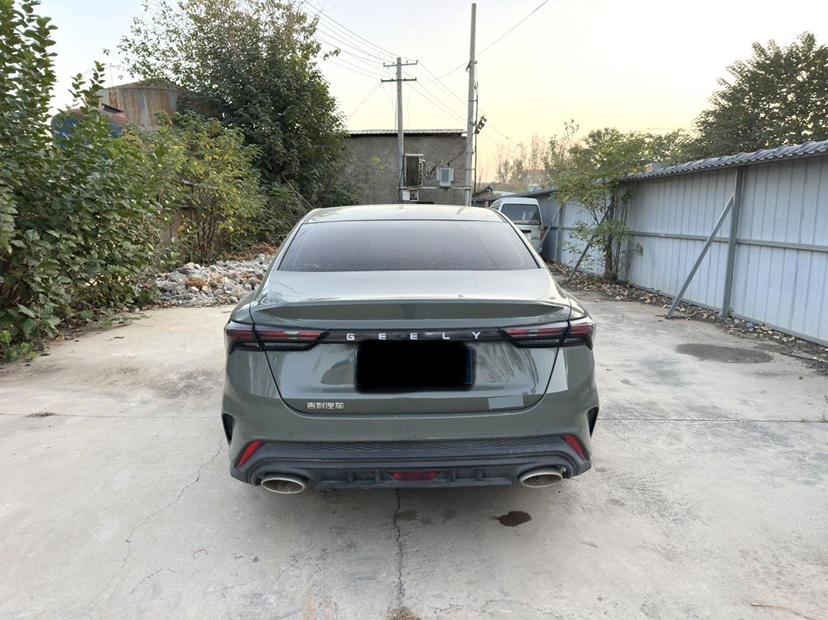
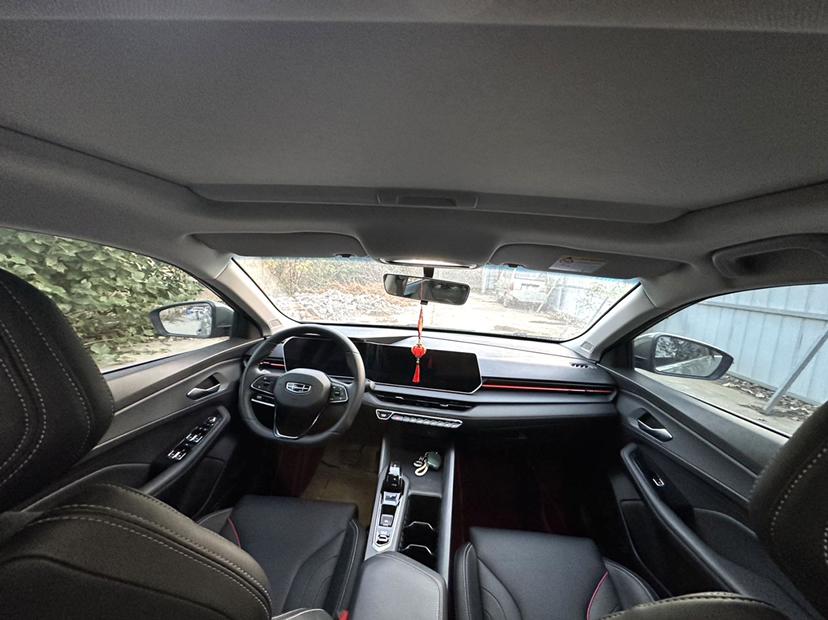
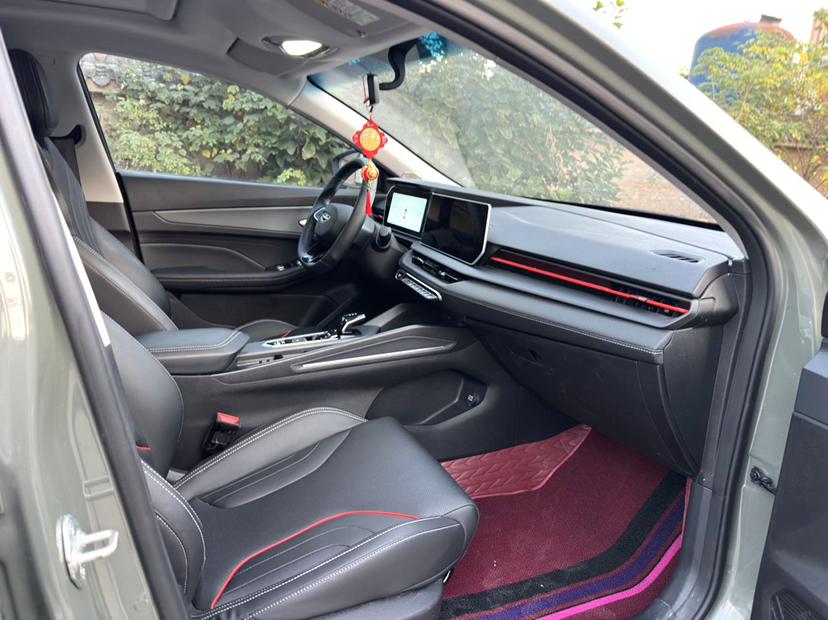
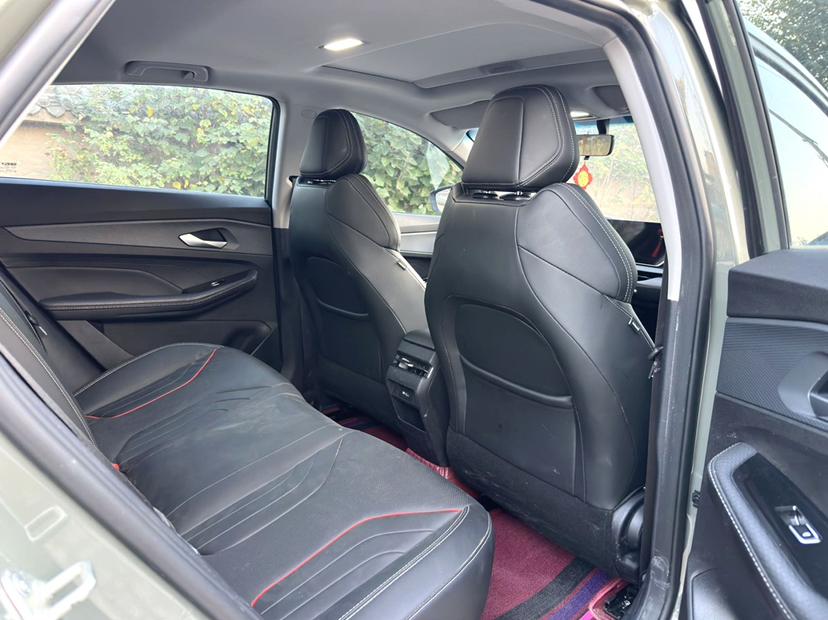
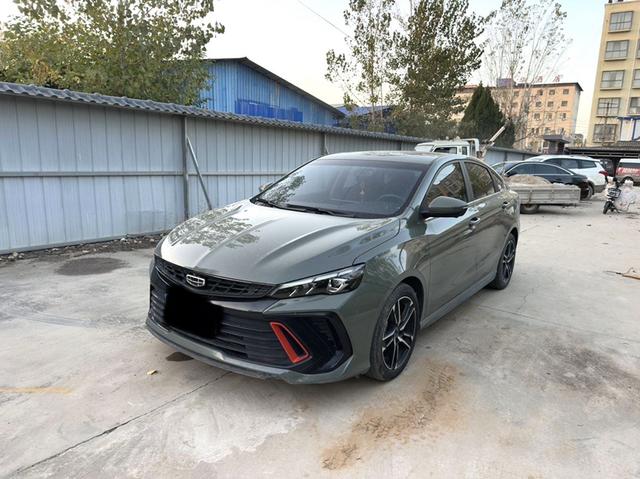
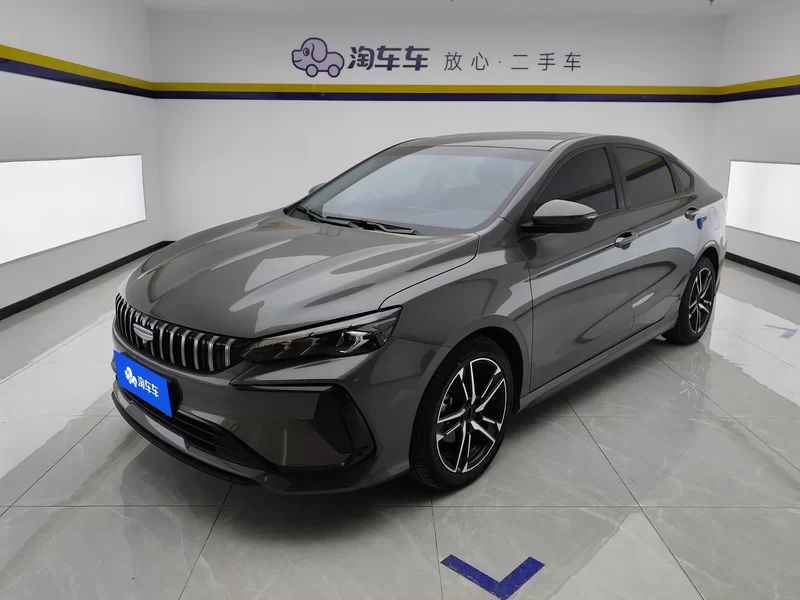
Basic Information

BrandGEELY
SeriesBinray
Year2022
First Registration2022/10
Mileage60,000km
Transfer Count0times
FuelGasoline
TransmissionDCT
Engine1.5T 181 L4
Color
Seats-

Condition Description

官方质检 · 60天全车质保· 7天无理由有偿退车

Configuration Highlights

✓上牌时间: 2022-10
✓表显里程: 6万公里
✓车源地: 莆田
✓排放标准: 国六
✓百公里加速: 7.1s
✓发动机: 1.5T
✓轴距: 2670mm
✓变速箱: 自动
✓功能配置: 18项
✓安全配置: 2项
✓动力类型: 前驱
✓空间舒适性: 一般

Q&A

More

If a car frequently transfers between extremely cold areas (like Northeast China) and extremely hot areas (like Hainan), would you provide special risk warnings?

Absolutely. The extreme temperature fluctuations will significantly accelerate the aging of chassis rubber parts, oil seals, and interior plastics. For vehicles frequently dispatched across such latitudes, we will conduct fatigue resistance checks on chassis rubber parts that are twice as stringent as those for vehicles in temperate regions.

Do Chinese electric cars keep receiving software updates and connected services after export? Will the app work in my country?

It depends on the brand, so verify before buying: 1. OTA updates: most newer Chinese EVs update over the air, but some brands tie updates to the region of registration—an exported car may stop receiving them or stay on China firmware. 2. Companion apps: functions like remote climate, charging status, and location often require a Chinese phone number or mainland server access; abroad they may work partially or not at all. 3. Language and units: check the infotainment can switch to your language and your units (miles/km). Ask the exporter to demonstrate the app functions live on video before purchase, and get written confirmation of what will work after export. For the battery, request an SOH (state of health) report—battery replacement is far costlier than any software limitation.

How do seasonal factors—peak seasons, weather, holidays—affect shipping times and rates from China?

Timing your shipment can save both money and weeks of waiting. Several predictable patterns affect routes from China. Peak season surcharges: January through March, before Chinese New Year, exporters rush to ship, so container and RoRo space tightens and rates rise 20-50%. Book at least 3-4 weeks ahead during this window. After the holiday (usually February), factories and ports restart gradually, causing 2-3 weeks of backlog. Weather effects: Typhoon season (July-September) can delay departures from southern Chinese ports like Shenzhen and Guangzhou. Winter fog and ice affect northern ports like Dalian and Tianjin, slowing loading operations. Destination-side factors: Monsoon seasons can slow port operations in South and Southeast Asia. Holiday periods at destination (e.g., Ramadan in the Gulf, year-end holidays elsewhere) reduce customs staffing and extend clearance times. Practical advice: ask your forwarder for rate calendars, avoid booking right before major Chinese holidays, and build 1-2 weeks of buffer into delivery promises to your customers. Flexible departure ports (Shanghai vs. Ningbo vs. Shenzhen) can also help you find available space.