


Stock

Basic Information

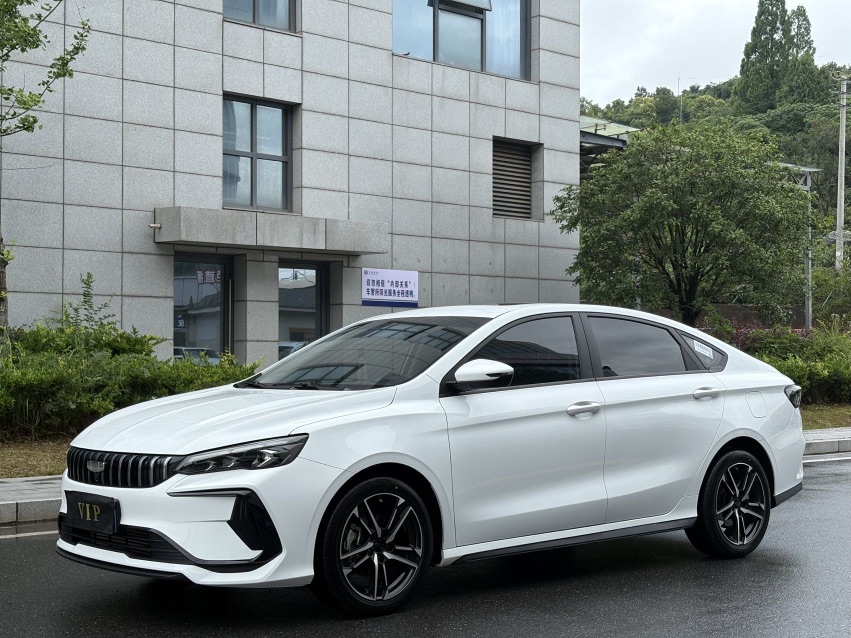
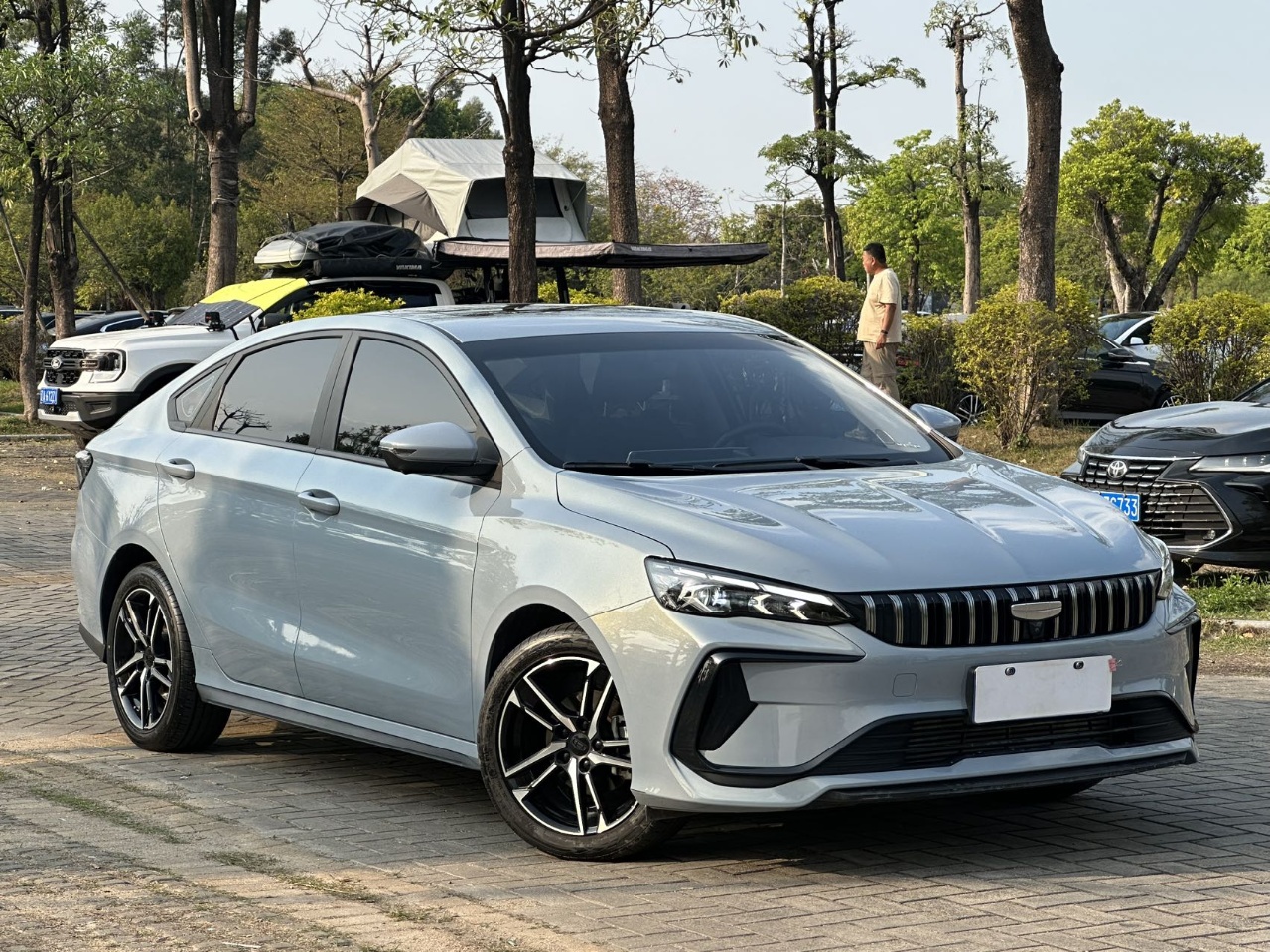
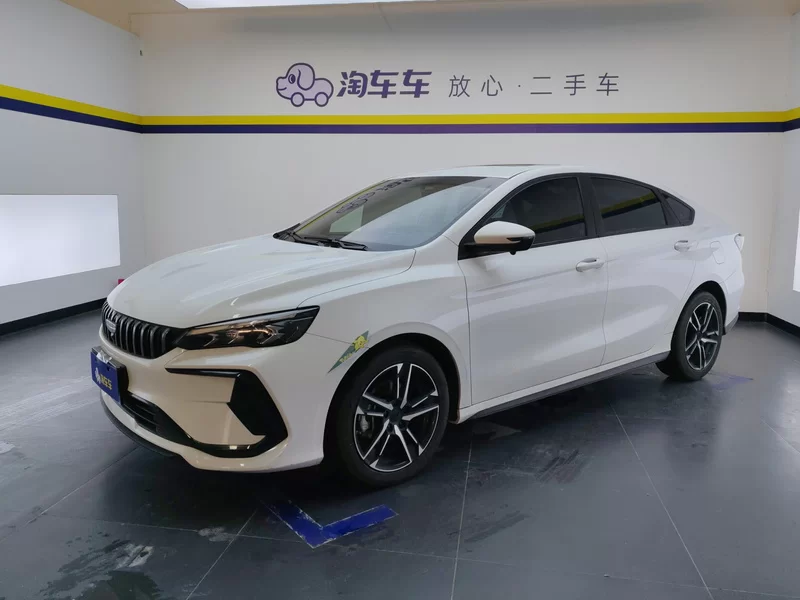
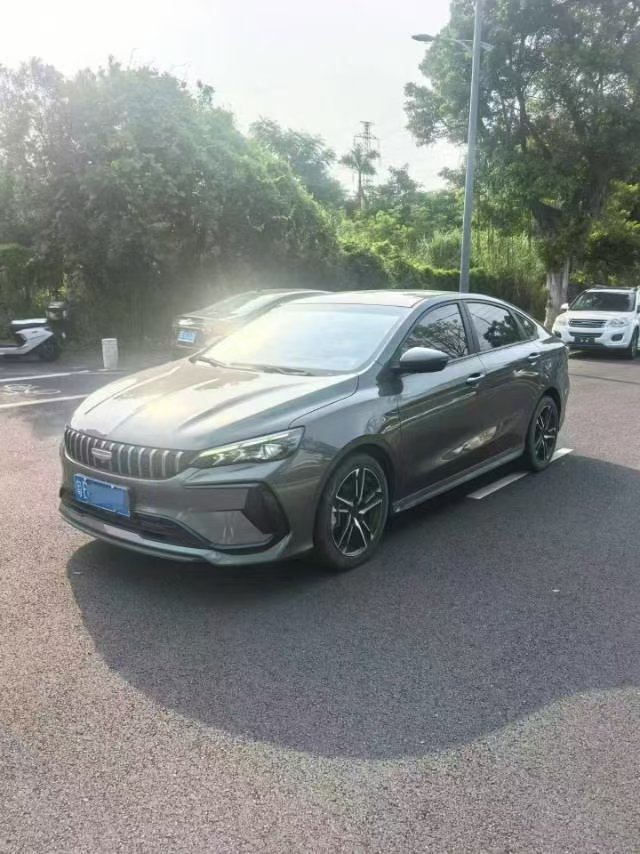
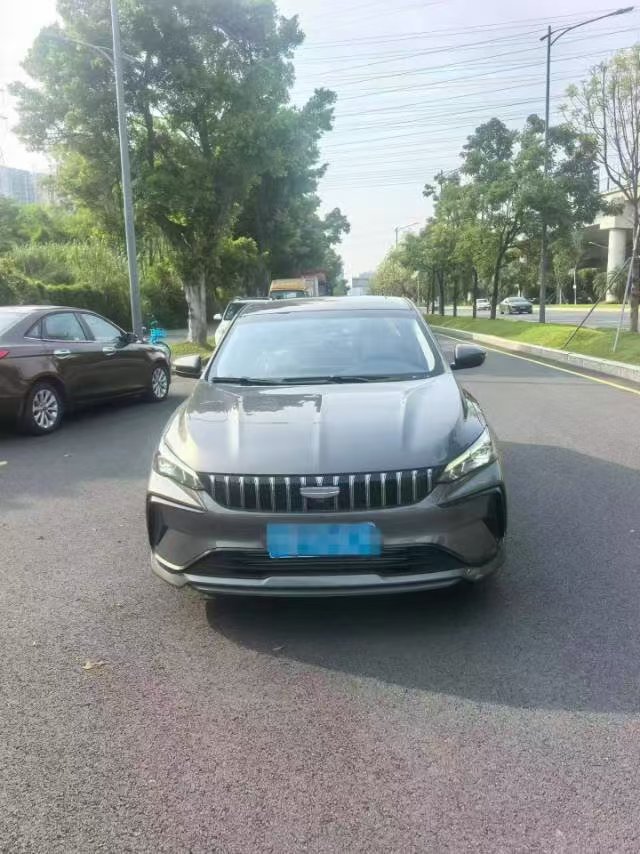
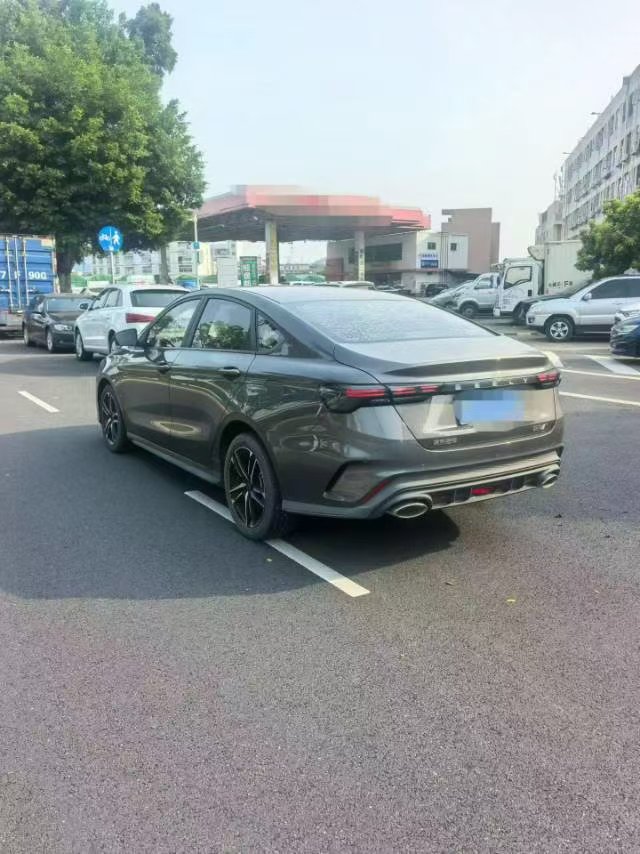
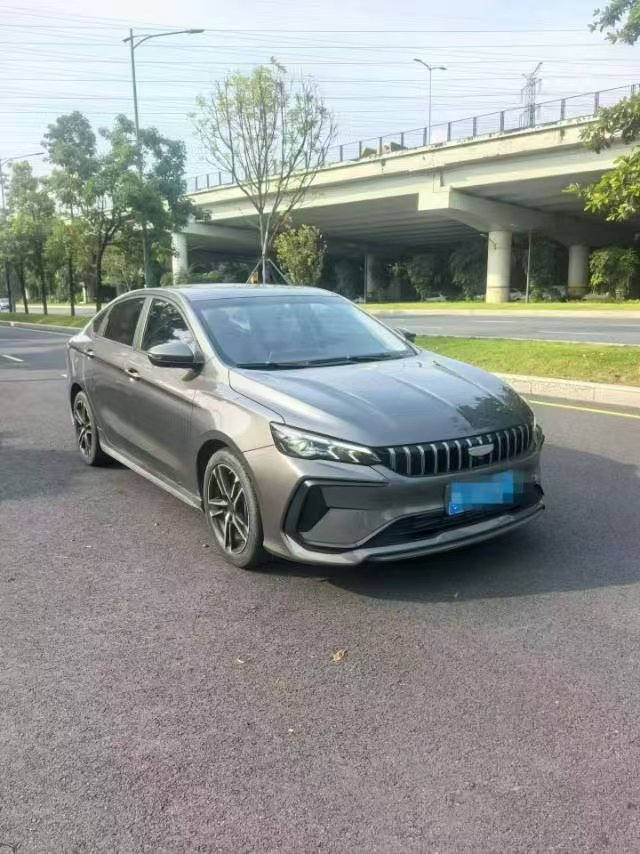
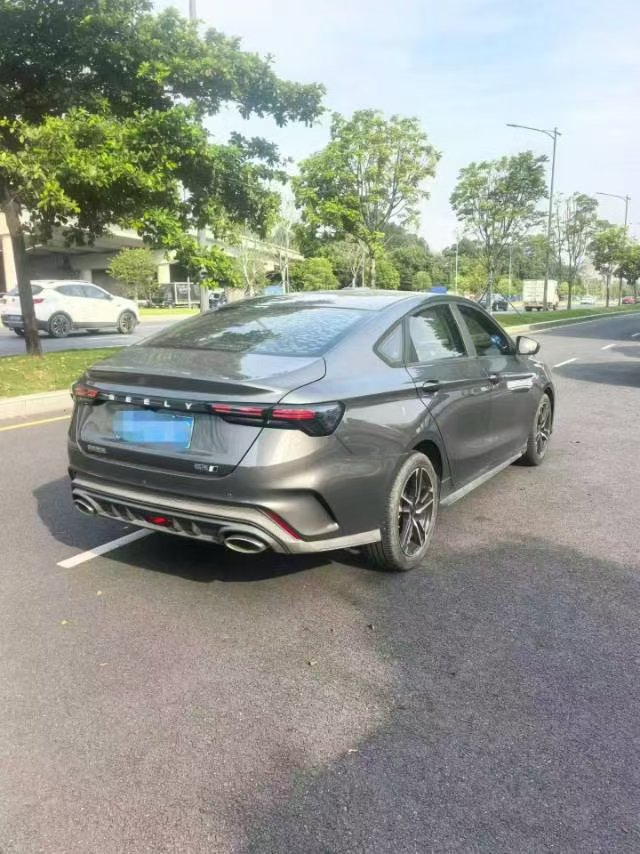
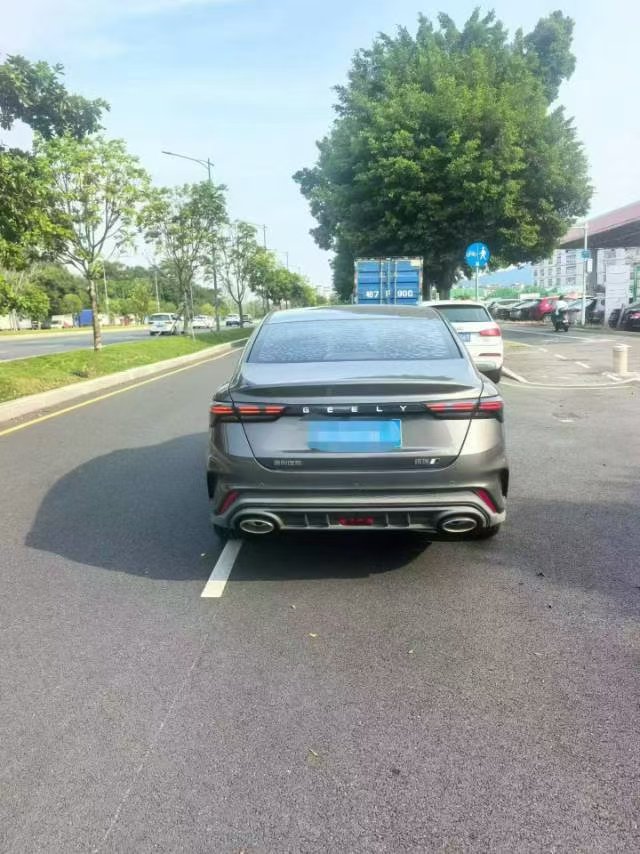
BrandGEELY
SeriesBinray
Year2023
First Registration2023/10
Mileage4,100km
Transfer Count0times
Fuel-
Transmission-
Engine-
ColorGrey
Seats-

Condition Description

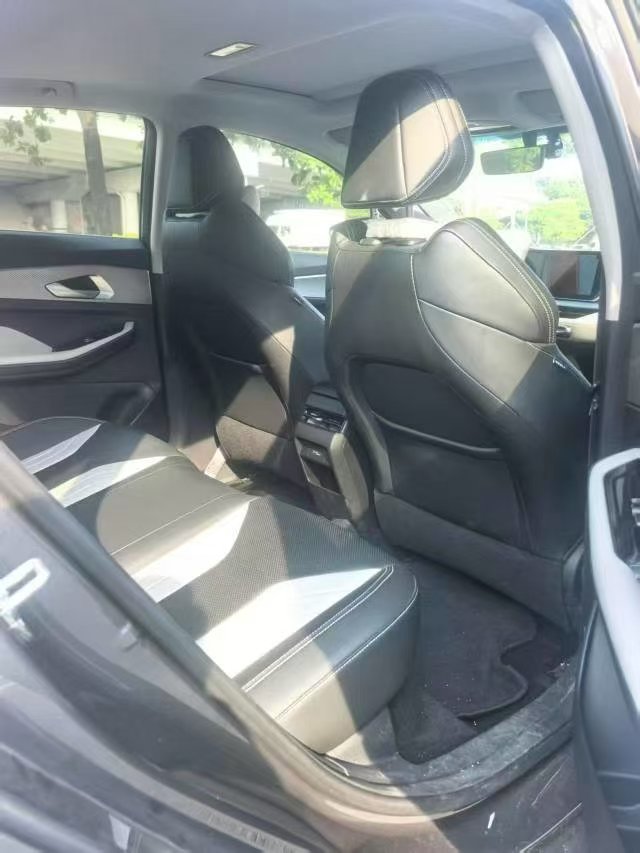
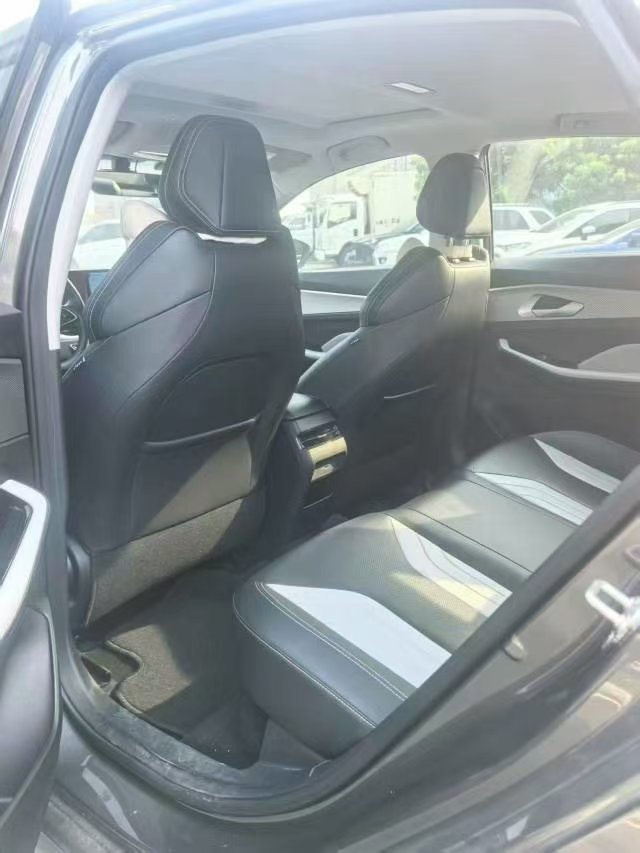
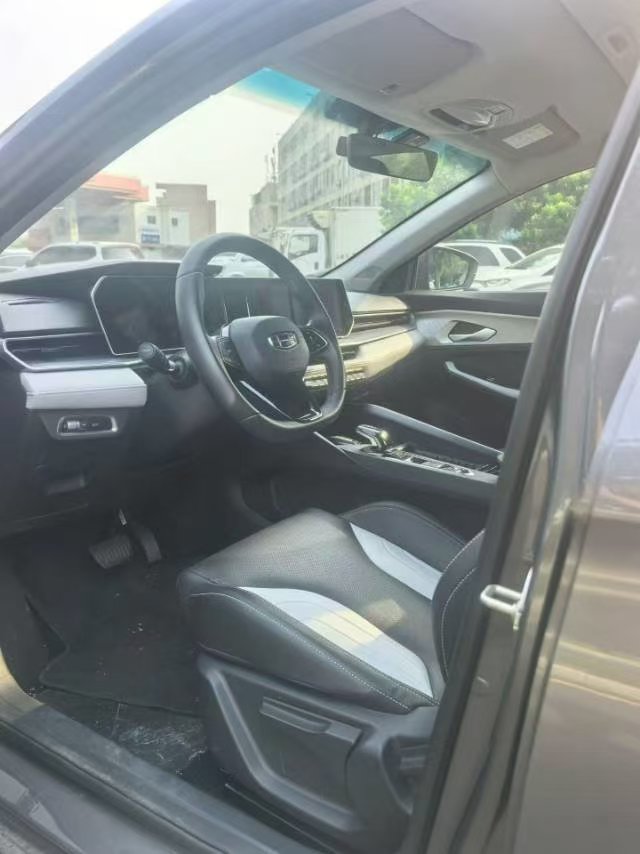
Original paint, manufacturing date 23.8

Q&A

More

How long does sea freight from China take to major destinations, and what shipping methods are available?

Two main shipping methods are used for used cars from China: 1) Container shipping: the car is loaded into a 20ft or 40ft container. Safer, protects from weather and damage, and allows personal items inside the car. Slightly more expensive. 2) RoRo (roll-on/roll-off): the car is driven onto the ship. Cheaper for single units, but no protection and no personal belongings allowed. Typical transit times from major Chinese ports (Shanghai, Guangzhou, Shenzhen, Qingdao): - Middle East: 12-20 days - Europe: 25-40 days - East/West Africa: 30-45 days - South America: 35-50 days - Southeast Asia: 5-12 days Add 5-10 days on each side for port handling, customs, and inland delivery. Peak season (before Chinese New Year and summer) can add delays, so book space 2-3 weeks ahead.


When calculating the total cost of a used car, what percentage of the car price do you recommend setting aside for "unforeseen local preparation costs"?

Based on practical risk assessment, we strongly recommend setting aside 3% to 5% of the car price as a buffer fund for even the highest-rated used cars, to cover oil changes, new tires, minor shipping scratches, and local inspection labor costs.

How do I evaluate interior wear on a used car from China to estimate real mileage and usage intensity?

Interior wear is harder to fake than an odometer and often reveals true usage better than any document. Focus on high-contact points the seller rarely restores. The driver's seat bolster shows creasing and cracking by 80,000-100,000 km even with covers. Steering wheel leather polishes smooth and darkens with hand oils; a shiny wheel with low claimed mileage is a red flag. Pedal rubbers wear through at similar rates — check accelerator, brake, and clutch depth. Second-row wear patterns tell you how the car was used: heavy child-seat indentations suggest family use (usually gentler), while uniform rear wear with clean front suggests commercial or ride-hailing duty. Check seat rails for rust (indicates water ingress) and look under floor mats for moisture staining or musty smell — flood cars often hide it there. Also examine the infotainment and instrument cluster: Chinese EVs log usage data internally, and a dealer diagnostic readout can cross-check driving hours against mileage. Request close-up, well-lit photos of these specific points during your live video inspection rather than relying on the seller's gallery.