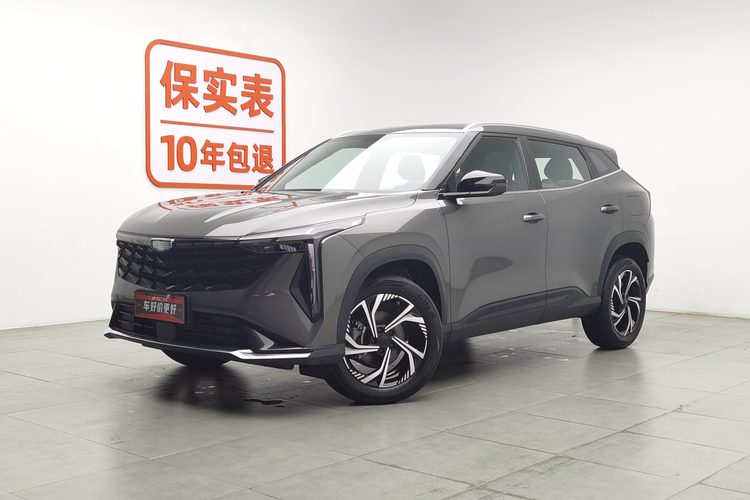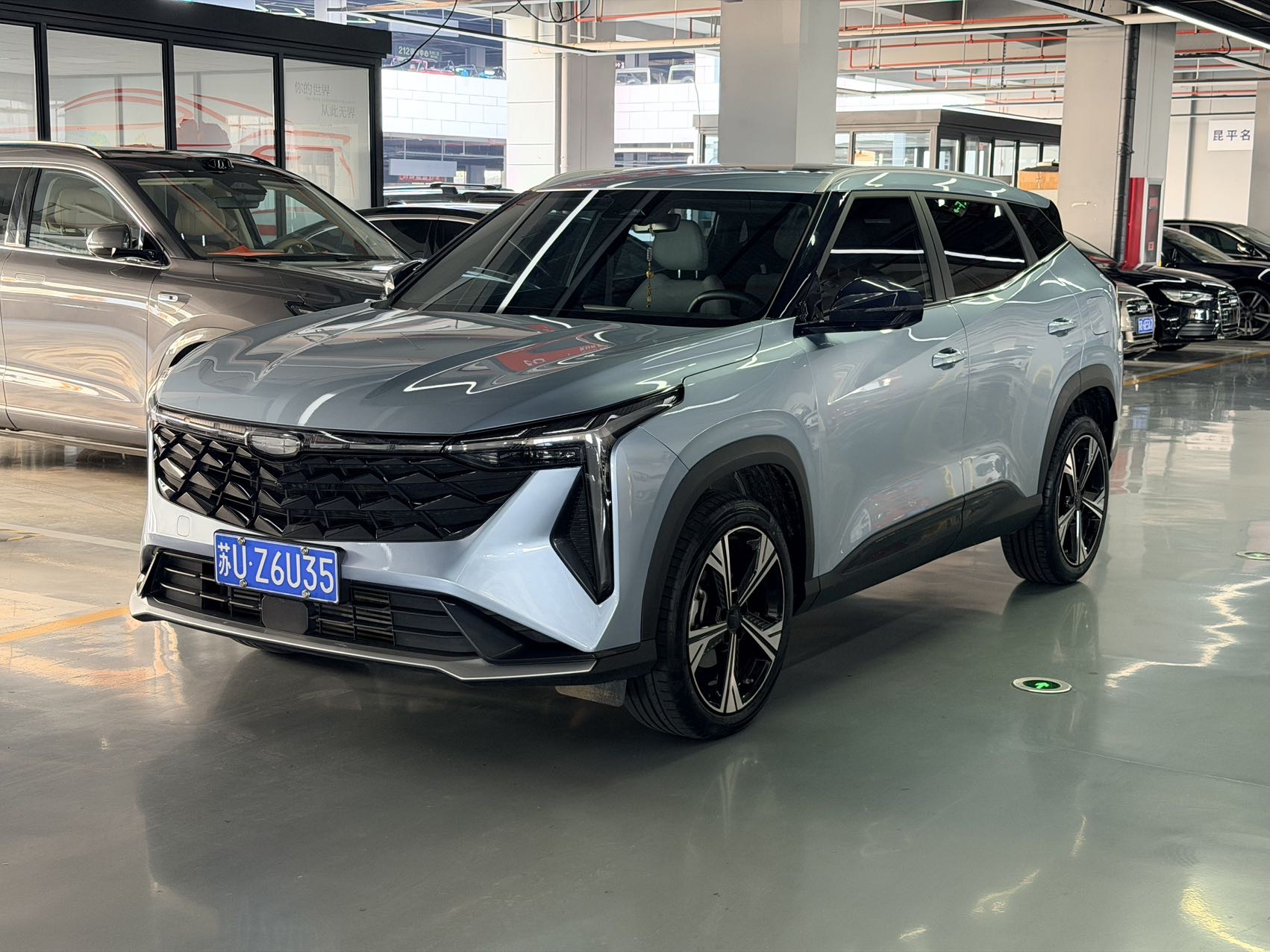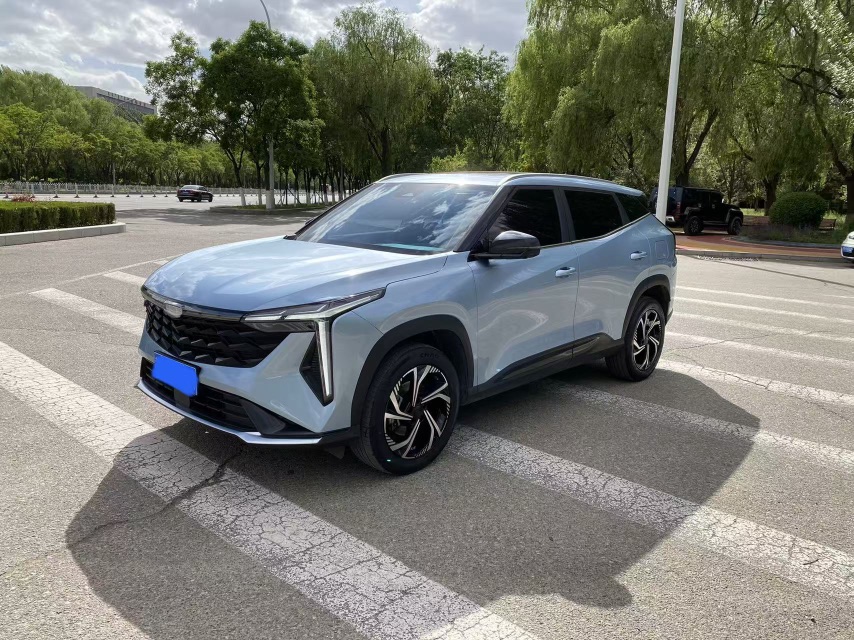

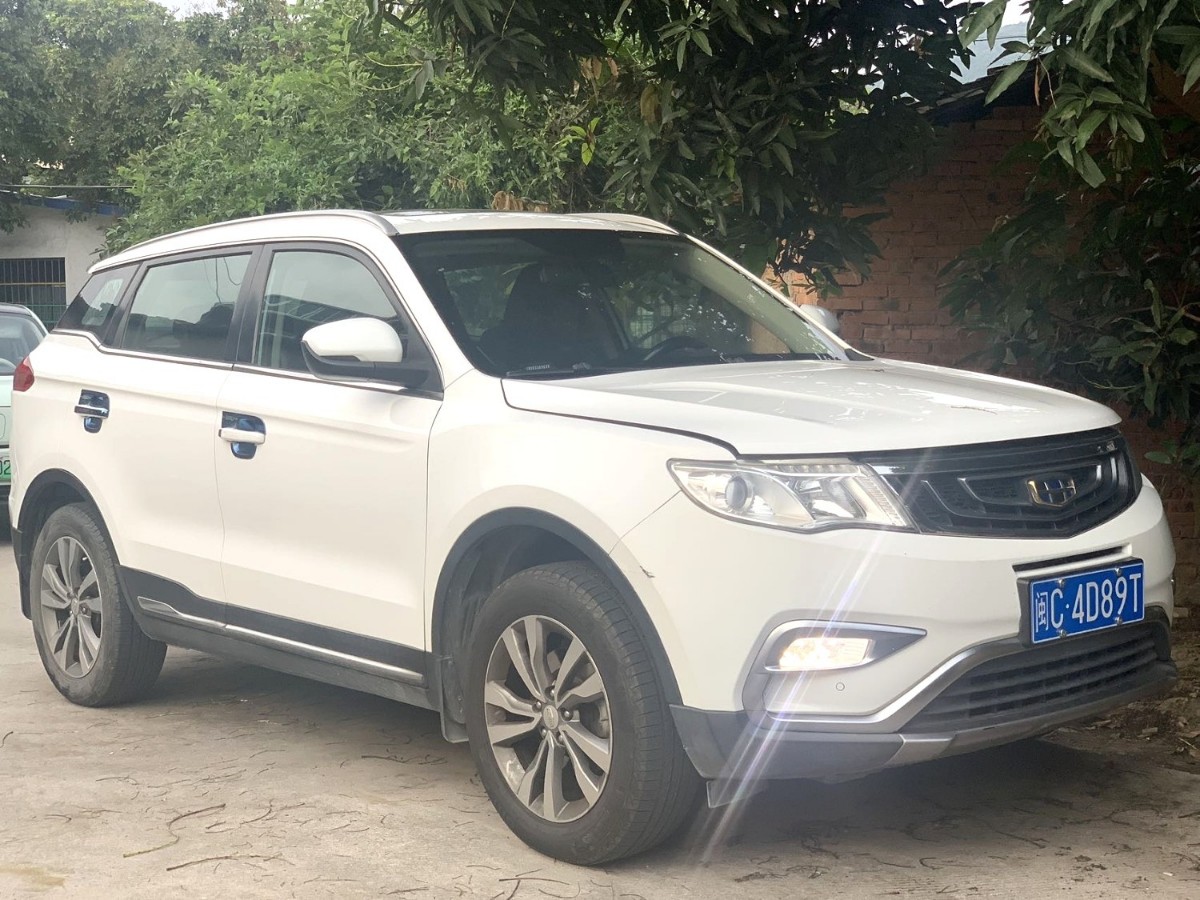
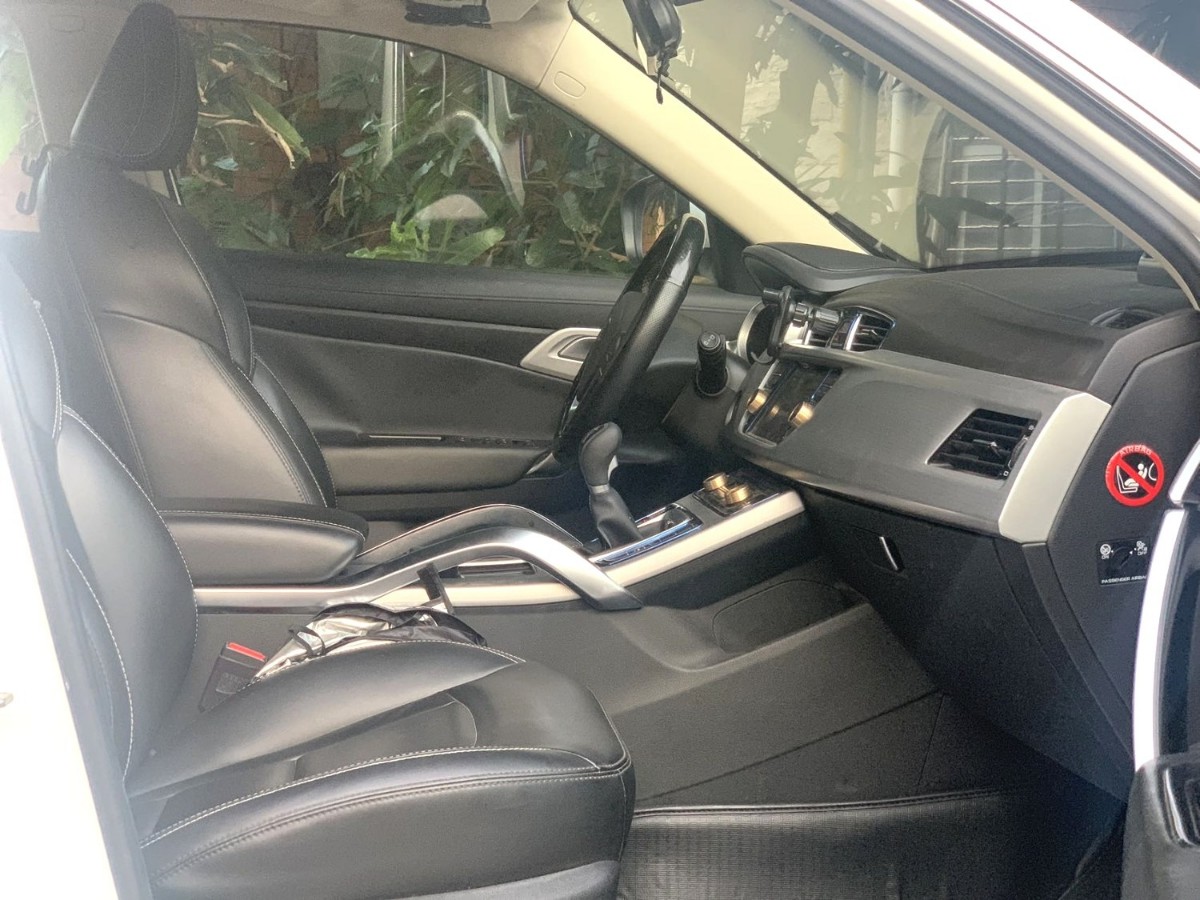
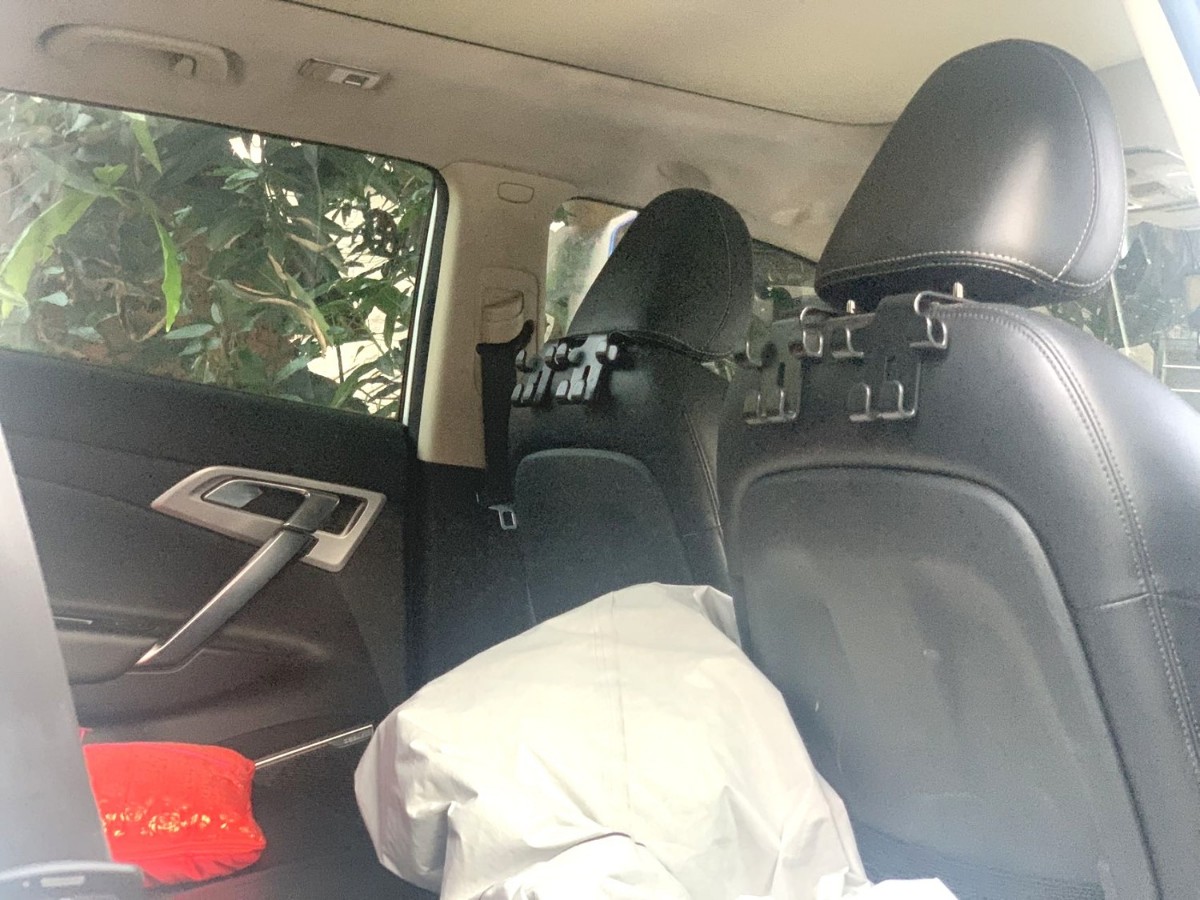
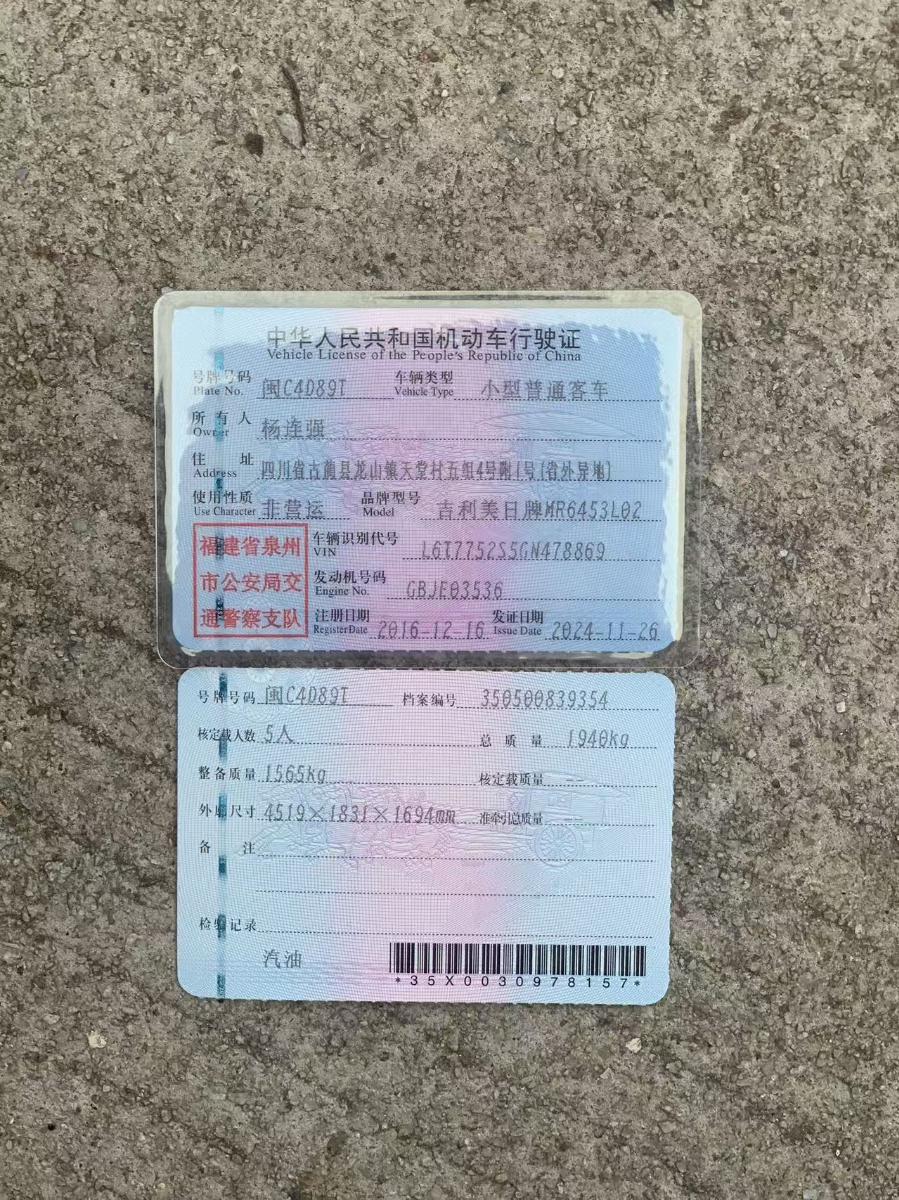



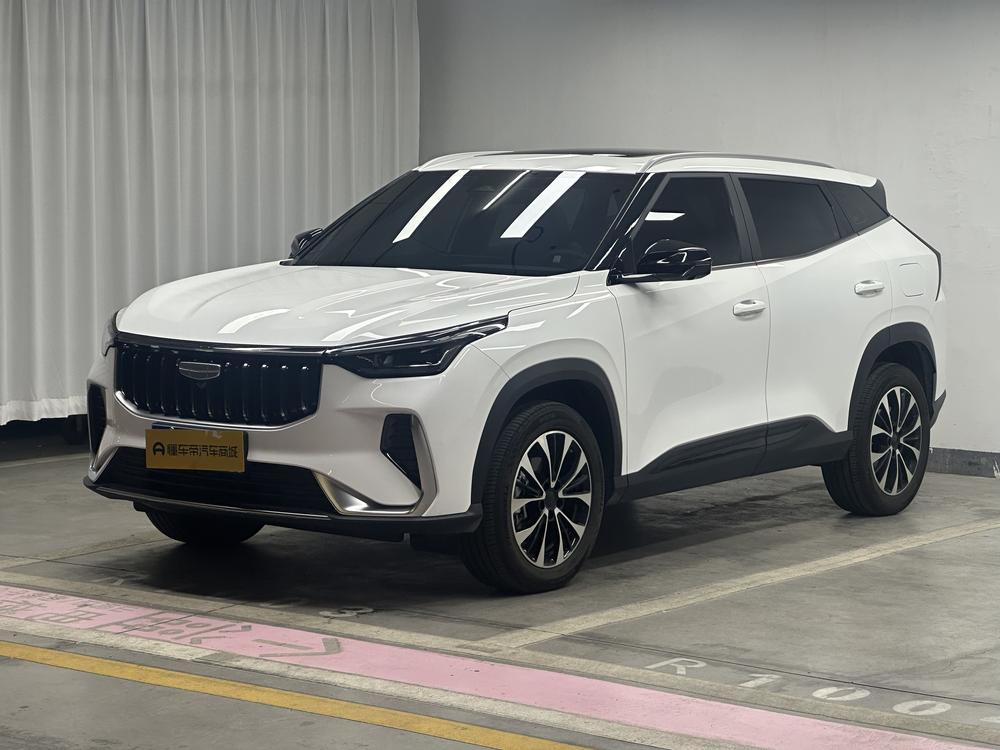
Basic Information

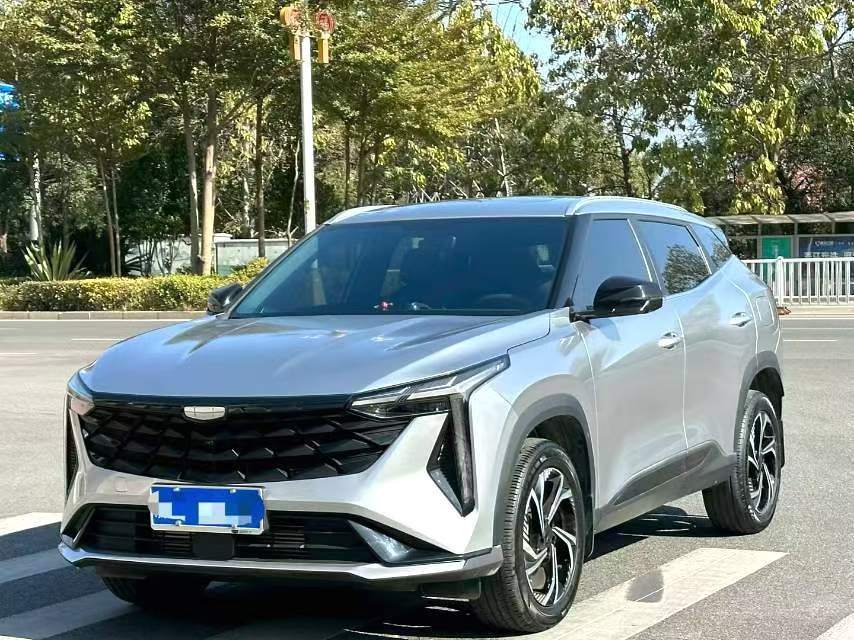
BrandGEELY
SeriesBoyue
Year2016
First Registration2016/12
Mileage140,000km
Transfer Count1times
FuelGasoline
TransmissionManual
Engine2.0L 141 L4
ColorWhite
Seats-

Condition Description

燃油车
SUV
手动
维保开放
事故开放
查验开放

Configuration Highlights

✓品牌: 吉利汽车
✓车系: 博越
✓车型: 2016款 2.0L 手动智尚型
✓车身类型: SUV
✓座位数: 5
✓排量: 2.0L
✓变速箱: 手动
✓能源类型: 燃油车
✓VIN: L6T7752S5GN478869
✓搜索关键词: 吉利汽车博越 2016款博越2.0L手动智尚型

Document Information

Inspection Expiry Date2026/12
Warranty Expiry Date-
Insurance Expiry Date2026/12

Q&A

More

Beyond the car price, what costs should I budget when importing a used car from China?

A realistic budget has several layers beyond the vehicle price. First, inland logistics in China: moving the car to the export port typically costs $300-$800. Second, export handling: inspection, customs declaration and paperwork usually add $500-$1,000. Third, ocean freight. A 20ft container to most destinations runs $1,200-$3,000 depending on route; RoRo shipping can be cheaper for driveable cars. Add marine insurance, usually 0.3%-0.5% of the car value. Fourth, destination charges: port handling, customs duties, VAT/GST and local registration fees. These vary widely; some countries charge duties of 20%-80% of the vehicle value plus an excise based on engine capacity. Finally, any compliance work: inspection certificates, modifications to meet local standards, or homologation. Ask your exporter for a full CIF quote and have a local customs broker confirm destination taxes before you commit.
Is the freight from port to port calculated per vehicle or by volume (CBM)?

RoRo ships usually charge based on the vehicle's volume (length x width x height, calculated in CBM) in tiers; container shipping has a fixed compartment price. We will calculate which method is the most economical for the current sailing.

Who is responsible for damages to the vehicle during maritime transport?

Be sure to purchase cargo insurance (all-risk or water damage insurance). In case of damage, claim with the bill of lading, insurance policy, and proof of damage at the destination port.