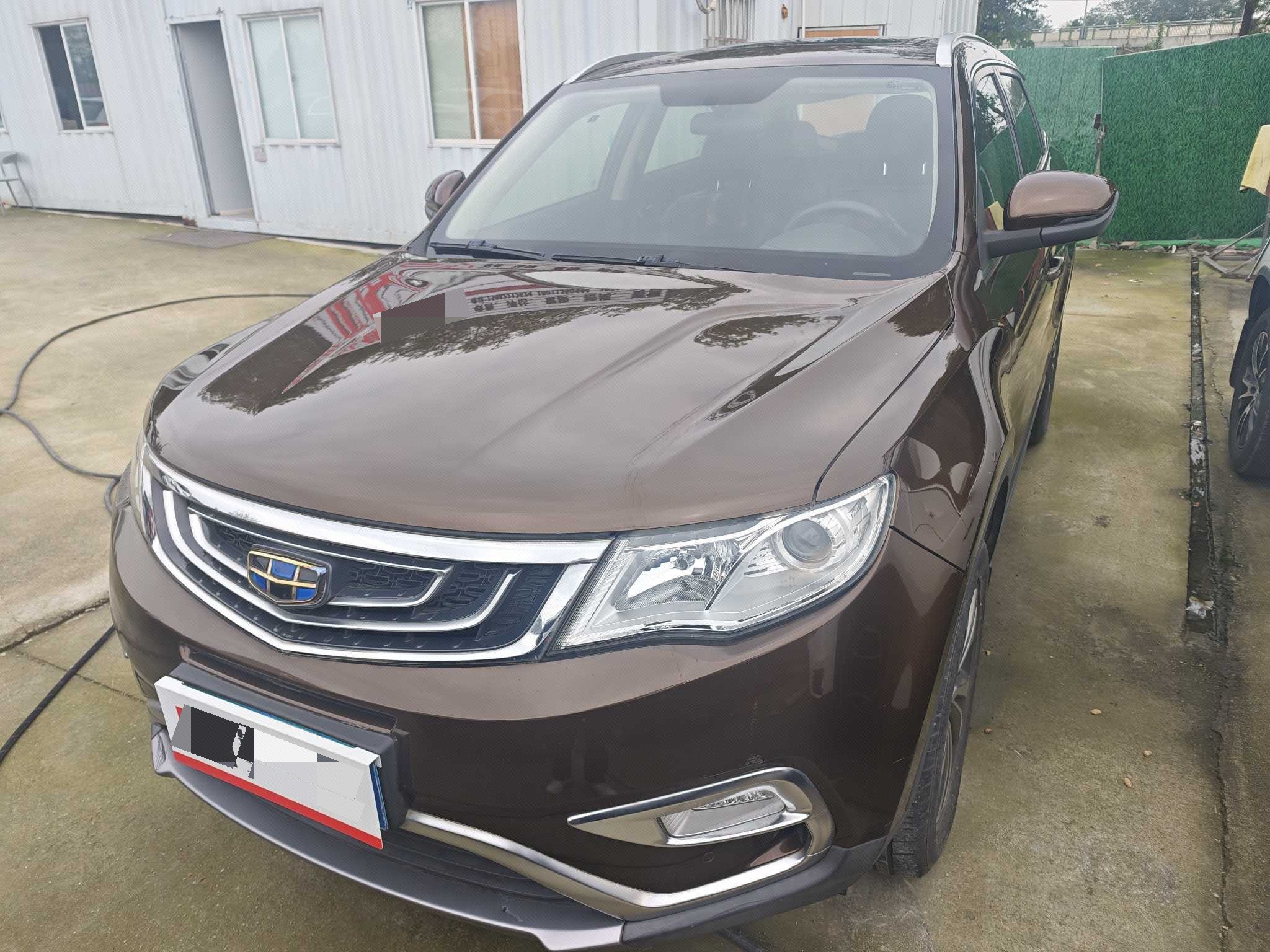
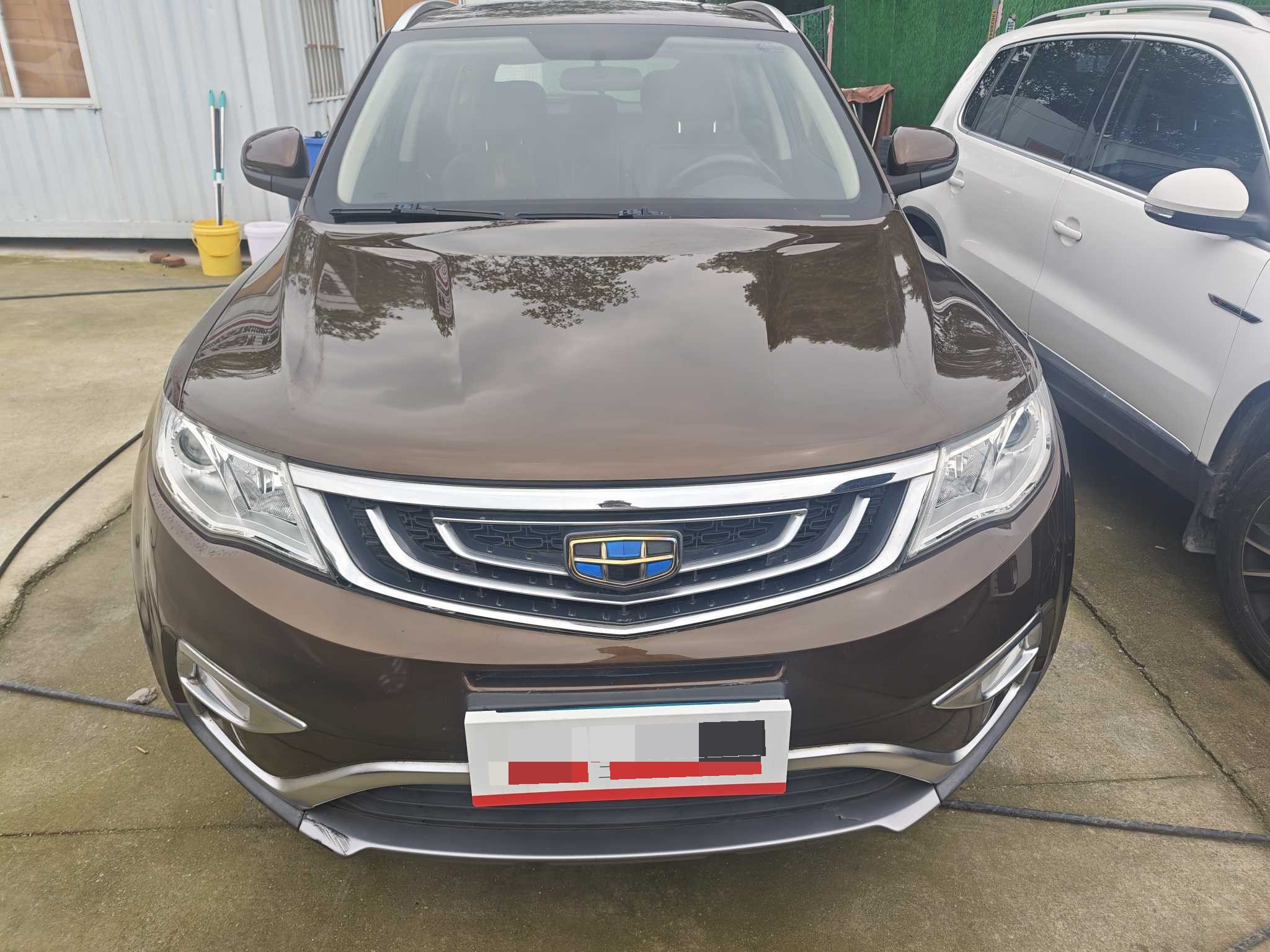
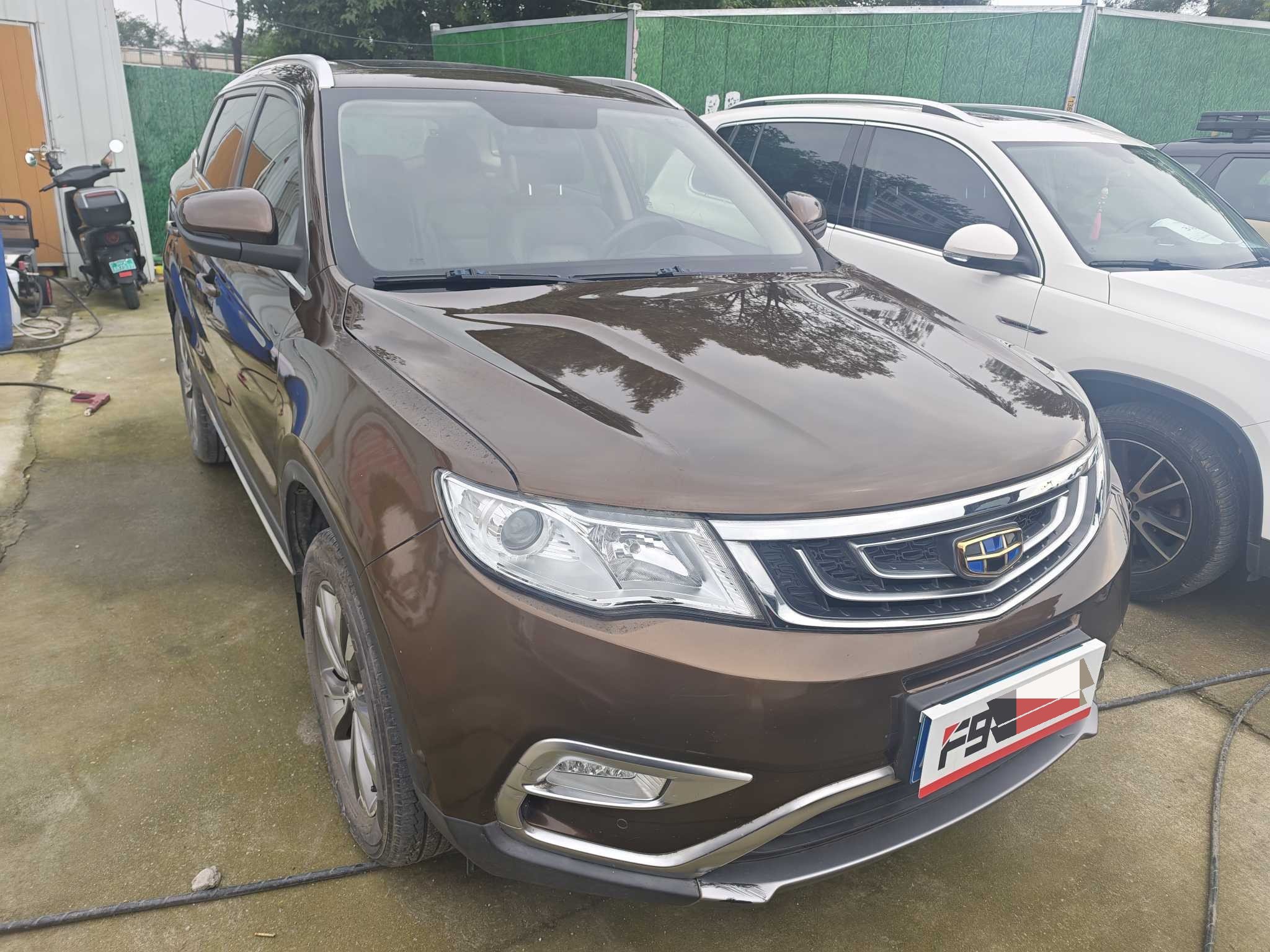
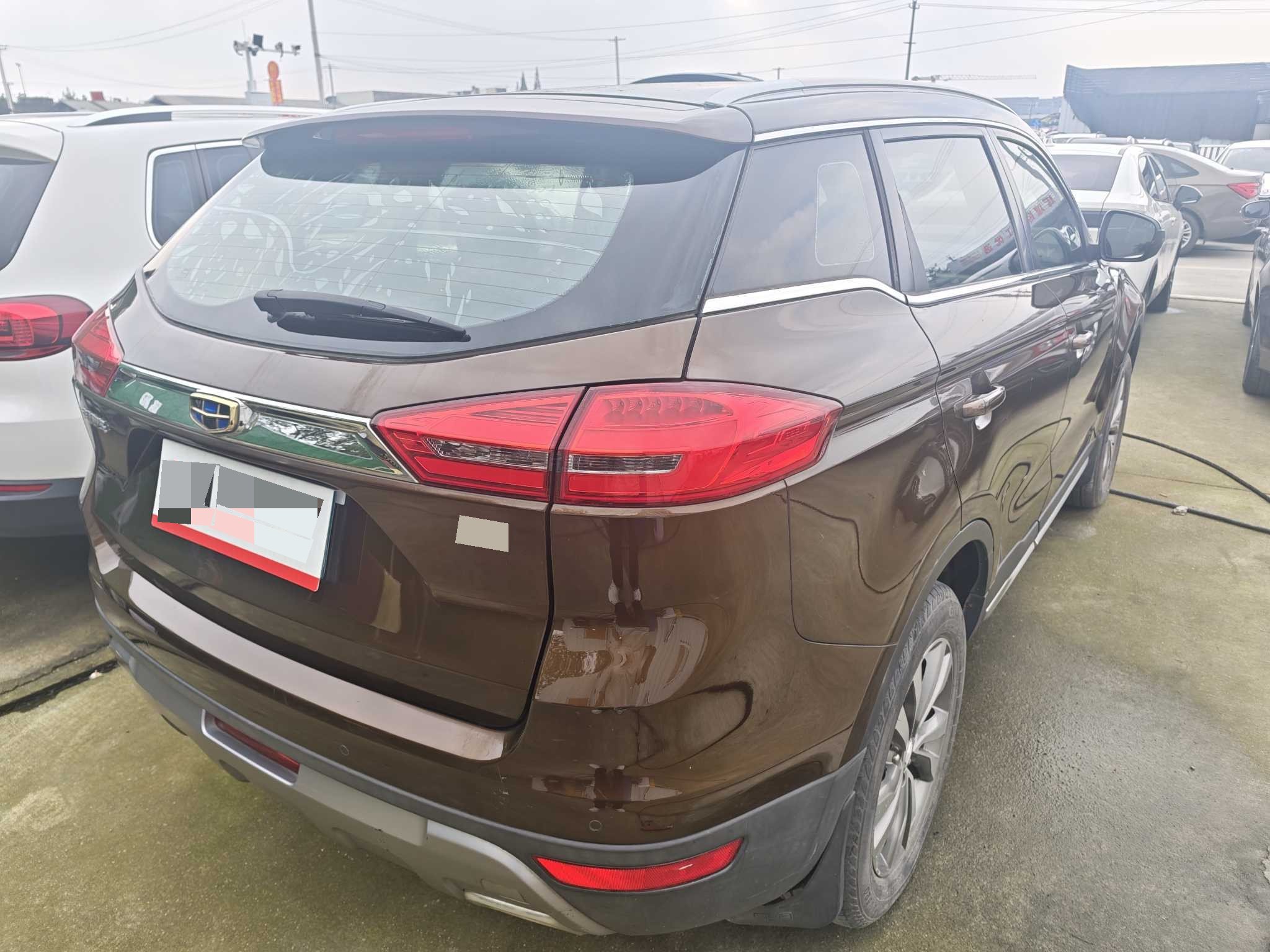
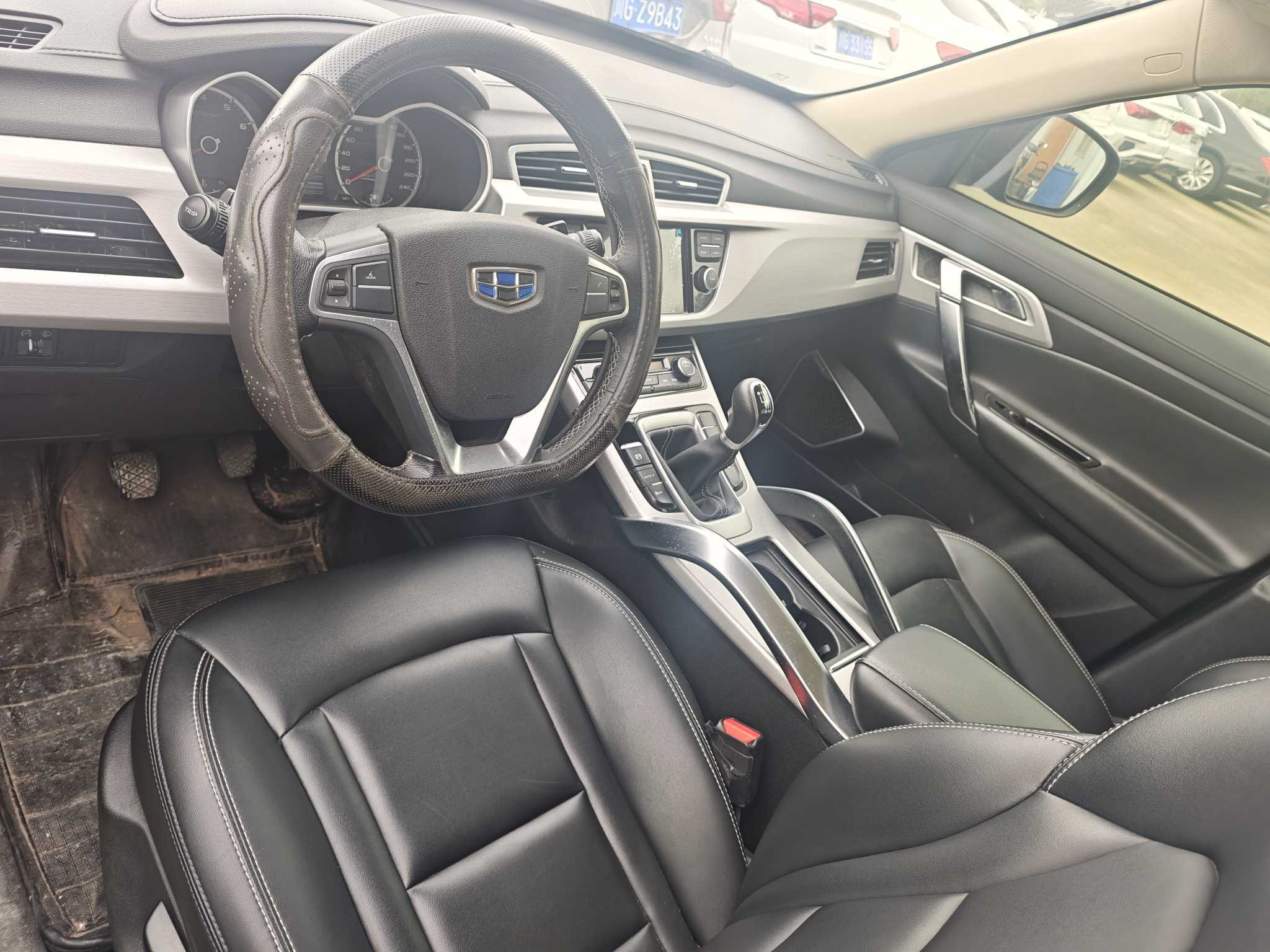
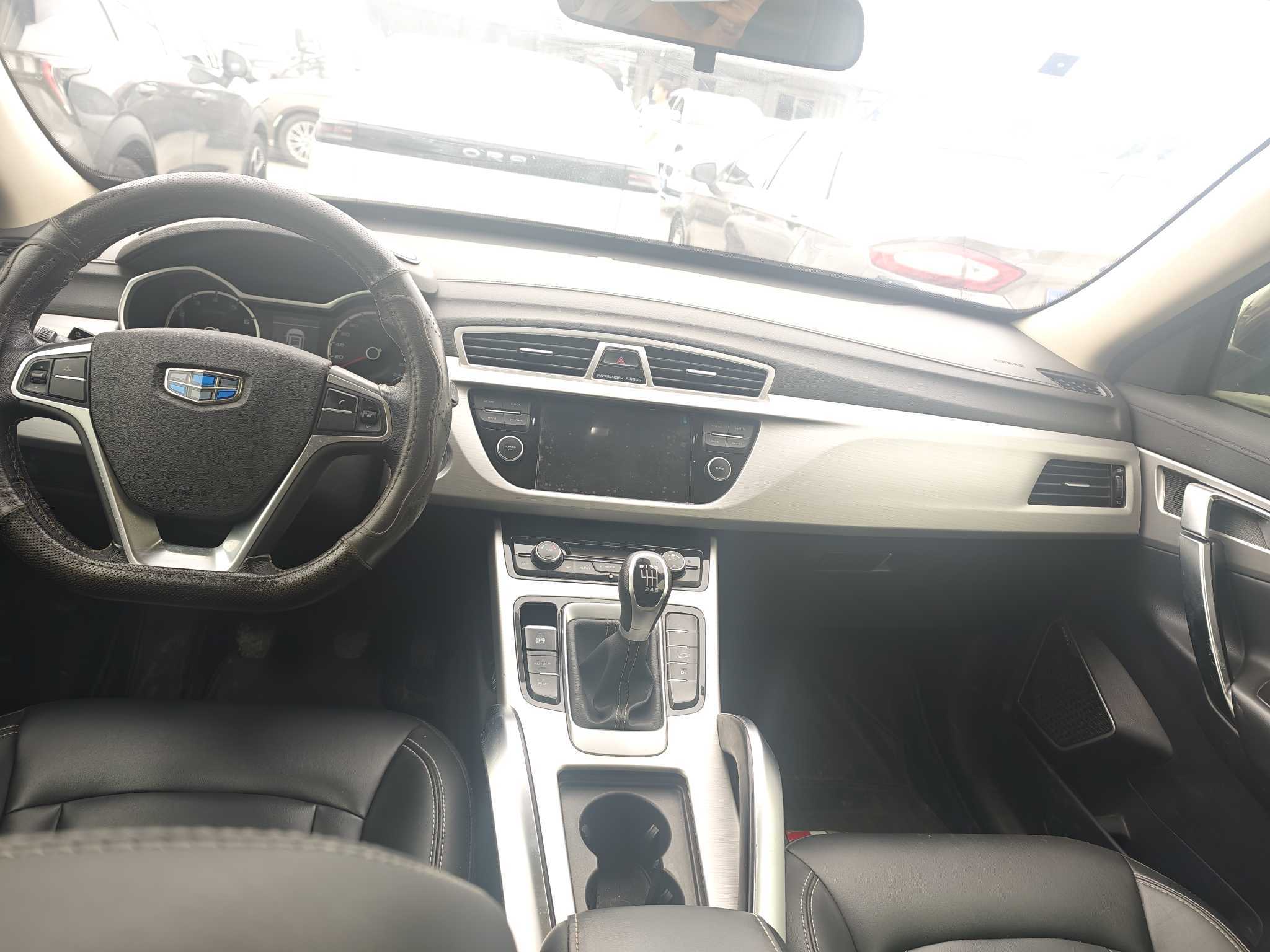
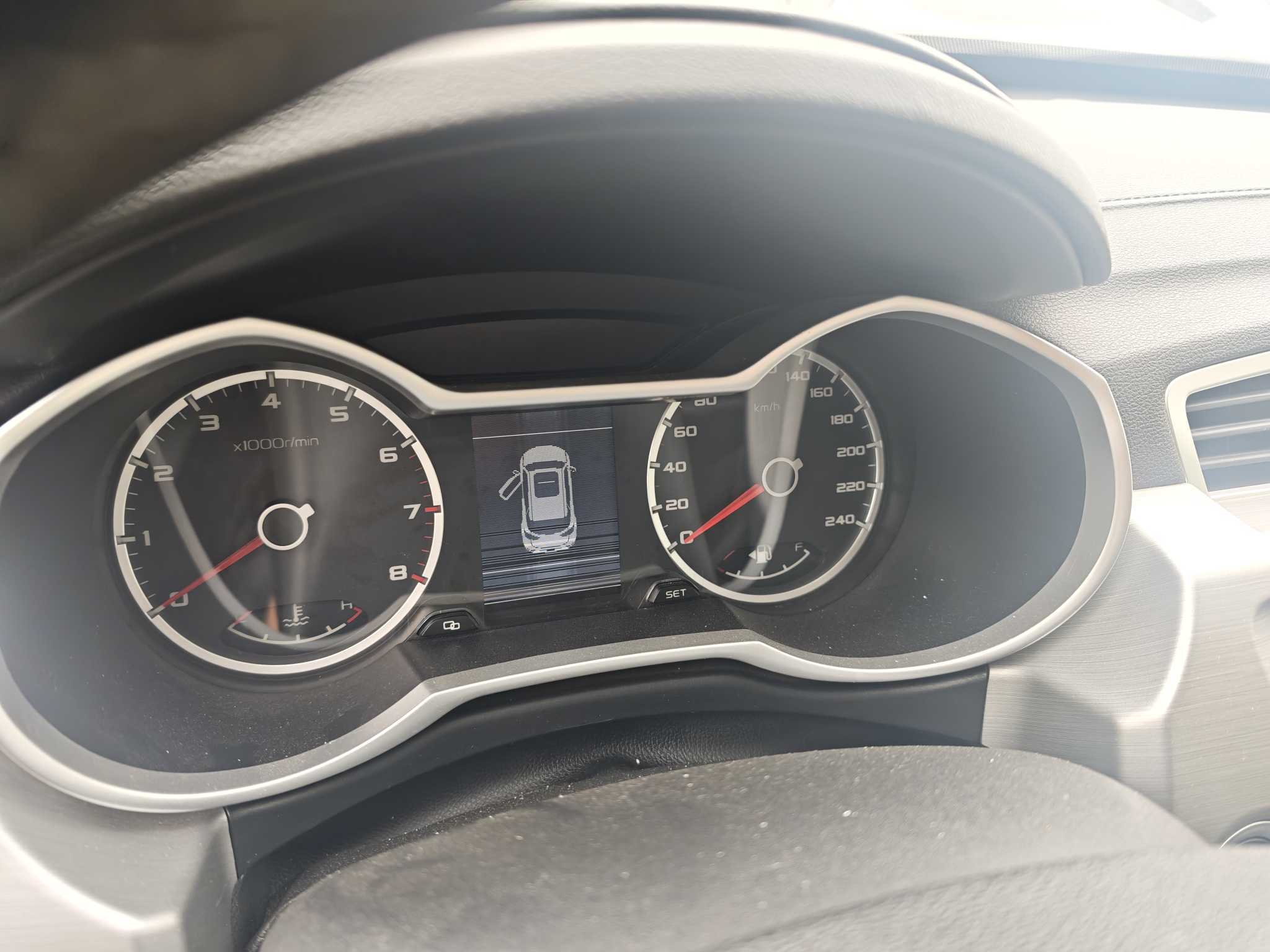



Basic Information

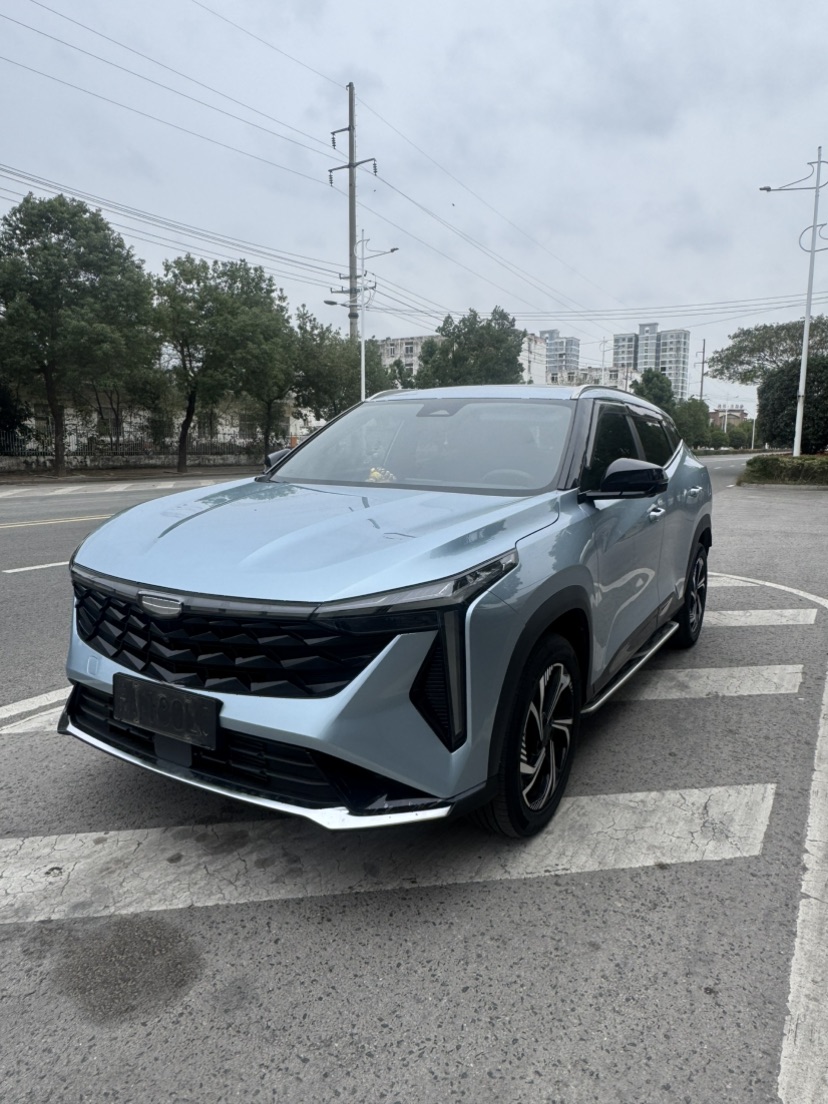
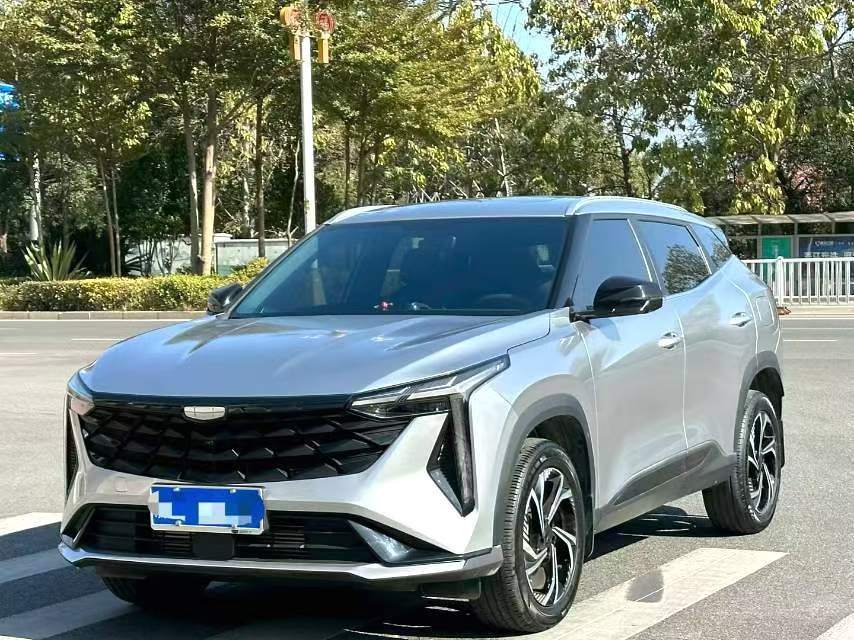
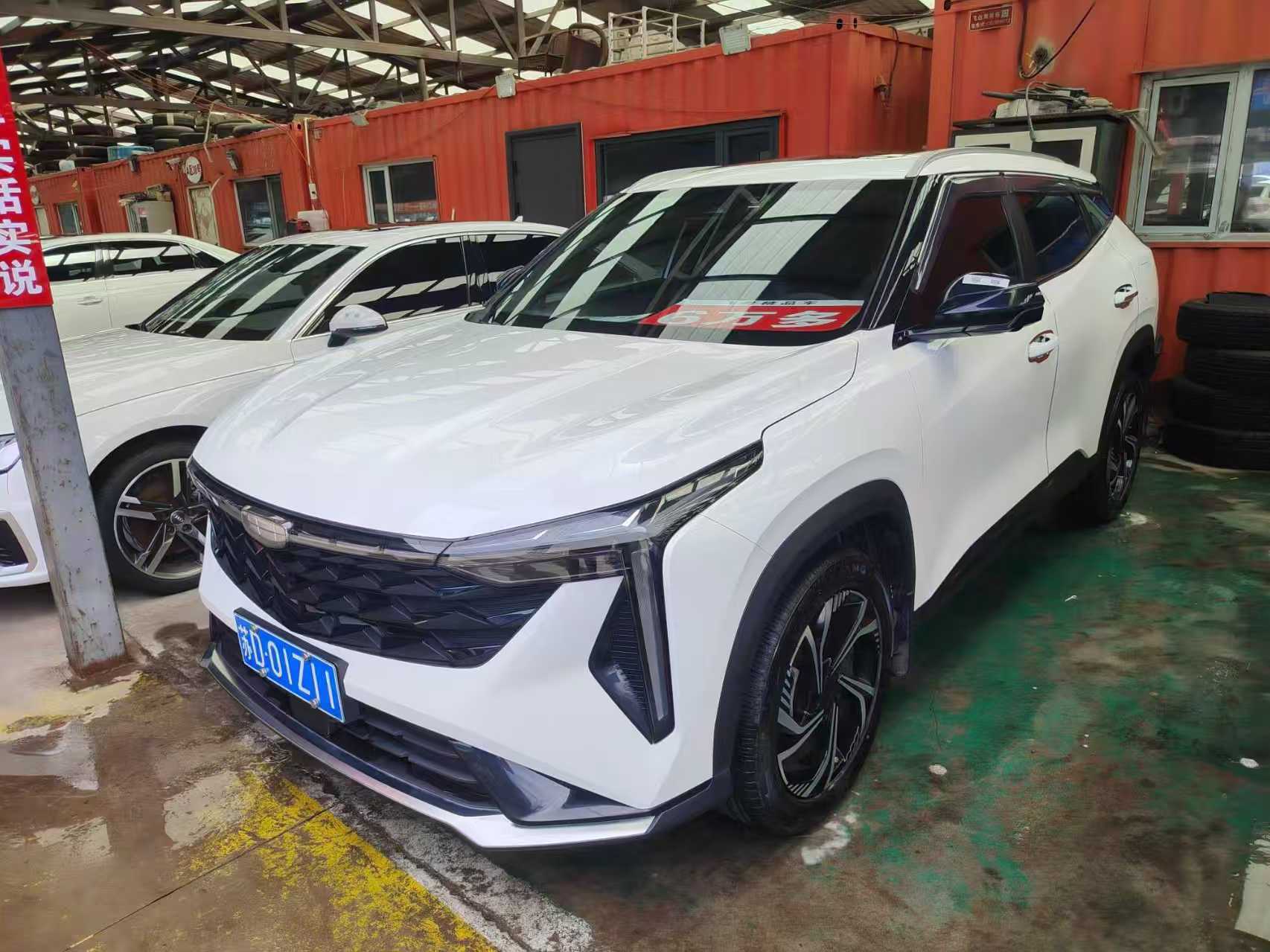
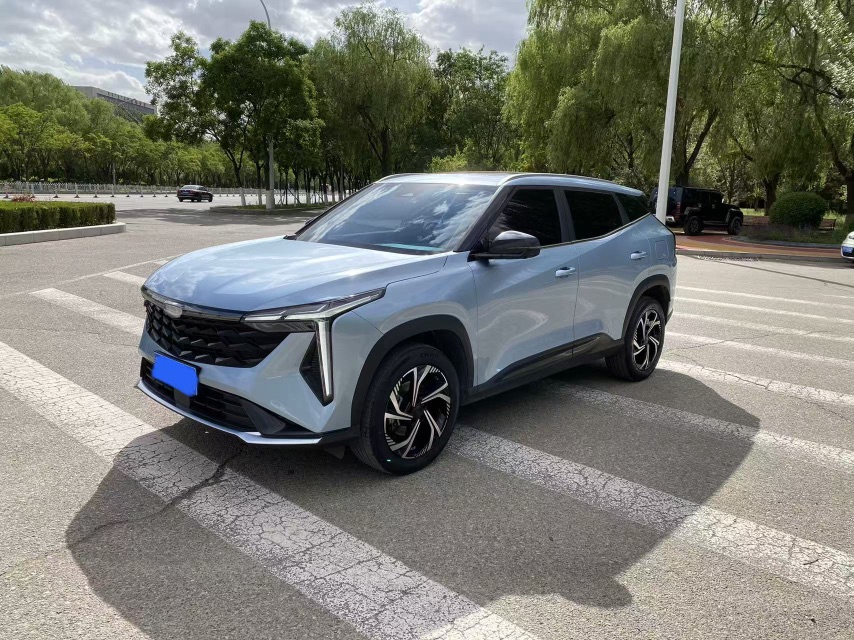
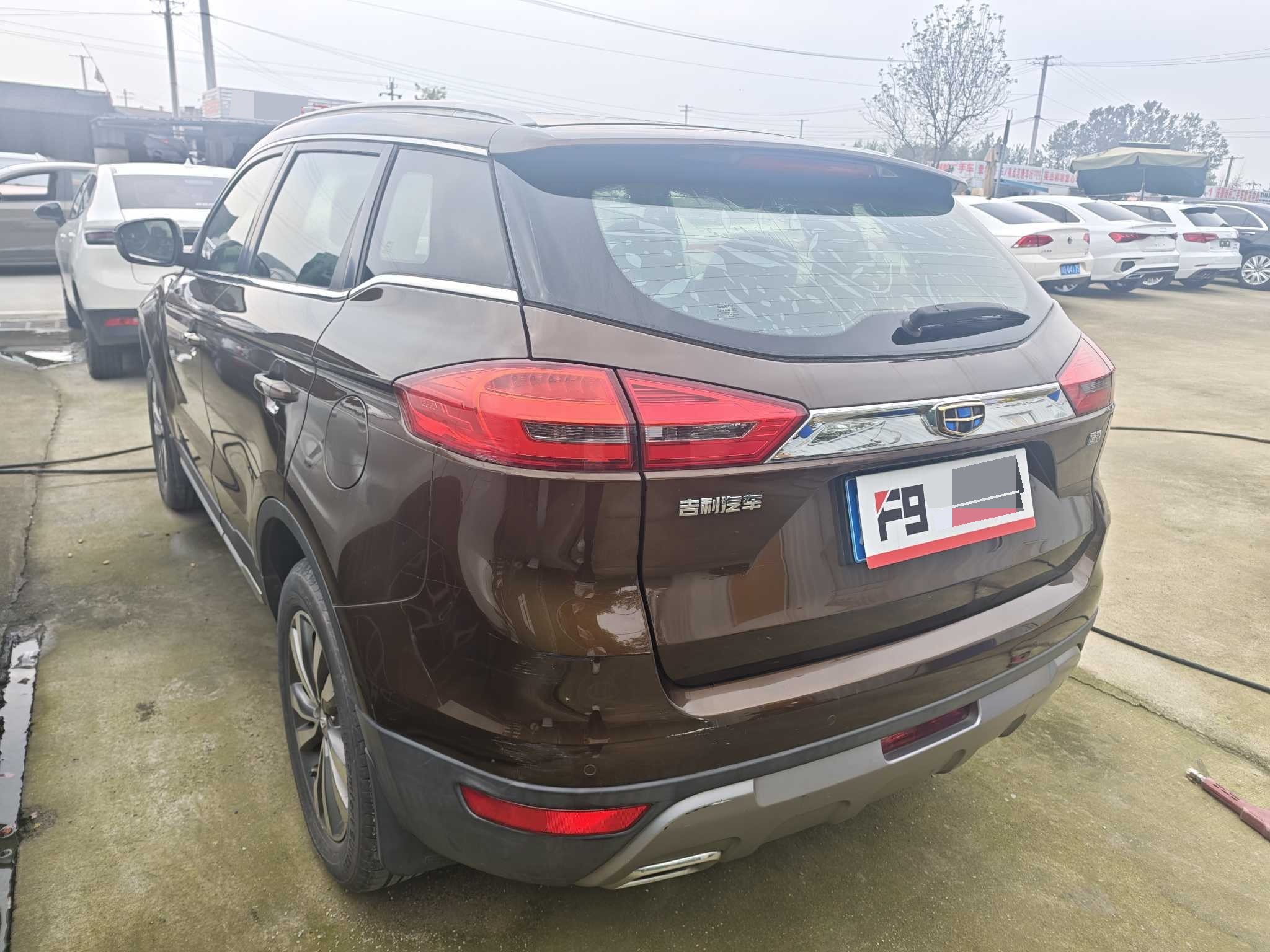
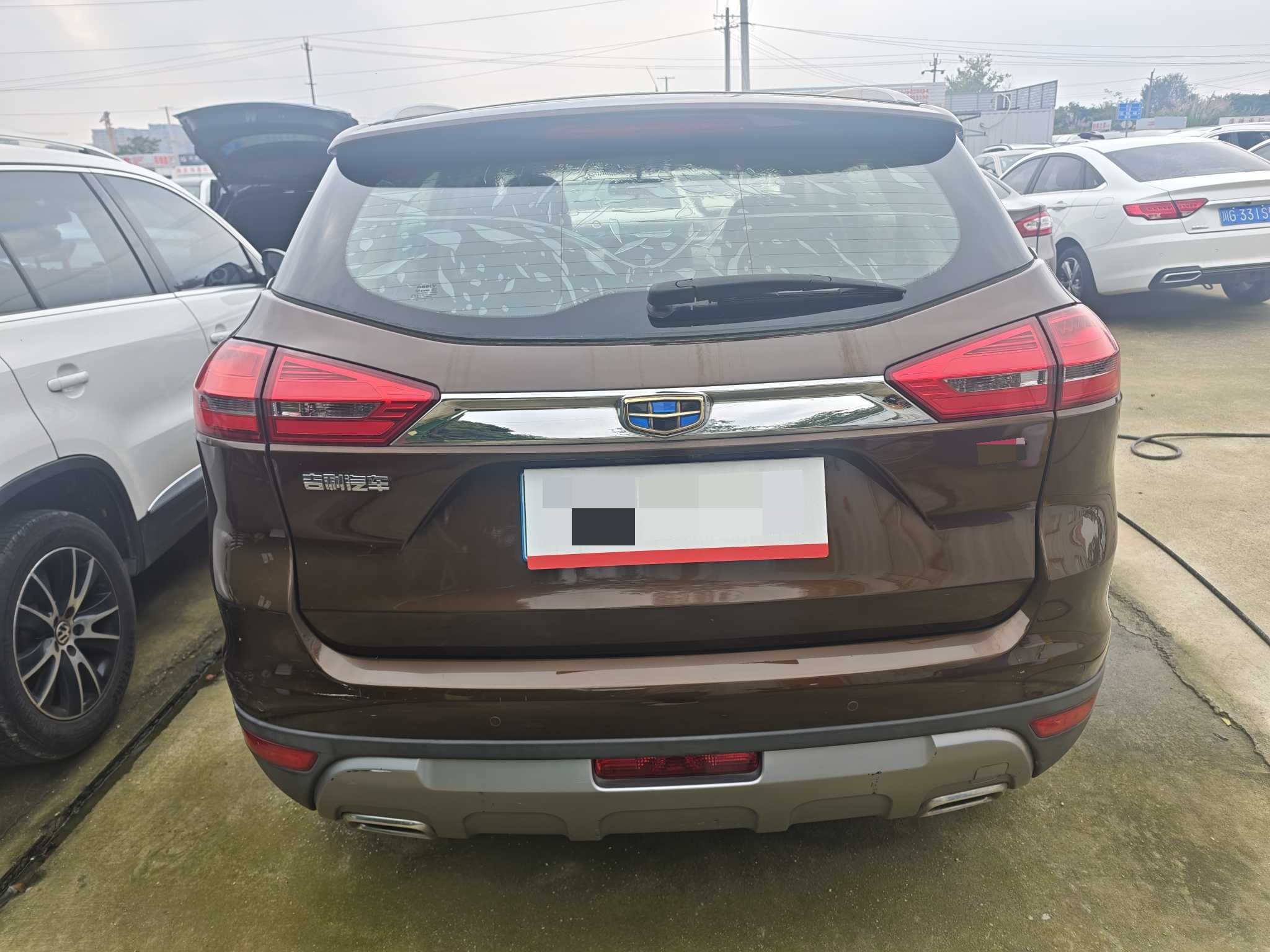
BrandGEELY
SeriesBoyue
Year2017
First Registration2017/03
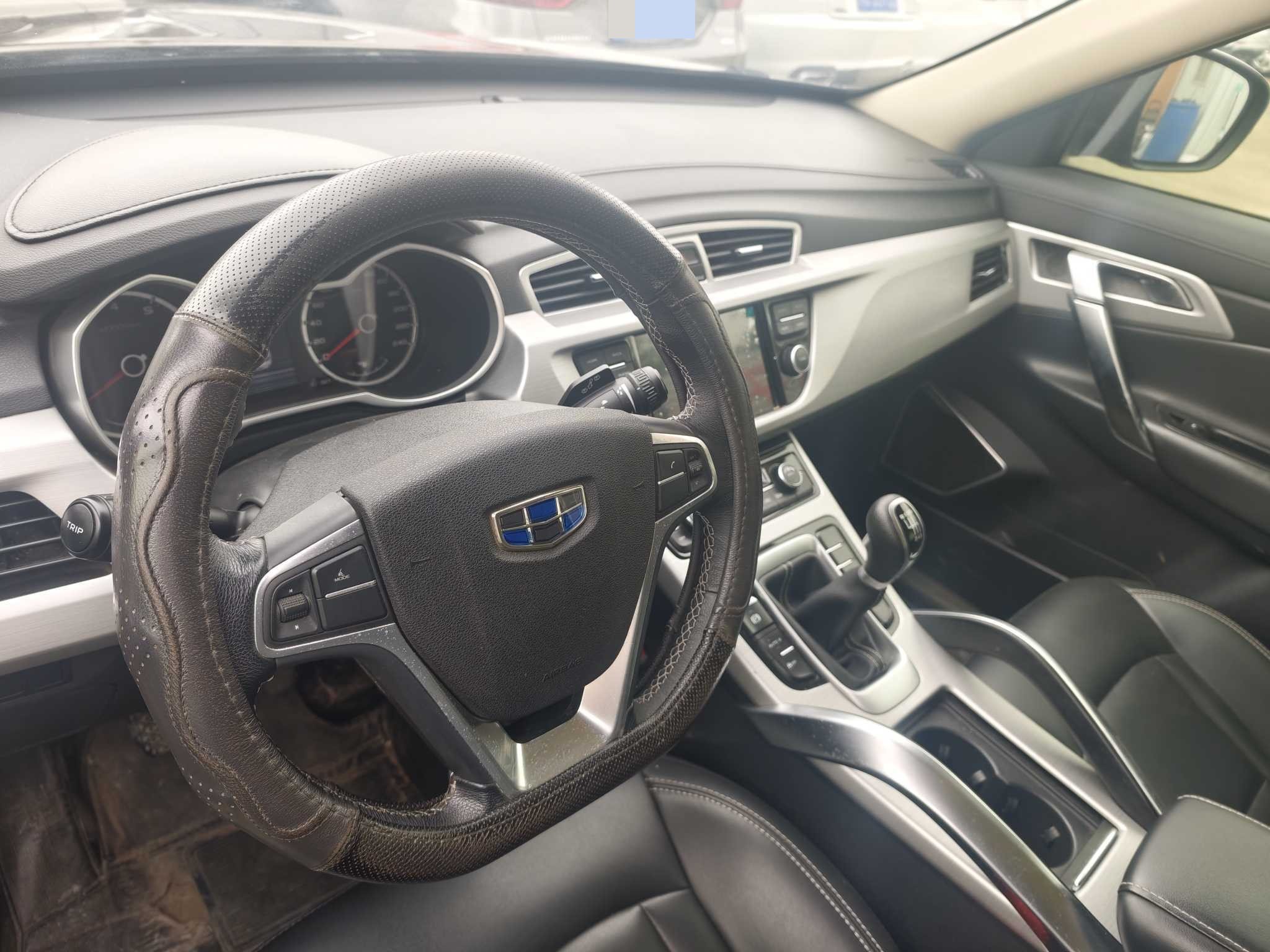
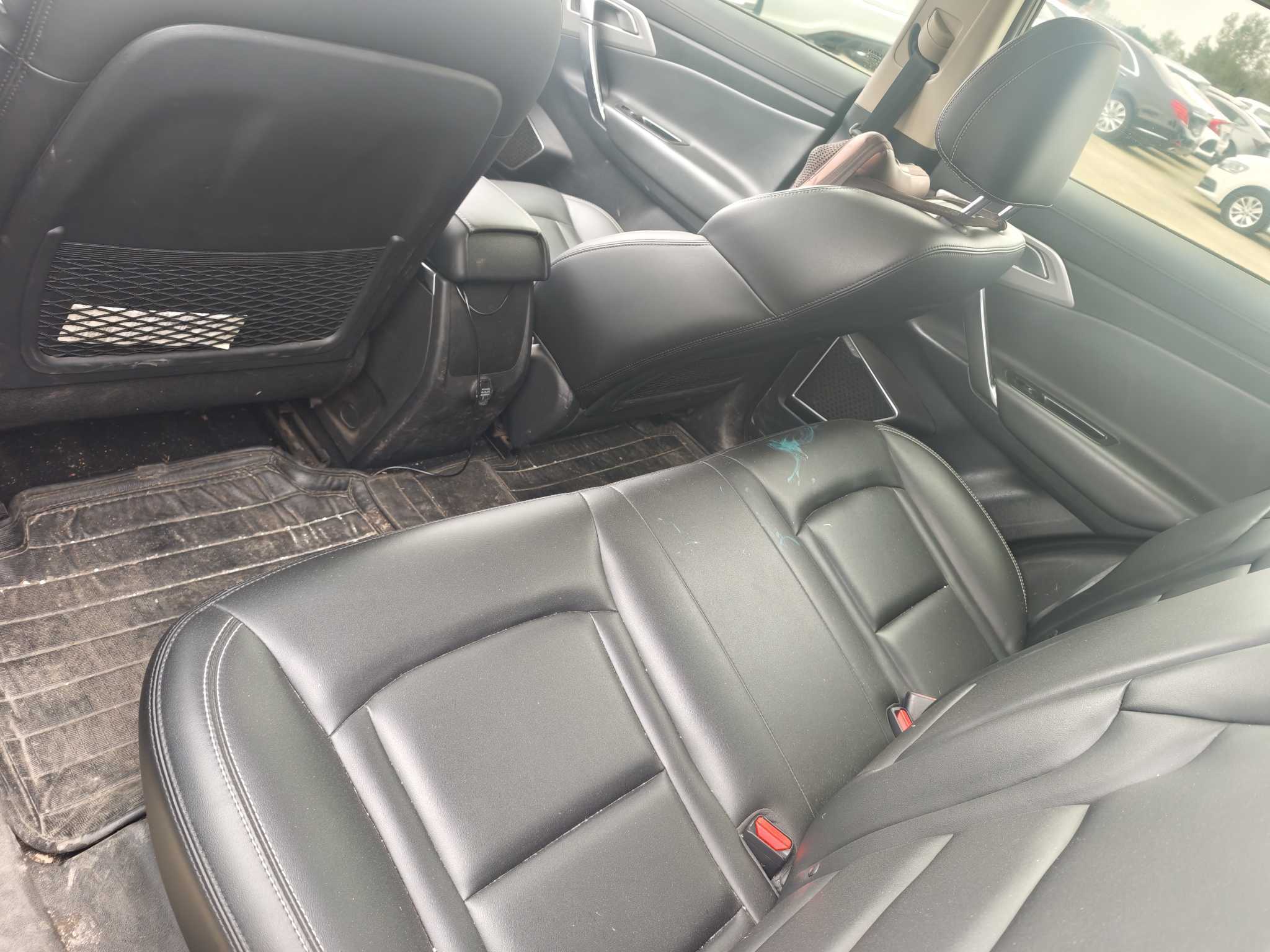
Mileage140,000km
Transfer Count0times
FuelGasoline
TransmissionManual
Engine2.0L 141 L4
ColorBrown
Seats-

Condition Description

Full body repaint.

Document Information

Inspection Expiry Date-
Warranty Expiry Date-
Insurance Expiry Date2027/03

Q&A

More

What documents should I prepare to import a used car from China?

Typically you will need: 1. The commercial invoice and packing list from the seller; 2. The bill of lading issued by the shipping line; 3. The vehicle's export customs declaration; 4. The original registration certificate and a deregistration or transfer proof from China; 5. A certificate of origin if your country requires it; 6. Destination-specific documents, such as a pre-shipment inspection certificate (for example ECTN for West African ports). Requirements vary by country, so confirm the full list with your customs broker before shipment.


Can you export newer Chinese cars to the U.S. market (which requires vehicles to be at least 25 years old to be exempt from FMVSS)?

Absolutely not. The U.S. DOT and EPA have strict import restrictions on non-compliant vehicles. Any Chinese used car that is not 25 years old and not produced to U.S. standards will face mandatory crushing and destruction upon arrival at U.S. ports. We directly reject such non-compliant orders.

How can I check the body and paint quality of a used car from China to spot hidden accident repairs?

Ask the exporter for a paint thickness gauge report, or request a live video where they measure the car in front of you. What to look for: · Factory paint on most Chinese cars measures 80–120 microns. Readings above 150–200 microns on a panel usually mean repainting; above 300 microns often means body filler (putty) underneath. · Inconsistent readings between panels (e.g., left door 95µm, right door 180µm) suggest the right side was repaired. · Check gaps between panels (doors, hood, trunk). Uneven gaps or misaligned headlights/bumper clips point to past collision repairs. · Look for overspray on rubber seals, plastic trim, or inside door jambs — a clear sign of repainting. · Check bolt heads on fenders, doors, and hood. Wrench marks or fresh paint over bolts mean the panel was removed. Combine these checks with an OBD scan for airbag or crash-related fault codes. Any repainting should be declared by the seller; if discovered undeclared, you have grounds to renegotiate or reject the car.