


48H

Basic Information

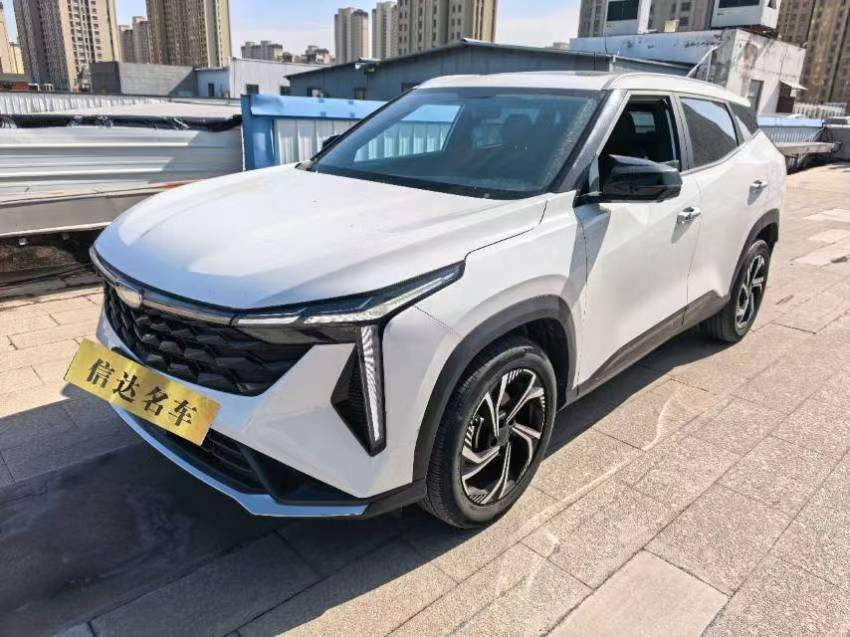
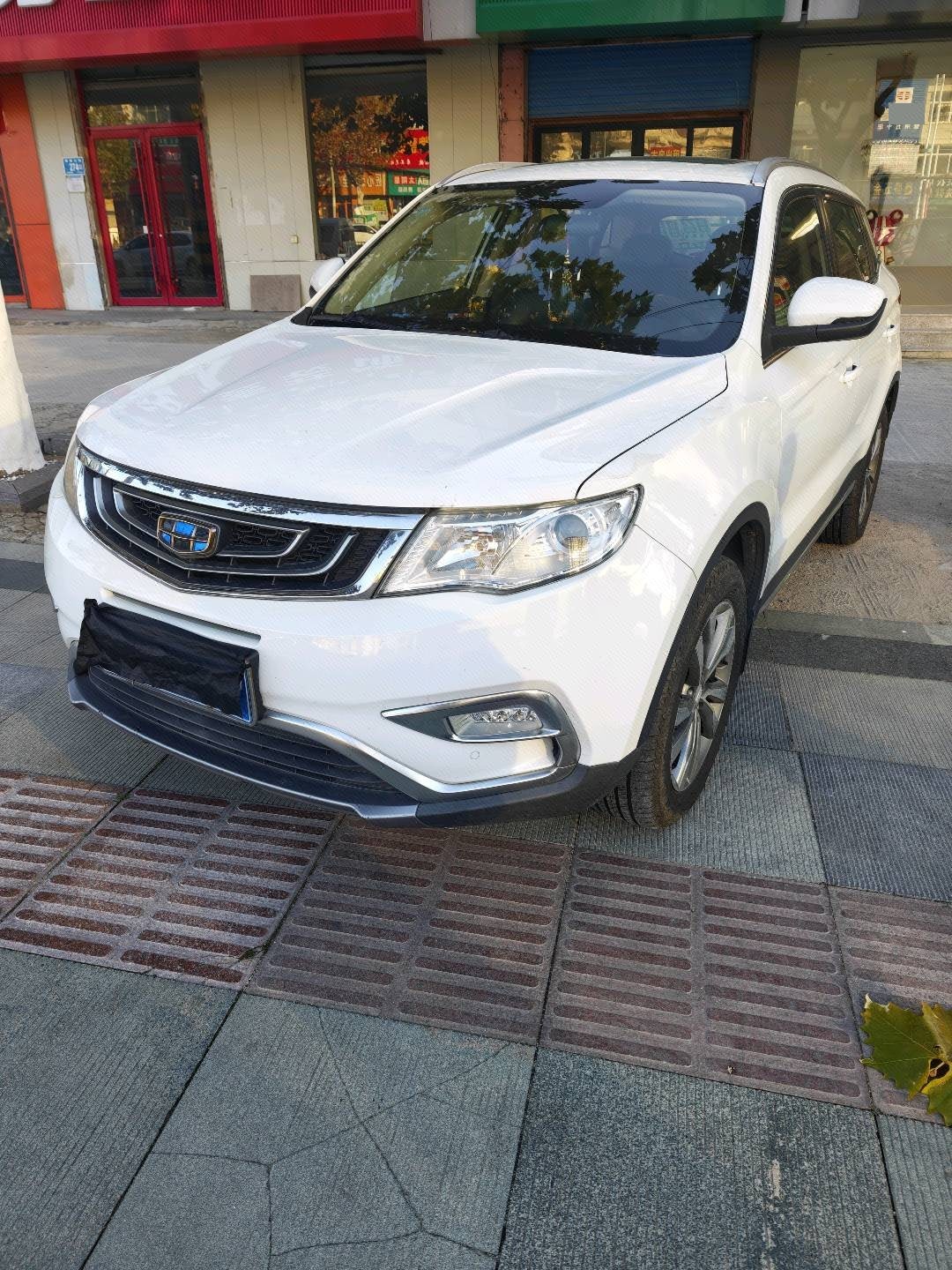
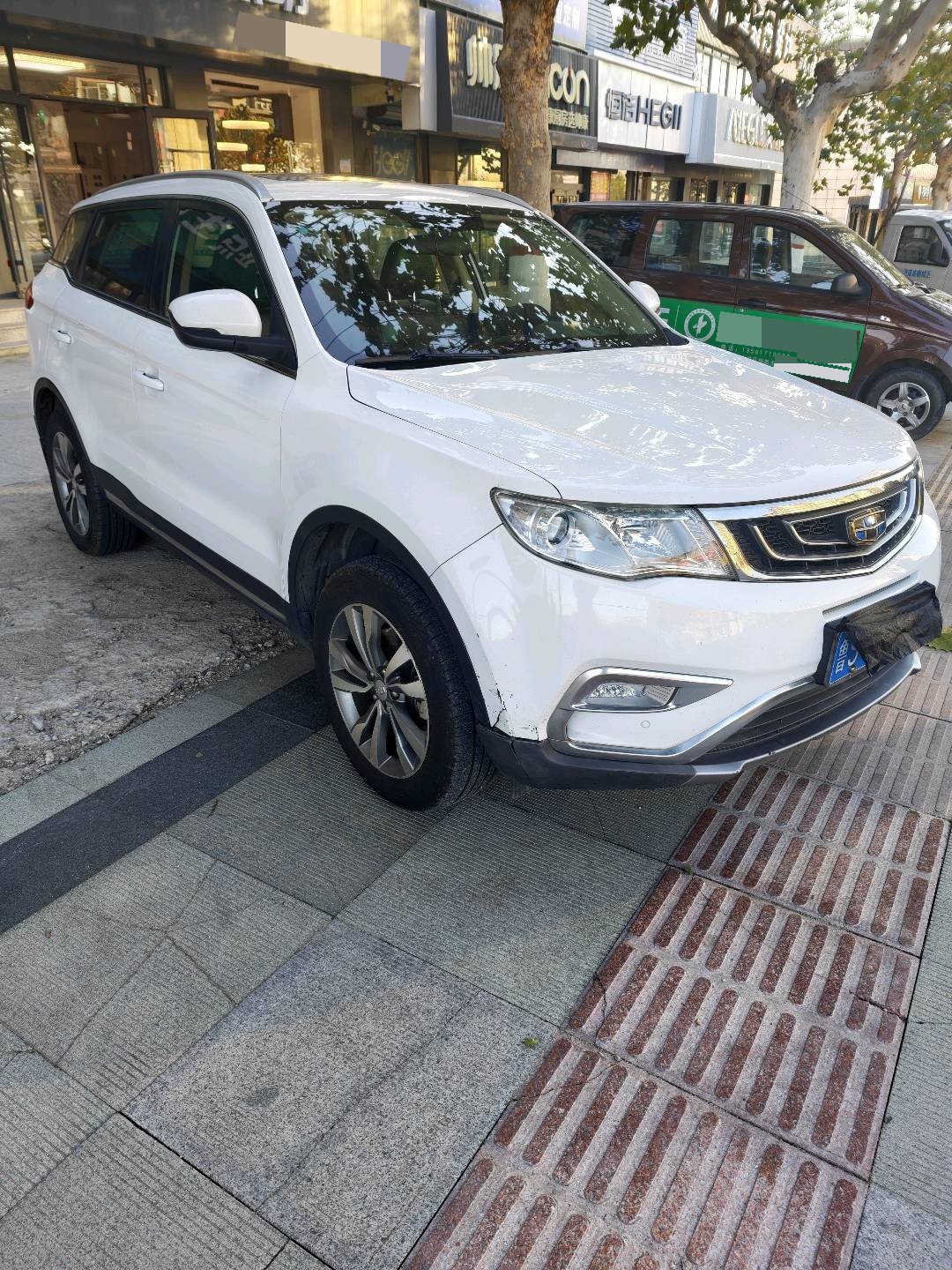
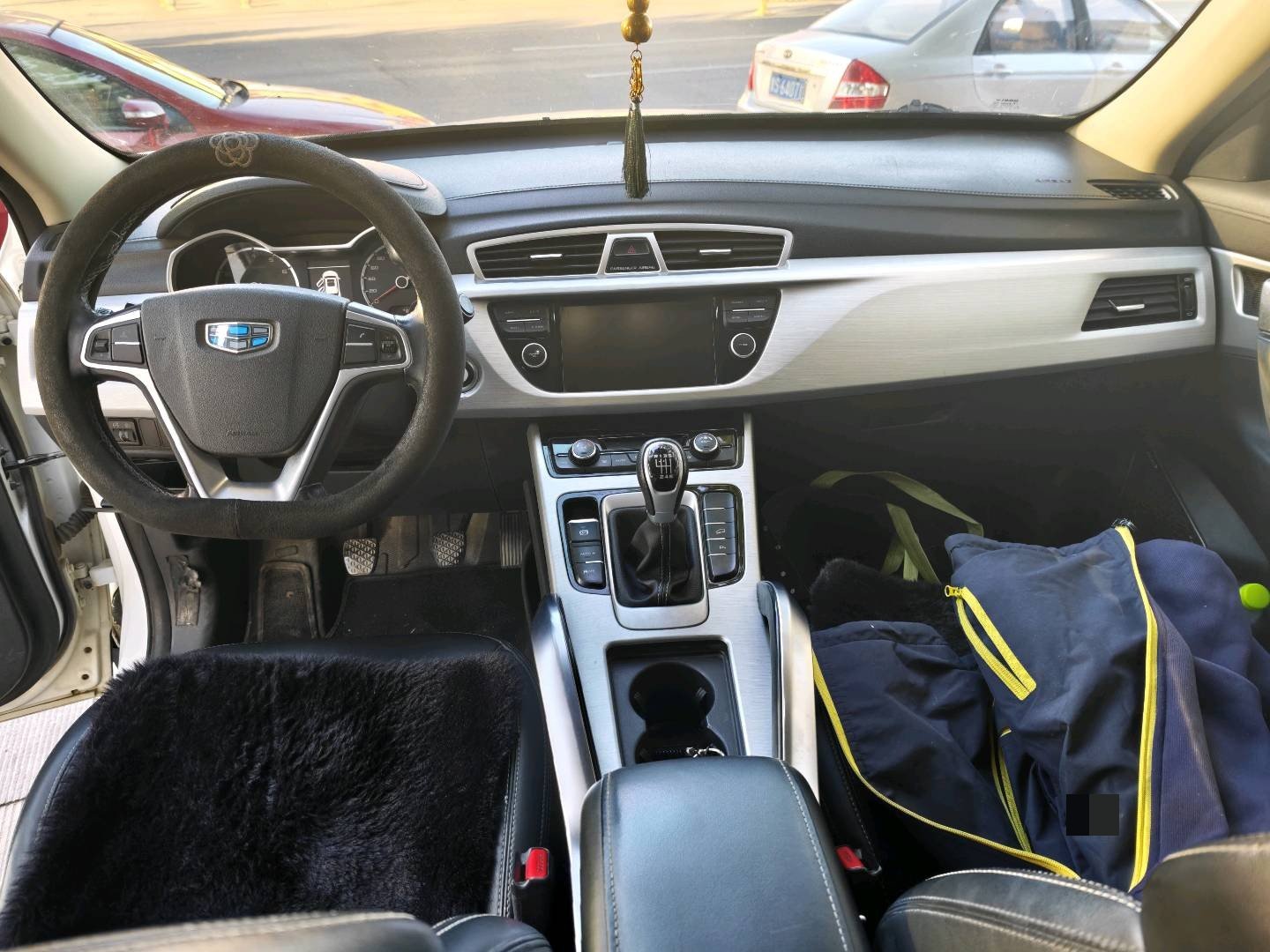
BrandGEELY
SeriesBoyue
Year2017
First Registration2017/05
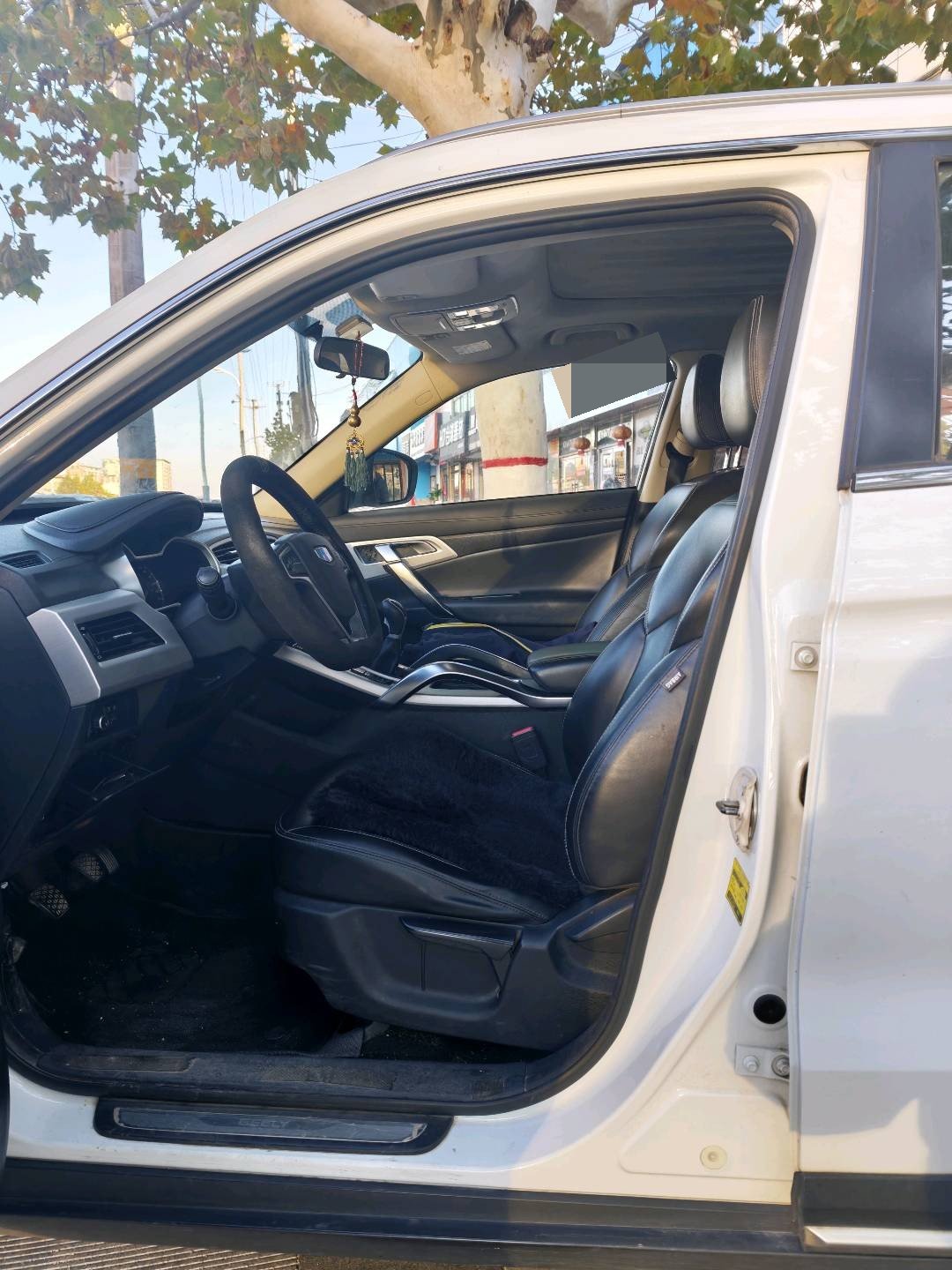
Mileage172,000km
Transfer Count0times
FuelGasoline
TransmissionManual
Engine2.0L 141 L4
ColorWhite
Seats-

Condition Description

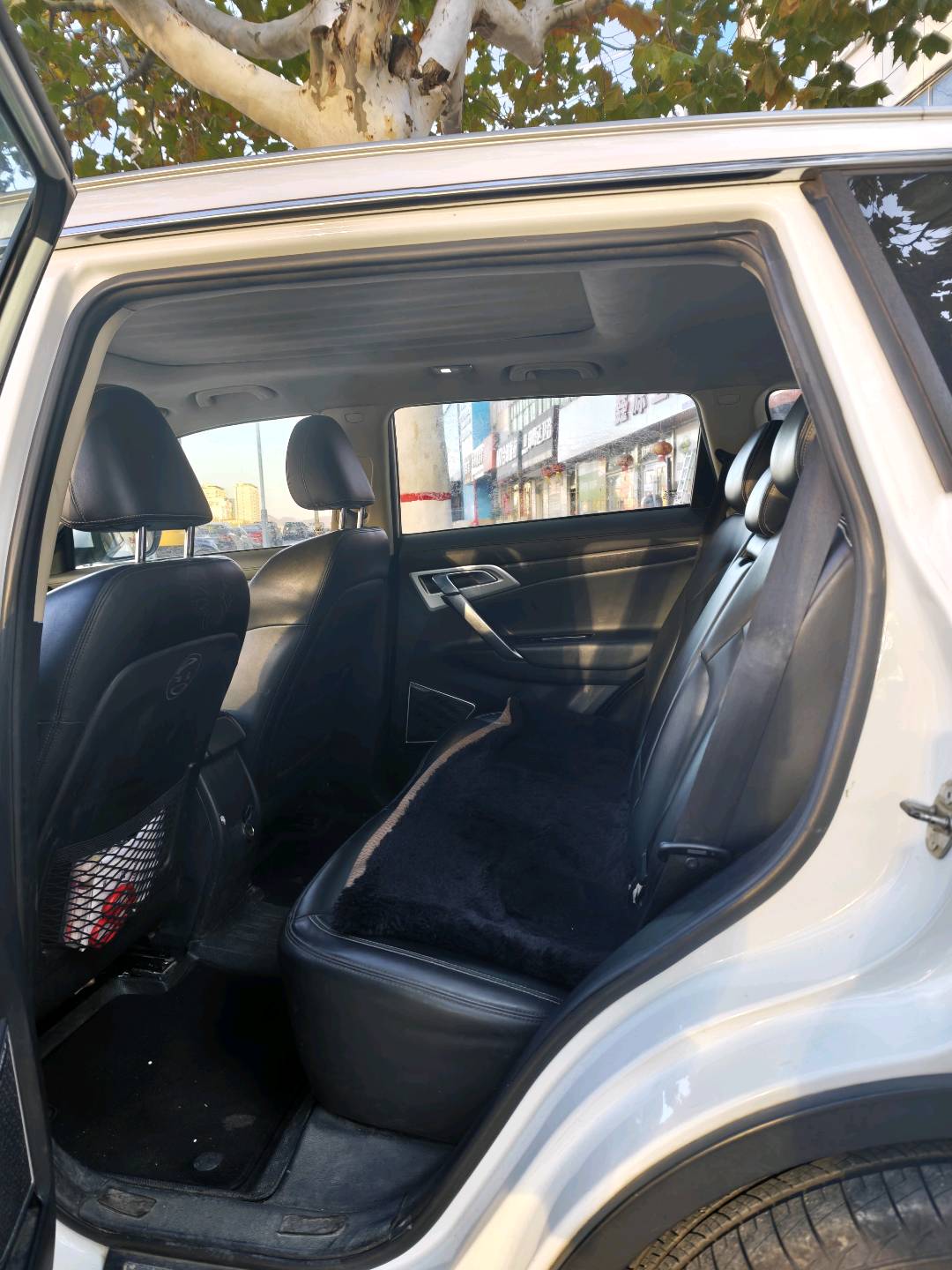
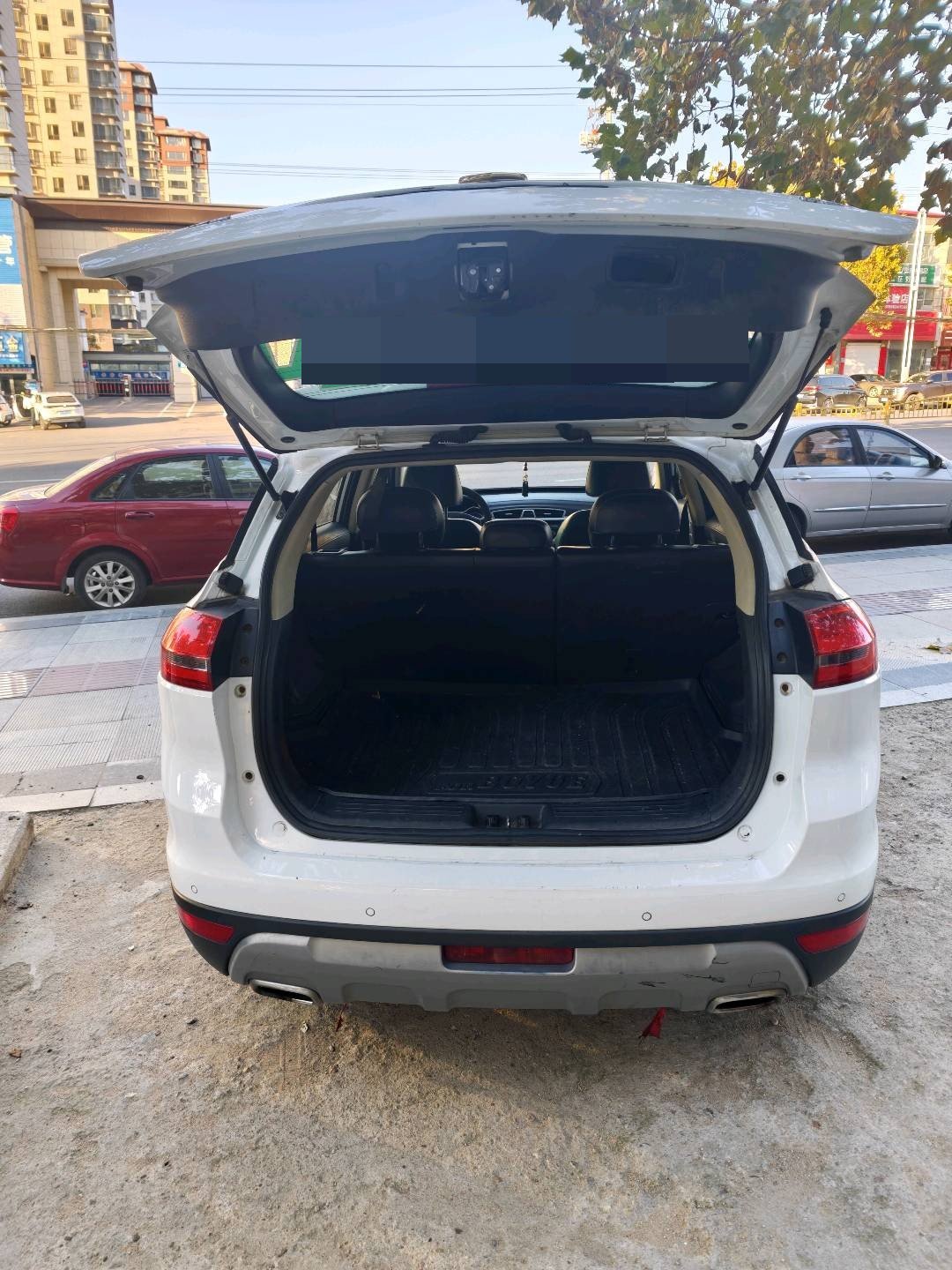
Right rear door glass replaced; multiple body panels repainted.

Document Information

Inspection Expiry Date-
Warranty Expiry Date-
Insurance Expiry Date2026/12

Q&A

More

Is there a best time of year to buy a used car from China, and how do seasonal factors affect pricing?

Yes, timing can move prices by 5-15 percent. Key seasonal factors: Chinese New Year (late January-February): dealers and export yards wind down 2-3 weeks early, so supply tightens and prices firm up. Avoid ordering in this window. March-May: supply rebounds and competition among exporters is highest—often the best prices of the year. New model launches: when a new generation appears (usually April and September auto show season), outgoing versions drop noticeably in the used market—good for buyers who don't need the latest model. Freight seasonality matters too: rates spike before Golden Week (October) and before Christmas as container capacity tightens. A cheap car booked into an expensive shipping window can cost more overall. Strategy: target March-May for purchase, book shipping in off-peak months, and lock quotes in writing for 15-30 days so freight surges don't erode your deal.


How do I verify the ownership and registration history of a used car in China before buying it for export?

Verifying ownership protects you from buying a car that can't legally be exported. Start with the registration certificate (机动车登记证书), China's title document. It lists every owner change with dates. Ask the seller for clear photos of all pages — check that the current seller's name matches the latest entry. Next, ask for the seller's ID (or business license for a dealer) and confirm it matches the registration certificate. A mismatch is a red flag unless there's a documented agency arrangement. Also verify the vehicle isn't mortgaged or seized: the registration certificate has a section for mortgage records, and your inspection agent can check the official vehicle management system by VIN. Finally, confirm the car is deregistered (or can be) before export — Chinese law requires deregistration and an export certificate for used cars leaving the country. Summary: title photos, seller ID match, no mortgage flags, export-ready status. Any gap in this chain should stop the deal.

How can I verify that a pre-shipment inspection report and photos really match the car I'm buying—timestamps, VIN, and live video?

Fake or recycled inspection reports are a real risk. Verify authenticity before wiring the balance payment. First, match the VIN: the report must show the full VIN, and the photos must include close-ups of the VIN plate on the chassis and the windshield tag. Ask for a live video call where the inspector walks to the car, shows the VIN tag, and then pans across the dashboard, odometer, and any defects noted in the report—on the same call. Check metadata: ask for original photos rather than screenshots. Files sent via WeChat often strip EXIF, so request the inspector to email originals or use a cloud link where timestamps and GPS data are visible. Cross-verify details: the odometer reading in the video should match the report exactly, and paint-thickness readings should be reproducible—ask the inspector to re-measure 2-3 spots live. Use a known inspection company rather than one recommended solely by the seller, and pay the inspector directly. An independent inspector has no incentive to hide defects.