


48H

Basic Information

BrandGEELY
SeriesBoyue
Year2018
First Registration2018/01
Mileage103,000km
Transfer Count0times
FuelGasoline
TransmissionManual
Engine2.0L 141 L4
ColorWhite
Seats-

Condition Description

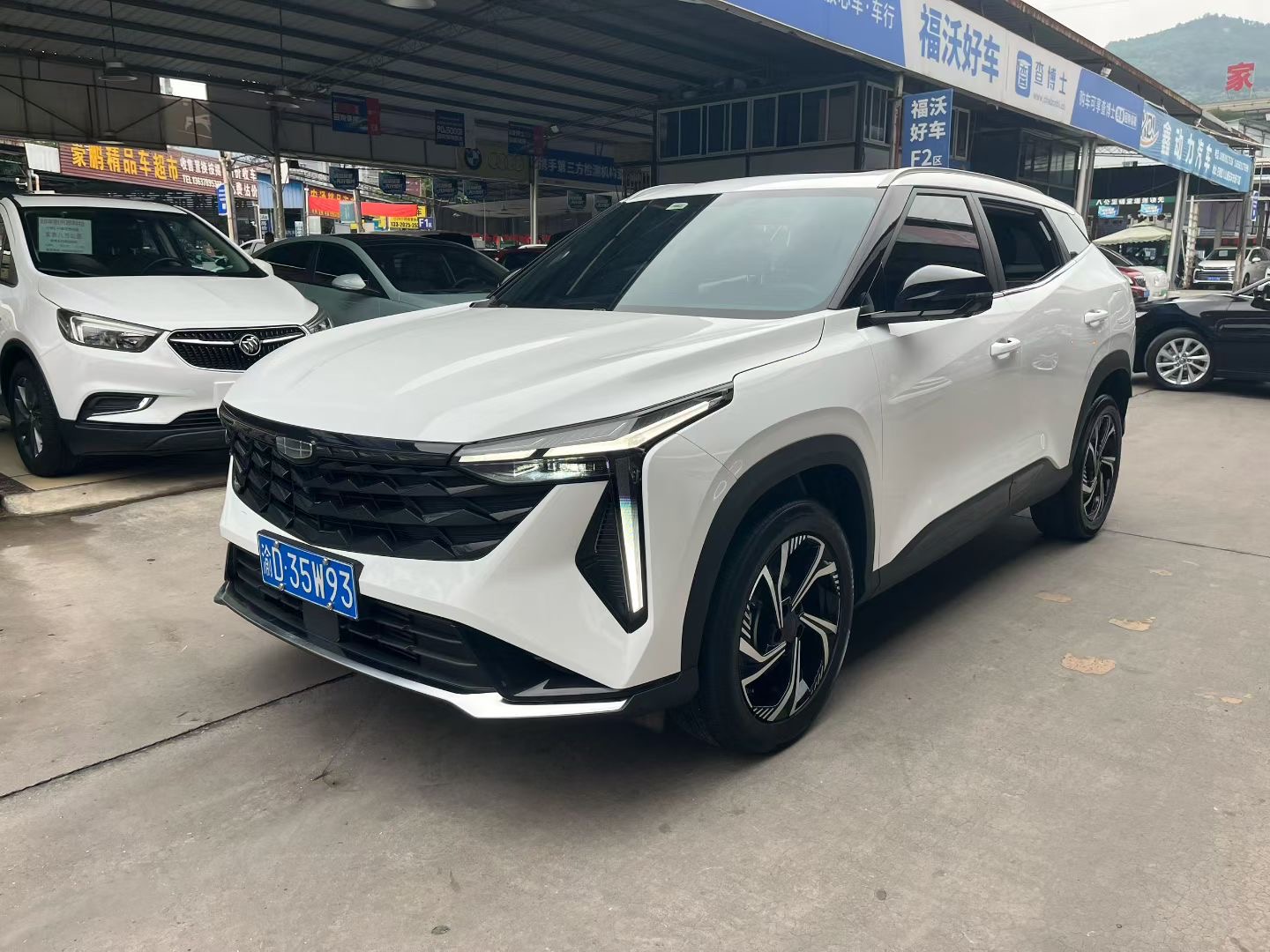
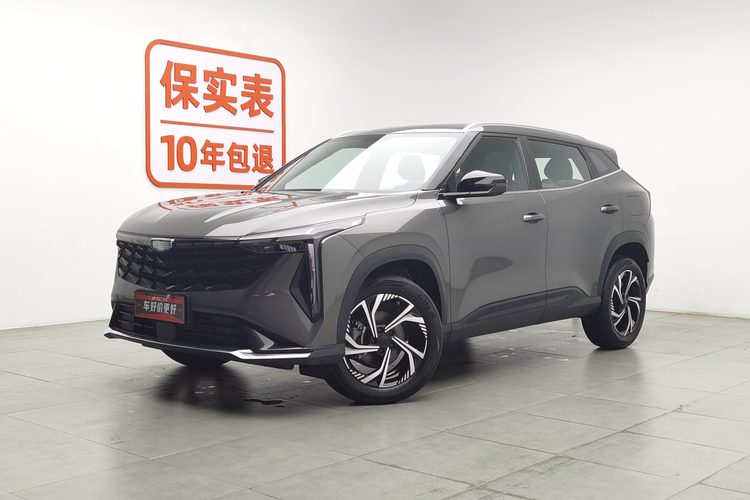
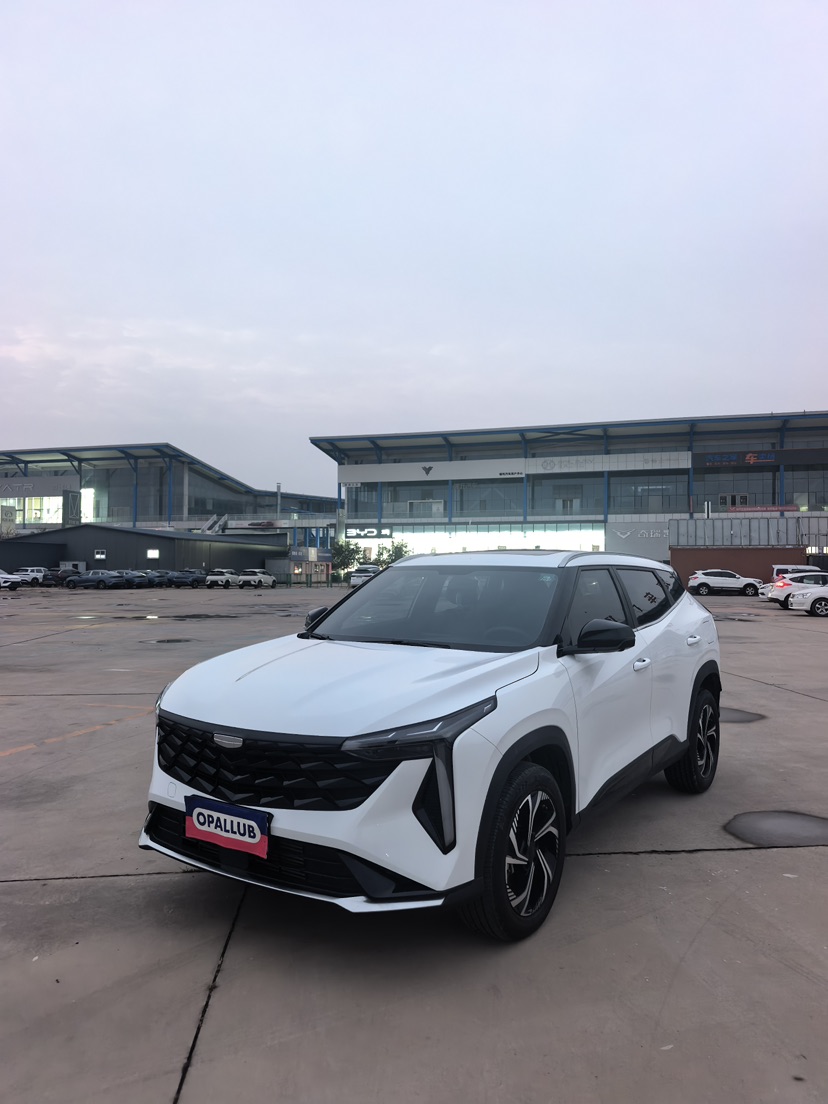
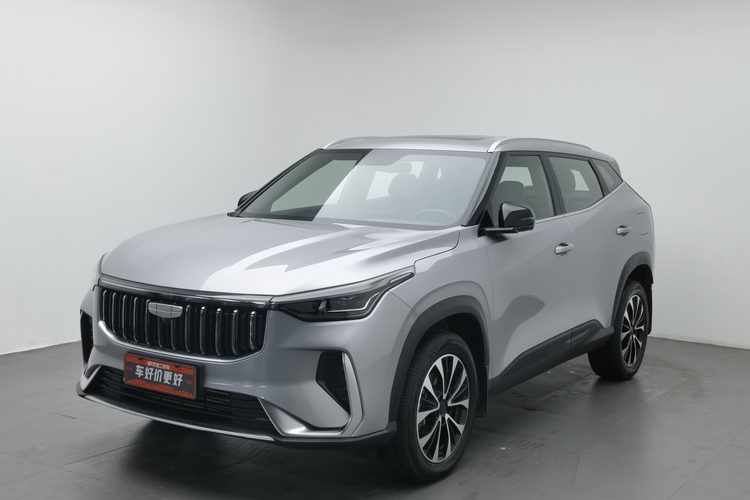
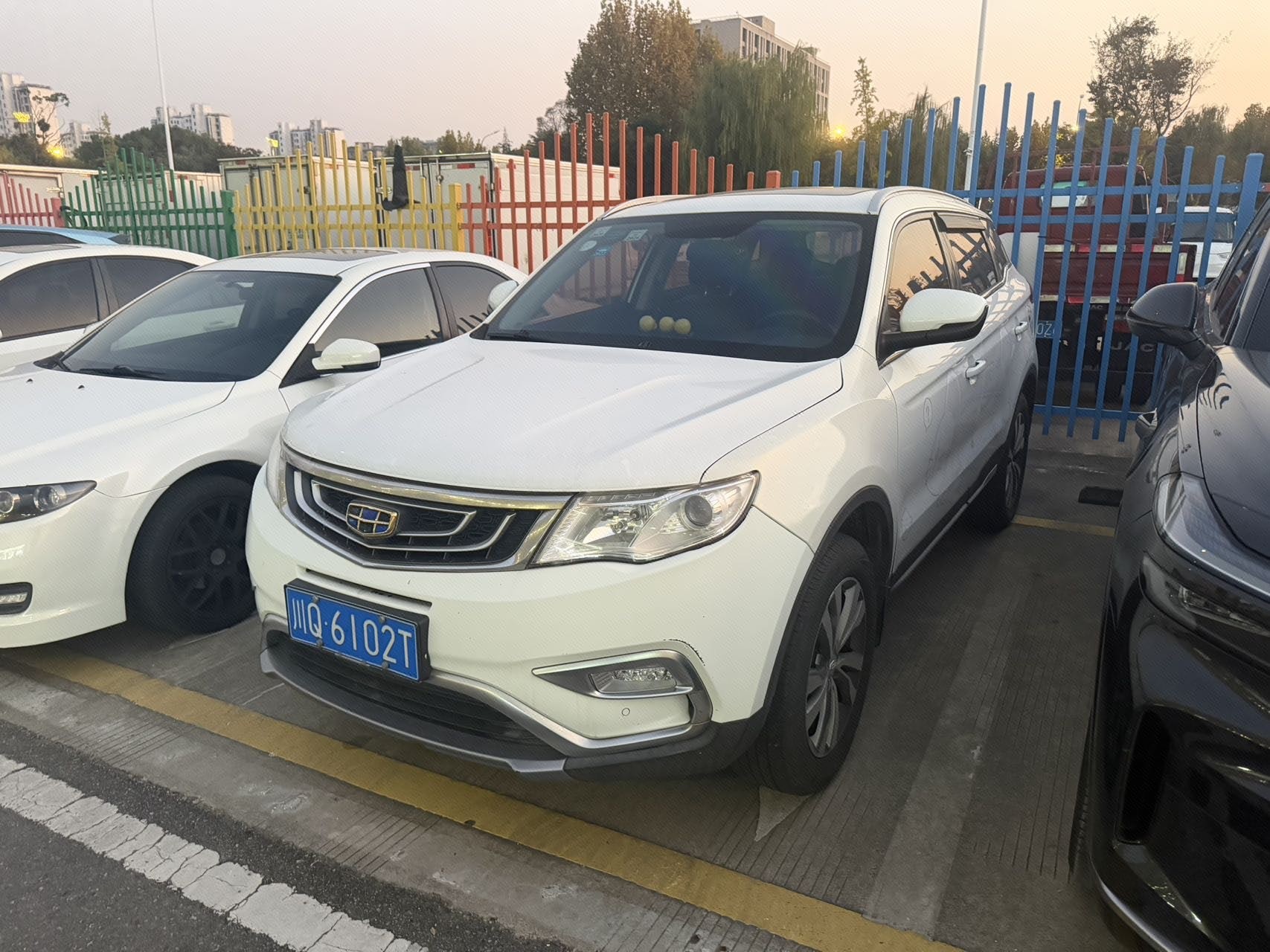
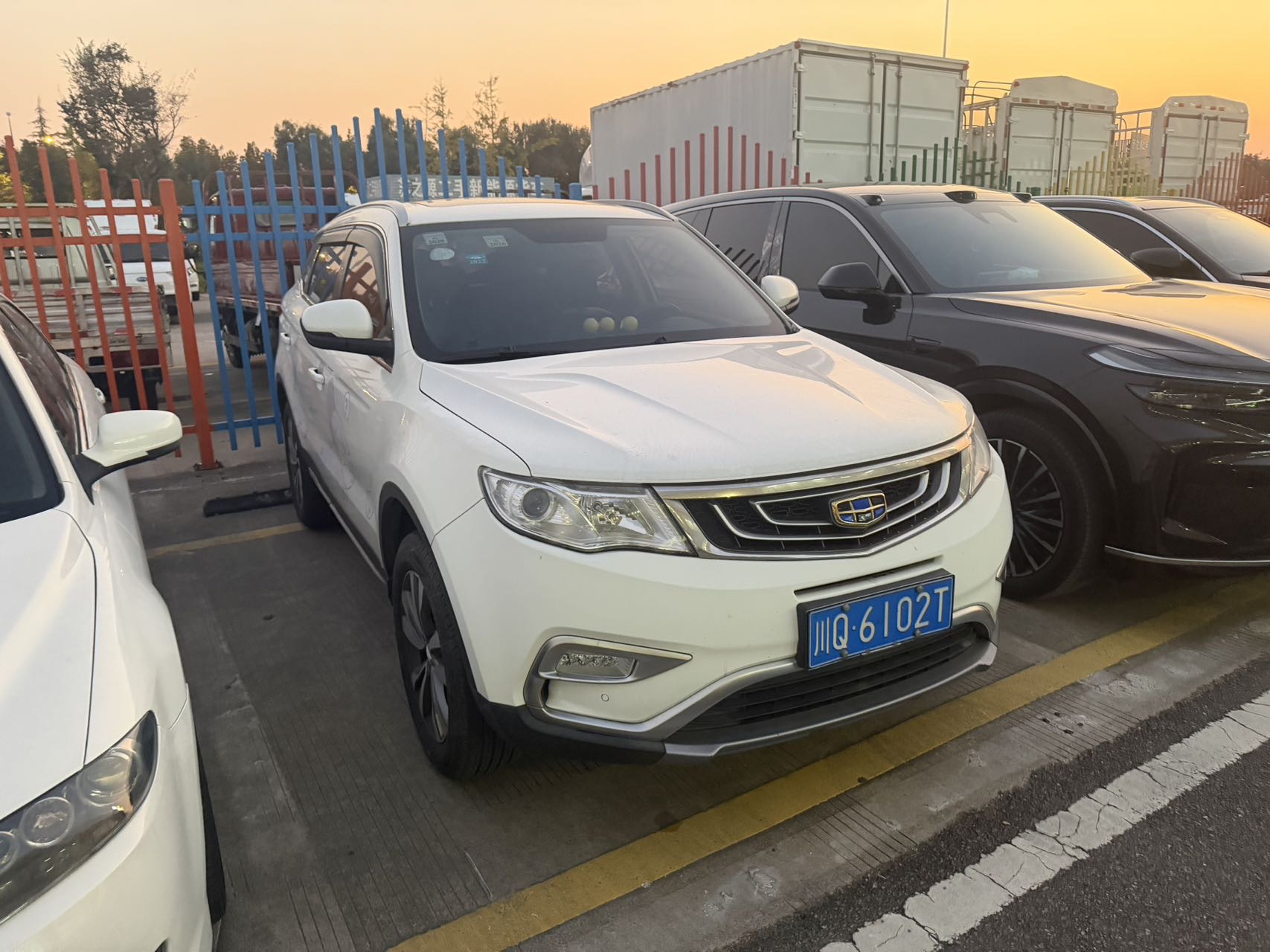
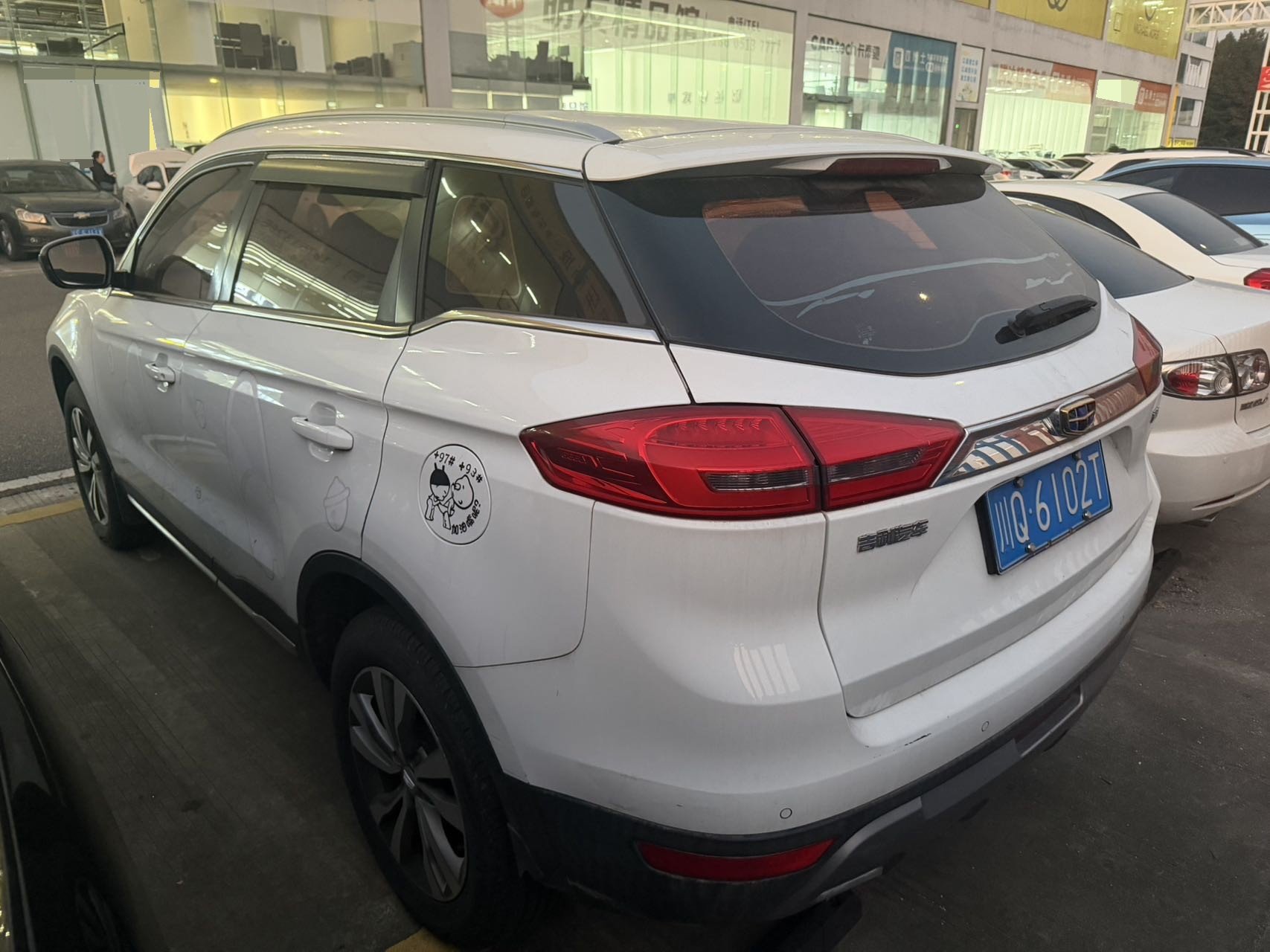
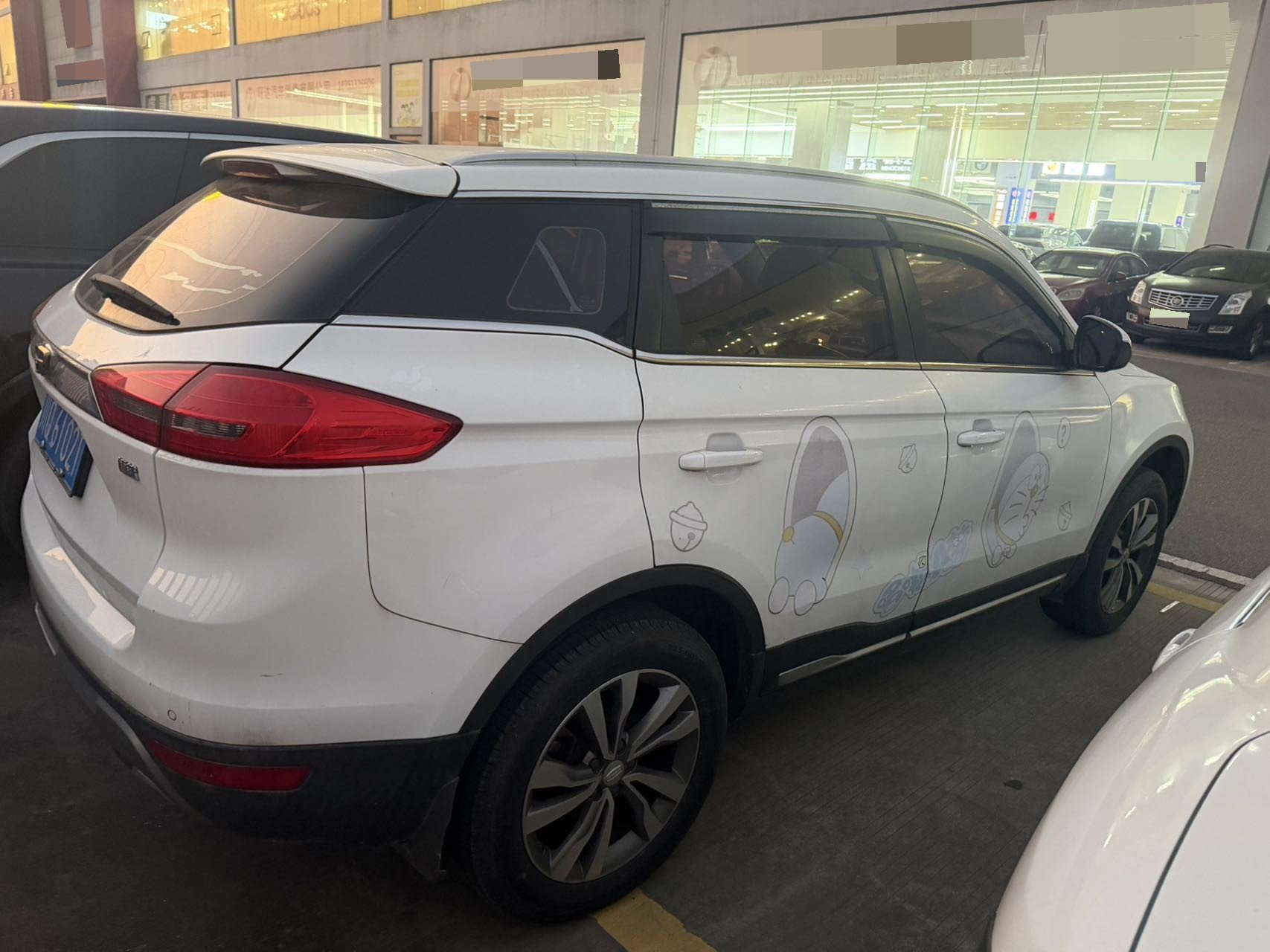
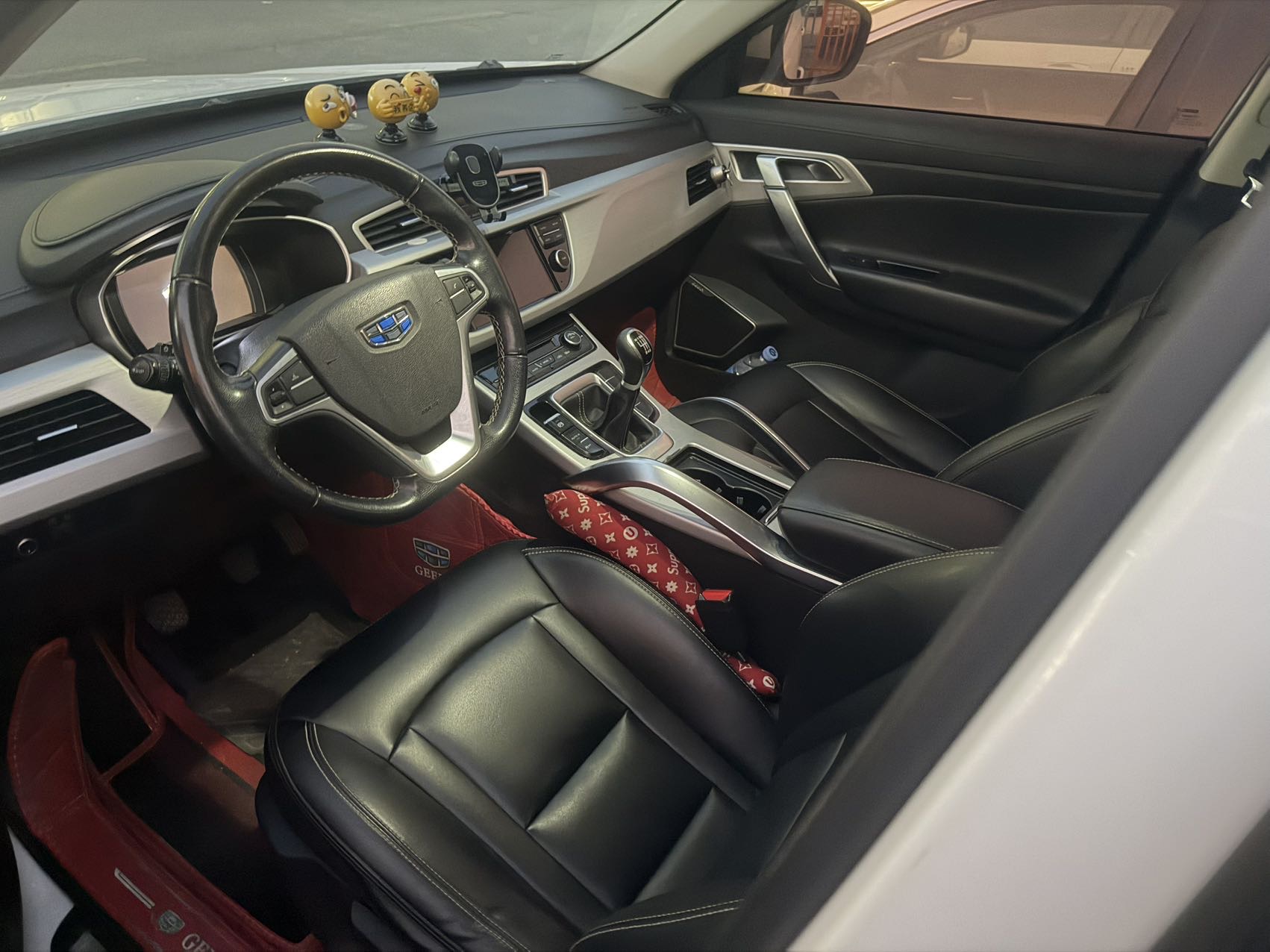
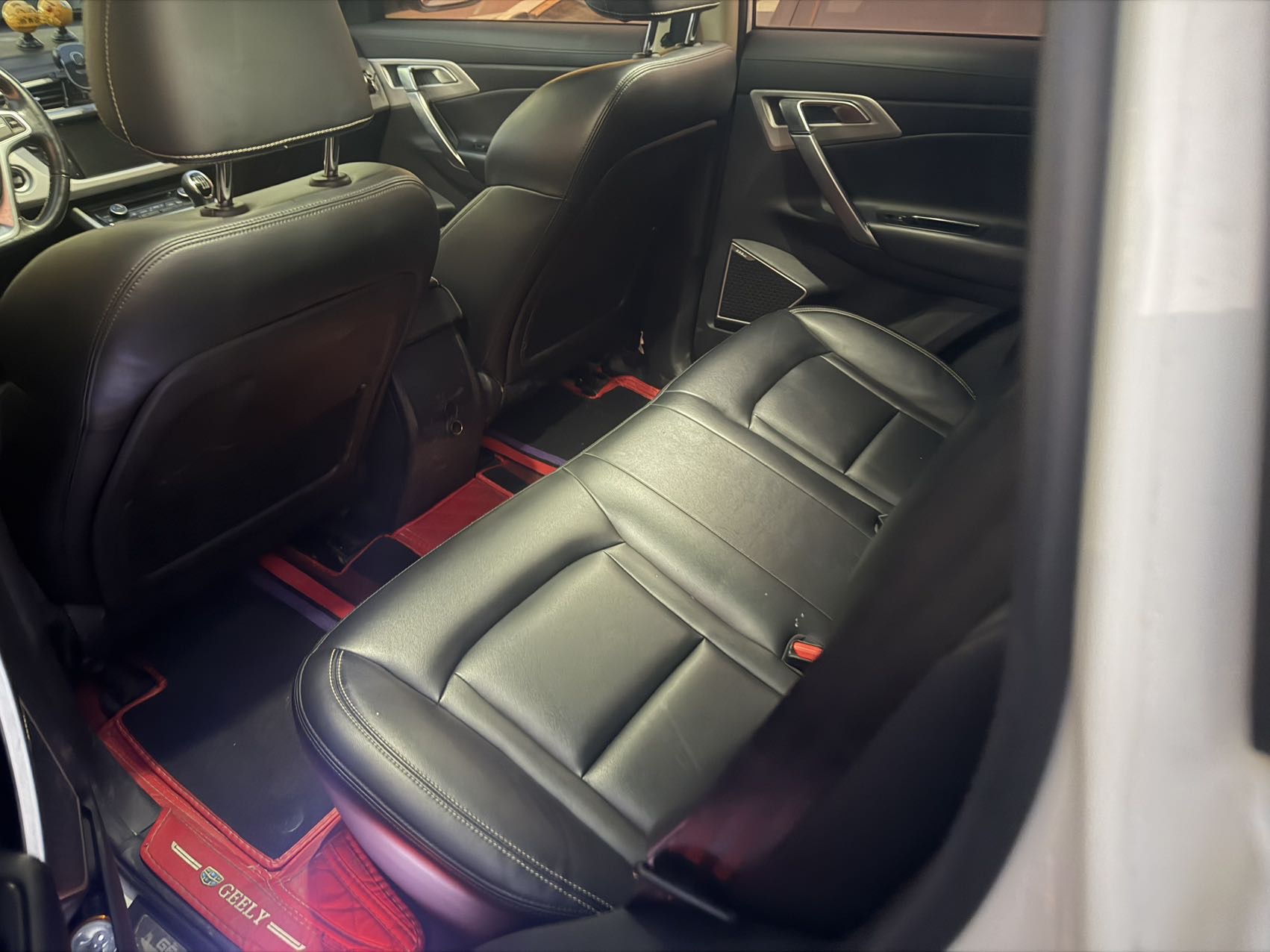
First-hand ownership, can pass third-party inspection. Right side has been repainted, the rest retains original paint. Interior is in new condition.

Document Information

Inspection Expiry Date-
Warranty Expiry Date-
Insurance Expiry Date2027/04

Q&A

More

Which Chinese ports are best for exporting used cars, and how do I choose the right one for my destination?

The main export hubs are Shanghai, Guangzhou/Shenzhen, Qingdao, Tianjin, and Ningbo. Shanghai has the most RoRo and container sailings to Europe, Africa, and the Americas. Southern China (Guangzhou/Shenzhen) is best for Southeast Asia and Oceania. Qingdao and Tianjin serve Korea, Japan, and northern routes efficiently. Choose based on three factors: sailing frequency to your port (weekly is ideal), total inland logistics cost from the car's location to the port, and whether your exporter has used-car export qualification at that port—some only operate from one or two ports. Also confirm the terminal handles used-car export declarations, since not every port processes them. Your exporter should recommend the optimal port-to-port combination with a written quote breakdown.


How can we ensure that the electronic parking brake (EPB) servo motor does not seize the brake disc due to rust after long sea transport?

This is a common issue with sea transport. If the vehicle is parked at a humid dock, the EPB can easily rust to the brake disc. In addition to testing its release before shipping, we try to ask dock workers to secure the wheels with chocks instead of fully engaging the electronic parking brake.

Why are the shipping costs for used electric vehicles (EVs) usually higher than for internal combustion engine vehicles (ICEs)?

Pure electric vehicles are classified as Class 9 Dangerous Goods due to their large lithium batteries, leading to strict shipping regulations. Shipping companies have high requirements for the loading position and fire isolation measures for dangerous goods, and some roll-on/roll-off ships refuse to accept used EVs. As a result, EVs often require more expensive special container shipping and incur additional handling fees for hazardous materials.