





24H

Basic Information

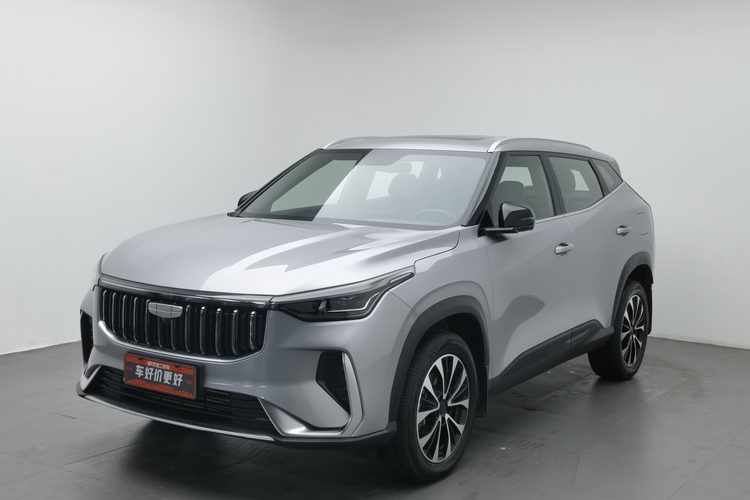
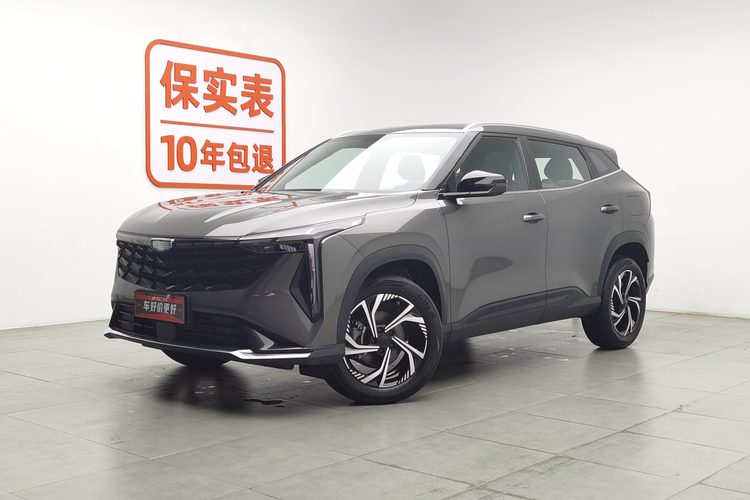
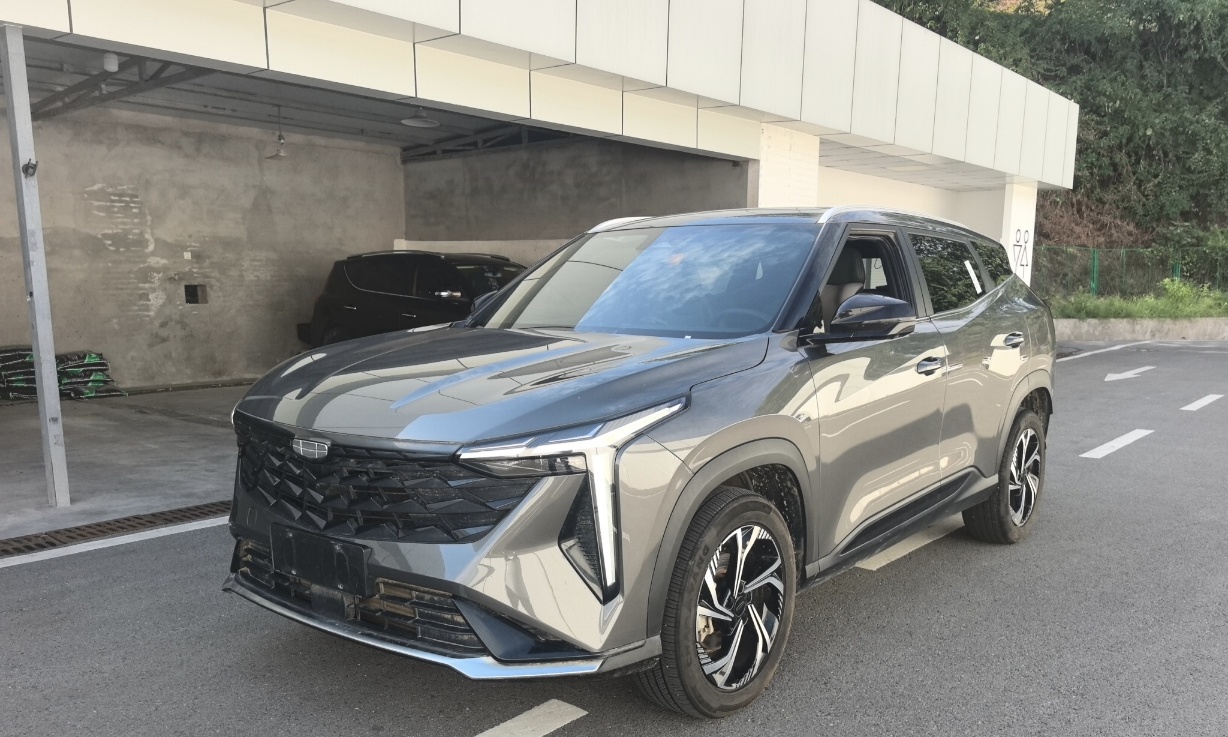
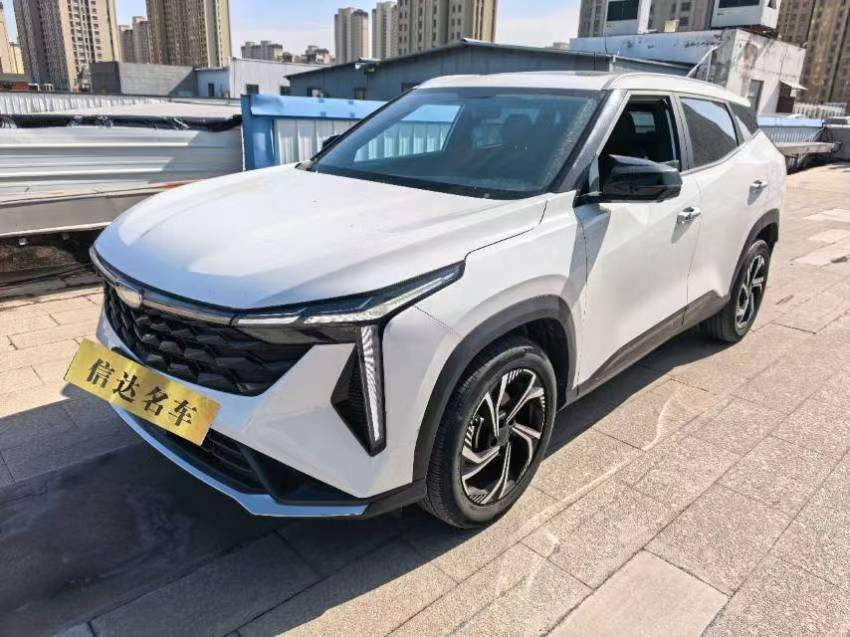
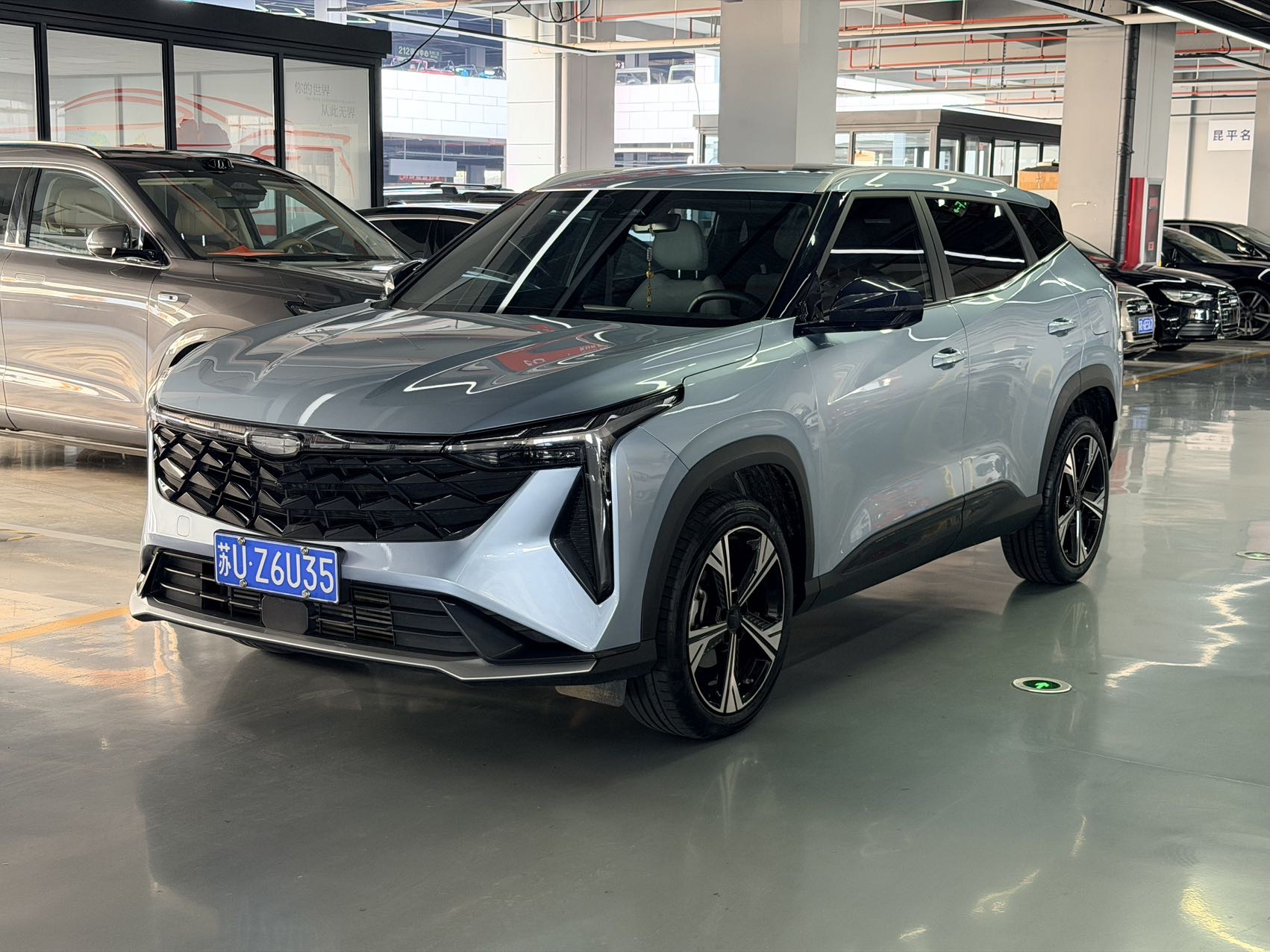
BrandGEELY
SeriesBoyue
Year2018
First Registration2018/08
Mileage55,000km
Transfer Count0times
FuelGasoline
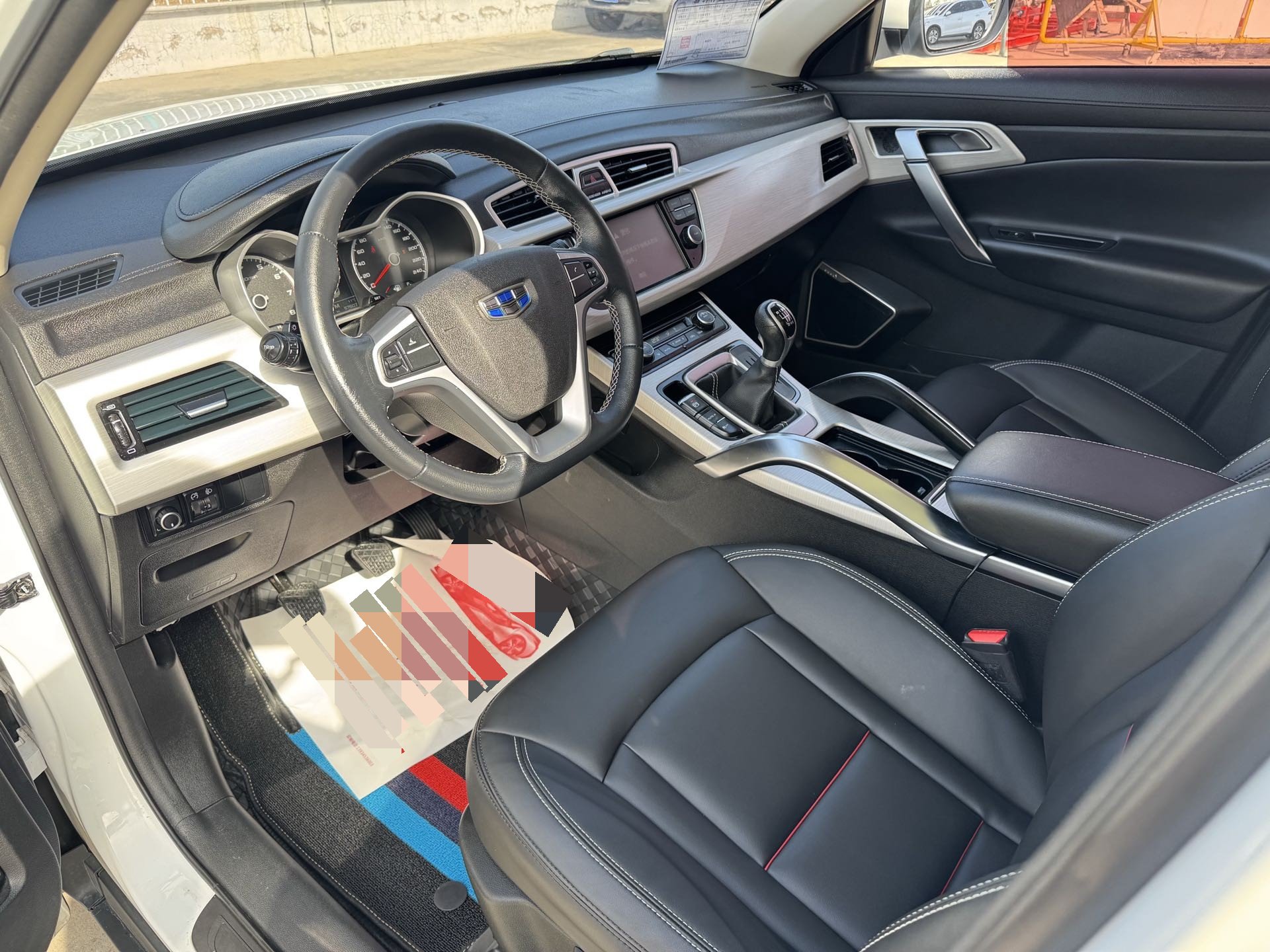
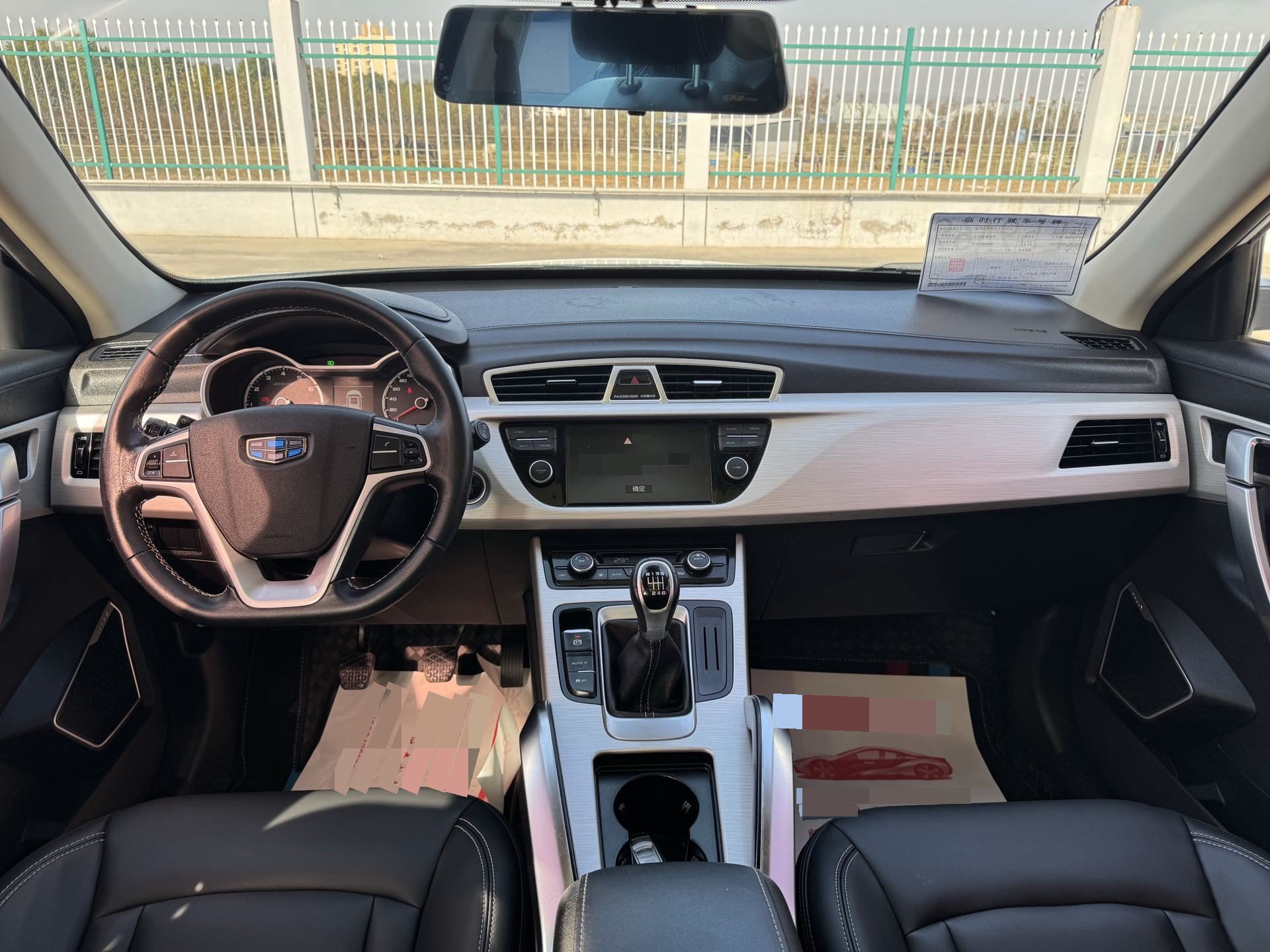
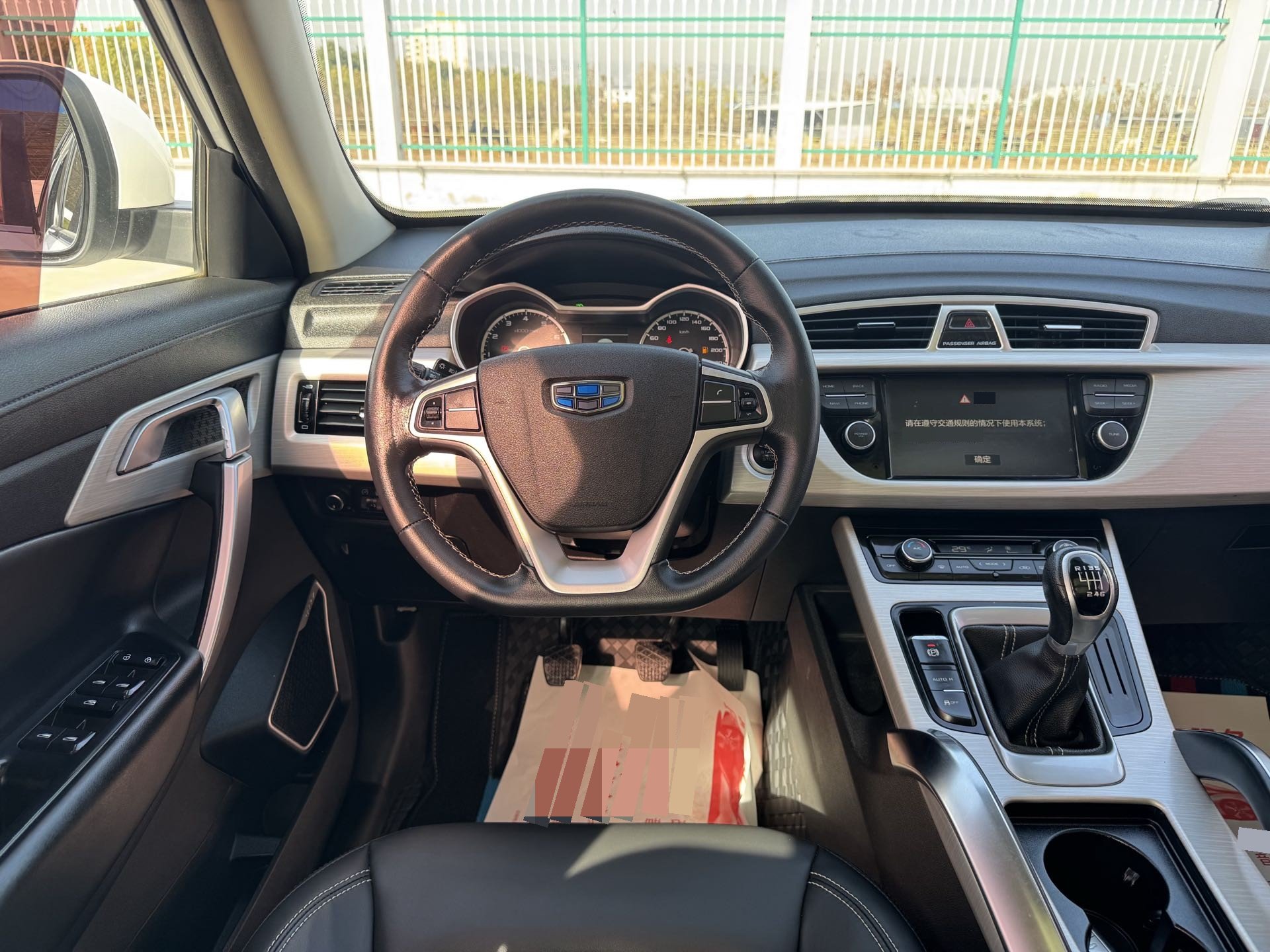
TransmissionManual
Engine2.0L 141 L4
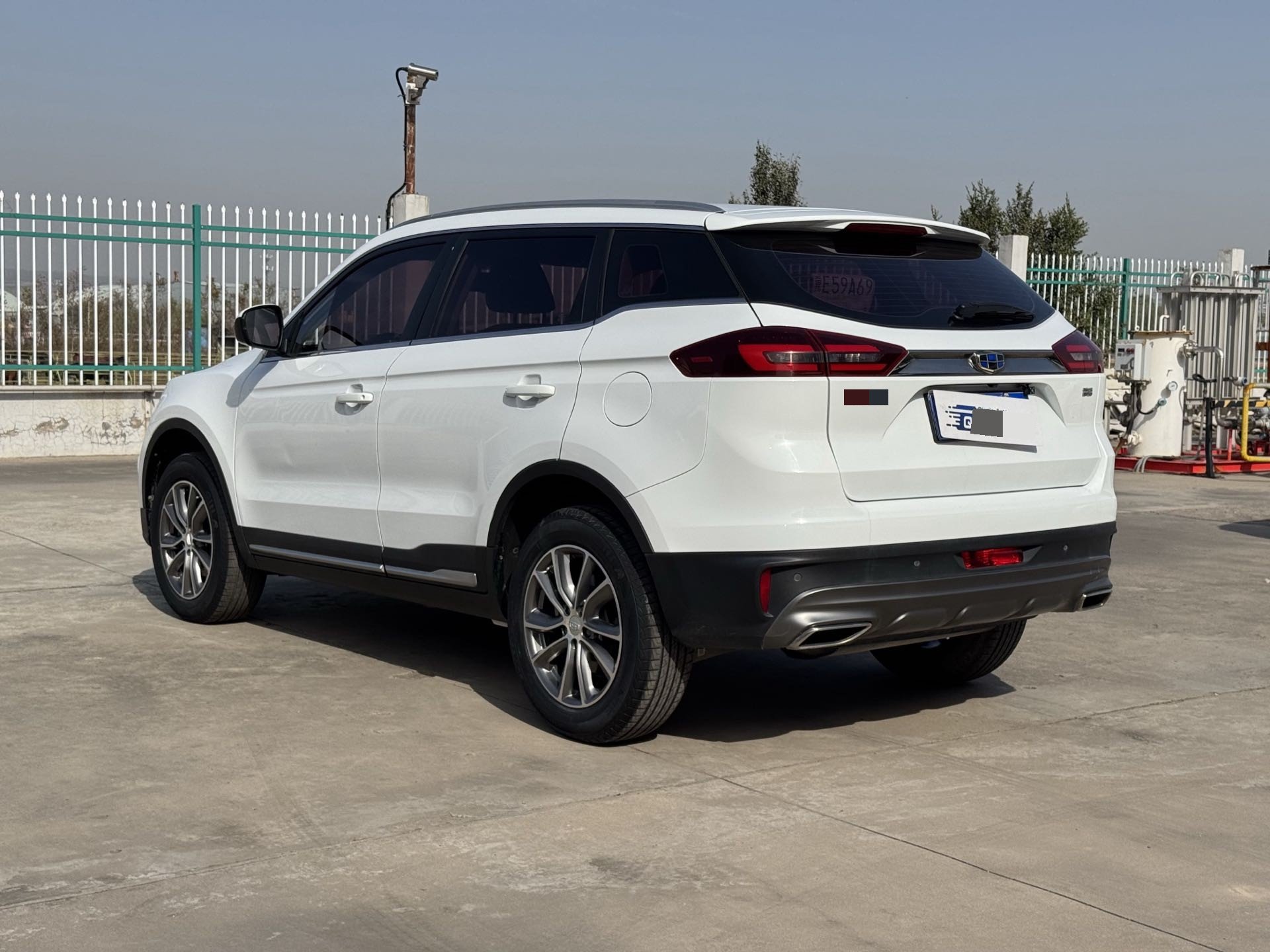
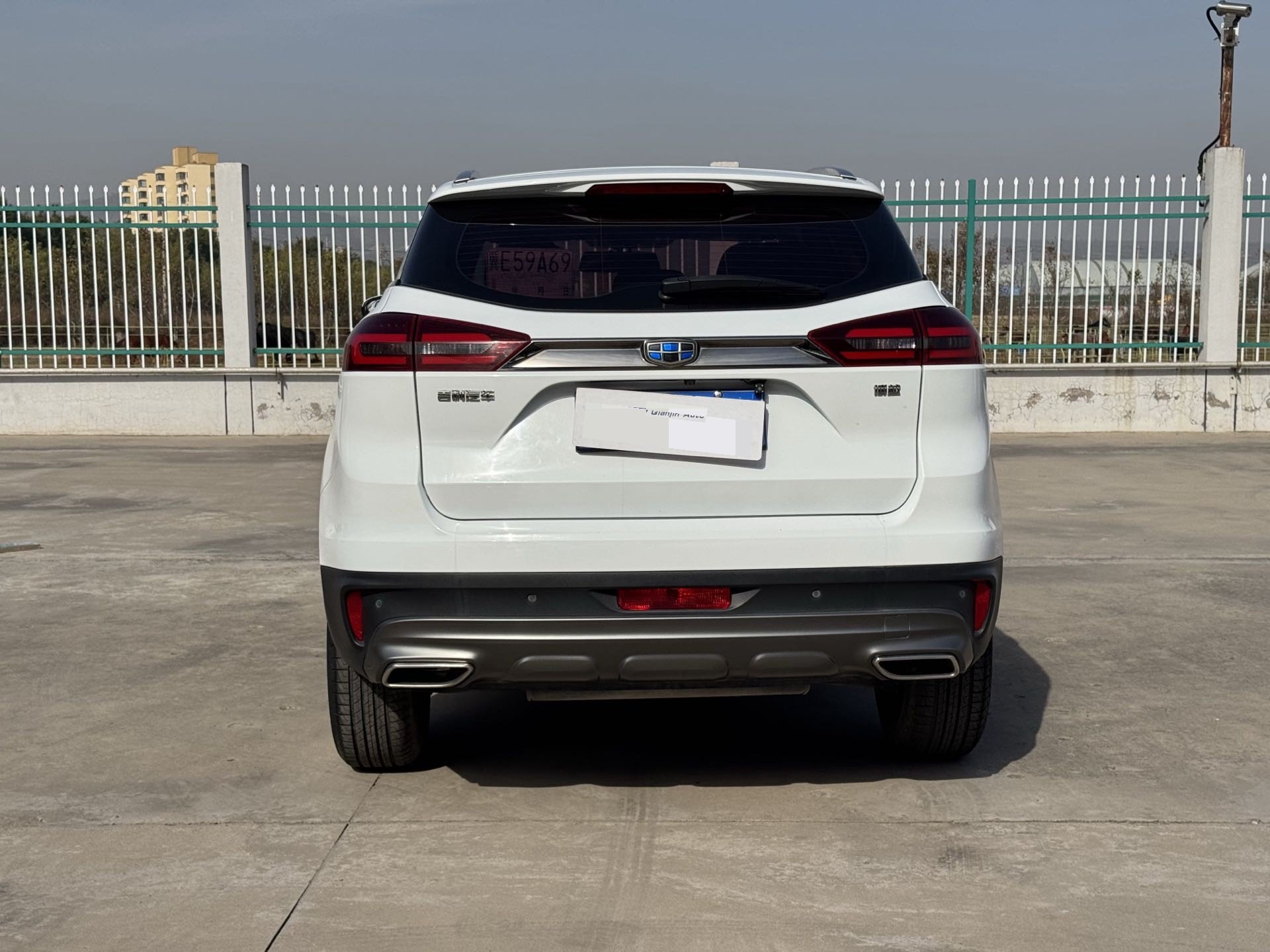
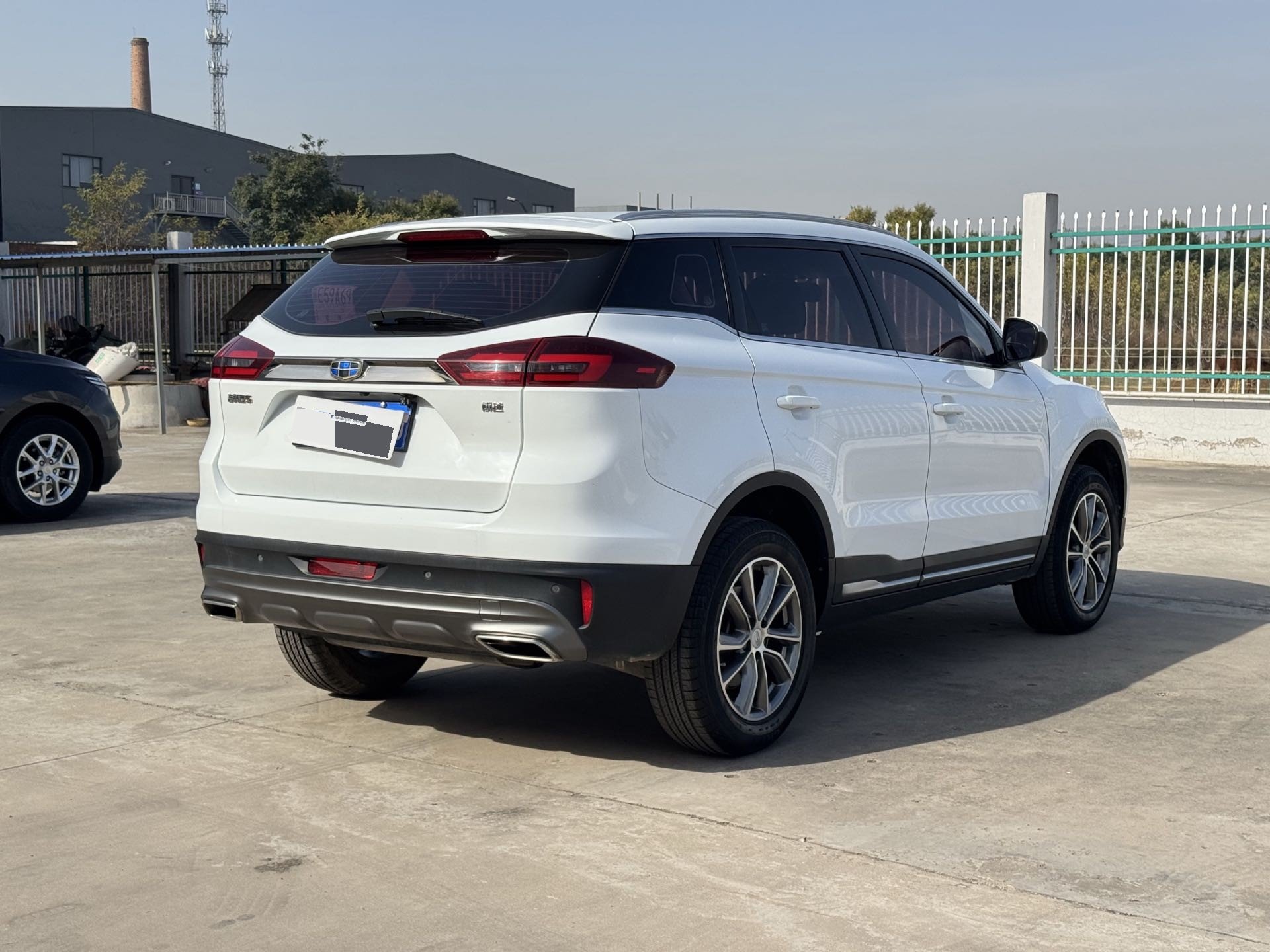
ColorWhite
Seats-

Condition Description

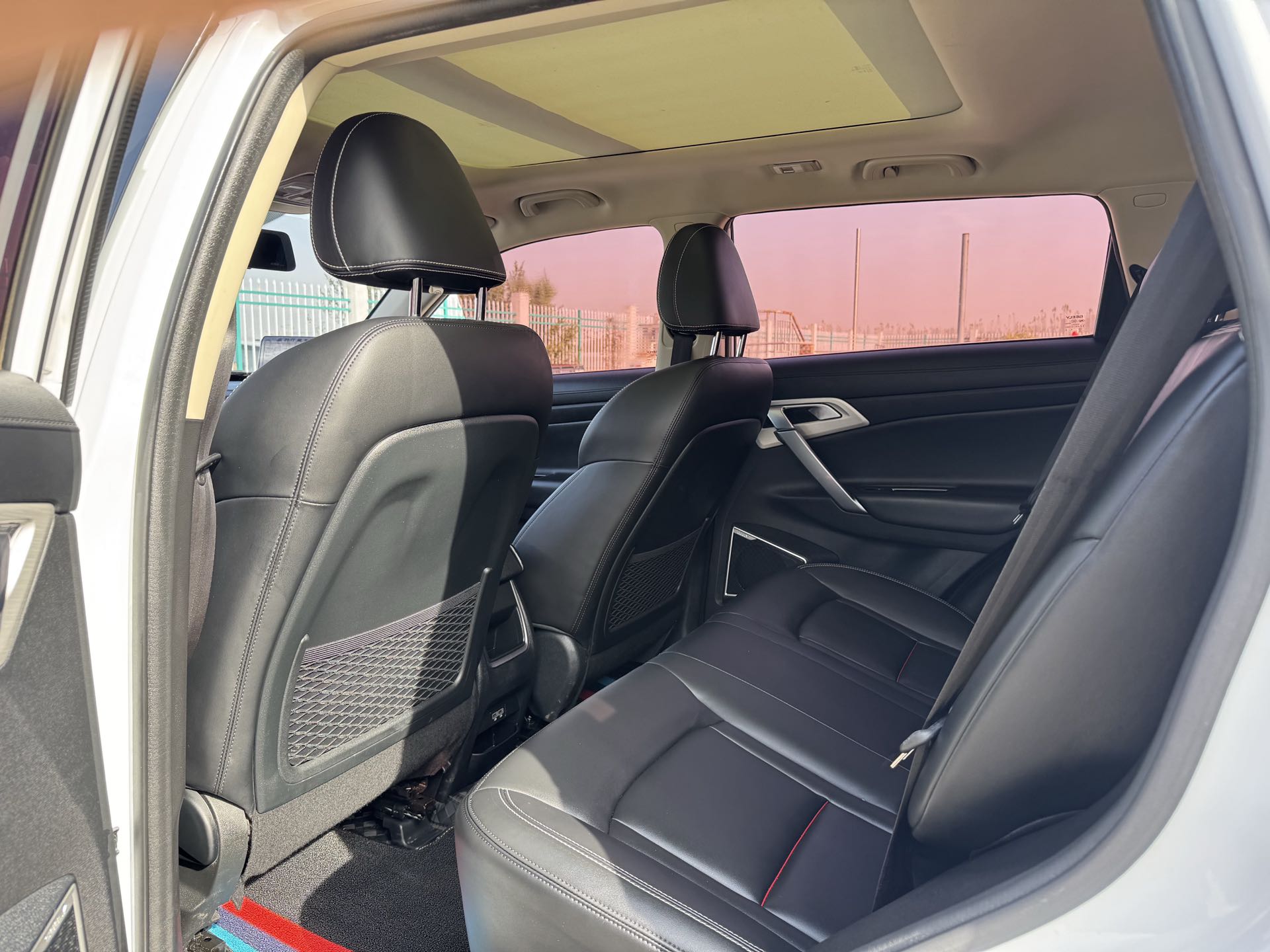
Original paint on metal parts, personal first-owner car, actual odometer 55,000 km, third-party inspection completed.

Document Information

Inspection Expiry Date-
Warranty Expiry Date-
Insurance Expiry Date2027/08

Q&A

More

When buying a used Chinese EV or smart car, how do I confirm the smart features will actually work in my country?

Many connected features are tied to the car's original market. Start with the basics: the infotainment language, navigation maps and voice assistant may only support Chinese, and some systems require a local SIM or account that cannot be transferred to overseas owners. For driver-assistance systems, check whether the model relies on hardware that works without Chinese map data. Lane keeping and adaptive cruise usually work abroad, but map-dependent features like highway pilot may not. Ask the seller to test each key function on video before shipment: boot-up, touchscreen response, app connectivity and over-the-air update status. Also confirm the battery management system and motor controllers have no region locks. Get written confirmation that the features you are paying for are functional in your destination country, and keep that document with the purchase contract.


What is a Certificate of Origin and why do I need one when importing a car from China?

A Certificate of Origin (C/O) is an official document stating where the vehicle was manufactured. Customs authorities use it to decide which tariff rates and trade agreements apply to your import. Why it matters: many countries offer preferential tariffs for certain origins. With a valid C/O, such as the ASEAN-China Form E or a GSP Form A, you may pay reduced or zero duty. Without it, you typically pay the standard, higher rate. The certificate must match the vehicle exactly: VIN, make, model and invoice details. It is usually issued by the China Council for the Promotion of International Trade (CCPIT) or customs authorities. Practical tips: request the C/O before shipment, because adding it later is slow; check that your country's customs accepts the specific C/O format; and confirm with your broker whether your vehicle category qualifies for preferential rates. This single document can save you thousands in duty.

Can you handle the complex communication regarding Scrap Tax and e-PTS for the Russian market?

Our responsibility ends with delivering the vehicle to the Russian border or Far East port and providing the legal Chinese export documents. The payment of Scrap Tax, application for SBKTS (Vehicle Structure Safety Certificate), and activation of the final e-PTS electronic passport must be fully handled by the Russian buyer and their local customs broker.