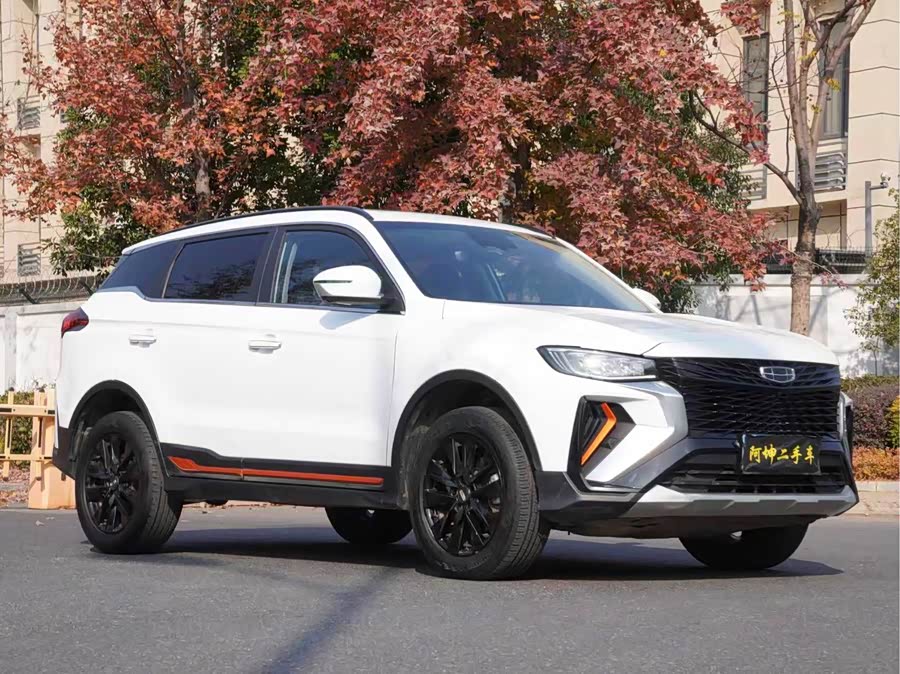
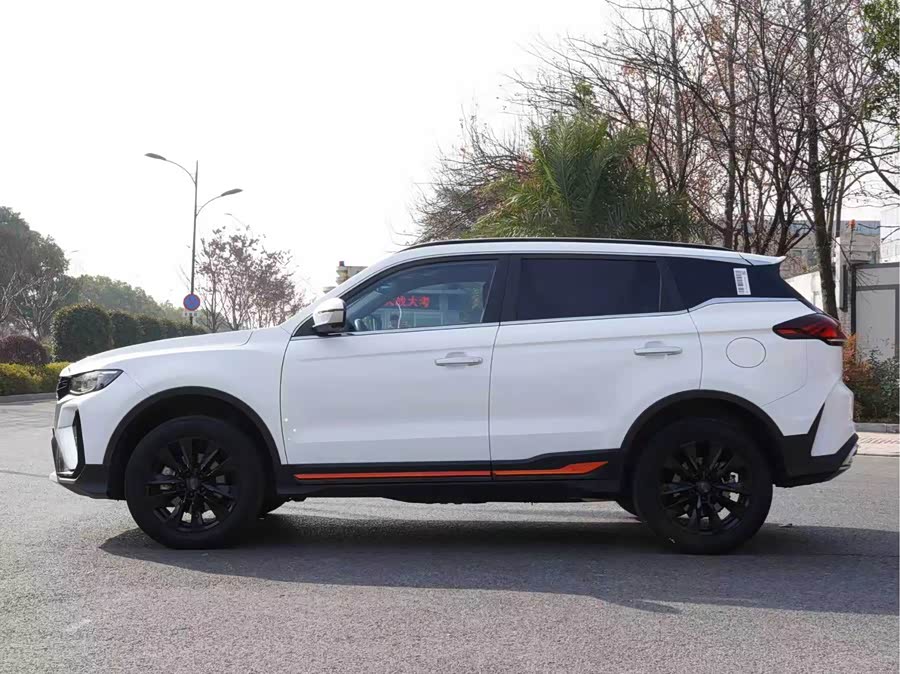
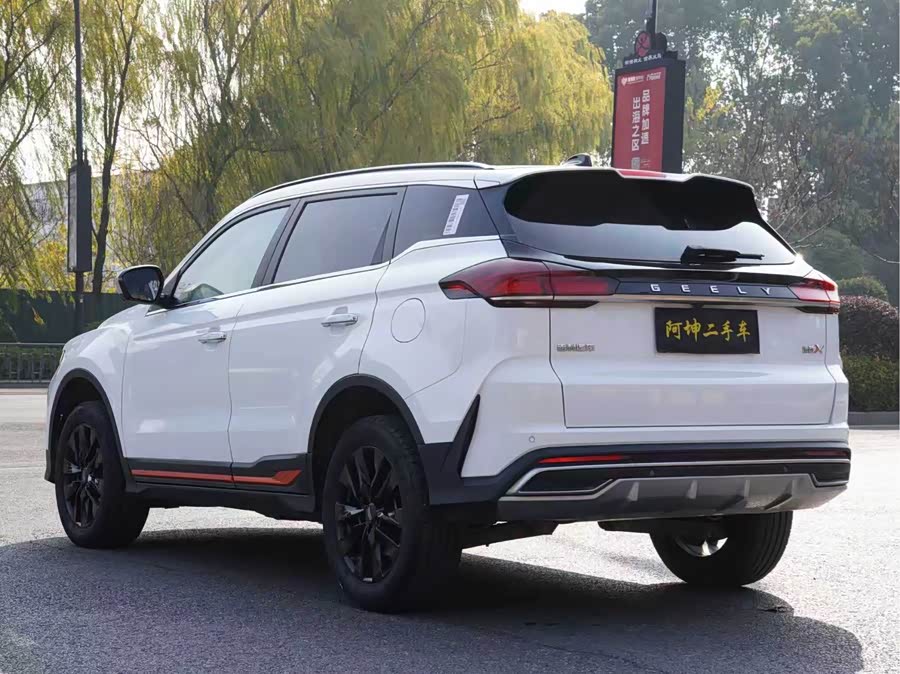
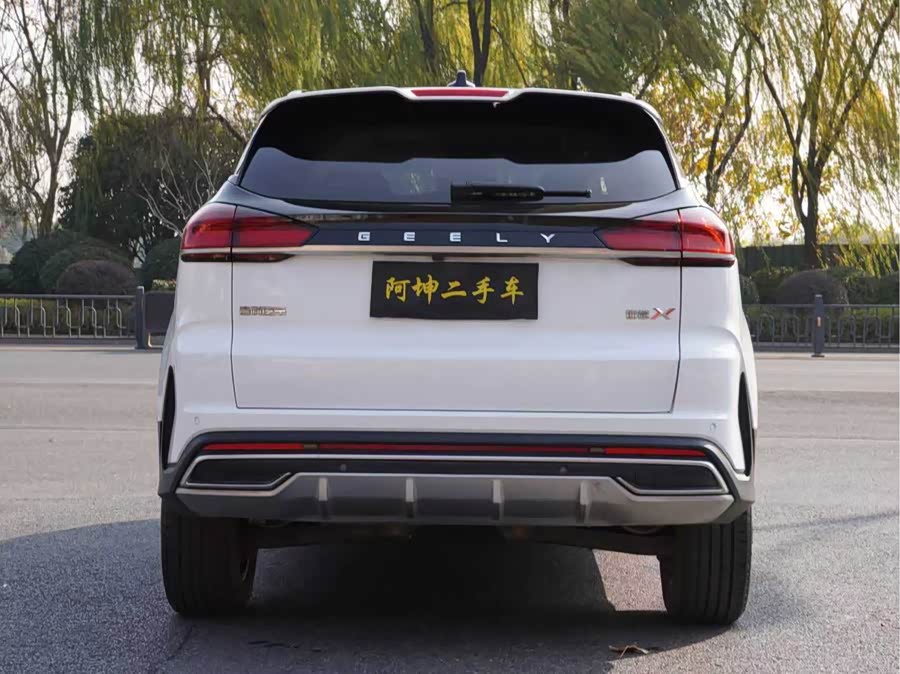
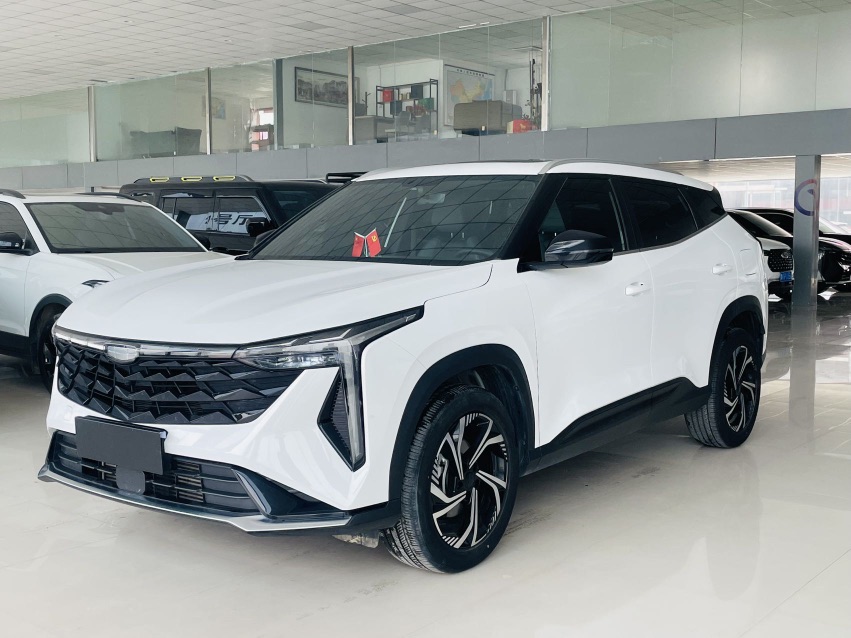
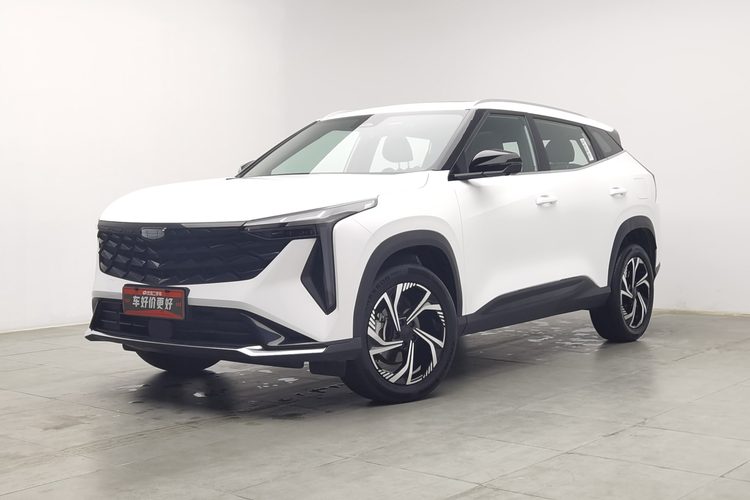
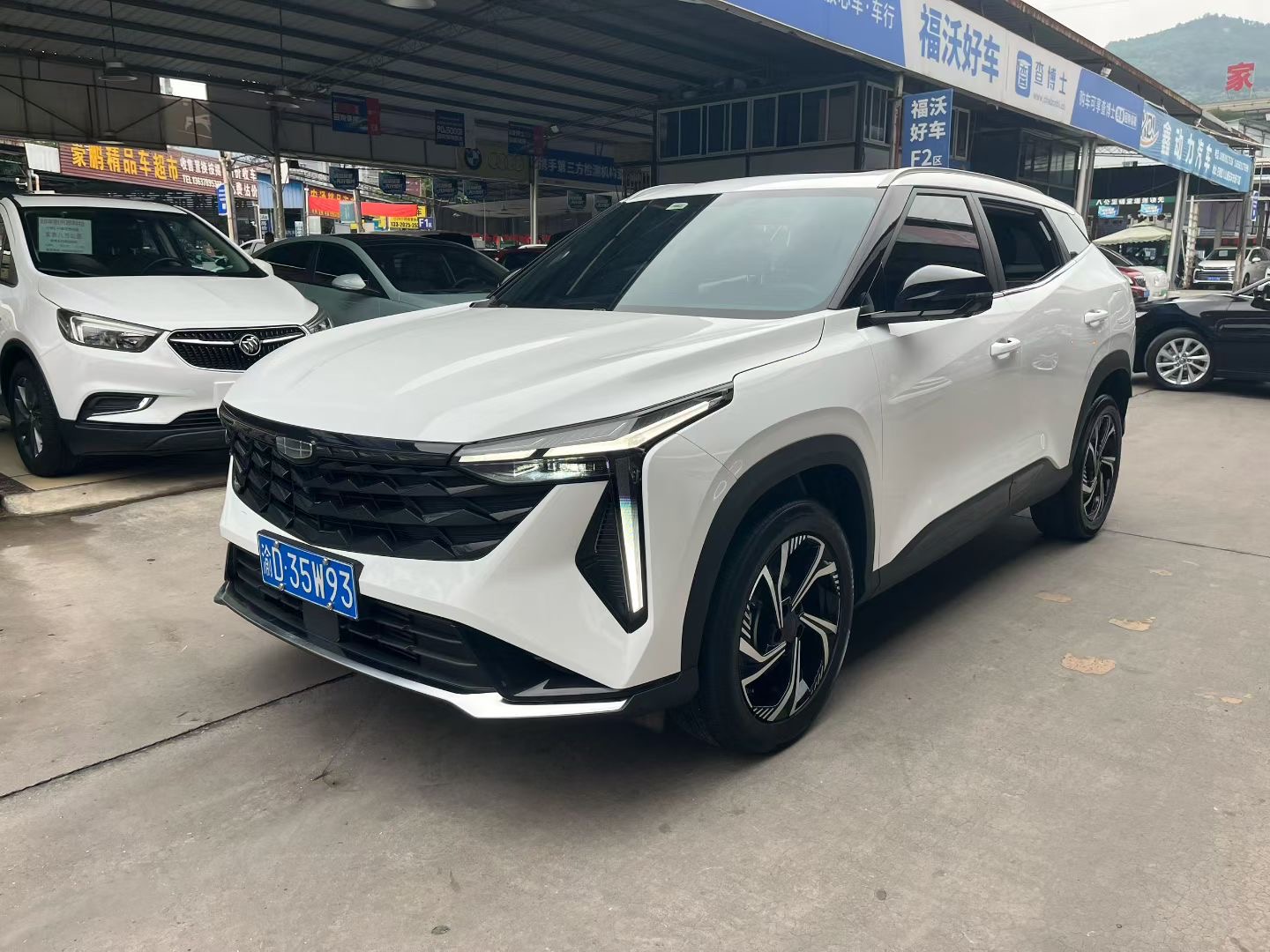
Basic Information

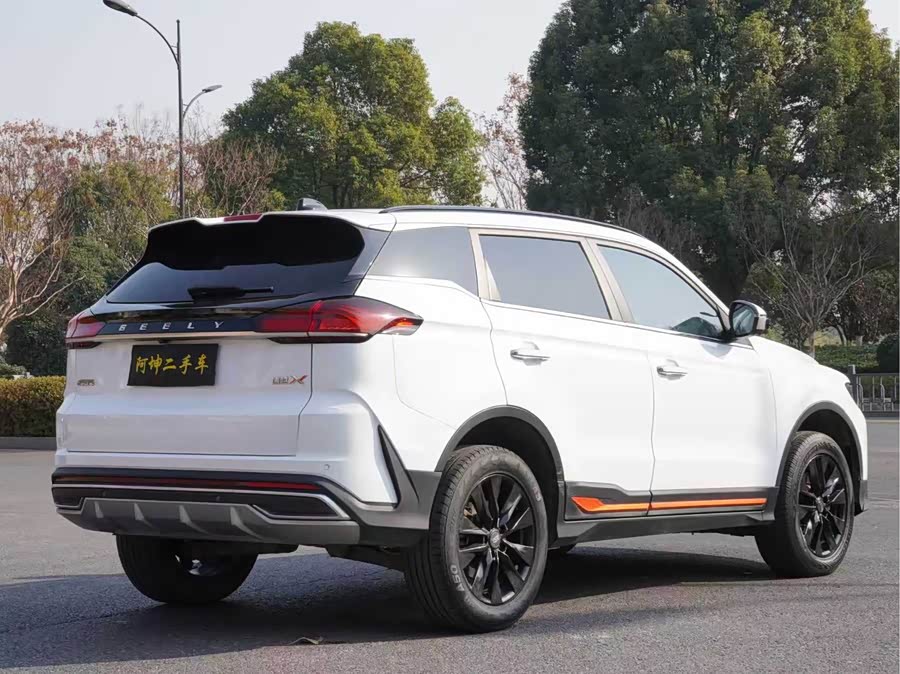
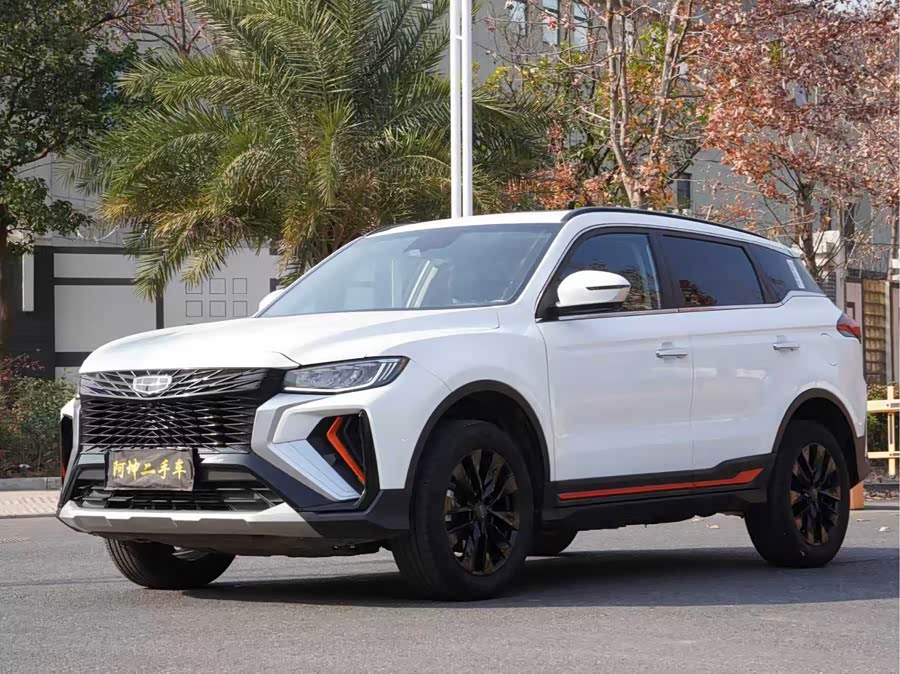
BrandGEELY
SeriesBoyue
Year2022
First Registration2022/12
Mileage42,000km
Transfer Count-
FuelGasoline
TransmissionDCT
Engine1.8T 184 L4
ColorWhite
Seats-

Condition Description

very good

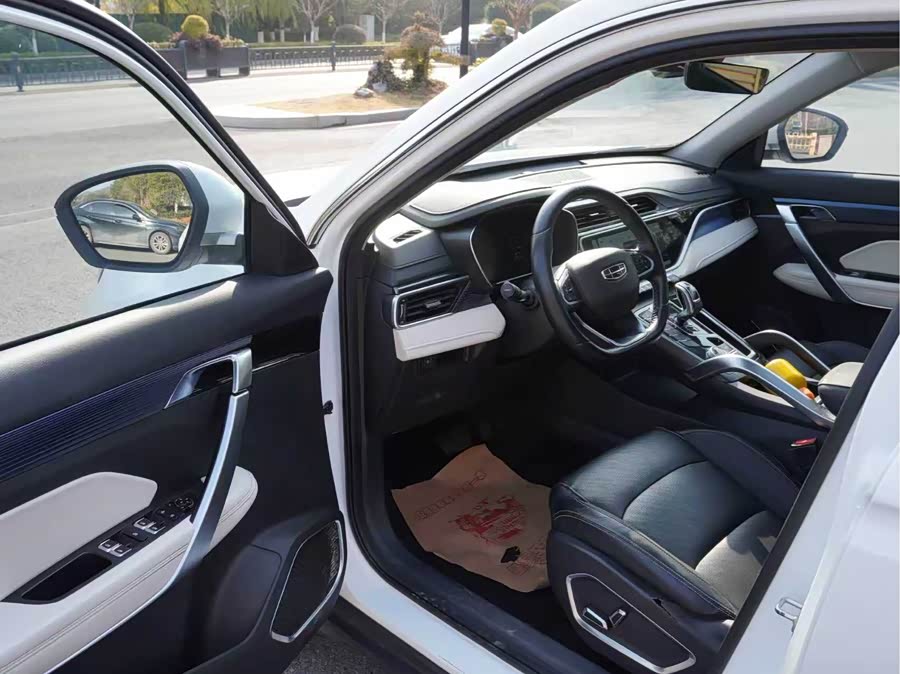
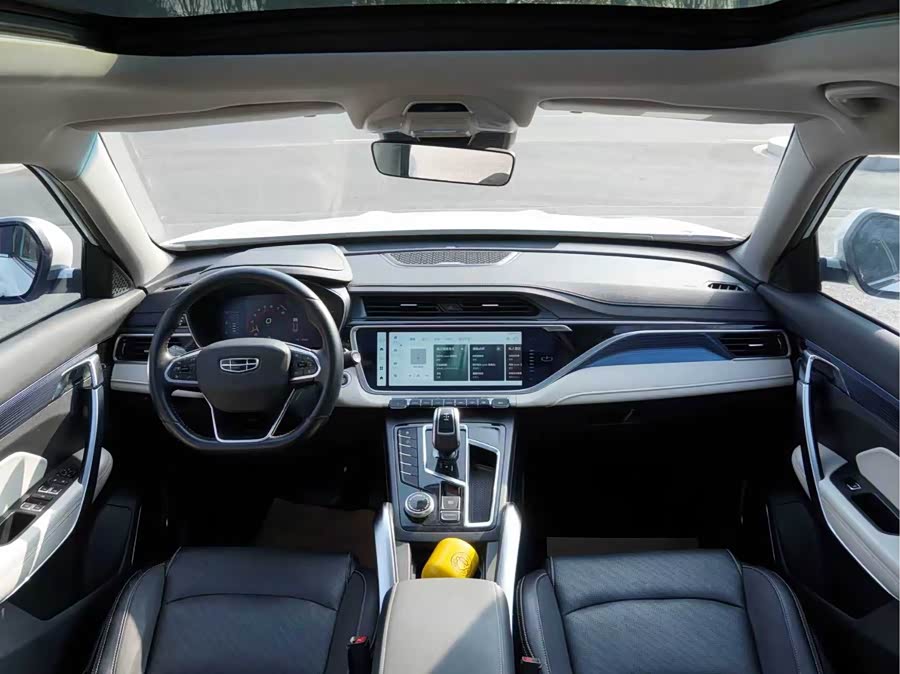
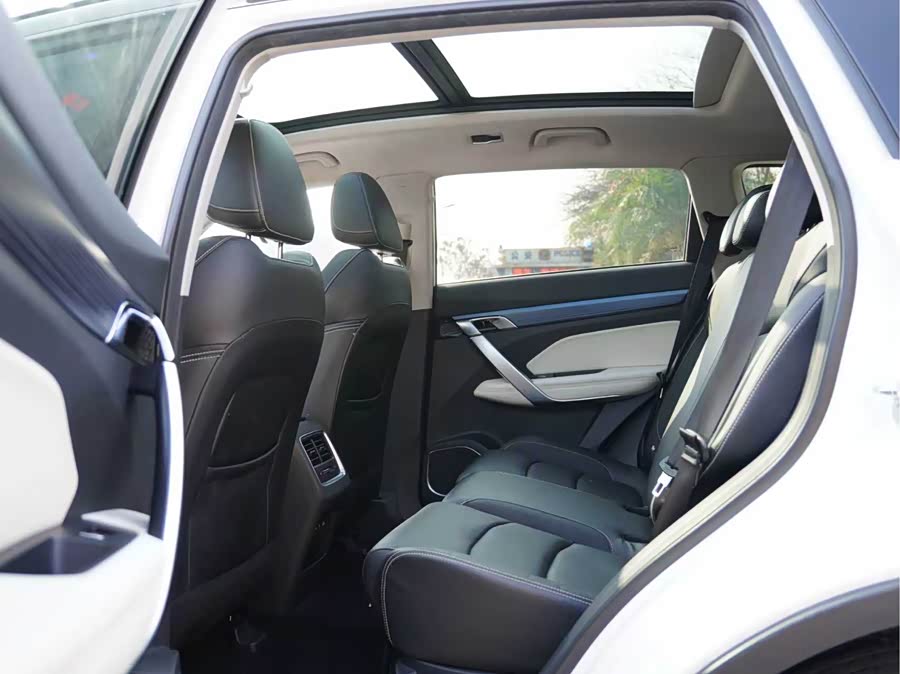
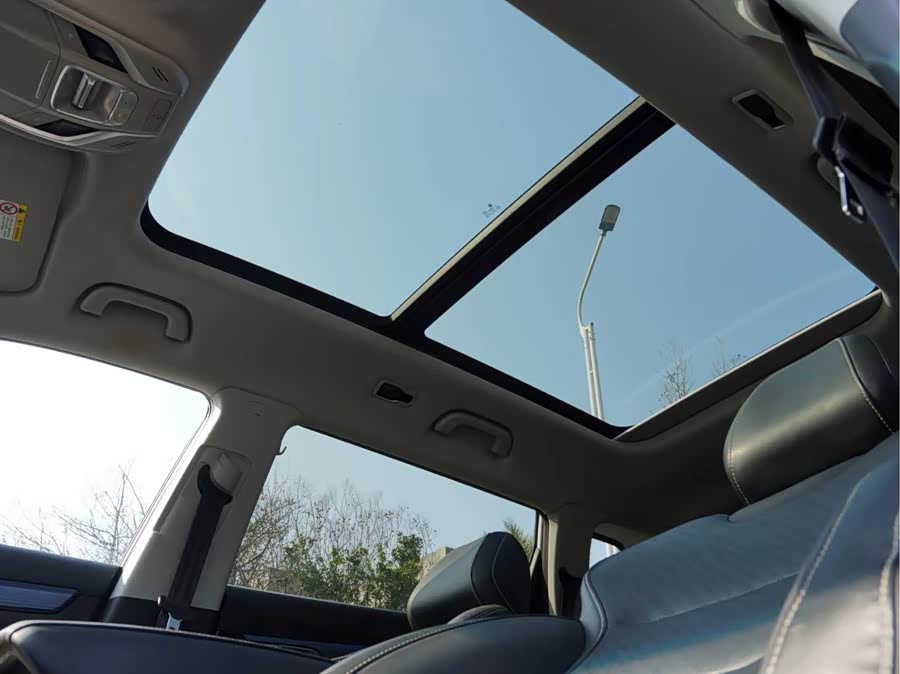
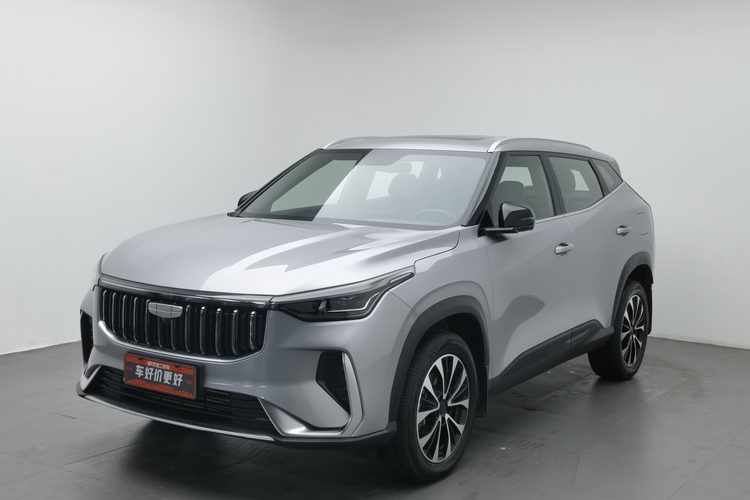
Excellent vehicle condition, no major accidents, no fire or water damage, no aftermarket modifications. Buy with confidence, peace of mind, and satisfaction. Chassis structure: No obvious wear. Engine compartment: In good working order. Exterior: No structural damage to the body. Interior: Clean and tidy. Paint: Well maintained.

Newly added
0 transfers

Configuration Highlights

✓Lane Keep Assist
✓Lane Departure Warning
✓Active Safety System
✓ISOFIX Child Seat Anchors
✓Auto Hold
✓Power Trunk
✓Keyless Start System
✓Paddle Shifters
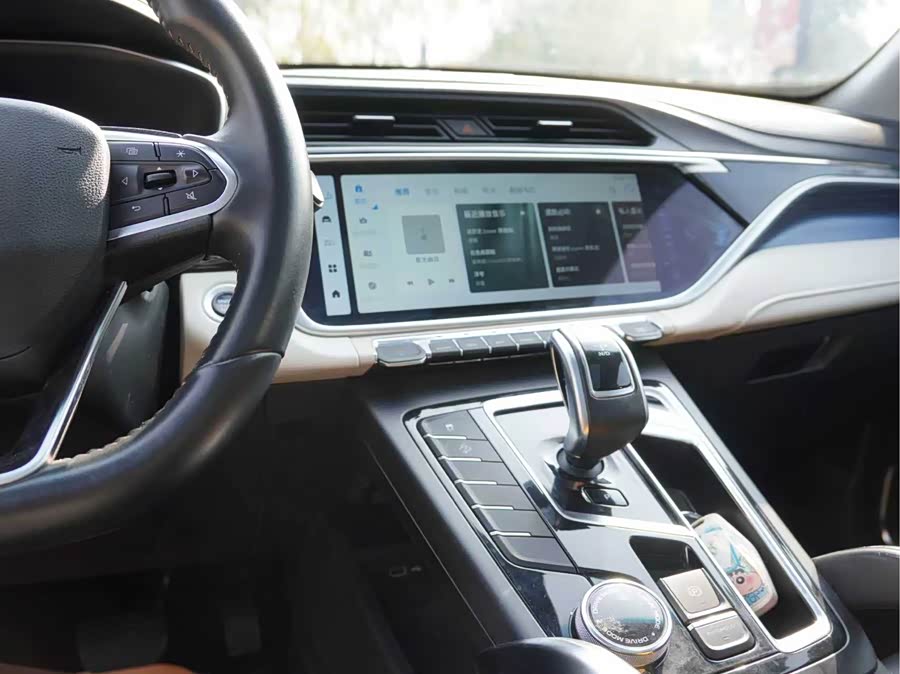
✓Digital Instrument Cluster
✓Head-Up Display
✓Built-in Dashcam
✓Bluetooth/Hands-free
✓Connected Car
✓OTA Updates
✓Adaptive Headlights
✓PM2.5 Air Filter
✓Rear Air Vents

Accident & Maintenance Records

Accident Record

🔗 Open Link

Maintenance Record

🔗 Open Link

Document Information

Inspection Expiry Date2026/12
Warranty Expiry Date-
Insurance Expiry Date2025/12

Q&A

More

Do the exported new energy vehicle battery packs have the required UN38.3 test report and MSDS certificate for maritime transport?

Our documentation department has the latest versions of UN38.3 (United Nations Transport of Dangerous Goods Test and Standards) and MSDS reports authorized or filed by major Chinese new energy brands (such as BYD, Geely, GAC), which are essential customs documents for declaring dangerous goods to the maritime authority.

What does the real landed cost of importing a used car from China look like, and which line items do buyers most often underestimate?

A realistic landed cost has five layers: the car price, export-side fees (deregistration, export license, inland trucking to the port), international freight and insurance, destination duties and taxes, and local charges (port handling, inspection, registration). Buyers most often underestimate three items. First, destination duties are calculated on the customs value, which may include freight, so a cheap car can still attract significant tax. Second, port and terminal charges at both ends add up; demurrage fees apply quickly if documents are late. Third, compliance costs such as homologation, emissions testing, or translation of documents can run into hundreds of dollars depending on the country. Ask every exporter for a written, itemized quote to your port, not just an FOB price, and keep a 5% contingency. Quotes that look unusually cheap usually hide costs in the freight or handling lines.
What is a Chinese vehicle registration certificate and how do I verify the seller actually owns the car?

The key document is the 机动车登记证书 (Vehicle Registration Certificate), the green booklet proving ownership. Along with it, the seller should provide the 行驶证 (driving license for the vehicle) and their ID. Verification steps: 1. Check that the VIN/chassis number on the certificate matches the car exactly, stamped on the dashboard and door frame 2. The certificate's 所有人 (owner) field must match the seller's company name or the export agent they claim to work with 3. Look at the registration history pages—frequent transfers in a short period can indicate problem cars being flipped 4. Confirm the car is not marked 抵押 (mortgaged/pledged to a bank) Be cautious if the seller only shows photos of these documents and refuses a live video panning across the original booklet with the day's newspaper. Also verify the export company has 二手车出口资质 (used-car export qualification)—a legitimate exporter will share their license number, which you can cross-check on Chinese commerce bureau websites.