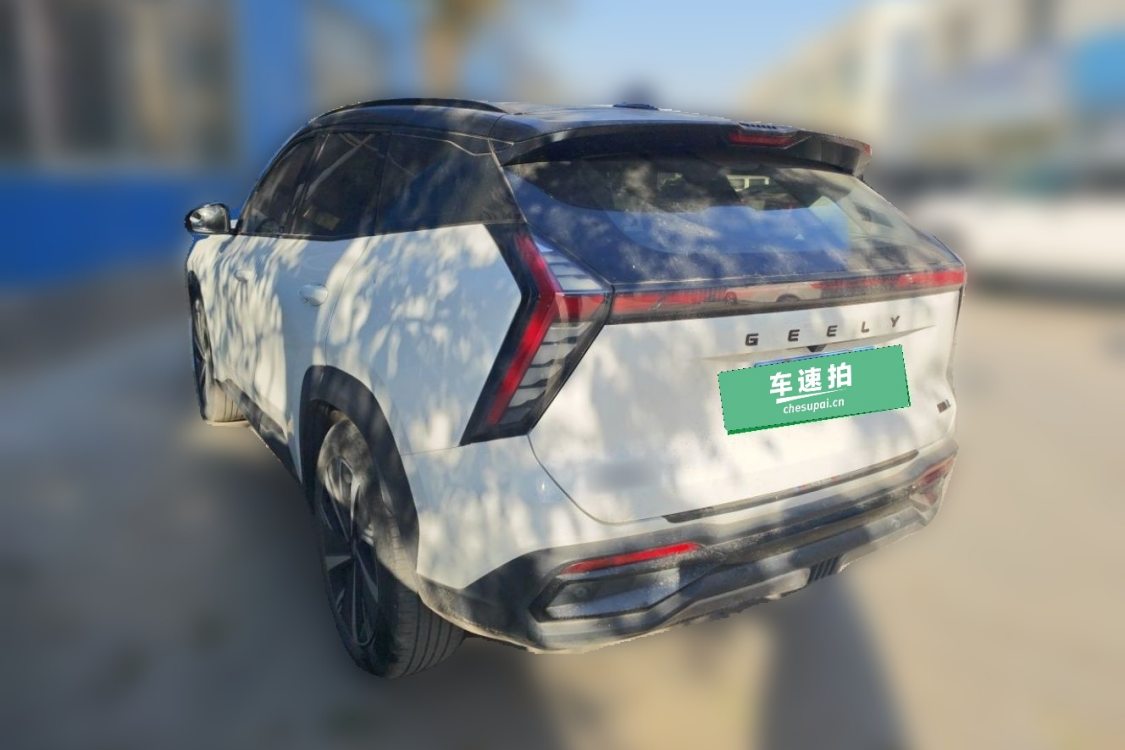
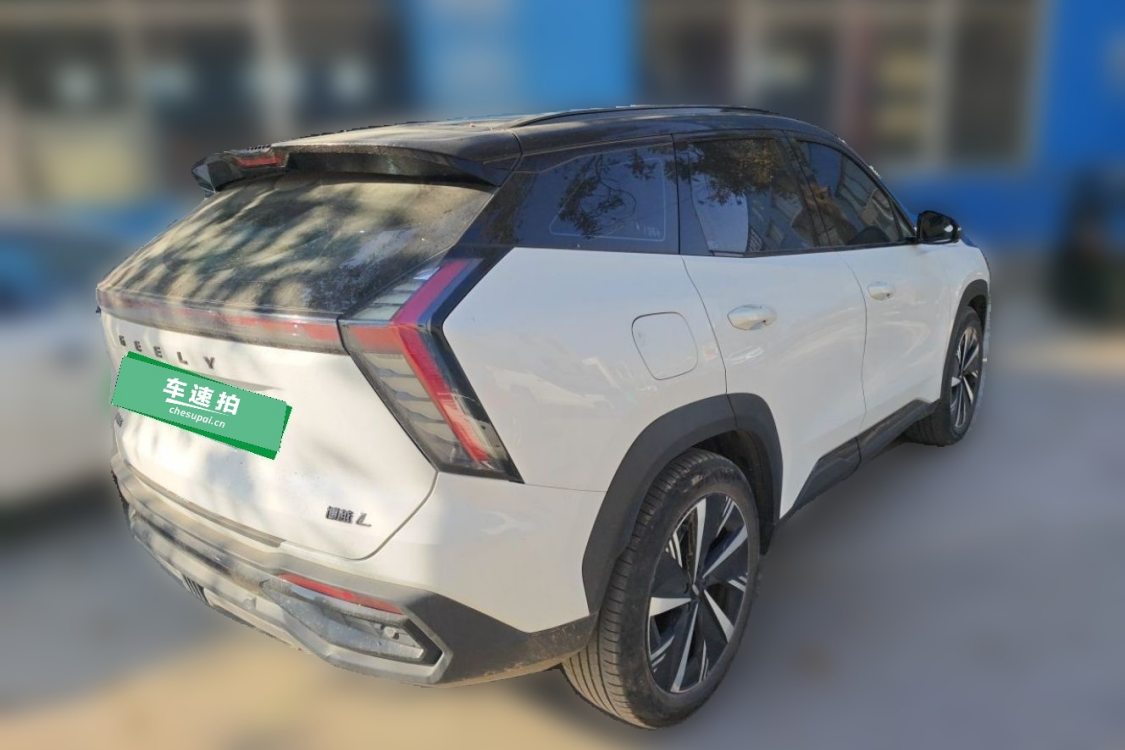
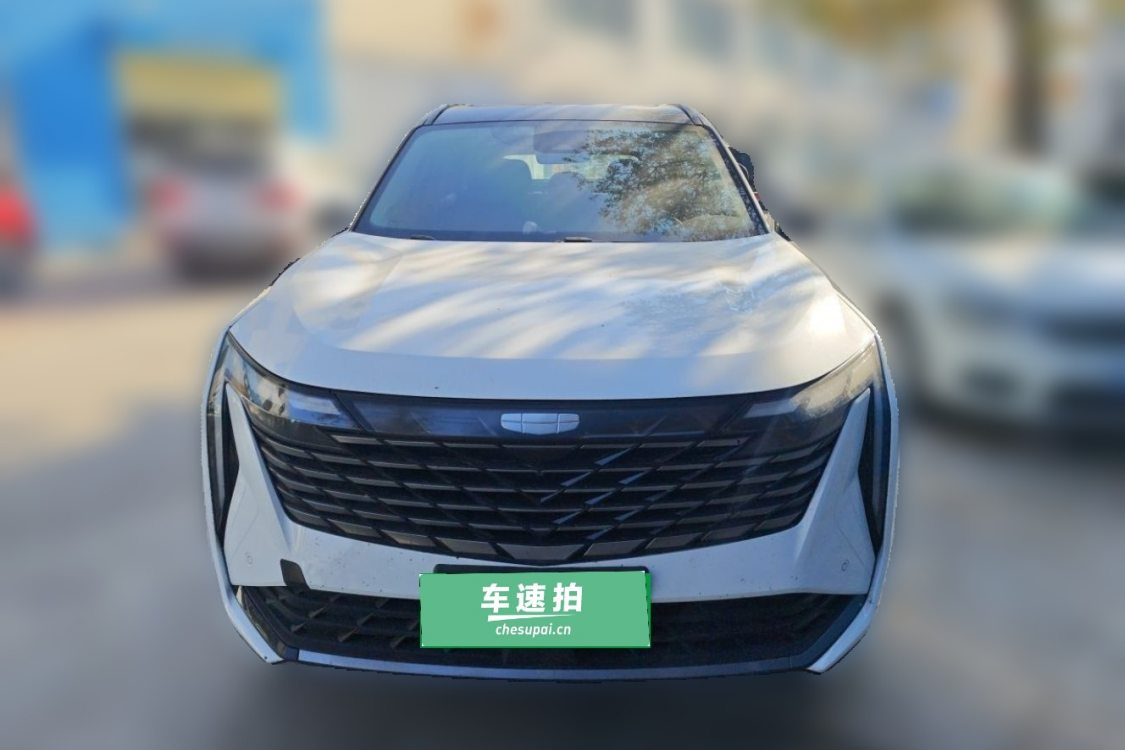
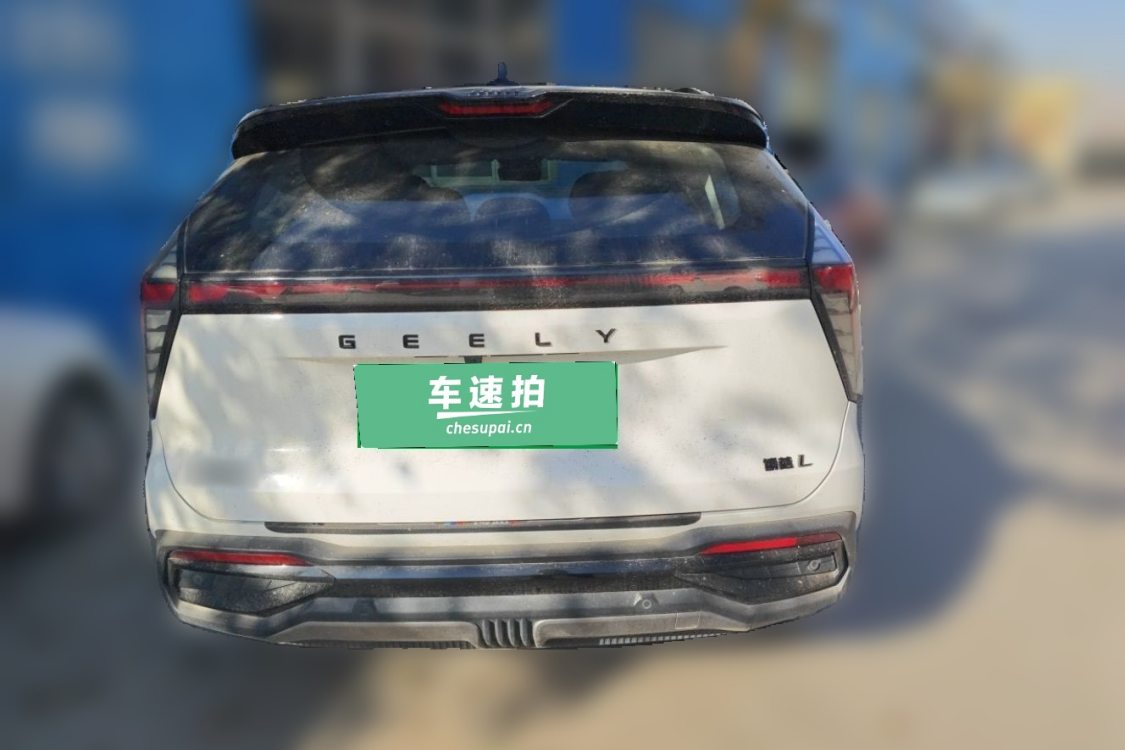
24H

Basic Information

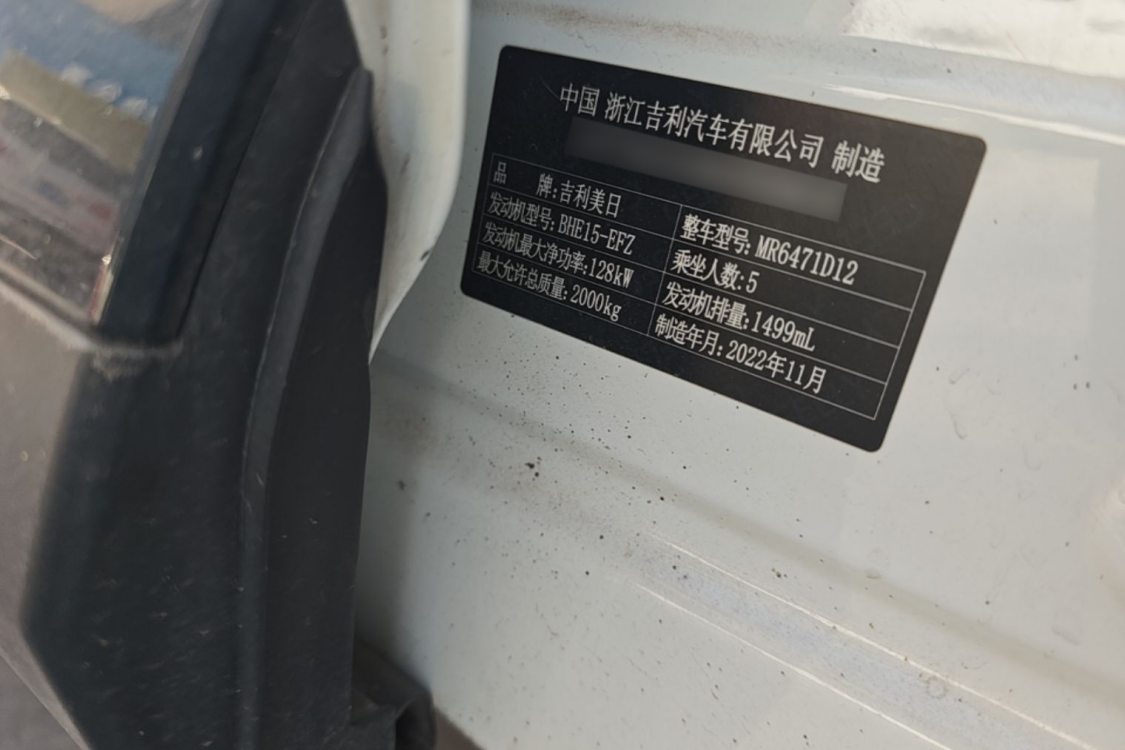
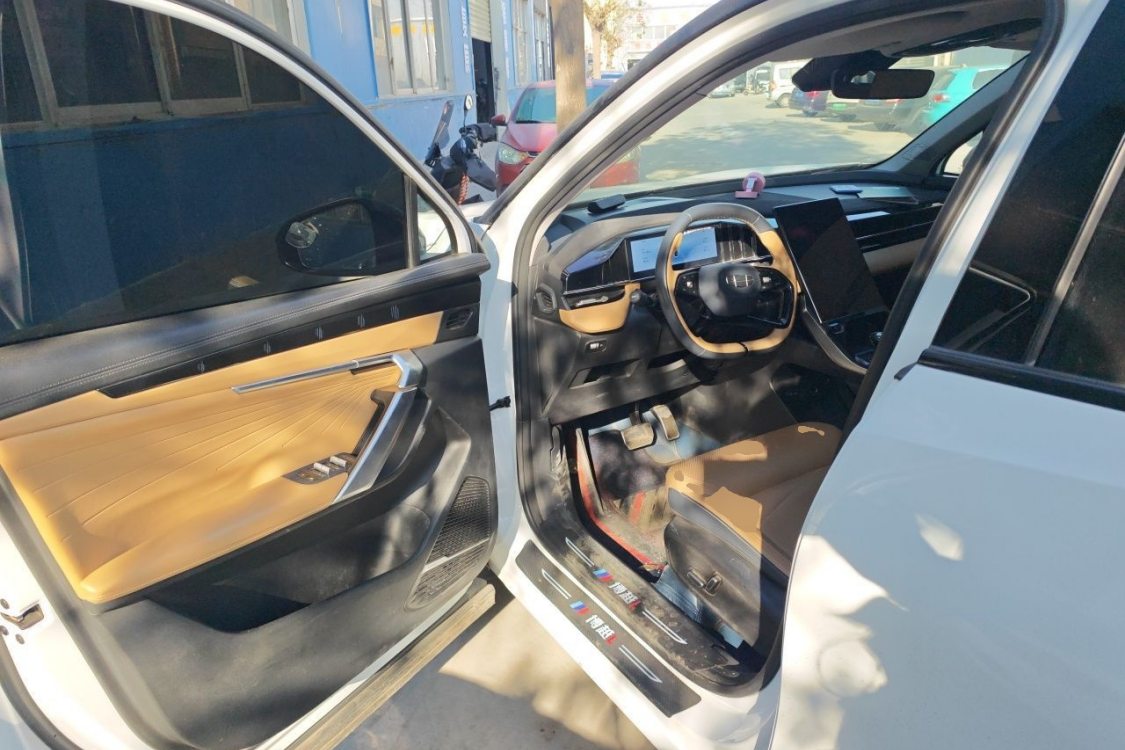
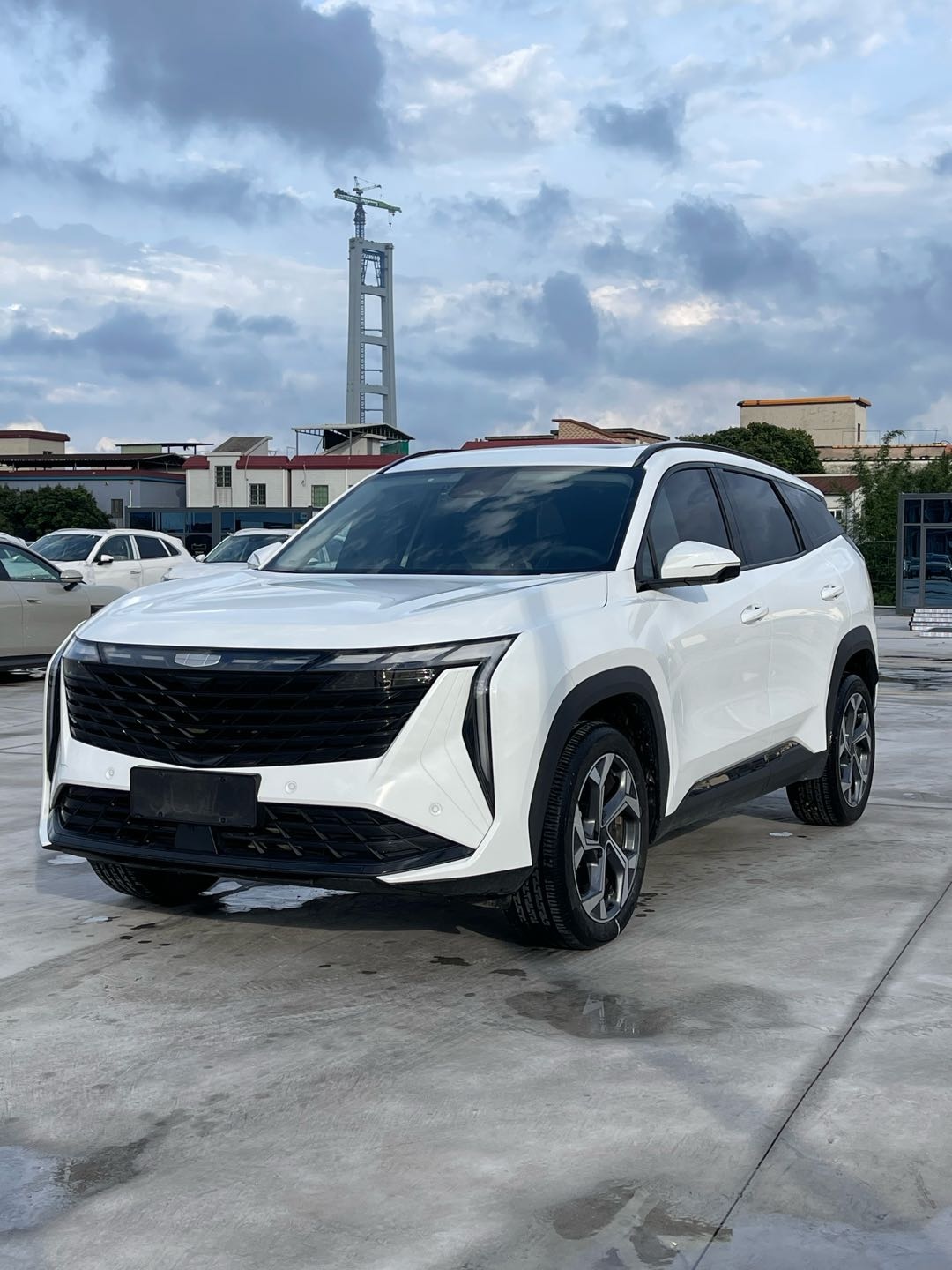
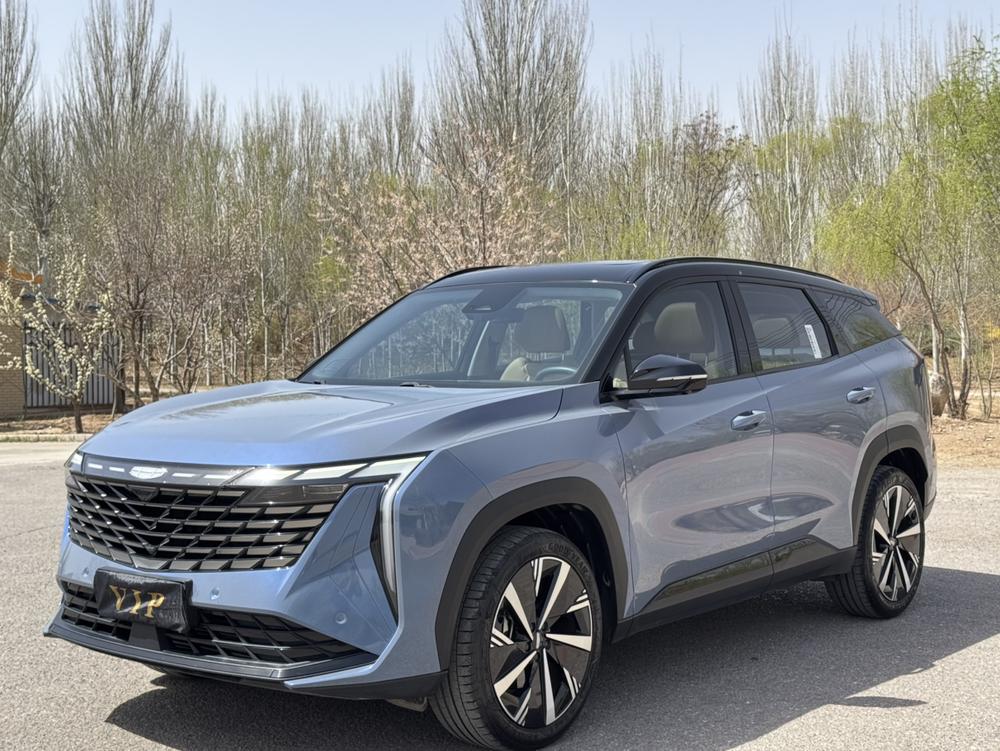
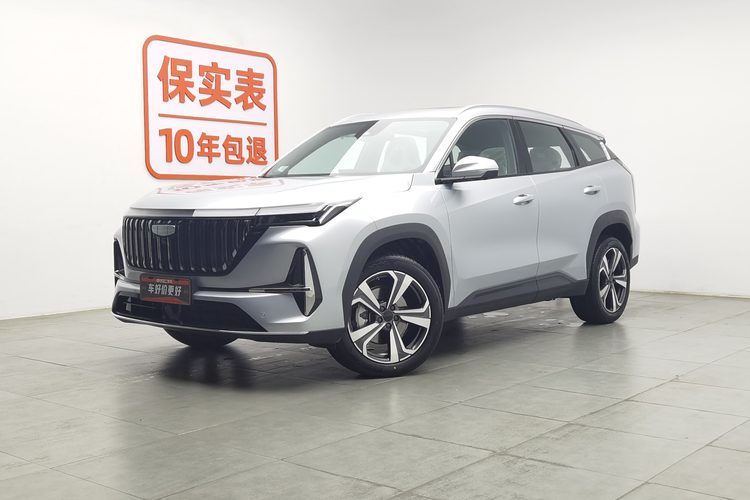
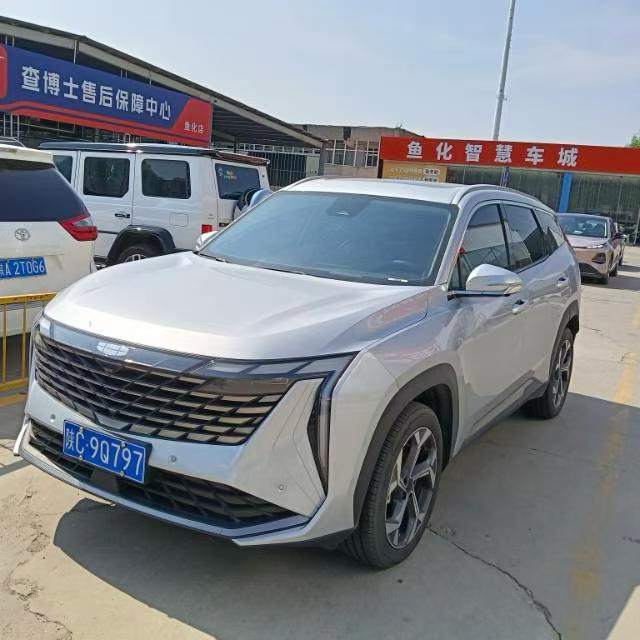
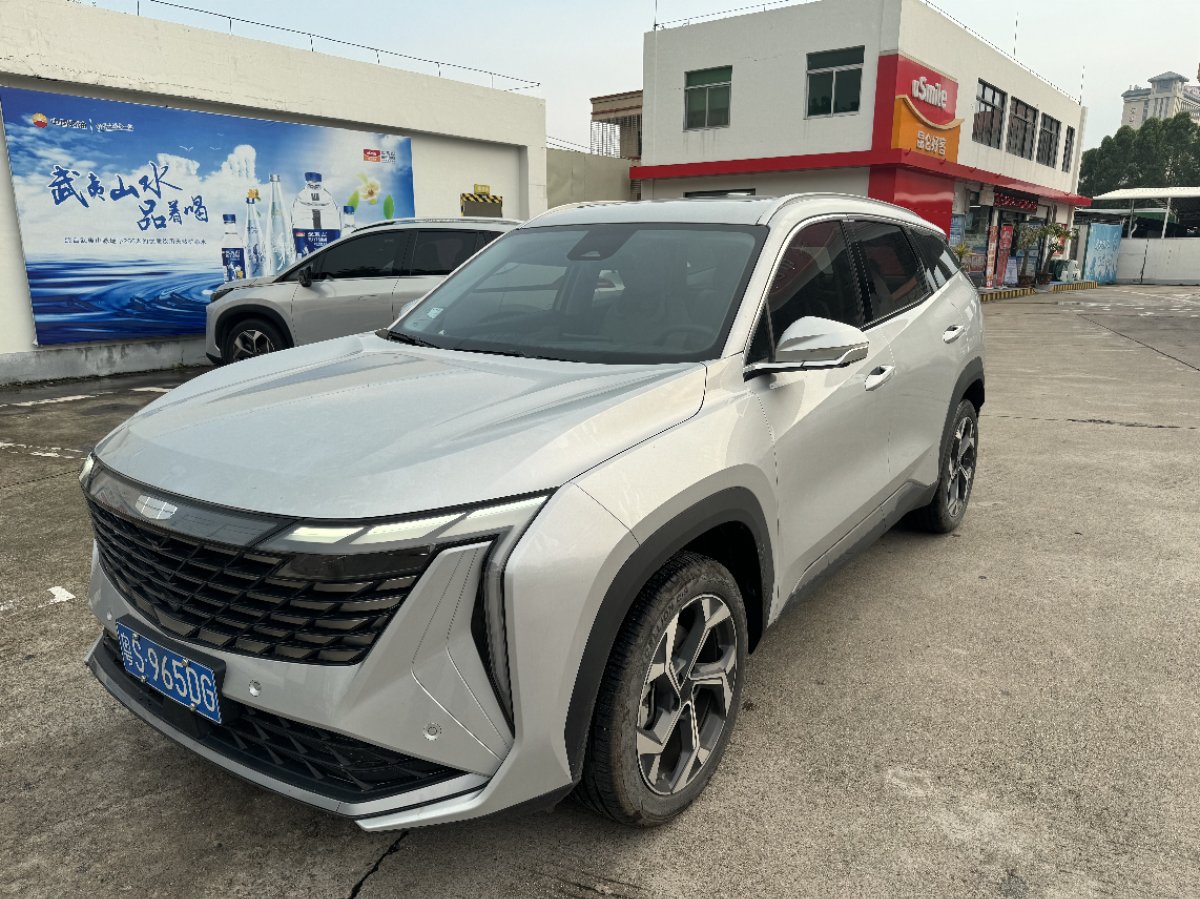
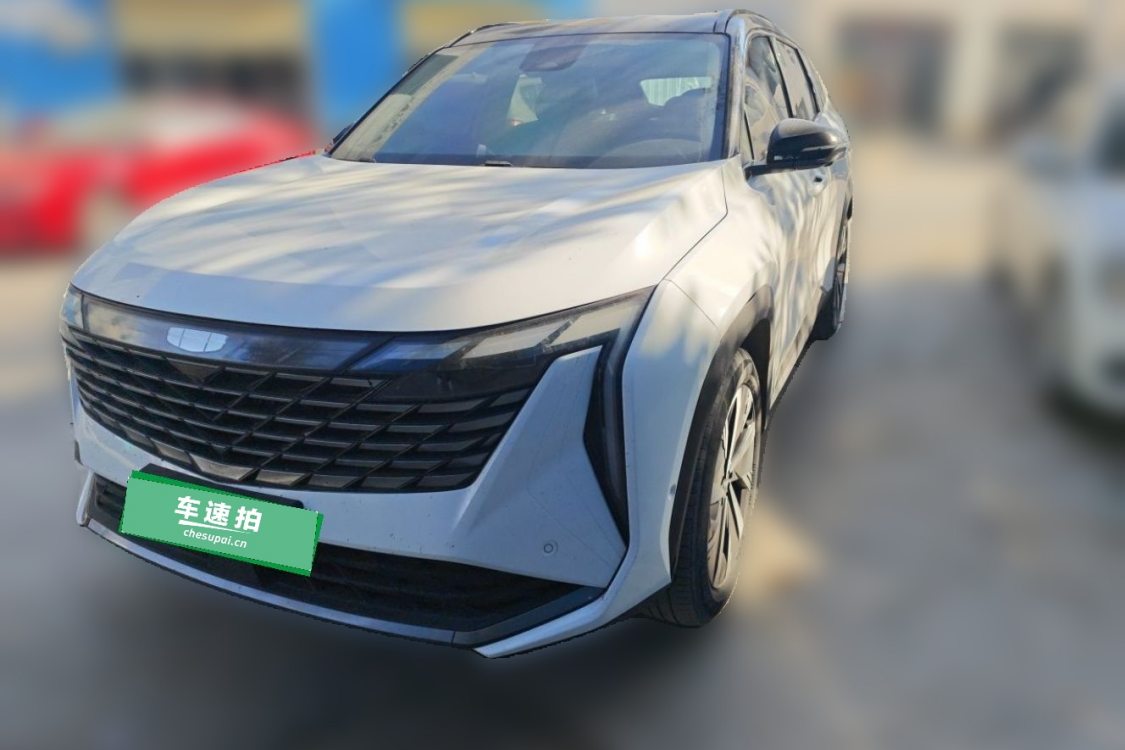
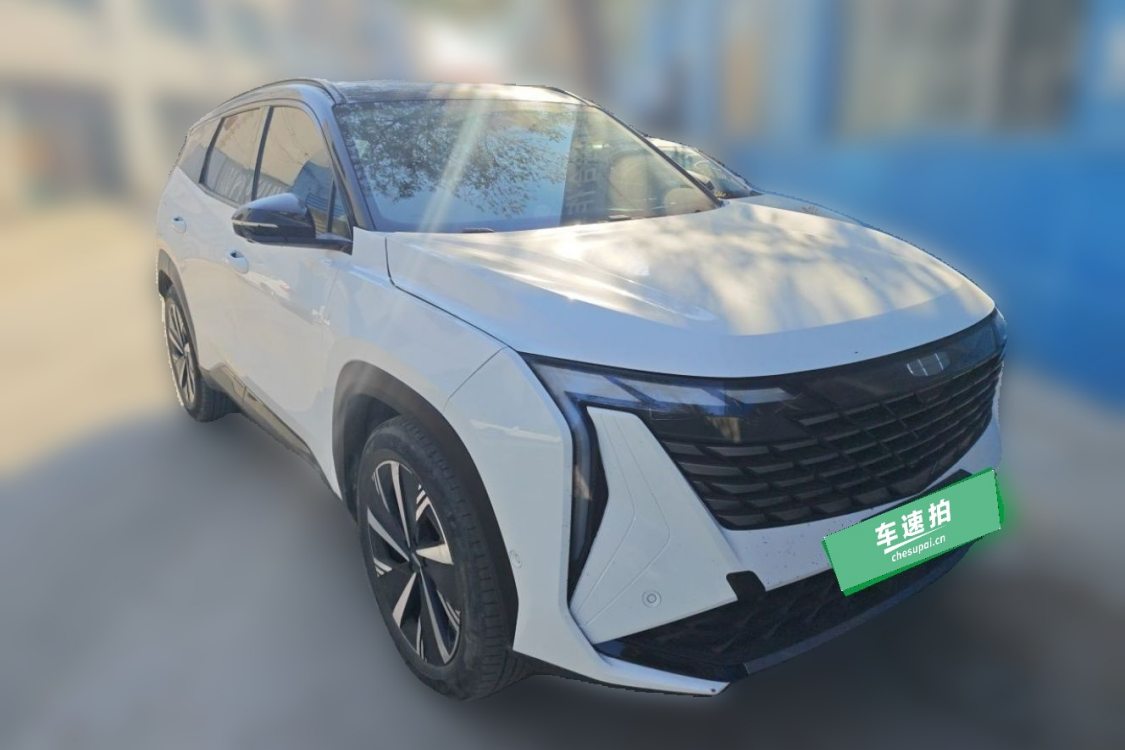
BrandGEELY
SeriesBoyue L
Year2023
First Registration2023/01
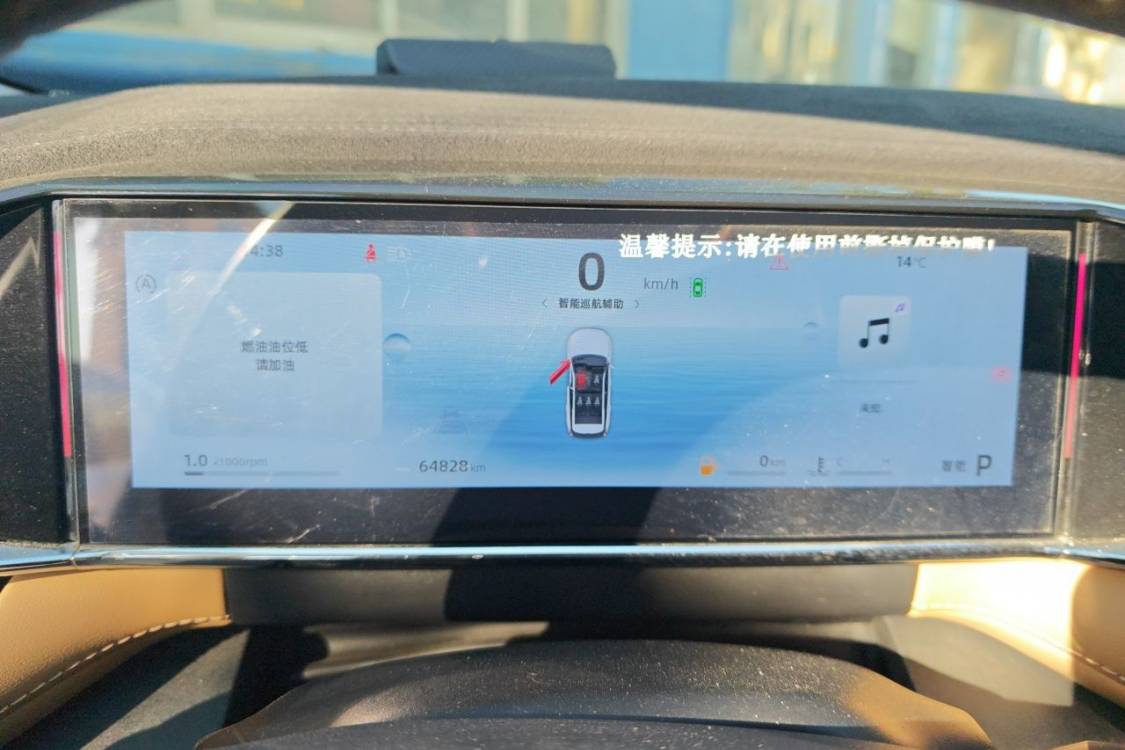
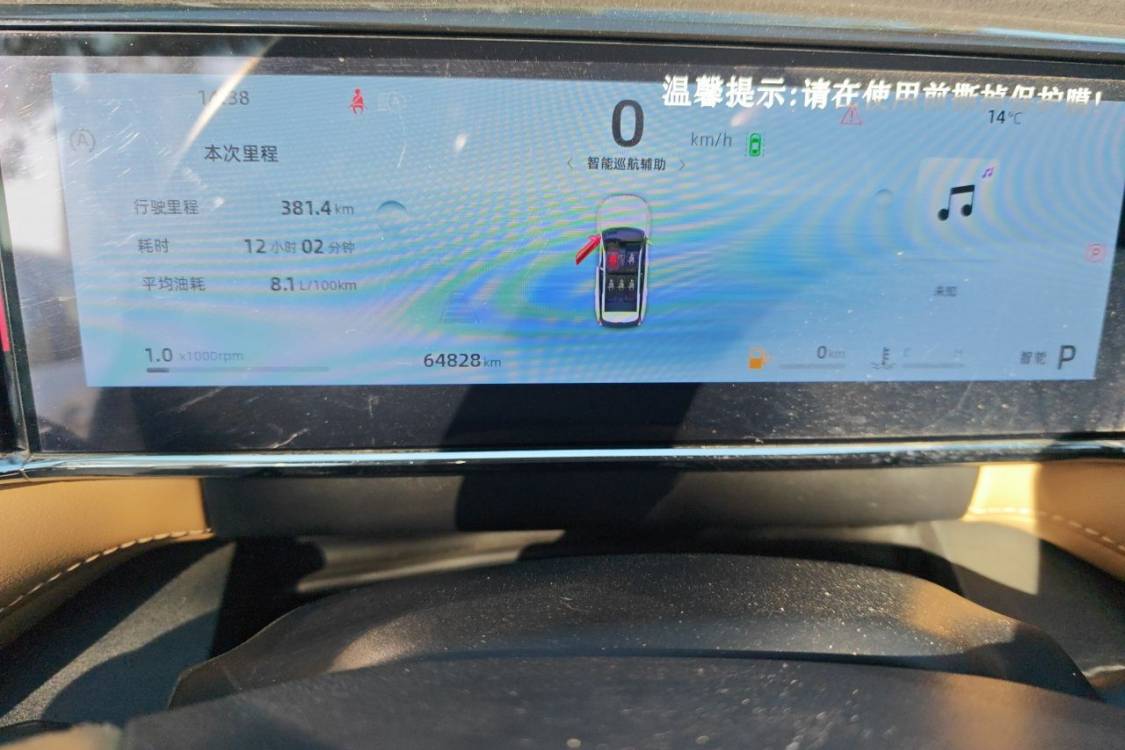
Mileage64,800km
Transfer Count1times
FuelGasoline
TransmissionDCT
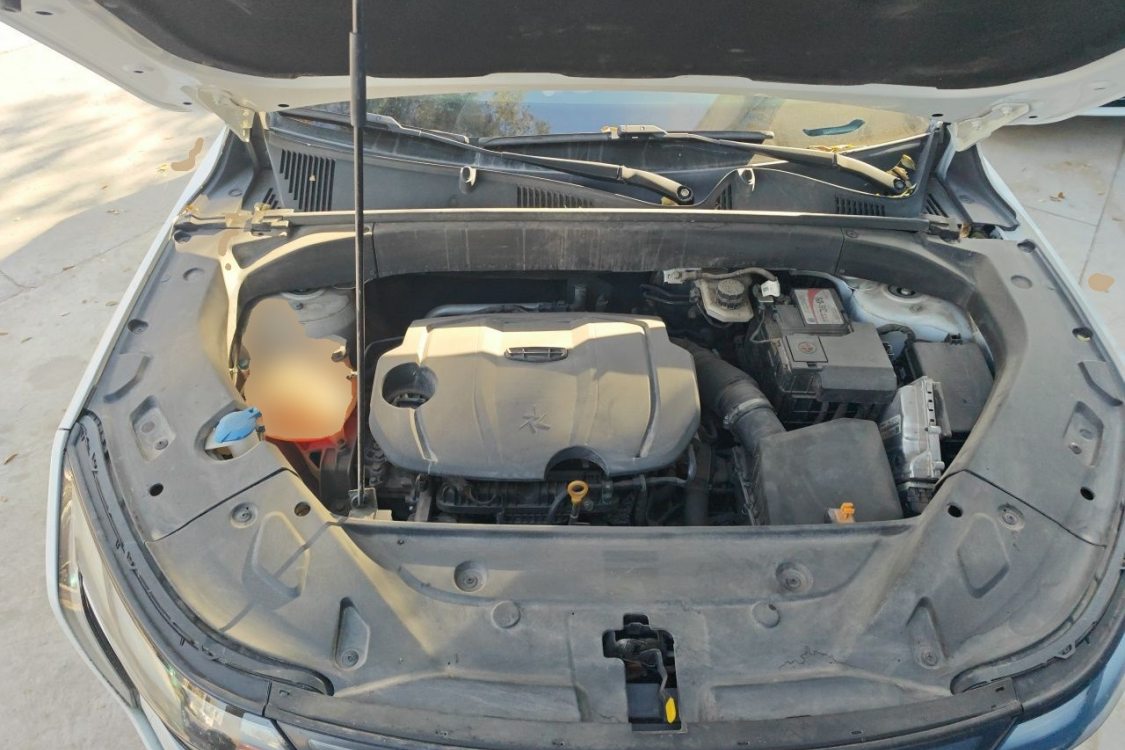
Engine1.5T 181 L4
ColorWhite
Seats-

Condition Description

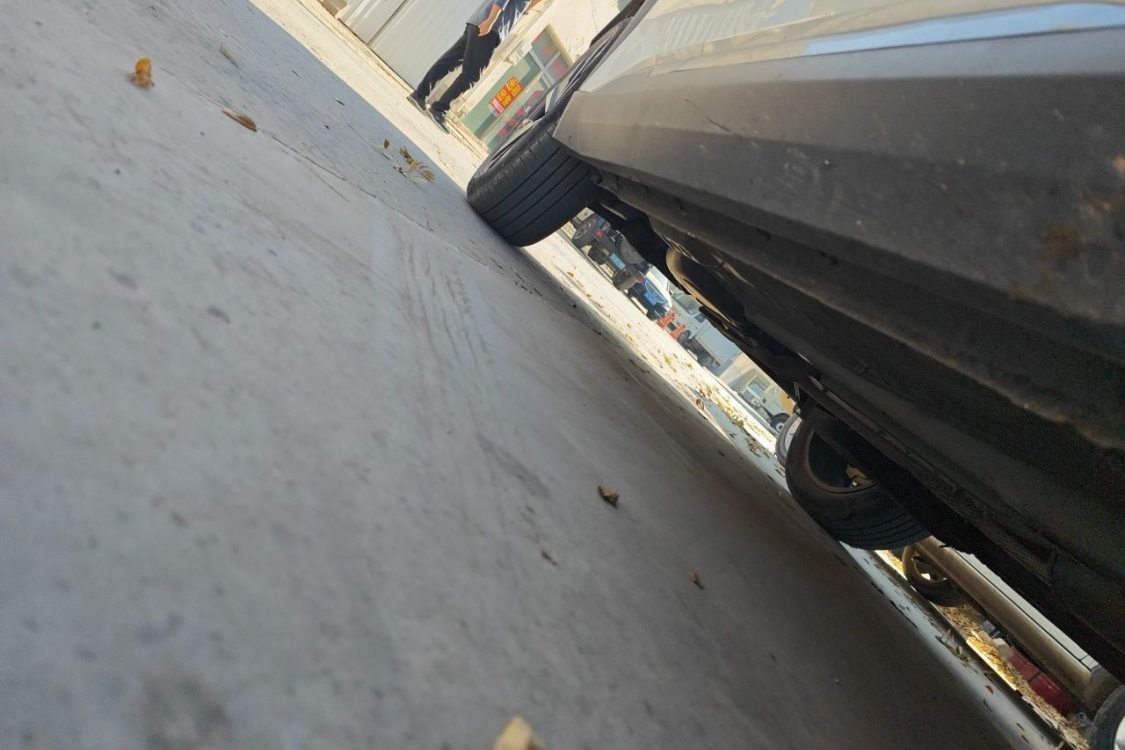
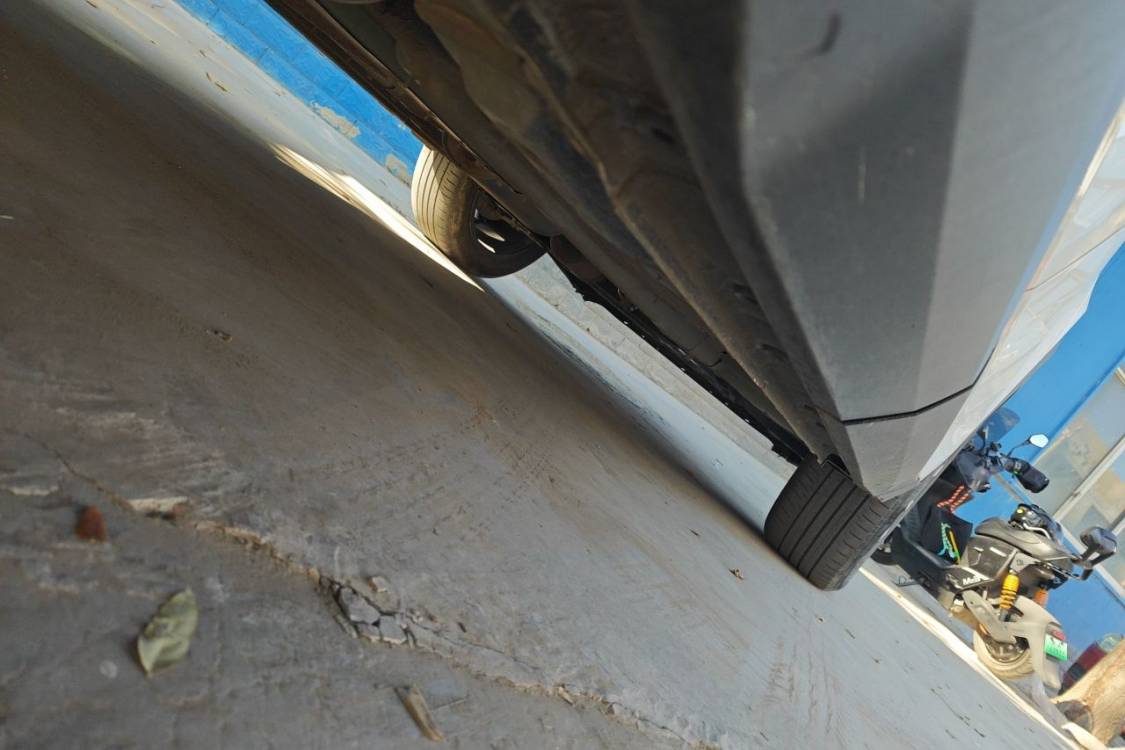
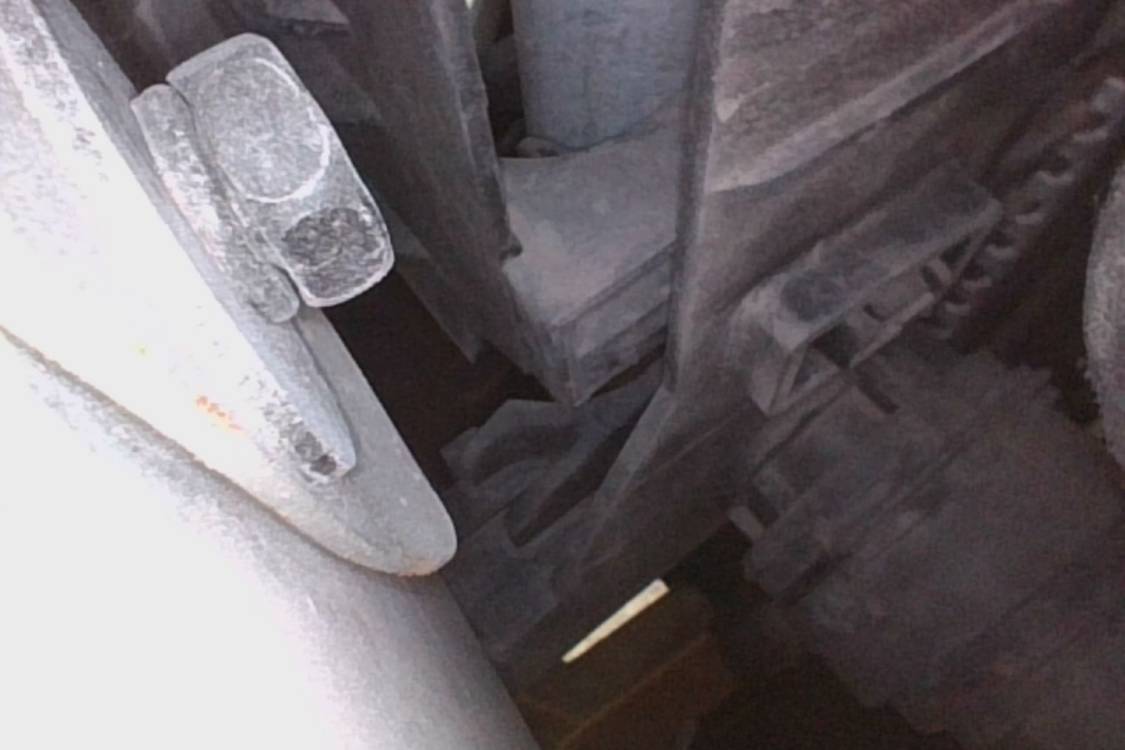
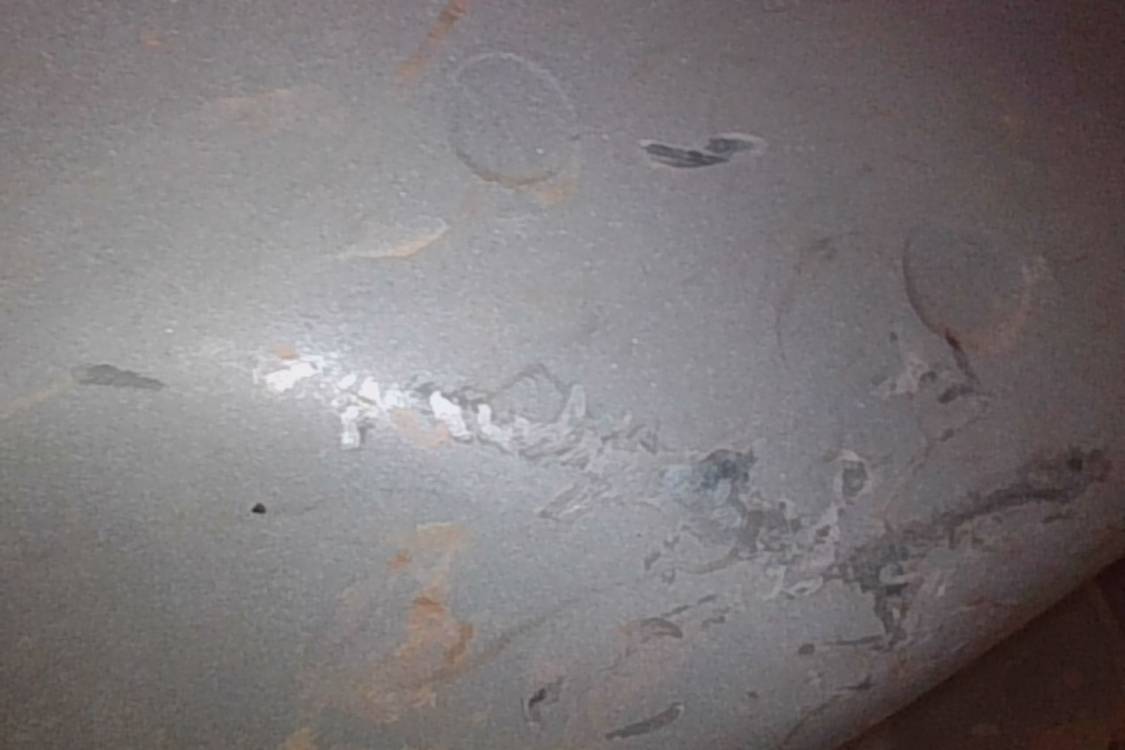
Vehicle has major defects in structural/reinforcement/panel components due to major accident, fire, water damage, or power battery-related parts, repaired or unrepaired, still affecting body structural strength or safe use, with hidden fault risks.

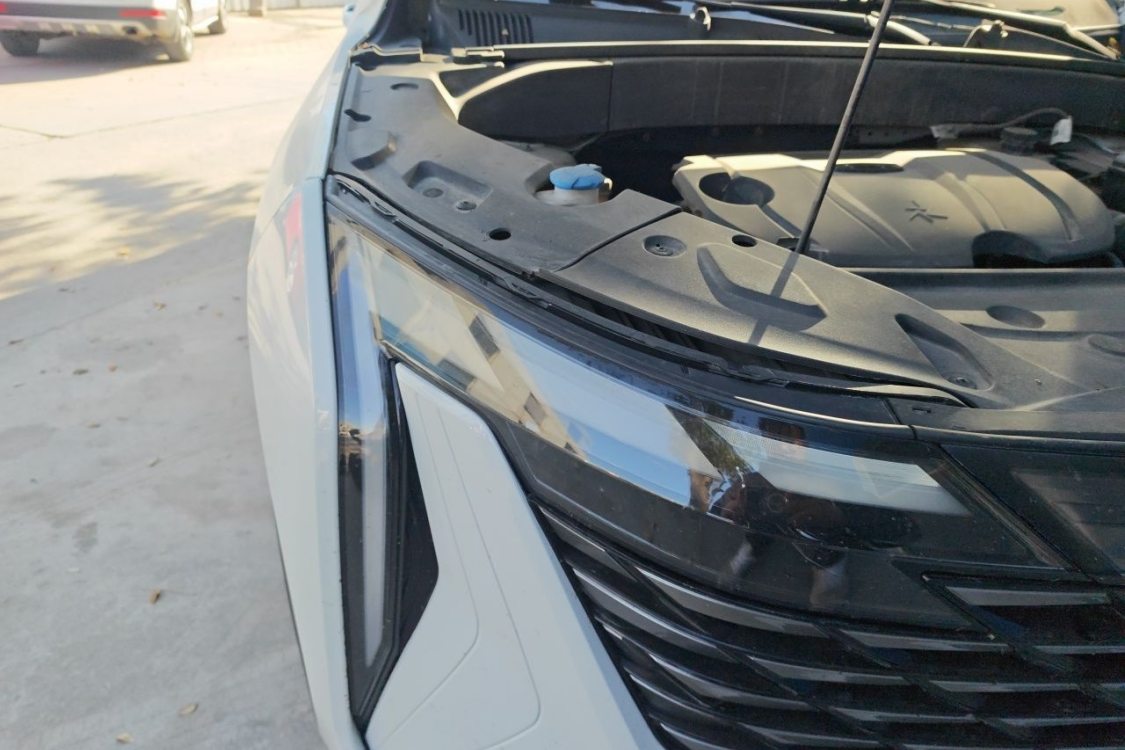
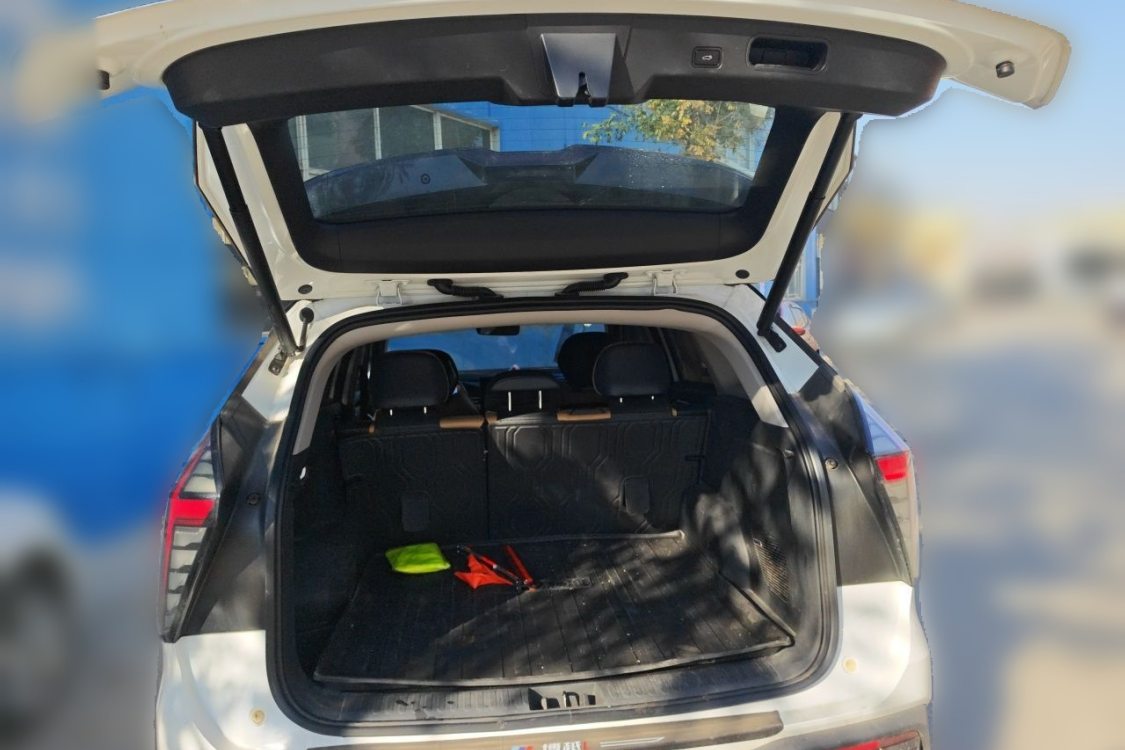
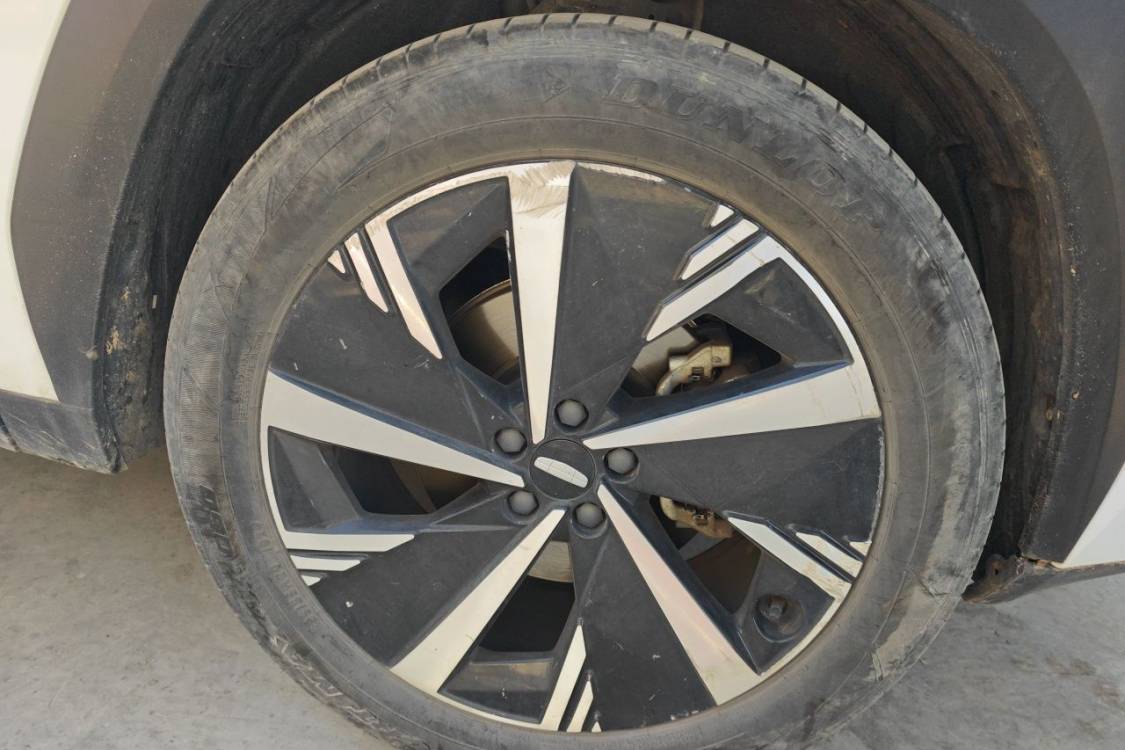
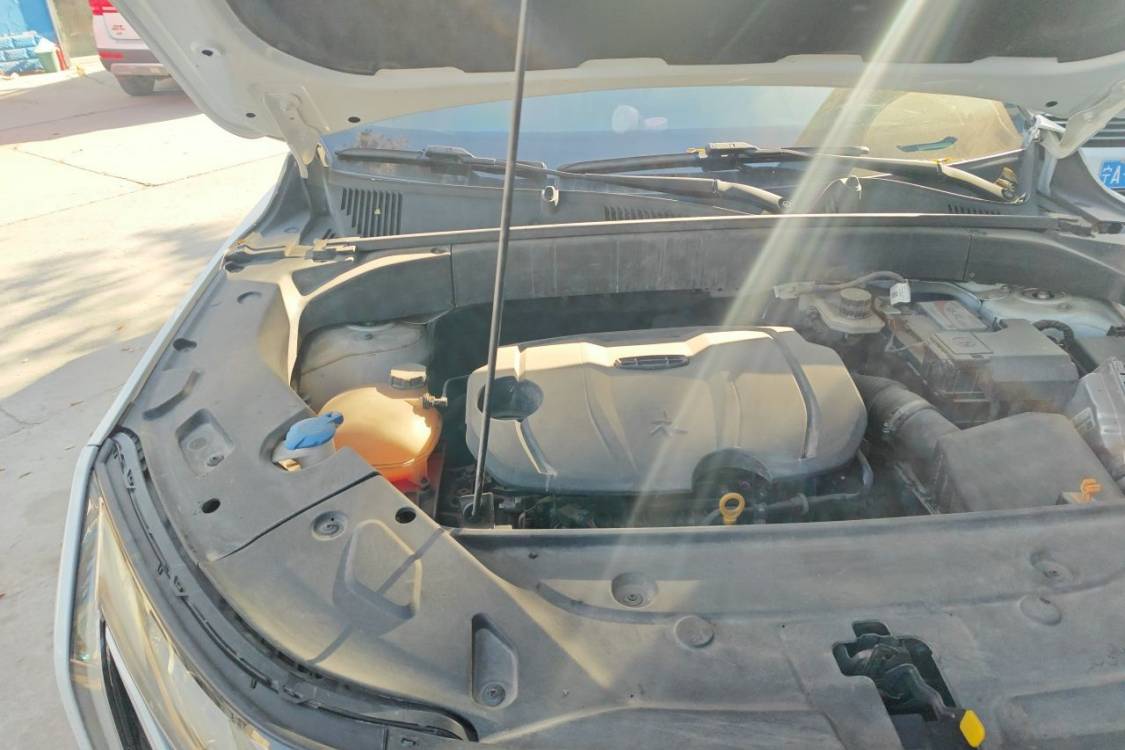
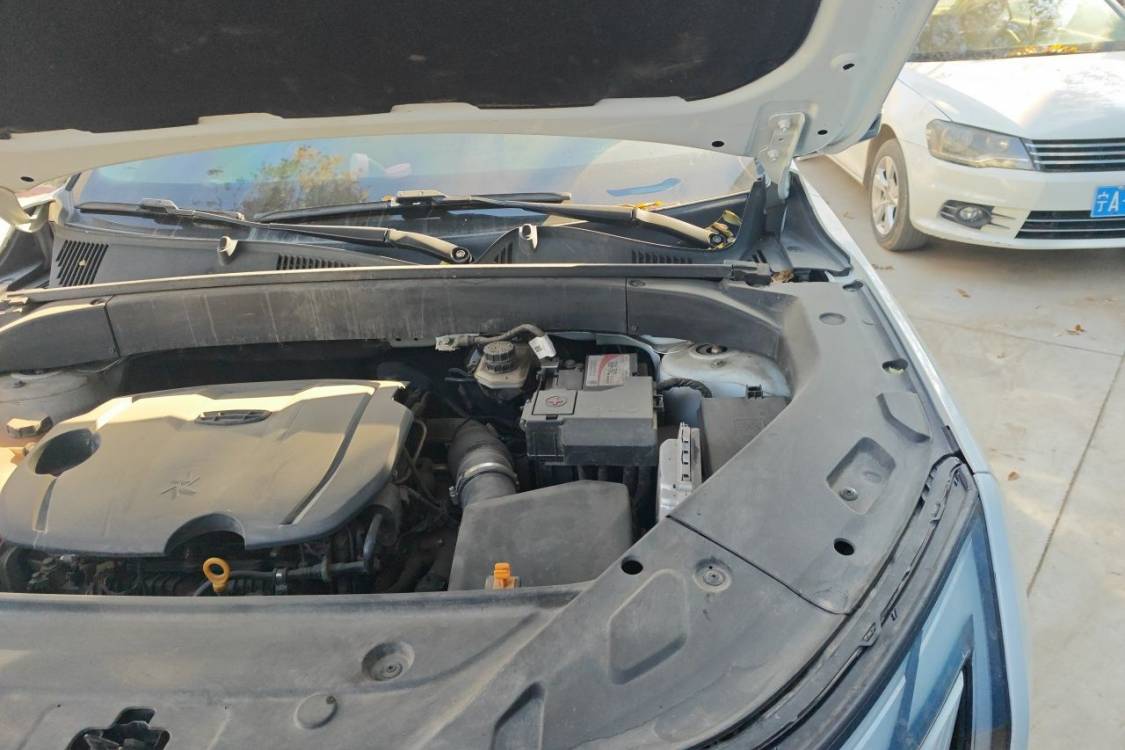
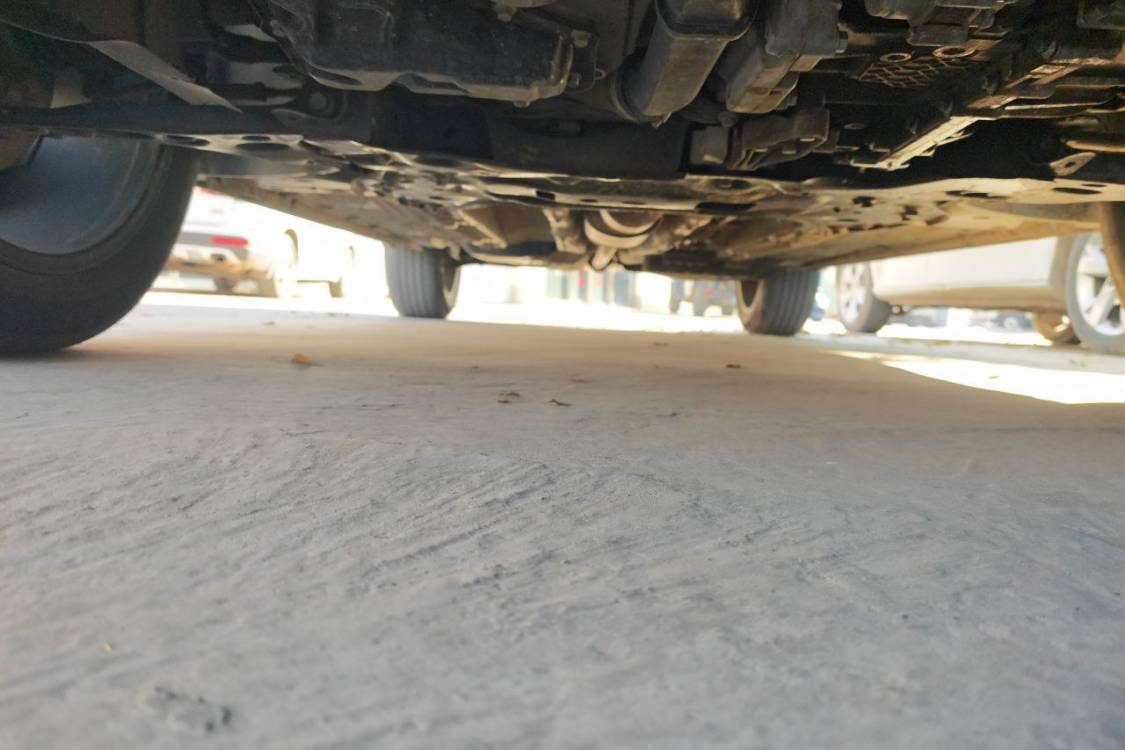
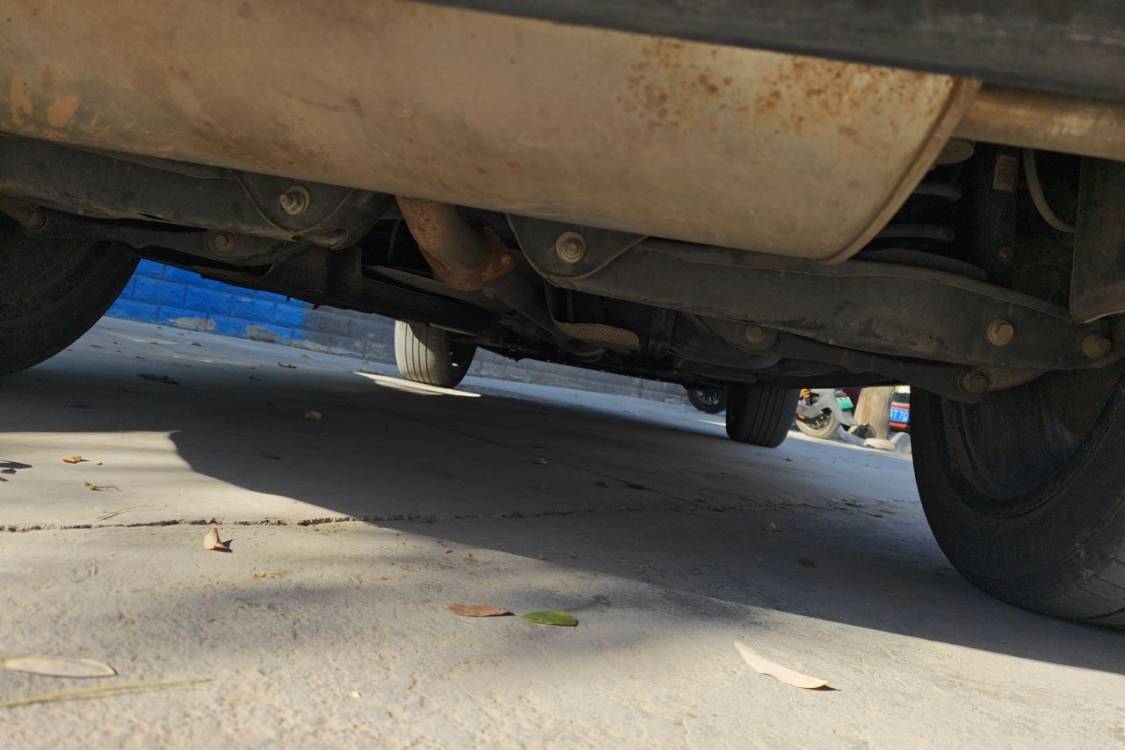
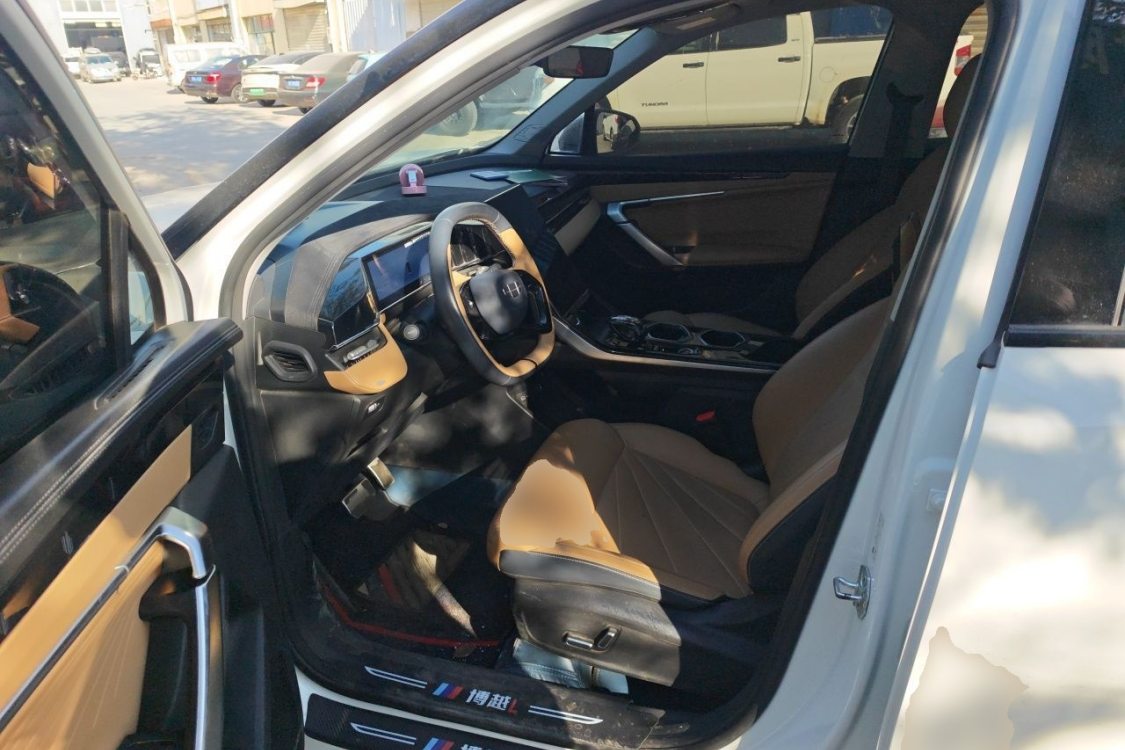
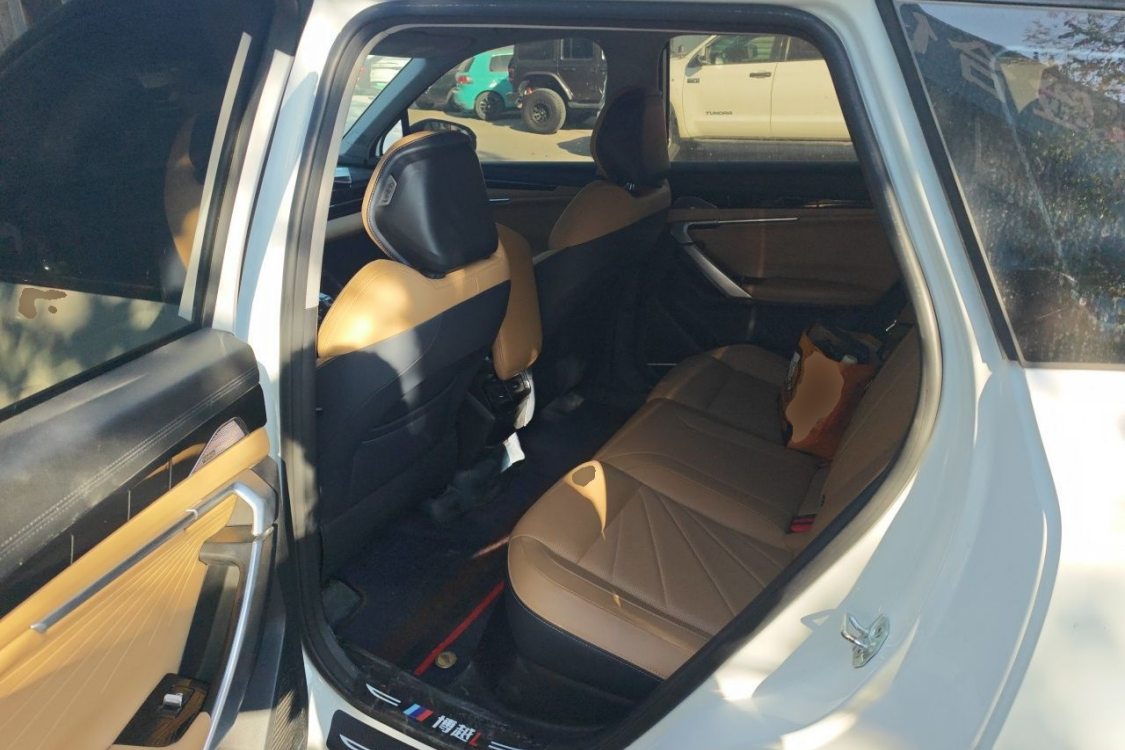
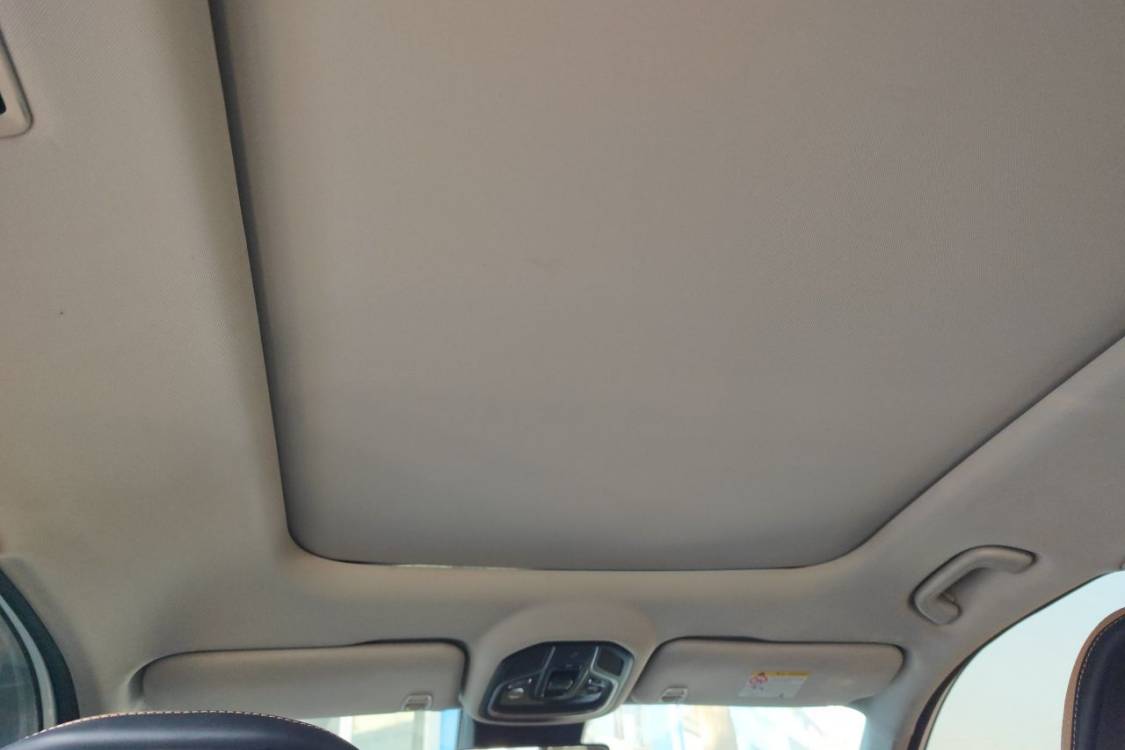
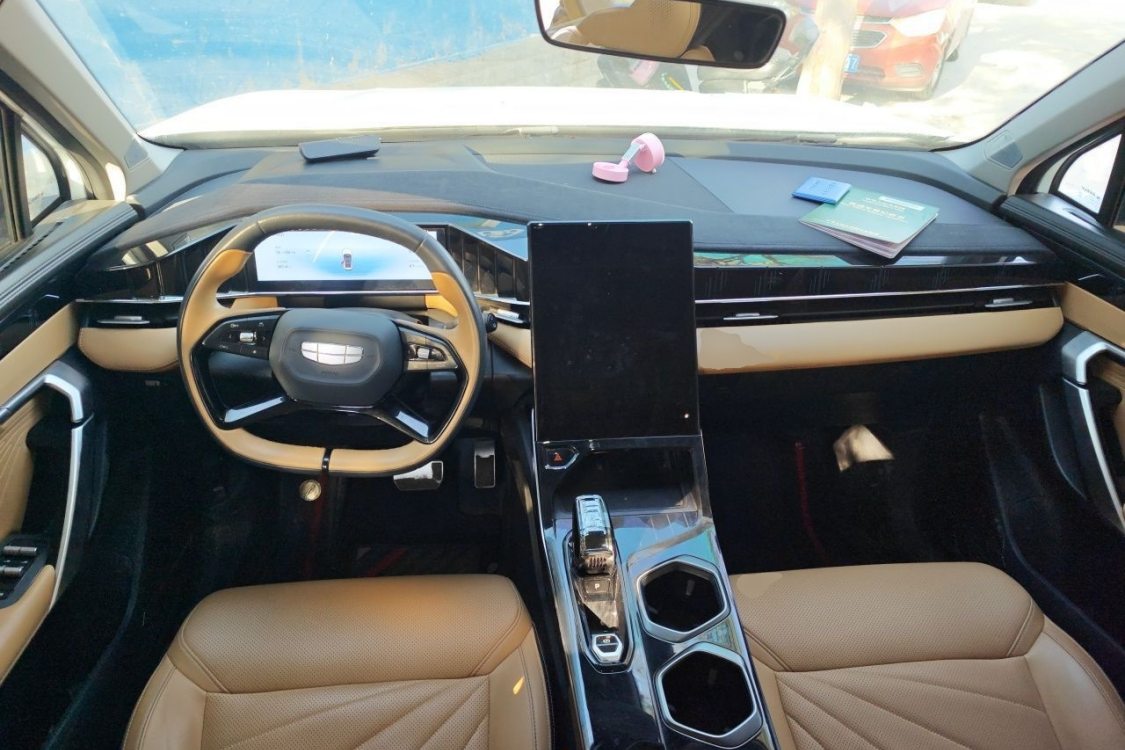
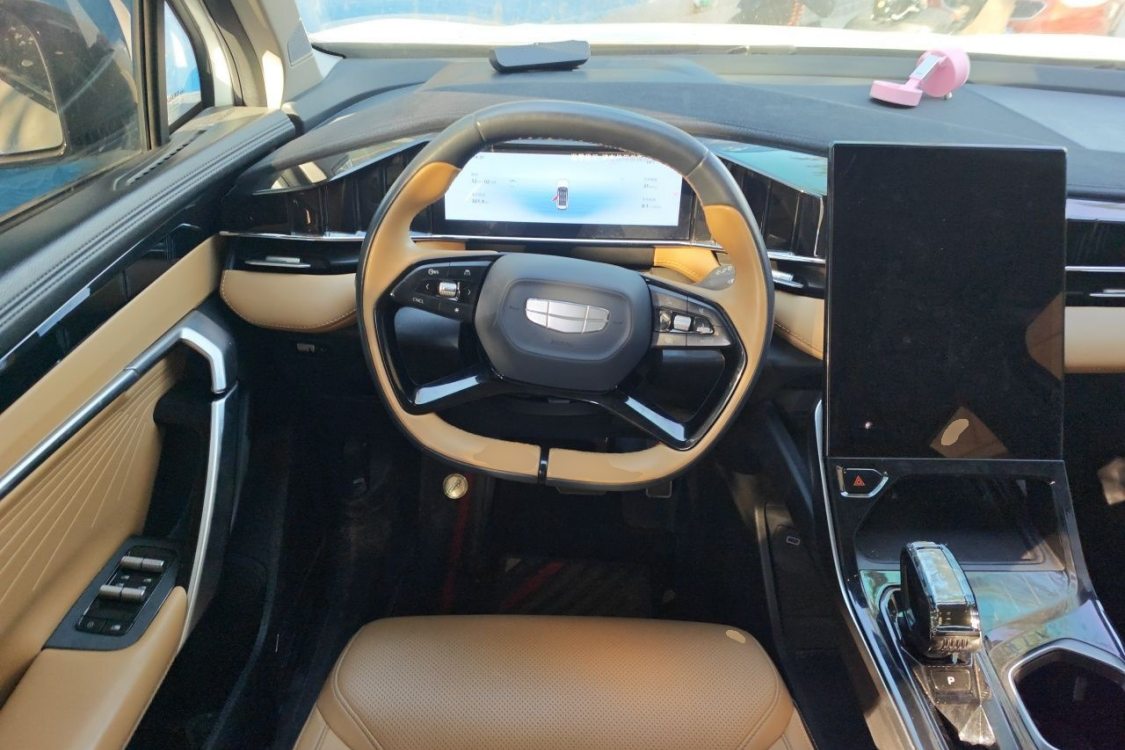
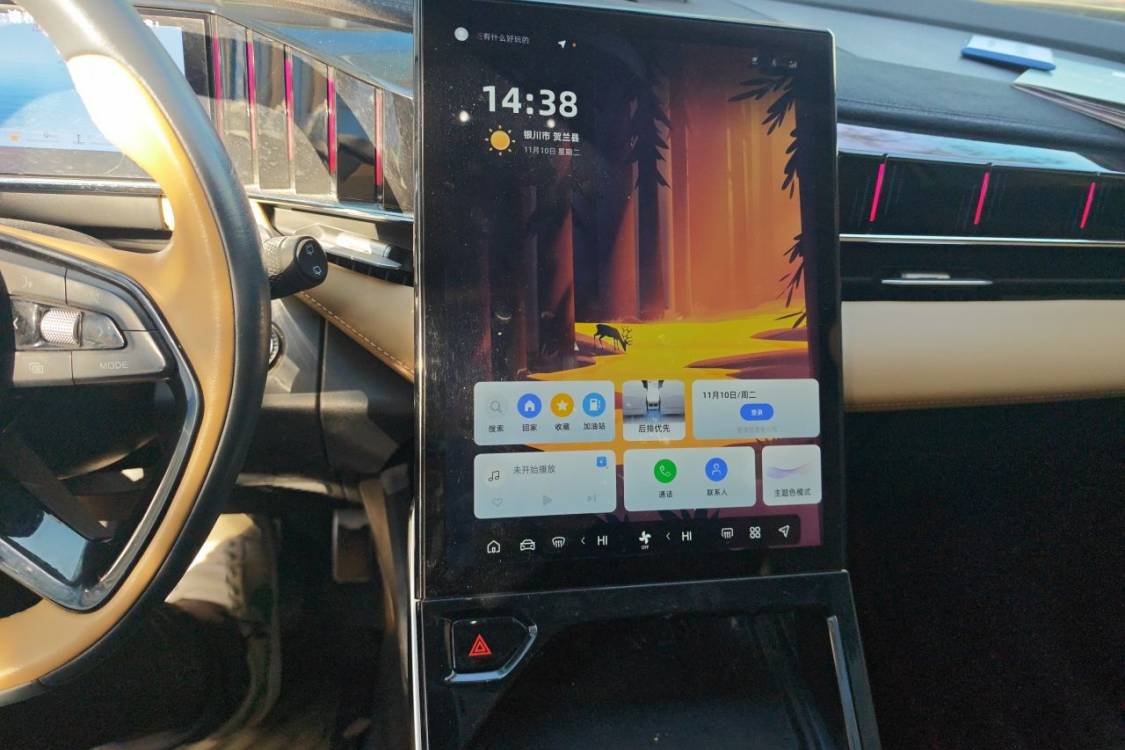
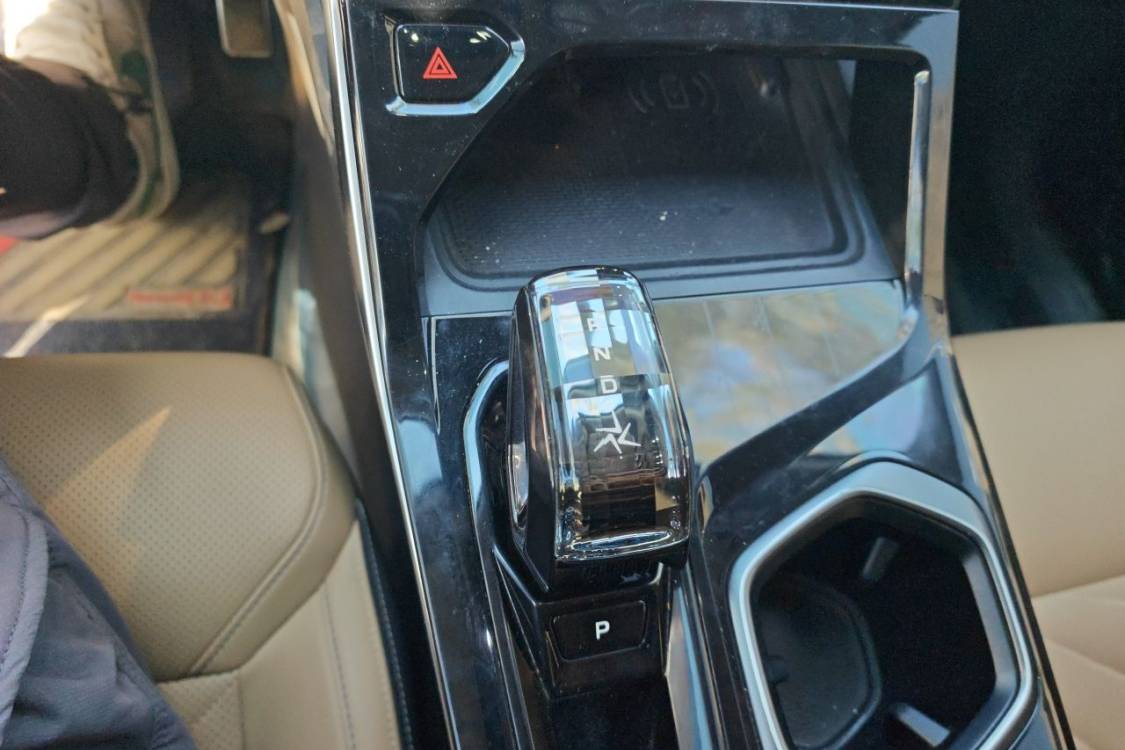
Accident inspection: main structure damaged, reinforcement parts damaged, panels not damaged, hinges abnormal; engine bay: engine assembly repaired/disassembled, transmission disassembly recorded; exterior: 3 replaced parts, 4 body repairs, 1 repaint; interior: airbag inspection abnormal, left front seatbelt replaced, right front seatbelt replaced, center console disassembly marks, most features normal, lighting system normal; startup: main components normal; tools: none.
电话直连
可讲价
平台物流
车主降价
公户车
新检测标准升级>
非泡水

Document Information

Inspection Expiry Date2027/01
Warranty Expiry Date-
Insurance Expiry Date2027/01

Q&A

More

What is demurrage? How to avoid it?

Demurrage is a penalty charged by the port or shipping company for not clearing and picking up goods on time after they arrive. To avoid it: send customs documents in advance and ensure the recipient is prepared with duties and import qualifications.

How does the step-by-step process work when buying a used car from China for export?

The standard process looks like this: 1. Selection: pick the car, request the VIN, registration certificate, and recent photos/videos. For higher-value cars, order an independent third-party inspection. 2. Negotiation and contract: agree on price and terms. Sign a written contract stating the car's condition, price, payment schedule, and delivery terms (FOB or CIF). 3. Deposit: typically 20-30% to reserve the car. Pay to the company's corporate account, never a personal one. 4. Verification: your agent or inspector confirms the car matches the contract before the balance is due. 5. Balance and export: pay the remaining amount; the seller arranges inland transport, export customs clearance, and port loading. 6. Shipping documents: you receive the commercial invoice, packing list, and bill of lading - usually by courier or email. 7. Arrival: your customs broker clears the car, you pay duties and taxes, then register it locally. Total timeline is usually 4-8 weeks depending on the shipping route.

What maintenance schedule should I follow for a used Chinese car during its first year after import?

Treat the first year as a baseline period. Do a full fluid service immediately after registration: engine oil and filter, coolant, brake fluid, and transmission fluid, since you don't know when they were last changed in China. First 1,000 km: check for loose trim, retorque wheel nuts, and listen for new noises as the car adapts to local fuel and roads. At 5,000-10,000 km: inspect brake pads and rotors, rotate tires, and scan the ECU for stored fault codes even if no warning light shows. Annually or every 15,000 km: replace the cabin and engine air filters, check the battery health (especially for hybrids and EVs), and verify that software updates from the Chinese brand's international channel apply to your car. Keep a simple log with dates and receipts. It protects any warranty claim and makes the car far easier to sell later.