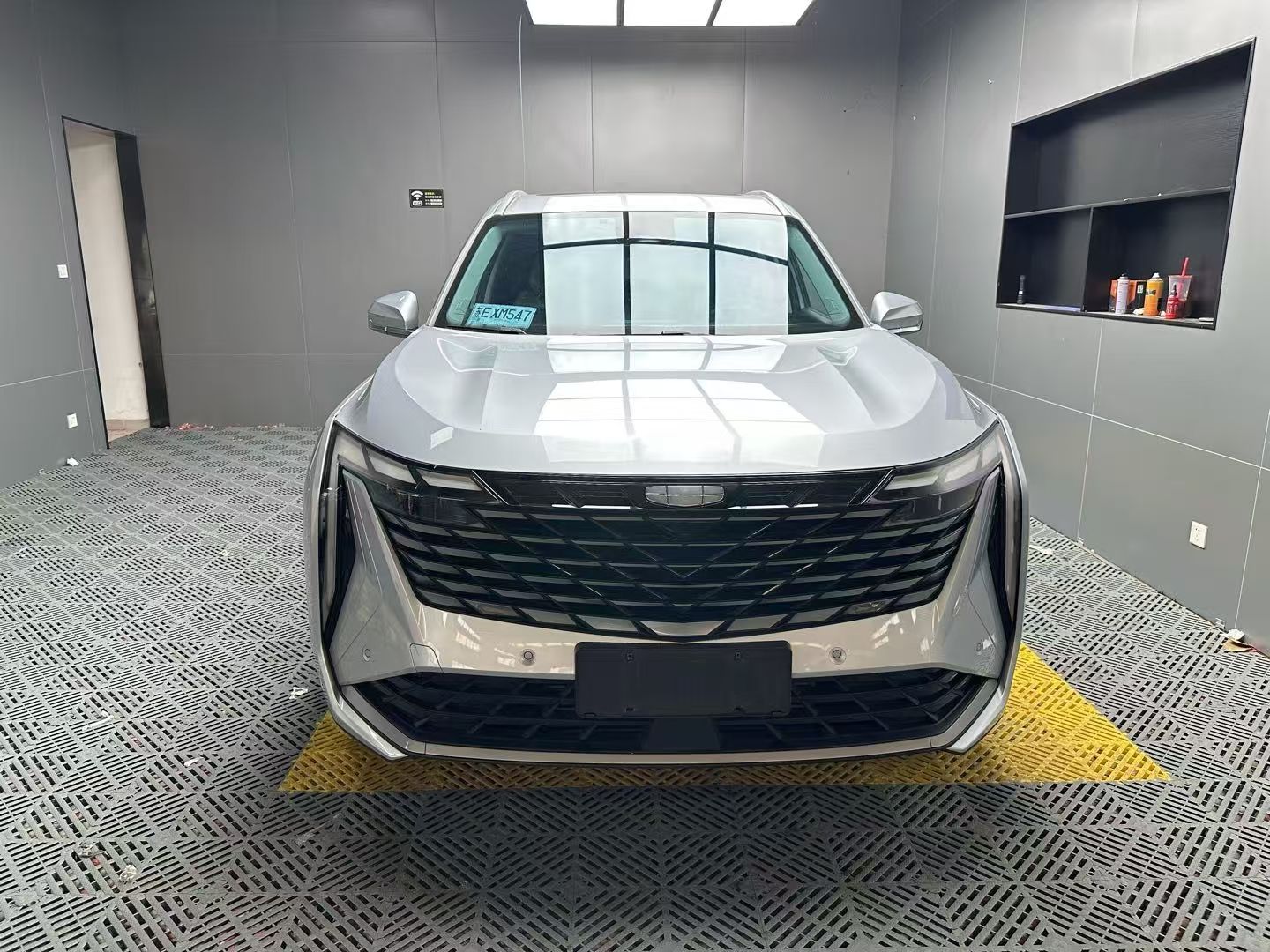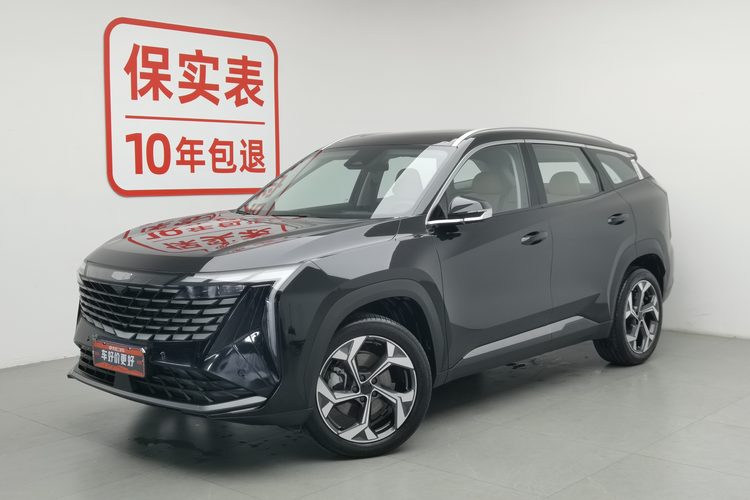
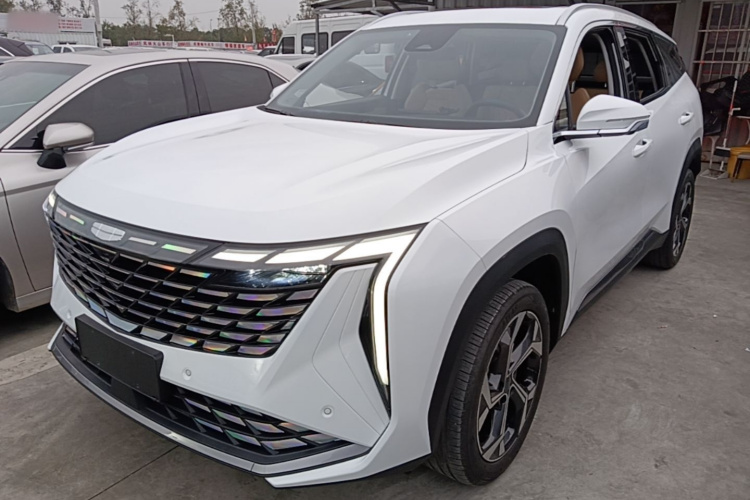
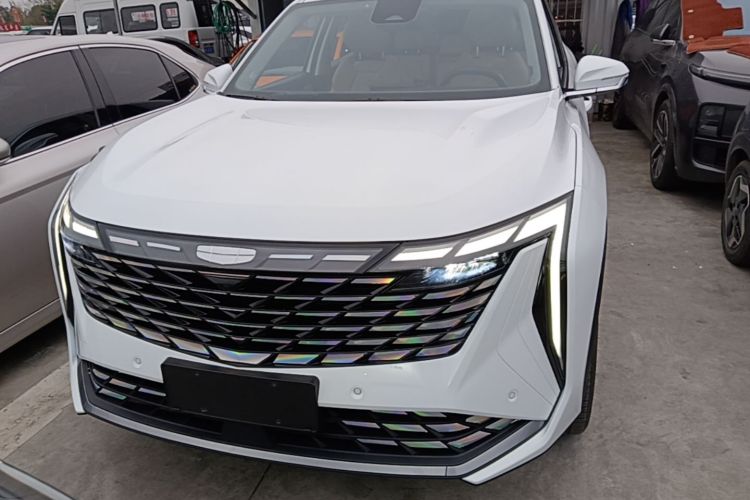
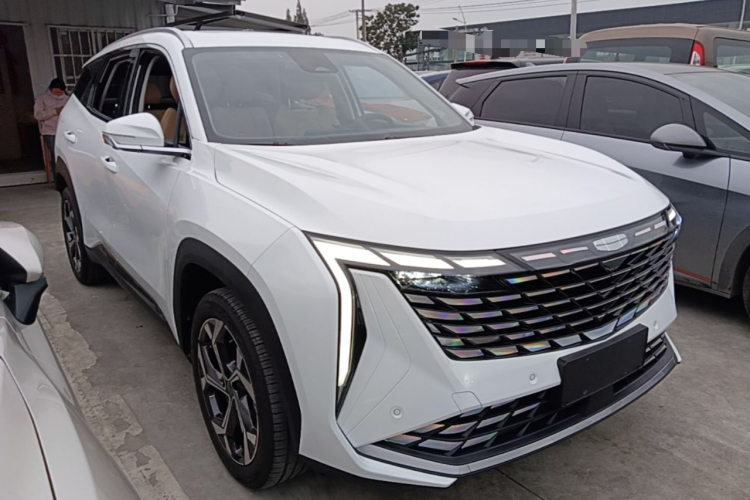
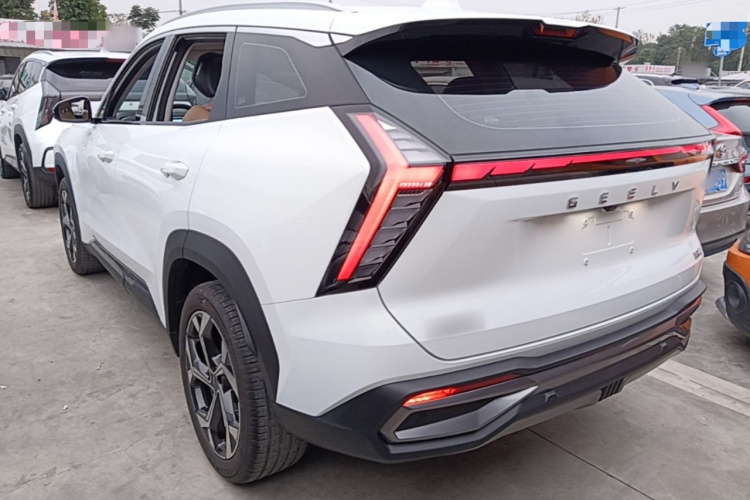
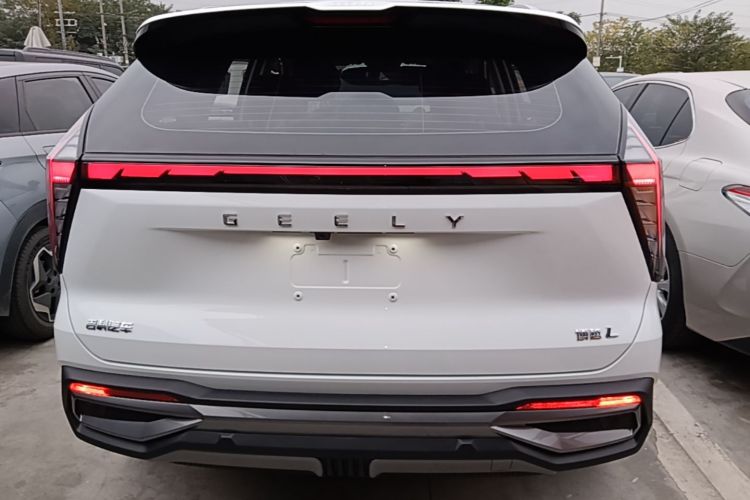






48H

Basic Information

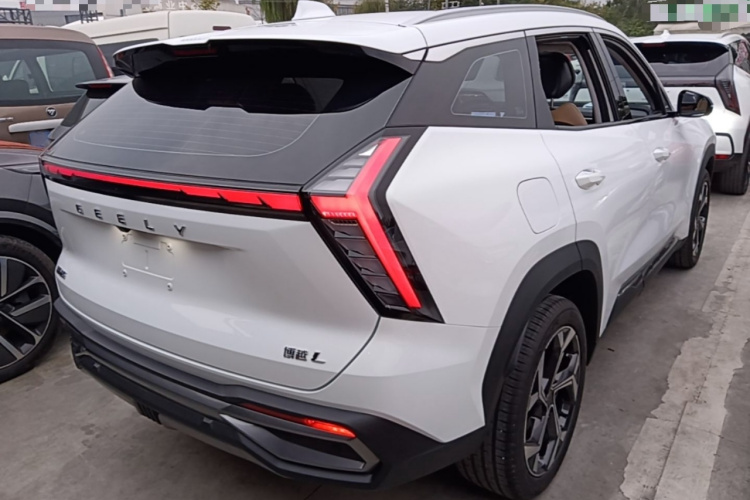
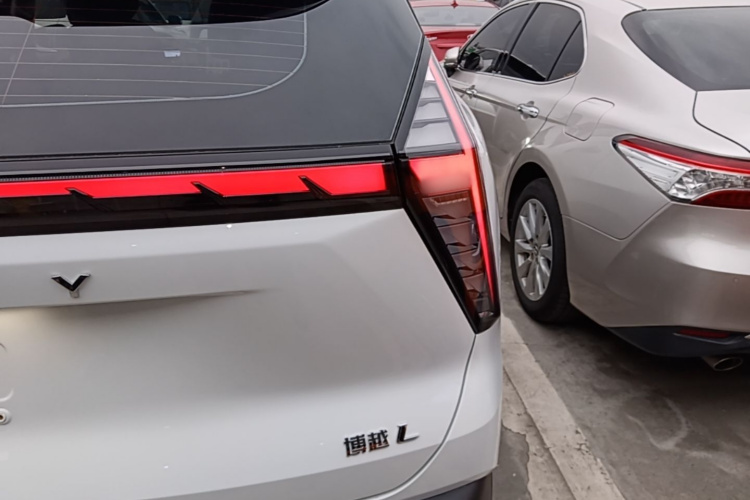
BrandGEELY
SeriesBoyue L
Year2023
First Registration2023/05
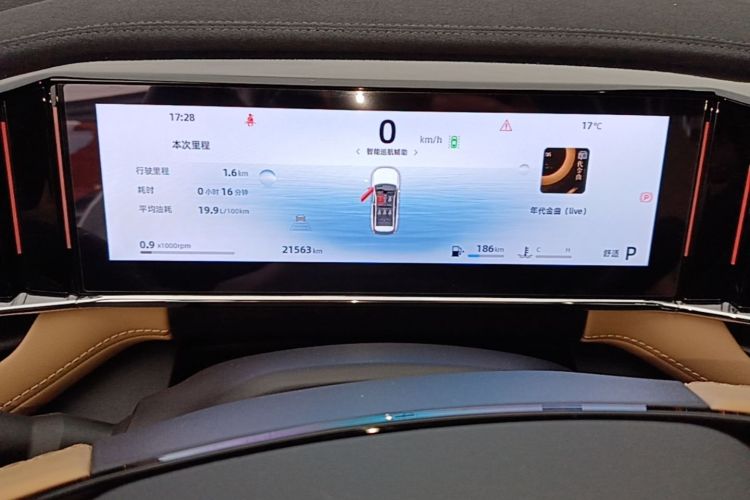
Mileage21,600km
Transfer Count0times
FuelGasoline
TransmissionDCT
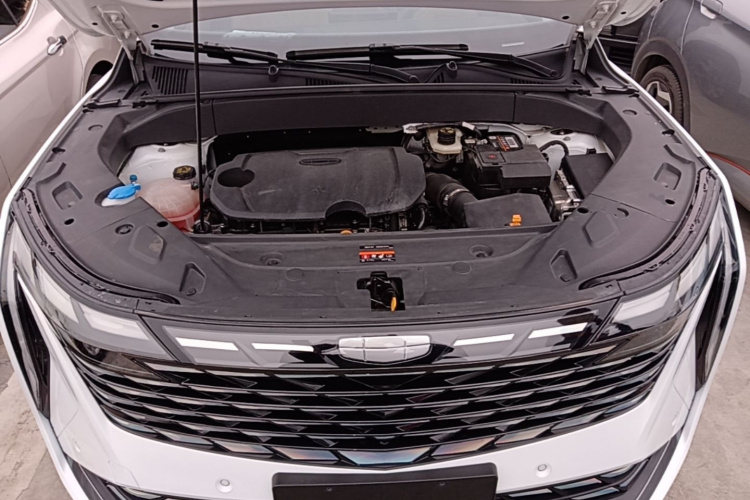
Engine1.5T 181 L4
Color
Seats-

Condition Description

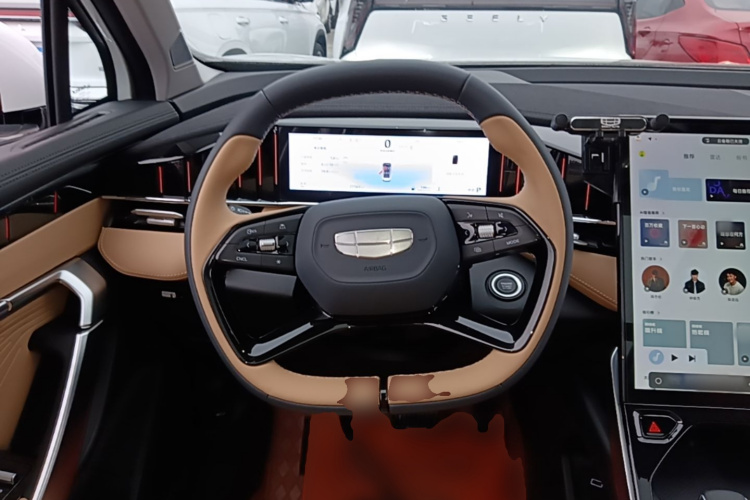
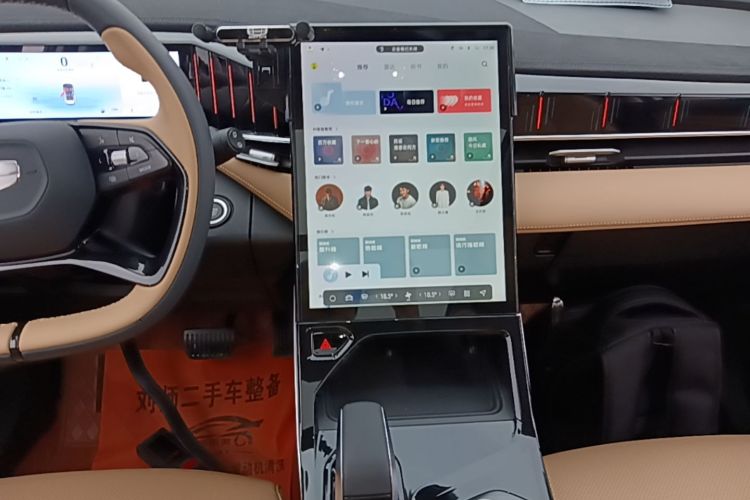
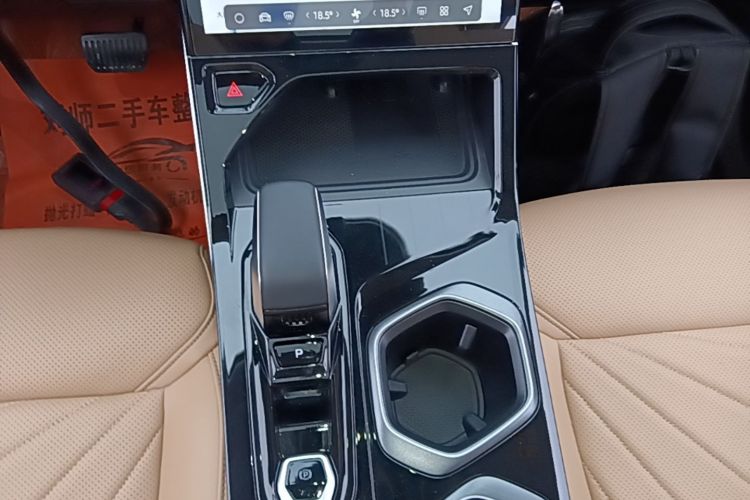
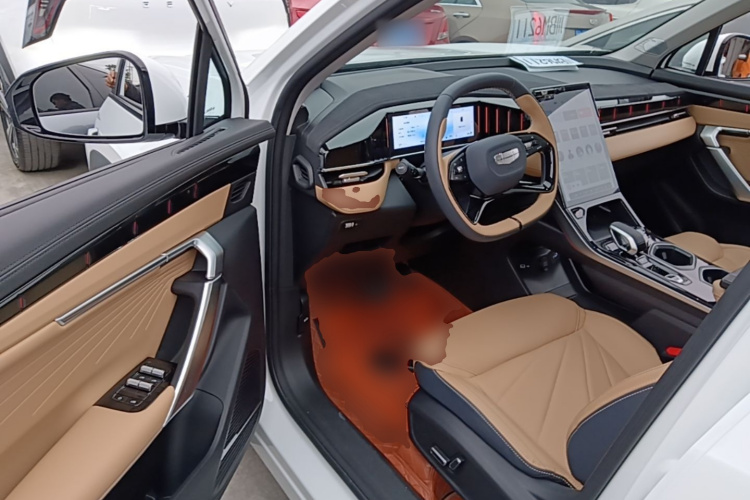
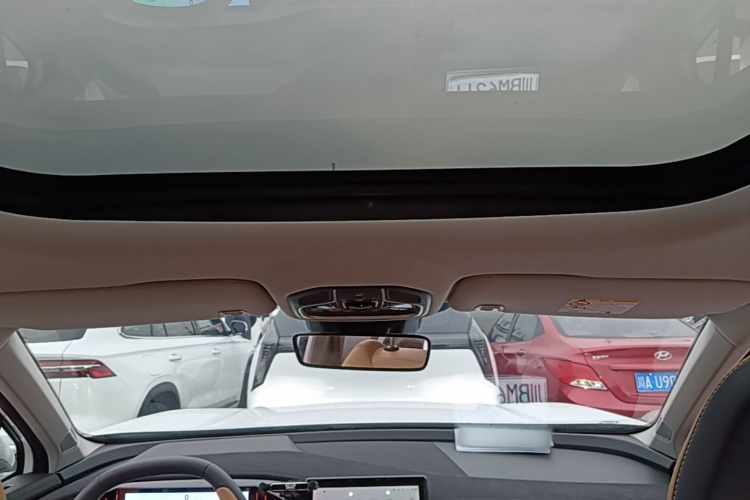
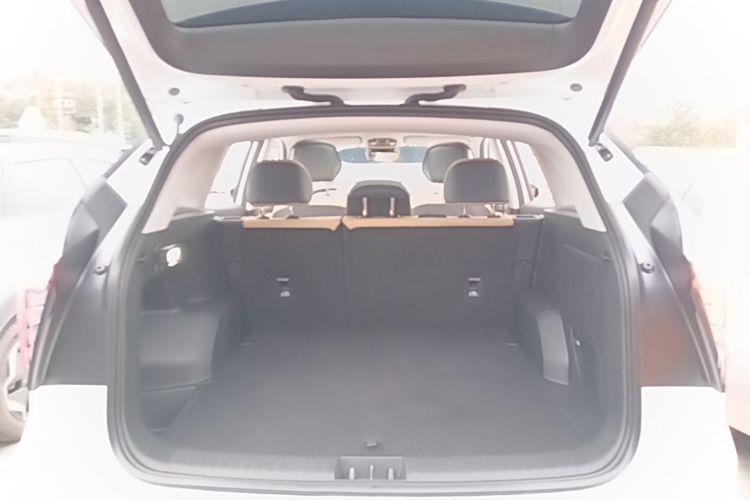
Excellent basic condition | 0 insurance claims | 0 transfers

Q&A

More

How can I check a used car's history in China before buying—accident records, mileage, and ownership?

China's vehicle data is less centralized than in the US or Europe, but you can still verify a lot: 1. Ask the exporter for the VIN and order a third-party history report from Chinese services; they aggregate insurance claims and repair records. 2. Cross-check the registration date on the title with the odometer—a 3-year-old car showing 30,000 km but registered as a ride-hailing vehicle is a red flag. 3. Request maintenance records from the brand's dealer network; digital records are increasingly common. 4. Verify the seller legally owns the car: the registration certificate name should match the exporter's business license. Gaps are common, so treat the history report as one input, not proof. Combine it with an independent pre-purchase inspection, and hold back part of the payment until the inspection passes.


Will OTA remote upgrades and mobile app control still work after the vehicle is exported overseas?

We must inform you objectively: Most Chinese car manufacturers' connected services (cloud servers) are restricted by data security regulations and overseas network limitations. Once the vehicle leaves China, the factory-installed SIM card will become inactive. This means that official OTA upgrades and factory mobile app remote controls (like pre-cooling the car or unlocking doors) typically cannot be used overseas. The vehicle will operate as a standalone version, but this will not affect basic driving and physical button functions.

What is the latest time to request changes to the consignee and notify party on the bill of lading?

Changes must be requested before the shipping cut-off date (SI Cut-off Date) prior to the vessel's departure. Once the vessel has sailed, the shipping company will charge a high amendment fee, which may also cause delays in customs clearance at the destination port, with costs borne by the buyer.