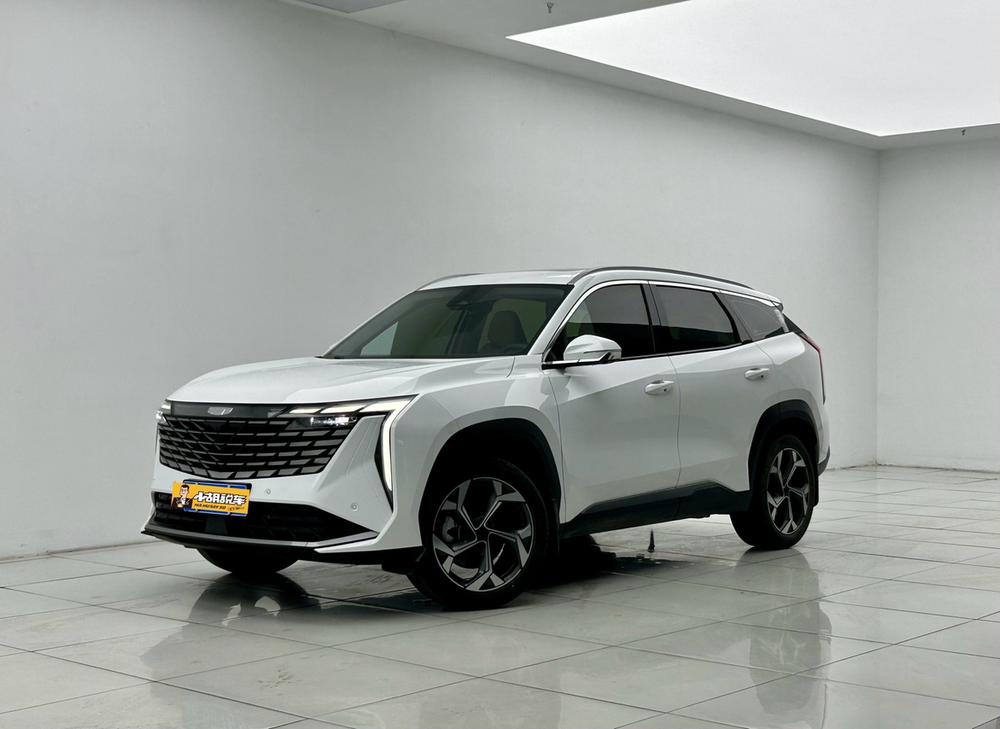
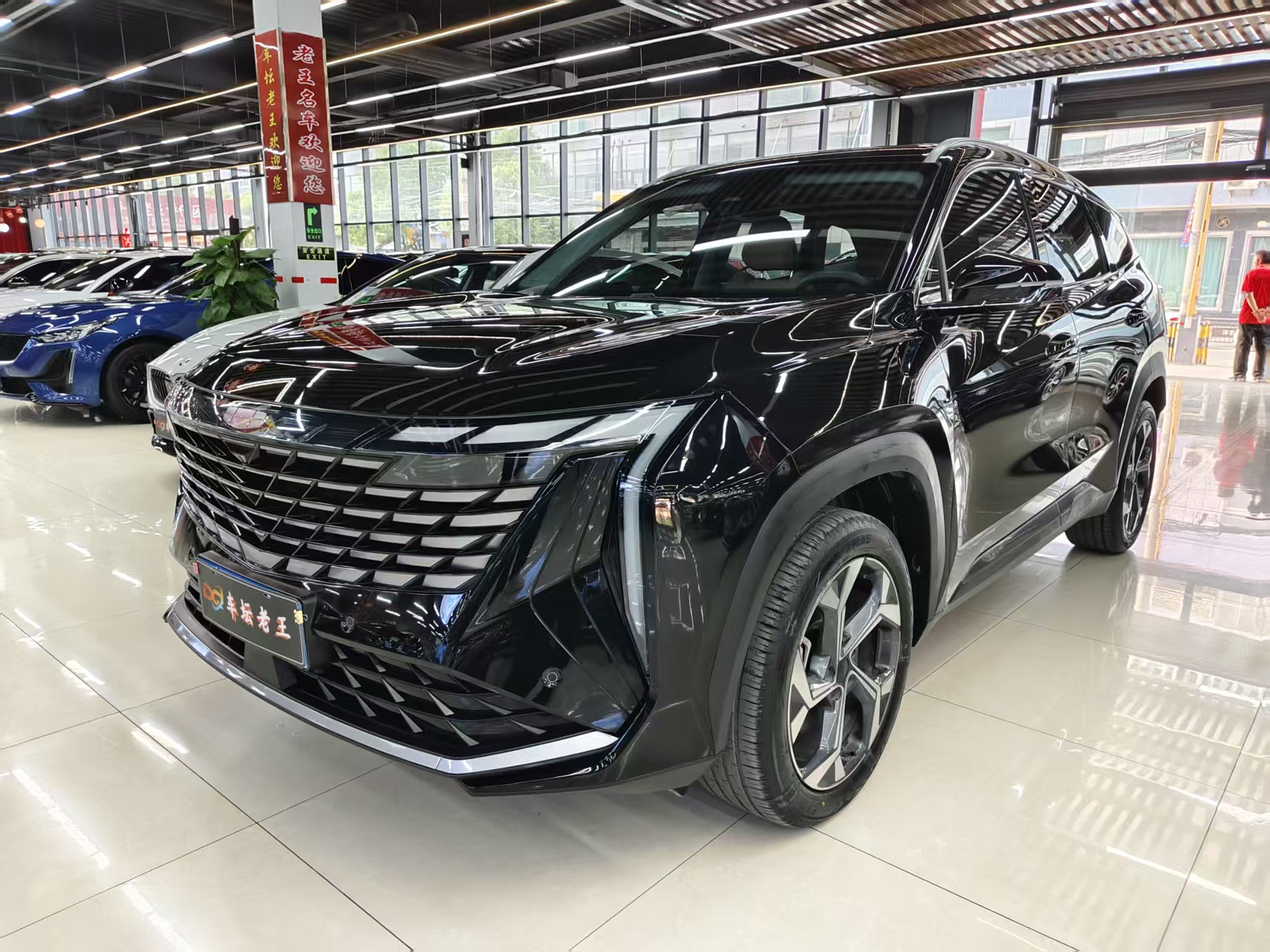
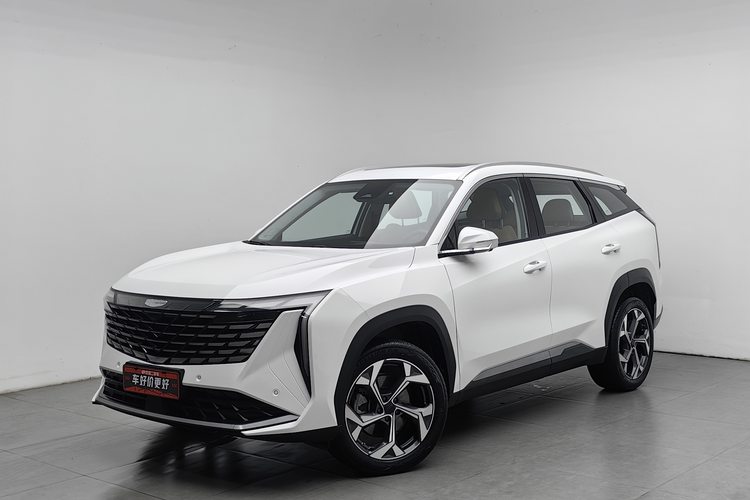
Basic Information

BrandGEELY
SeriesBoyue L
Year2023
First Registration2023/11
Mileage28,000km
Transfer Count0times
FuelGasoline
TransmissionDCT
Engine1.5T 181 L4
Color
Seats-

Condition Description

官方质检 · 60天全车质保· 7天无理由有偿退车

Configuration Highlights

✓上牌时间: 2023-11
✓表显里程: 2.8万公里
✓车源地: 兰州
✓排放标准: 国六b
✓发动机: 1.5T
✓轴距: 2777mm
✓变速箱: 自动
✓最大功率: 133kW
✓功能配置: 22项
✓安全配置: 7项
✓动力类型: 前驱
✓空间舒适性: 好

Q&A

More

What insurance should I arrange when shipping a used car from China, and what do Incoterms like FOB and CIF mean for me?

Two separate protections matter: cargo insurance and contractual risk transfer. Cargo insurance: for container or RoRo shipments, buy marine cargo insurance covering total loss and damage, typically 110% of the CIF value (average cost 0.3%–0.8%). Check exclusions — many policies exclude pre-existing damage, so a pre-shipment inspection report is essential to prove the car's condition at loading. Incoterms define who bears risk and cost at each stage: 1. FOB (Free On Board): exporter pays until the car is loaded on the vessel; risk passes to you at that point. You pay ocean freight and insurance. Common and usually cheapest if you have your own freight forwarder. 2. CIF (Cost, Insurance and Freight): exporter pays freight and minimum insurance to your port. Convenient but the insurance coverage is basic — consider topping it up. 3. EXW (Ex Works): you handle everything from the exporter's yard; only choose this if you have a trusted agent in China. Put the agreed Incoterm and port clearly in the contract, and never release final payment before the Bill of Lading is issued.


How can I check the underbody and frame of a used Chinese car remotely before buying?

Ask for a specific set of photos and video taken with the car on a lift — generic walk-around videos will not show what matters. Request close-ups of: the sills (rocker panels) on both sides, front and rear subframes, suspension mounting points, brake lines, and the floor pan under the carpets. Surface rust on bolts is normal; bubbling paint, flaking metal or fresh undercoat sprayed over corrosion are warning signs. Also check for flood damage, a common hidden problem: look at the spare wheel well for water marks or mud, pull up the trunk carpet, and check the seat rails and seat belt buckles for rust or silt. A musty smell reported by the inspector is a red flag. A trustworthy exporter will provide a lift inspection report listing measured paint thickness on structural areas. If they refuse to put the car on a lift, treat that as an answer in itself.

What's the difference between RoRo and container shipping when importing a used car from China?

RoRo (roll-on/roll-off) means your car is driven onto the vessel and secured on an open deck. It's usually the cheapest option and has frequent sailings from Chinese ports like Shanghai and Guangzhou. The downside: the car is exposed to sea air and handling, and you typically can't load spare parts inside the car. Container shipping puts the car in a 20ft or 40ft container. It costs more per car (a 40ft can fit 2-4 cars if you share with other buyers), but the car is sealed and protected, and you can pack spare parts, tools, or personal items inside. Container is the better choice for high-value cars, EVs with sensitive electronics, or harsh-route destinations. Practical tips: RoRo requires the car to be drivable and the battery disconnected per shipping rules; EVs often must ship at low state of charge. Either way, photograph the car at the port of loading and buy marine insurance. Transit time difference between the two modes is usually small - port congestion matters more than the mode itself.