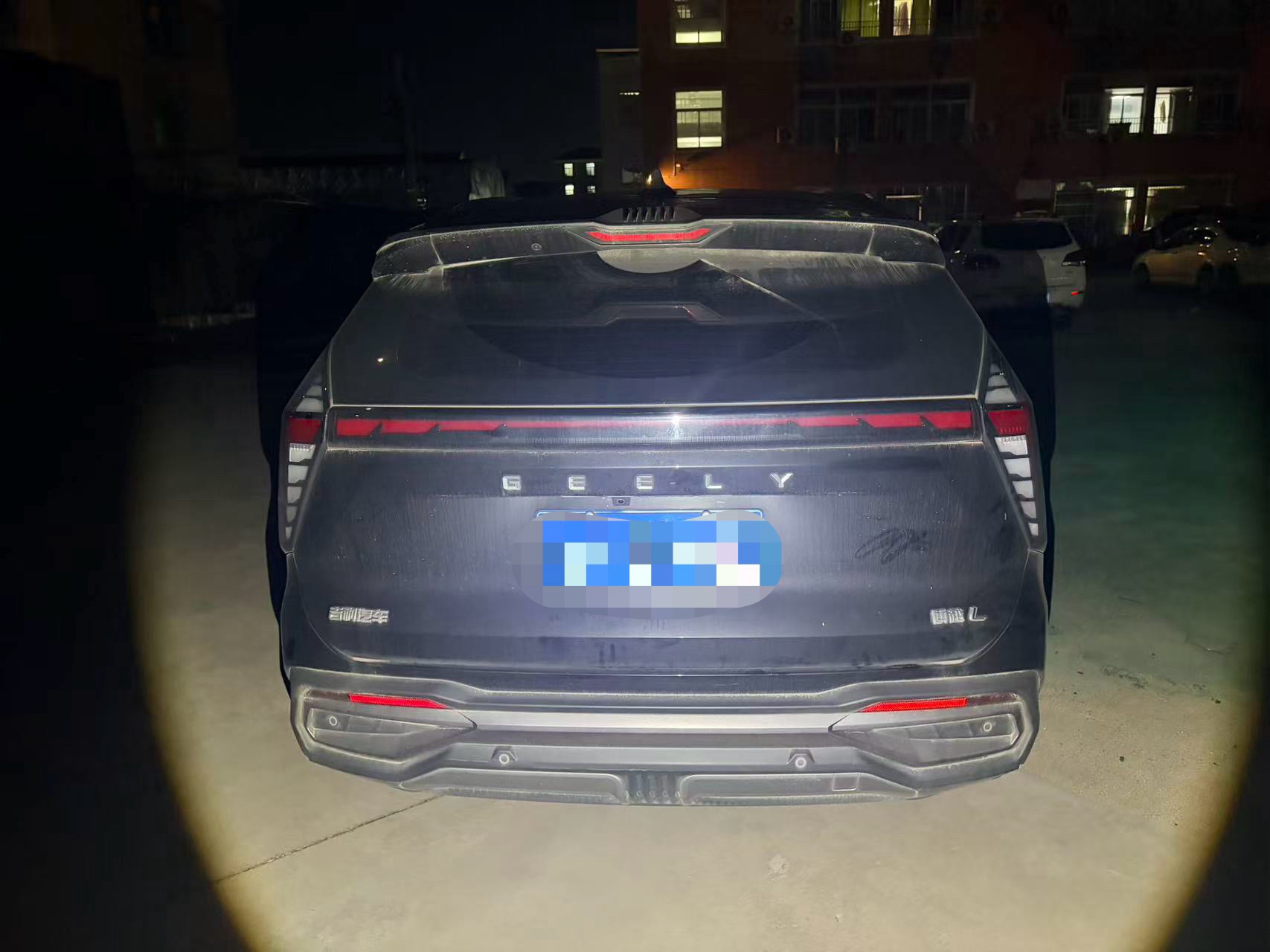
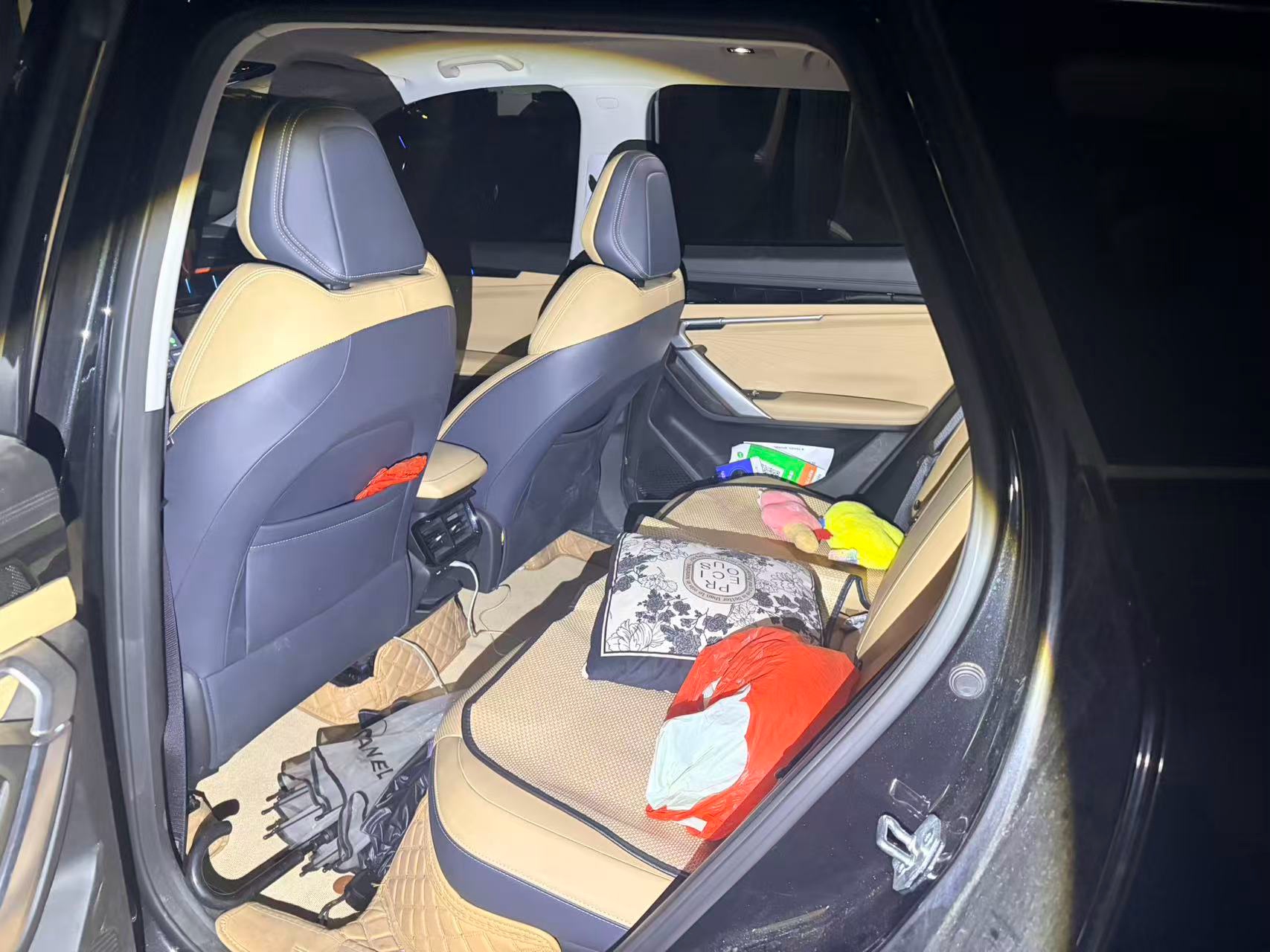
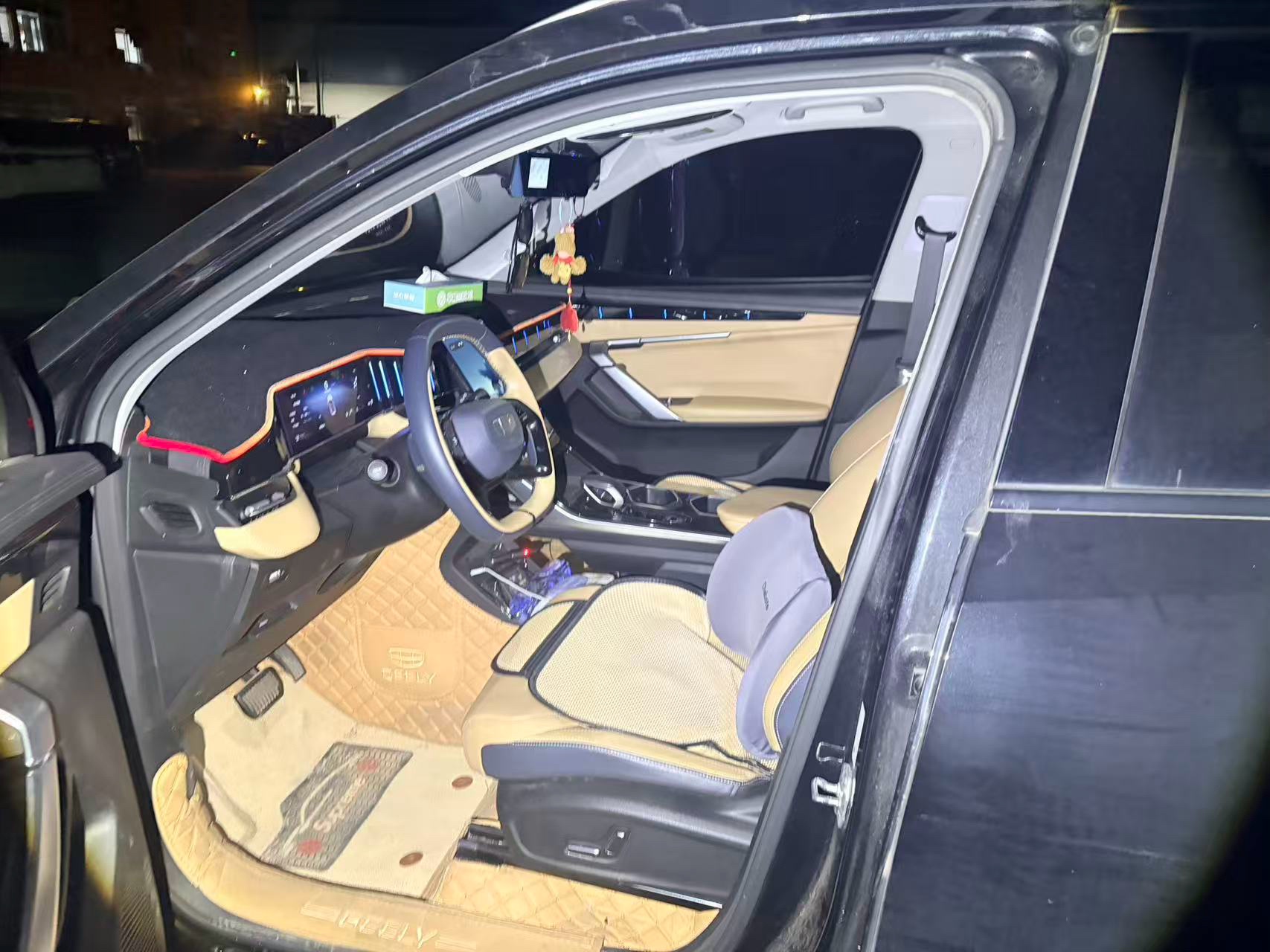
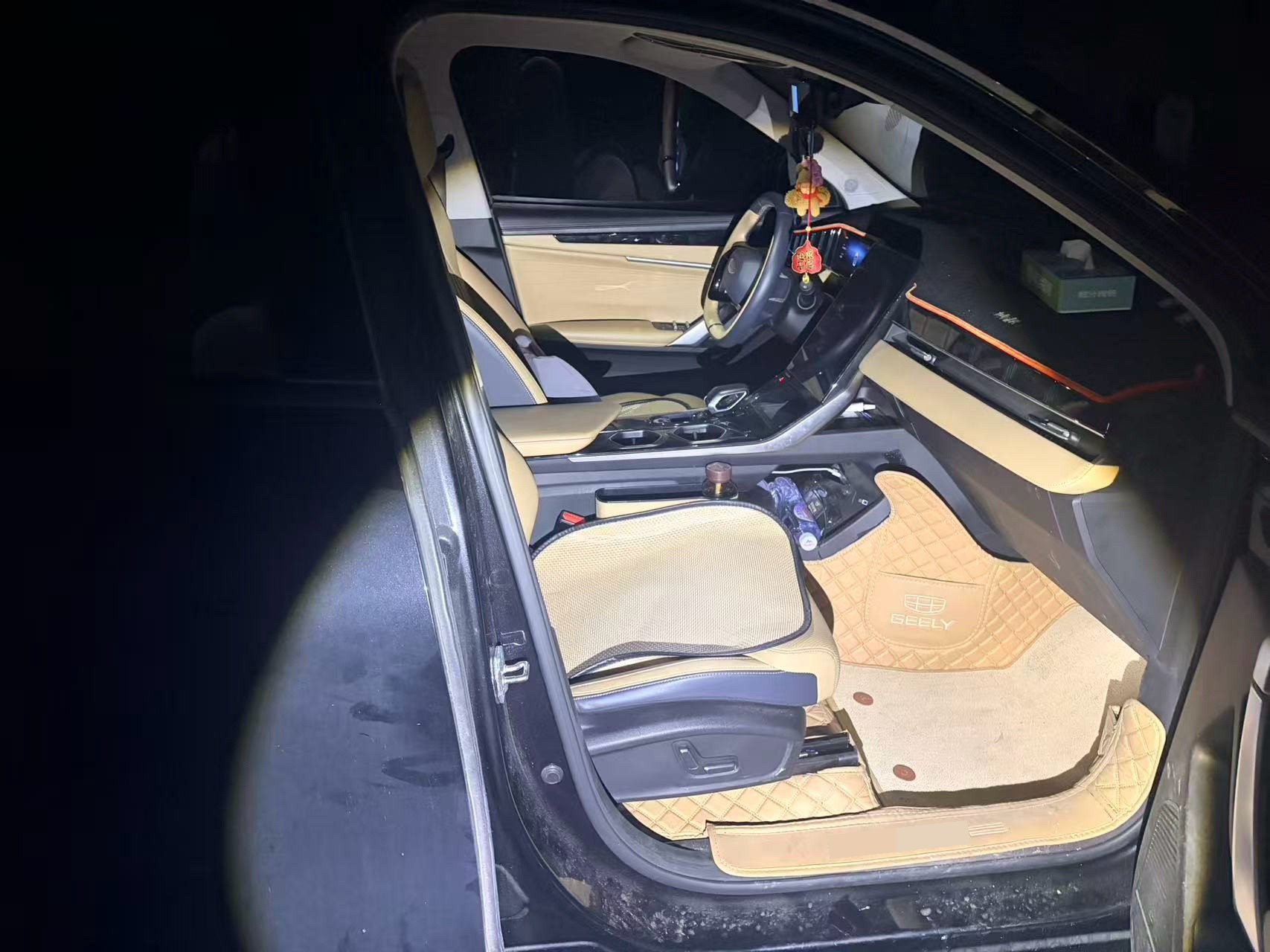
Basic Information

BrandGEELY
SeriesBoyue L
Year2023
First Registration2023/08
Mileage60,000km
Transfer Count0times
FuelGasoline
TransmissionDCT
Engine1.5T 181 L4
ColorBlack
Seats-

Condition Description

Original condition, all original paint.

Document Information

Inspection Expiry Date-
Warranty Expiry Date-
Insurance Expiry Date2027/08

Q&A

More

Will the second-hand new energy vehicle come with a charging gun (portable charger)?

If the original owner included the factory slow charger, we will package and ship it together; if it's lost, the platform does not provide it. Note that the factory plug is a Chinese three-prong socket, and an adapter is needed overseas.

How can I check the body and paint quality of a used car from China to spot hidden accident repairs?

Ask the exporter for a paint thickness gauge report, or request a live video where they measure the car in front of you. What to look for: · Factory paint on most Chinese cars measures 80–120 microns. Readings above 150–200 microns on a panel usually mean repainting; above 300 microns often means body filler (putty) underneath. · Inconsistent readings between panels (e.g., left door 95µm, right door 180µm) suggest the right side was repaired. · Check gaps between panels (doors, hood, trunk). Uneven gaps or misaligned headlights/bumper clips point to past collision repairs. · Look for overspray on rubber seals, plastic trim, or inside door jambs — a clear sign of repainting. · Check bolt heads on fenders, doors, and hood. Wrench marks or fresh paint over bolts mean the panel was removed. Combine these checks with an OBD scan for airbag or crash-related fault codes. Any repainting should be declared by the seller; if discovered undeclared, you have grounds to renegotiate or reject the car.


If a car frequently transfers between extremely cold areas (like Northeast China) and extremely hot areas (like Hainan), would you provide special risk warnings?

Absolutely. The extreme temperature fluctuations will significantly accelerate the aging of chassis rubber parts, oil seals, and interior plastics. For vehicles frequently dispatched across such latitudes, we will conduct fatigue resistance checks on chassis rubber parts that are twice as stringent as those for vehicles in temperate regions.