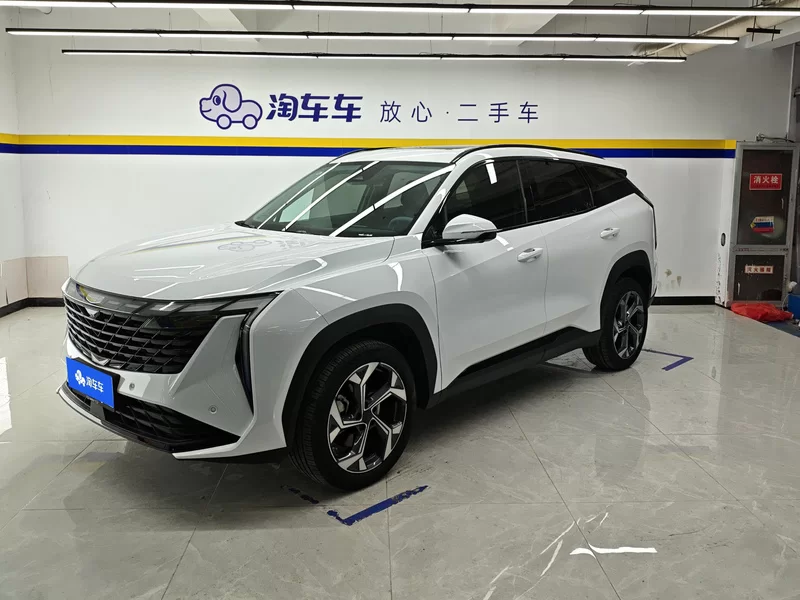
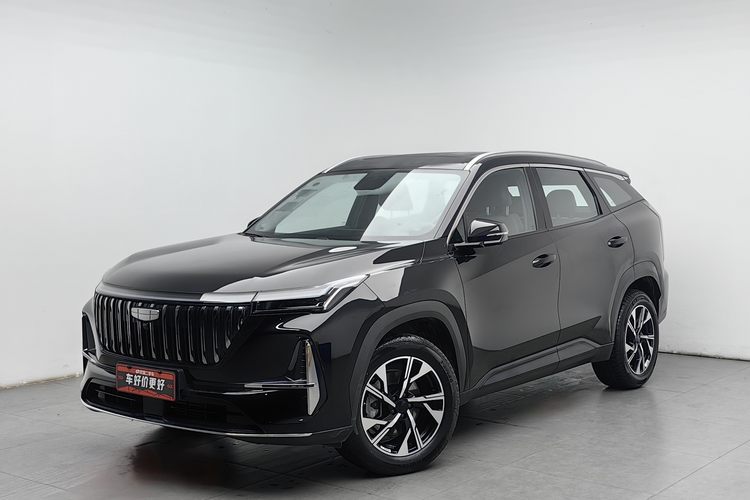
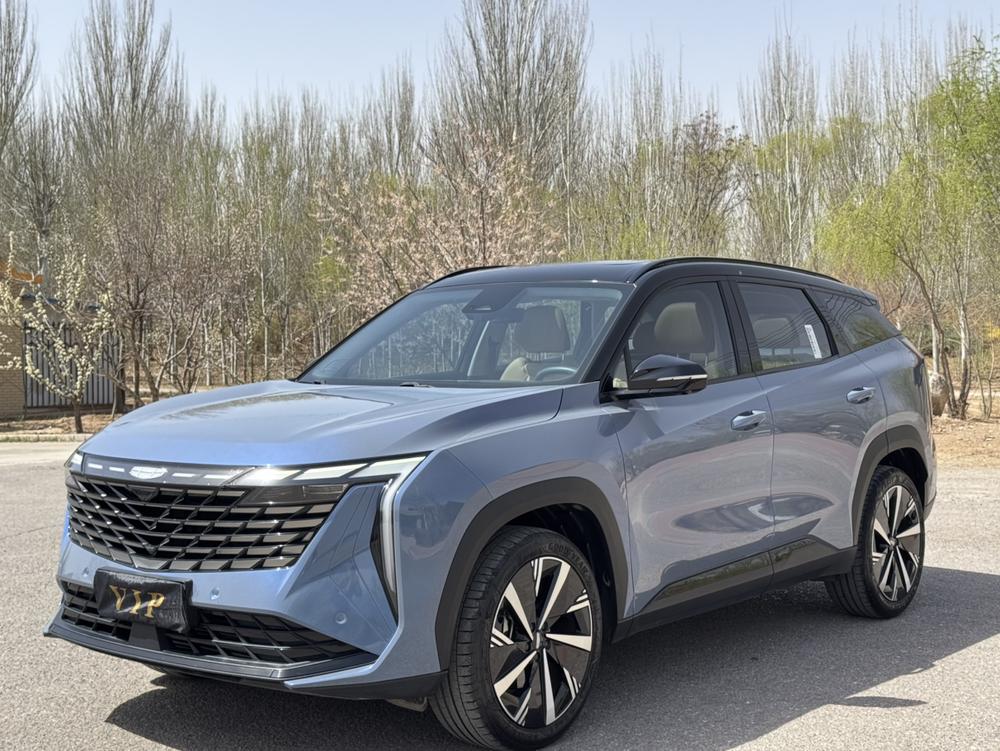
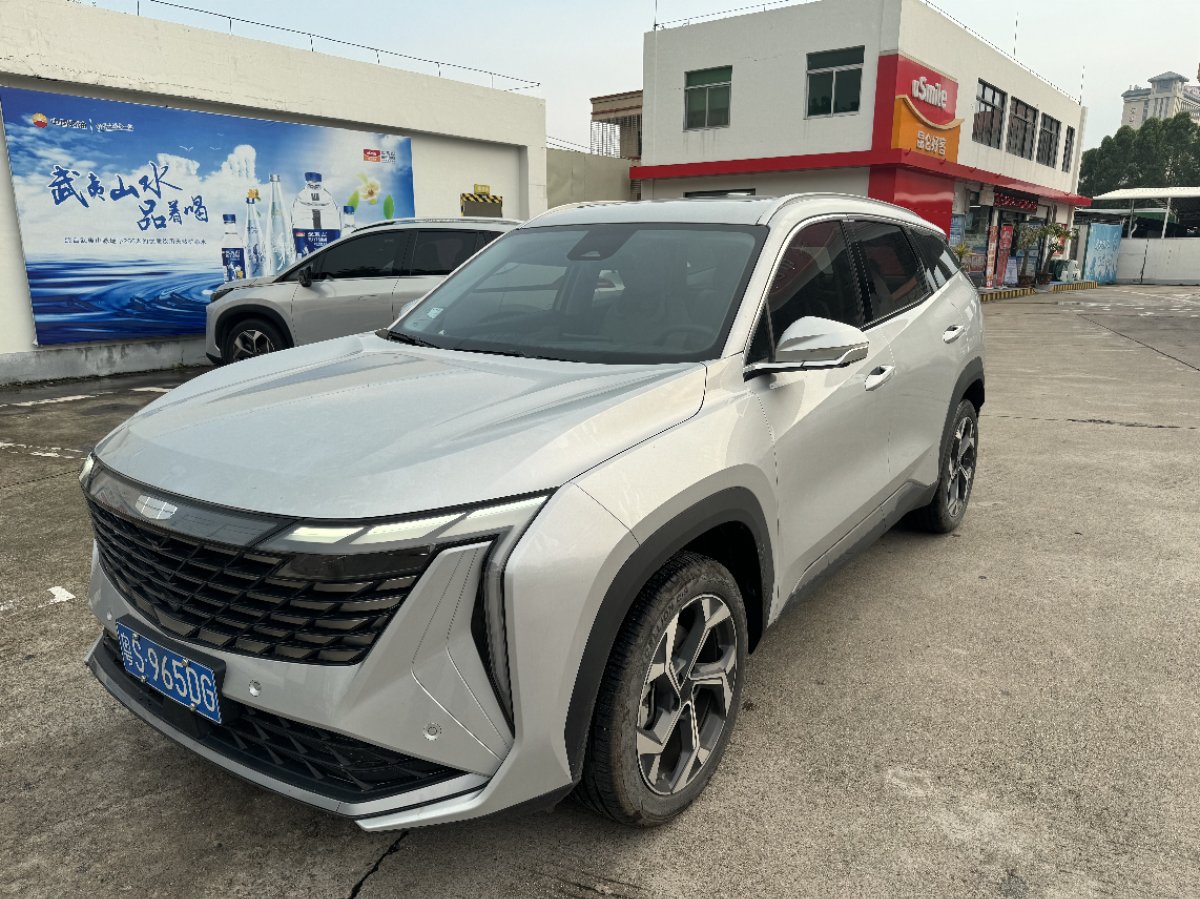
Basic Information

BrandGEELY
SeriesBoyue L
Year2023
First Registration2023/05
Mileage84,000km
Transfer Count1times
FuelGasoline
TransmissionDCT
Engine1.5T 181 L4
ColorBlack
Seats-

Condition Description

Localized body damage or repair marks present. No accident damage or repairs to structural or reinforcing components. Vehicle performance (including three-electric system) has degraded or is limited.

Accident inspection: no damage to main structure, reinforcing parts, or panels; hinges normal. Engine bay: key mechanical components normal. Exterior: 3 repainted areas. Interior: most features normal; airbags, seatbelts, dashboard, instruments, and lighting system normal. Startup check: main components normal. Tool kit: absent.

电话直连
可讲价
平台物流
可转售
车主降价
新检测标准升级>
非泡水

Document Information

Inspection Expiry Date2027/05
Warranty Expiry Date-
Insurance Expiry Date2027/04

Q&A

More

How do I decode a Chinese VIN and what can it tell me about a used car before I buy?

A Chinese VIN is 17 characters, and decoding it takes minutes but reveals a lot. Positions 1-3 are the World Manufacturer Identifier. Cars sold domestically in China usually start with L (for example LFV for FAW-VW, LGB for Dongfeng Nissan), which tells you it was built in China rather than imported. Position 10 is the model year letter or number. Positions 4-8 describe the model, body type, and drivetrain, so you can verify the seller's description matches the actual car. Cross-check the VIN in three places: the plate at the base of the windshield, the sticker on the door jamb or B-pillar, and the registration certificate. Mismatched VINs or signs the plates were re-riveted are a serious red flag for a cloned or rebuilt vehicle. Use the VIN to pull a history report from a Chinese data provider and to verify recall status with the manufacturer. Any seller who hesitates to share the full VIN is telling you something important.


How do you ensure that this used car has been legally deregistered in China and has clear ownership without disputes?

Compliance with the law is an absolute requirement for exports. All vehicles exported through our platform must complete the following legal processes: release all domestic bank mortgages, pay all traffic fines, and complete the formal deregistration for "transfer pending export" with the Chinese public security traffic management department. Only vehicles with 100% clear ownership can be approved for export permits.

Will a used Chinese EV still receive OTA updates and can I use the companion app after the car is exported?

This is one of the most common post-export surprises, so verify before buying. OTA updates: most Chinese brands push updates to cars registered on domestic servers. Many exported cars continue receiving updates normally, but some brands restrict updates by VIN region once the car leaves China. Ask the seller to confirm the update history and whether the brand officially supports your destination region. Some grey-import cars are stuck on the firmware version they left with. Companion apps: the factory app usually requires a Chinese phone number and a domestic account. After export, remote functions (preconditioning, charging status, location) often stop working or require workarounds. Some owners re-register via third-party services, but this is unofficial and can break at any time. Practical advice: before purchase, get the seller to show a screenshot of the car's current software version and connected services status. Factor in that you may lose remote features permanently, and check whether local dealers or independent shops can perform diagnostics and updates without the official app.