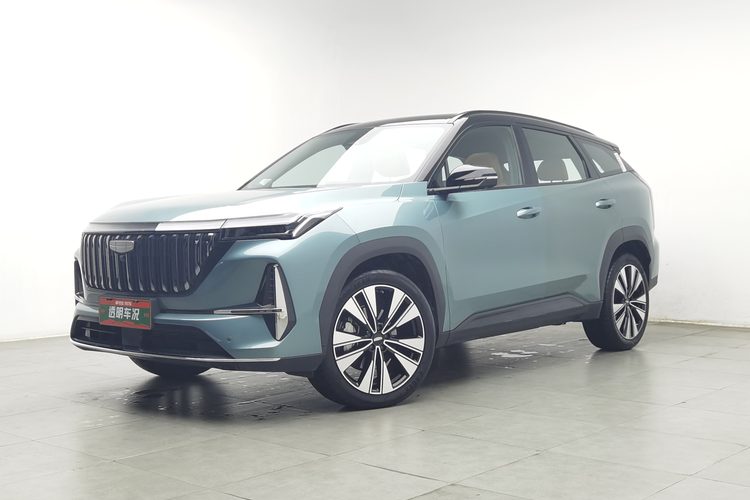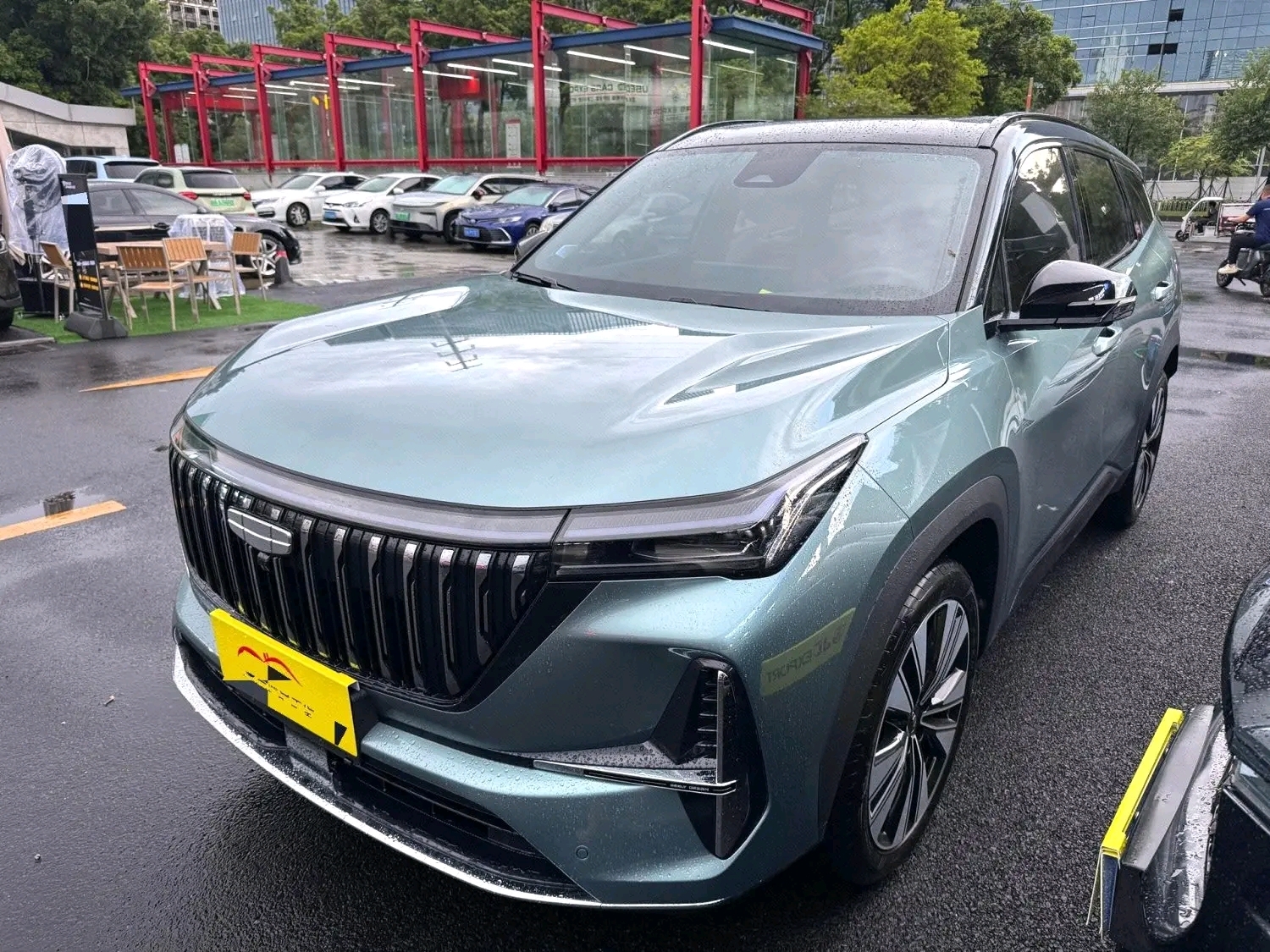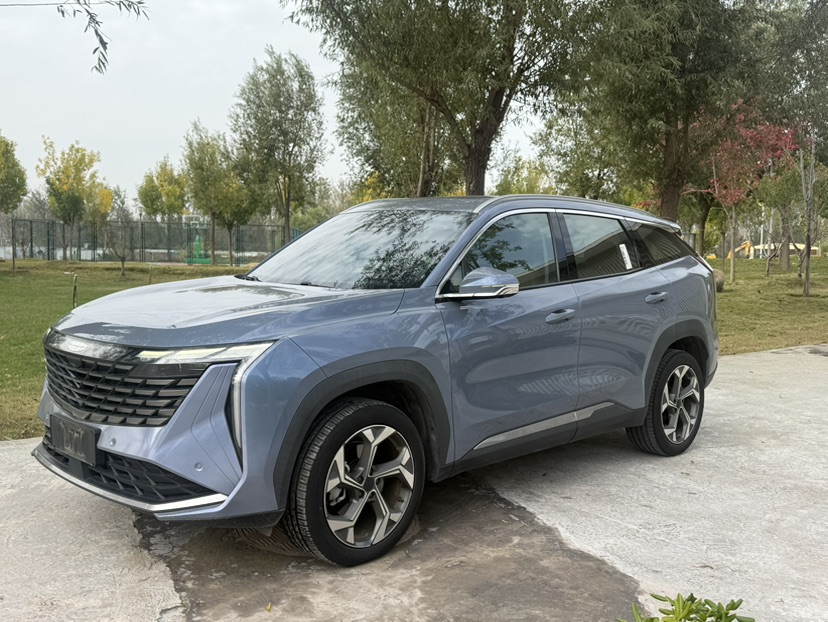
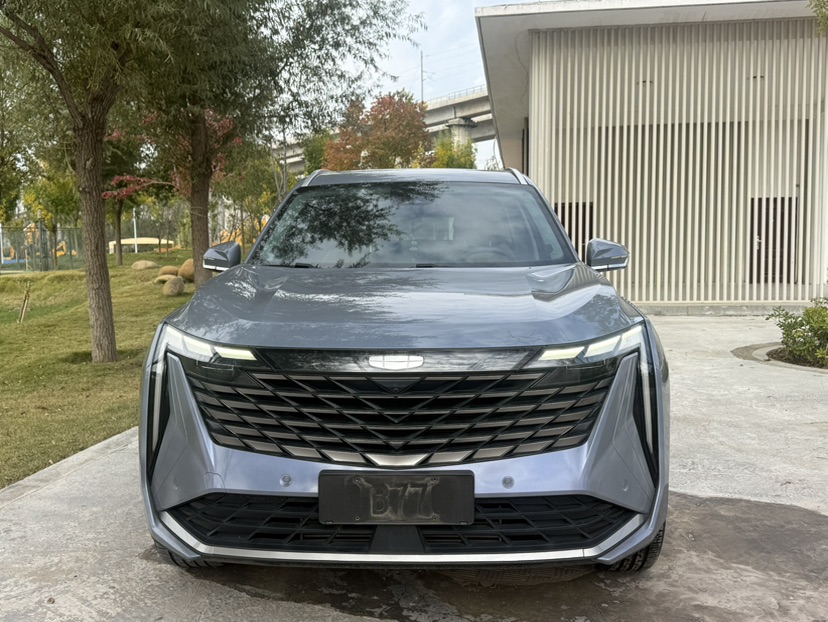
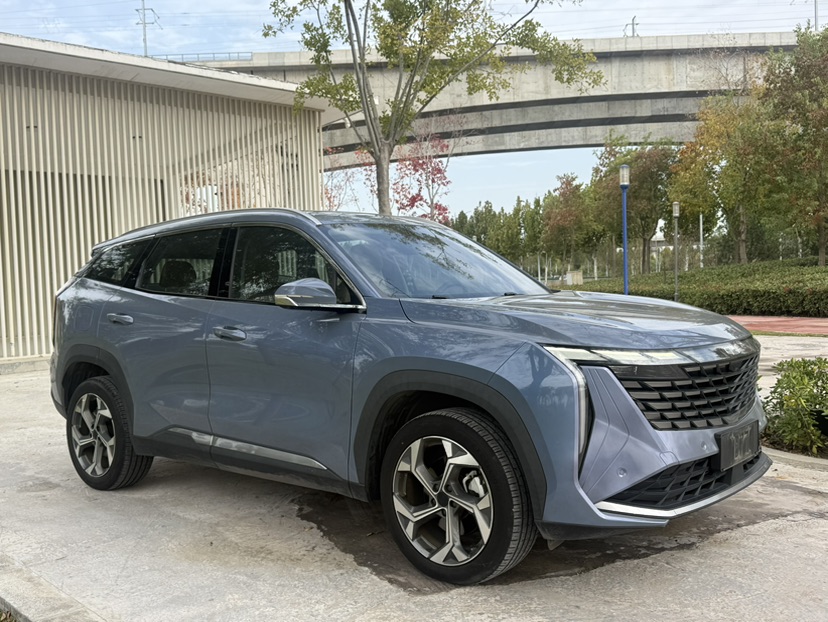
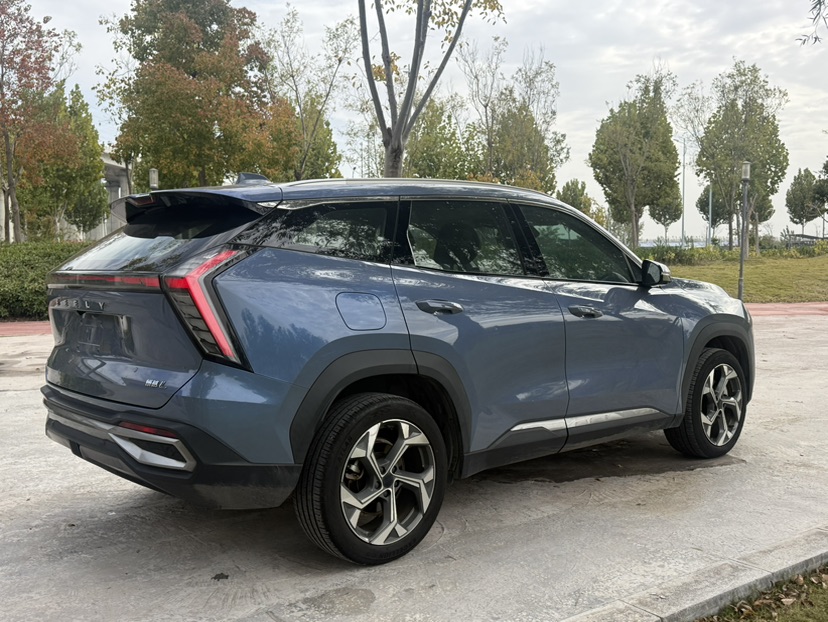
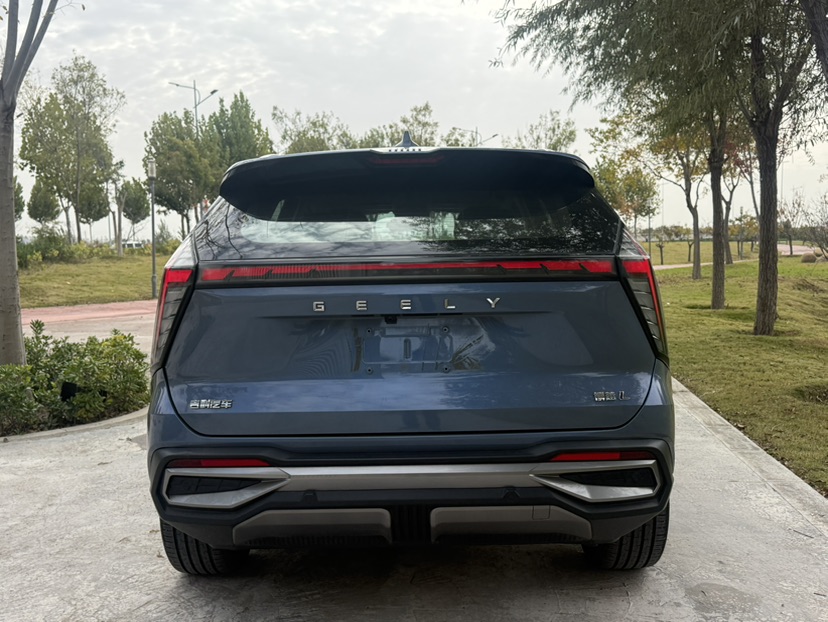
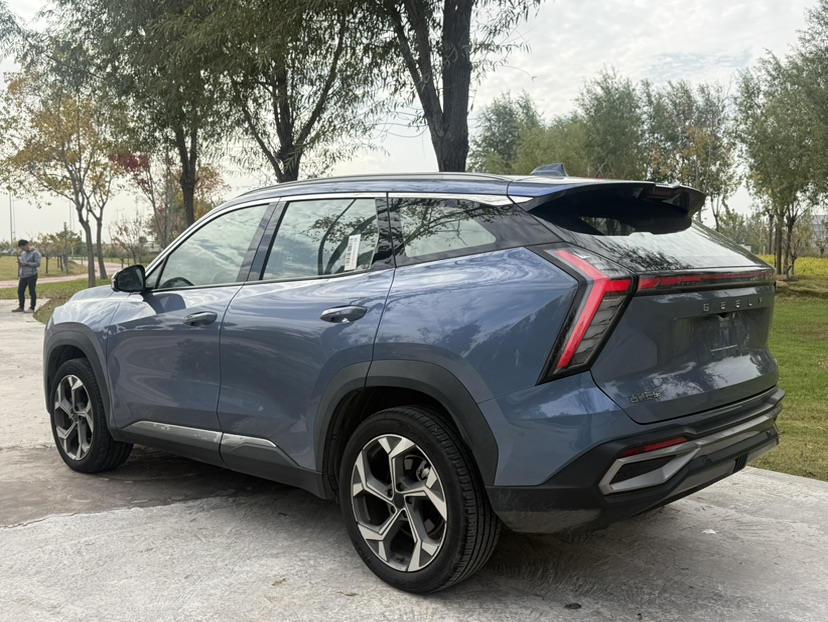



48H

Basic Information

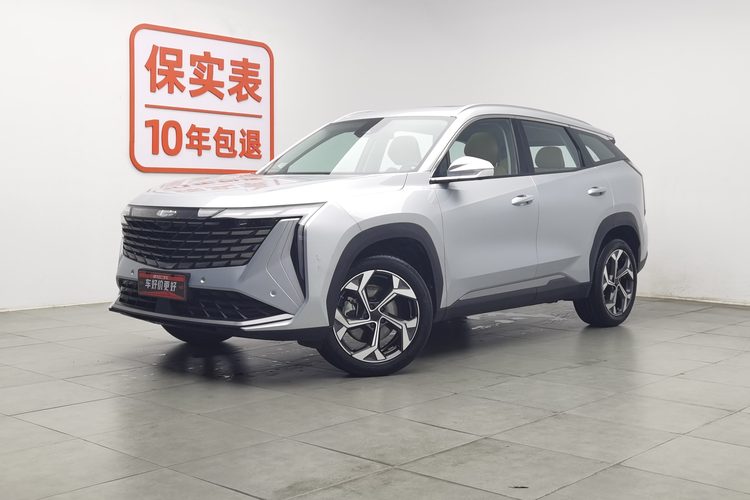
BrandGEELY
SeriesBoyue L
Year2023
First Registration2023/05
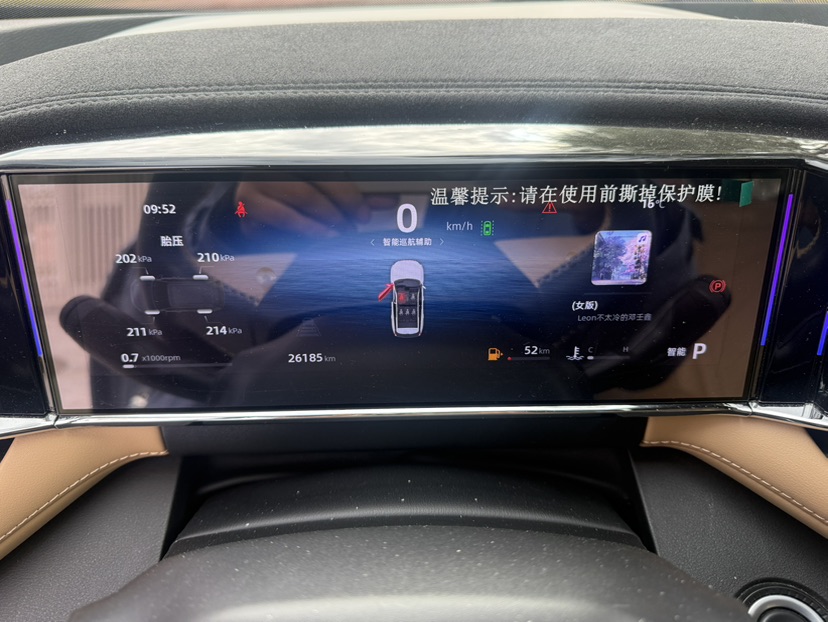
Mileage26,000km
Transfer Count1times
FuelGasoline
TransmissionDCT
Engine1.5T 181 L4
ColorBlue
Seats-

Condition Description

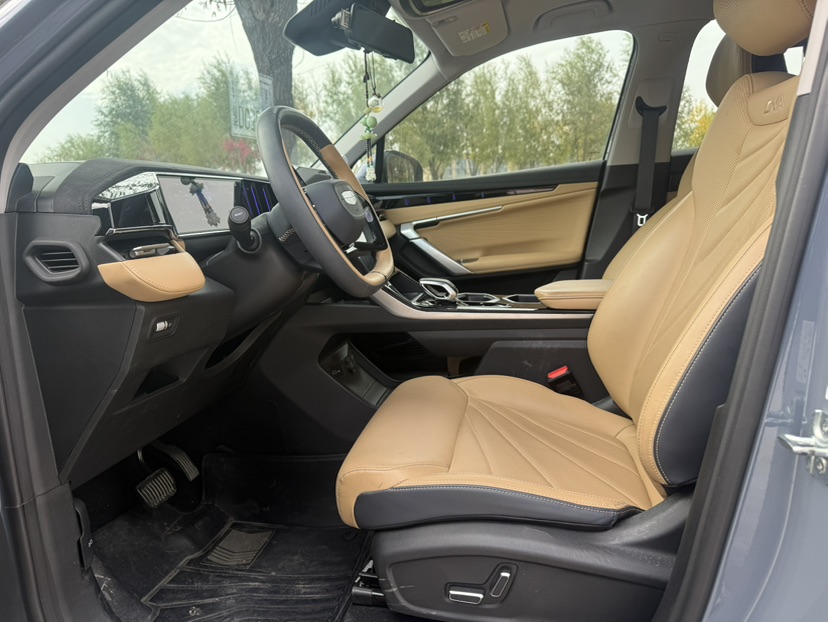
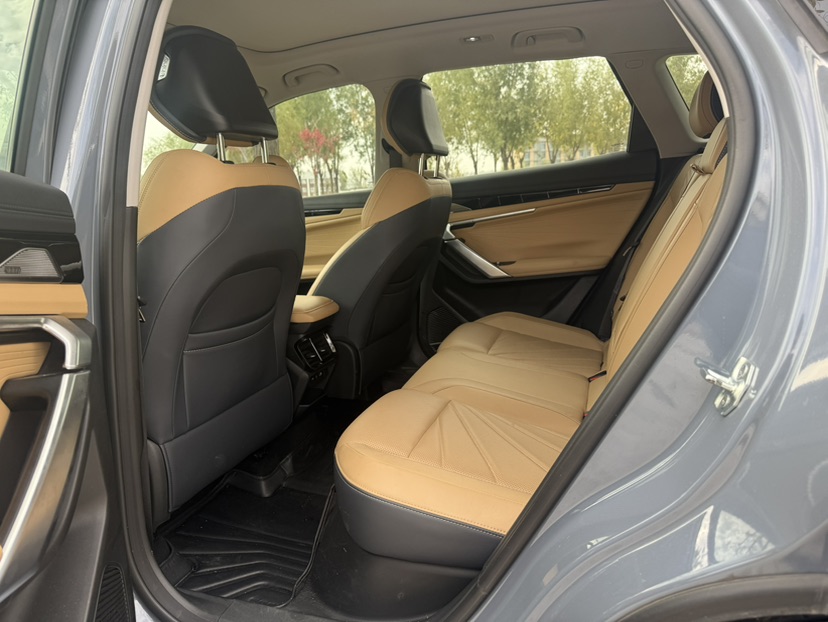
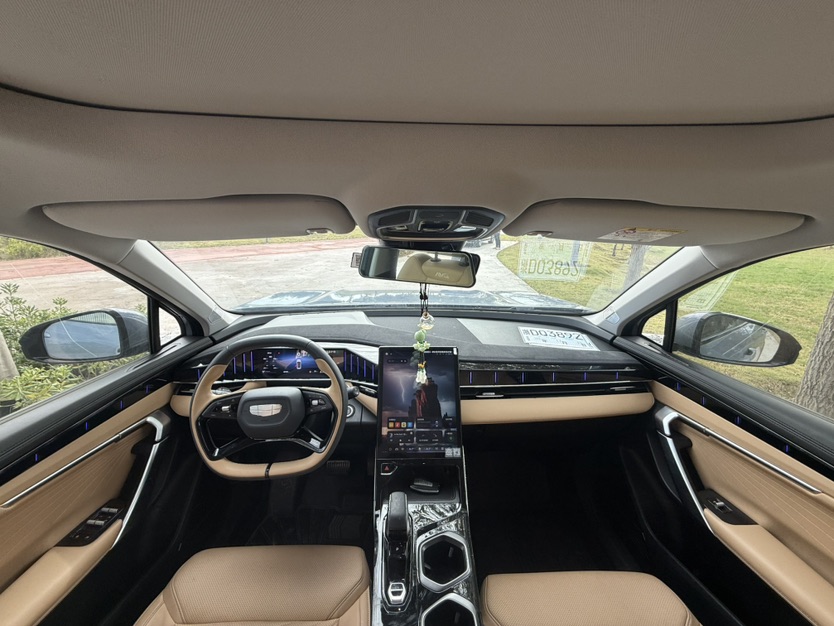
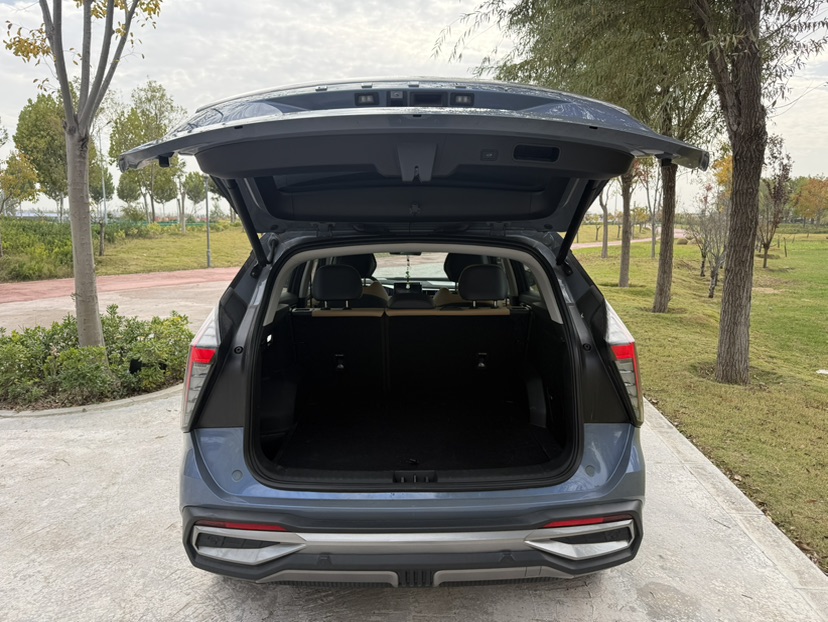
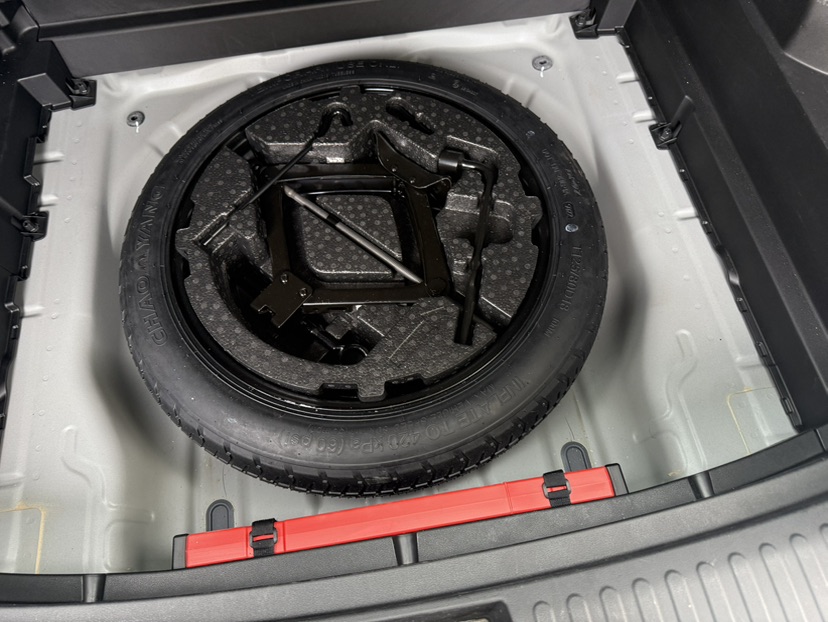
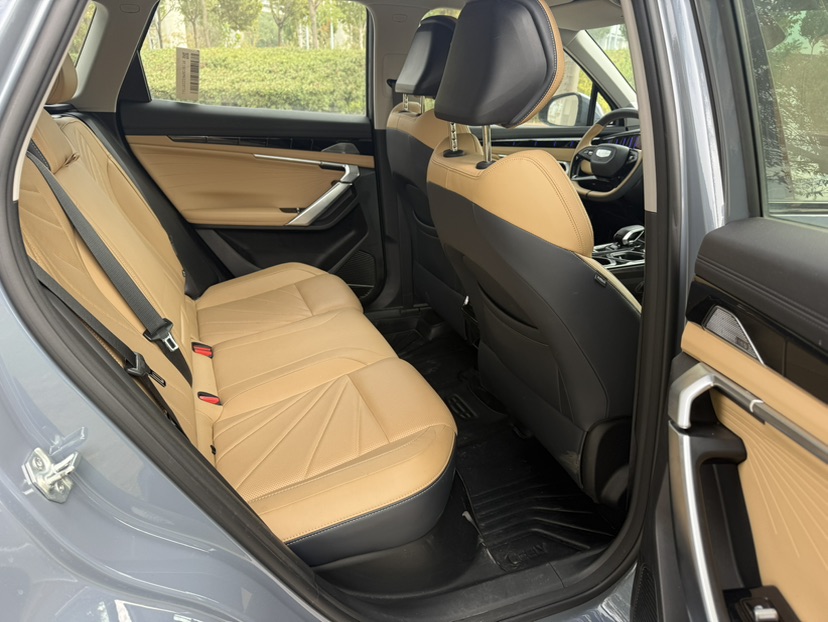
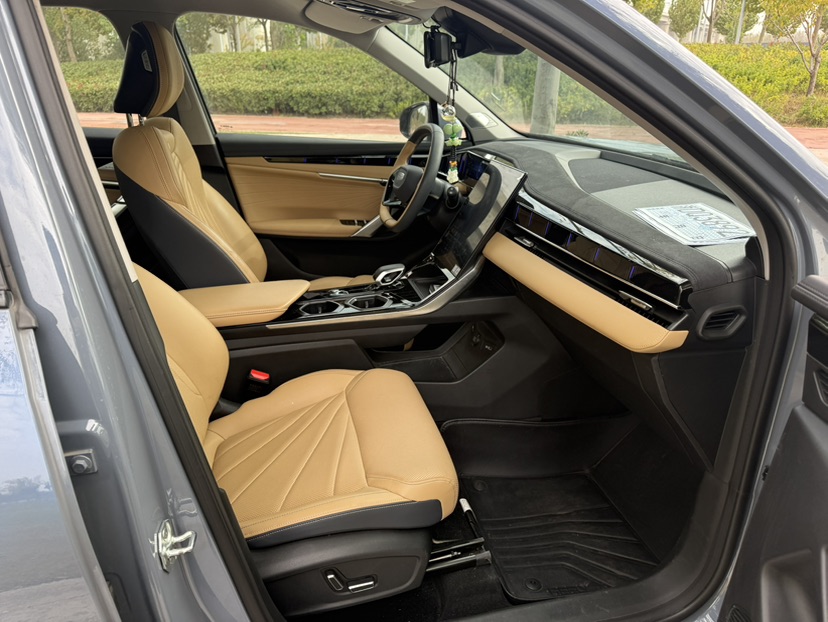
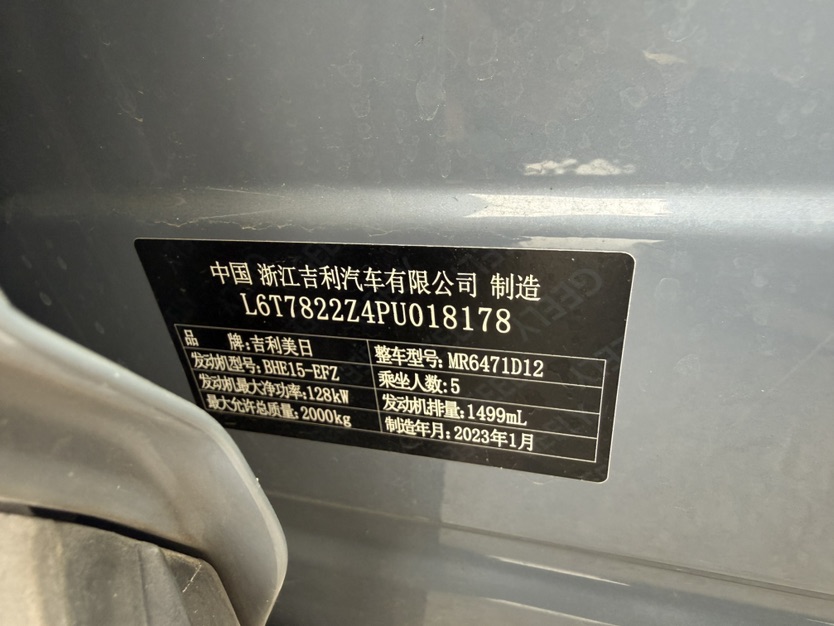
Manufactured in January 2023, first registered in May 2023, original paint and no body repairs, original condition.

燃油车
SUV
自动
维保开放
事故开放
查验开放

Configuration Highlights

✓品牌: 吉利汽车
✓车系: 博越L
✓车型: 2023款 1.5TD DCT尊贵型
✓车身类型: SUV
✓座位数: 5
✓排量: 1.5T
✓变速箱: 自动
✓能源类型: 燃油车
✓VIN: L6T7822Z4PU018178
✓搜索关键词: 吉利汽车博越L 2023款博越L1.5TDDCT尊贵型

Document Information

Inspection Expiry Date2026/11
Warranty Expiry Date-
Insurance Expiry Date2027/05

Q&A

More

Will a used Chinese EV still receive OTA updates and can I use the companion app after the car is exported?

This is one of the most common post-export surprises, so verify before buying. OTA updates: most Chinese brands push updates to cars registered on domestic servers. Many exported cars continue receiving updates normally, but some brands restrict updates by VIN region once the car leaves China. Ask the seller to confirm the update history and whether the brand officially supports your destination region. Some grey-import cars are stuck on the firmware version they left with. Companion apps: the factory app usually requires a Chinese phone number and a domestic account. After export, remote functions (preconditioning, charging status, location) often stop working or require workarounds. Some owners re-register via third-party services, but this is unofficial and can break at any time. Practical advice: before purchase, get the seller to show a screenshot of the car's current software version and connected services status. Factor in that you may lose remote features permanently, and check whether local dealers or independent shops can perform diagnostics and updates without the official app.

What should a purchase contract with a Chinese used-car exporter include to protect me?

A solid contract is your main protection in a cross-border deal. It should specify: 1. Vehicle identification: VIN, year, mileage, trim level, and photos of the actual car appended as an annex — not just「a 2021 Toyota」. 2. Condition guarantees: no accident, no flood or fire damage, no structural repairs, supported by a third-party inspection report referenced in the contract. 3. Price and Incoterm: total amount, currency, the named port, and whether freight and insurance are included. 4. Payment schedule: e.g., 20–30% deposit after contract signing, balance against copy of the Bill of Lading. Avoid 100% upfront. Use T/T to the company's corporate bank account only — never a personal account. 5. Timeline: inspection date, estimated loading date, and latest shipment date, with remedies if delayed. 6. Dispute clause: governing law and arbitration (CIETAC or your local chamber) rather than foreign court litigation. Ask for the contract in English (or bilingual) with the supplier's company chop. A company that refuses a written contract or pushes for full prepayment is a red flag.

Can you convert mainstream left-hand drive (LHD) cars in China to right-hand drive (RHD) and then export them?

We maintain an extremely cautious and firm denial. Some platforms may cater to such demands for orders, but converting left-hand drive to right-hand drive involves complex steering column cutting, firewall structure changes, and wiring harness reorganization. This non-factory deep modification poses significant safety risks and is very difficult to pass vehicle safety inspections in developed countries (such as Japan's earthquake test and the UK's IVA test). Out of responsibility for safety and long-term reputation, we refuse to provide any steering conversion services that damage the vehicle's underlying structure.