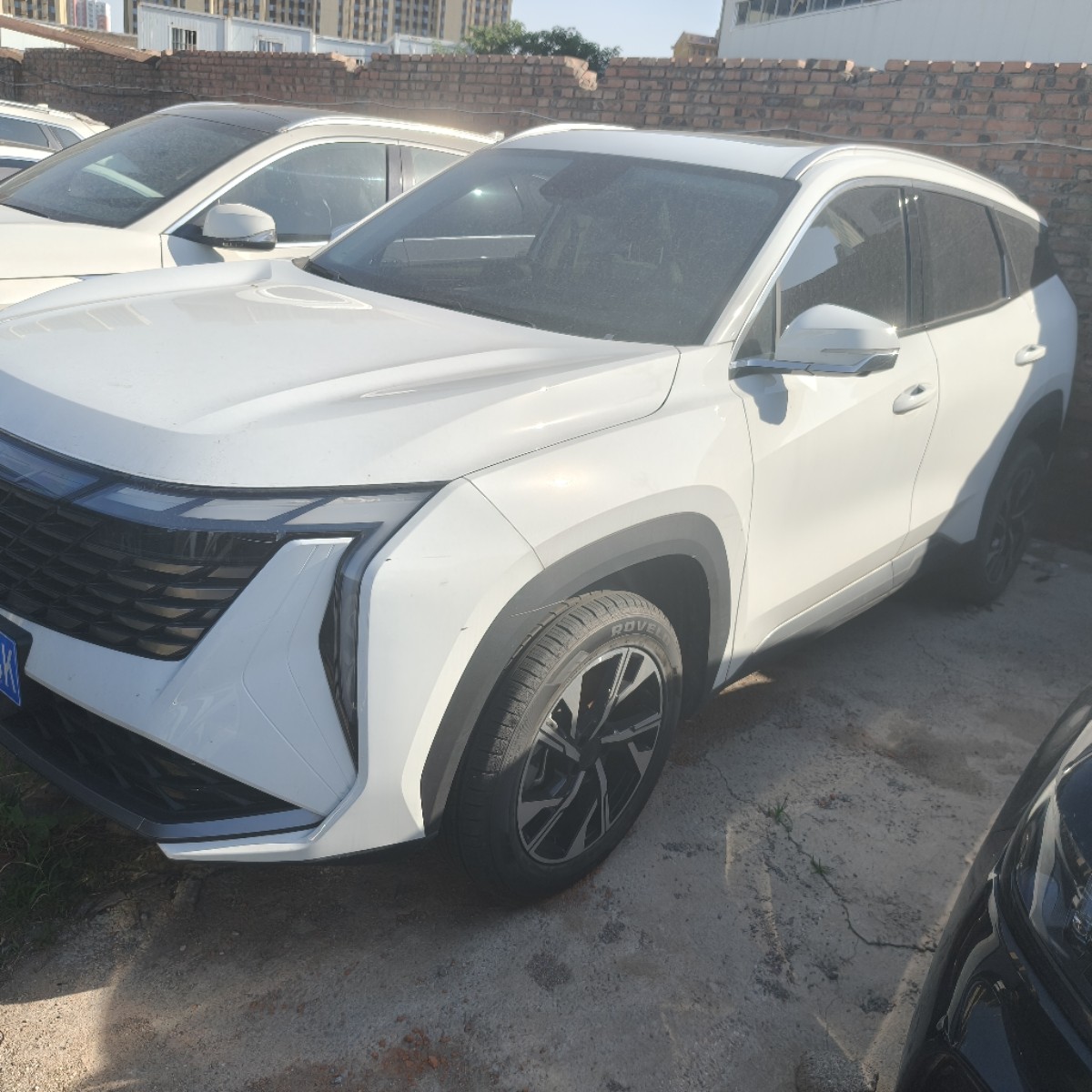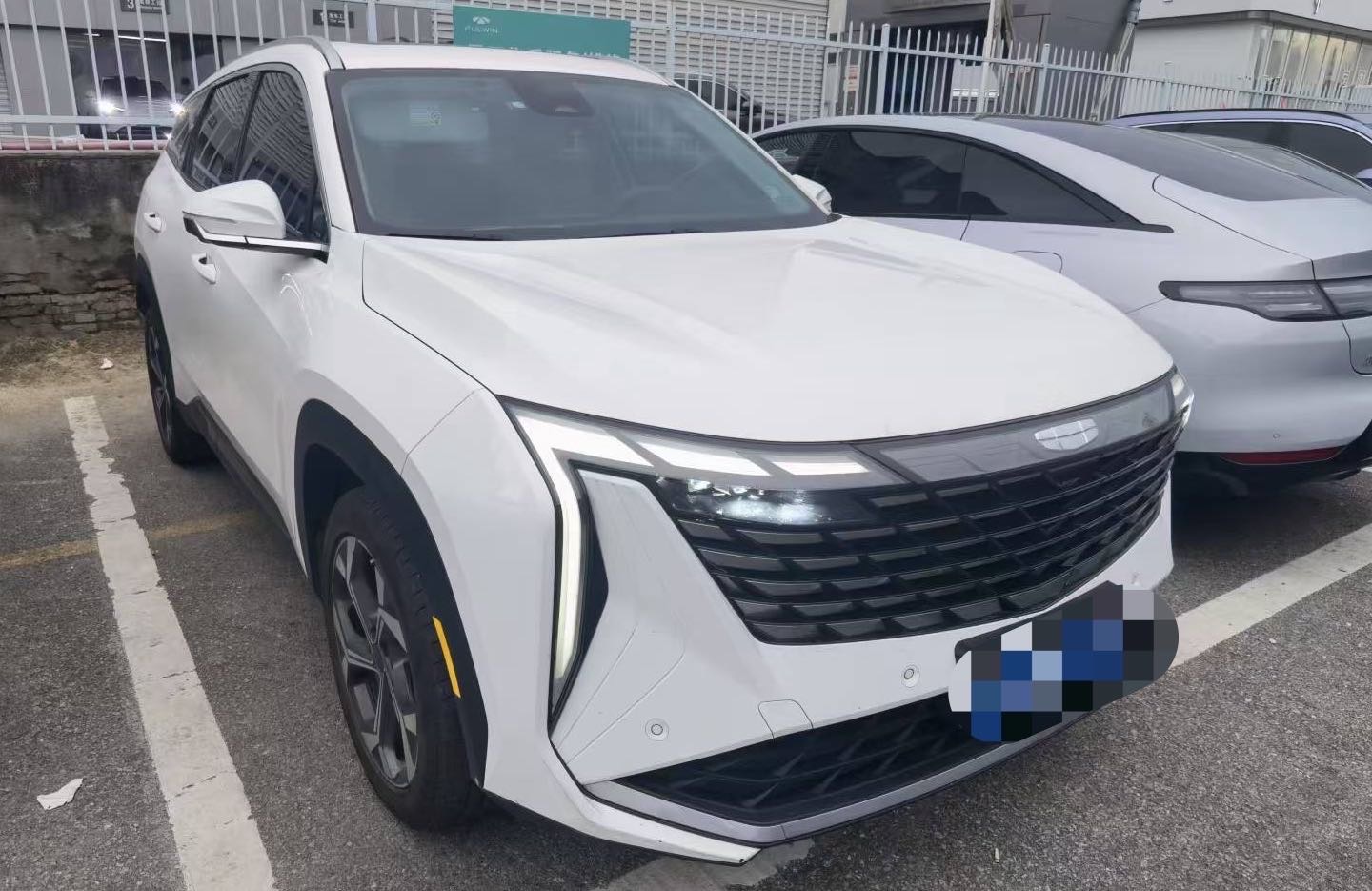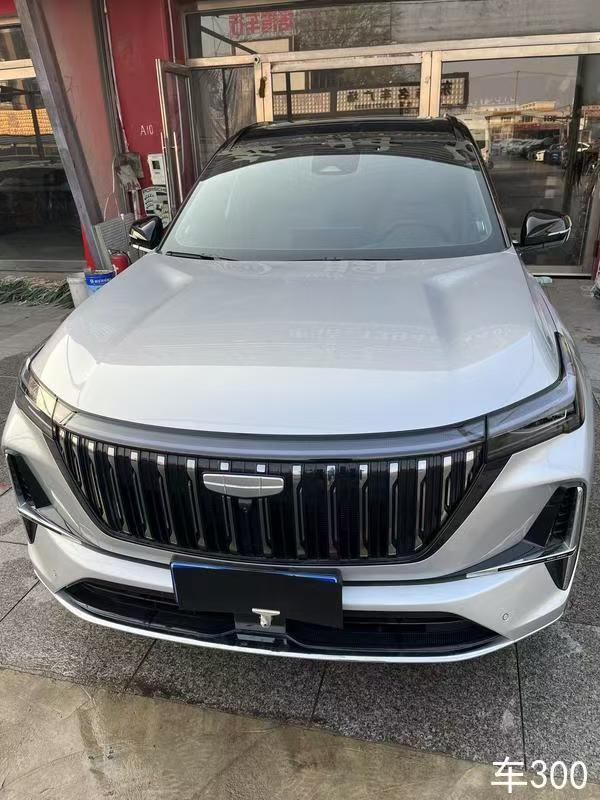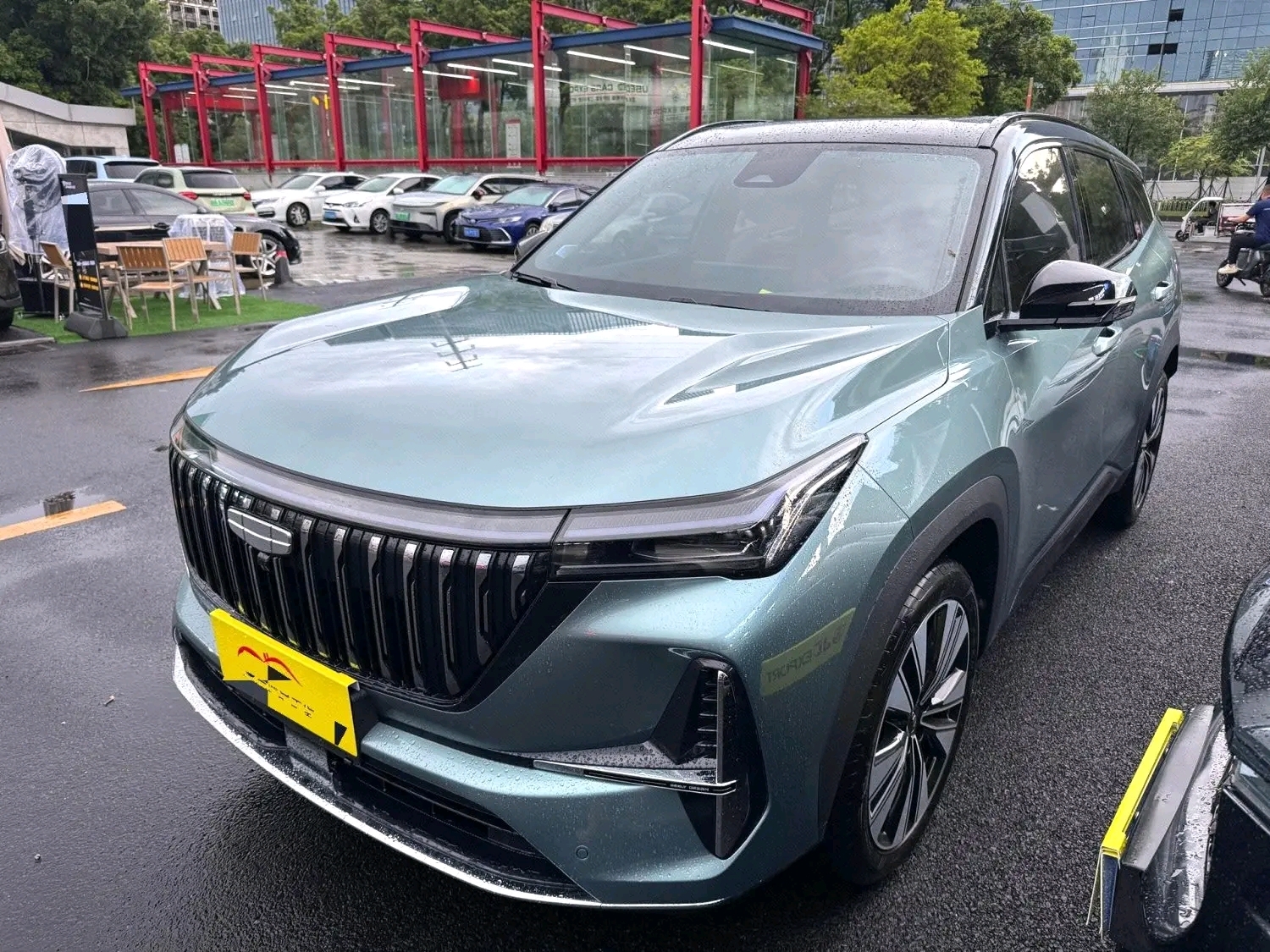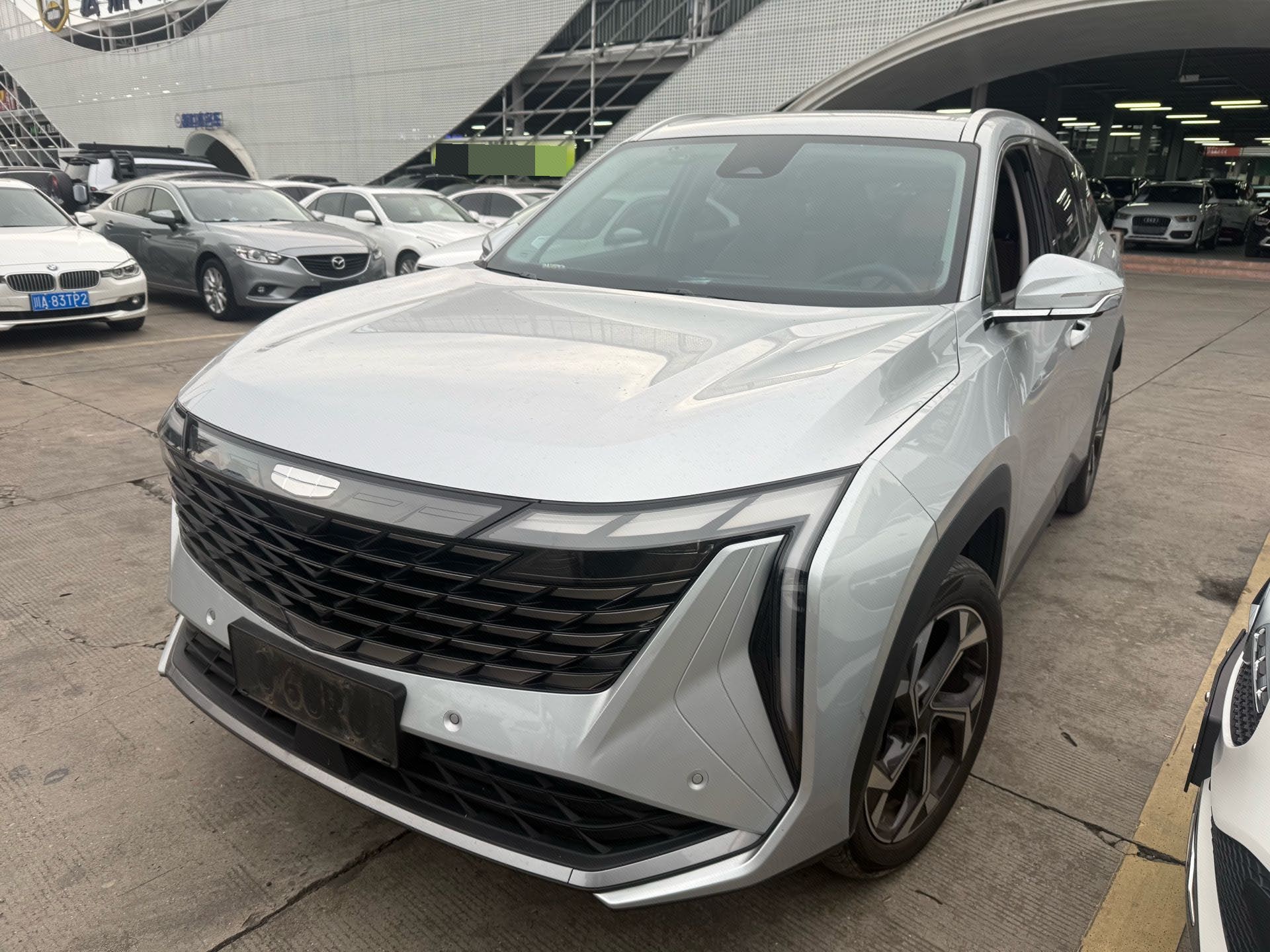
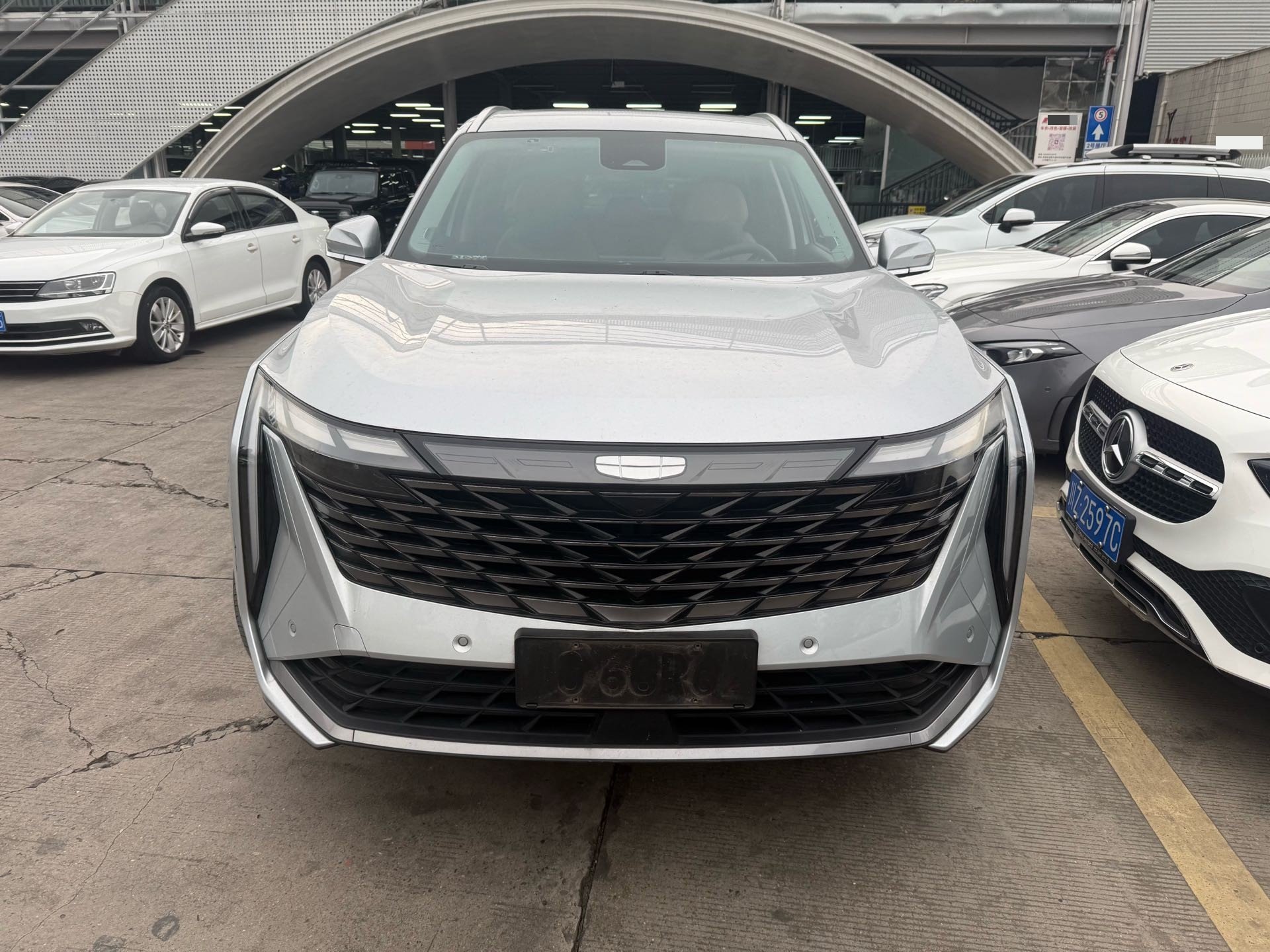
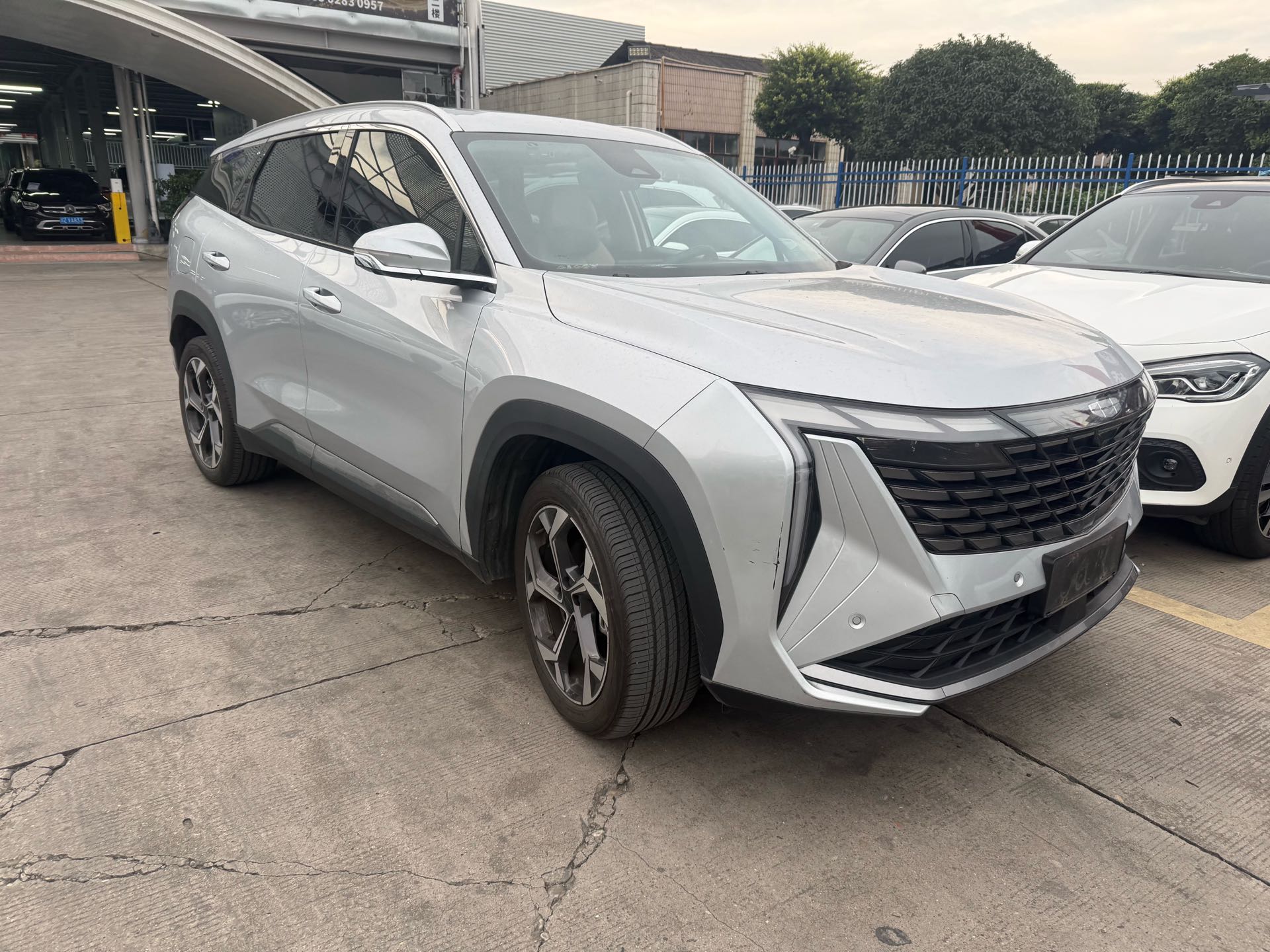
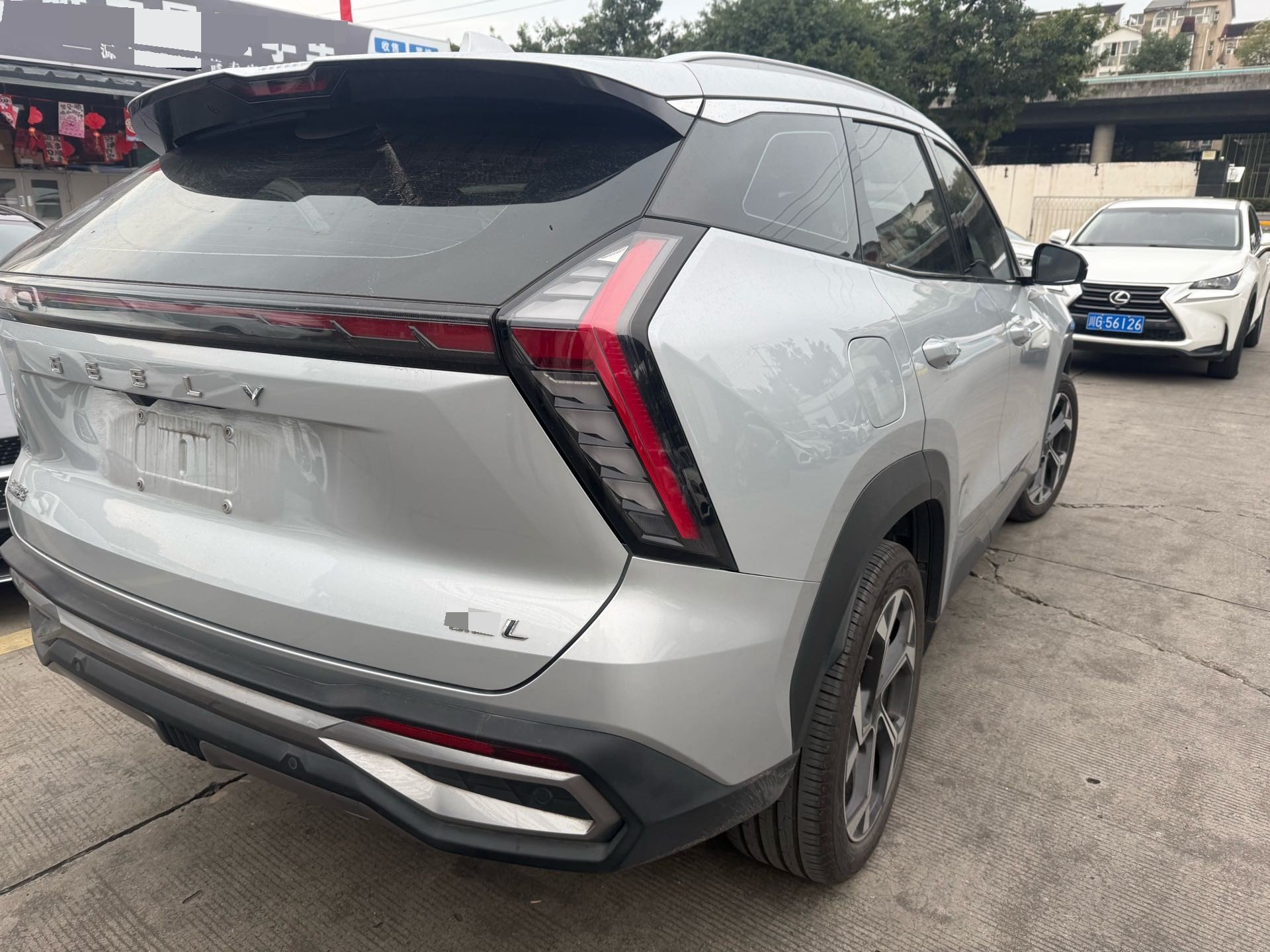
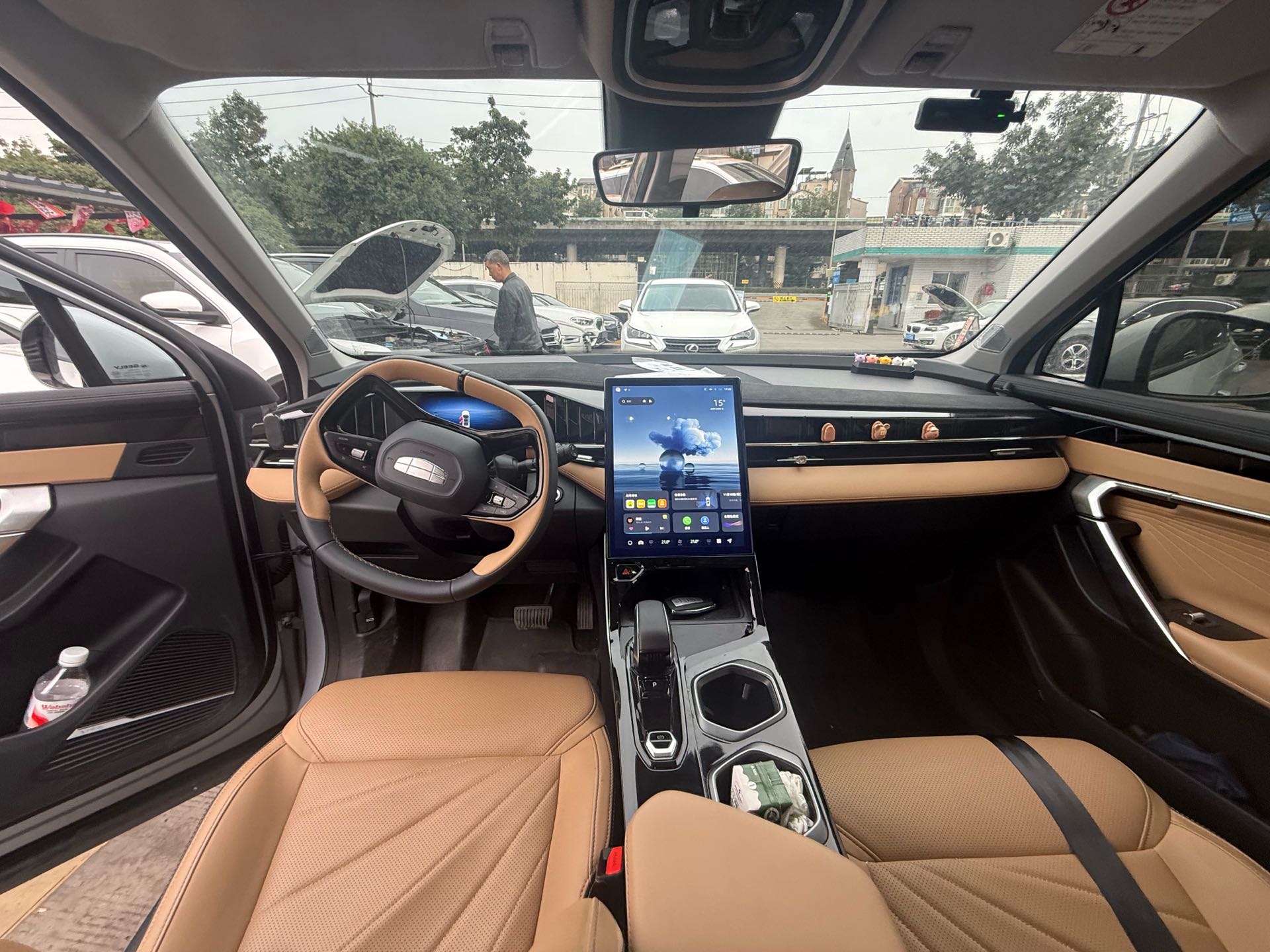
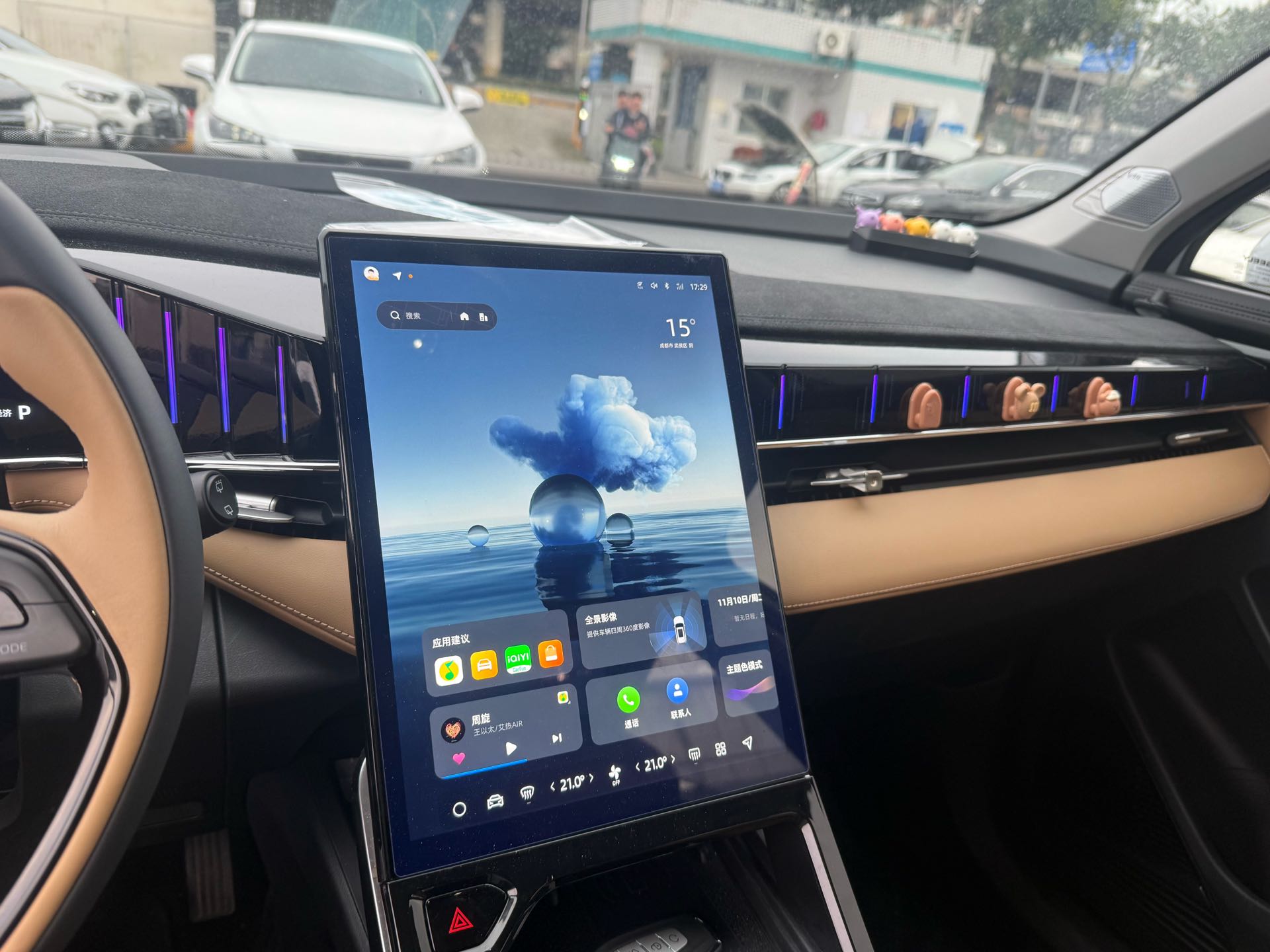
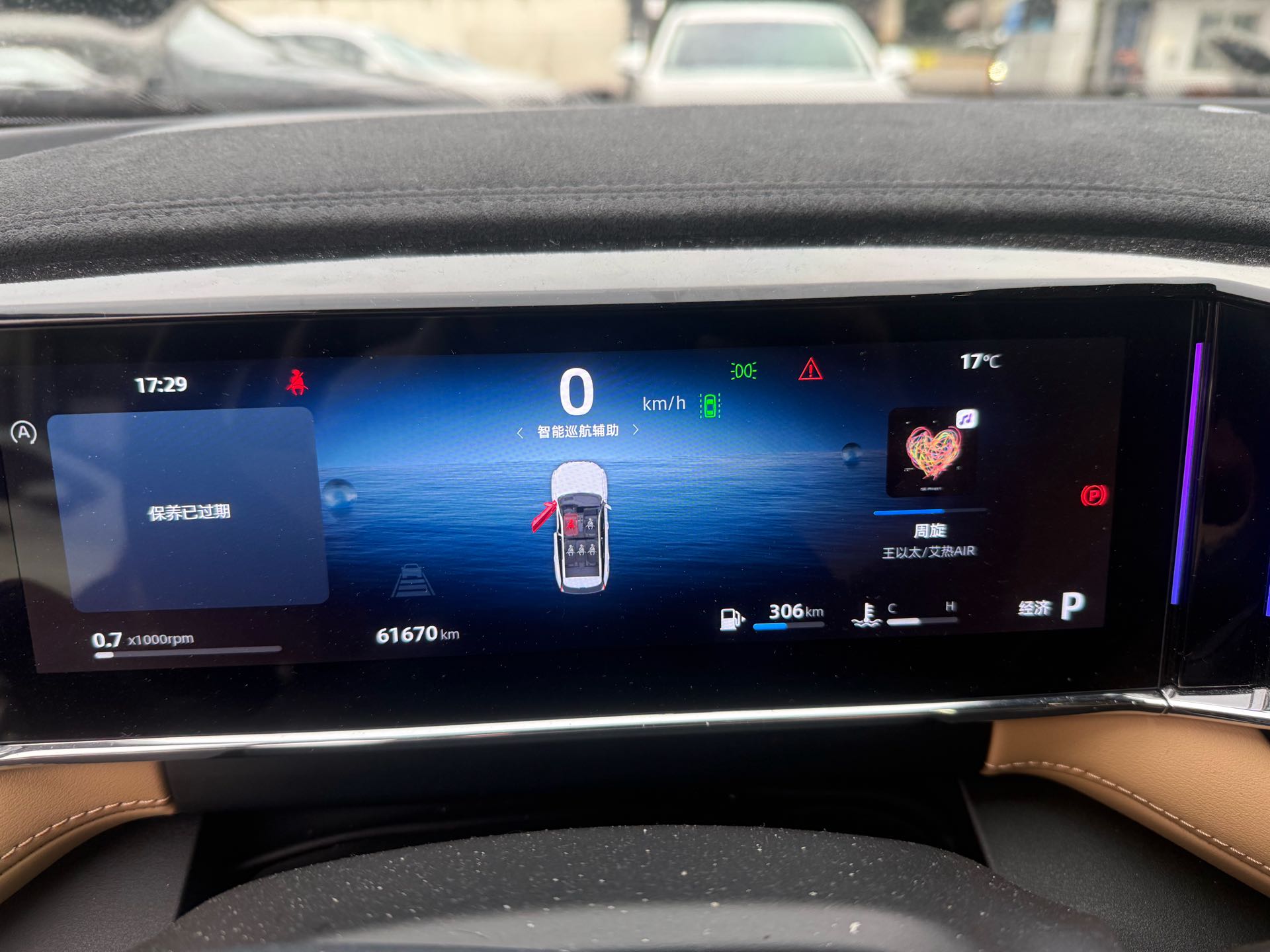



Basic Information

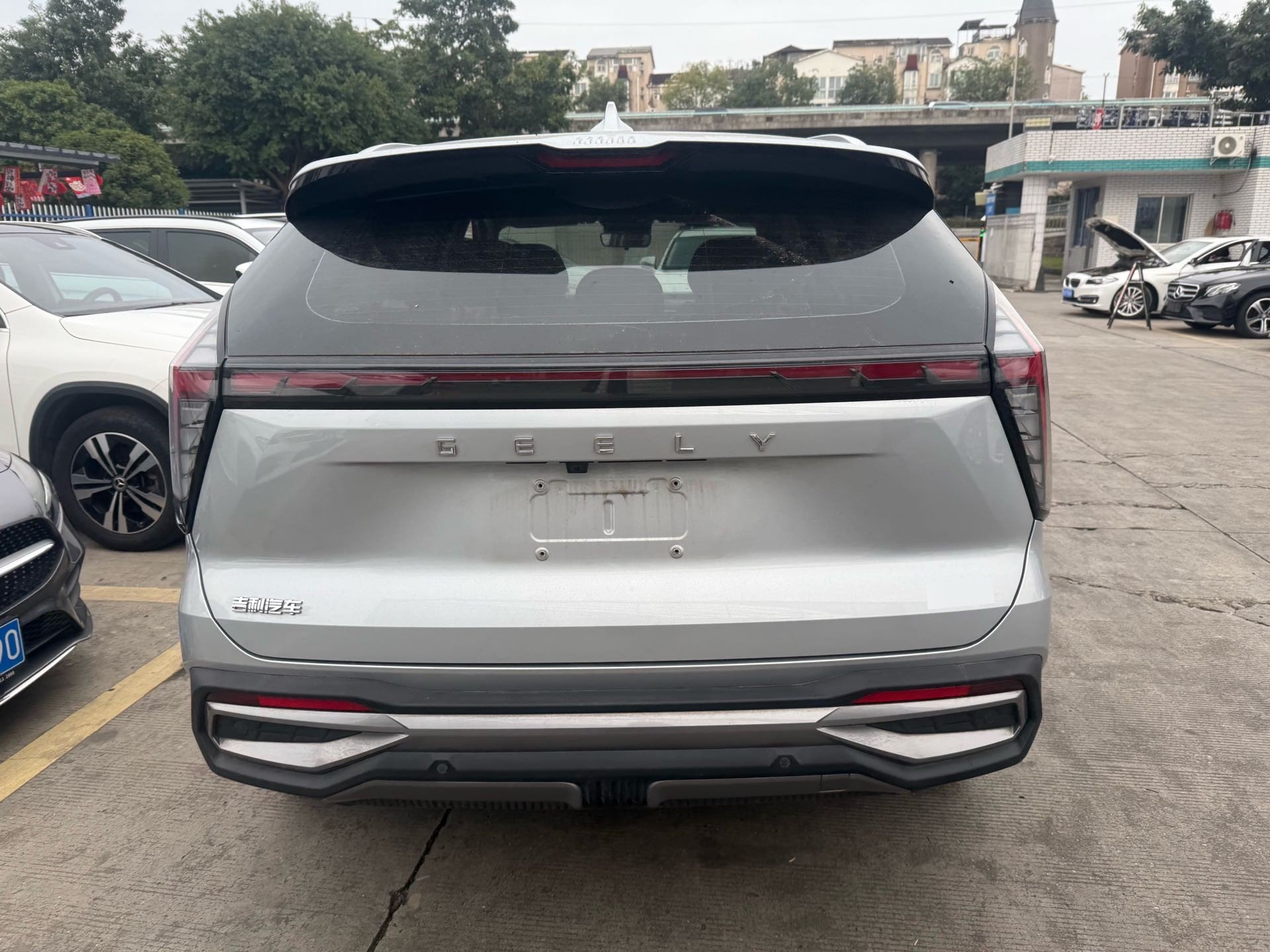
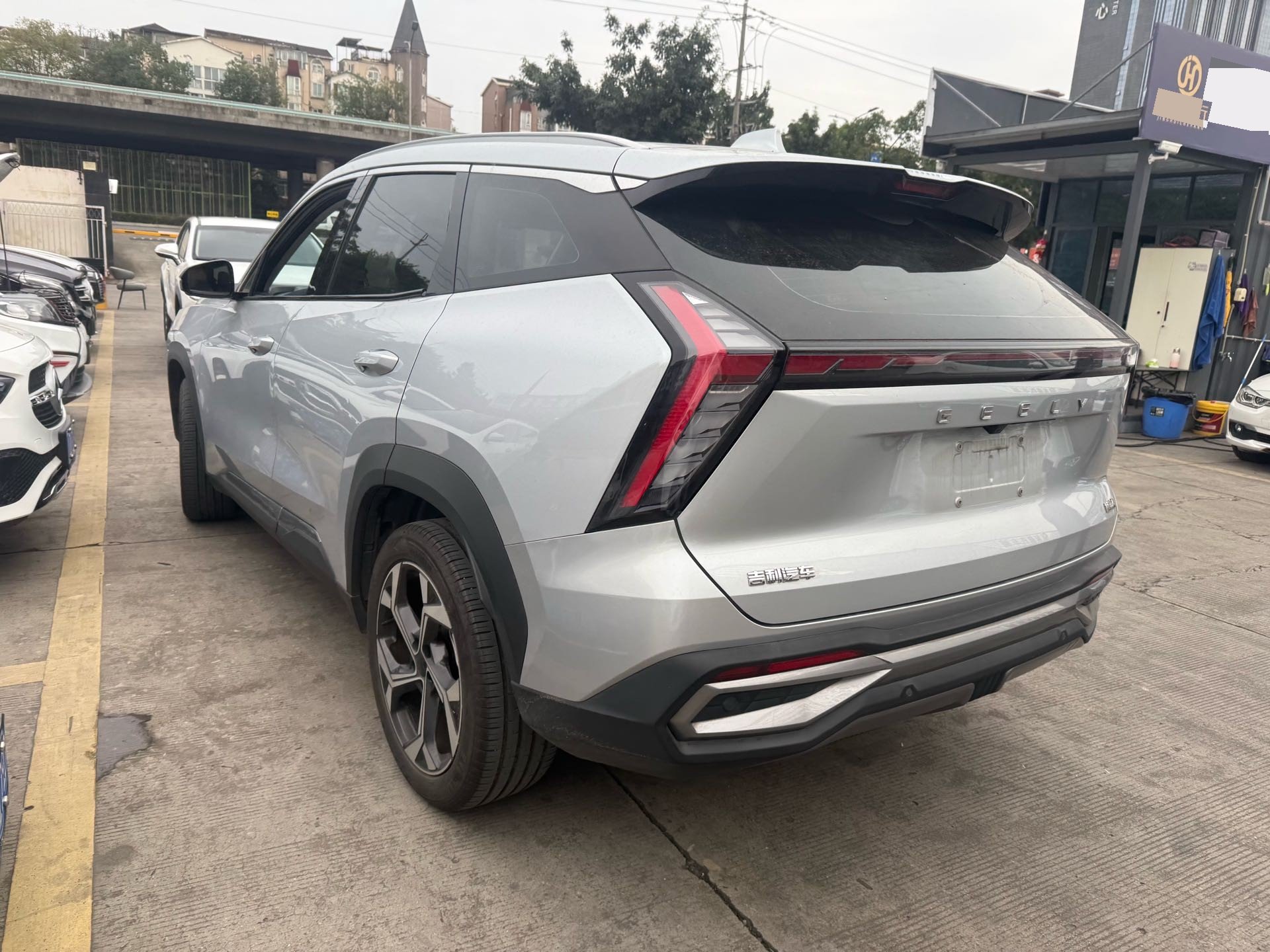
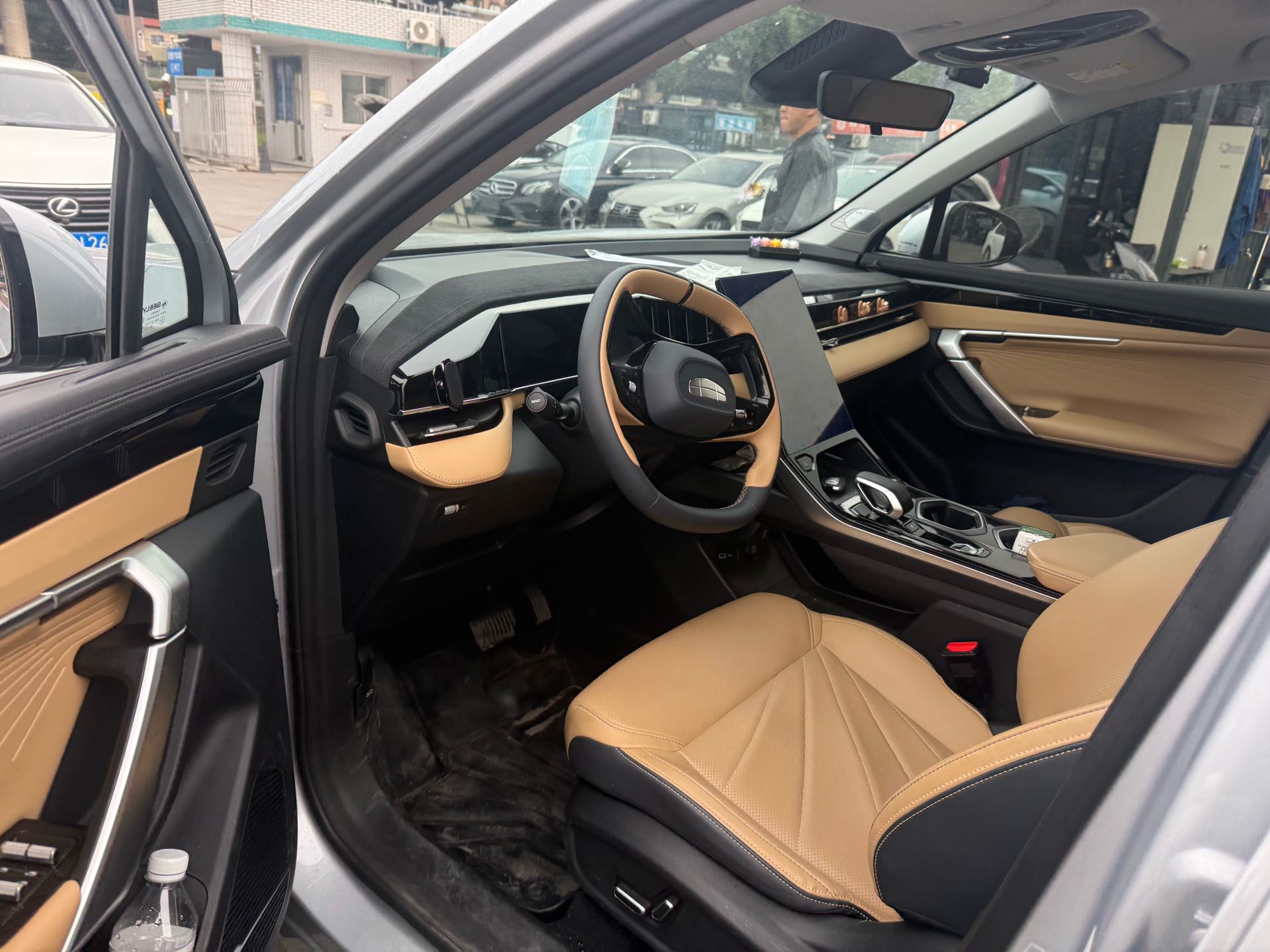
BrandGEELY
SeriesBoyue L
Year2023
First Registration2023/03
Mileage61,000km
Transfer Count0times
FuelGasoline
TransmissionDCT
Engine1.5T 181 L4
ColorGrey
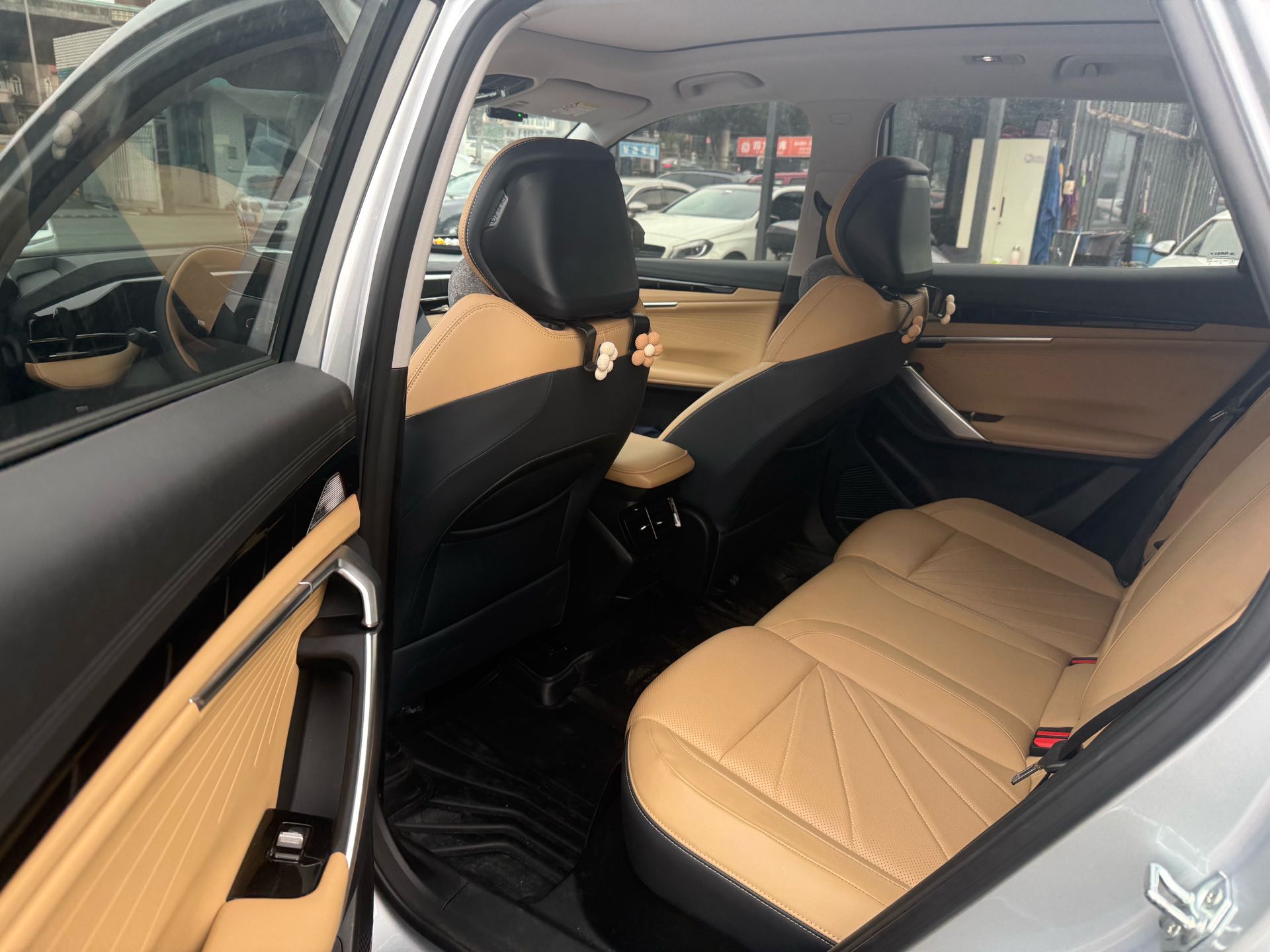
Seats-

Condition Description

Original paint, no accidents, single owner, can pass third-party inspection.

Document Information

Inspection Expiry Date-
Warranty Expiry Date-
Insurance Expiry Date2027/03

Q&A

More

When buying a used Chinese EV, how do I read the battery health (SOH) report, and what percentage is still acceptable for import?

State of Health (SOH) tells you how much of the original battery capacity remains. Here's how to use it. Reading the report: SOH is usually shown as a percentage of original capacity. A car at 90% SOH retains roughly 90% of its original range. Also check for cell imbalance (voltage spread between modules)—a low SOH with balanced cells is often fine, but high imbalance causes sudden range drops and charging problems. Acceptable thresholds: for a car under 3 years old, expect 90%+ SOH. For 3-5 years, 85-90% is normal. Below 80% SOH, the battery may soon need replacement—replacement costs can exceed the car's value, so negotiate hard or walk away. How to verify: don't trust a screenshot. Ask for a live screen recording of the diagnostic app (like the brand's official tool) starting from the car's VIN page. Cross-check the fast-charging curve: a healthy battery charges at near-peak rate up to 60-70%; a degraded one tapers early. Finally, remember that hot climates degrade batteries faster—if the car spent its life in southern China, scrutinize SOH more carefully.


Which documents should I receive from a Chinese exporter before my used car ships, and how do I verify each one?

Before shipping you should hold: the sales contract and commercial invoice, the export declaration (customs form showing the VIN), the vehicle registration certificate, and the bill of lading or rail waybill once cargo is loaded. Verify them like this. The VIN on the invoice, the export declaration, and the waybill must be identical, character for character. The registration certificate should show a clear ownership chain with the seller as the current owner; ask for a scan before payment. The export declaration proves the car legally left China and is essential for customs clearance at destination. If the exporter cannot provide the registration certificate or hesitates on the VIN check, pause the deal. Also confirm who handles the document courier: originals should arrive before or with the vessel, because many ports will not release a car without original bills of lading.

How are import duties on used cars from China calculated, and which HS code applies?

Used cars are classified under HS heading 8703 (motor vehicles for transport of persons), with the last four digits determined by engine type and size. Gasoline cars usually fall in 8703.21–8703.80 depending on displacement; pure EVs fall under 8703.80; hybrids have their own subheadings. The duty amount depends on your country's tariff schedule: 1. Most countries charge duty on the CIF value (car price + freight + insurance), not the FOB price. 2. Many developing markets levy higher duties on used vehicles than new ones, and some add a surcharge based on age — older cars can cost significantly more to clear. 3. After duty, you typically pay VAT/GST on the CIF + duty total, plus port and customs fees. Practical tips: ask your exporter to state the exact HS code on the commercial invoice and confirm it with a local customs broker before shipping. A wrong code can trigger reclassification, penalties, or delays. Also budget for any excise tax tied to engine capacity — in several markets a 2.5L car clears far cheaper than a 3.5L one.