


48H

Basic Information

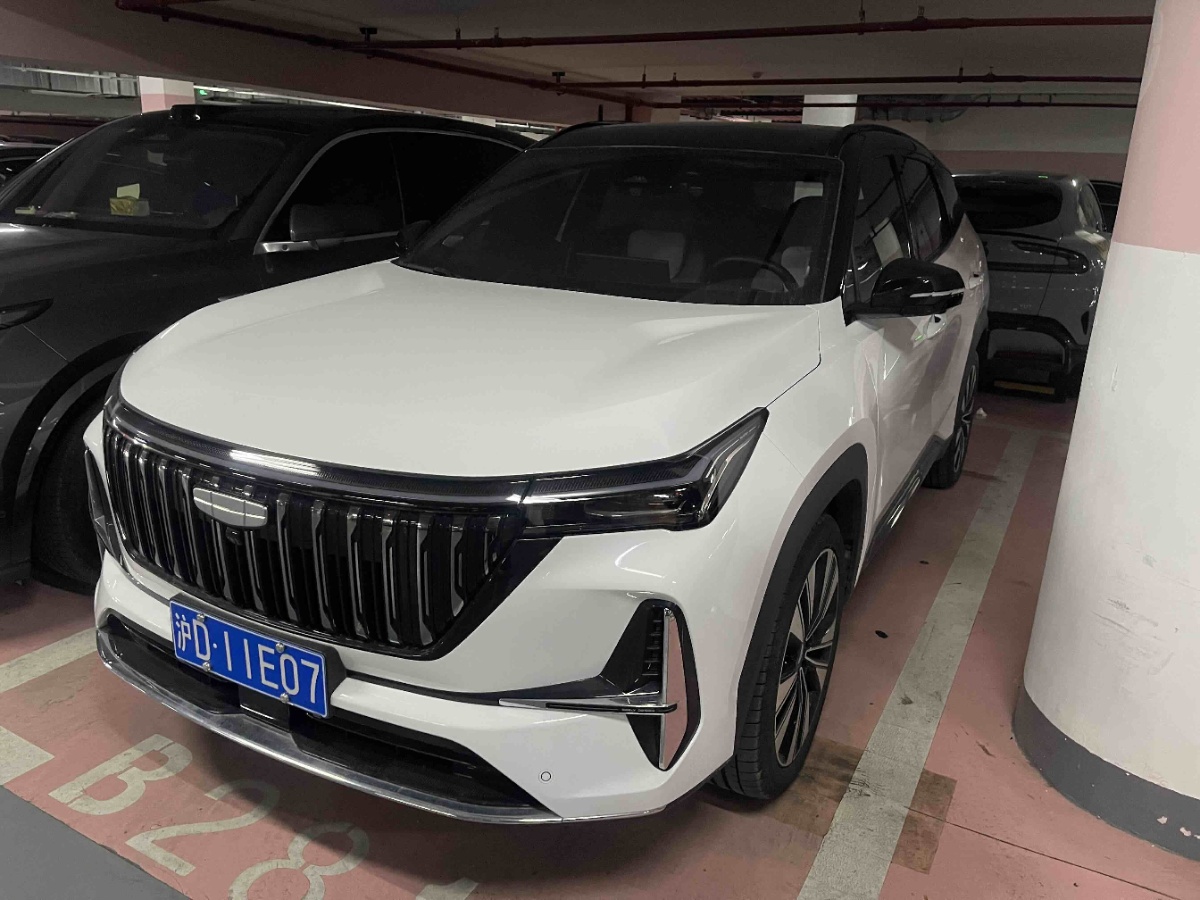
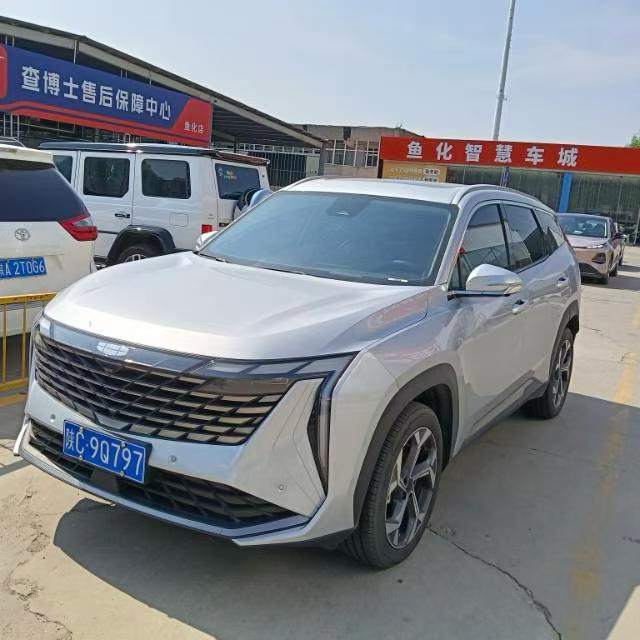
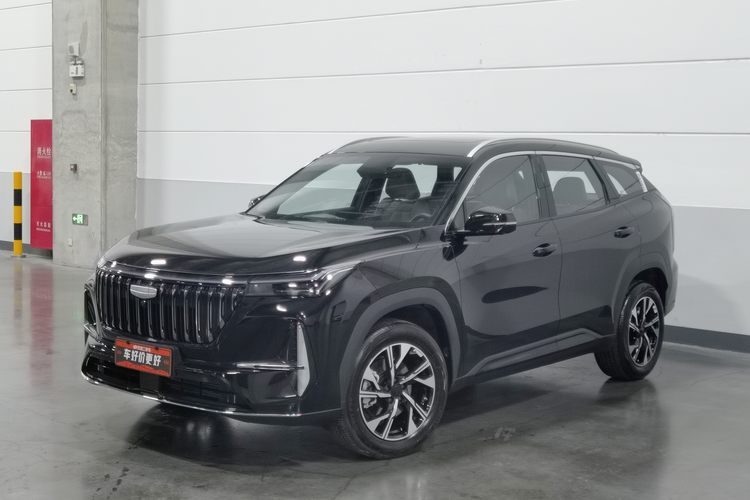
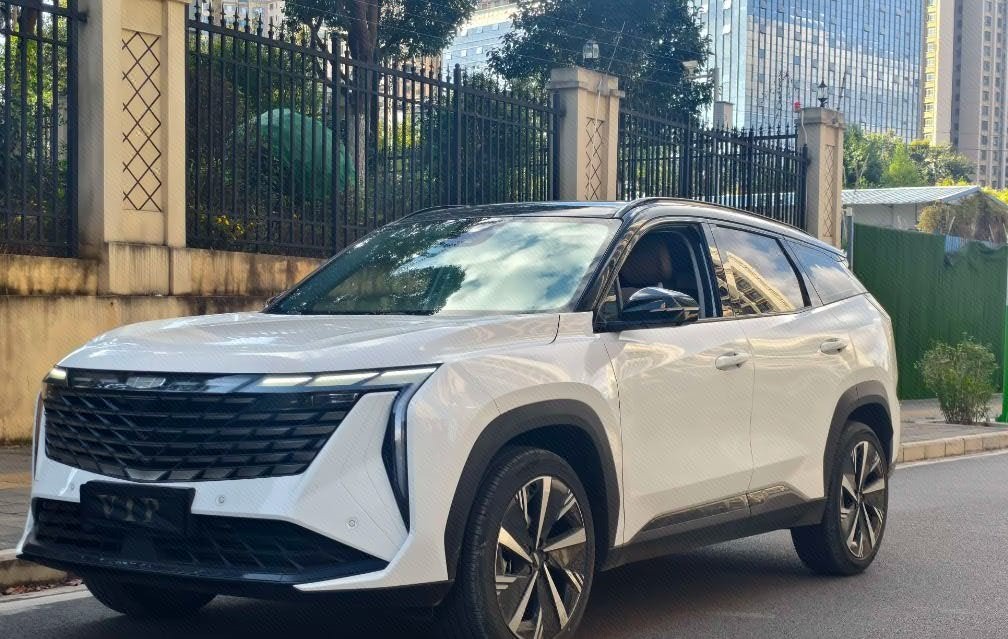
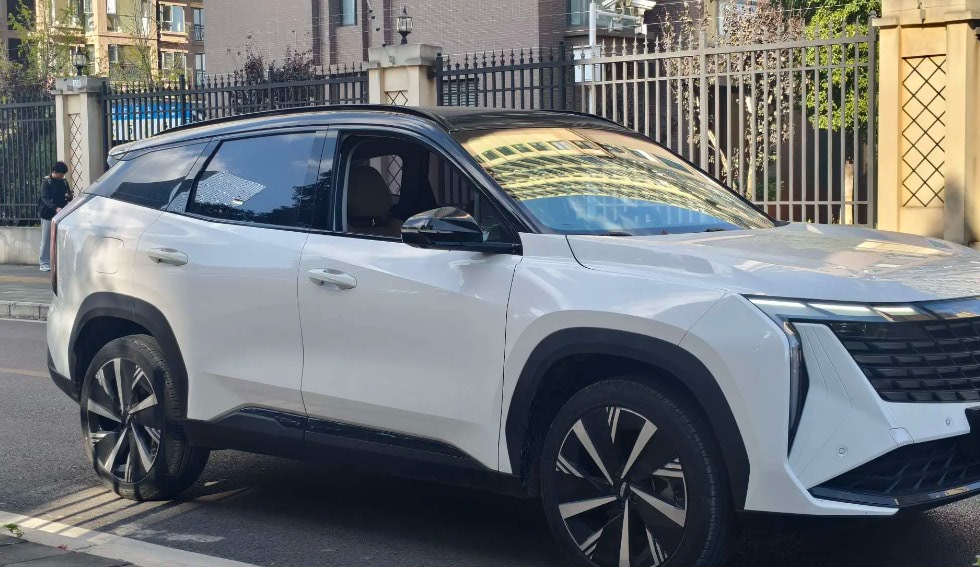
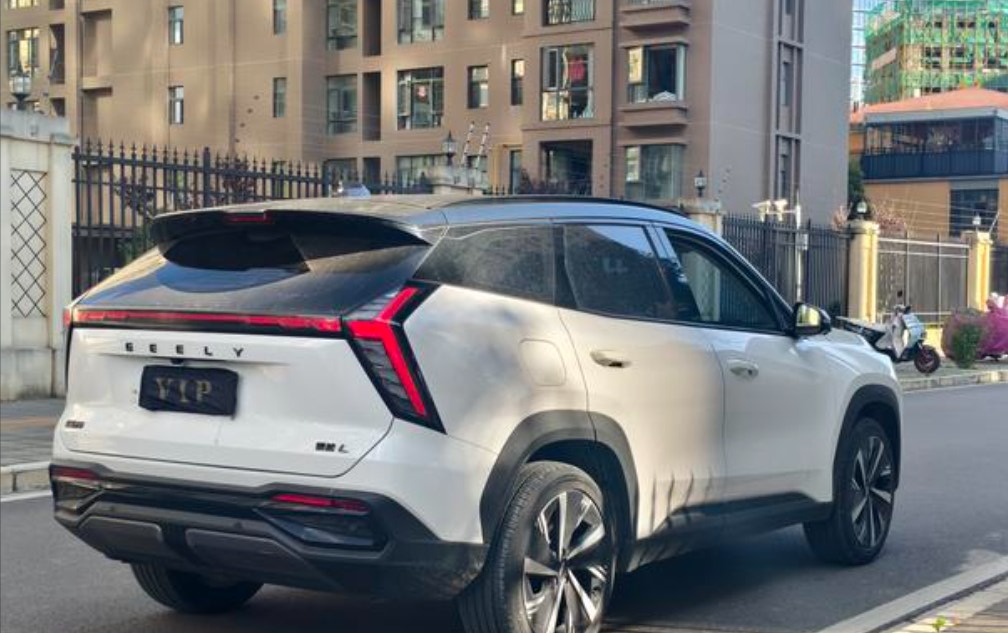
BrandGEELY
SeriesBoyue L
Year2023
First Registration2023/12
Mileage37,300km
Transfer Count0times
FuelGasoline
TransmissionDCT
Engine1.5T 181 L4
ColorWhite
Seats-

Condition Description

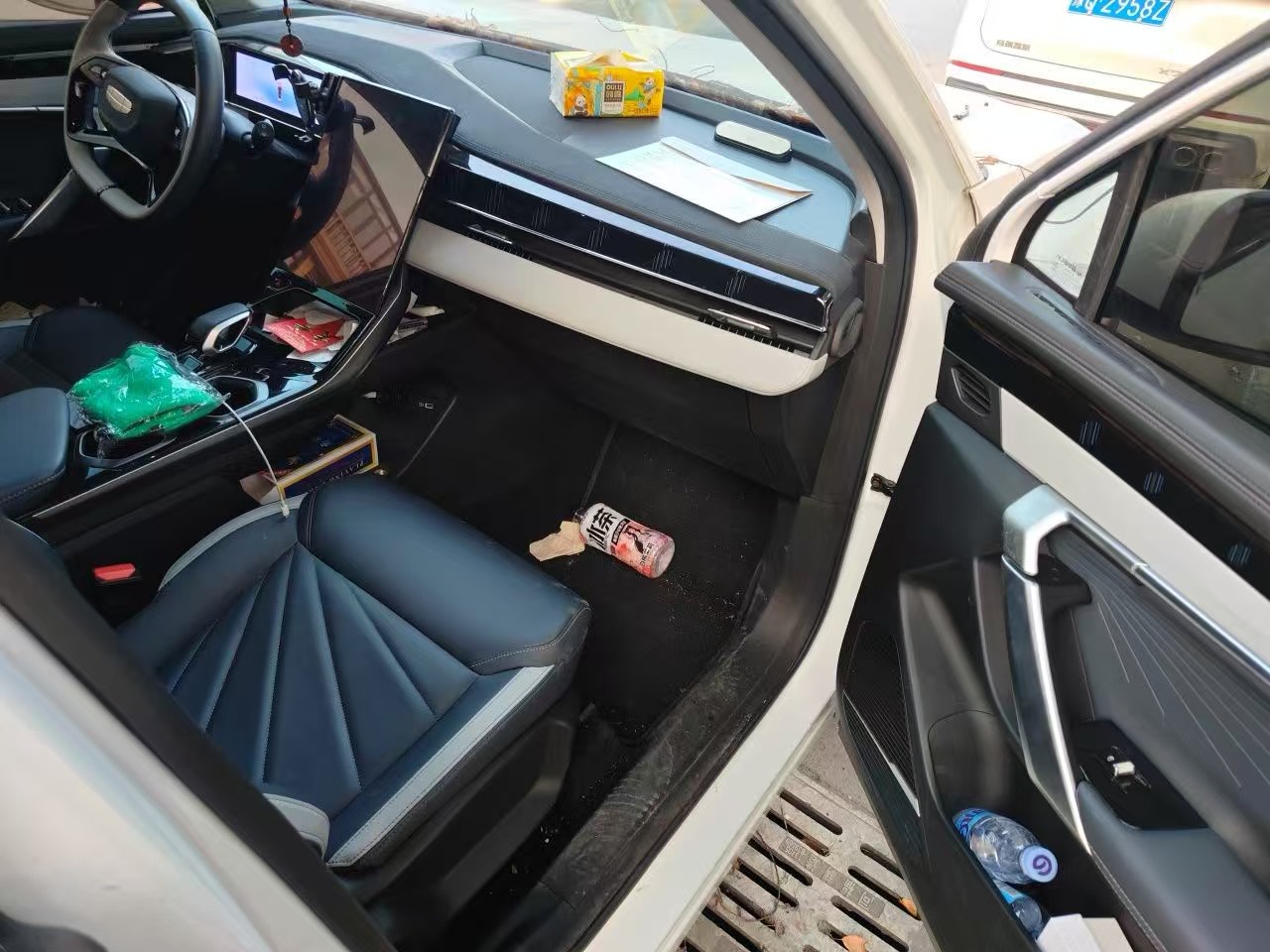
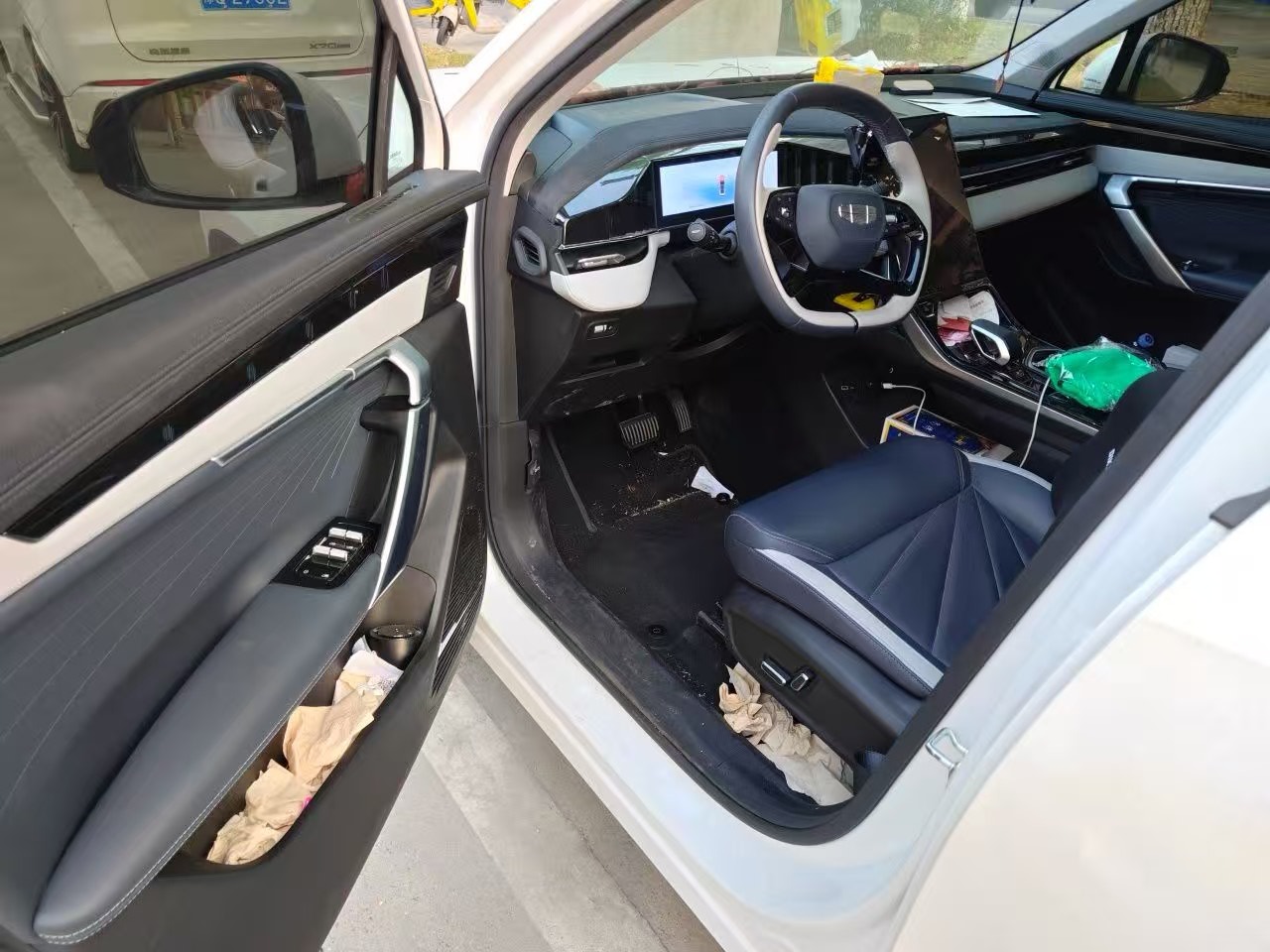
Two panels repainted, original condition, first owner.

Document Information

Inspection Expiry Date-
Warranty Expiry Date-
Insurance Expiry Date2026/12

Q&A

More

How to use technology to verify that a vehicle's emissions standards comply with our country's import regulations.

Our technical report will read the environmental information from the vehicle's factory-issued documentation (including certifications like National V, National VI, etc.). You need to submit the specific emission limit data we provide (such as grams of CO, THC, NOx emissions) to your country's environmental or customs authorities for compliance comparison.


What battery diagnostics should be included in the inspection of a used Chinese EV before it ships?

The battery pack is 30–50% of an EV's value, so its inspection should be the most detailed part of the pre-shipment check. Require these items: 1. BMS data readout: state of health (SOH), full-charge voltage, cell voltage deviation, cycle count, and fast-charging percentage. SOH above 90% is good; below 80% means a costly pack replacement is approaching. 2. Physical inspection: check the underbody for pack dents, coolant leaks from the battery cooling circuit, and corrosion on high-voltage connectors. 3. Range test: a real drive of at least 30–50 km, comparing energy consumption against the rated figure. A pack with poor cells overheats and depletes fast. 4. Charging test: verify both AC and DC charging work, and record charging speed and any error messages. Get the raw diagnostic data, not just a summary. If the inspector won't share the BMS report, assume the battery is the reason why.

How do I vet a Chinese used-car exporter before sending any money?

Vetting takes a day and can save you thousands. Work through this checklist. Verify the business: ask for the company registration number and check it on China's National Enterprise Credit Information system or a commercial registry tool. Confirm the registered address matches where they claim to operate, and that their business scope includes vehicle export. Check export credentials: they must hold a used-vehicle export license issued by Chinese commerce authorities. Ask for the license and a recent export declaration showing they actually ship cars. Test their knowledge: a real exporter answers detailed questions about your destination country's import rules (age limits, left/right-hand drive, emission standards) without hesitation. Vague answers about your own country's requirements are a red flag. Structure payments safely: small deposit (10-20%), balance only against inspection reports and shipping documents, ideally through a payment method with recourse. Refuse full prepayment by irreversible transfer—no legitimate exporter requires it.