


Sold

Basic Information

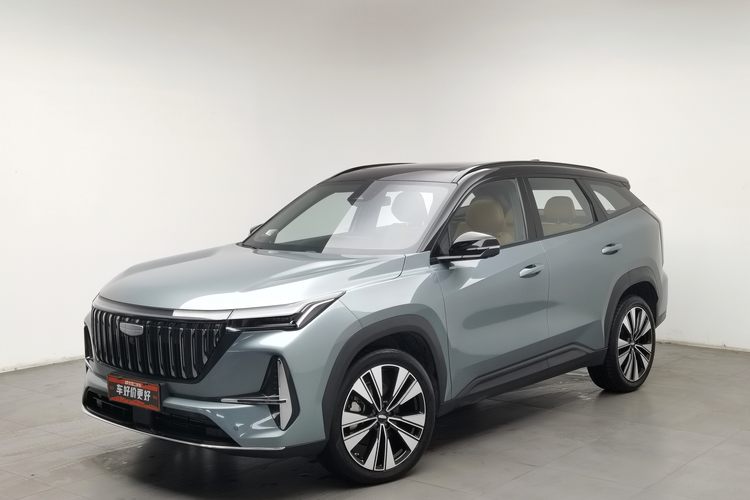
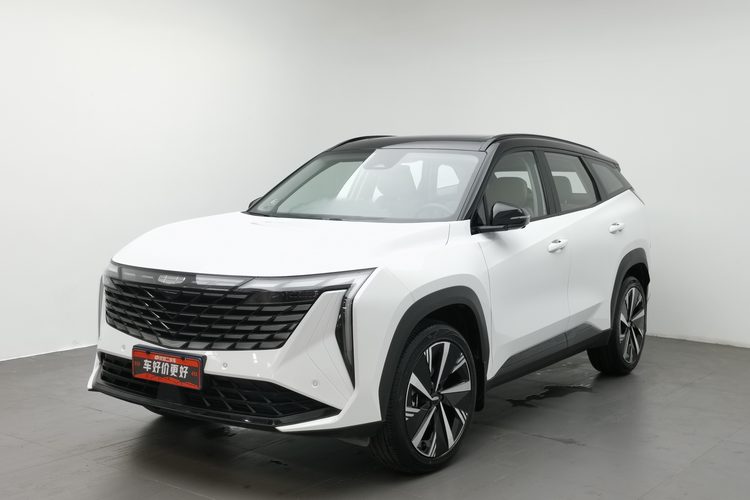
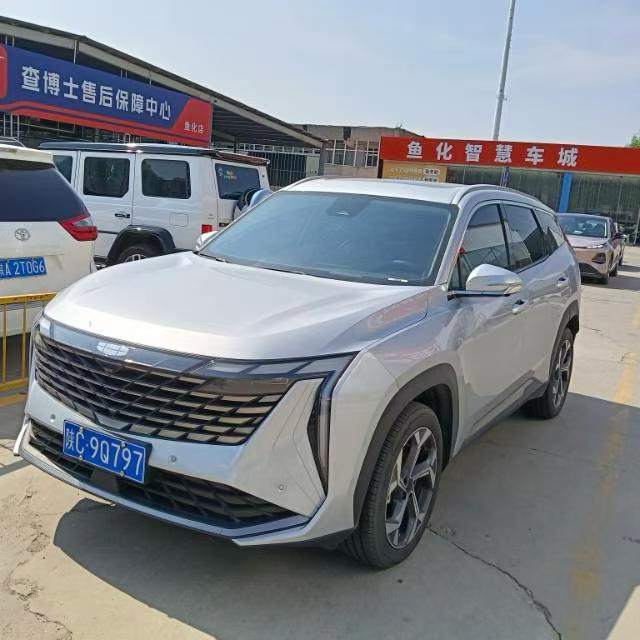
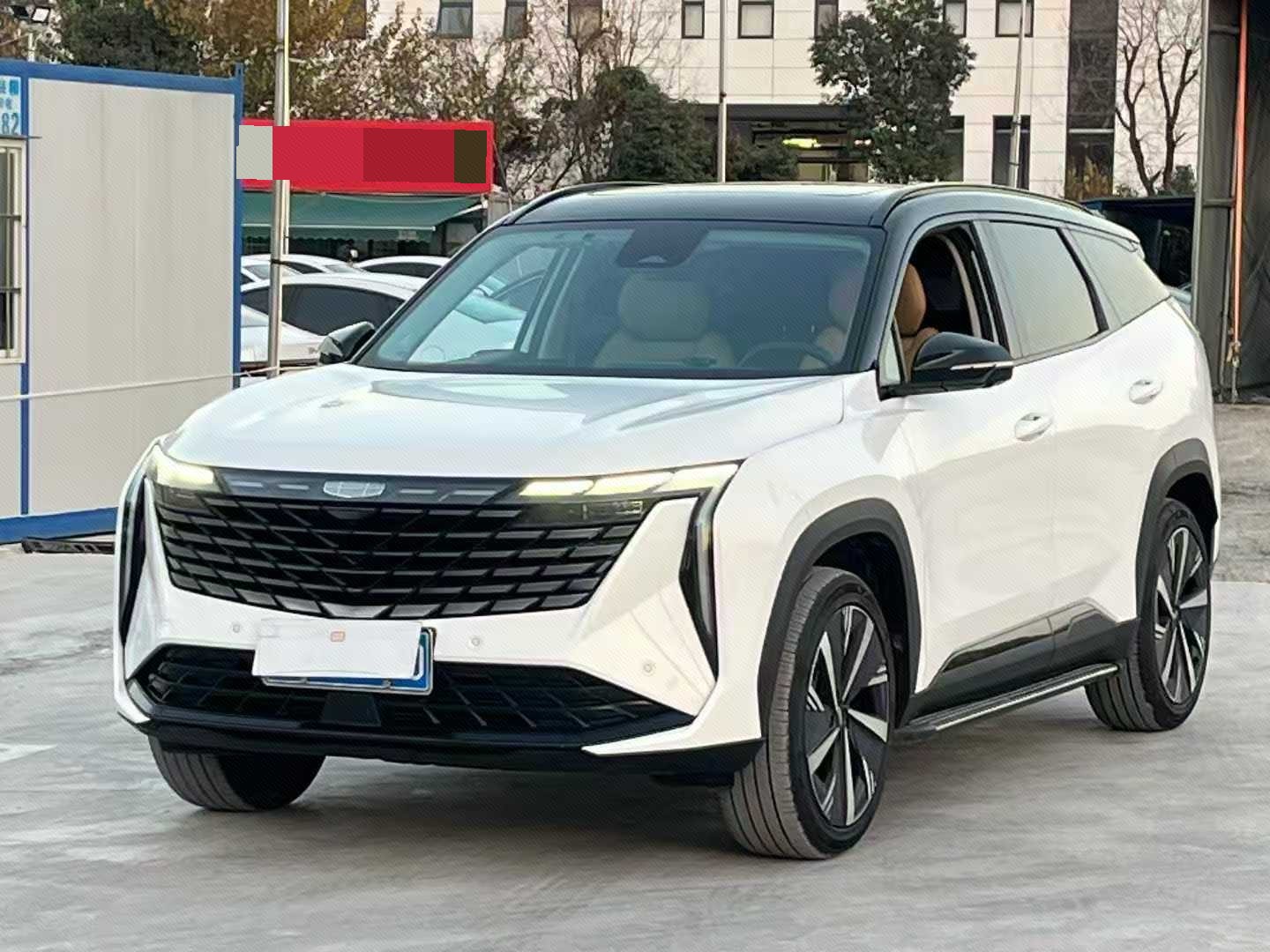
BrandGEELY
SeriesBoyue L
Year2023
First Registration2023/07
Mileage41,000km
Transfer Count0times
FuelGasoline
TransmissionDCT
Engine1.5T 181 L4
ColorWhite
Seats-

Condition Description

Rear cover replaced due to expanded damage; no other issues, can pass third-party inspection.

Document Information

Inspection Expiry Date-
Warranty Expiry Date-
Insurance Expiry Date2027/07

Q&A

More

How do I verify that a Chinese used car exporter is a legitimate registered company and not a middleman or scammer?

Start with the business license: every legitimate Chinese company has a Unified Social Credit Code. Ask for a copy and verify it on the National Enterprise Credit Information system or via your freight forwarder. Check that the business scope includes 'used car export'—this requires specific qualifications. Next, look for proof of substance: a real office or yard (verify via live video call, not pre-recorded), staff answering on Chinese business platforms like WeChat with consistent branding, and a corporate bank account in the company's name—never pay a personal account. Cross-check trade history: ask for recent shipping documents (blurred bills of lading with customer info hidden), references from buyers in your region, and whether they hold export licenses issued by Chinese commerce authorities. Red flags: prices far below market, pressure to pay quickly, refusal of video calls, or bank accounts in third countries 'for convenience'. Take your time—real exporters pass these checks easily.


How can I confirm the real mileage of a used Chinese car when I'm buying from overseas?

Odometer rollback happens everywhere, so never trust the dashboard number alone. Cross-check at least three sources: 1. Maintenance records: Chinese 4S dealerships keep service logs tied to the VIN. Ask the exporter for screenshots showing recorded mileage at each visit — the numbers should rise consistently. 2. Inspection reports: China requires periodic emissions/safety inspections, and the mileage is logged at each one. The exporter can pull the car's inspection history. 3. Tire and wear clues: Compare the claimed mileage with brake pedal rubber, steering wheel shine, seat bolster wear, and the tire production dates. A car showing 30,000 km with a polished steering wheel and second set of tires is suspicious. Also check the dashboard for uneven digits or scratches around the odometer area in photos. If maintenance and inspection records roughly agree, the reading is usually trustworthy; if the seller refuses to share records, treat the mileage as unknown and negotiate accordingly.

RoRo, container, or flat rack: which shipping method should I choose for a used car from China?

RoRo (roll-on/roll-off): the cheapest per car for running vehicles. Cars are driven onto the vessel and secured on decks. Transit to major ports (Jebel Ali, Rotterdam, Karachi) takes 15 to 35 days. Downside: cars are exposed to weather and salt air, and minor handling scratches happen occasionally. Container (20ft/40ft): one 40ft high-cube fits one car with parts, or two small cars with racking. Cost is higher than RoRo but cars are sealed and protected. Best for high-value vehicles, EVs (battery safety rules often require container), or when shipping spare parts together. Flat rack: for oversized vehicles (trucks, buses, modified cars). Priced per dimensions. Practical advice: for a standard used car to a port with RoRo service, choose RoRo and add marine insurance (0.3%–0.8% of value). If your destination lacks RoRo calls or you ship an EV, use a container. Always get the booking confirmation and bill of lading copy before paying the final balance.