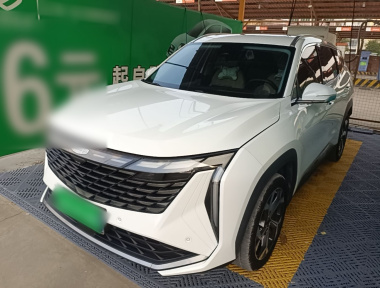
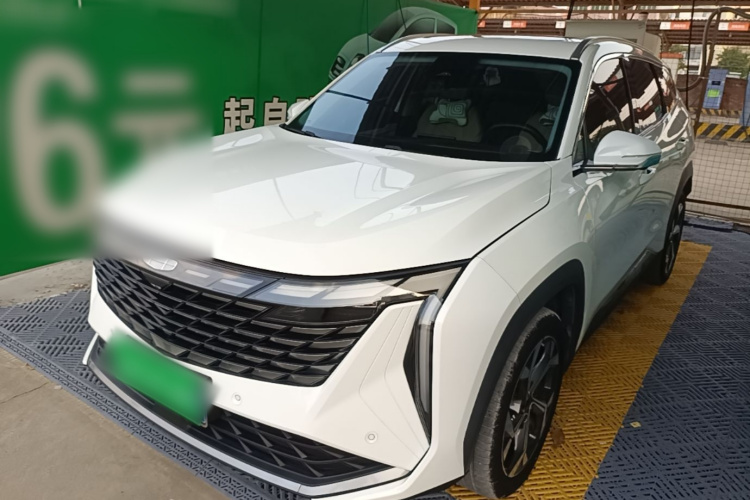
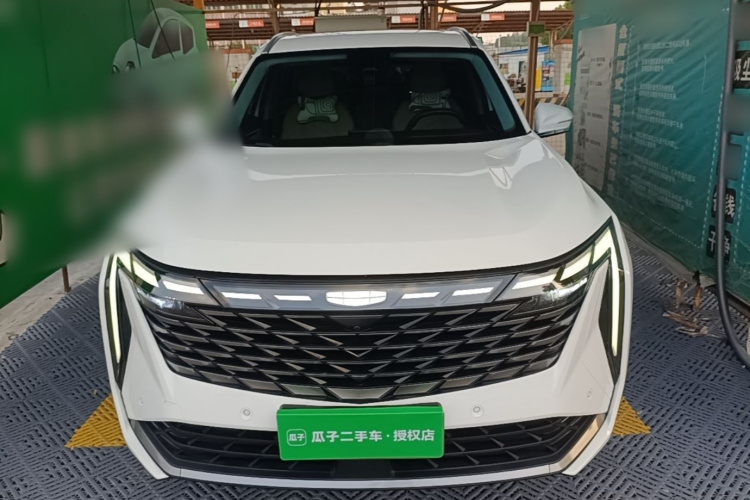
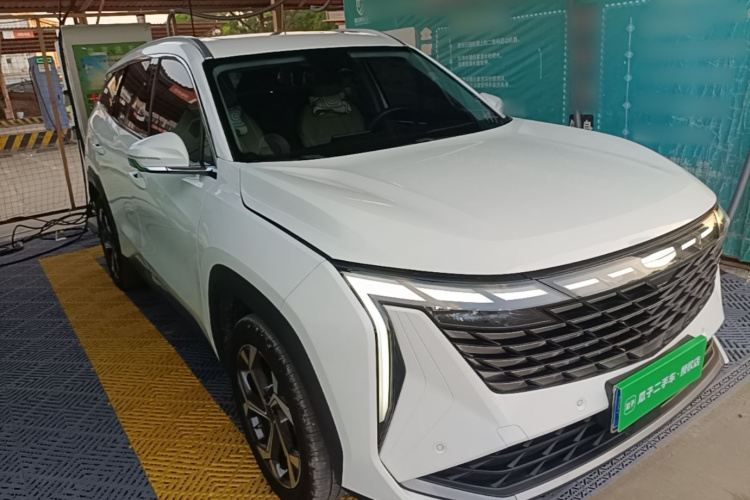
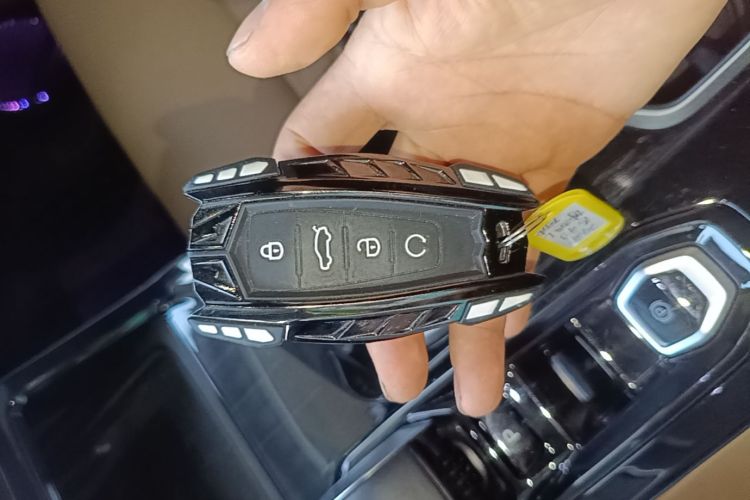
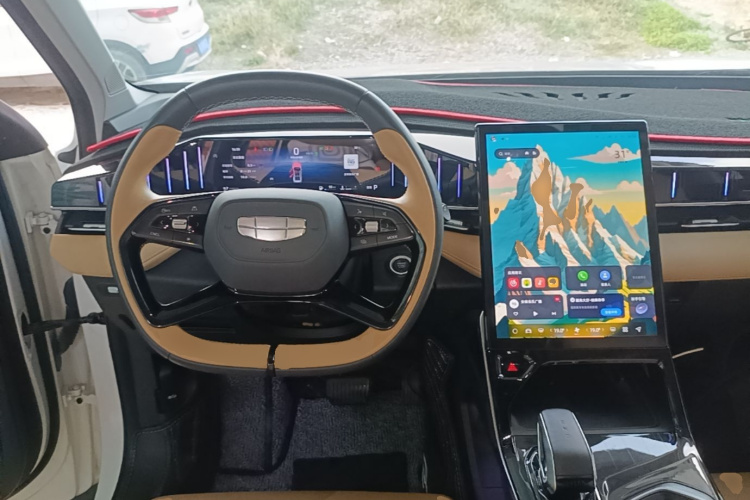
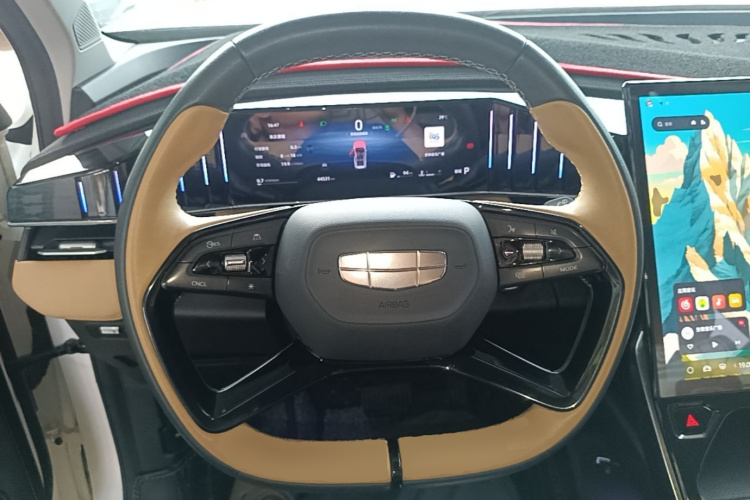
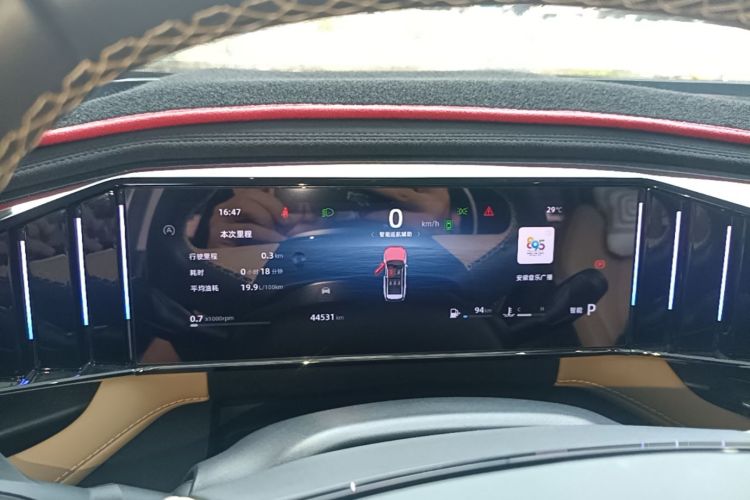
48H

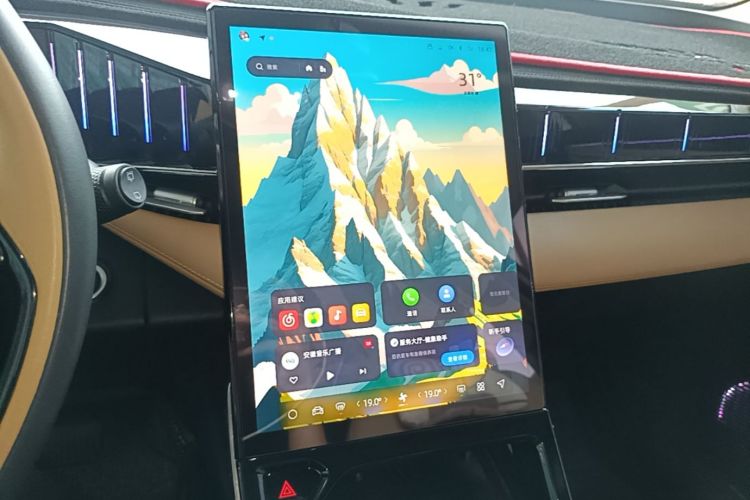
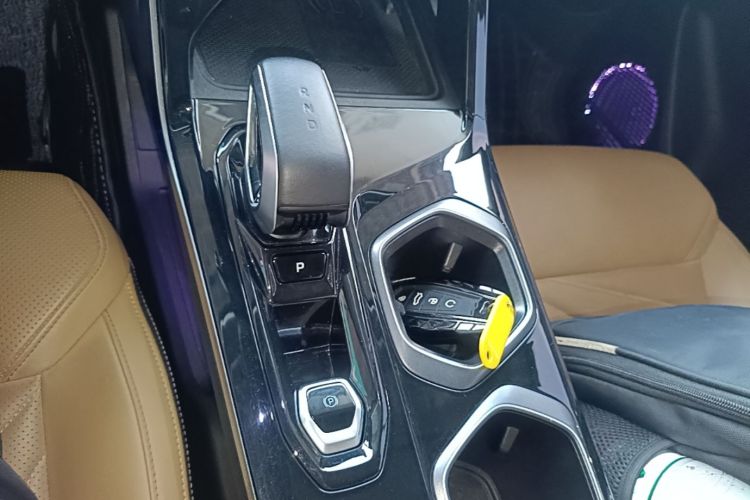
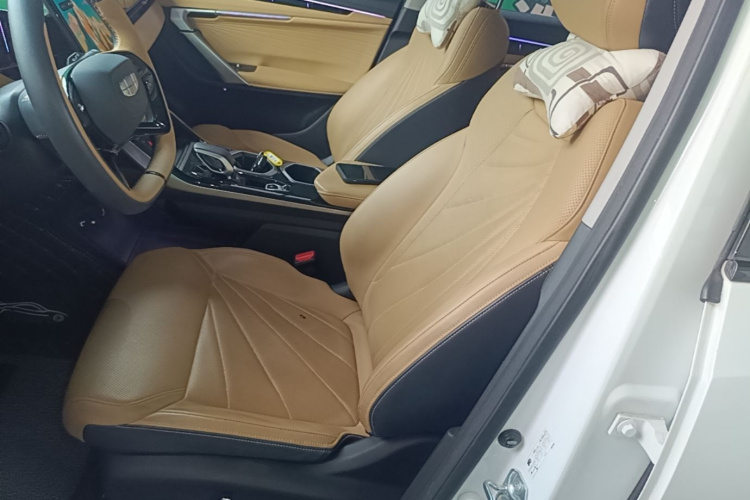
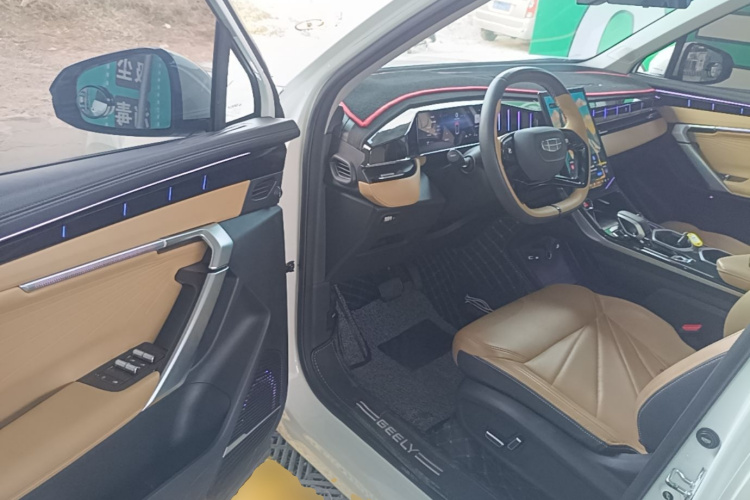
Basic Information

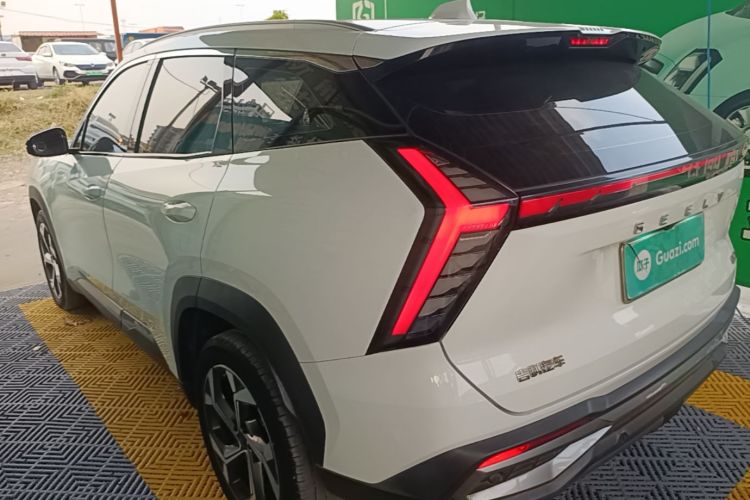
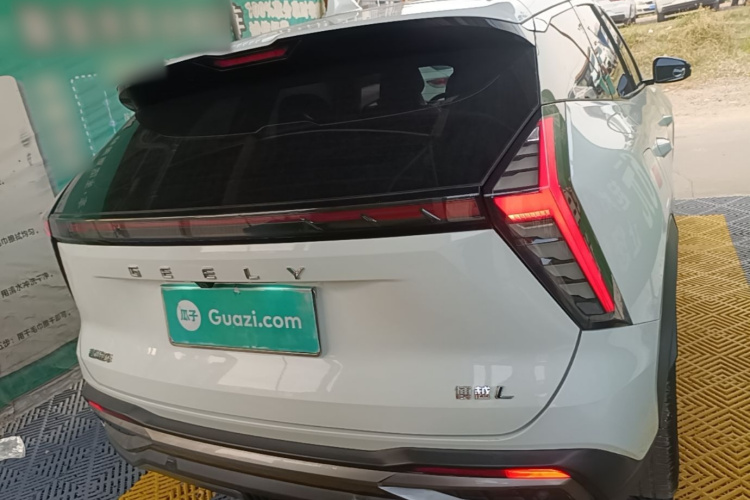
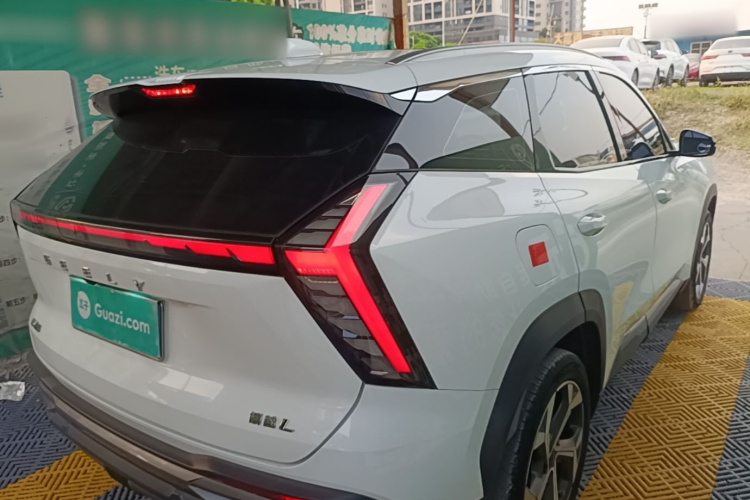
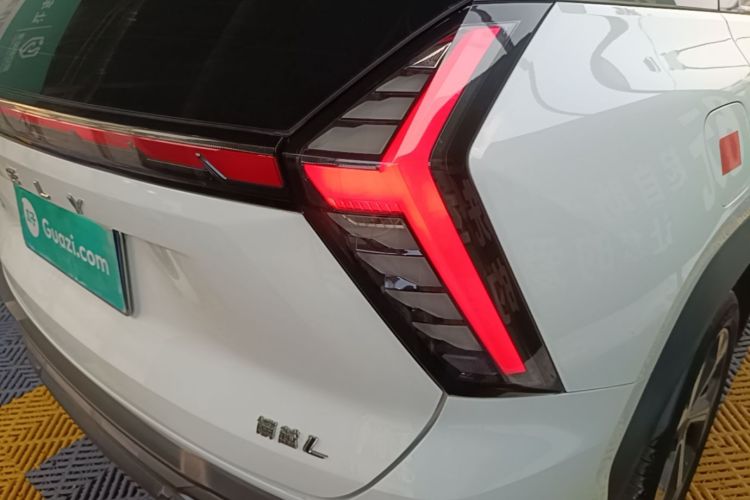
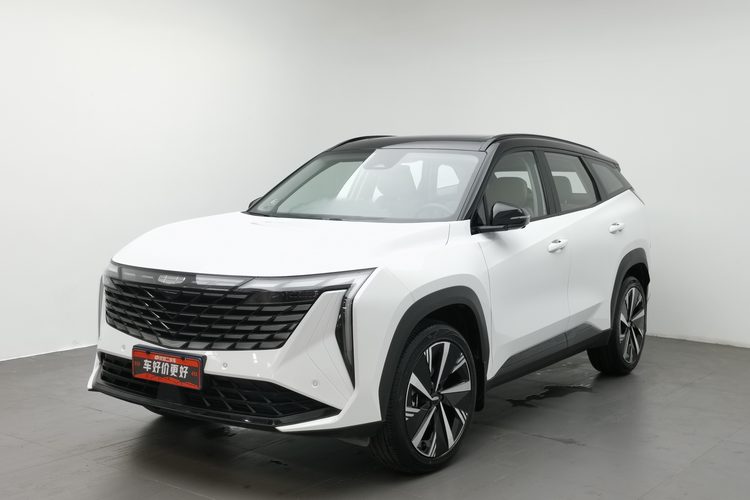
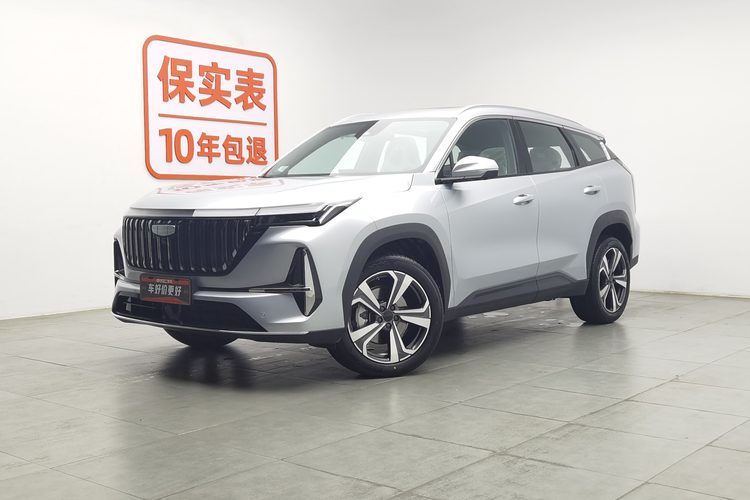
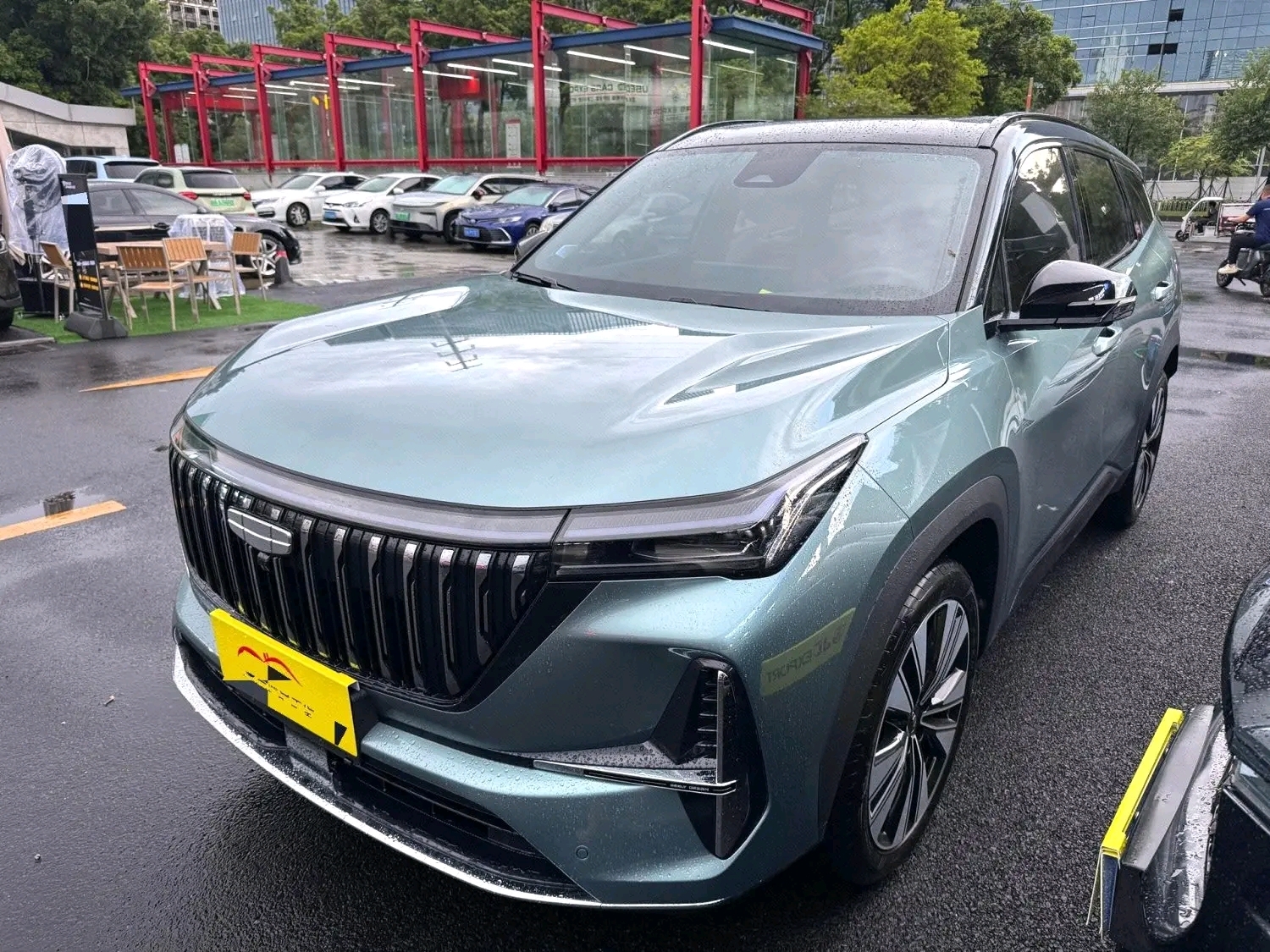
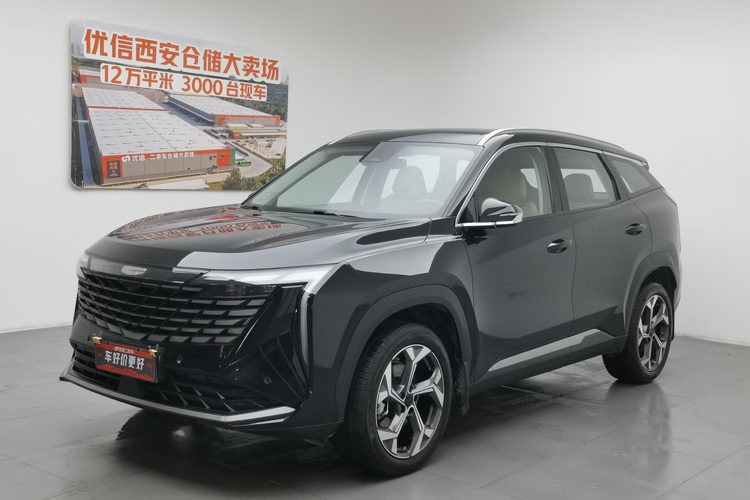
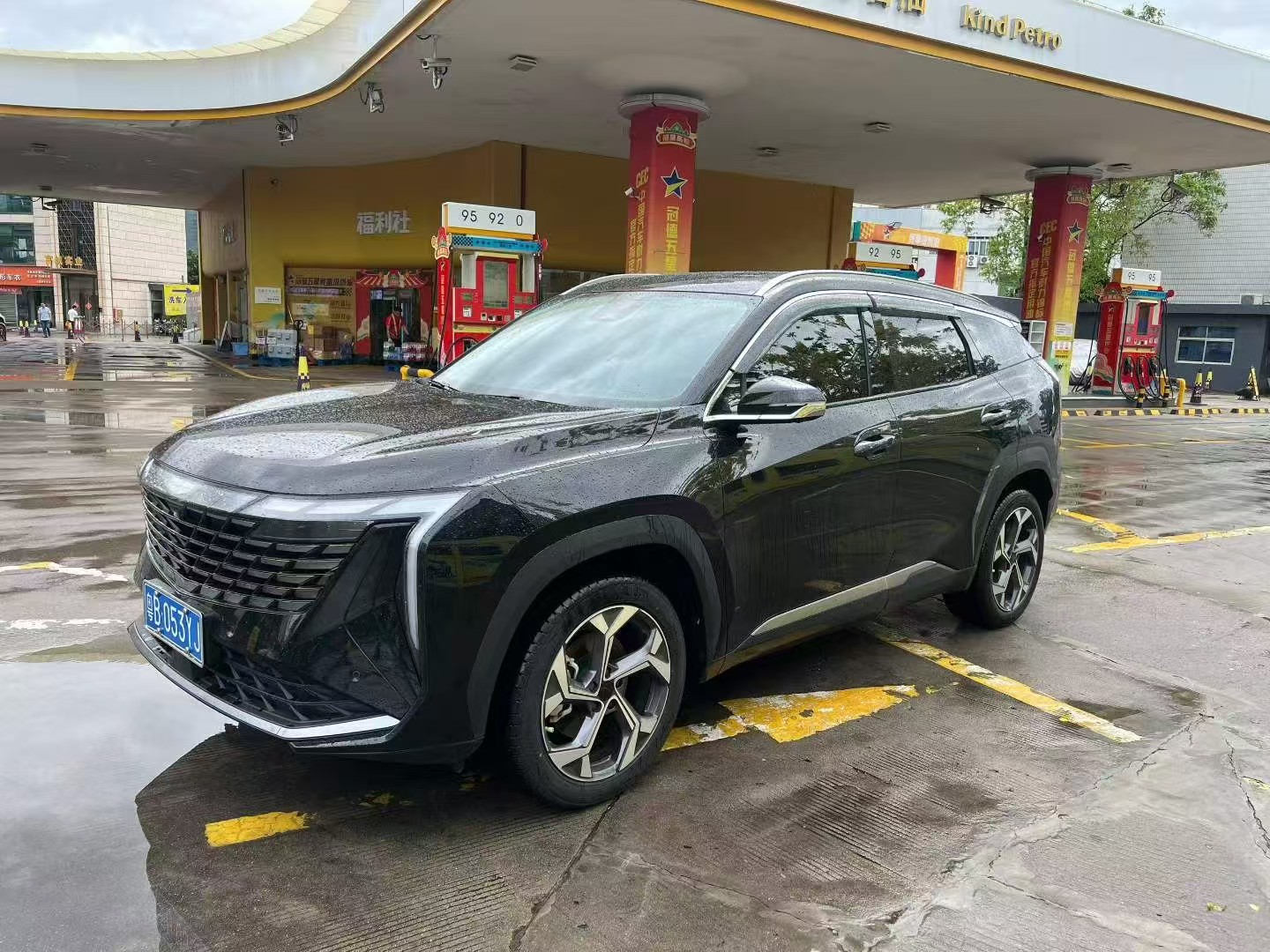
BrandGEELY
SeriesBoyue L
Year2024
First Registration2024/01
Mileage44,500km
Transfer Count0times
FuelGasoline
TransmissionDCT
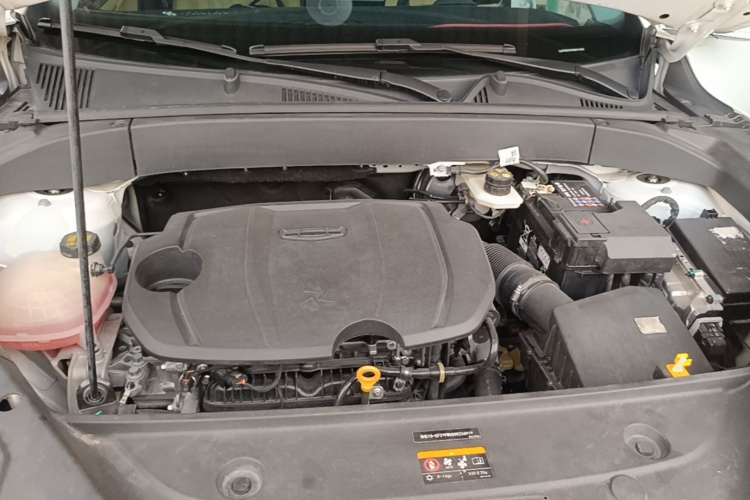
Engine1.5T 181 L4
Color
Seats-

Condition Description

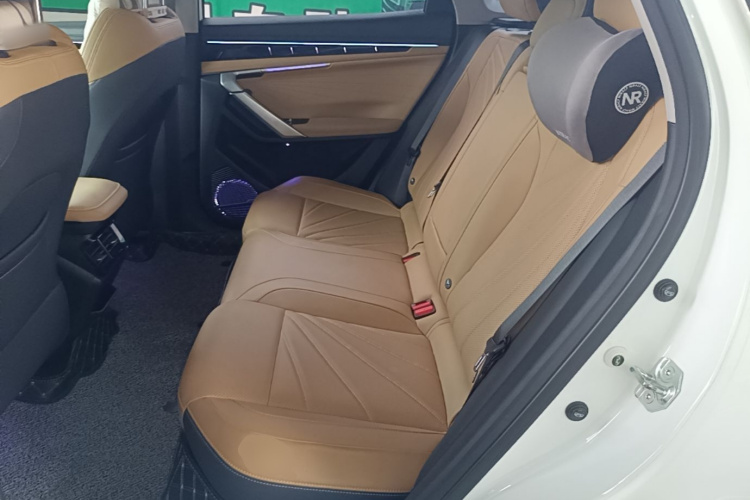
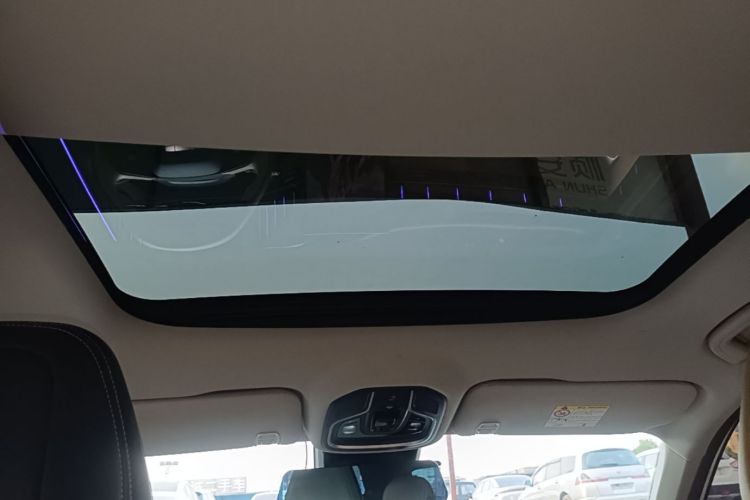
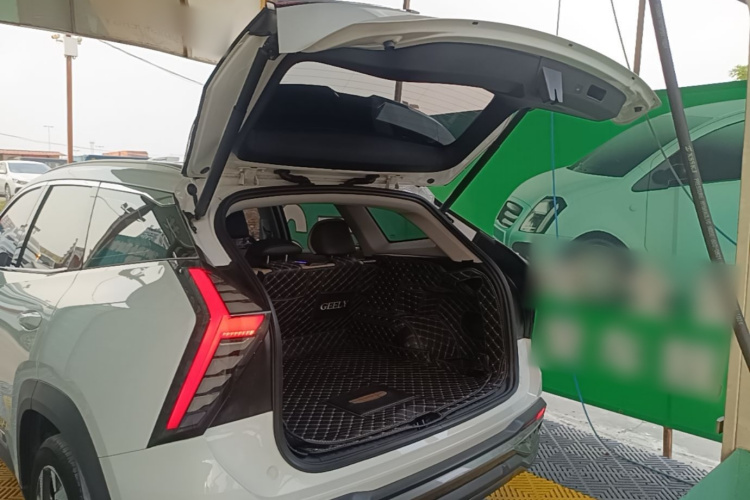
Basic condition: fair | 2 insurance claims | 0 transfers

Q&A

More

Will there be detailed information on the vehicle's consumable parts (such as tire tread depth and remaining brake pad thickness)?

Yes. The inspection report includes a specific "consumable parts consumption list." We will measure the tire tread depth (in millimeters) and the remaining brake pad thickness using calipers. If the tire tread is below the legal wear limit of 1.6mm, we will note it as "recommended to replace immediately upon arrival."

Can I designate my freight forwarder in China to pick up the goods directly from your warehouse (EXW delivery)?

Yes, but this falls under EXW (Ex Works) terms. In this case, the seller's risk transfers at the moment the goods are ready at the warehouse. Any subsequent domestic trucking accidents, customs inspections at the port, or issues with obtaining export licenses will be fully borne by your designated freight forwarder.

What does the real landed cost of importing a used car from China look like, and which line items do buyers most often underestimate?

A realistic landed cost has five layers: the car price, export-side fees (deregistration, export license, inland trucking to the port), international freight and insurance, destination duties and taxes, and local charges (port handling, inspection, registration). Buyers most often underestimate three items. First, destination duties are calculated on the customs value, which may include freight, so a cheap car can still attract significant tax. Second, port and terminal charges at both ends add up; demurrage fees apply quickly if documents are late. Third, compliance costs such as homologation, emissions testing, or translation of documents can run into hundreds of dollars depending on the country. Ask every exporter for a written, itemized quote to your port, not just an FOB price, and keep a 5% contingency. Quotes that look unusually cheap usually hide costs in the freight or handling lines.