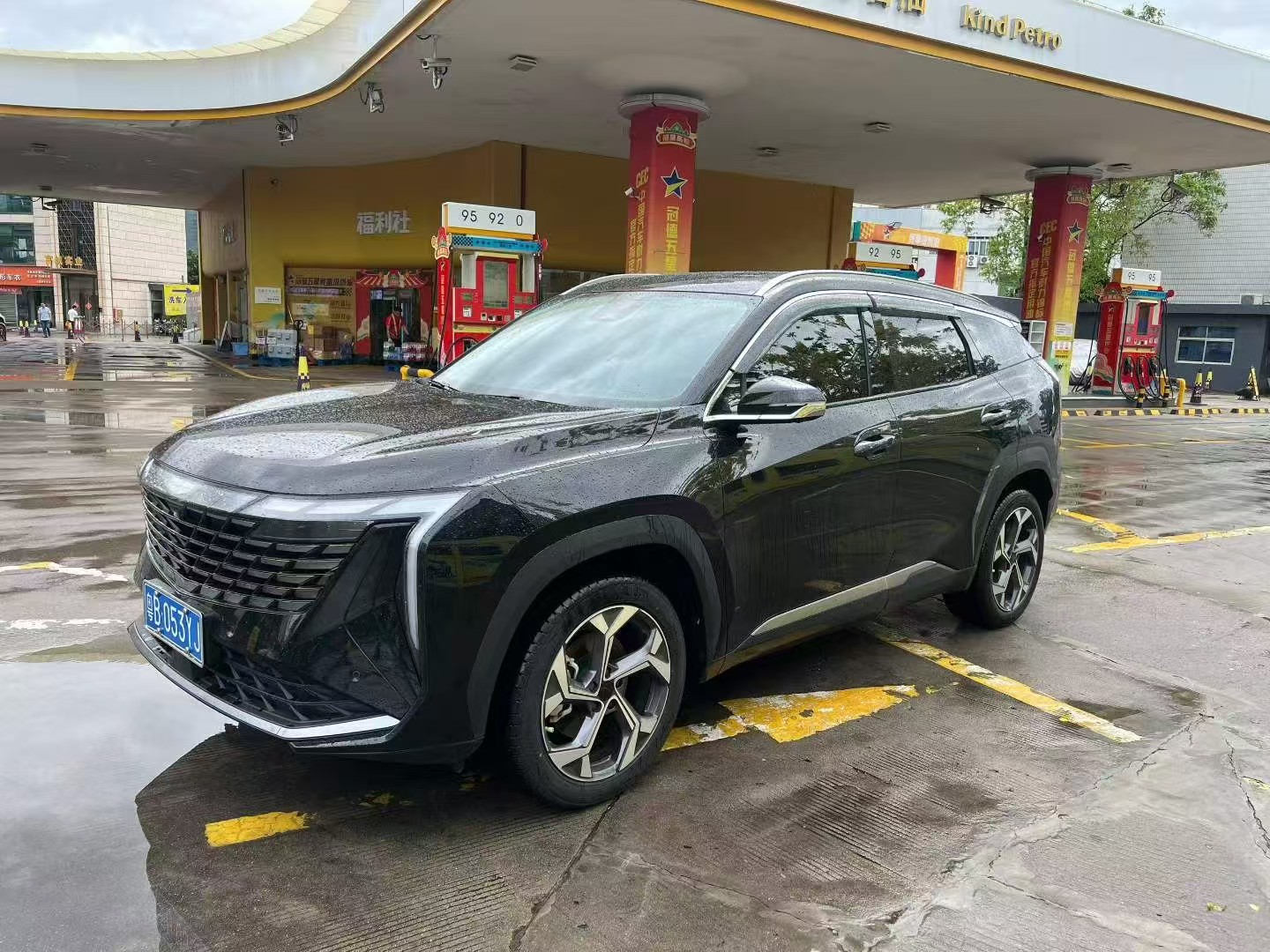
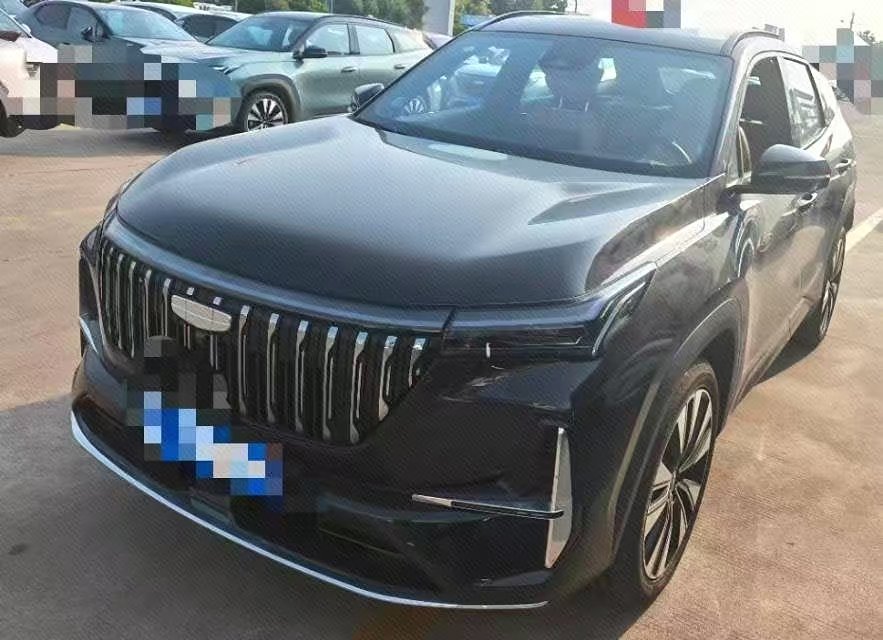
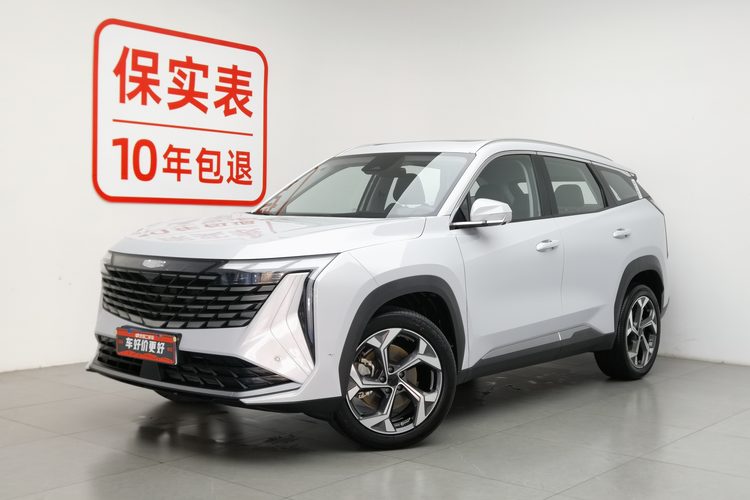
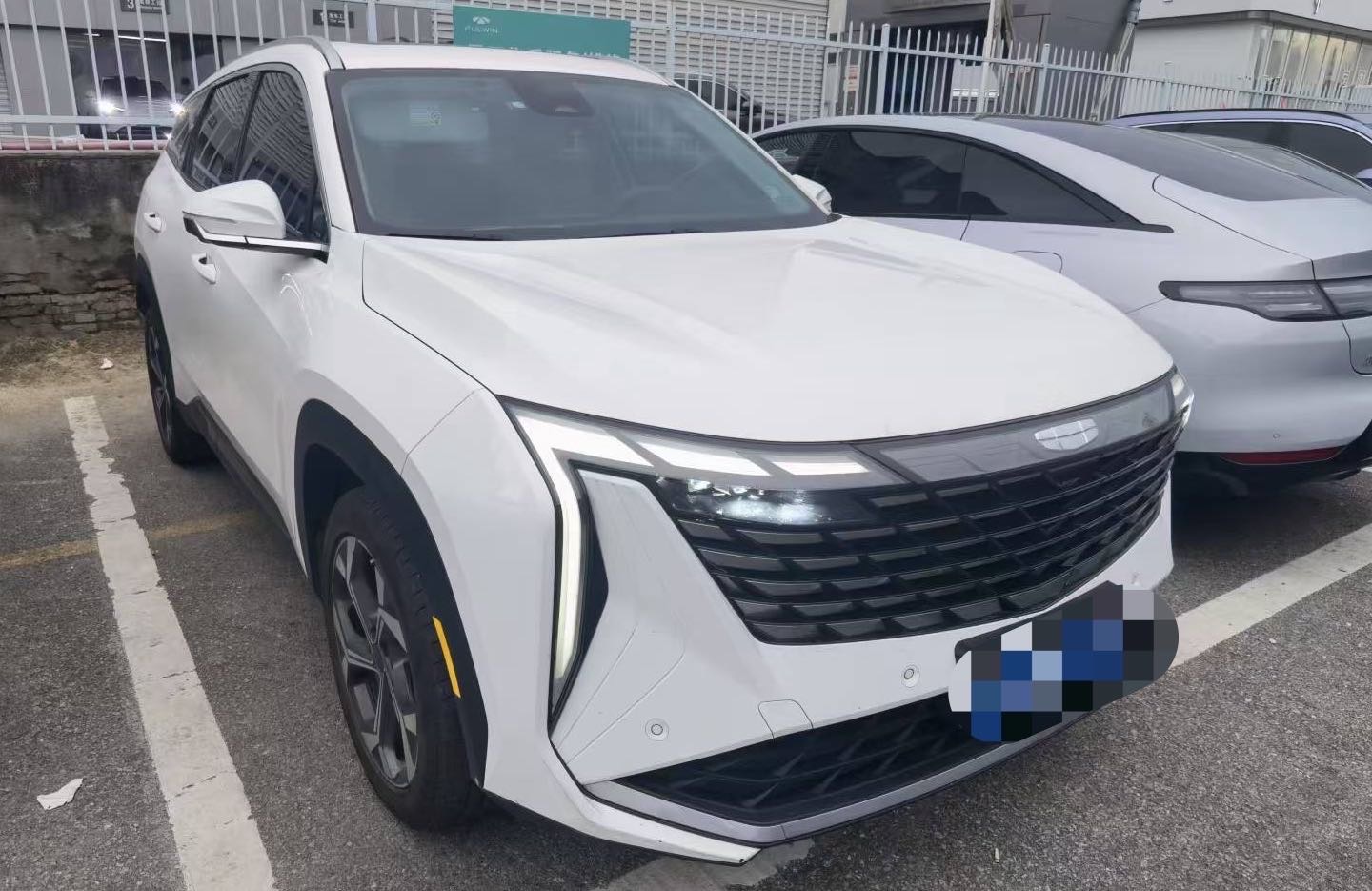
48H

Basic Information

BrandGEELY
SeriesBoyue L
Year2024
First Registration2024/01
Mileage59,900km
Transfer Count0times
FuelGasoline
TransmissionDCT
Engine1.5T 181 L4
Color
Seats-

Condition Description

Basic condition: excellent | 1 insurance claim | 0 transfers

Q&A

More

Will the FOB or CIF prices we have signed change due to sudden surges in international shipping costs caused by geopolitical issues or emergencies (like the Red Sea crisis)?

Our shipping quotes are typically valid for only 7 to 14 days. If a CIF contract is signed and there are significant fluctuations in shipping costs due to war surcharges or route changes imposed by the shipping company before the vehicle is actually loaded, we will transparently provide you with the official price increase notice from the shipping company. At that point, we reserve the right to renegotiate the freight difference or allow you to change the trade terms to FOB, letting you designate your own freight forwarder for booking.
Will OTA remote upgrades and mobile app control still work after the vehicle is exported overseas?

We must inform you objectively: Most Chinese car manufacturers' connected services (cloud servers) are restricted by data security regulations and overseas network limitations. Once the vehicle leaves China, the factory-installed SIM card will become inactive. This means that official OTA upgrades and factory mobile app remote controls (like pre-cooling the car or unlocking doors) typically cannot be used overseas. The vehicle will operate as a standalone version, but this will not affect basic driving and physical button functions.

Why are the shipping costs for used electric vehicles (EVs) usually higher than for internal combustion engine vehicles (ICEs)?

Pure electric vehicles are classified as Class 9 Dangerous Goods due to their large lithium batteries, leading to strict shipping regulations. Shipping companies have high requirements for the loading position and fire isolation measures for dangerous goods, and some roll-on/roll-off ships refuse to accept used EVs. As a result, EVs often require more expensive special container shipping and incur additional handling fees for hazardous materials.