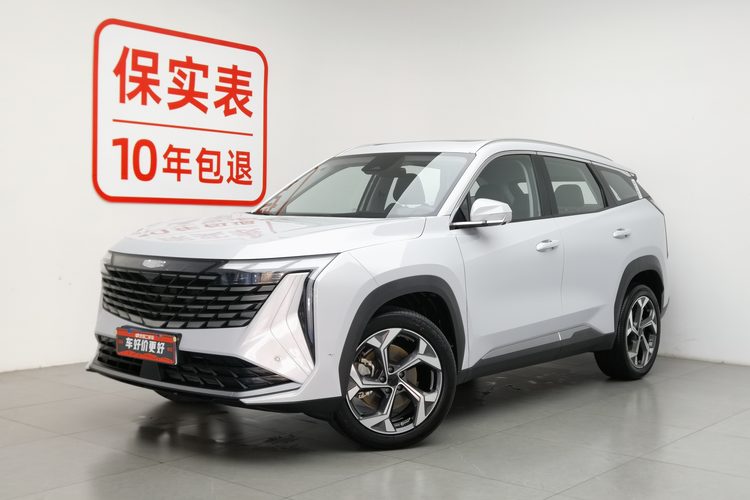
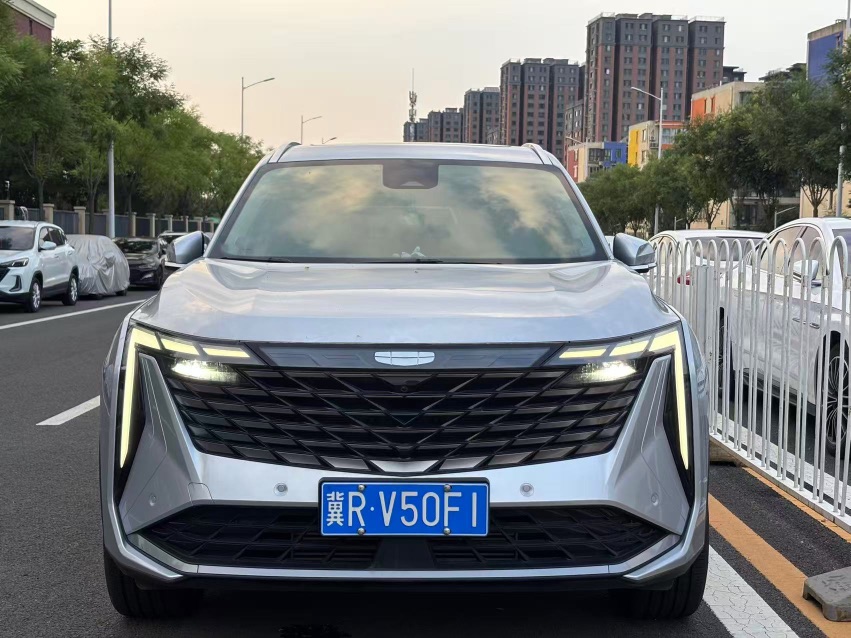
Basic Information

BrandGEELY
SeriesBoyue L
Year2024
First Registration2024/04
Mileage27,300km
Transfer Count0times
FuelGasoline
TransmissionDCT
Engine1.5T 181 L4
Color
Seats-

Condition Description

官方质检 · 60天全车质保· 7天无理由有偿退车

Configuration Highlights

✓上牌时间: 2024-04
✓表显里程: 2.7万公里
✓车源地: 成都
✓排放标准: 国六b
✓发动机: 1.5T
✓轴距: 2777mm
✓变速箱: 自动
✓最大功率: 133kW
✓功能配置: 27项
✓安全配置: 7项
✓动力类型: 前驱
✓空间舒适性: 好

Q&A

More

What is a safe payment structure for buying a used car from China remotely—how much deposit, when is the balance paid, and should I use escrow?

The industry-standard structure protects both sides. Pay 20-30% deposit after signing the contract and verifying the exporter's license—never more. The balance is paid only after your independent inspection report confirms the car matches the contract, ideally against a copy of the bill of lading so the exporter can't ship a different vehicle. For extra protection, tie payments to milestones: deposit on contract, second tranche after inspection passes, final payment when shipping documents are released. Some buyers use escrow services or trade assurance platforms for the first transaction with a new supplier; fees run 1-3% but are worth it for large amounts. Always pay to a corporate bank account matching the exporter's registered name. Keep every agreement in the written contract—verbal promises like 'we'll fix that before shipping' are unenforceable. If an exporter demands 50%+ upfront or full payment before inspection, walk away; that structure leaves you with no leverage.


Can you check the previous history of the vehicle's use (whether it was for personal transport or company use)?

The registration certificate will show whether the previous owner was an individual (registered with ID) or a company (registered with a business license). Vehicles under a company may be driven by multiple people, so we will focus on checking the uniformity of interior wear and the condition of the chassis.

How are import duties on used cars from China calculated, and which HS code applies?

Used cars are classified under HS heading 8703 (motor vehicles for transport of persons), with the last four digits determined by engine type and size. Gasoline cars usually fall in 8703.21–8703.80 depending on displacement; pure EVs fall under 8703.80; hybrids have their own subheadings. The duty amount depends on your country's tariff schedule: 1. Most countries charge duty on the CIF value (car price + freight + insurance), not the FOB price. 2. Many developing markets levy higher duties on used vehicles than new ones, and some add a surcharge based on age — older cars can cost significantly more to clear. 3. After duty, you typically pay VAT/GST on the CIF + duty total, plus port and customs fees. Practical tips: ask your exporter to state the exact HS code on the commercial invoice and confirm it with a local customs broker before shipping. A wrong code can trigger reclassification, penalties, or delays. Also budget for any excise tax tied to engine capacity — in several markets a 2.5L car clears far cheaper than a 3.5L one.