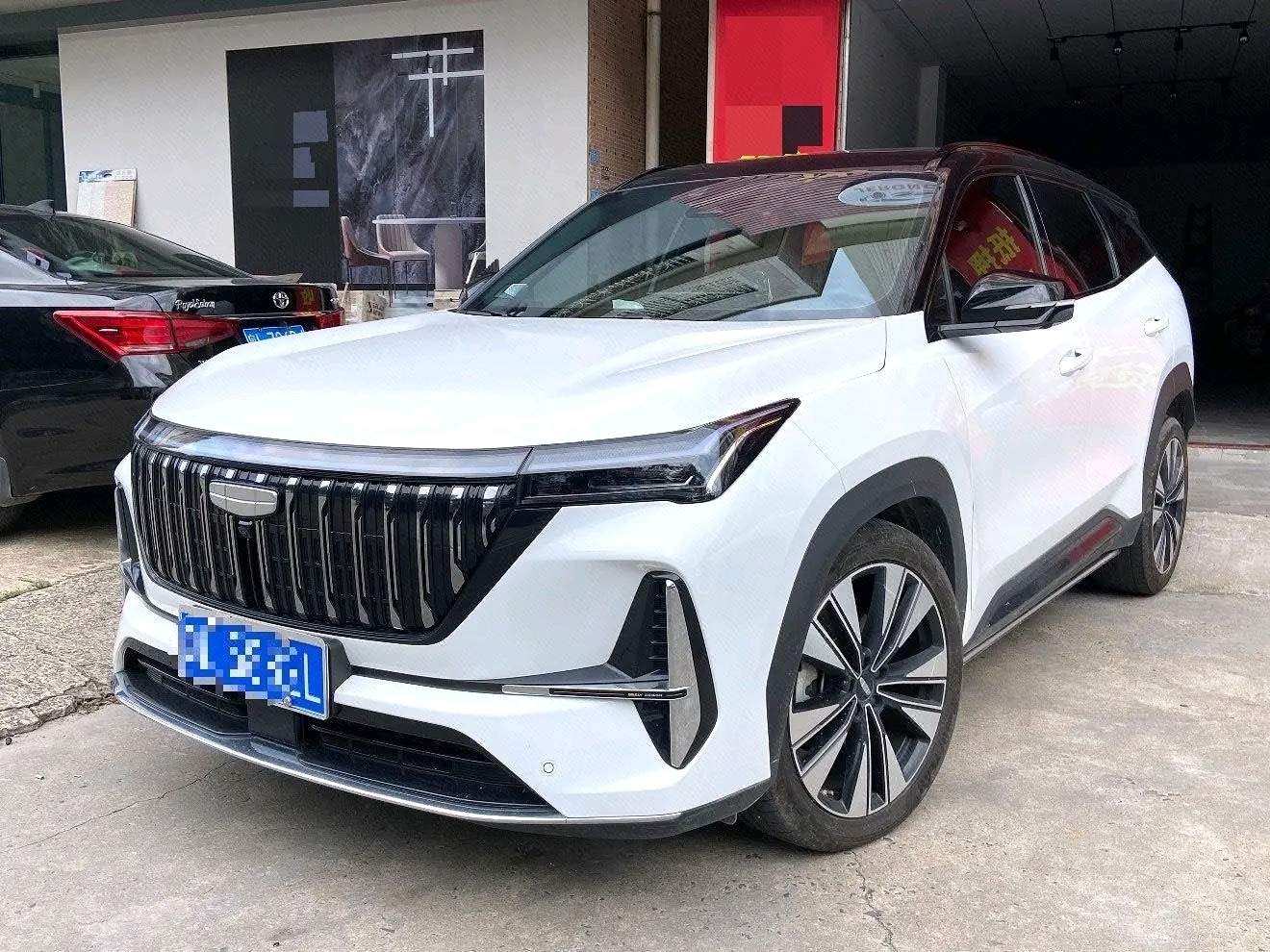
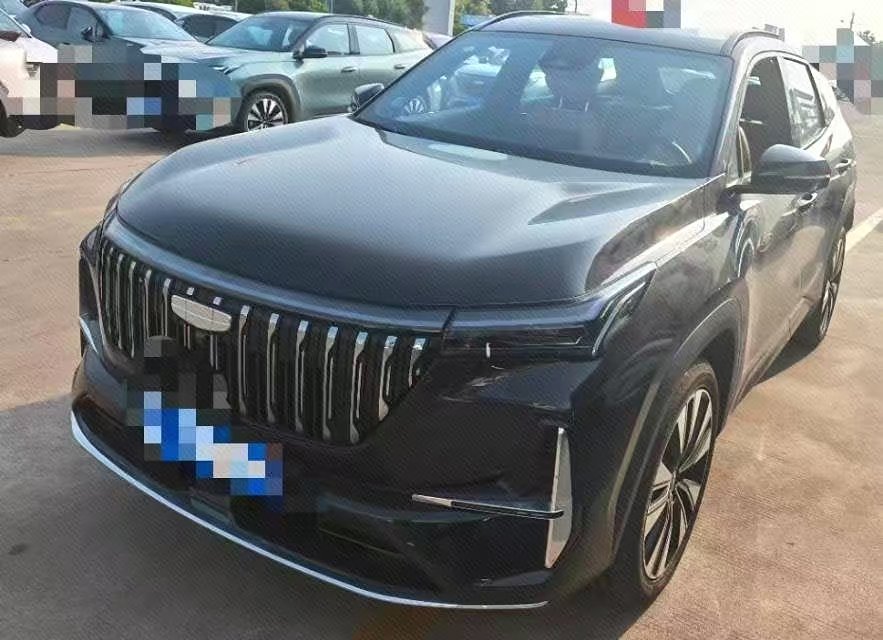
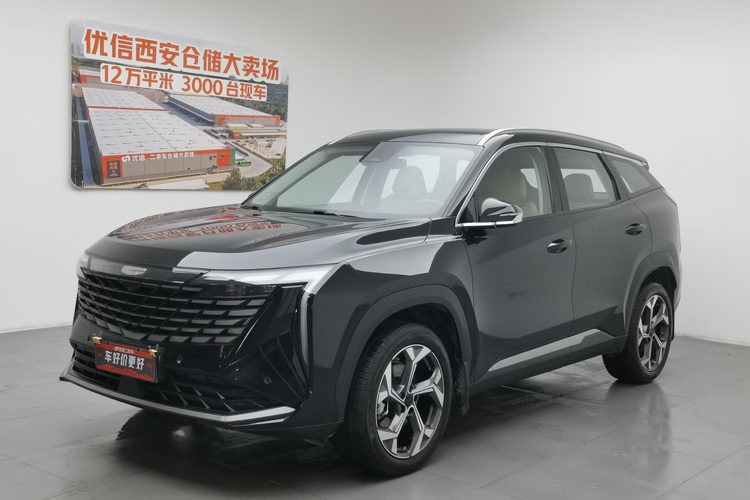
Basic Information

BrandGEELY
SeriesBoyue L
Year2024
First Registration2024/10
Mileage20,500km
Transfer Count0times
FuelGasoline
TransmissionDCT
Engine1.5T 181 L4
Color
Seats5seats

Condition Description

官方质检 · 60天全车质保· 7天无理由有偿退车

Configuration Highlights

✓上牌时间: 2024-10
✓表显里程: 2.0万公里
✓车源地: 昆明
✓排放标准: 国六b
✓发动机: 1.5T
✓轴距: 2777mm
✓变速箱: 自动
✓最大功率: 133kW
✓功能配置: 27项
✓安全配置: 7项
✓动力类型: 前驱
✓空间舒适性: 好

Q&A

More

If there are no specialized Chinese brand diagnostic computers overseas, how can we clear the maintenance reminder light during regular maintenance?

Most basic maintenance reminder lights (like for changing the air conditioning filter) can be manually cleared using a combination of steering wheel buttons or through the engineering mode on the central control screen. We will provide internal guidance manuals for these hidden operations to our B2B clients.

How should I compare quotes from multiple Chinese exporters to find the real best price?

Comparing headline prices alone will mislead you—quotes often bundle or exclude different items. Build a like-for-like comparison before deciding. Request every exporter to break their quote into: vehicle price, domestic transport in China, export handling and documentation fees, inspection fee, ocean freight to your port, and insurance. Then add what they exclude: your country's customs duty, VAT/GST, port charges, and local delivery. Watch for common padding: "service fees" of 3-8% that appear only in the final invoice, inflated inland transport (a truck from Guangzhou to a port should rarely exceed a few hundred dollars), and freight quotes that assume a shared container while charging you for a full one. Ask each exporter to state validity (7-14 days is normal) and whether the price is FOB or CIF. Once normalized, the cheapest quote usually isn't the lowest number—it's the one with the shortest list of exclusions and the clearest terms.


Which documents prove a used car exported from China is legal to import, and how do I verify them?

Key documents to request and verify: 1. Export declaration (报关单): proves the car legally left China. Check the VIN, model and exporter name match the car. 2. Commercial invoice: must match your payment amount; customs uses it to assess duties. 3. Bill of lading: confirm the consignee is you or your agent, and the VIN/container number is correct. 4. Certificate of origin: needed for tariff preferences in some markets. 5. Condition/inspection report: ideally from an independent third party, with photos and dates. Verification tips: cross-check the VIN on every document — any mismatch causes customs holds. Ask your destination customs broker to review scanned copies before the car ships, and release the final payment only after documents pass that review. A legitimate exporter will provide all of these without hesitation.