

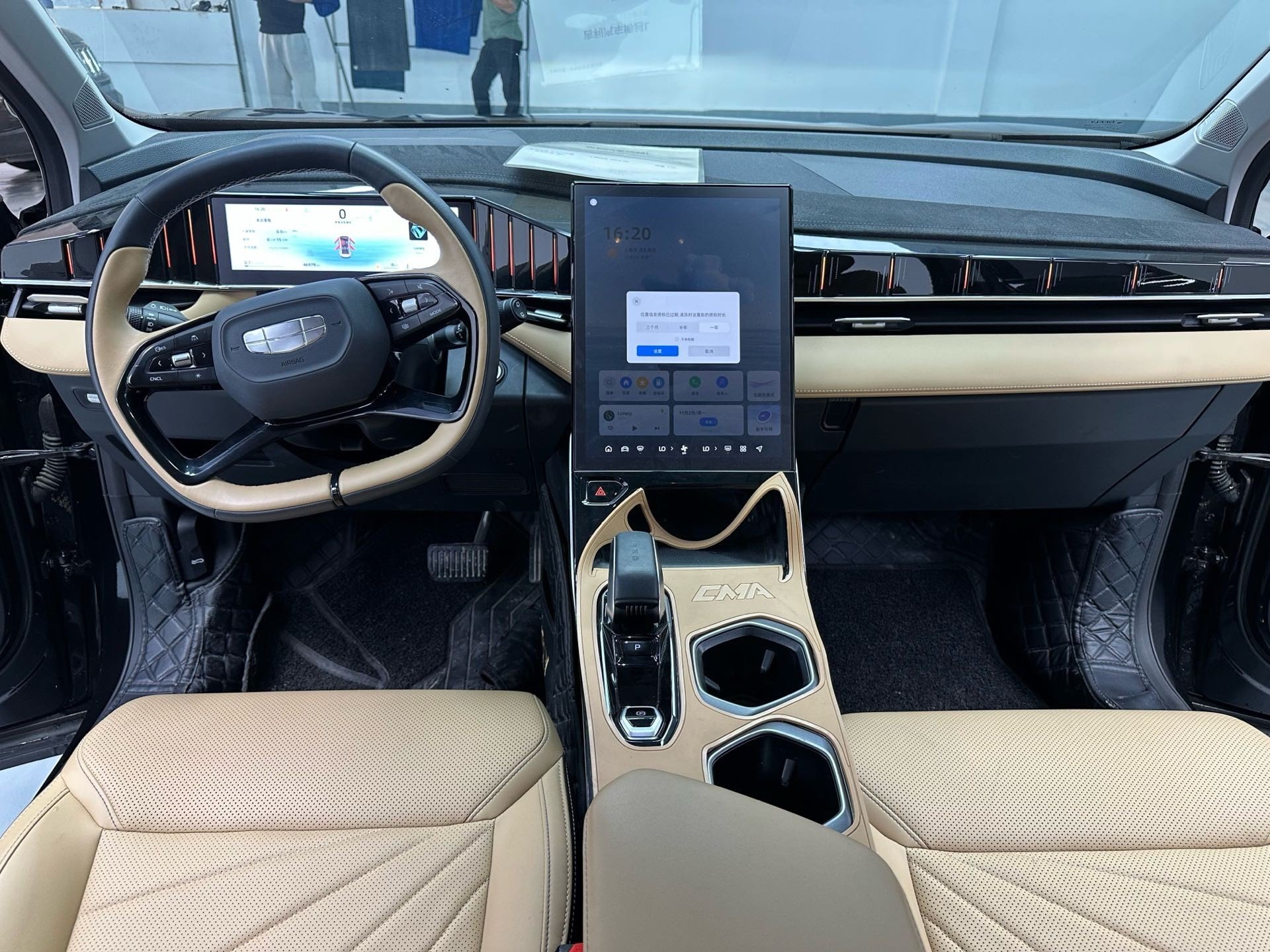
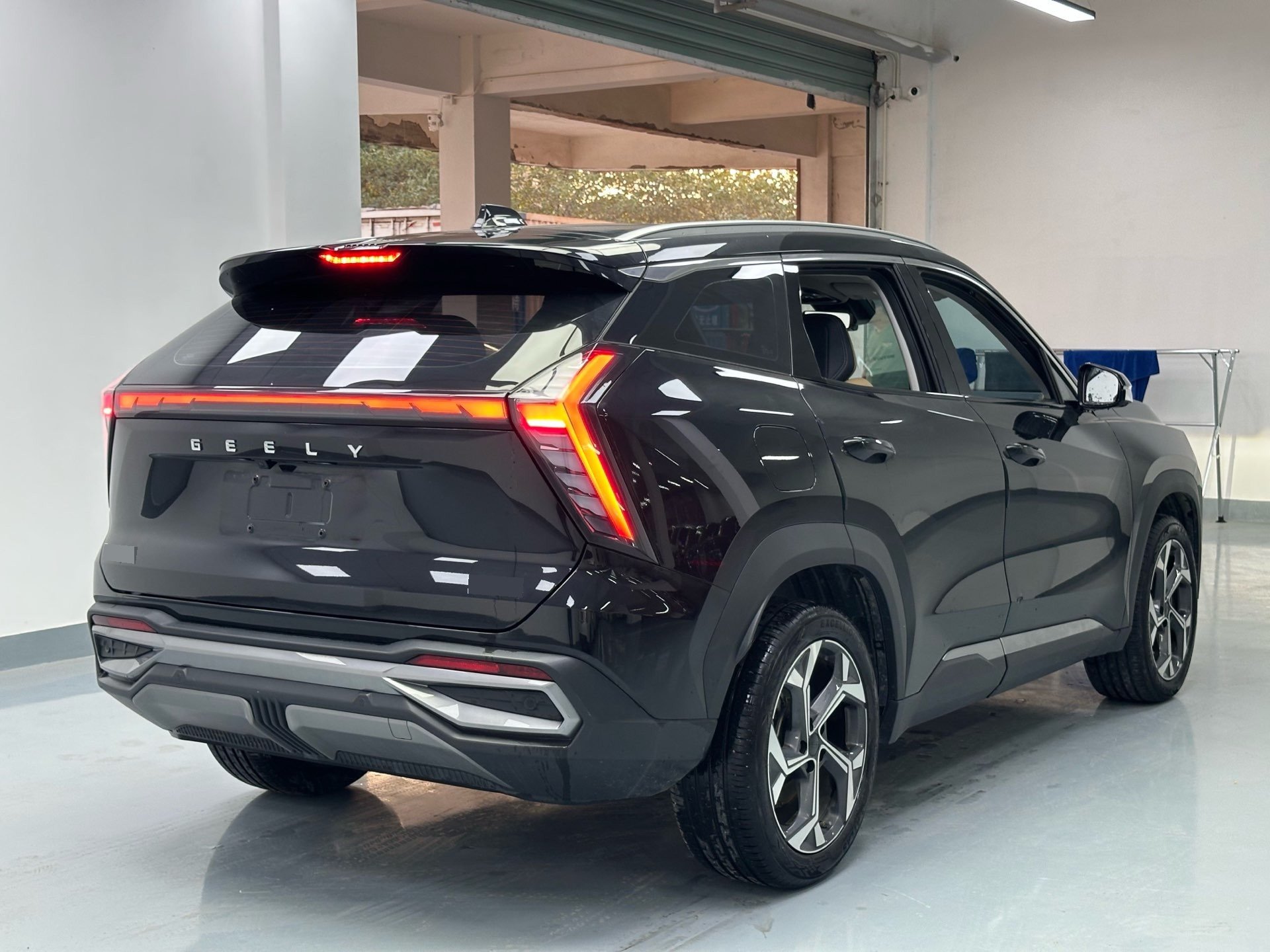
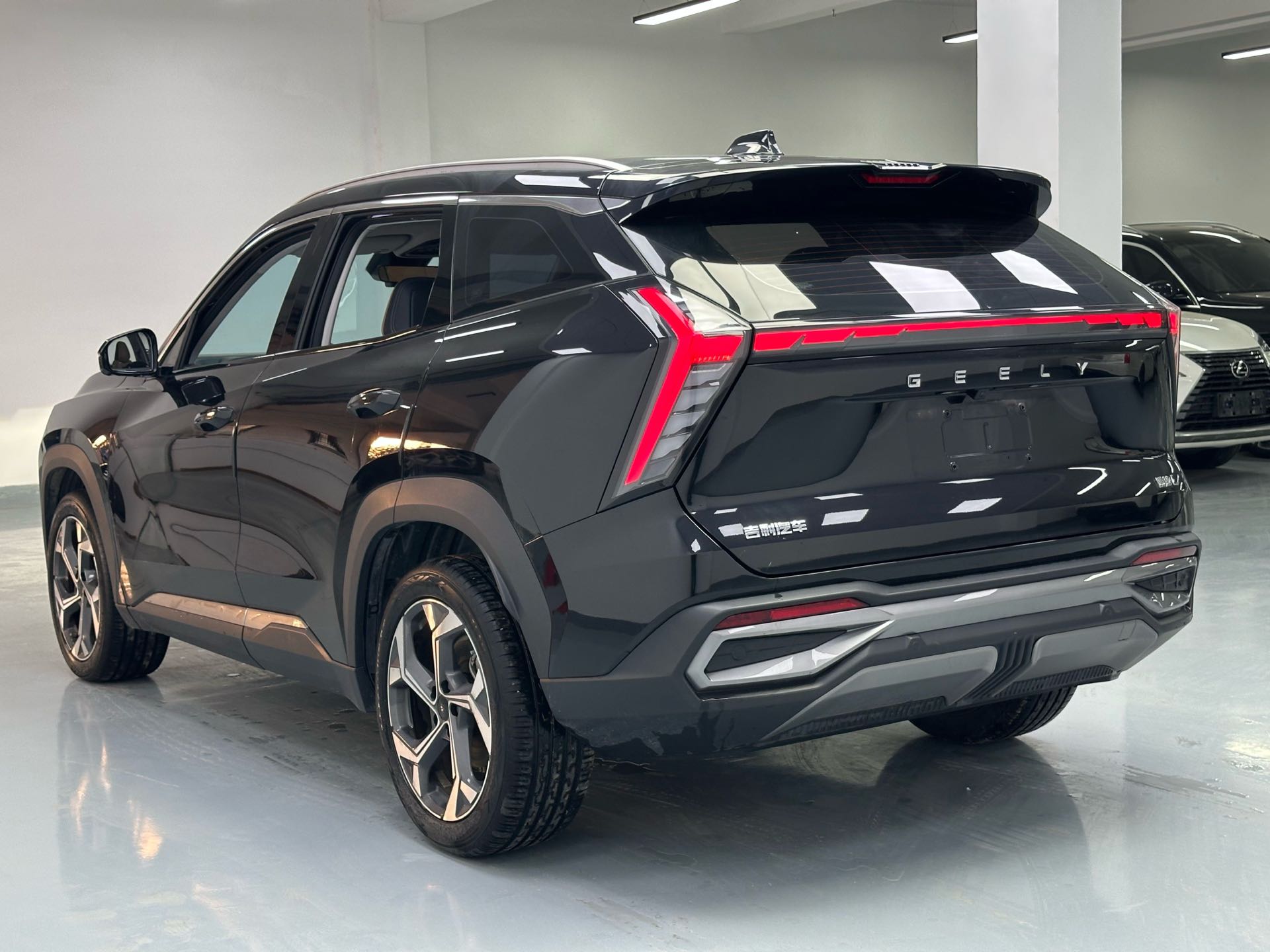
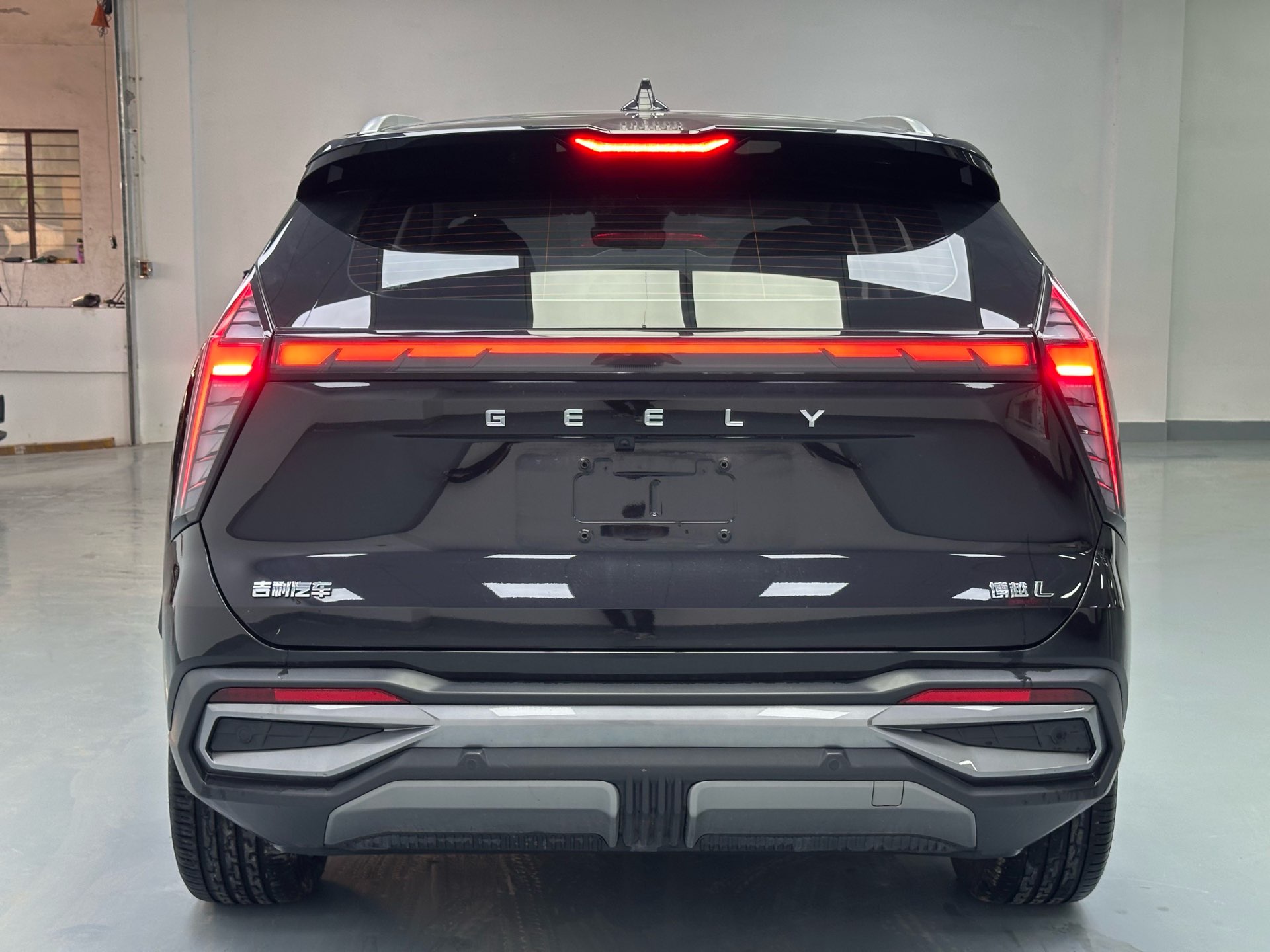



24H

Basic Information

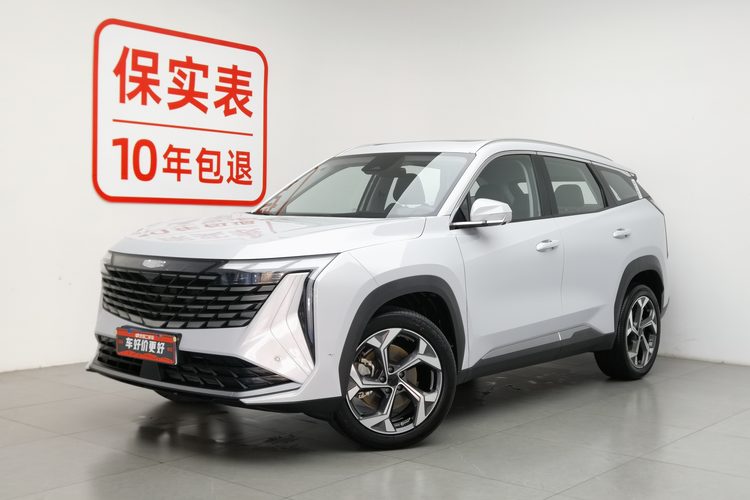
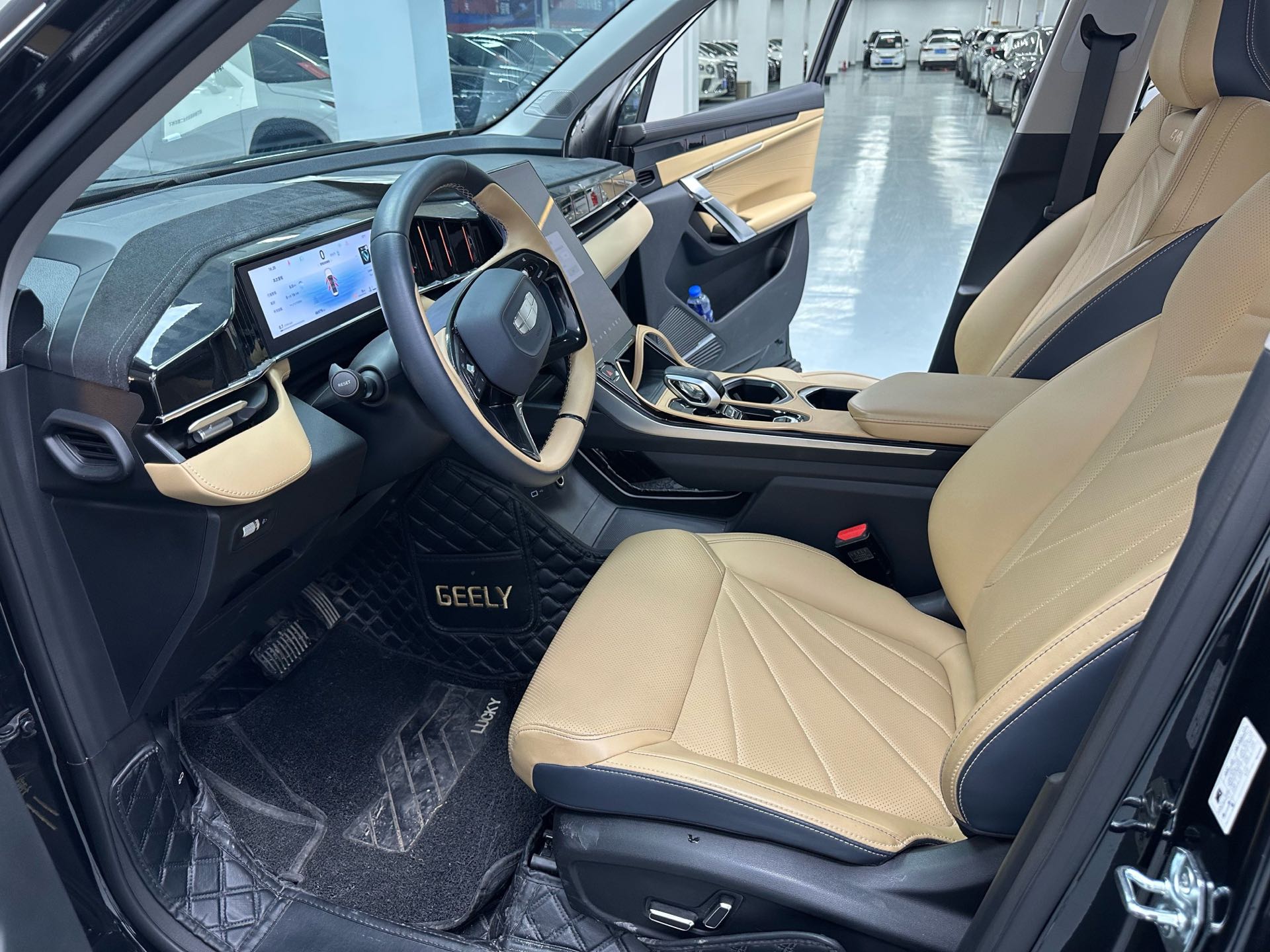
BrandGEELY
SeriesBoyue L
Year2024
First Registration2024/06
Mileage46,000km
Transfer Count0times
FuelGasoline
TransmissionDCT
Engine1.5T 181 L4
ColorBlack
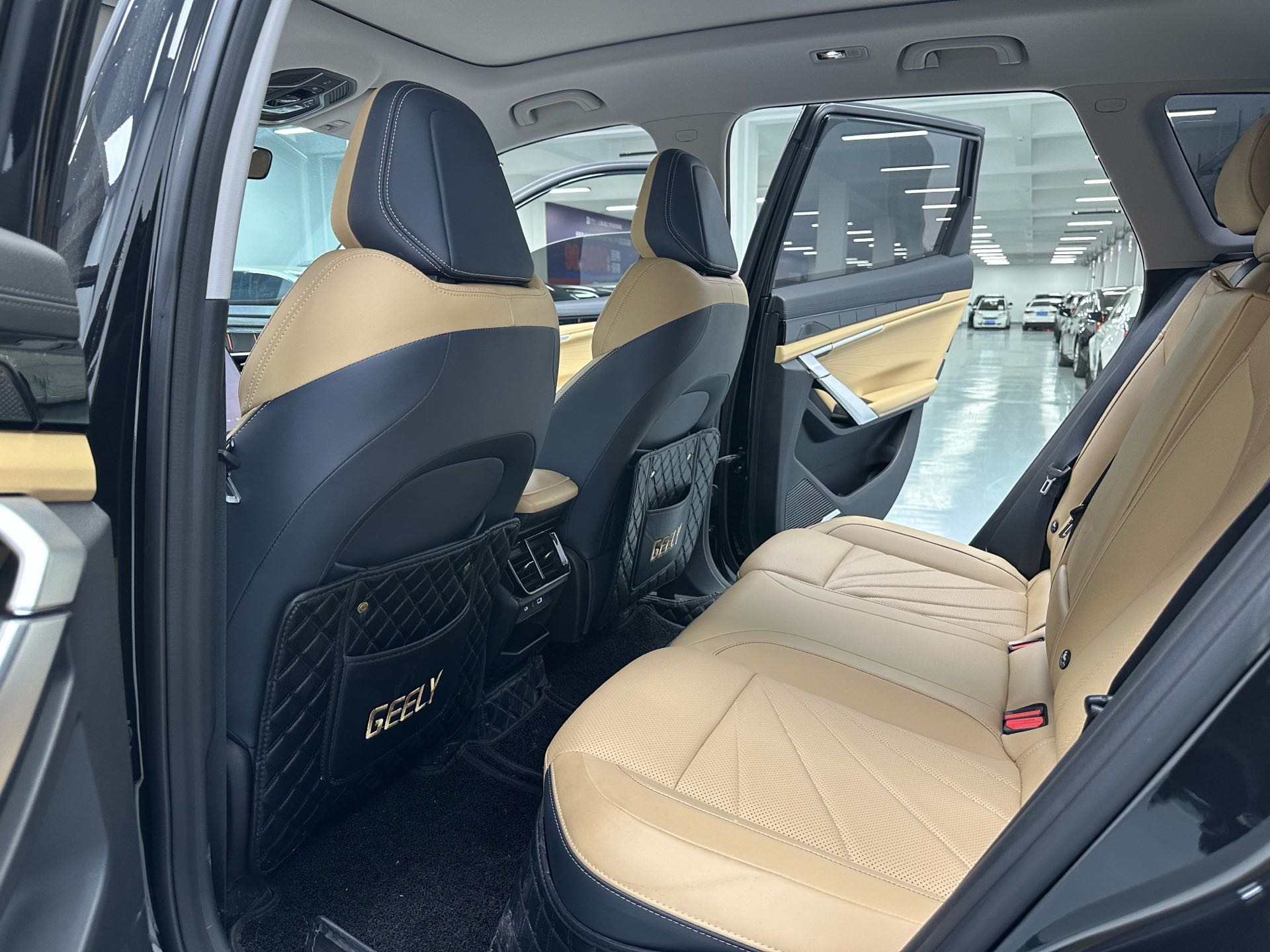
Seats5seats

Condition Description

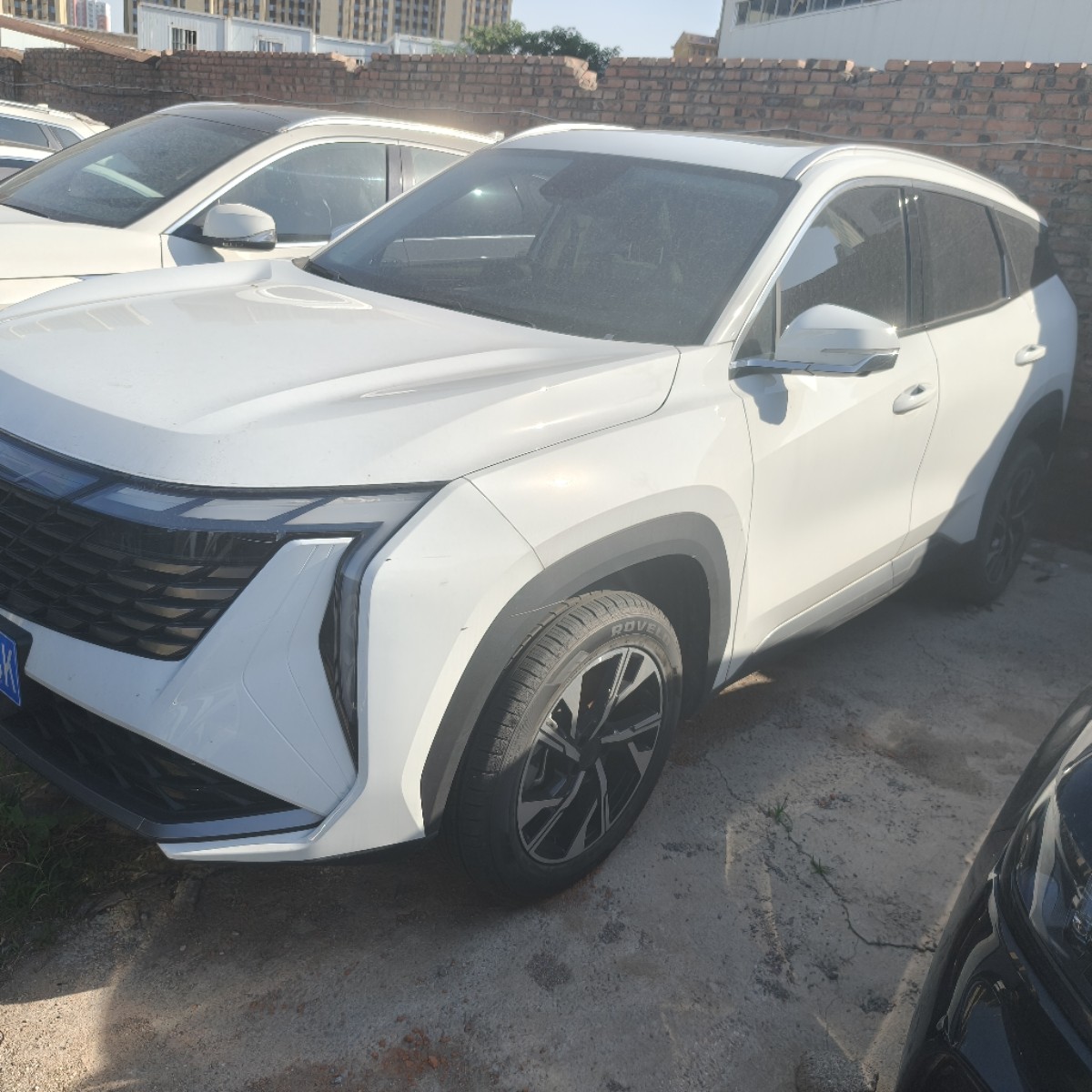
Original paint, no accidents.

Document Information

Inspection Expiry Date-
Warranty Expiry Date-
Insurance Expiry Date2027/06

Q&A

More

Can I request the original factory parameter sheet for the vehicle (such as the standard camber angles and toe values) from your after-sales service so I can do a four-wheel alignment locally?

This is after-sales support we are very happy to provide. Since overseas alignment machines often lack databases for Chinese brand vehicles, we will send you screenshots of the core chassis parameters from the service manual, making it easier for your technician to manually input the data for precise adjustments.


How do I read and interpret a Chinese vehicle history report—what do the records and codes mean, and which findings should stop the deal?

A Chinese history report (查博士, 精真估, or 4S-shop records) usually contains several sections. Here's how to read them. Accident records: entries tagged 重大事故 (major accident) or listings at an insurance payout above 30% of the car's value are serious red flags. Airbag deployment is a deal-breaker for most buyers. Mileage timeline: check that mileage increases logically between service visits. A sudden drop between two dates means odometer tampering—walk away. Ownership count: more than 3 owners in 5 years suggests a problem car. Also check the 使用性质 field: a car registered as 营运 (commercial/taxi use) has a much shorter legal lifespan. Maintenance entries: consistent 4S dealership records are a good sign; long gaps aren't necessarily fatal if the owner used independent shops, but ask for receipts. Cross-check the report against the VIN plate, registration certificate, and physical inspection. If the report shows no accidents but paint thickness readings say otherwise, trust the metal, not the paper.

What brake system checks should a pre-shipment inspection of a used car from China include?

Brakes are safety-critical, yet many basic inspections only glance at pad thickness. A proper inspection should cover: 1. Pad and disc measurement: front pads below 3 mm or discs below the minimum thickness stamped on the disc hat mean replacement before shipping. 2. Brake fluid: test moisture content with a strip or meter. Over 3 percent water content means a full fluid flush, especially important for sea freight in humid containers. 3. Hydraulic check: the inspector presses the pedal firmly for 30 seconds; a sinking pedal indicates a master cylinder or hose leak. 4. ABS and stability systems: a diagnostic scan should show no fault codes, and on a short test drive the ABS self-test should complete normally. 5. Parking brake: hold the car on a slope in both directions, particularly important for automatics shipped on RoRo ramps. Ask for photos of each measurement with the tool visible, not just a brakes-OK summary.