


24H

Basic Information

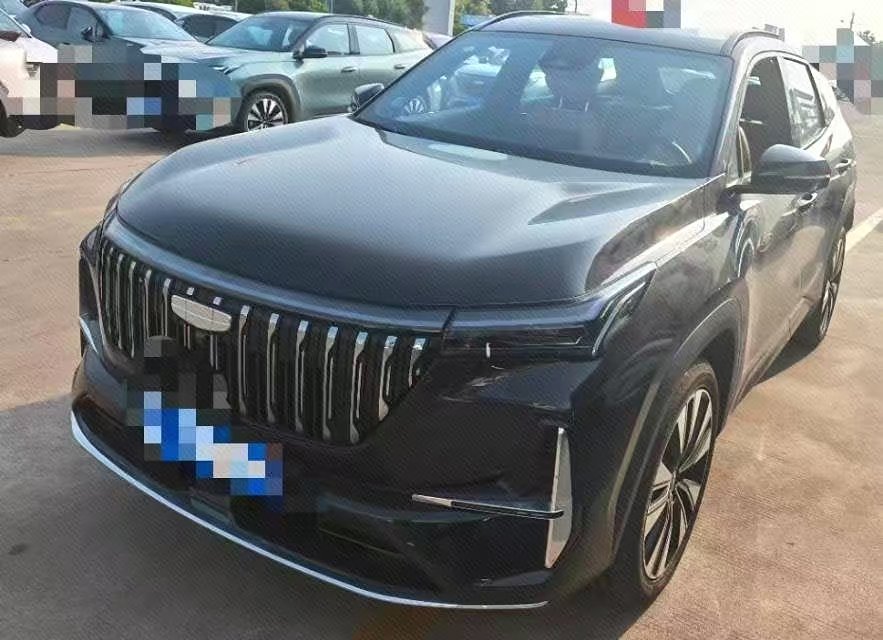
BrandGEELY
SeriesBoyue L
Year2024
First Registration2024/01
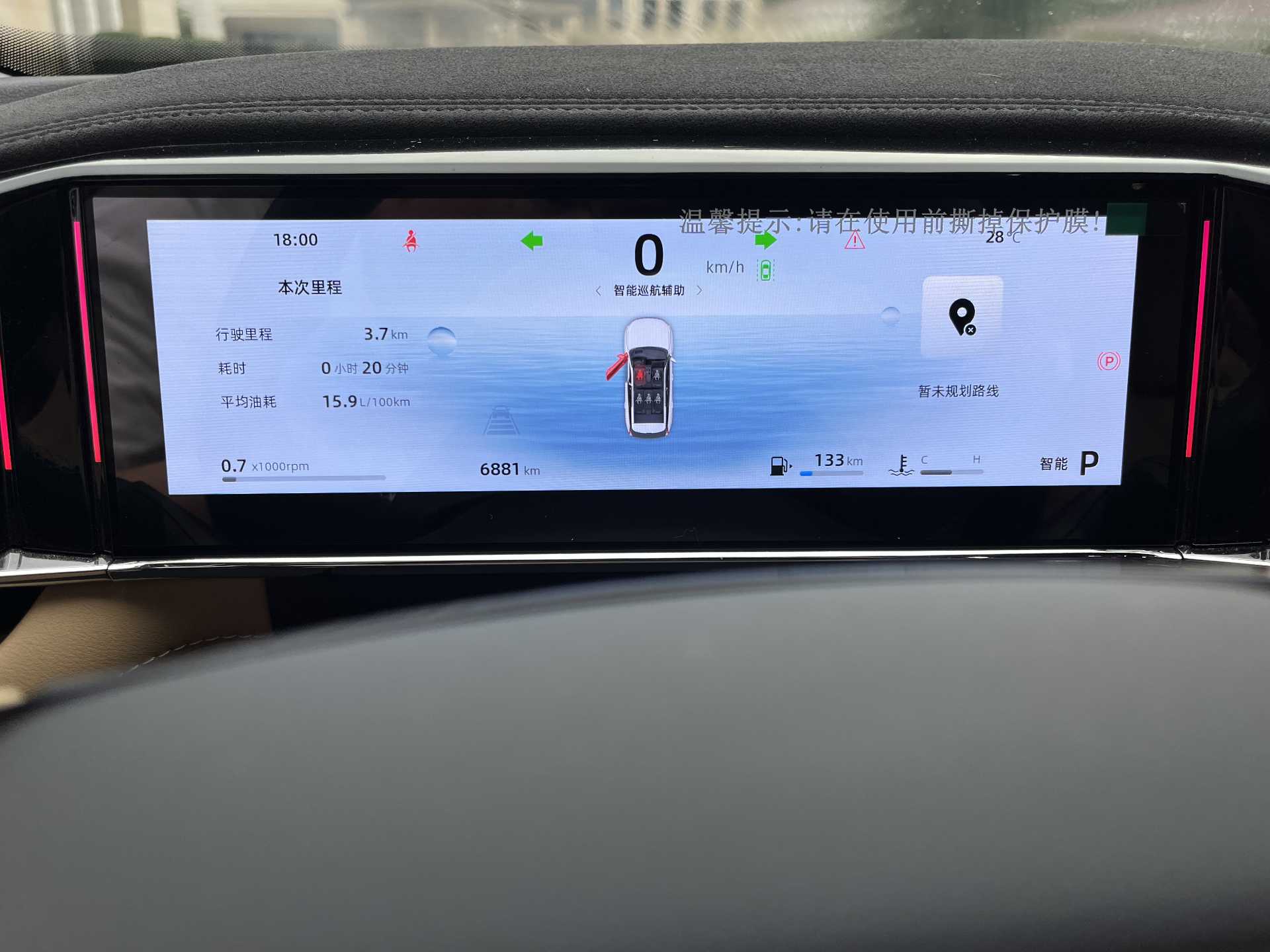
Mileage6,800km
Transfer Count0times
FuelGasoline
TransmissionDCT
Engine1.5T 181 L4
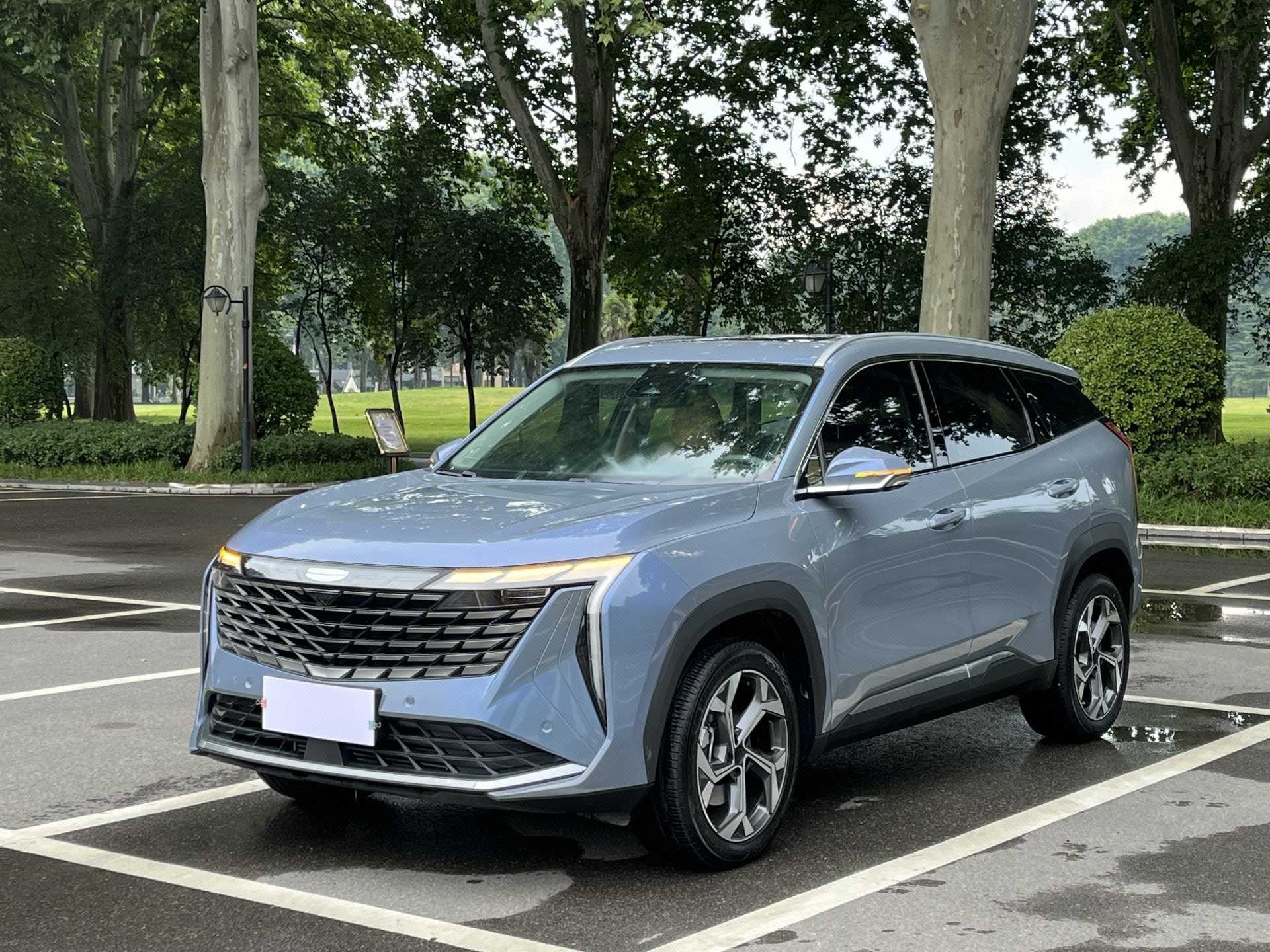
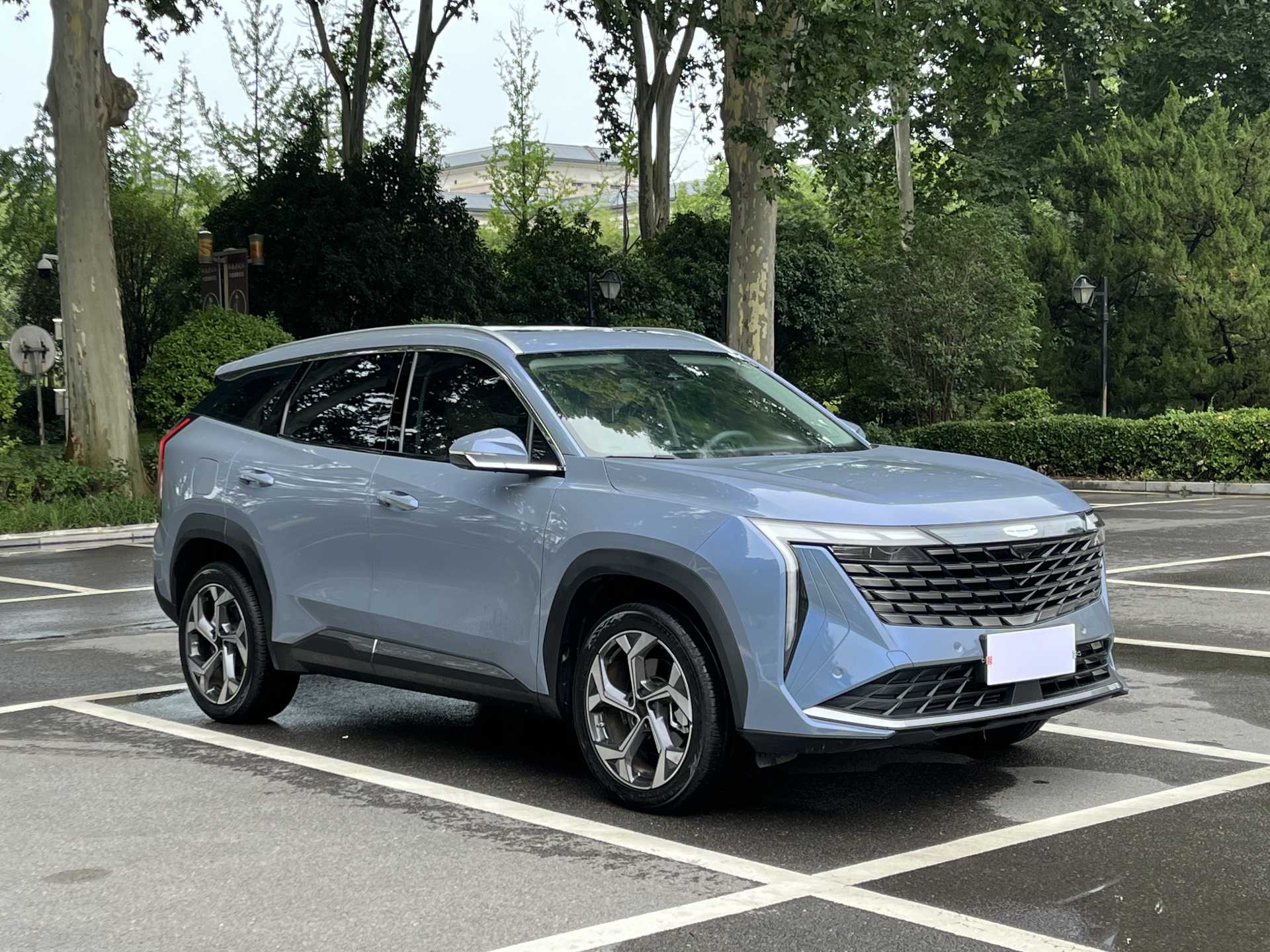
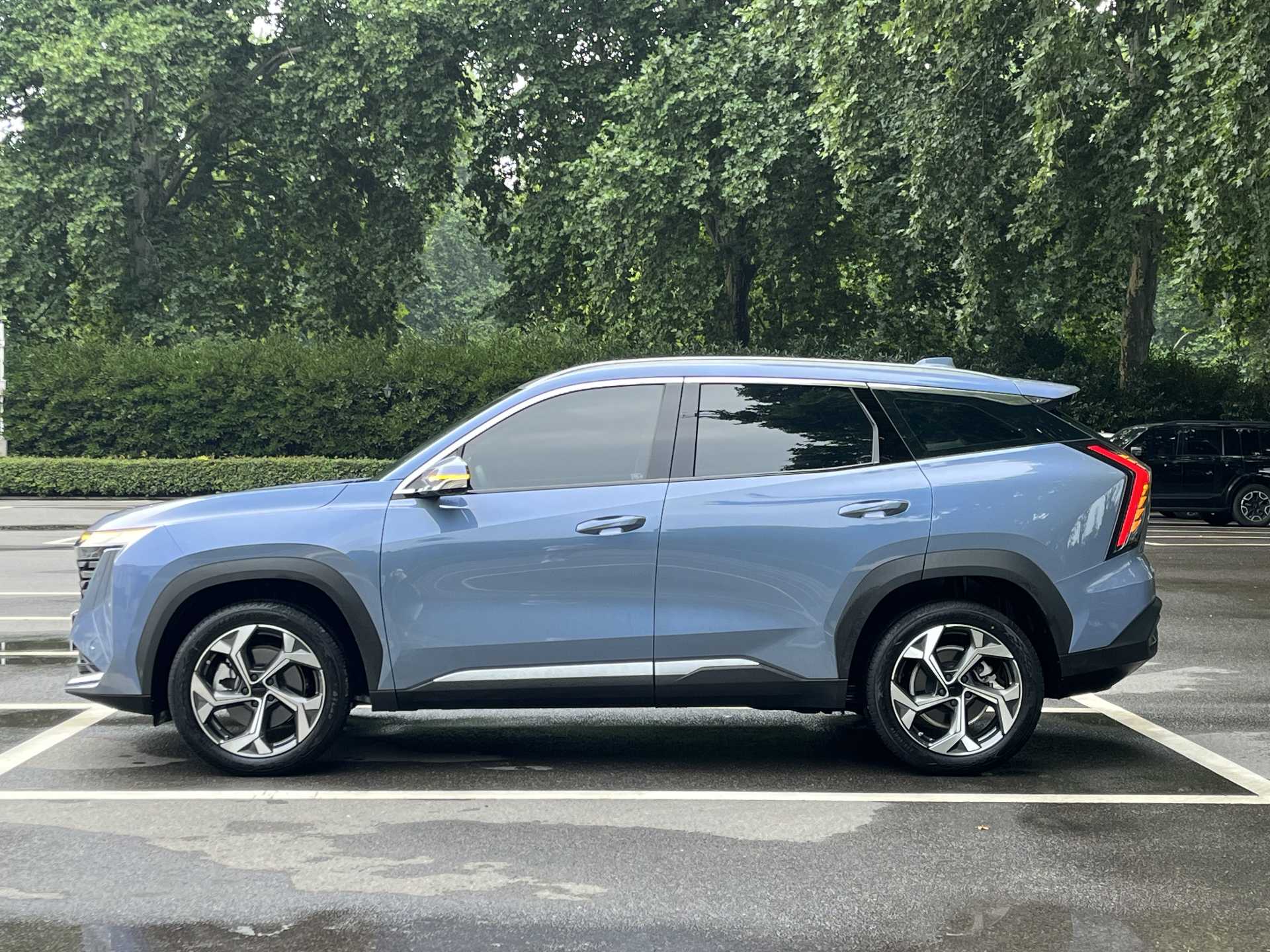
ColorBlue
Seats-

Condition Description

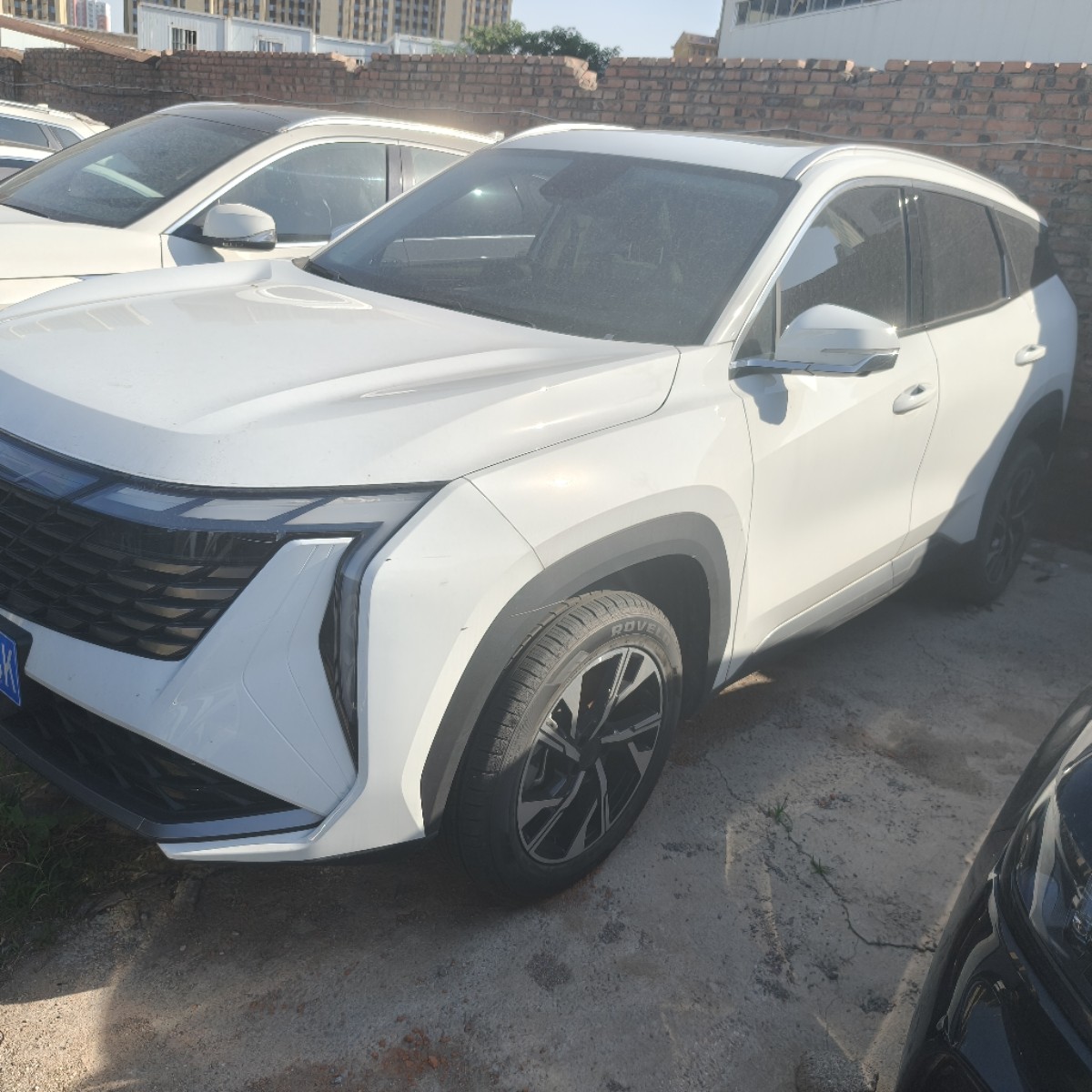
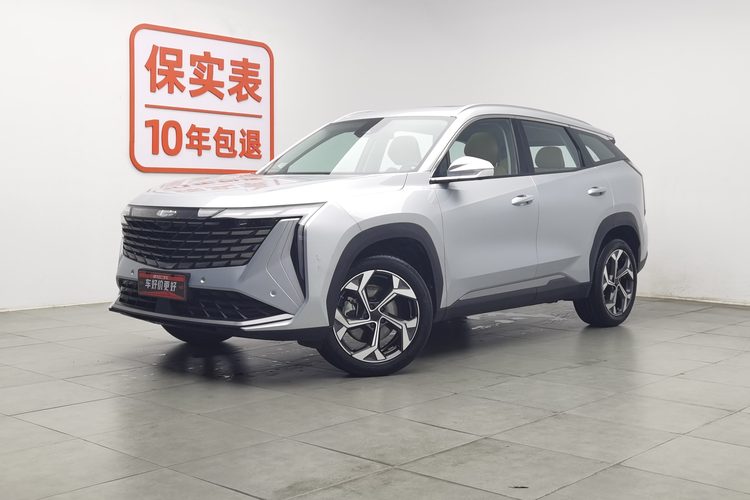
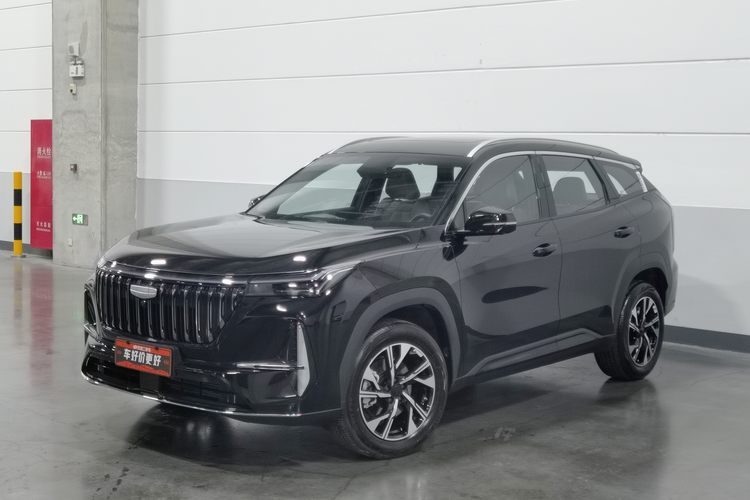
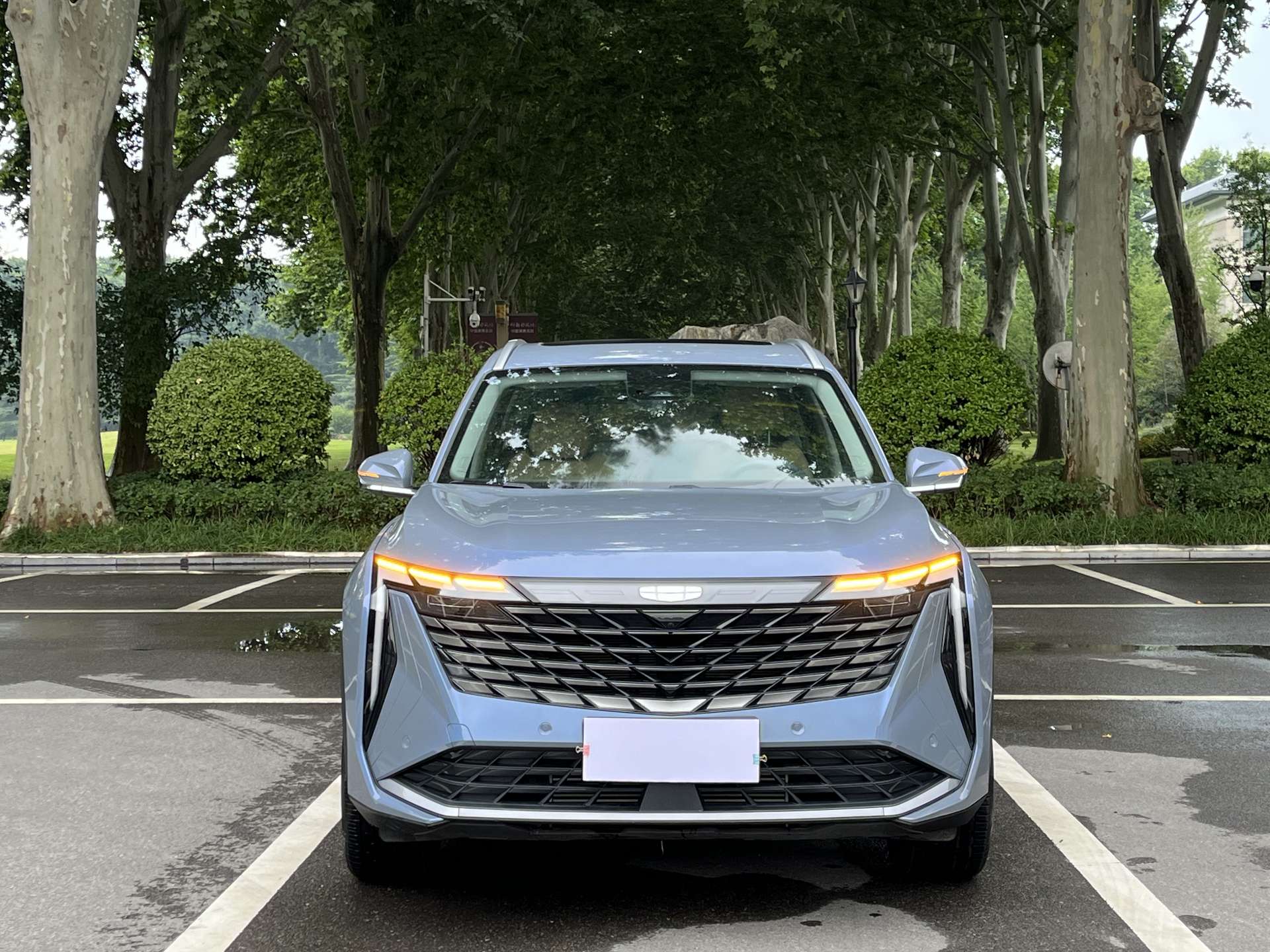
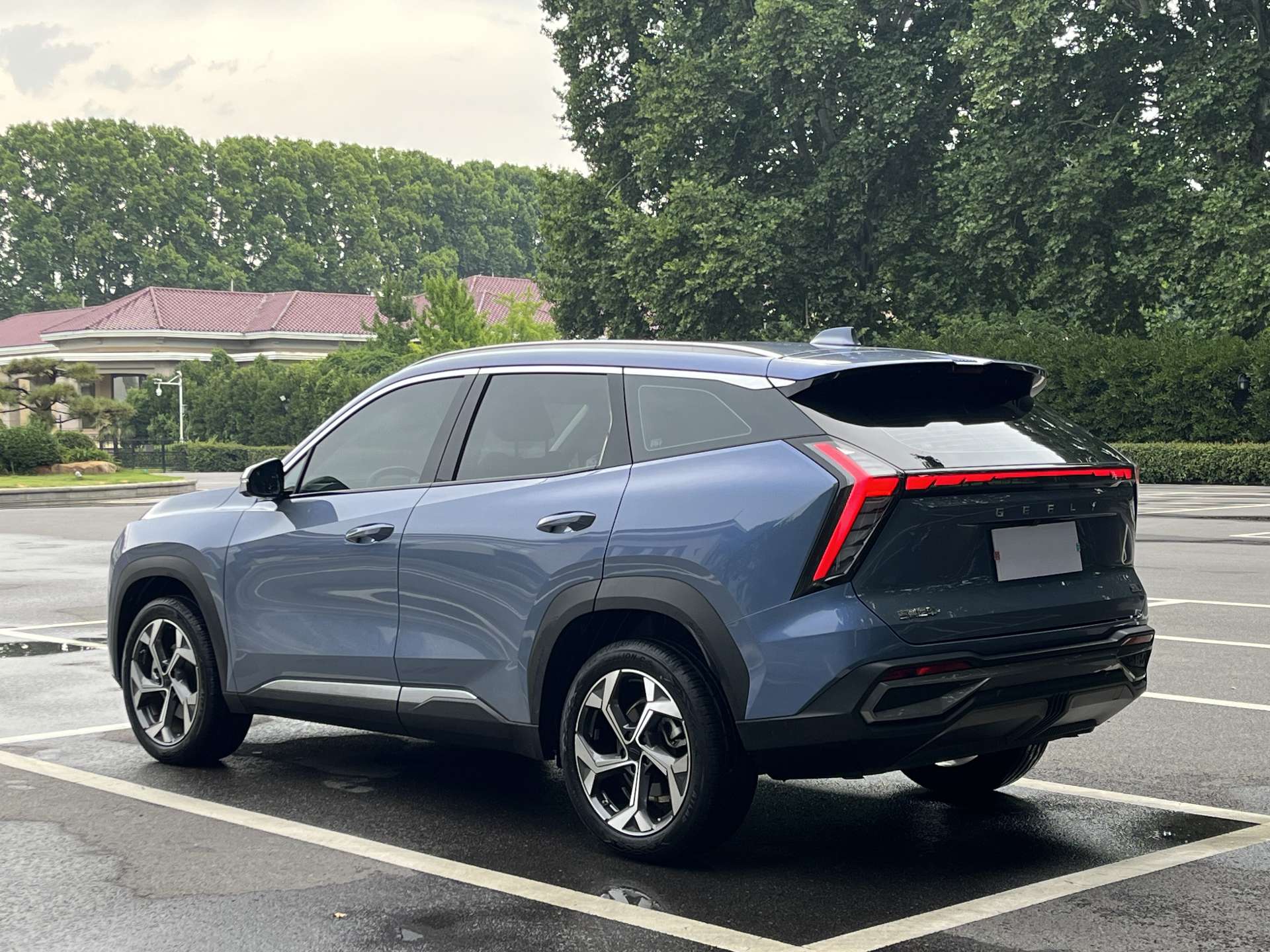
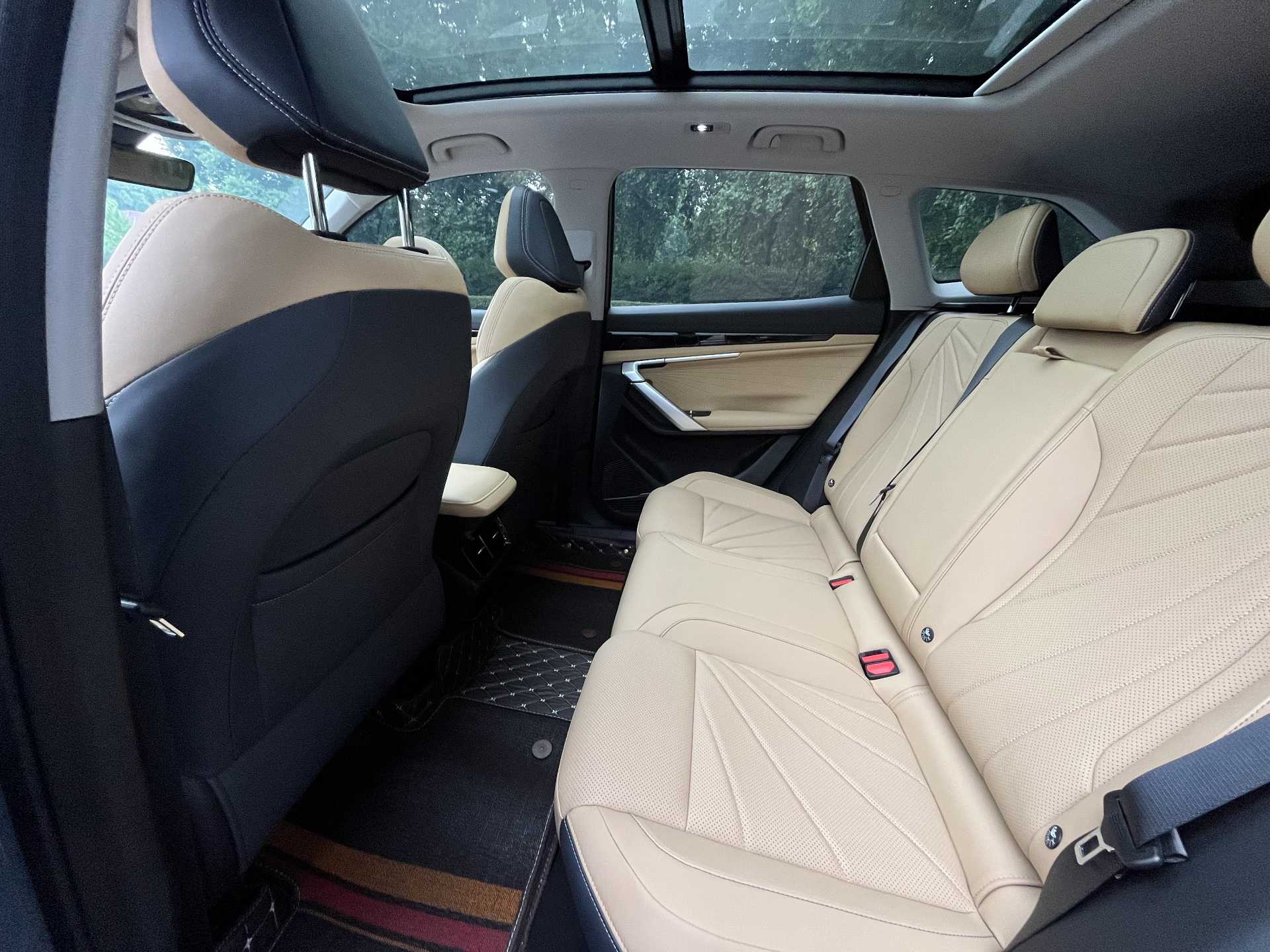
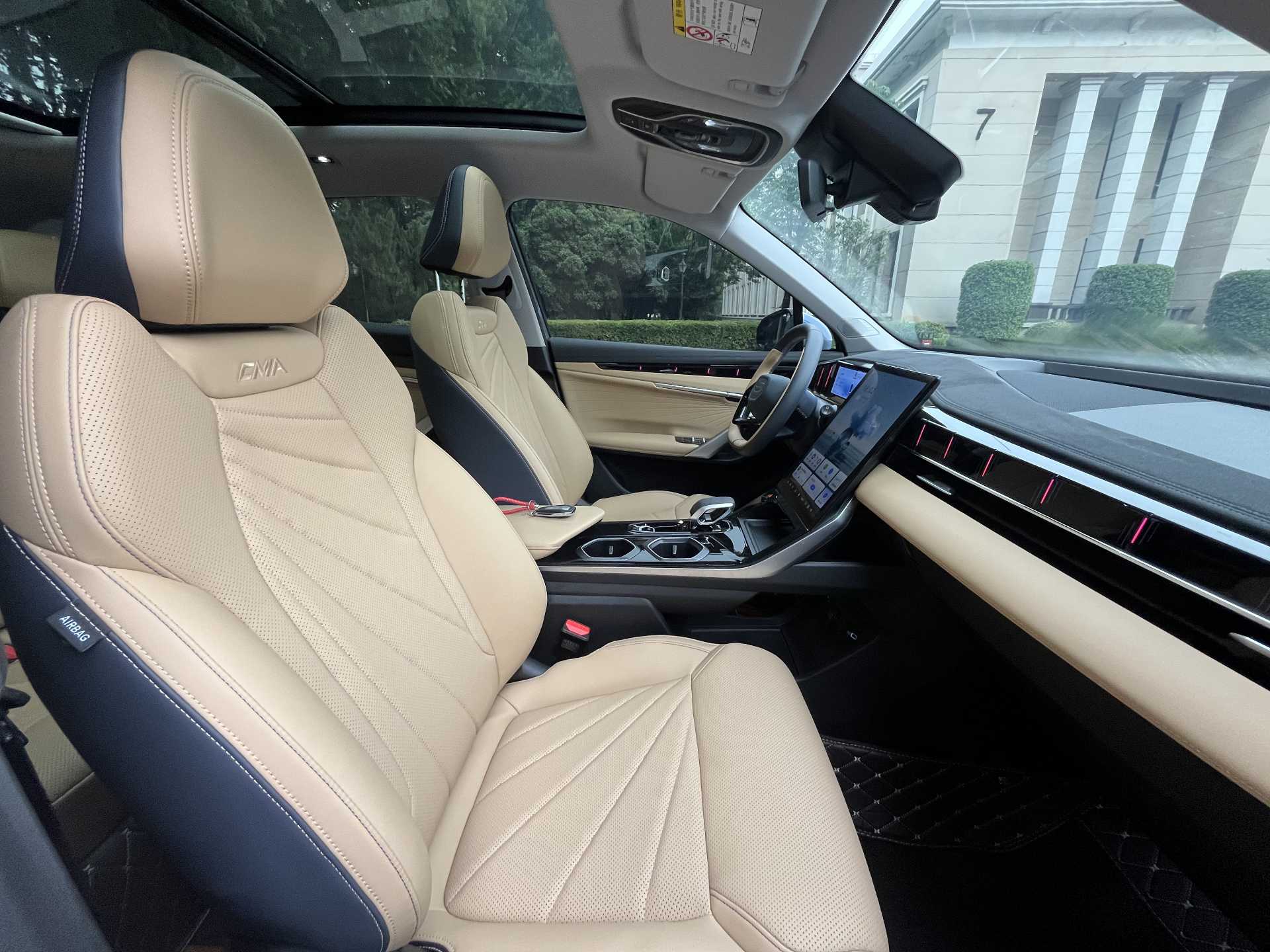
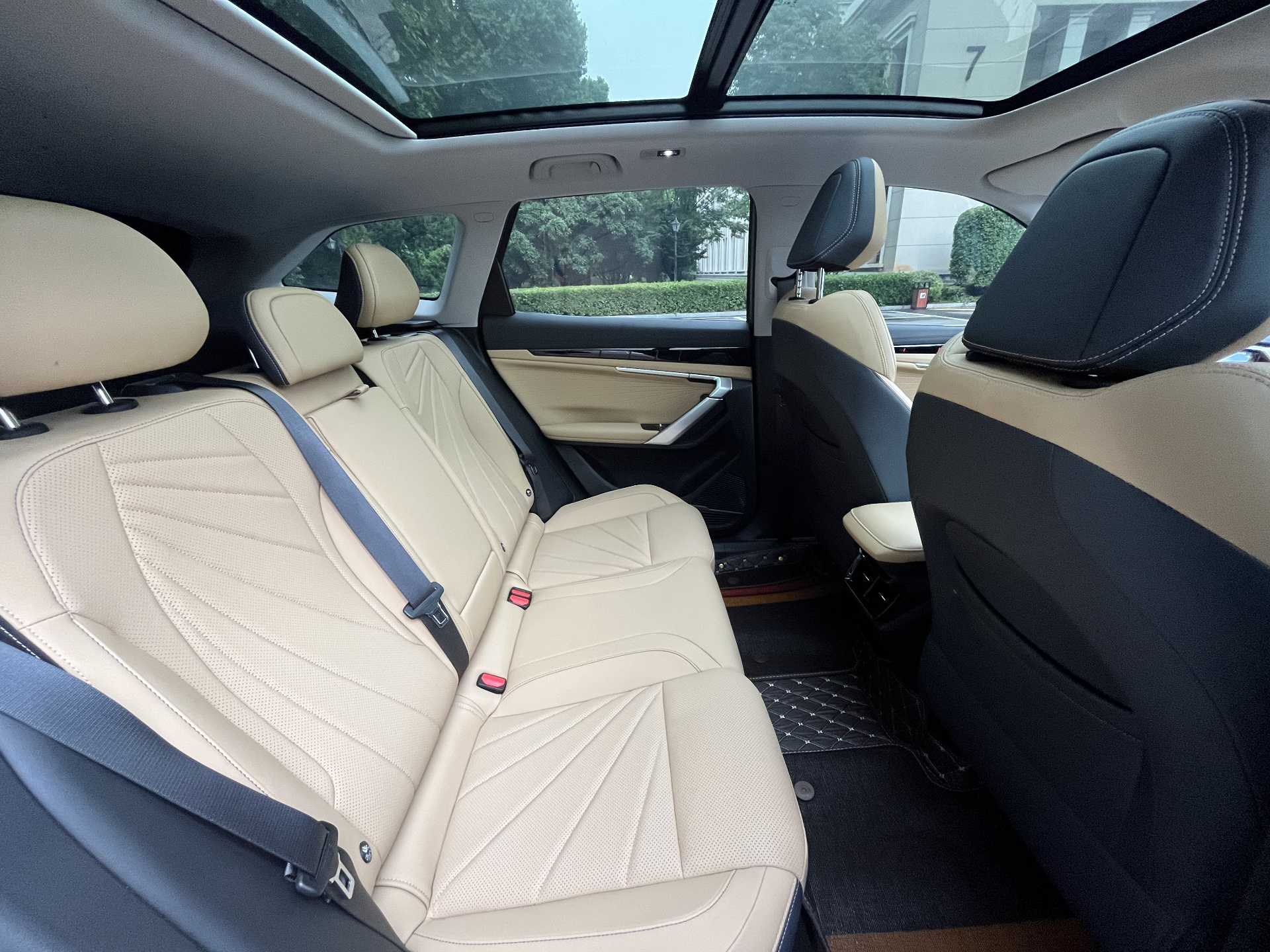
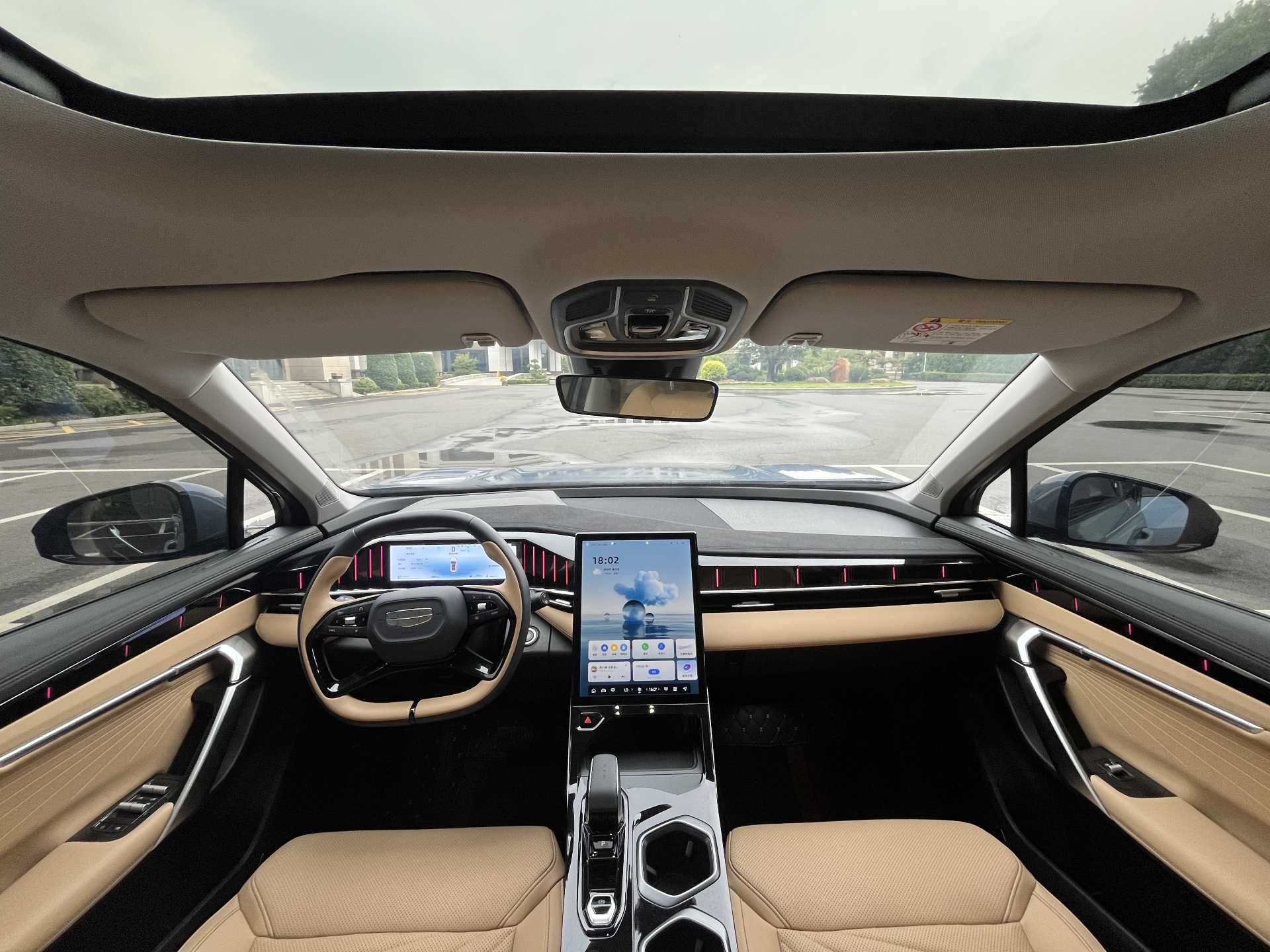
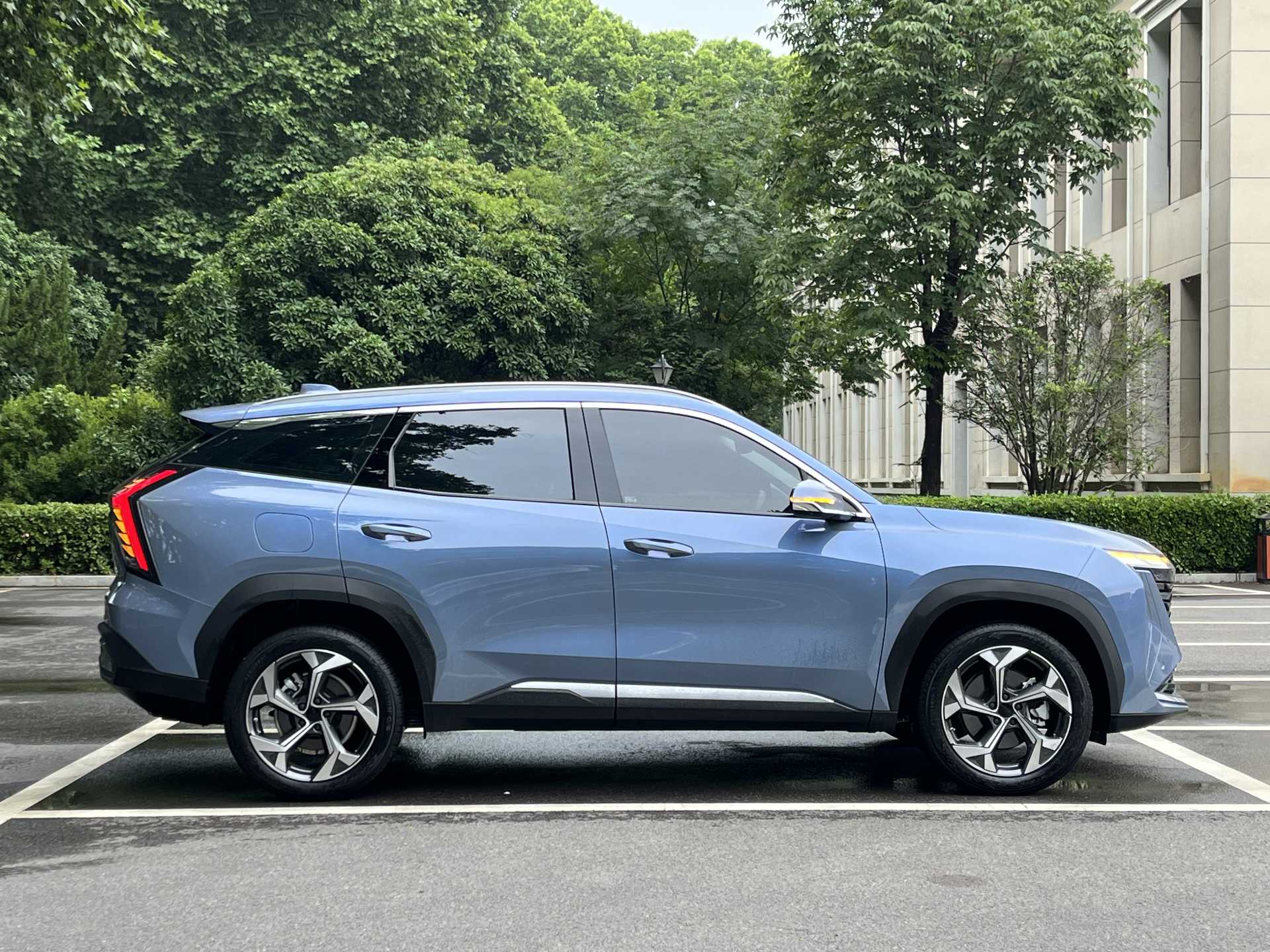
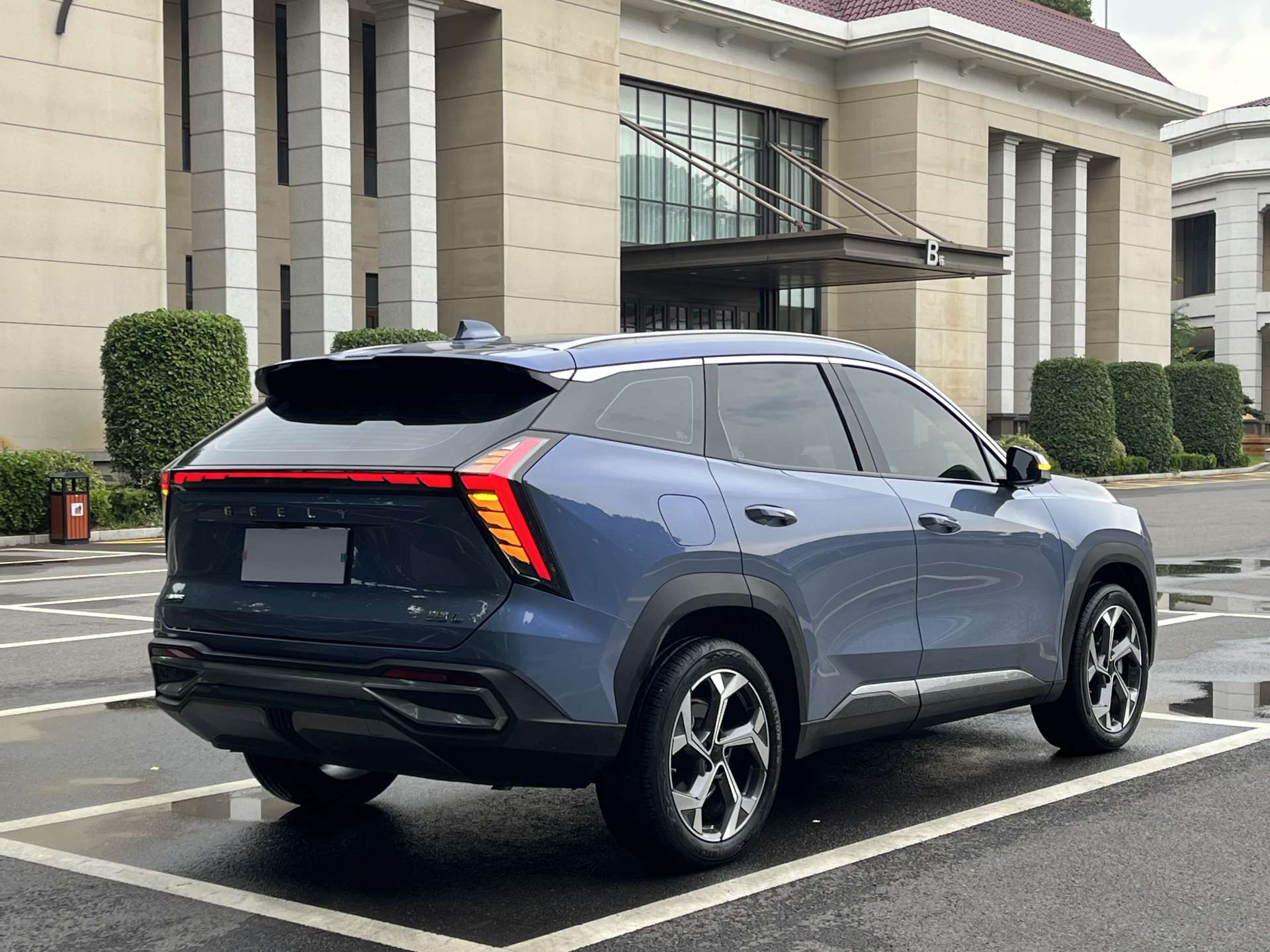
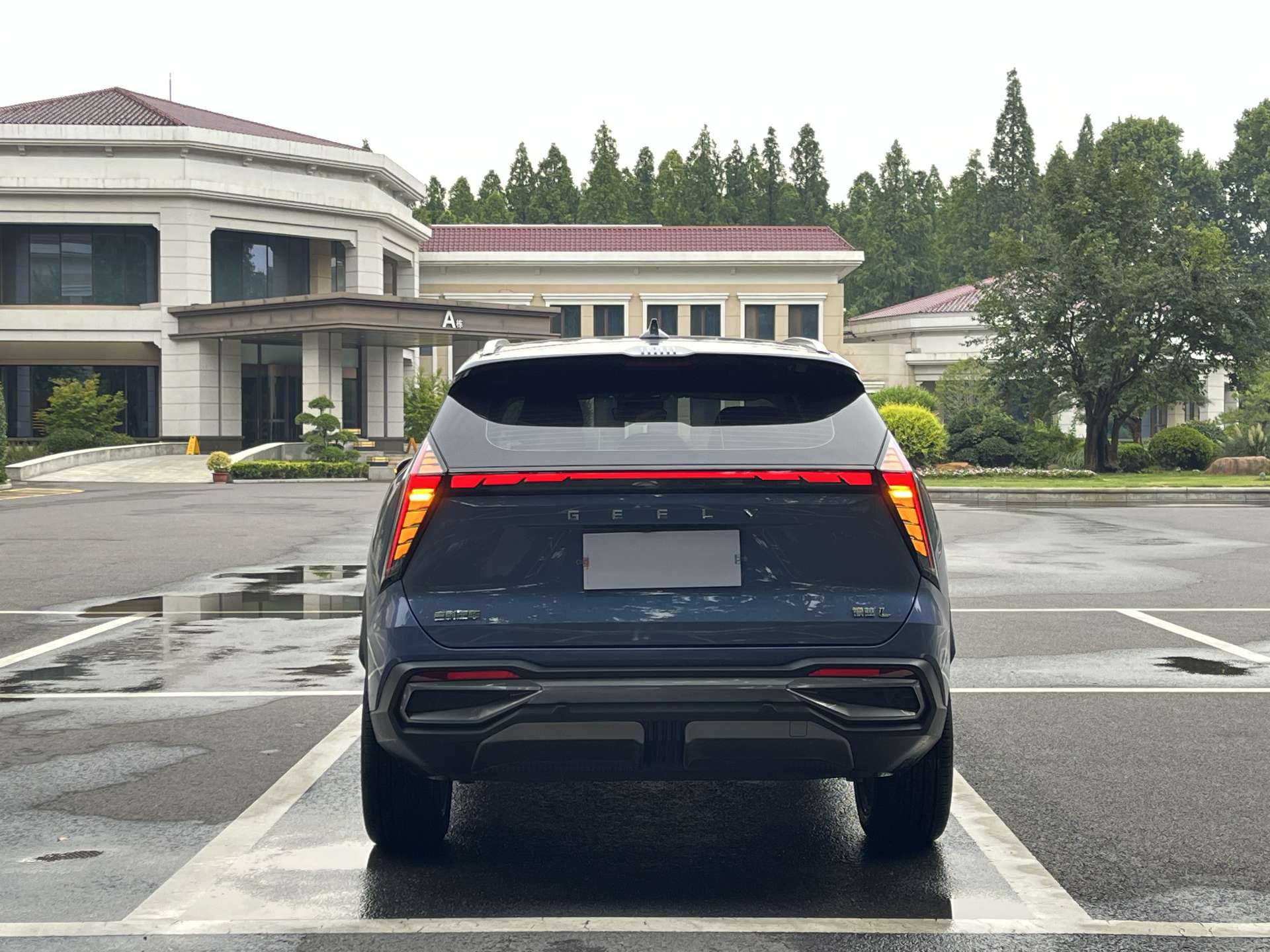
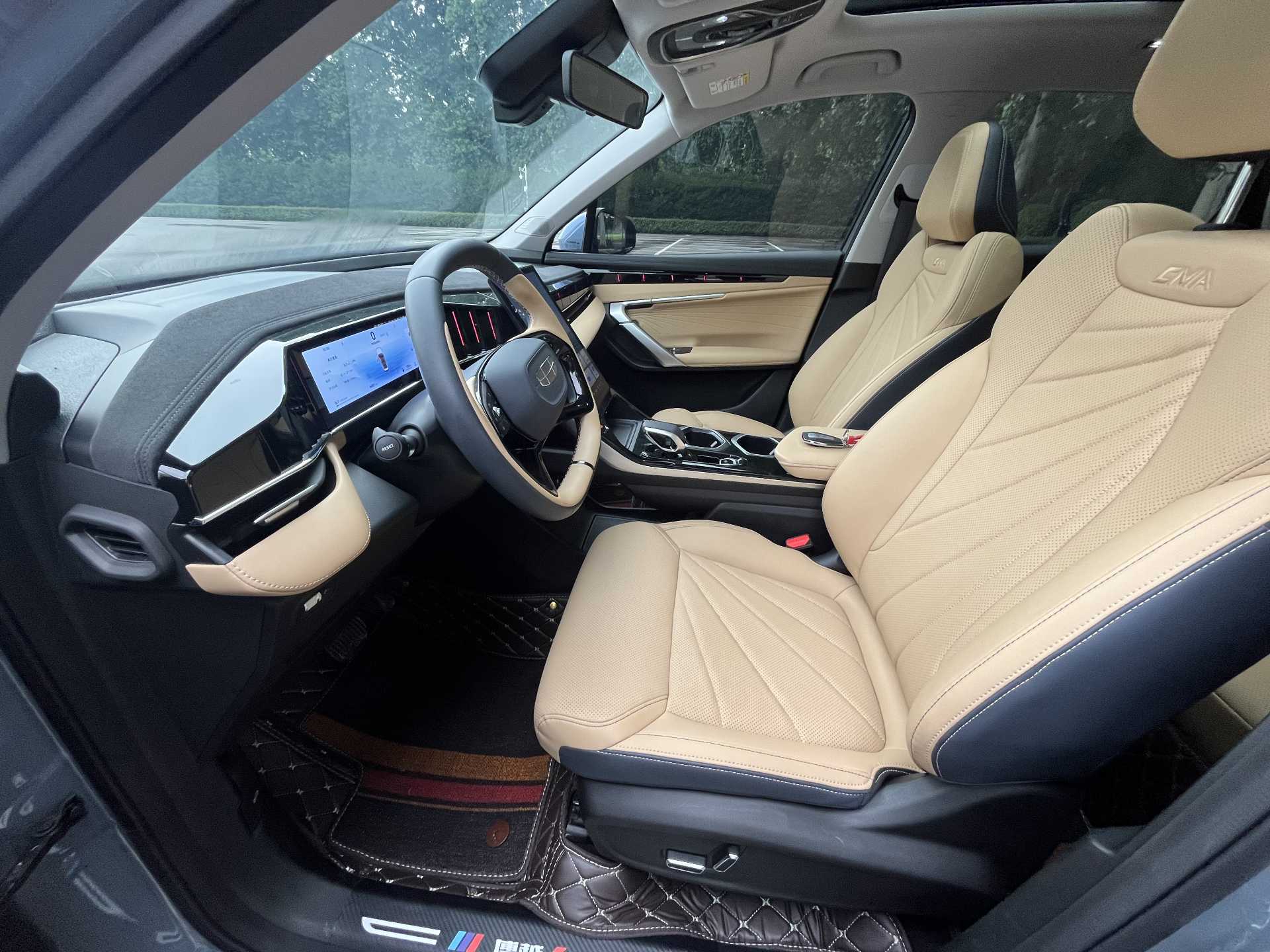
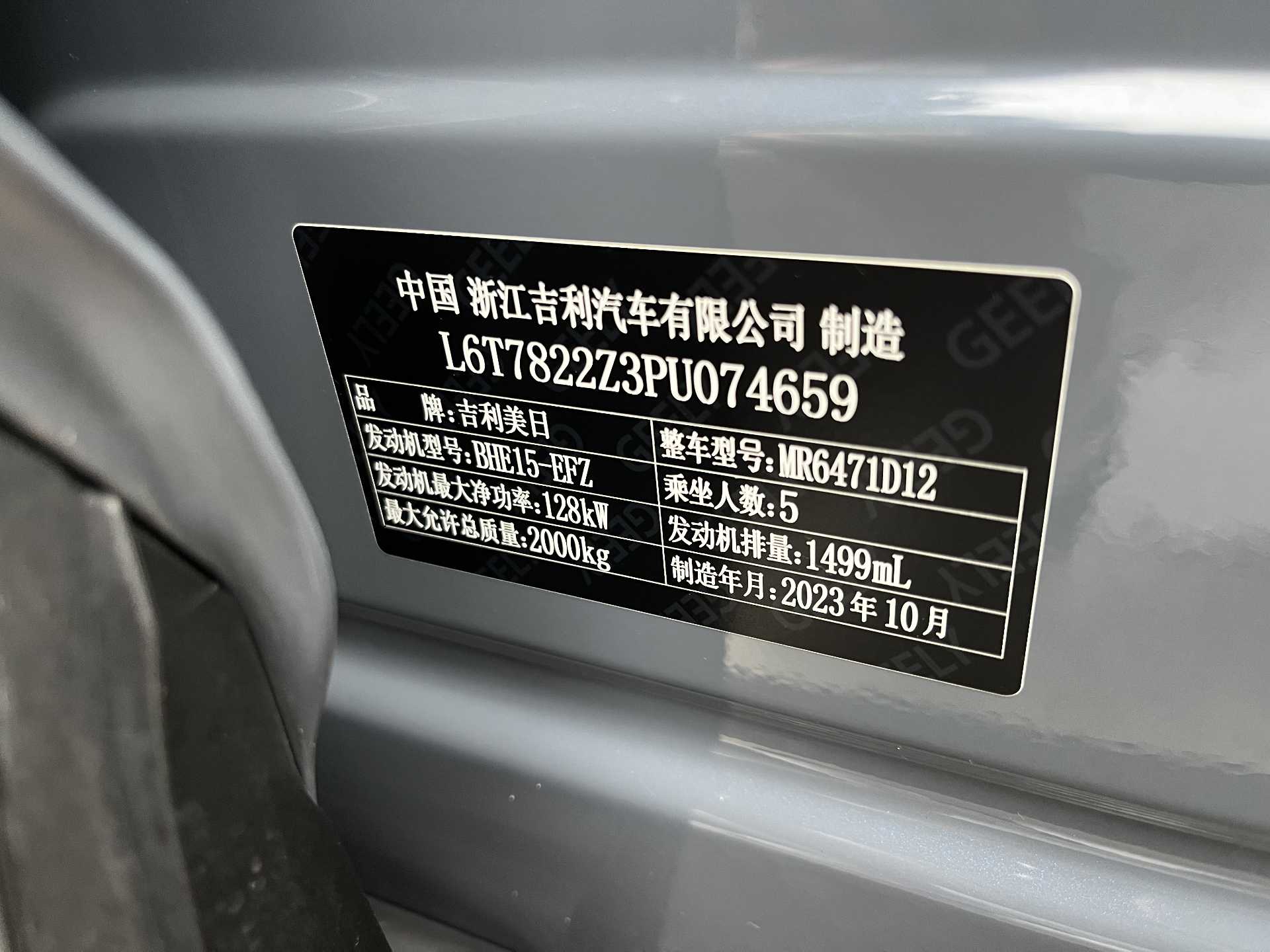
Original paint, actual odometer 6,800 km, manufactured October 2023. Interior like new, paint condition perfect. Two keys. Private ownership. Accepts any third-party inspection. Commitment: if the condition (original paint on metal parts, actual odometer) does not match the description, compensation for logistics costs will be provided.

Document Information

Inspection Expiry Date-
Warranty Expiry Date-
Insurance Expiry Date2027/01

Q&A

More

Will both smart keys that came with the vehicle be sent along with it?

Our delivery standard is 'As-Is'. If the original owner only hands over one key at the time of collection, the report will clearly state 'Keys: 1'. Do not assume that all used cars come with two keys, as the cost of reprogramming smart keys overseas is very high.

What is a Certificate of Origin and why do I need one when importing a car from China?

A Certificate of Origin (C/O) is an official document stating where the vehicle was manufactured. Customs authorities use it to decide which tariff rates and trade agreements apply to your import. Why it matters: many countries offer preferential tariffs for certain origins. With a valid C/O, such as the ASEAN-China Form E or a GSP Form A, you may pay reduced or zero duty. Without it, you typically pay the standard, higher rate. The certificate must match the vehicle exactly: VIN, make, model and invoice details. It is usually issued by the China Council for the Promotion of International Trade (CCPIT) or customs authorities. Practical tips: request the C/O before shipment, because adding it later is slow; check that your country's customs accepts the specific C/O format; and confirm with your broker whether your vehicle category qualifies for preferential rates. This single document can save you thousands in duty.

How do I evaluate interior wear on a used car from China to estimate real mileage and usage intensity?

Interior wear is harder to fake than an odometer and often reveals true usage better than any document. Focus on high-contact points the seller rarely restores. The driver's seat bolster shows creasing and cracking by 80,000-100,000 km even with covers. Steering wheel leather polishes smooth and darkens with hand oils; a shiny wheel with low claimed mileage is a red flag. Pedal rubbers wear through at similar rates — check accelerator, brake, and clutch depth. Second-row wear patterns tell you how the car was used: heavy child-seat indentations suggest family use (usually gentler), while uniform rear wear with clean front suggests commercial or ride-hailing duty. Check seat rails for rust (indicates water ingress) and look under floor mats for moisture staining or musty smell — flood cars often hide it there. Also examine the infotainment and instrument cluster: Chinese EVs log usage data internally, and a dealer diagnostic readout can cross-check driving hours against mileage. Request close-up, well-lit photos of these specific points during your live video inspection rather than relying on the seller's gallery.