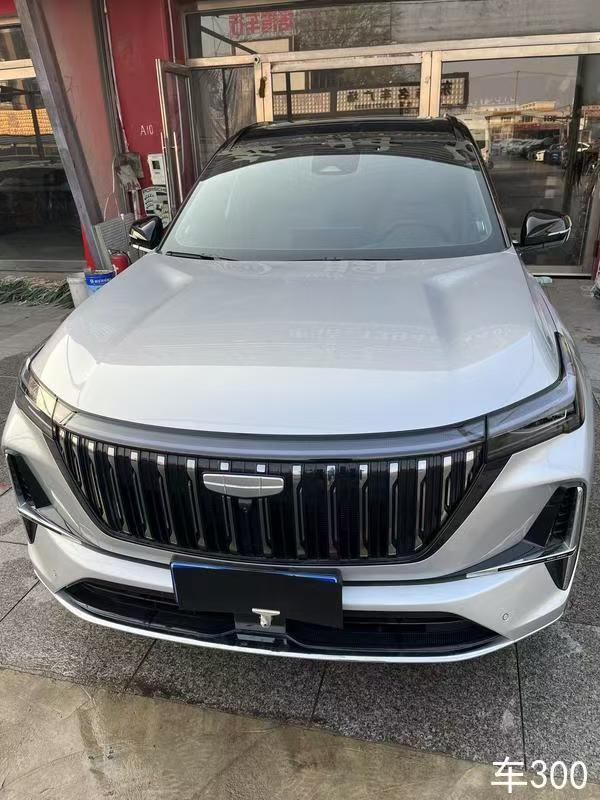
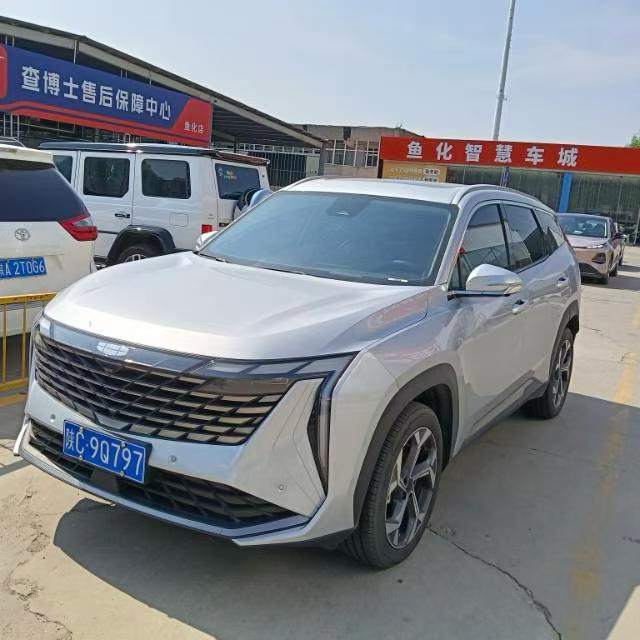
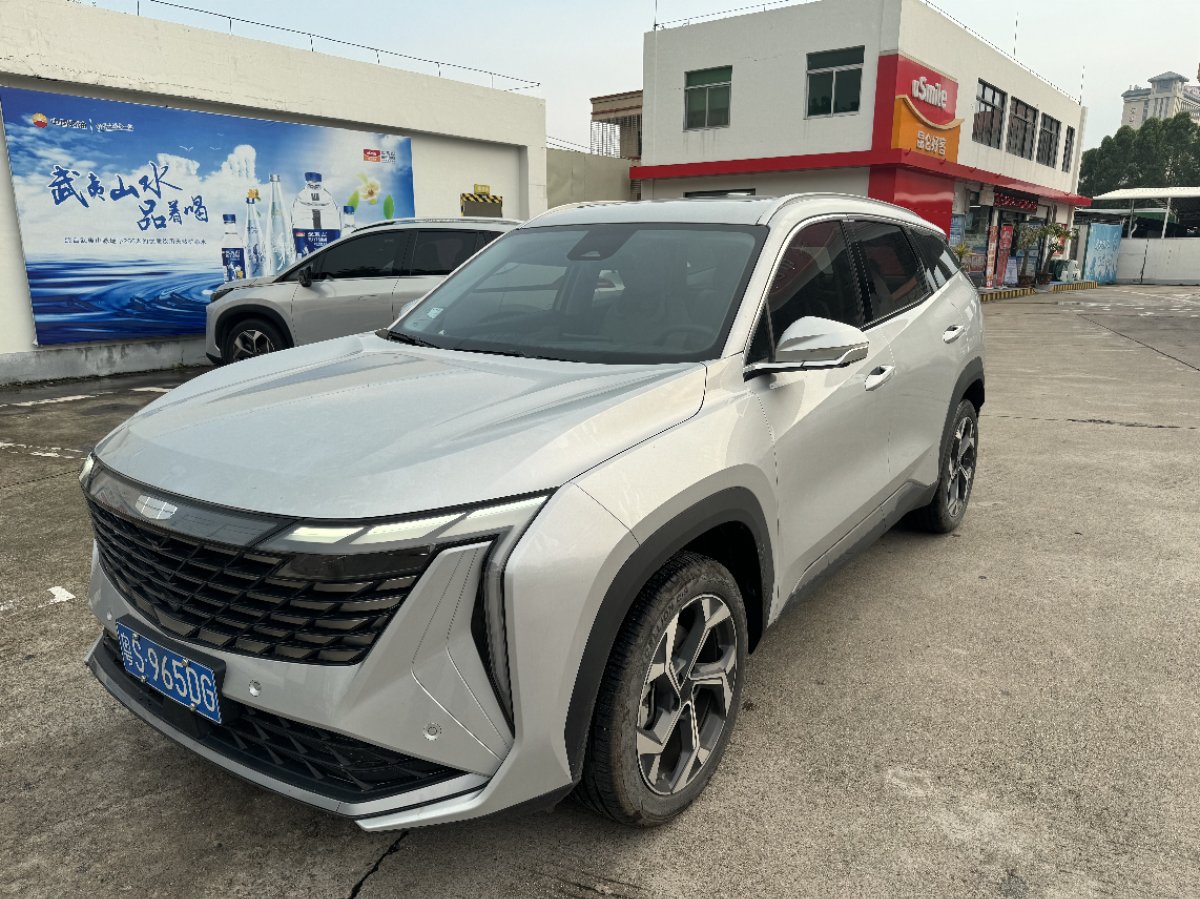
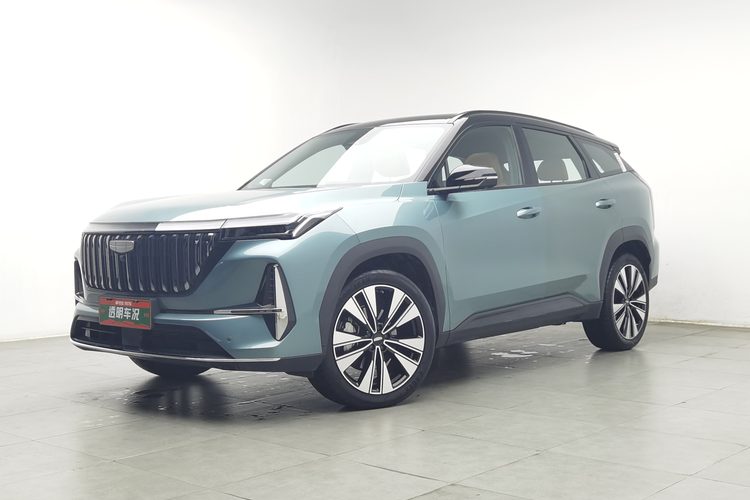
Basic Information

BrandGEELY
SeriesBoyue L
Year2024
First Registration2024/10
Mileage20,400km
Transfer Count-
FuelGasoline
TransmissionDCT
Engine1.5T 181 L4
ColorWhite
Seats5seats

Condition Description

Vehicle performance is good. Structural, reinforcing, and outer panels have no accident-related damage or repairs. High-voltage battery, drive motor, and electronic control systems have no damage.

Accident inspection: main structure, reinforcing parts, and outer panels undamaged; hinges normal. Engine bay: key mechanical components normal. Exterior: no issues. Interior: most features normal; airbags, seatbelts, dashboard, instruments, and lighting systems normal. Startup check: main components normal. Onboard tools: none.

电话直连
可讲价
平台物流
可转售
零过户
新检测标准升级>
非泡水

Document Information

Inspection Expiry Date2030/10
Warranty Expiry Date-
Insurance Expiry Date2027/10

Q&A

More

Which import rules (age limits, emissions, safety standards) apply to used cars from China in my country, and how do I confirm the car qualifies before paying?

Rules differ by country. Many markets limit the age of imported used cars (commonly 3-5 years), require left-hand drive, and set minimum emission standards such as Euro 4, 5 or 6. Some regions additionally require a local conformity certificate before the car arrives. Practical steps before any deposit: check your customs authority's official website, or spend 20 minutes with a local customs broker who imports vehicles regularly; give the exporter your country's requirements and the VIN, and ask for proof of the car's emission level (China's standards map roughly to Euro equivalents); confirm the exact model was legally exportable from China. A short verification call at the start can prevent the car being refused entry — or impounded — months later.


If the total price of the vehicles I purchase at once exceeds $1 million, can I request a performance bond from you?

Yes. For large B2B government or major fleet procurement projects, to ensure the safety of your deposit, we can issue an advance payment guarantee from one of China's four major state-owned banks, but the buyer must bear the issuance fee.

How can I find out if a used Chinese car has flood or water damage history?

Flood cars are common after heavy rain seasons, and the damage often shows up months later in the wiring and electronics. Here is how to check before you buy. First, ask for the insurance claim history using the VIN. Flood claims are usually recorded, and any mention of water damage, interior drying, or electrical repair should stop the deal. Second, inspect the interior yourself or via video call. Pull up the carpet edges and look for mud residue, water marks, or rust on seat rails and seatbelt buckles. Seatbelts that retract slowly or have a musty smell were often submerged. Third, check hidden cavities: the spare tire well, glove box, and under the trunk lining. Silt or a tide line there is a strong flood indicator. Fourth, look for condensation behind the instrument cluster and inside the headlights. Persistent fog in the lamps is a classic sign of water immersion. Finally, an OBD scan can help: flood cars often store scattered error codes across unrelated modules (airbag, ABS, body control) because corroded connectors corrupt the network. If several of these signs appear together, walk away. Flood damage is almost never worth repairing, and it will haunt the car's electronics for its whole life.