Basic Information

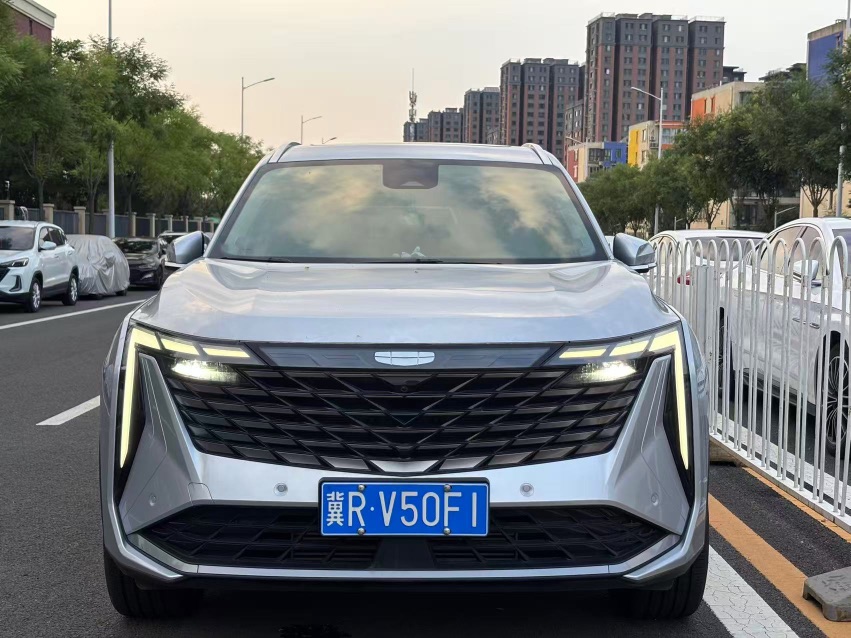
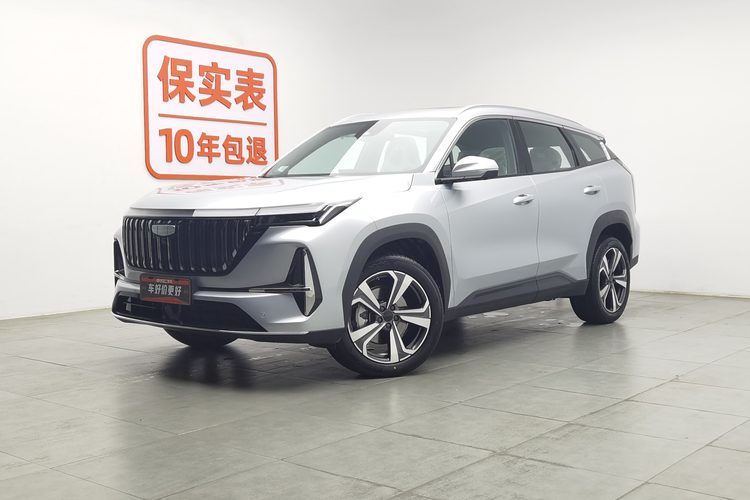
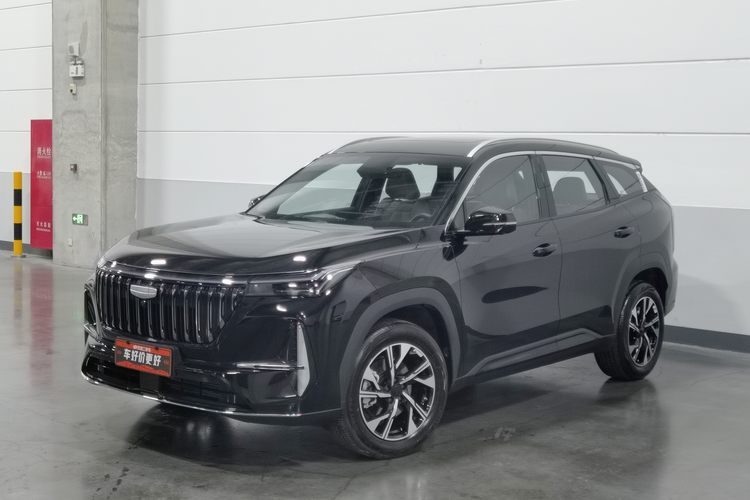
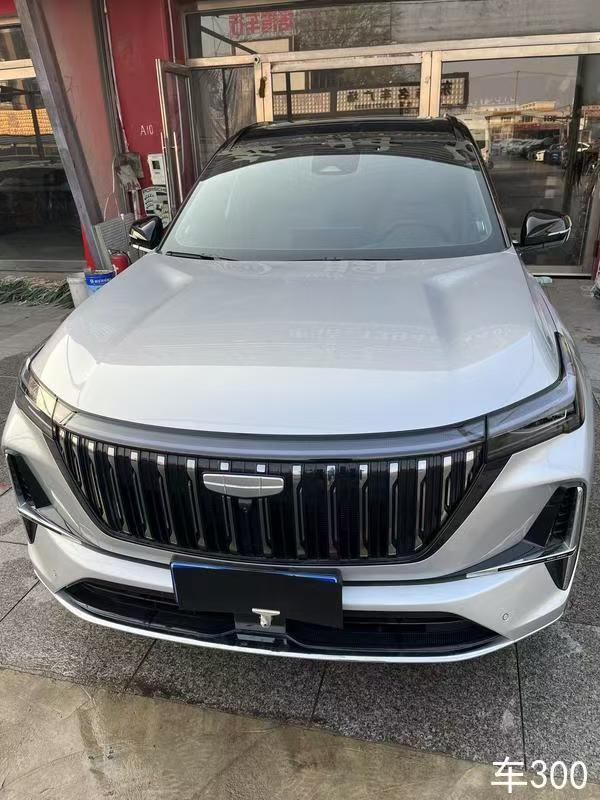
BrandGEELY
SeriesBoyue L
Year2024
First Registration2024/09
Mileage13,600km
Transfer Count-
FuelGasoline
TransmissionDCT
Engine1.5T 181 L4
ColorWhite
Seats-

Condition Description

Vehicle performance is good. Structural, reinforcing, and cover panels have no accident-related damage or repairs. The three electric systems (battery, motor, electronic control) have no damage.

Accident inspection: main structure, reinforcing parts, cover panels, and hinges are normal. Engine bay inspection: key mechanical components are normal. Exterior: no issues. Interior: most features are normal; airbags, seatbelts, dashboard, instruments, and lighting system are normal. Start-up inspection: main components are normal. Onboard tools: none.

电话直连
可讲价
平台物流
可转售
车主降价
零过户
新检测标准升级>
非泡水

Document Information

Inspection Expiry Date2028/09
Warranty Expiry Date-
Insurance Expiry Date2027/09

Q&A

More

What charging adapters or equipment will I need to charge a used Chinese EV in my country?

Chinese EVs ship with GB/T charging ports, which are not used in Europe (Type 2/CCS2), North America (J1772/CCS1/NACS), or most of Latin America. Plan for these extras: 1. GB/T to local standard adapter or converter box: this lets you charge at public stations. A simple passive adapter works for AC charging; DC fast charging needs an active converter, which is expensive — many owners skip it and rely on AC. 2. Portable charger swap: the included travel charger has a GB/T plug. Buy a local wallbox or a portable EVSE with your country's plug instead. 3. Home electrical check: confirm your home circuit can handle 7–11 kW, and have an electrician install a dedicated line if needed. Ask the exporter for the car's charging port photos and on-board charger capacity before buying. Budget roughly a few hundred dollars for adapters and a wallbox. Without planning, you may end up with a car that can only trickle-charge from a wall socket.


Can the used cars you export meet the SASO certification or GSO standards required by the Middle Eastern market?

It must be stated objectively: used cars in China are produced according to national standards (GB) and have not been originally certified by Saudi SASO or GSO of Gulf countries. Buyers must find a local agent with customs clearance capabilities to complete the clearance through exemption documents or compliant modifications after arrival (such as wrapping or adding specific alarms).

Which import documents do I need for a used car from China, and who issues each one?

The standard set is: 1. Commercial invoice and sales contract - issued by the exporter; the basis for customs valuation. 2. Packing list - exporter; details the vehicle and any spare parts shipped with it. 3. Bill of lading - issued by the shipping line; your proof of ownership of the cargo. Never pay the full balance before receiving at least a copy of it. 4. Certificate of origin - issued by the China Council for the Promotion of International Trade (CCPIT); some countries require it for preferential duty rates. 5. Export customs declaration - Chinese customs; confirms the car was legally exported. 6. Pre-shipment inspection report - issued by companies like Intertek, SGS or the EAA scheme, if your country mandates it. Ask the exporter for scanned copies of all documents before shipping so you or your broker can verify completeness.