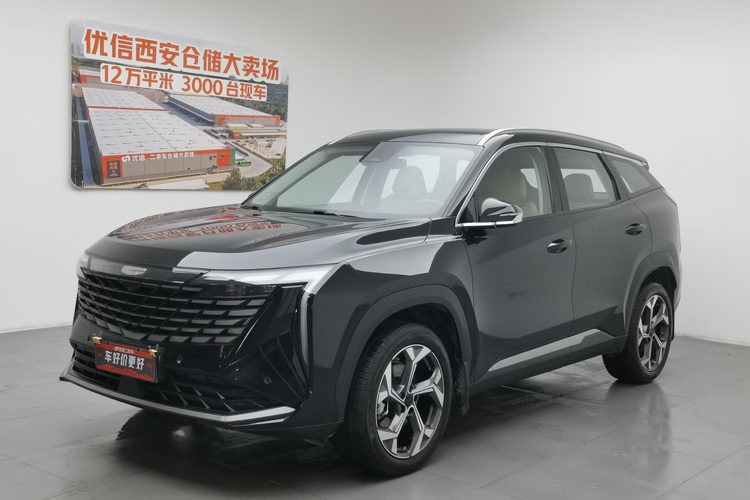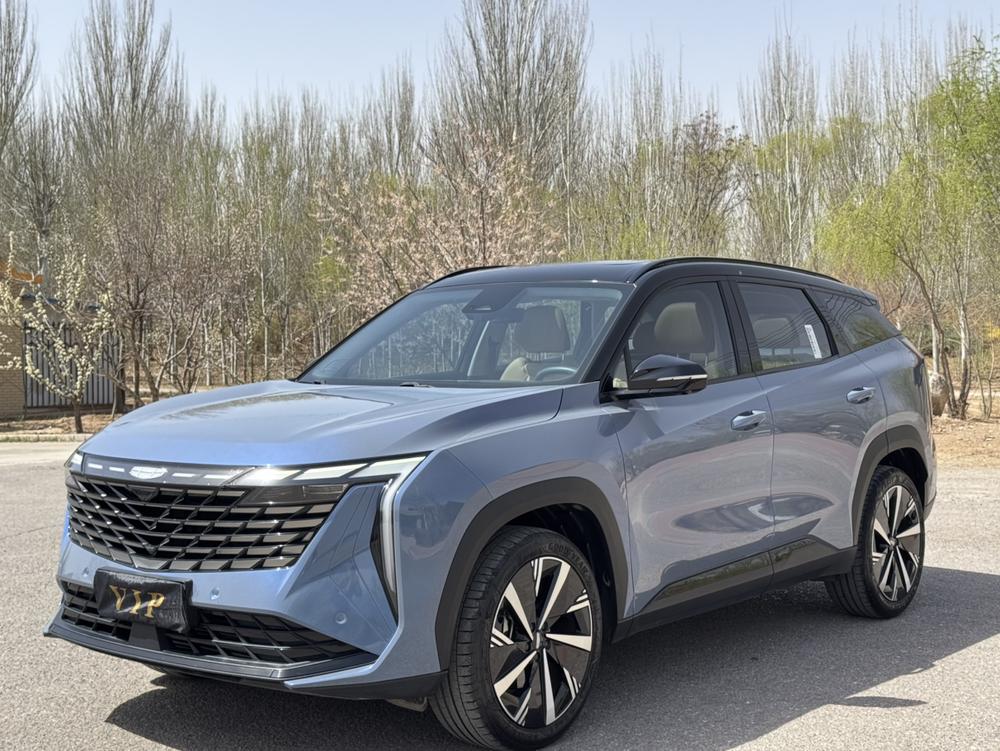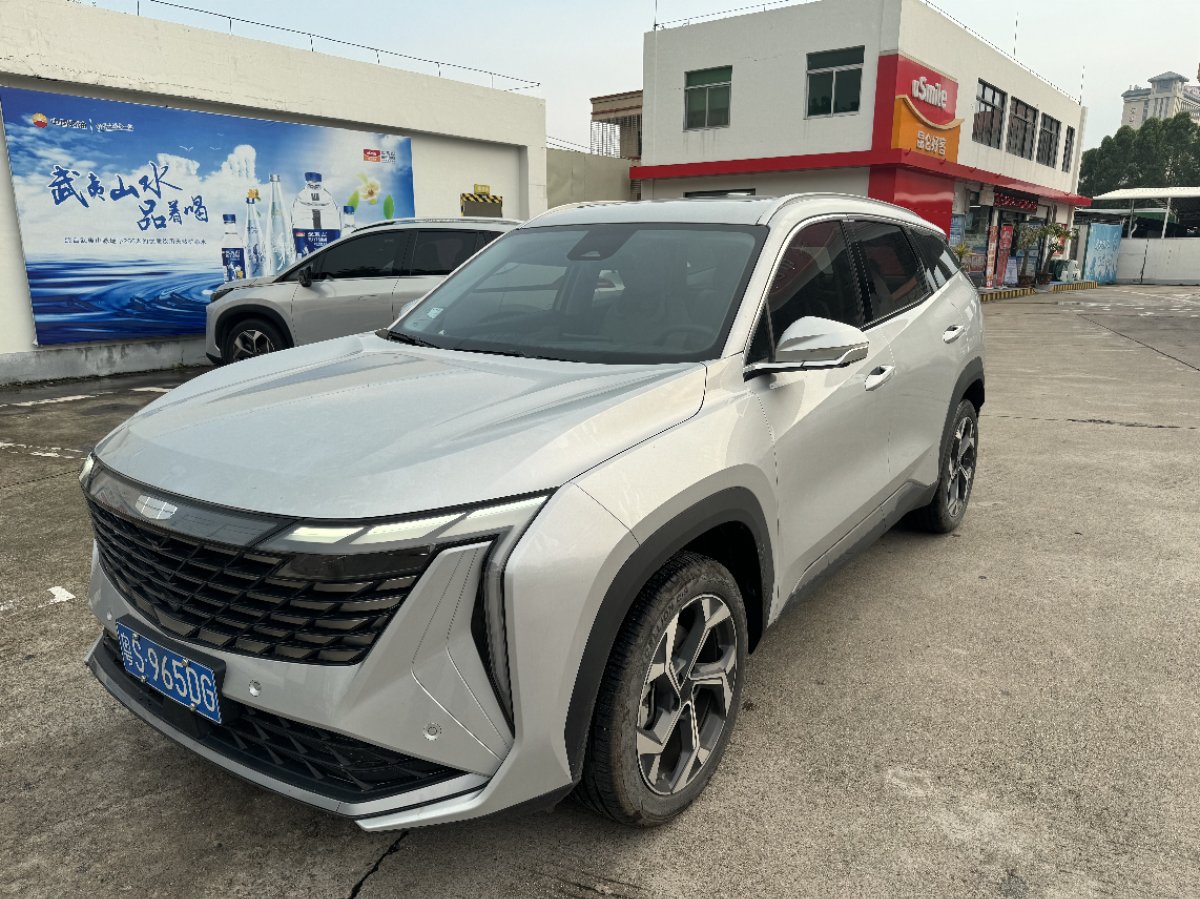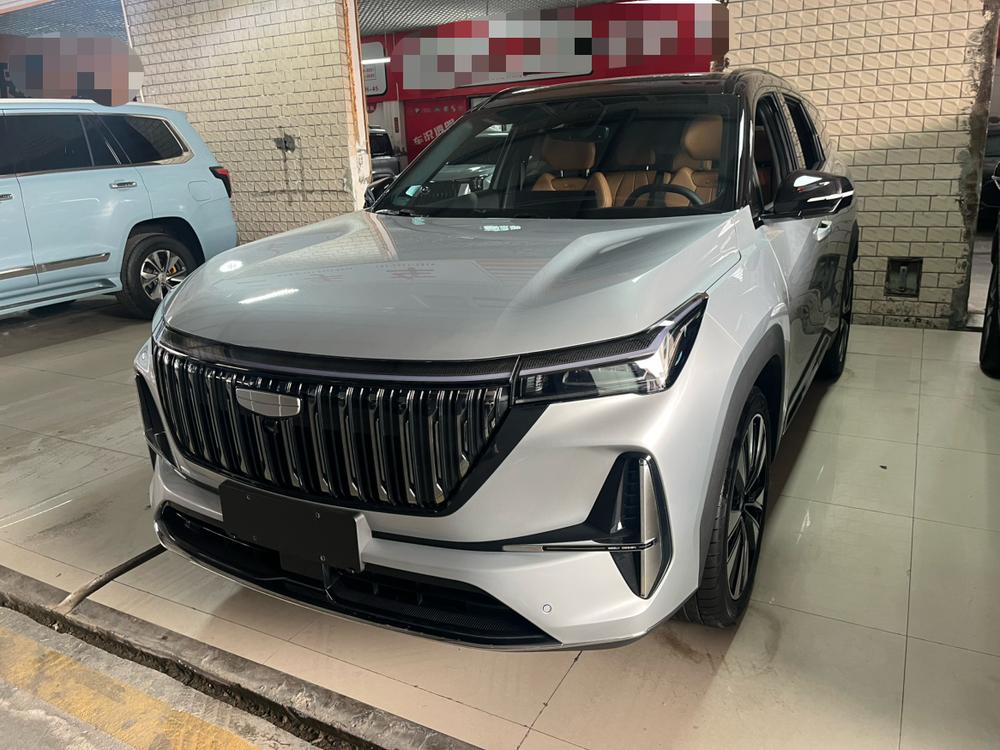
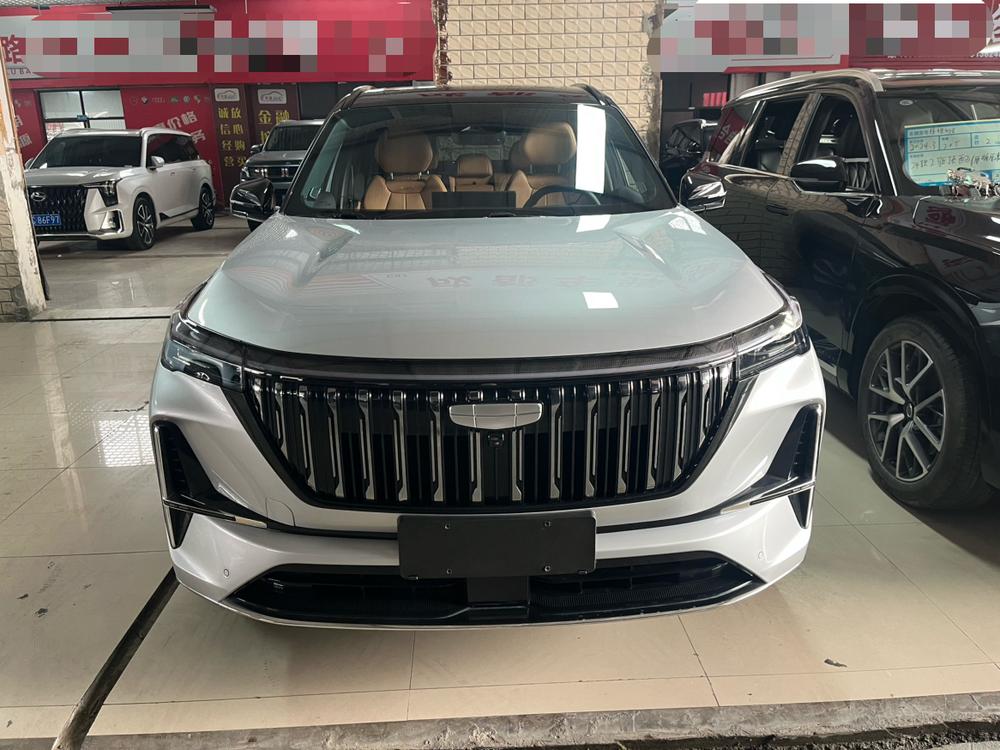
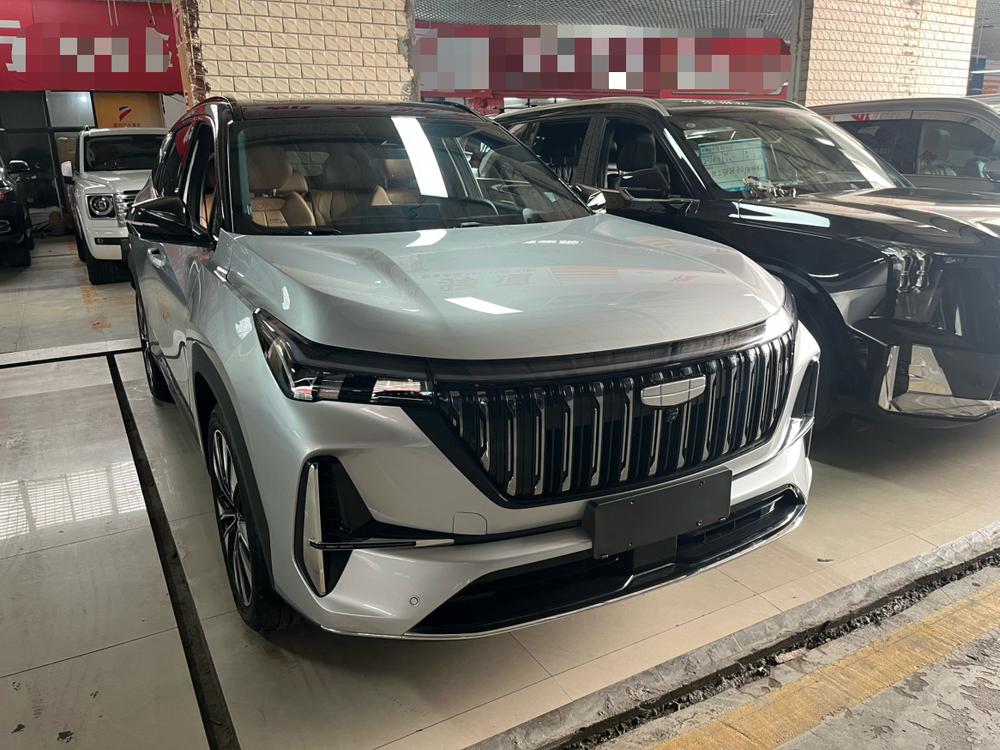
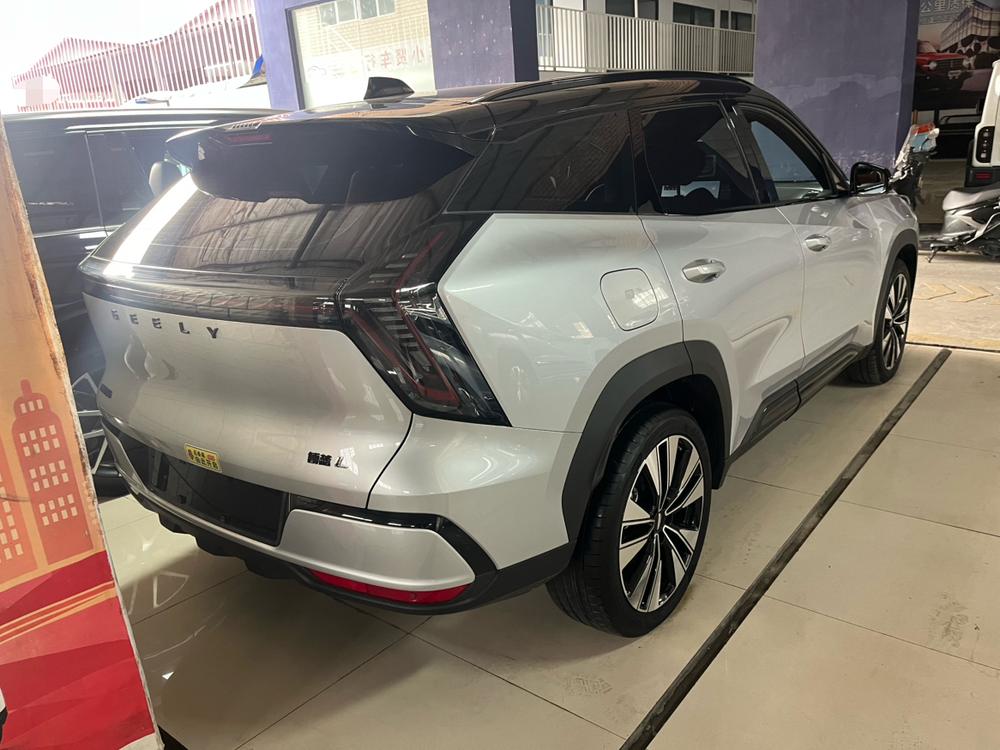
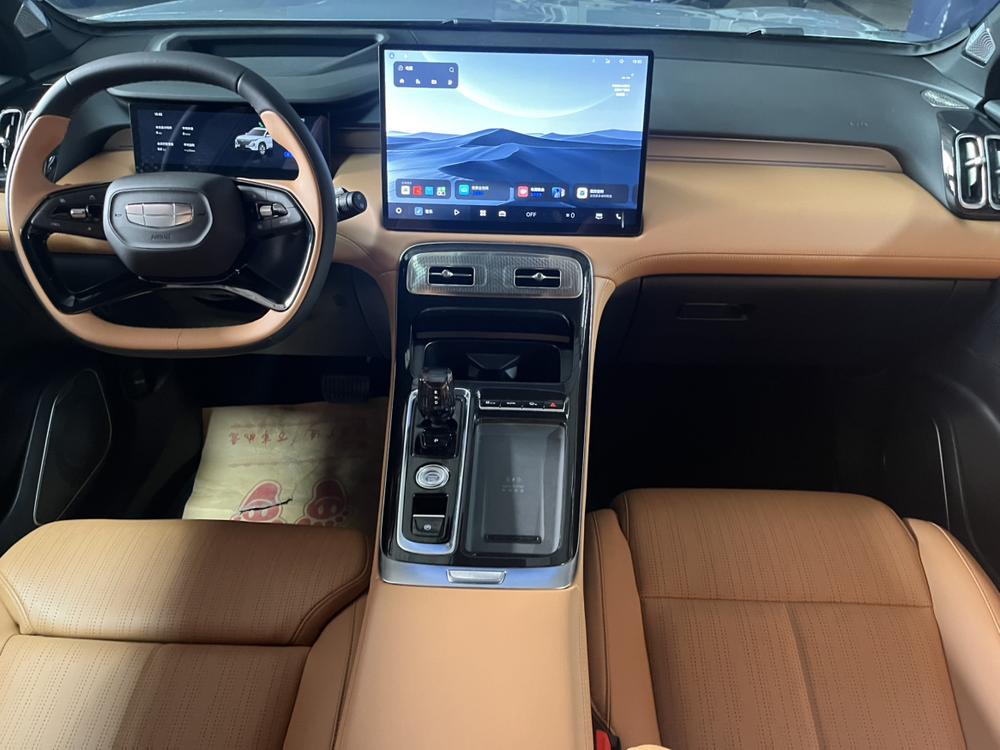
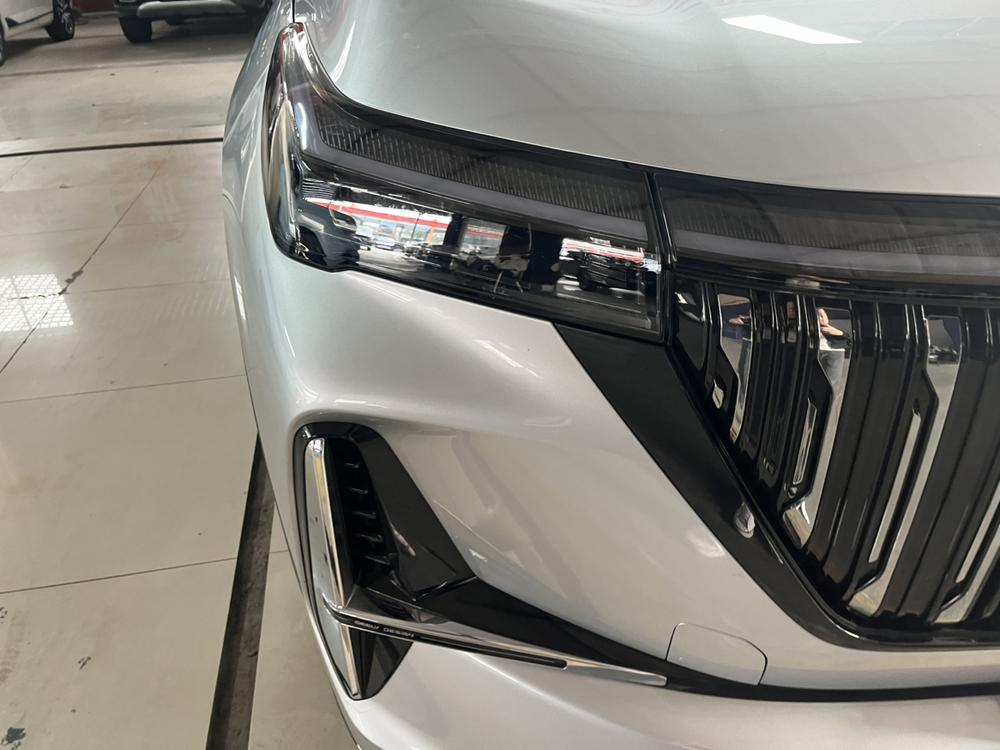
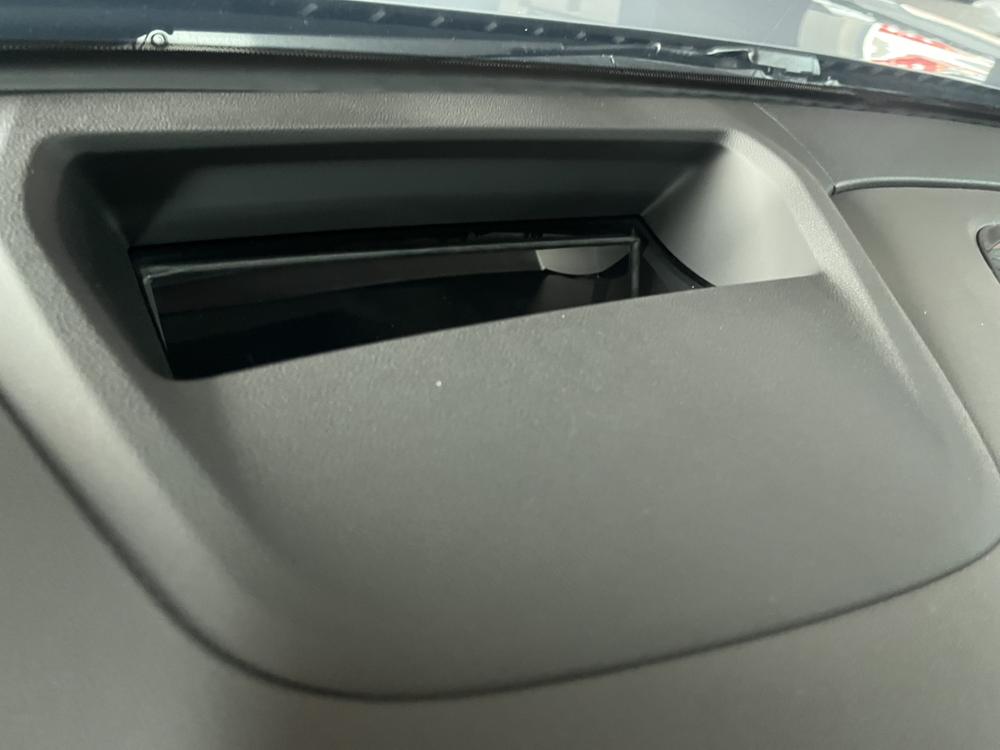
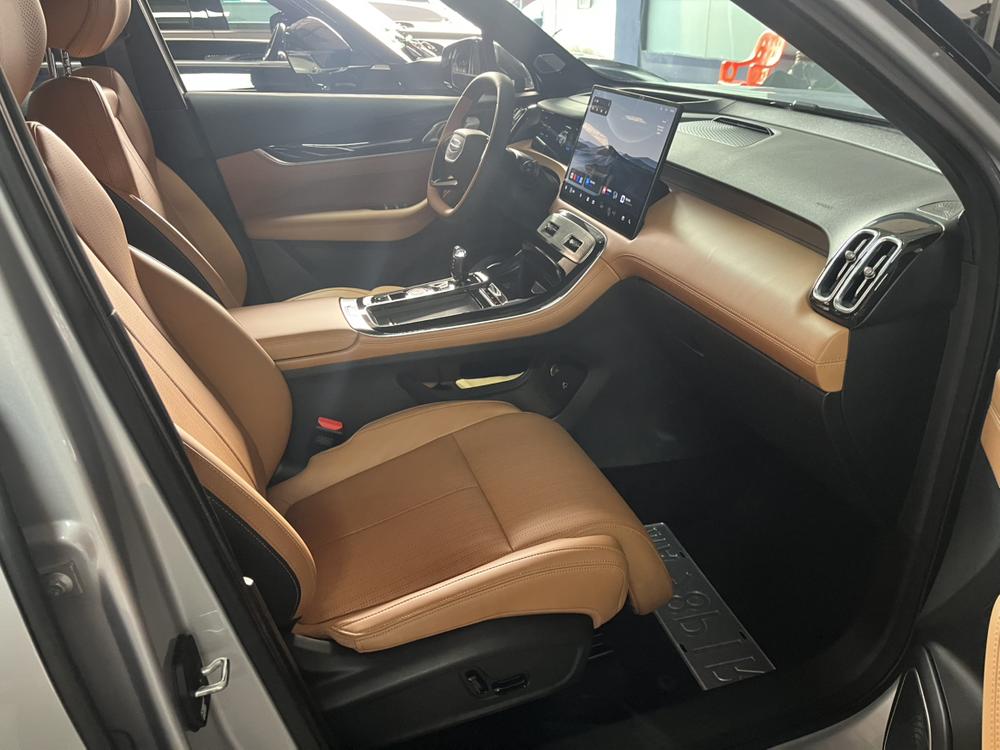
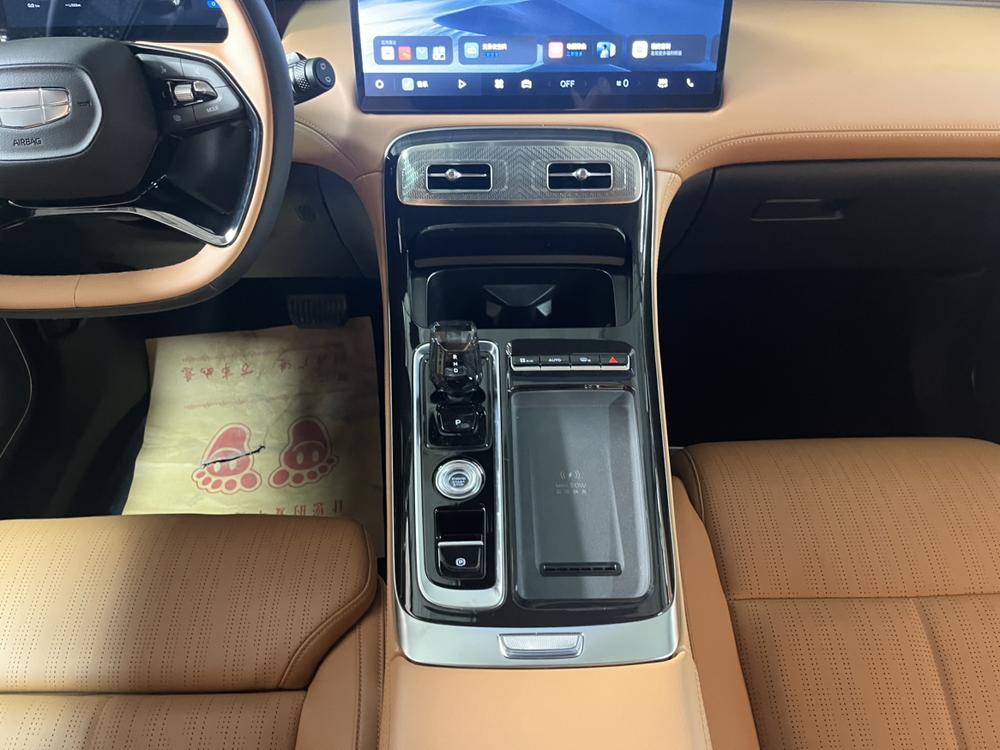
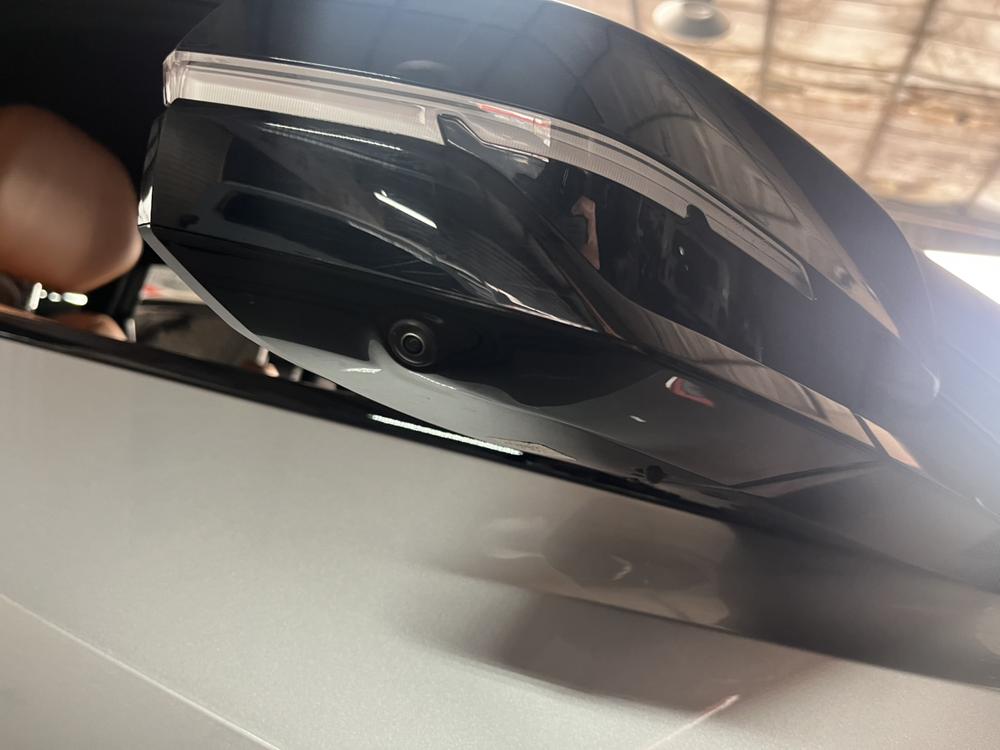
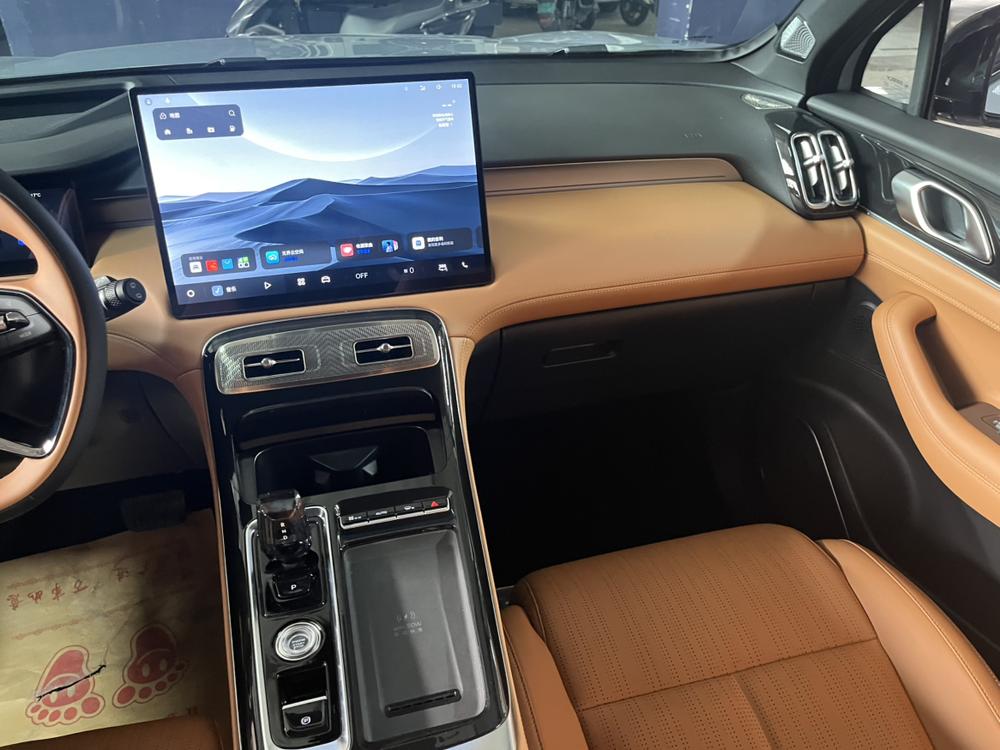
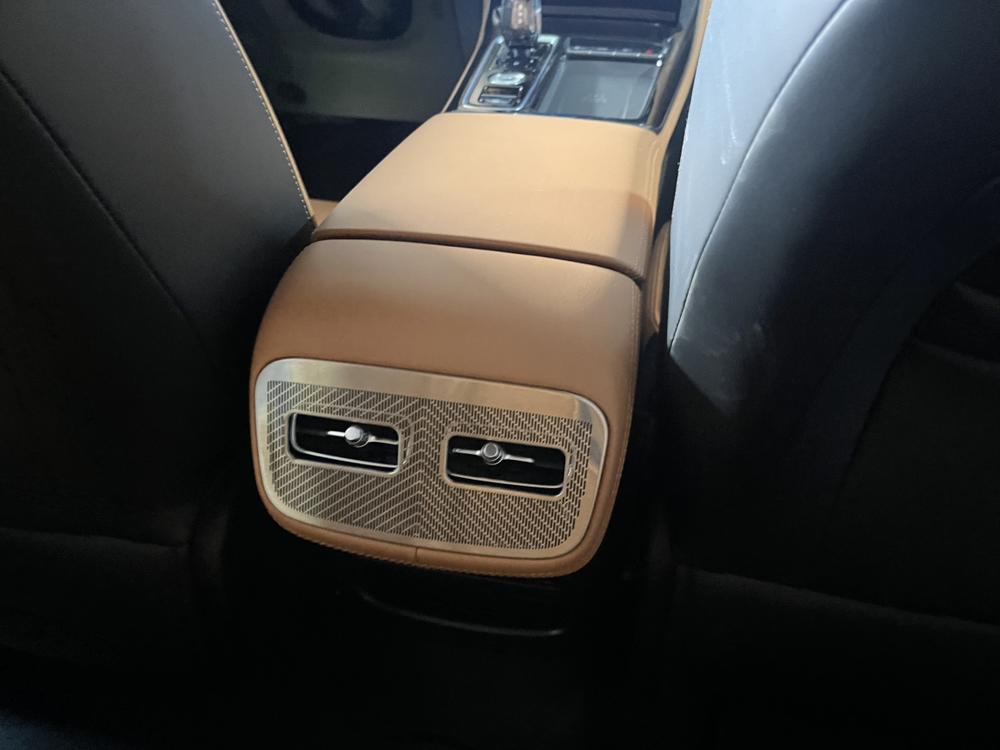
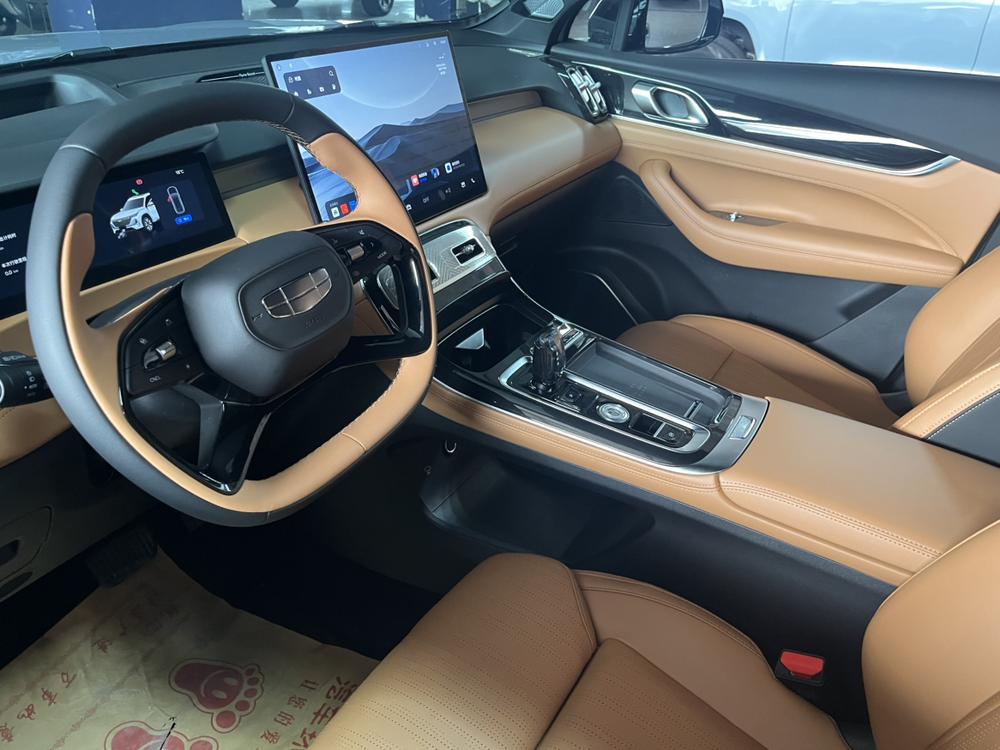
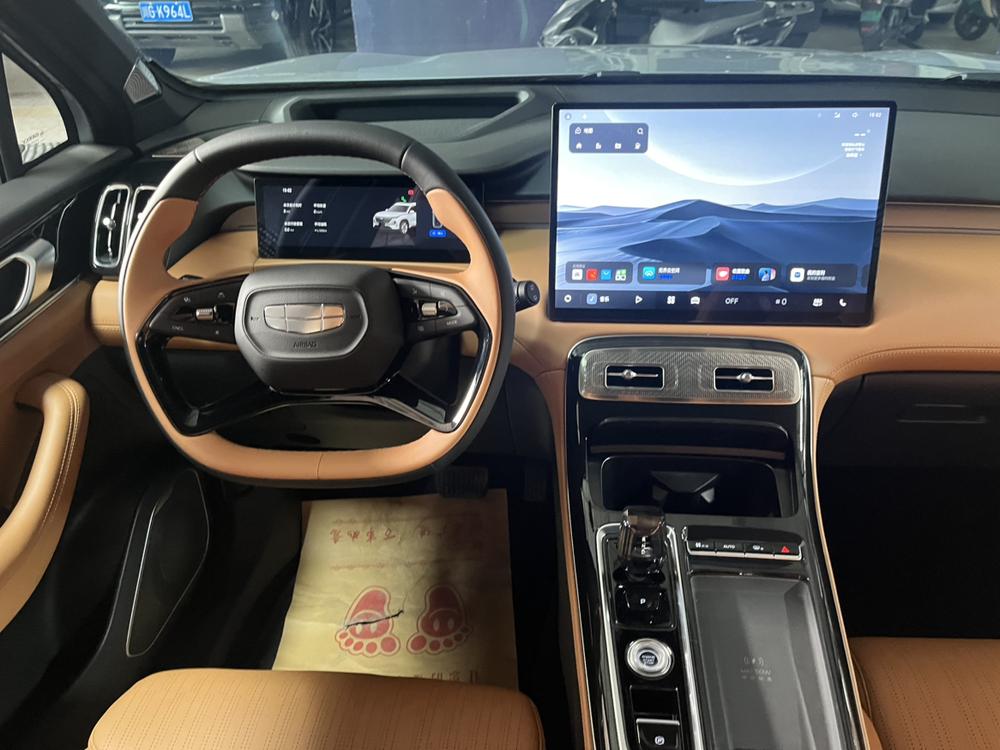
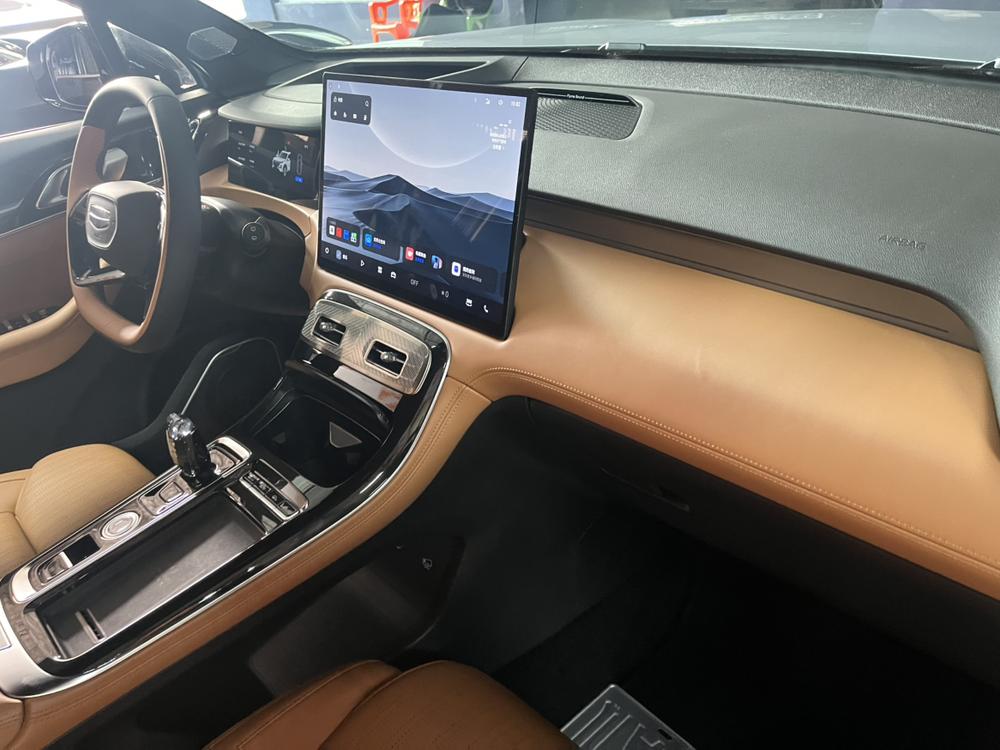
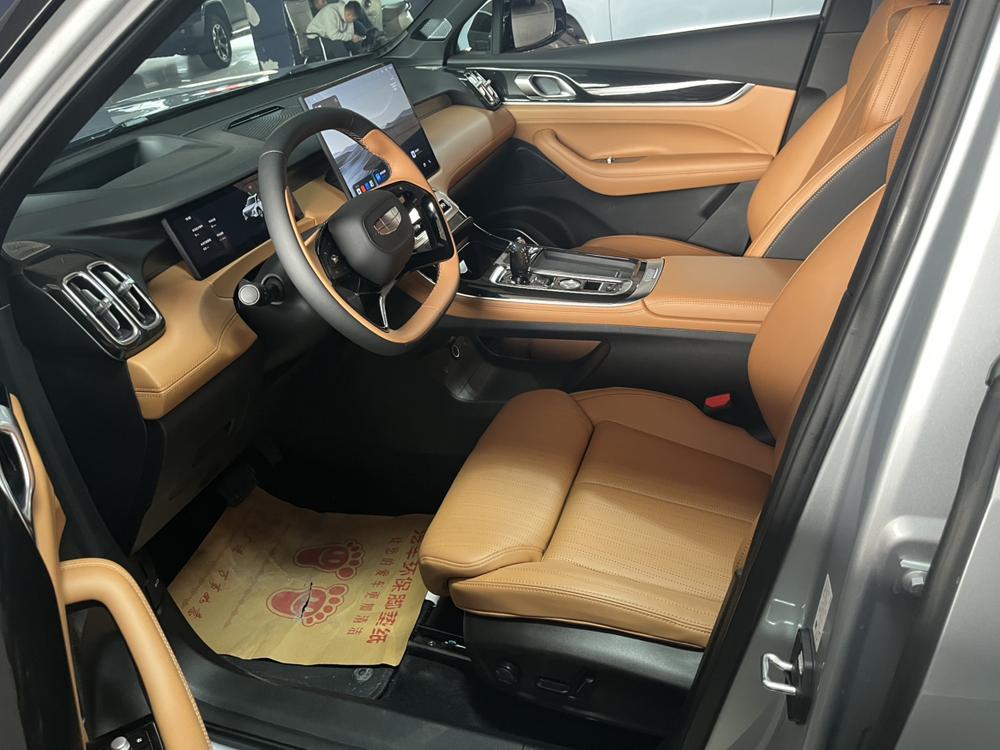
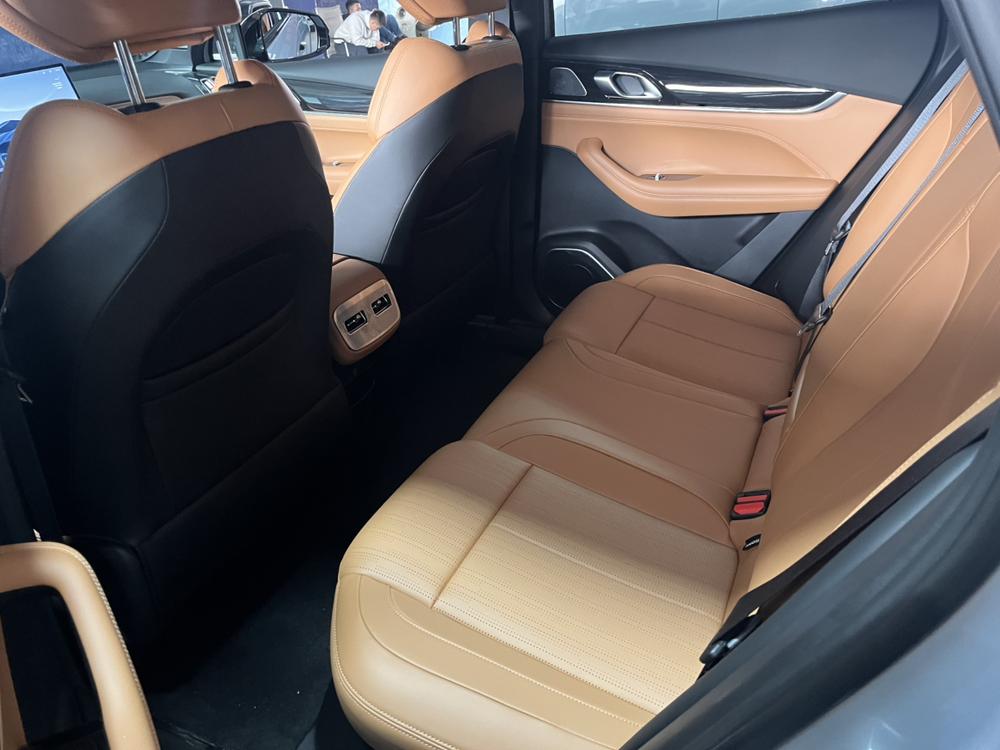
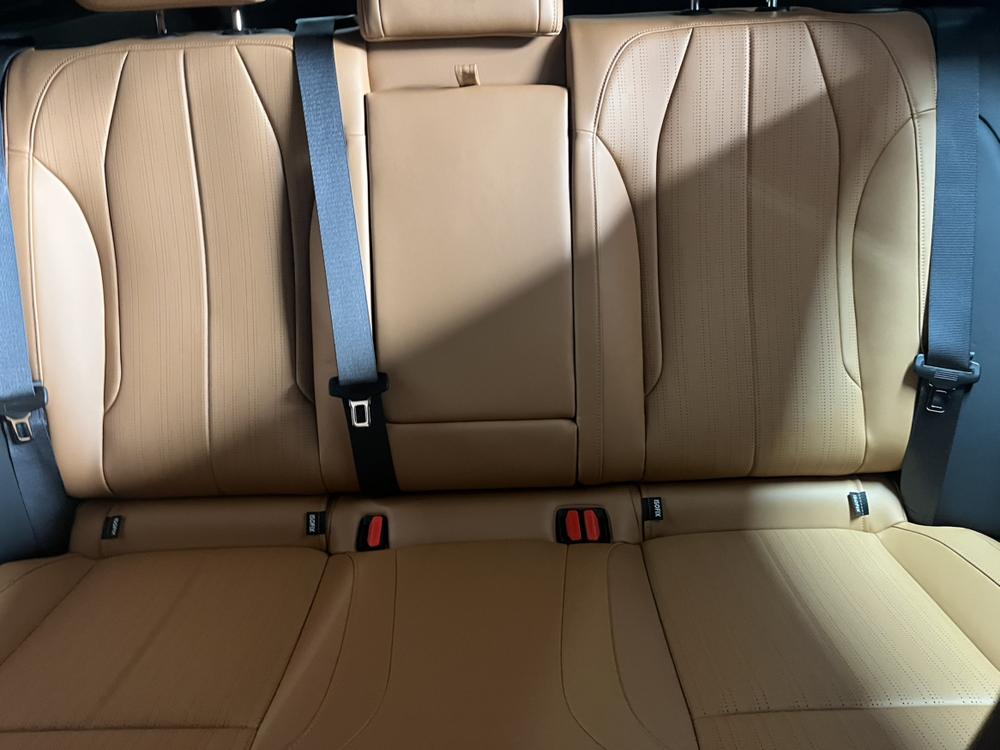
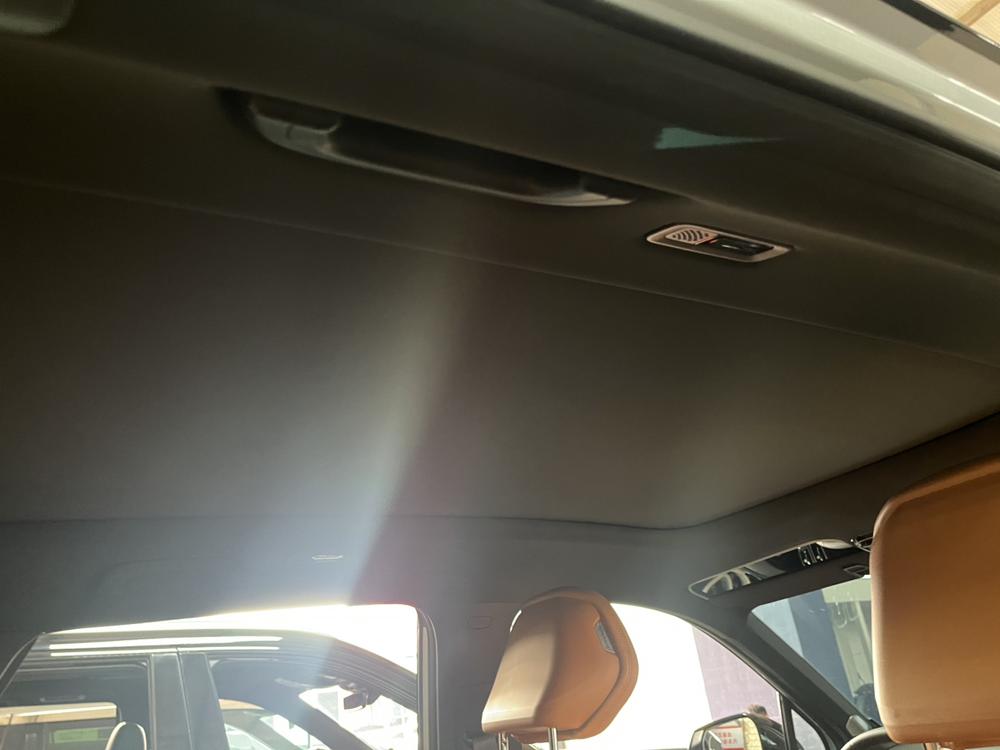
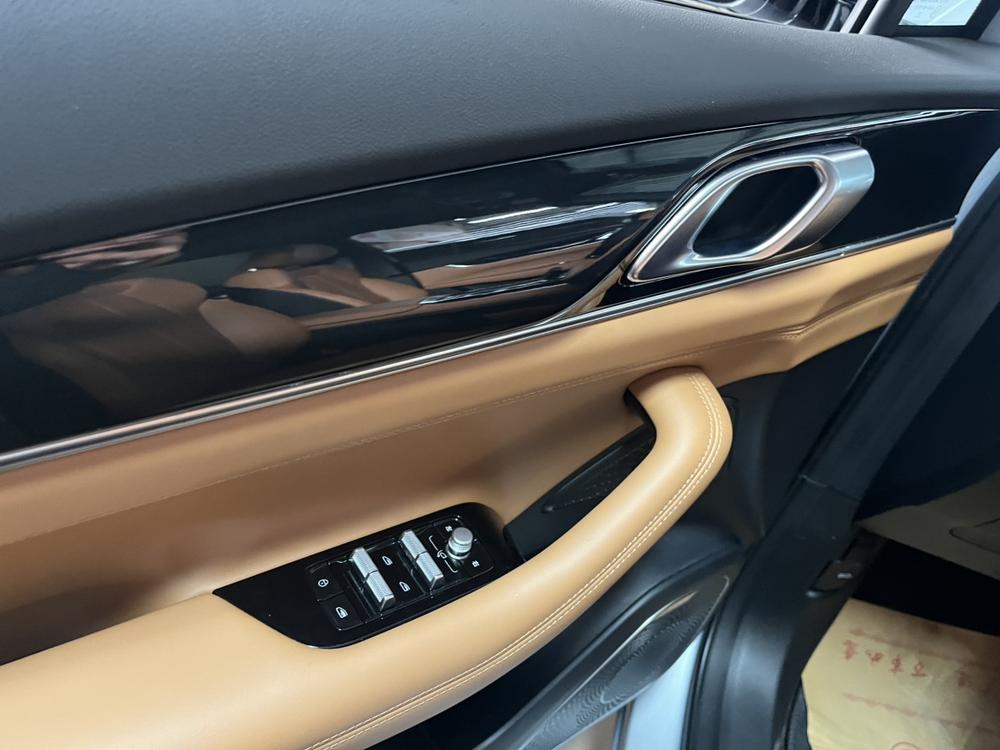
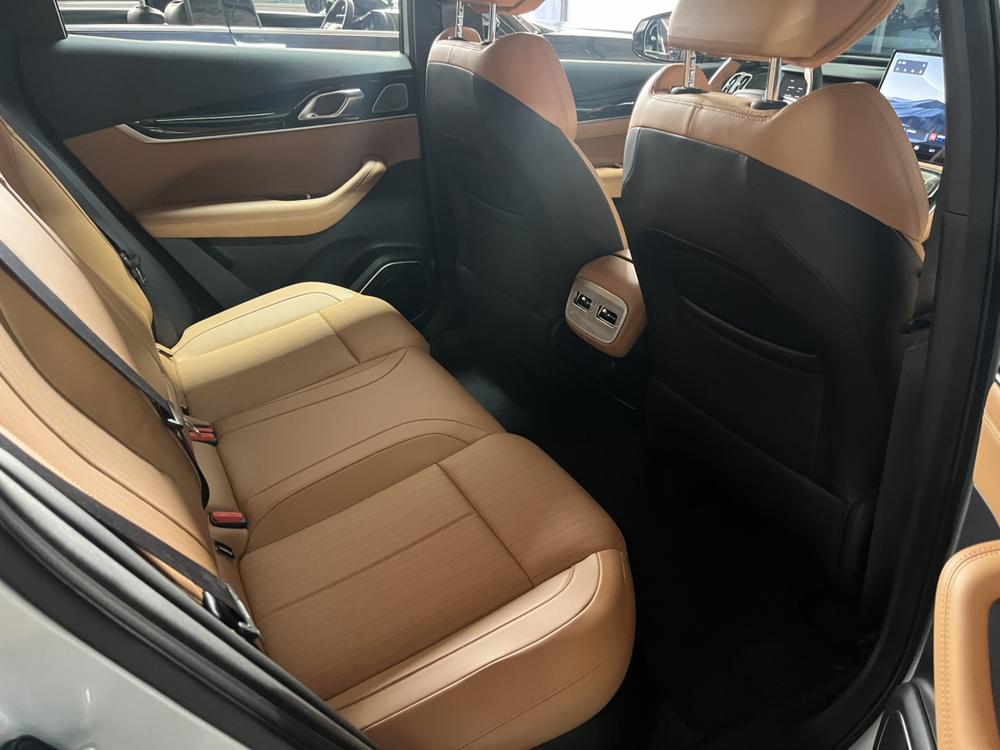
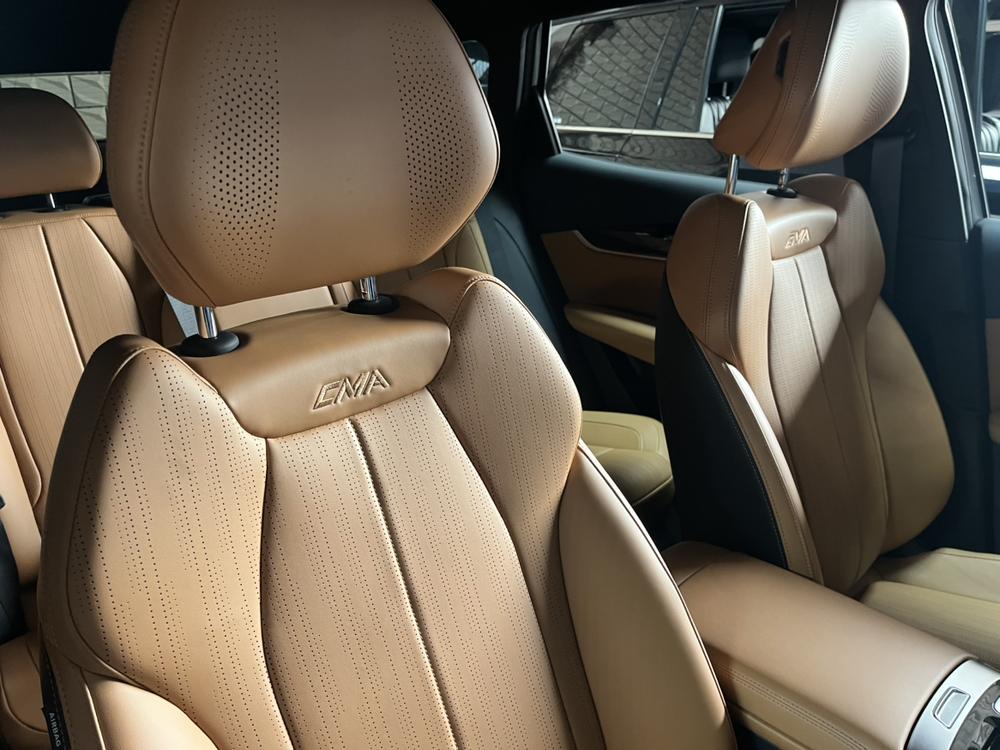
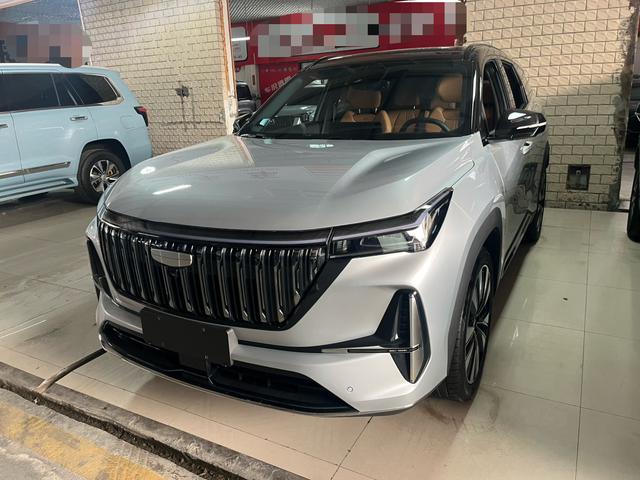



Basic Information

BrandGEELY
SeriesBoyue L
Year2025
First Registration2025/08
Mileage13,000km
Transfer Count0times
FuelGasoline
TransmissionDCT
Engine1.5T 181 L4
Color
Seats5seats

Condition Description

官方质检 · 60天全车质保· 7天无理由有偿退车

Configuration Highlights

✓上牌时间: 2025-08
✓表显里程: 1.3万公里
✓车源地: 成都
✓排放标准: 国六b
✓发动机: 1.5T
✓轴距: 2785mm
✓变速箱: 自动
✓最大功率: 133kW
✓功能配置: 30项
✓安全配置: 10项
✓动力类型: 前驱
✓空间舒适性: 好

Q&A

More

What is a Chinese vehicle registration certificate and how do I verify the seller actually owns the car?

The key document is the 机动车登记证书 (Vehicle Registration Certificate), the green booklet proving ownership. Along with it, the seller should provide the 行驶证 (driving license for the vehicle) and their ID. Verification steps: 1. Check that the VIN/chassis number on the certificate matches the car exactly, stamped on the dashboard and door frame 2. The certificate's 所有人 (owner) field must match the seller's company name or the export agent they claim to work with 3. Look at the registration history pages—frequent transfers in a short period can indicate problem cars being flipped 4. Confirm the car is not marked 抵押 (mortgaged/pledged to a bank) Be cautious if the seller only shows photos of these documents and refuses a live video panning across the original booklet with the day's newspaper. Also verify the export company has 二手车出口资质 (used-car export qualification)—a legitimate exporter will share their license number, which you can cross-check on Chinese commerce bureau websites.


Will there be detailed information on the vehicle's consumable parts (such as tire tread depth and remaining brake pad thickness)?

Yes. The inspection report includes a specific "consumable parts consumption list." We will measure the tire tread depth (in millimeters) and the remaining brake pad thickness using calipers. If the tire tread is below the legal wear limit of 1.6mm, we will note it as "recommended to replace immediately upon arrival."

What should the inspector check during a cold start test of the engine?

A cold start reveals problems that a warm engine hides. Ask your inspection agent to perform and film this sequence. First, the start itself: the engine should crank smoothly and settle into a stable idle within a few seconds. Extended cranking, blue or white smoke, or a lumpy idle suggest worn internals or head-gasket issues. Second, listen for timing-chain rattle or metallic tapping in the first ten seconds — cold top-end noise often means deferred maintenance. Third, watch the exhaust on a cold morning: brief white vapor is normal in winter, but persistent blue smoke means oil burning, and sweet-smelling white smoke can indicate coolant leaking into the cylinders. Fourth, have the inspector scan the OBD system right after the cold start; misfire counters and fuel-trim values are most honest when the engine is cold. Ask for a continuous, timestamped video from outside the car before startup through at least five minutes of idling, so you can verify the engine really was cold.