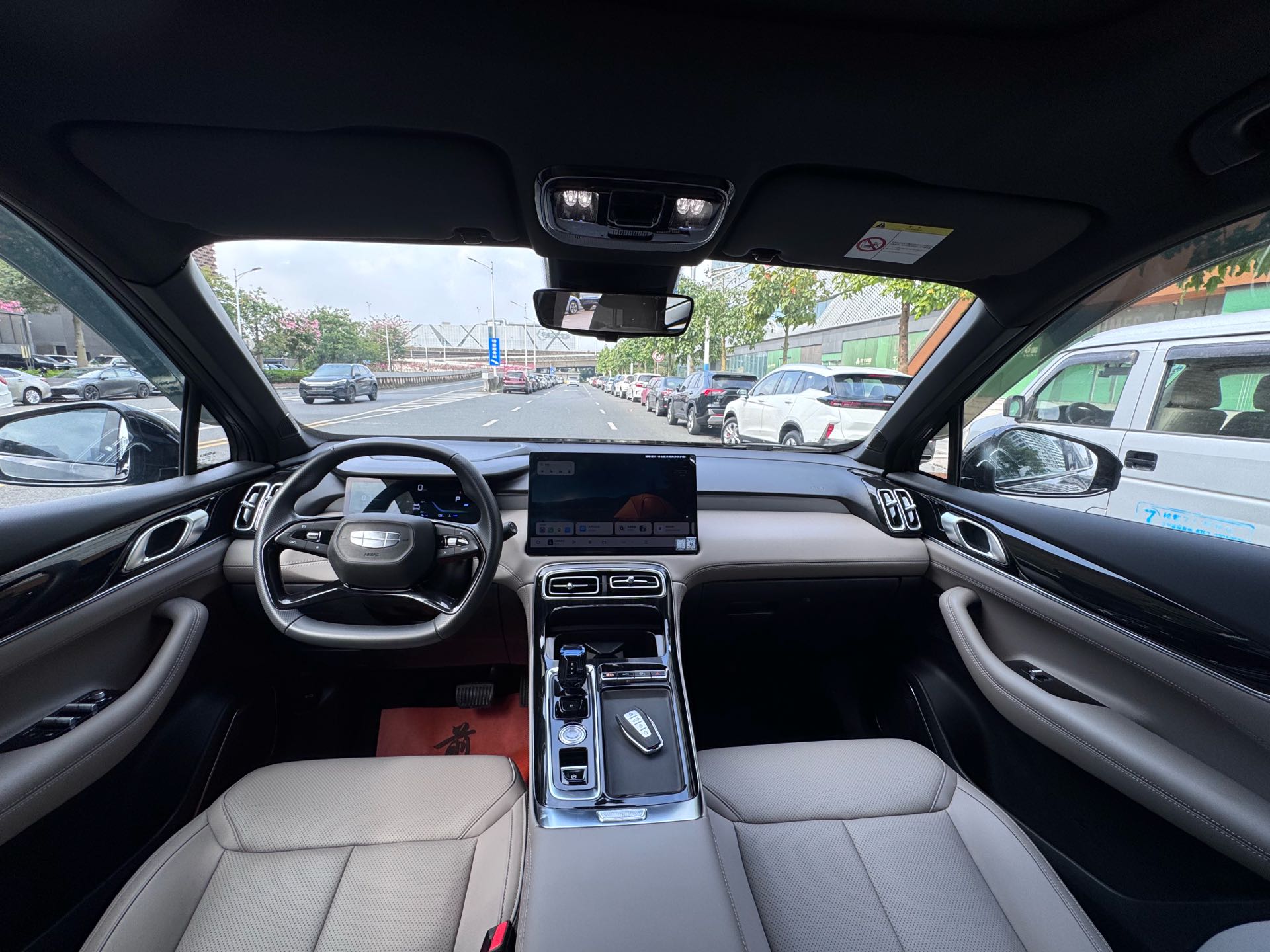
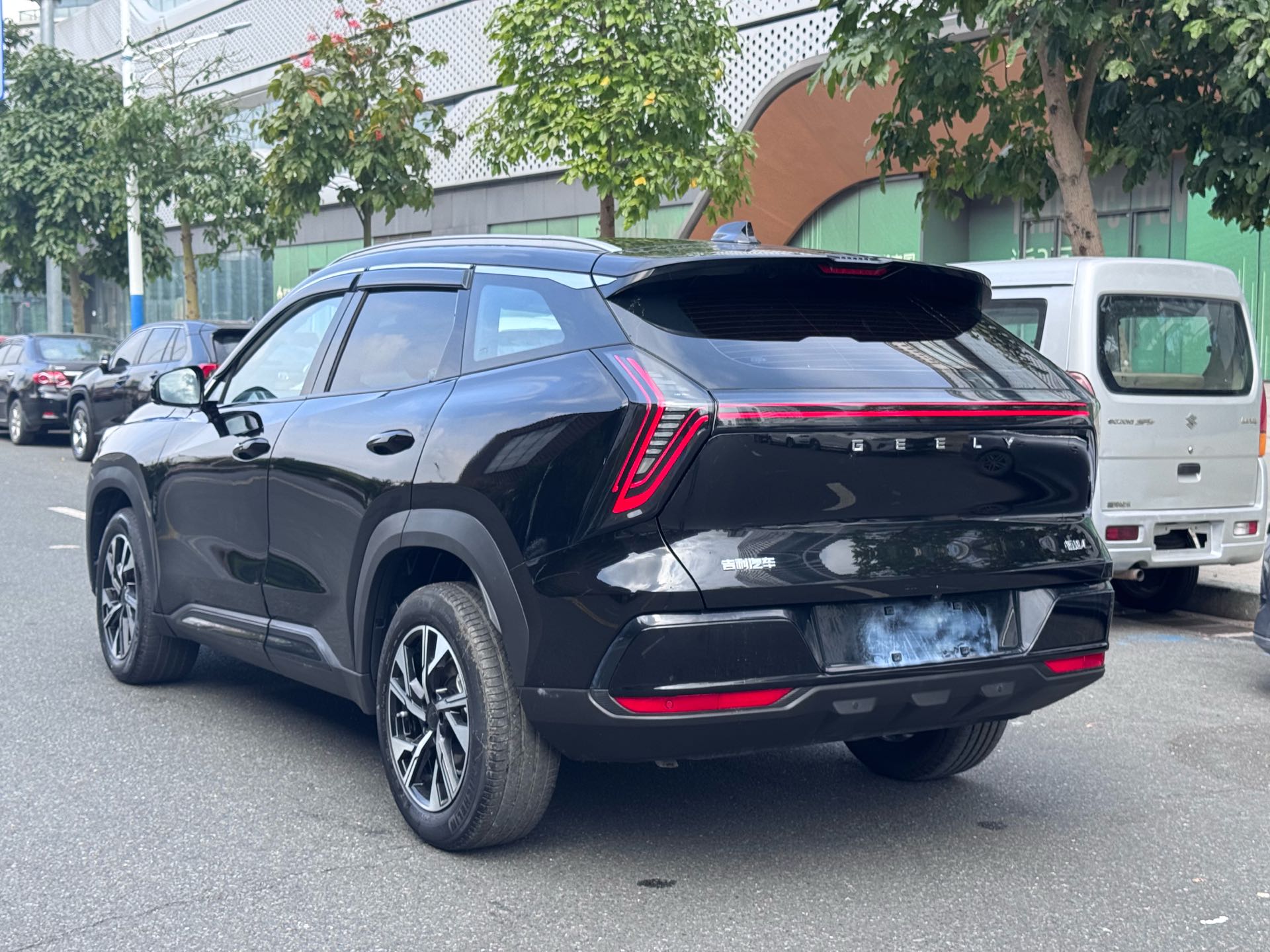
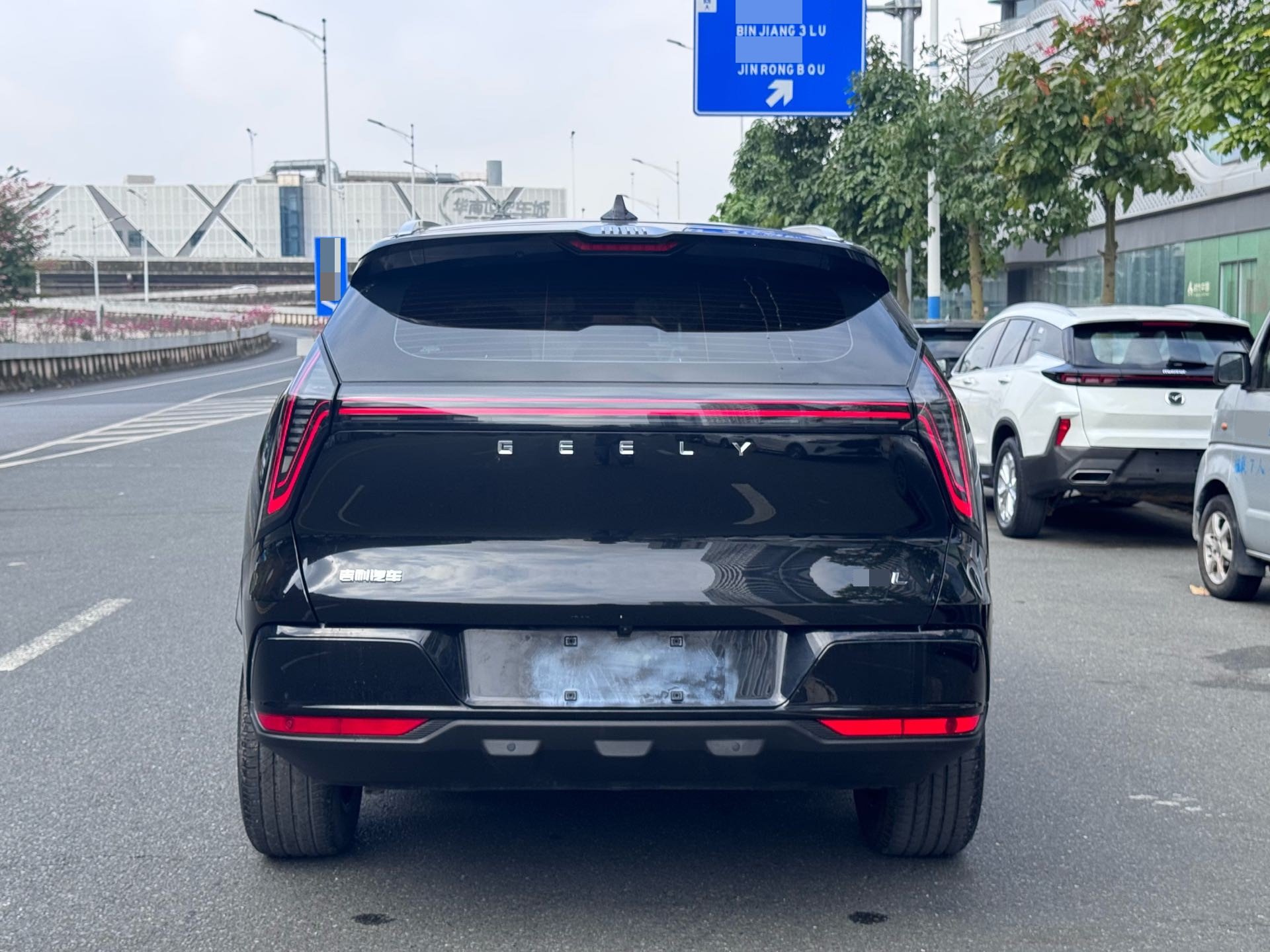
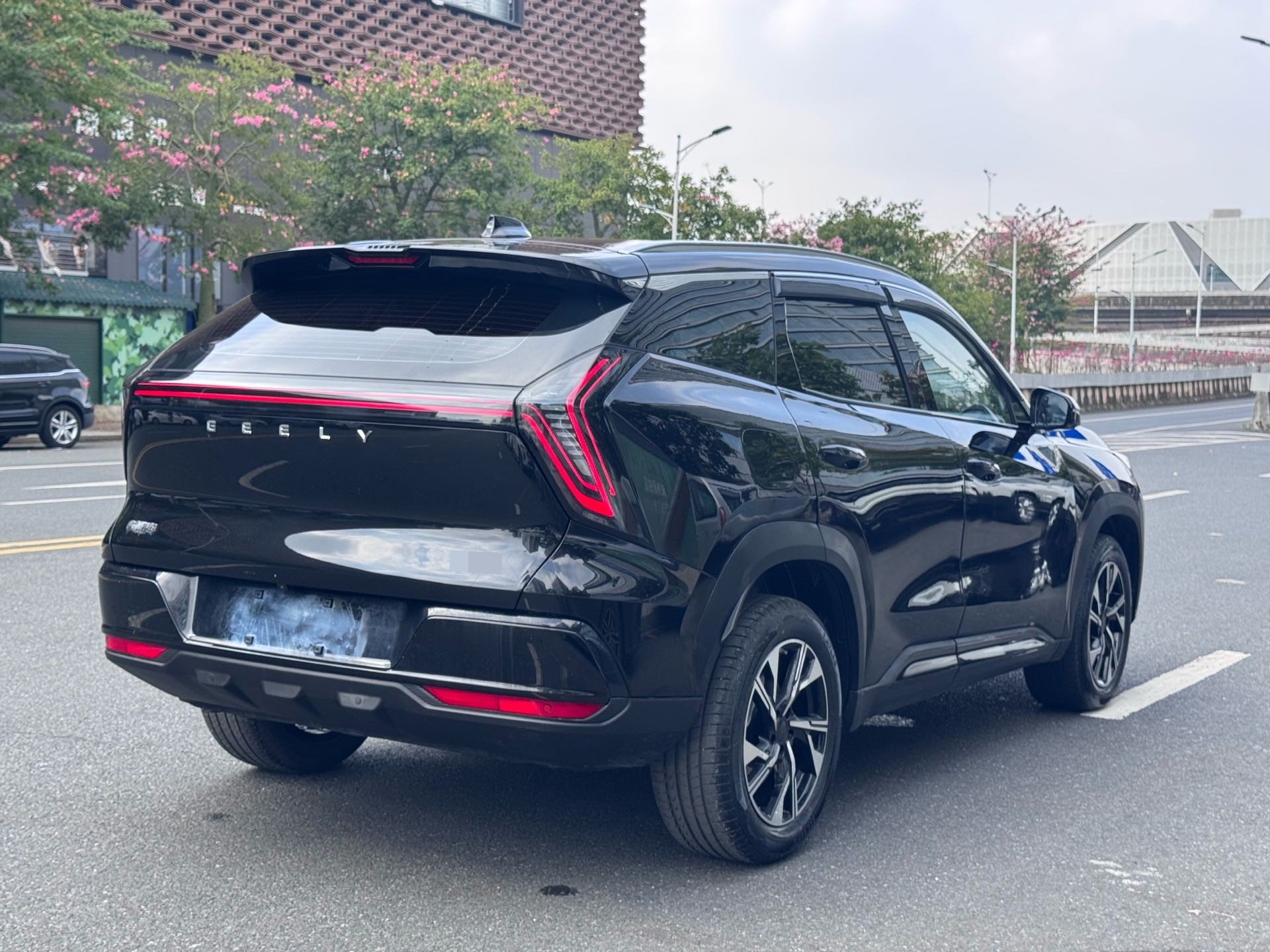



Do used cars exported from China come with English service manuals, and how do I source parts for repairs in my country?
Most Chinese brands provide owner manuals in Chinese only, but you can usually get an English version through three channels: ask the exporter (many keep PDF copies), download from the brand's overseas website, or use the car's built-in infotainment system which is often switchable to English. For parts, start with the VIN. Send it to the exporter and ask for the OEM part numbers you need — many parts are shared across models sold domestically and abroad. Common wear items (filters, brake pads, suspension components) are increasingly stocked by international parts platforms and can be shipped within days. For body panels and brand-specific electronics, ordering directly from China via the exporter is often the only option, so factor a 2–6 week wait into your planning. Practical tip: before buying, ask the exporter for a parts price list for the specific model. If they cannot supply one, that is a warning sign about after-sales support. Keep a small stock of common consumables in advance to avoid downtime.