24H

Basic Information

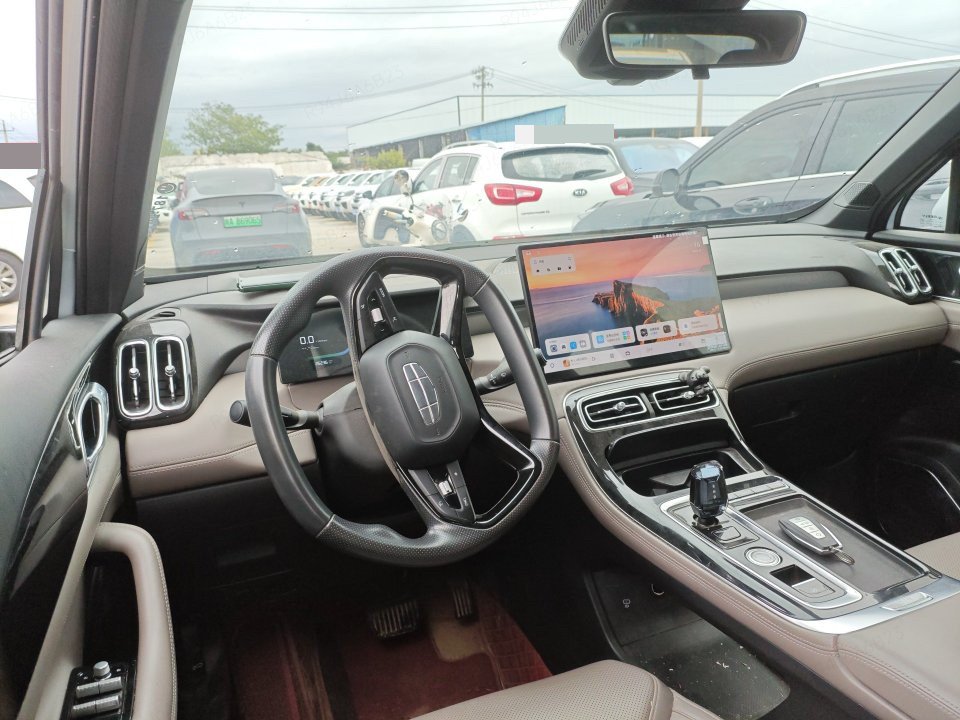
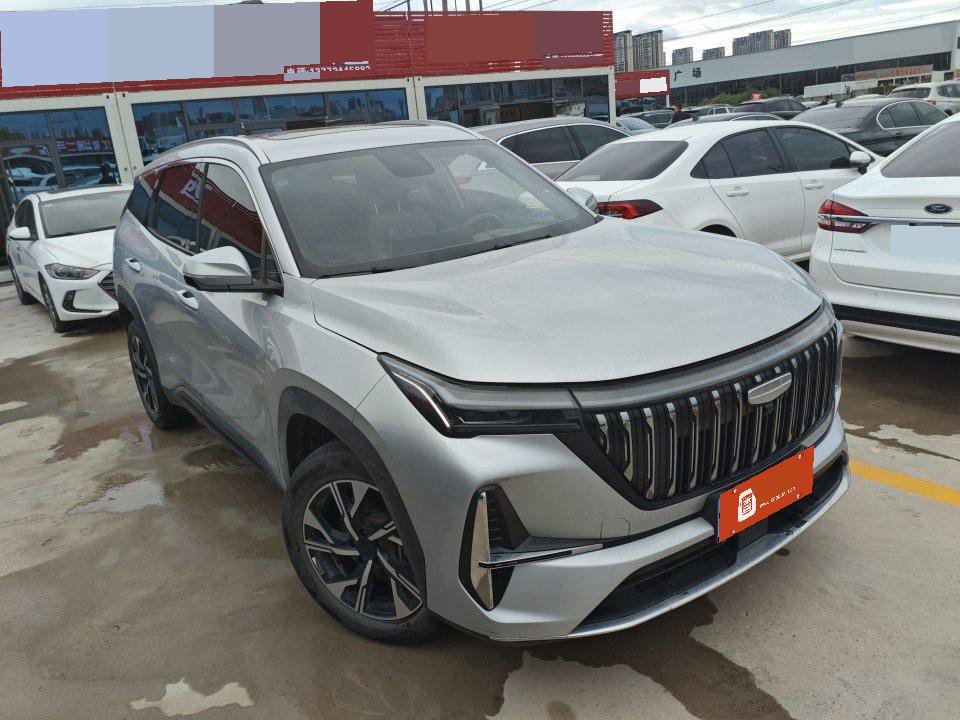
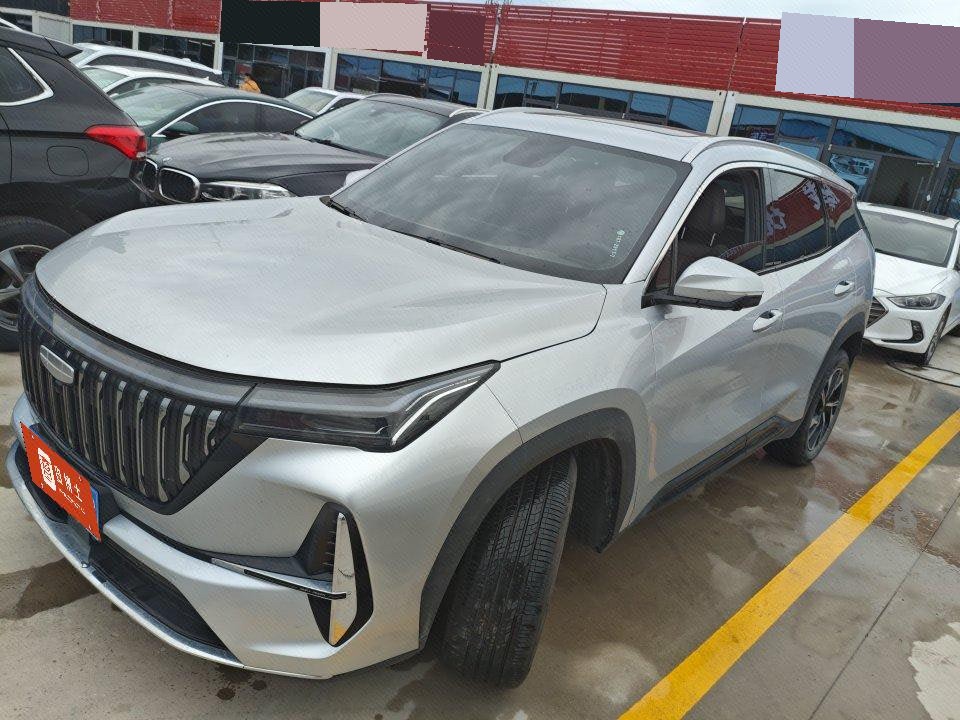
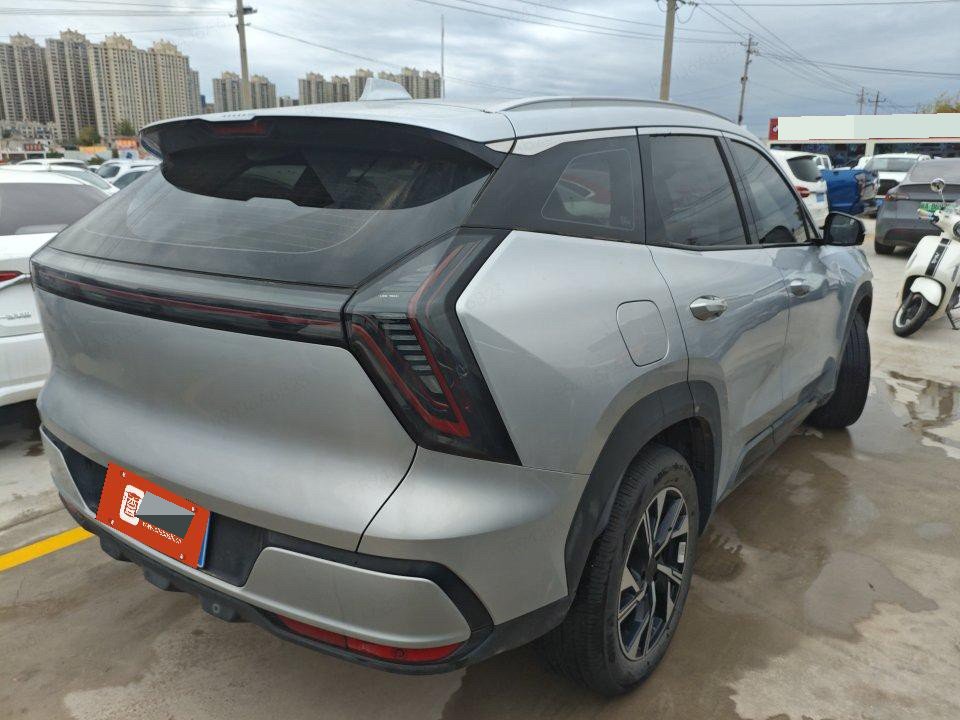
BrandGEELY
SeriesBoyue L
Year2025
First Registration2025/05
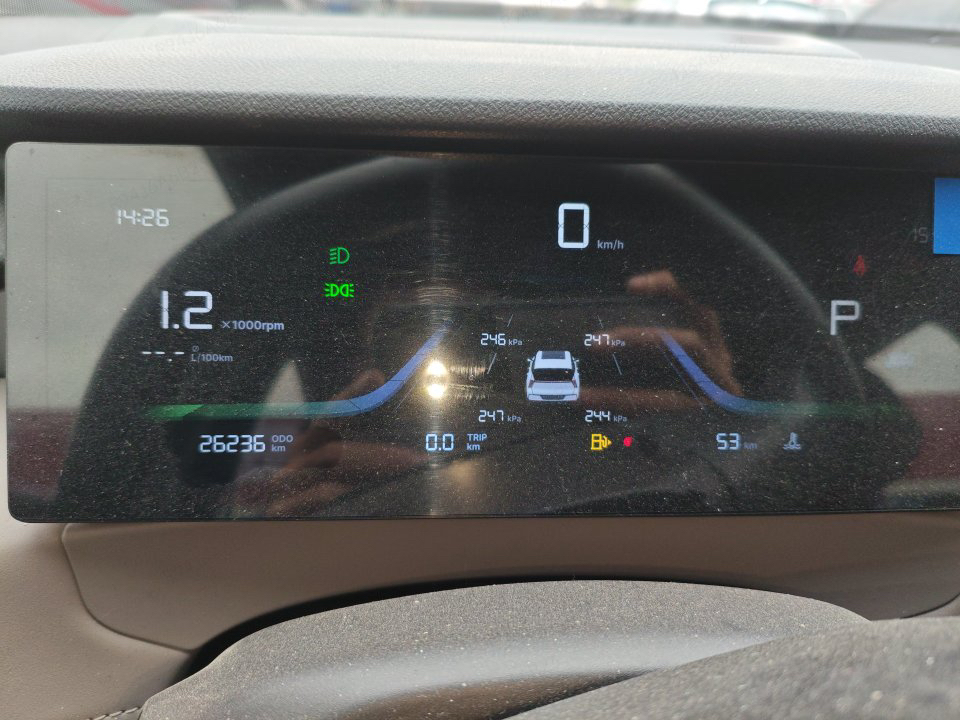
Mileage26,000km
Transfer Count0times
FuelGasoline
TransmissionDCT
Engine1.5T 181 L4
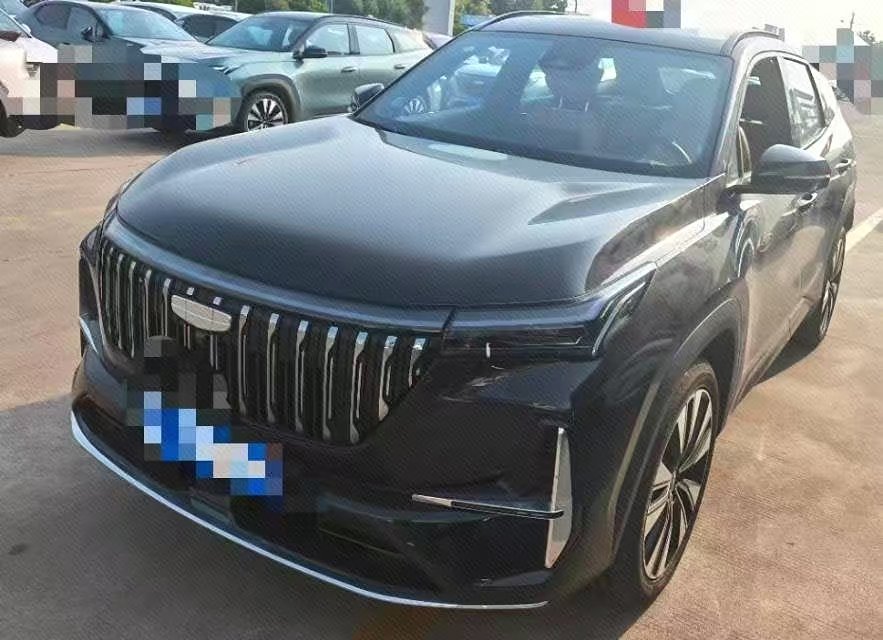
ColorGrey
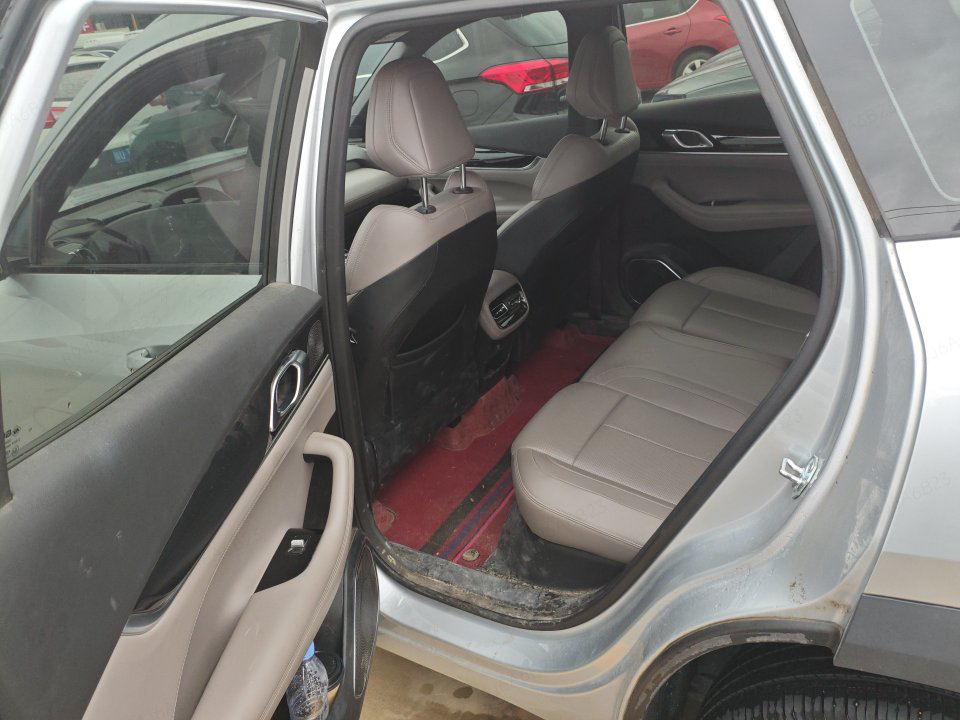
Seats5seats

Condition Description

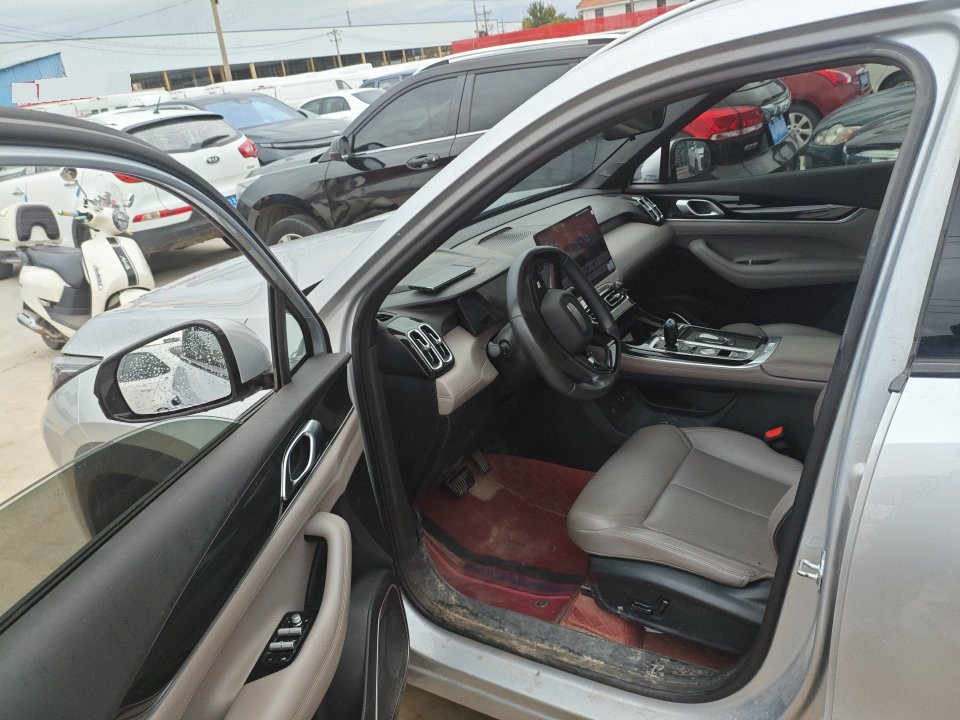
Dr. Cha grade S, rear surround/lid repainted, rest of metal panels original paint, one-owner vehicle

Document Information

Inspection Expiry Date-
Warranty Expiry Date-
Insurance Expiry Date2027/05

Q&A

More

What level of condition should overseas buyers expect for cars older than 5 years?

Maintain objective expectations. Vehicles over 5 years old inevitably show signs of decreased paint gloss, slight aging of rubber seals, irreversible patina on interiors, and surface rust on chassis components. As long as core structure and mechanical failures are not involved, these are normal depreciation characteristics over time.

Beyond the car price, what costs should I budget when importing a used car from China?

A realistic budget has several layers beyond the vehicle price. First, inland logistics in China: moving the car to the export port typically costs $300-$800. Second, export handling: inspection, customs declaration and paperwork usually add $500-$1,000. Third, ocean freight. A 20ft container to most destinations runs $1,200-$3,000 depending on route; RoRo shipping can be cheaper for driveable cars. Add marine insurance, usually 0.3%-0.5% of the car value. Fourth, destination charges: port handling, customs duties, VAT/GST and local registration fees. These vary widely; some countries charge duties of 20%-80% of the vehicle value plus an excise based on engine capacity. Finally, any compliance work: inspection certificates, modifications to meet local standards, or homologation. Ask your exporter for a full CIF quote and have a local customs broker confirm destination taxes before you commit.
How is payment typically structured when buying a used car from a Chinese exporter, and how do I stay safe?

A typical payment structure looks like this: 1. Deposit: 10-30% after you confirm the car and price, often to reserve the vehicle and start the inspection. 2. Balance: paid after you approve the inspection report, but before or at shipment. A common safeguard is paying against a copy of the bill of lading, with telex release of the original B/L after funds arrive. 3. Never send 100% upfront to a new supplier. Use traceable methods (T/T bank transfer to a corporate account matching the company name, or escrow for first orders) and keep every agreement in writing. 4. Timeline: quote within days, inspection 3-7 days, booking and loading 1-2 weeks, ocean transit 3-6 weeks, customs clearance 3-10 days. Red flags: personal bank accounts, pressure to skip inspection, prices far below market.