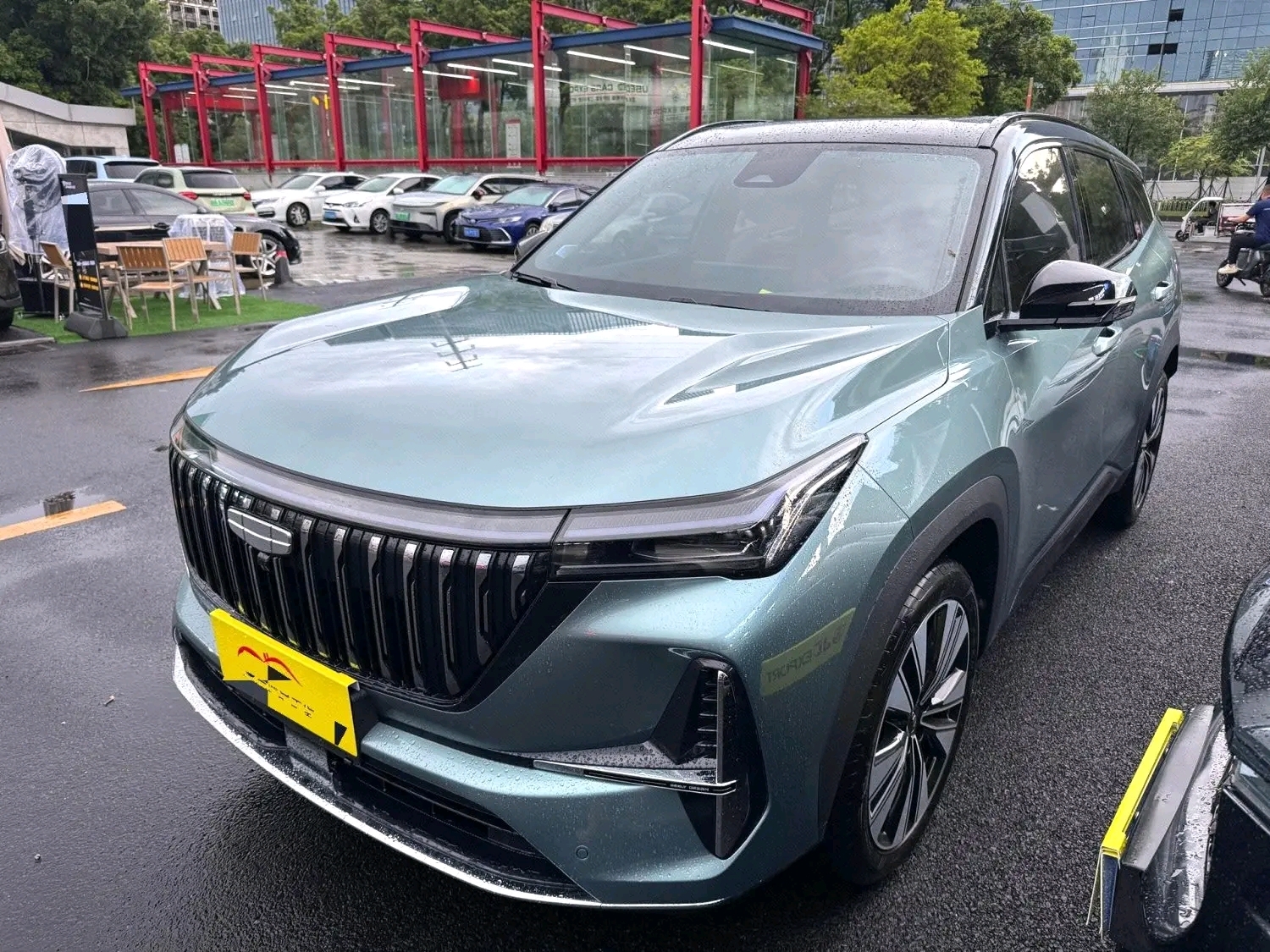
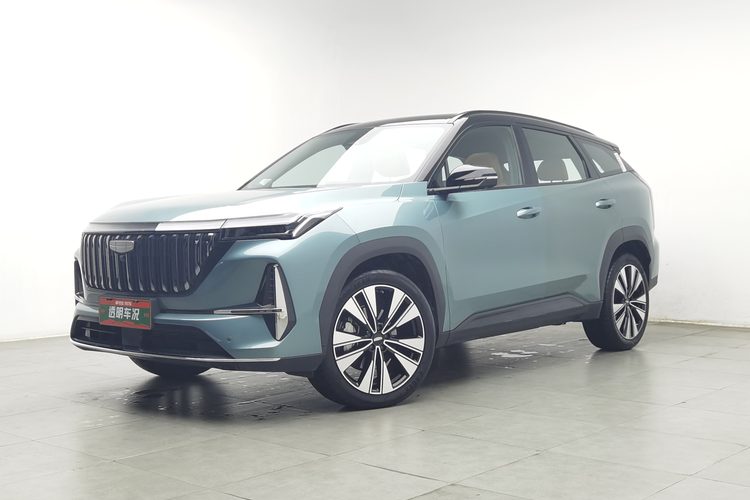
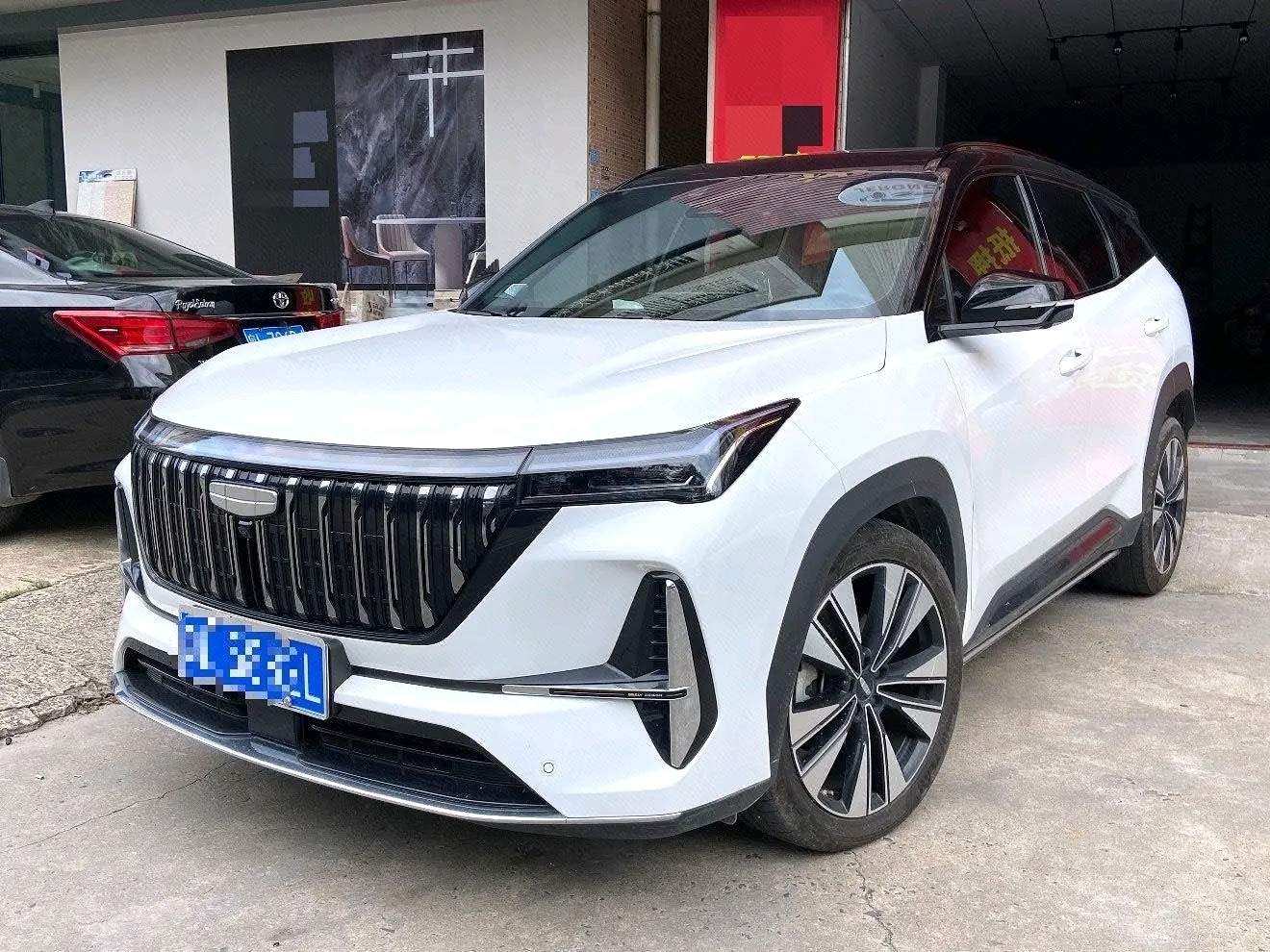
Basic Information

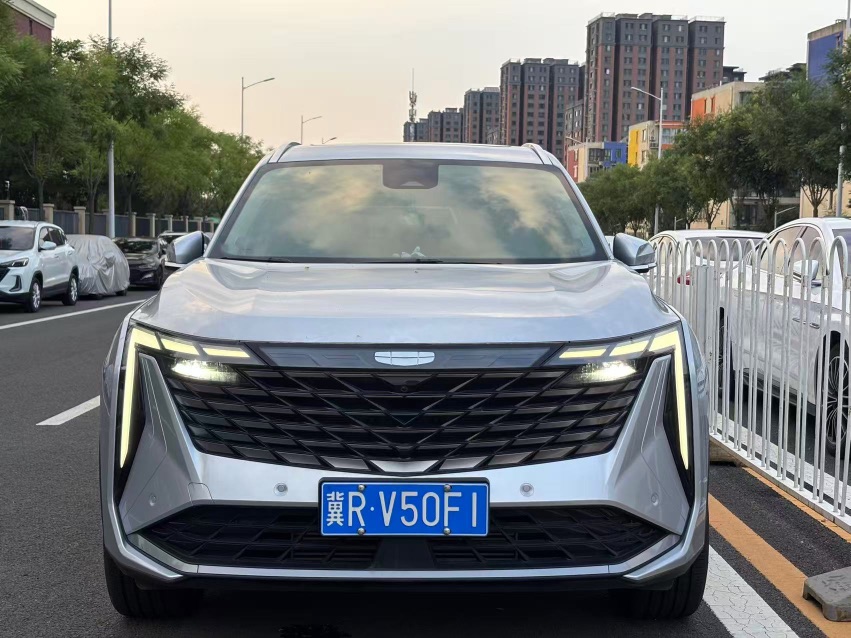
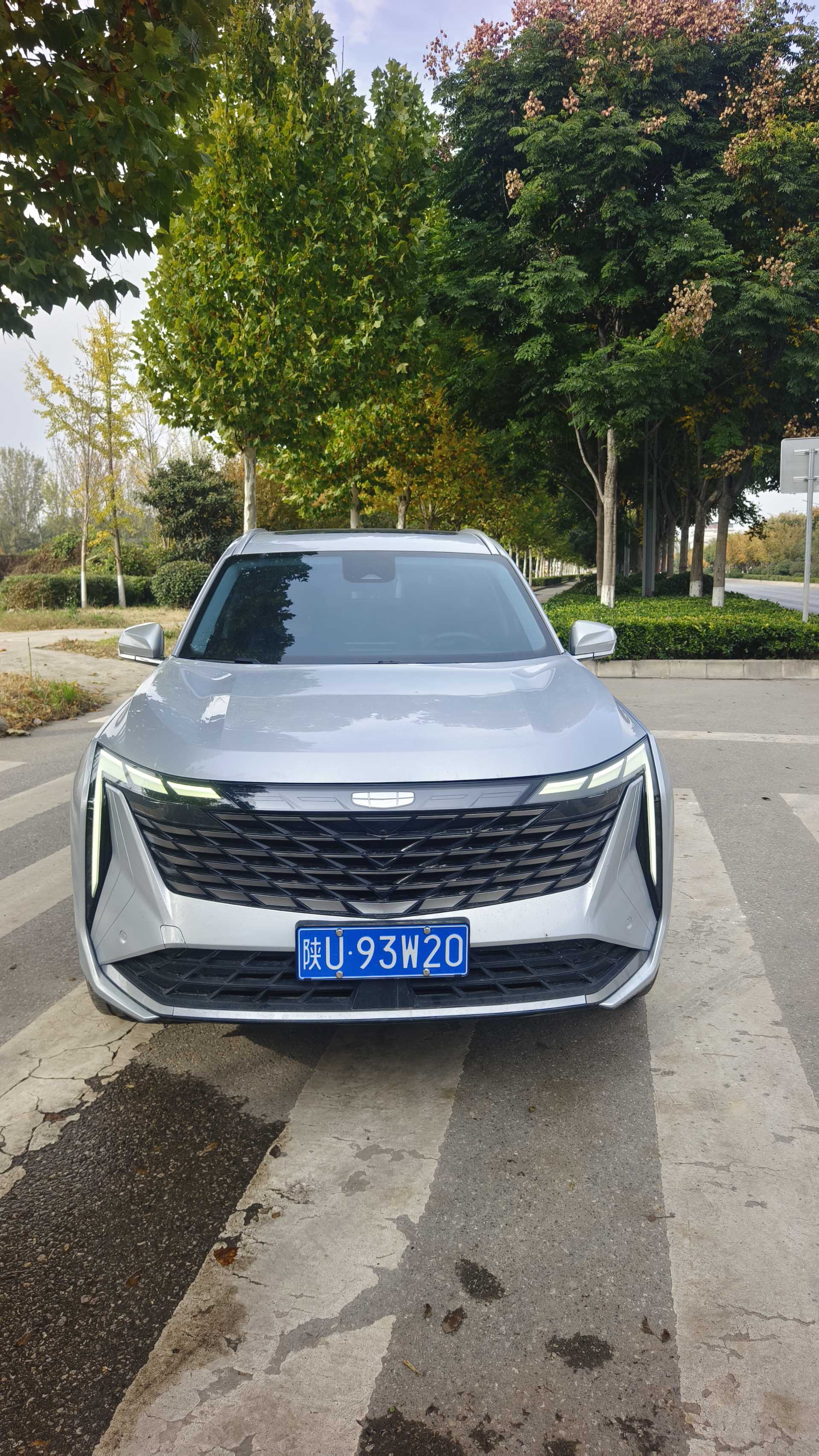
BrandGEELY
SeriesBoyue L
Year2025
First Registration2025/04
Mileage10,000km
Transfer Count0times
FuelGasoline
TransmissionDCT
Engine1.5T 181 L4
ColorGrey
Seats5seats

Condition Description

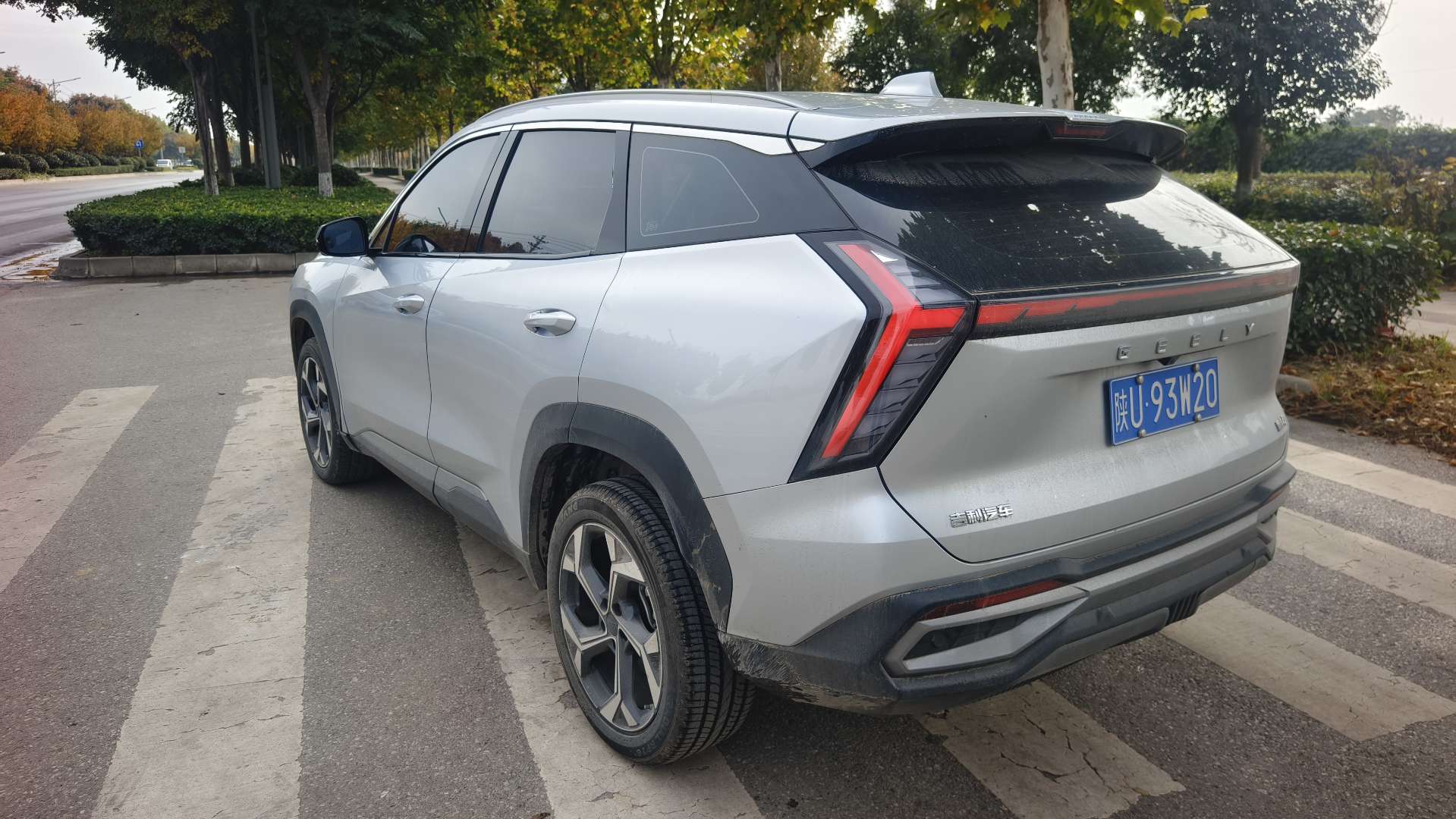
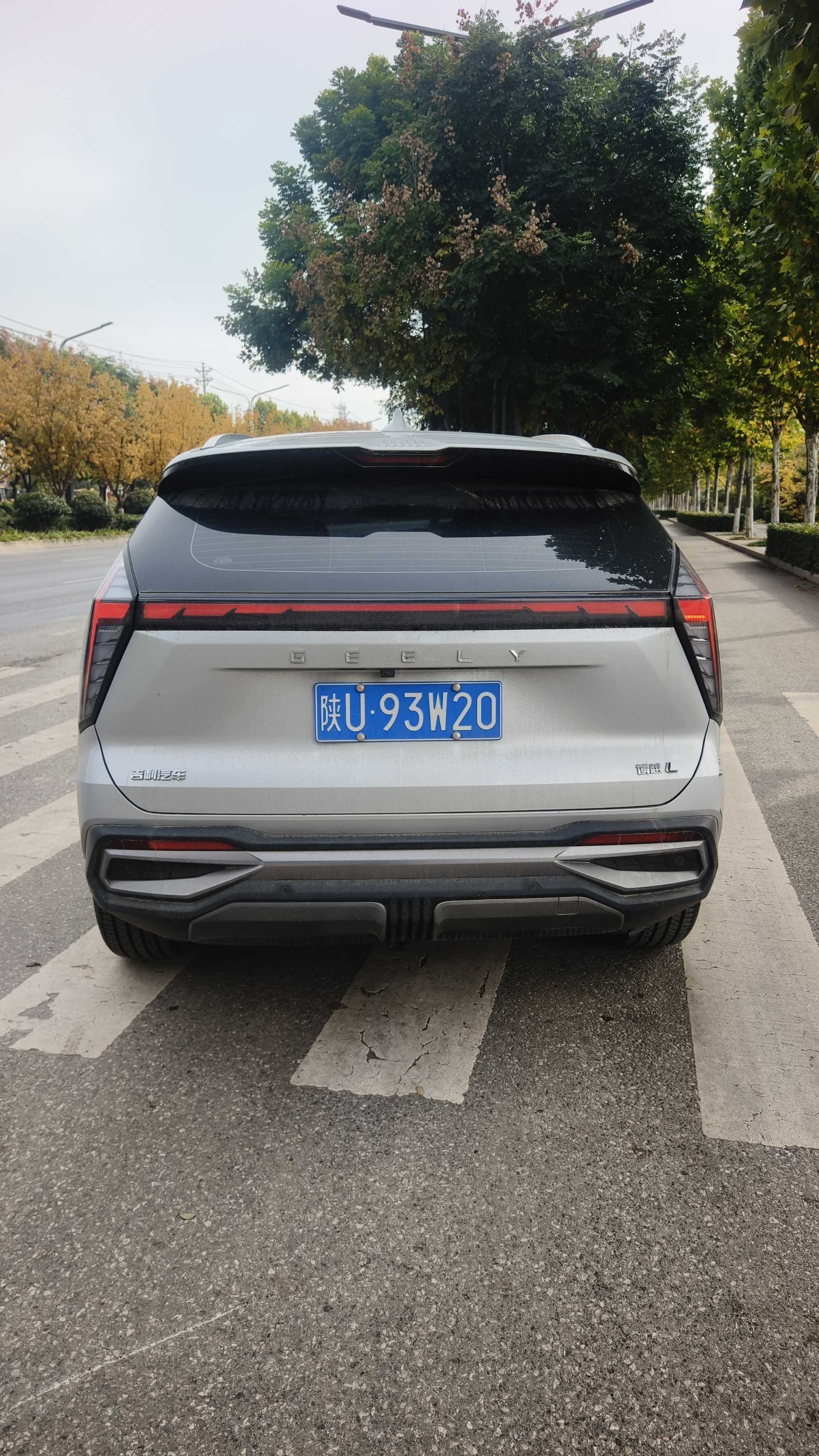
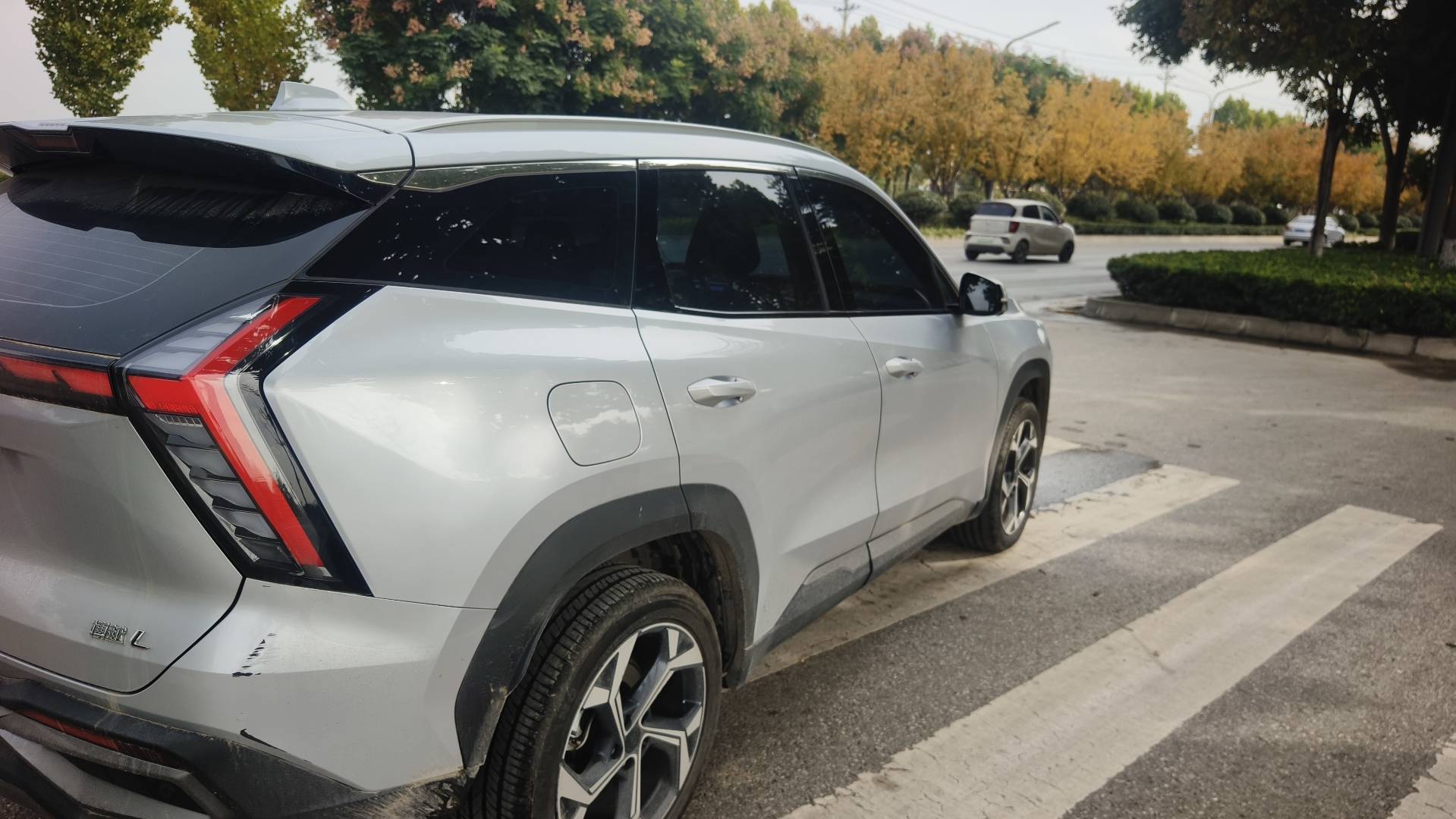
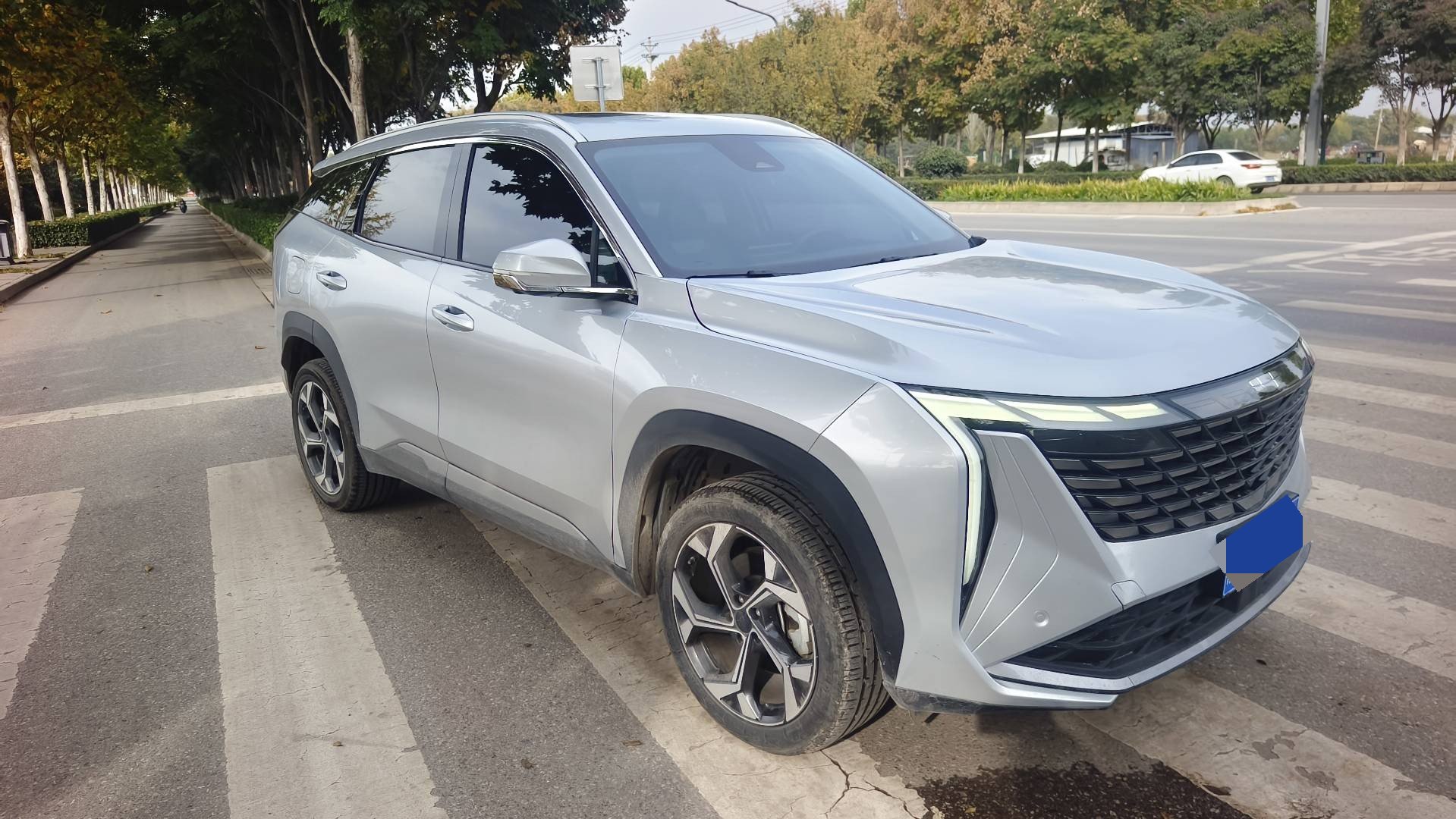
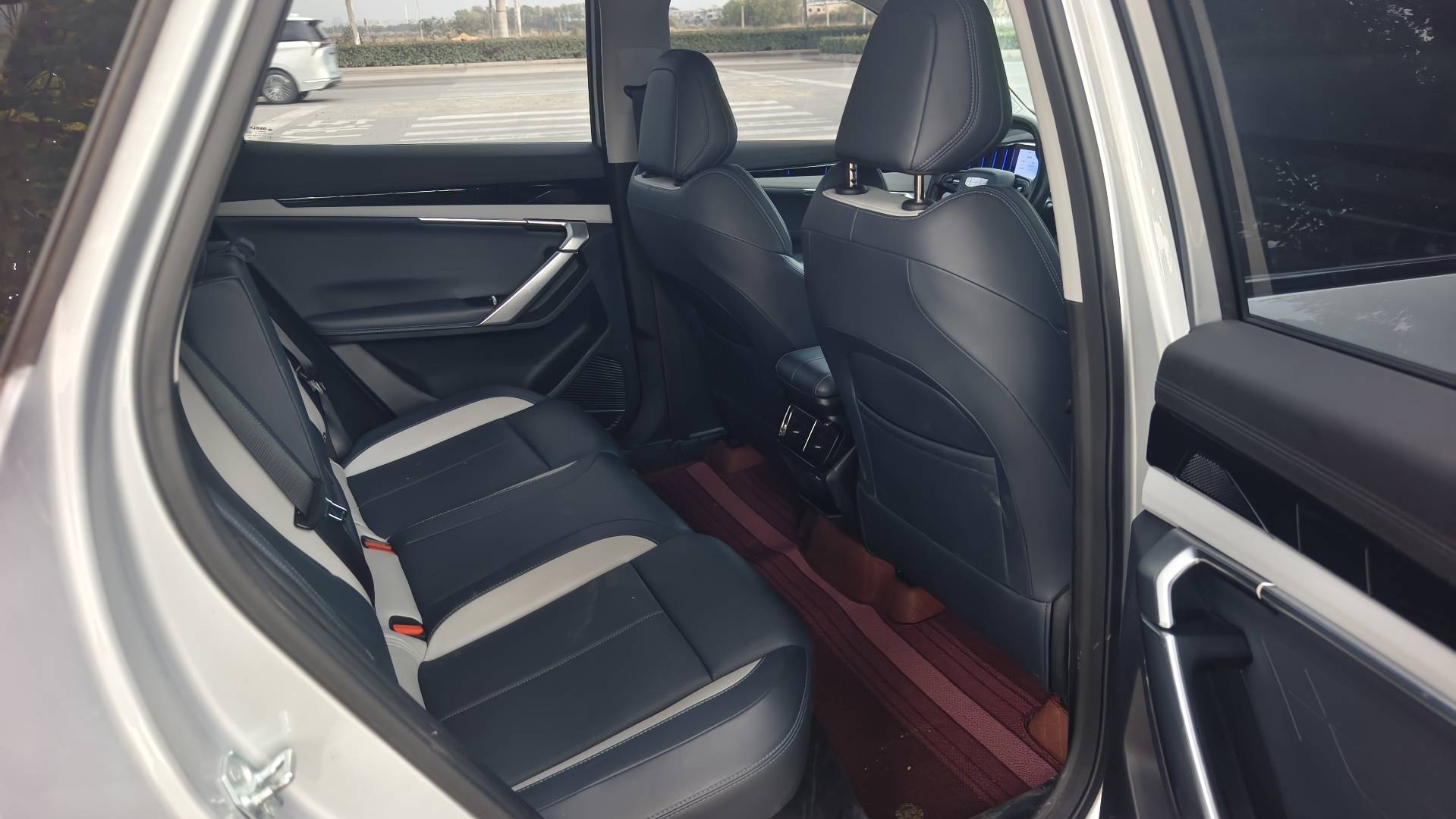
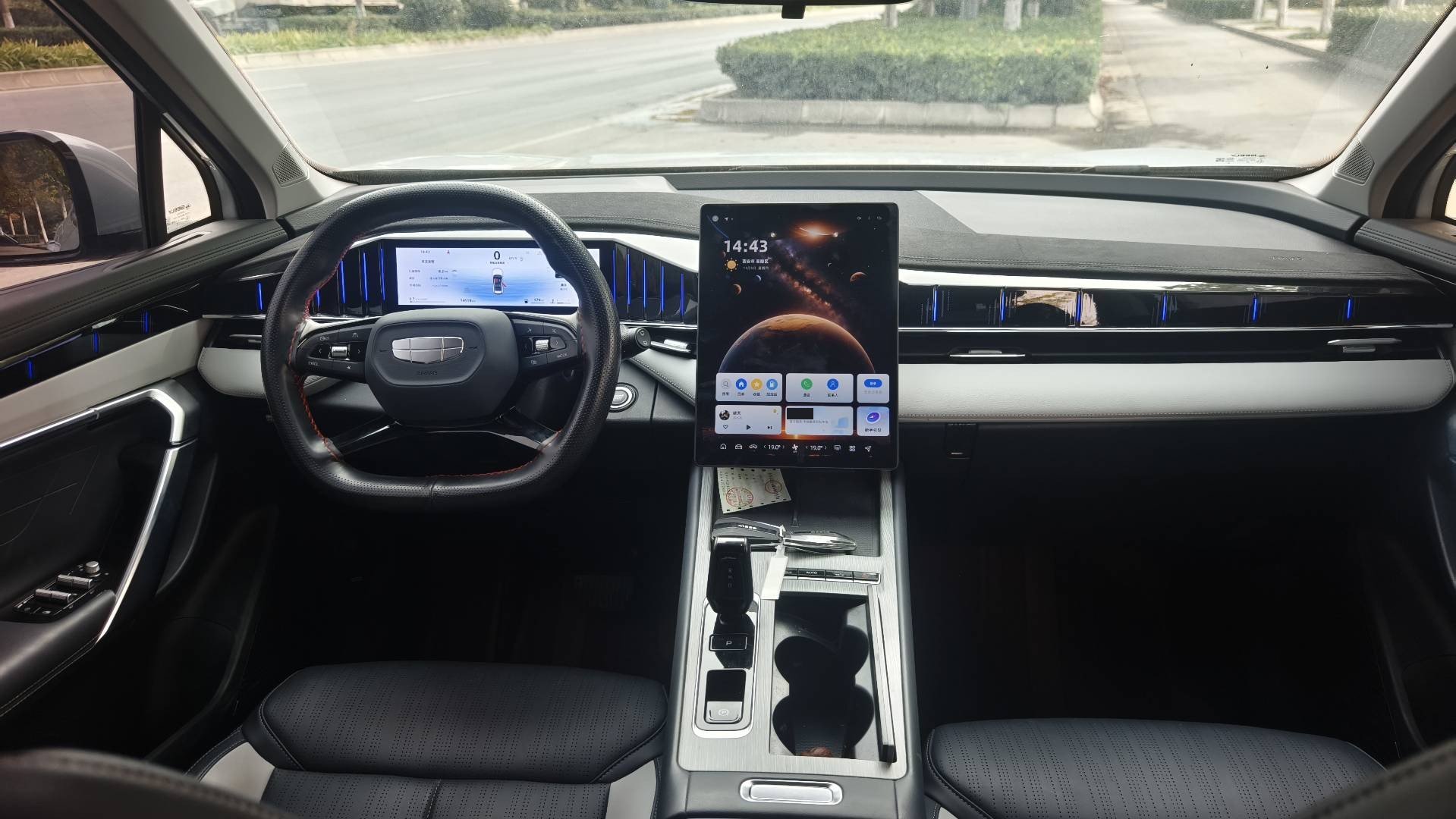
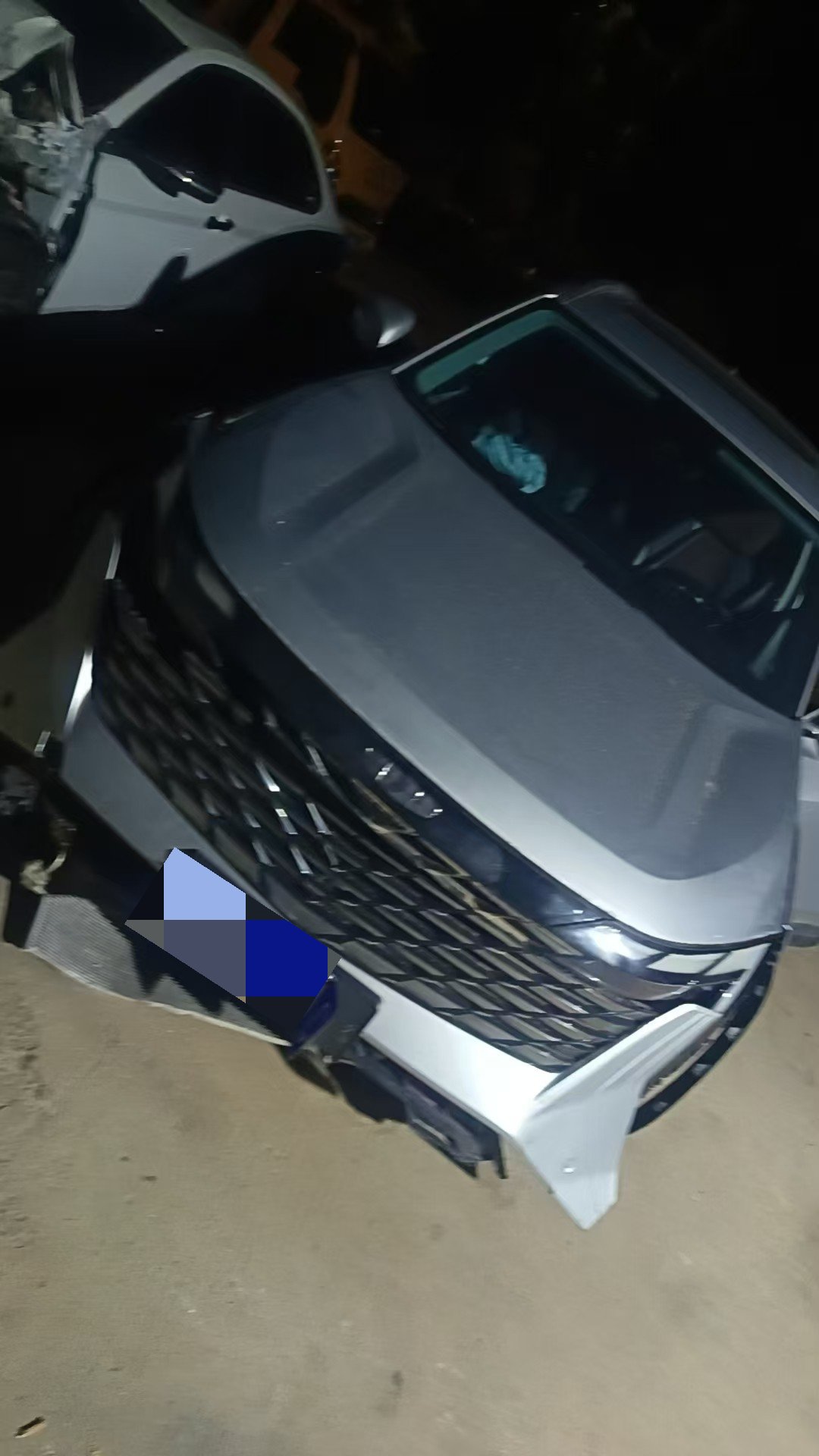
Manufactured in January 2025, actual mileage 10,000 km. Underbody scrape accident, with accident photos. Original paint. Recorded as total loss.

Document Information

Inspection Expiry Date-
Warranty Expiry Date-
Insurance Expiry Date2027/04

Q&A

More

What situations are usually included in "minor cosmetic wear" as stated on the details page?

It usually refers to very small stone chips on the hood from high-speed driving, nail scratches on the inside of door handles, slight curb scratches on the edges of wheels, and minor wear on interior plastic parts. These do not affect the vehicle's functionality or corrosion resistance.

RoRo, container, or flat rack: which shipping method should I choose for a used car from China?

RoRo (roll-on/roll-off): the cheapest per car for running vehicles. Cars are driven onto the vessel and secured on decks. Transit to major ports (Jebel Ali, Rotterdam, Karachi) takes 15 to 35 days. Downside: cars are exposed to weather and salt air, and minor handling scratches happen occasionally. Container (20ft/40ft): one 40ft high-cube fits one car with parts, or two small cars with racking. Cost is higher than RoRo but cars are sealed and protected. Best for high-value vehicles, EVs (battery safety rules often require container), or when shipping spare parts together. Flat rack: for oversized vehicles (trucks, buses, modified cars). Priced per dimensions. Practical advice: for a standard used car to a port with RoRo service, choose RoRo and add marine insurance (0.3%–0.8% of value). If your destination lacks RoRo calls or you ship an EV, use a container. Always get the booking confirmation and bill of lading copy before paying the final balance.
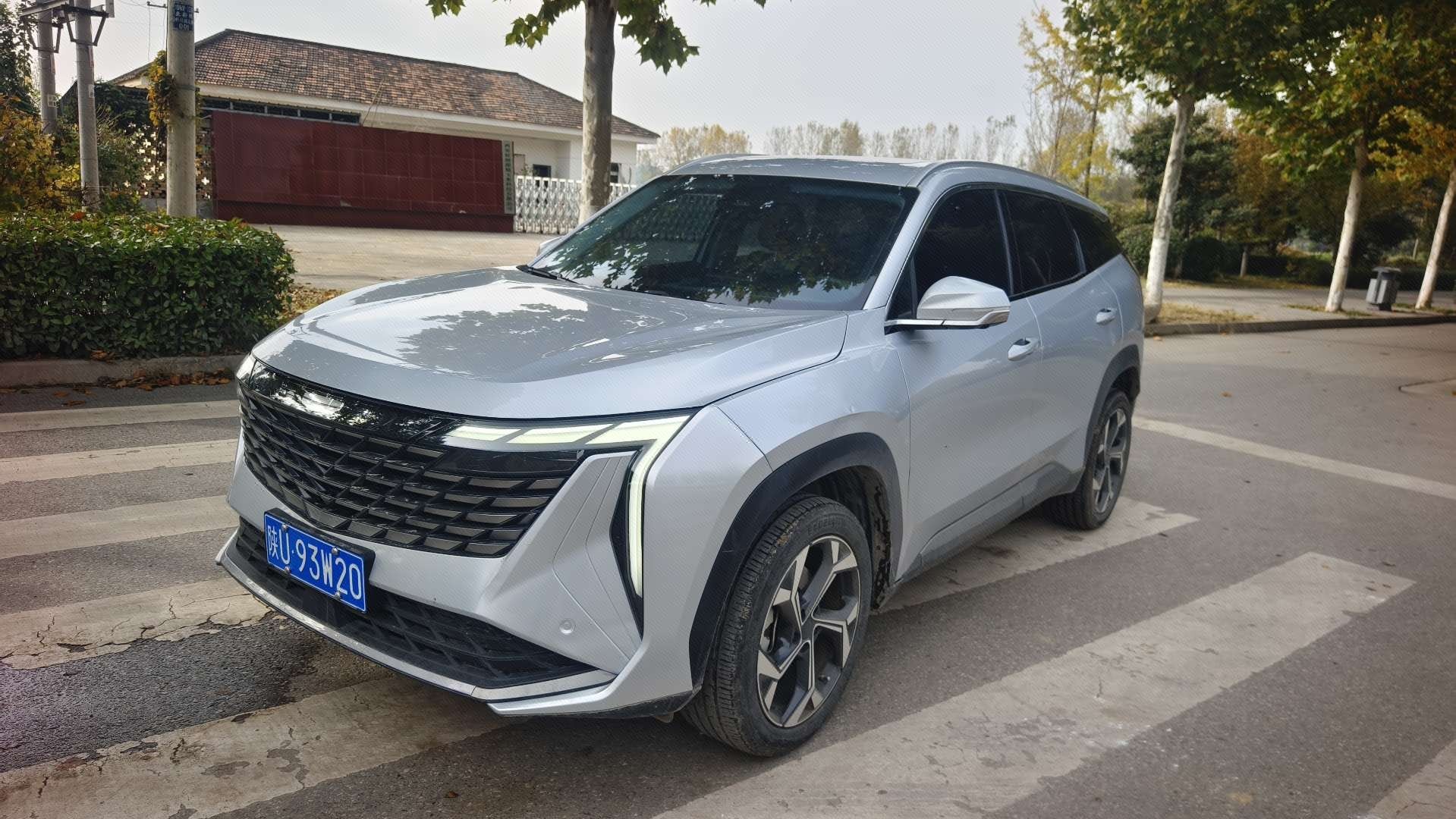
Will B2B customers receive a detailed technical inspection report for each vehicle when purchasing a container of vehicles at once?

Yes. Even if you purchase 100 vehicles, we adhere to "one inspection per vehicle, one file per vehicle." Each vehicle will have its own independent inspection report with a unique VIN code, which serves as the sole proof for quality traceability.