


24H

Basic Information

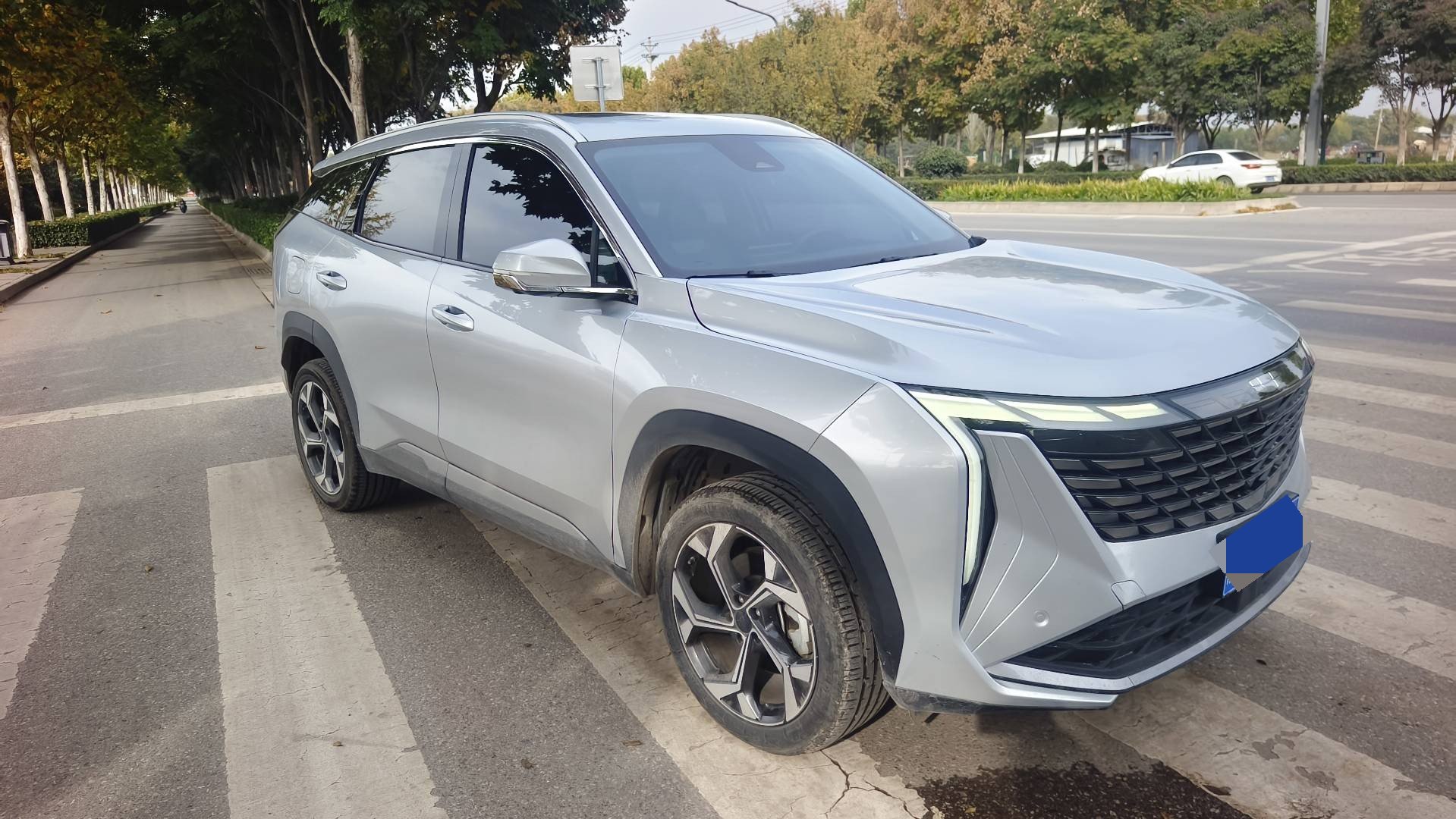
BrandGEELY
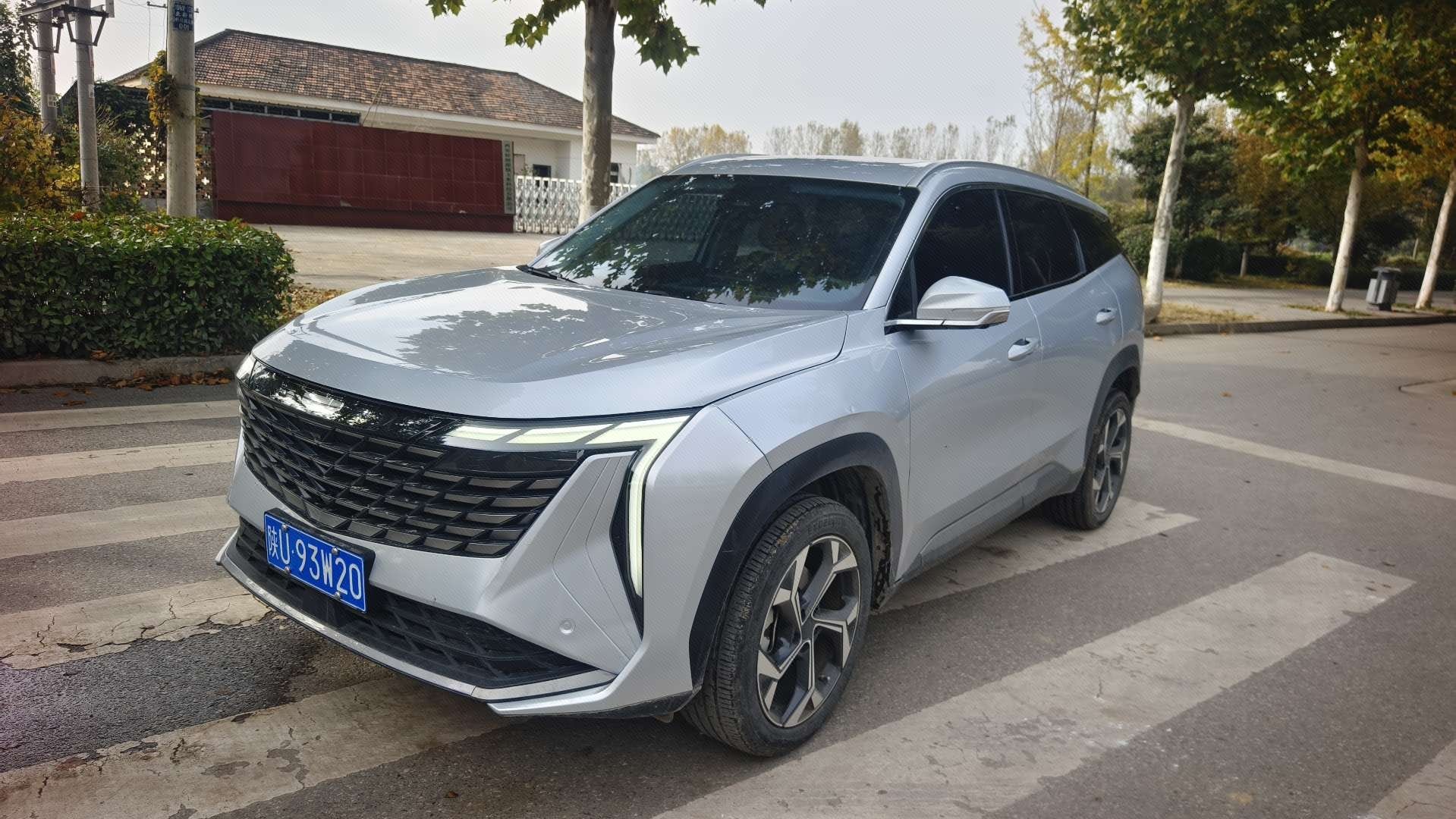
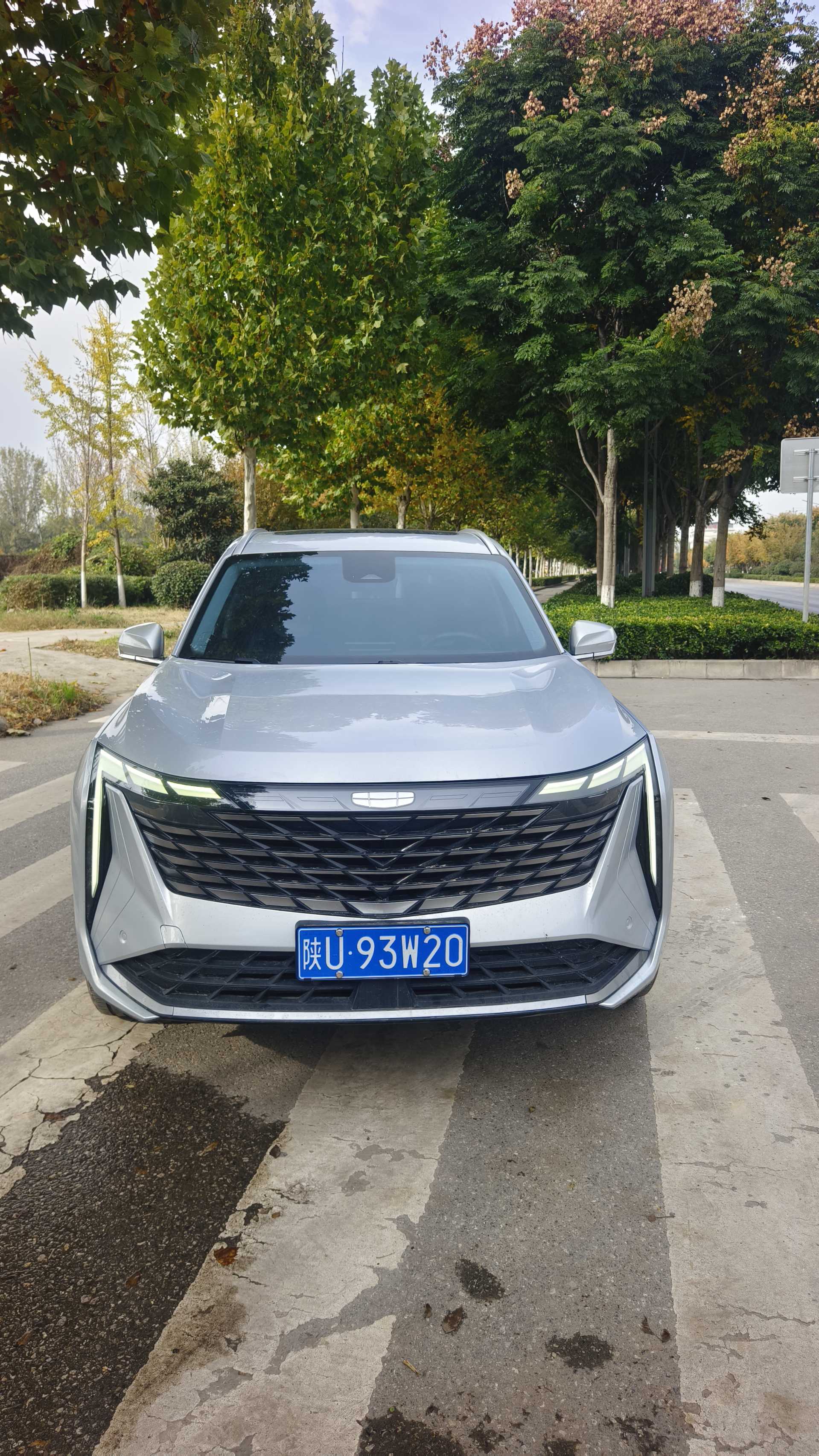
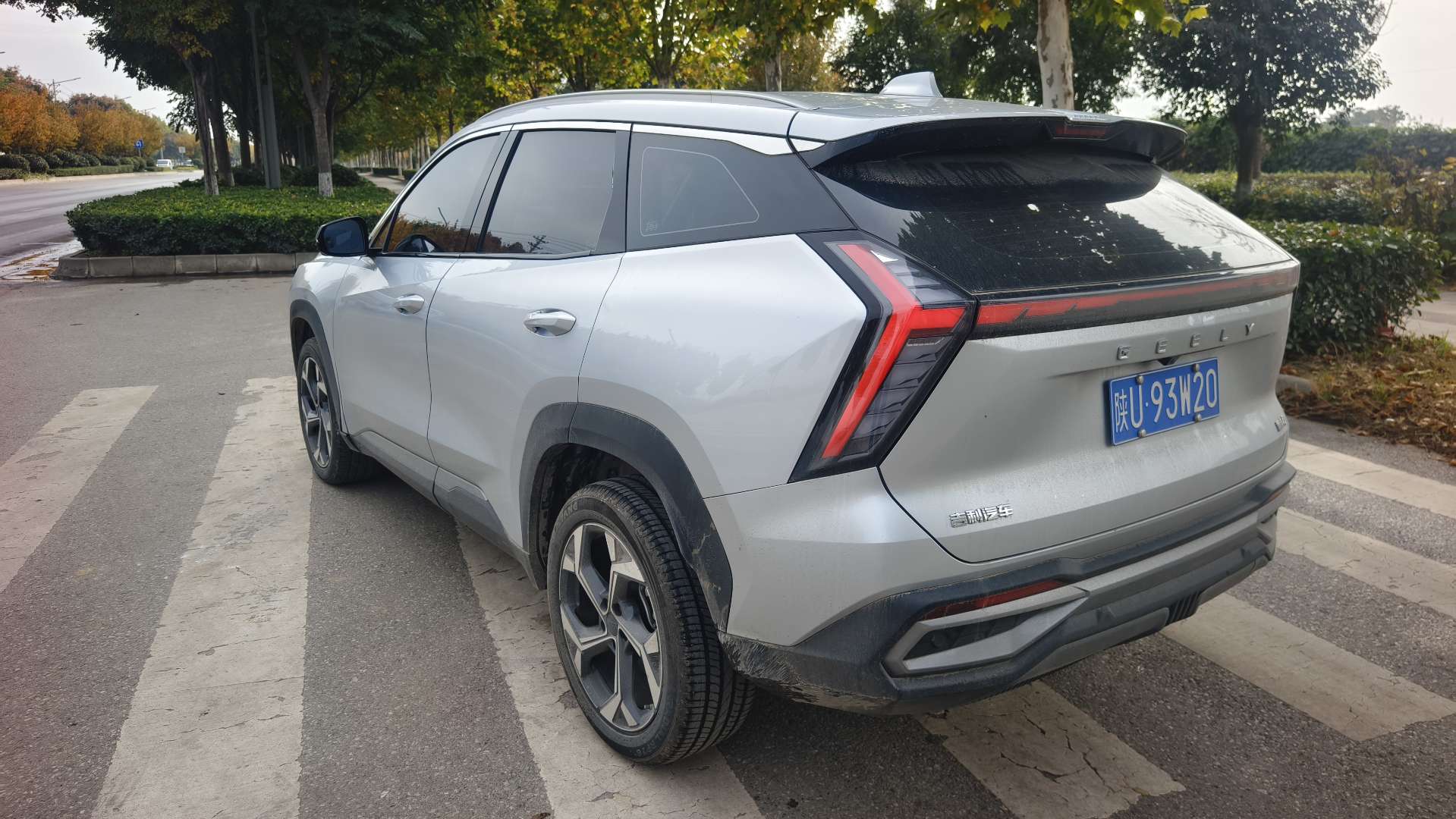
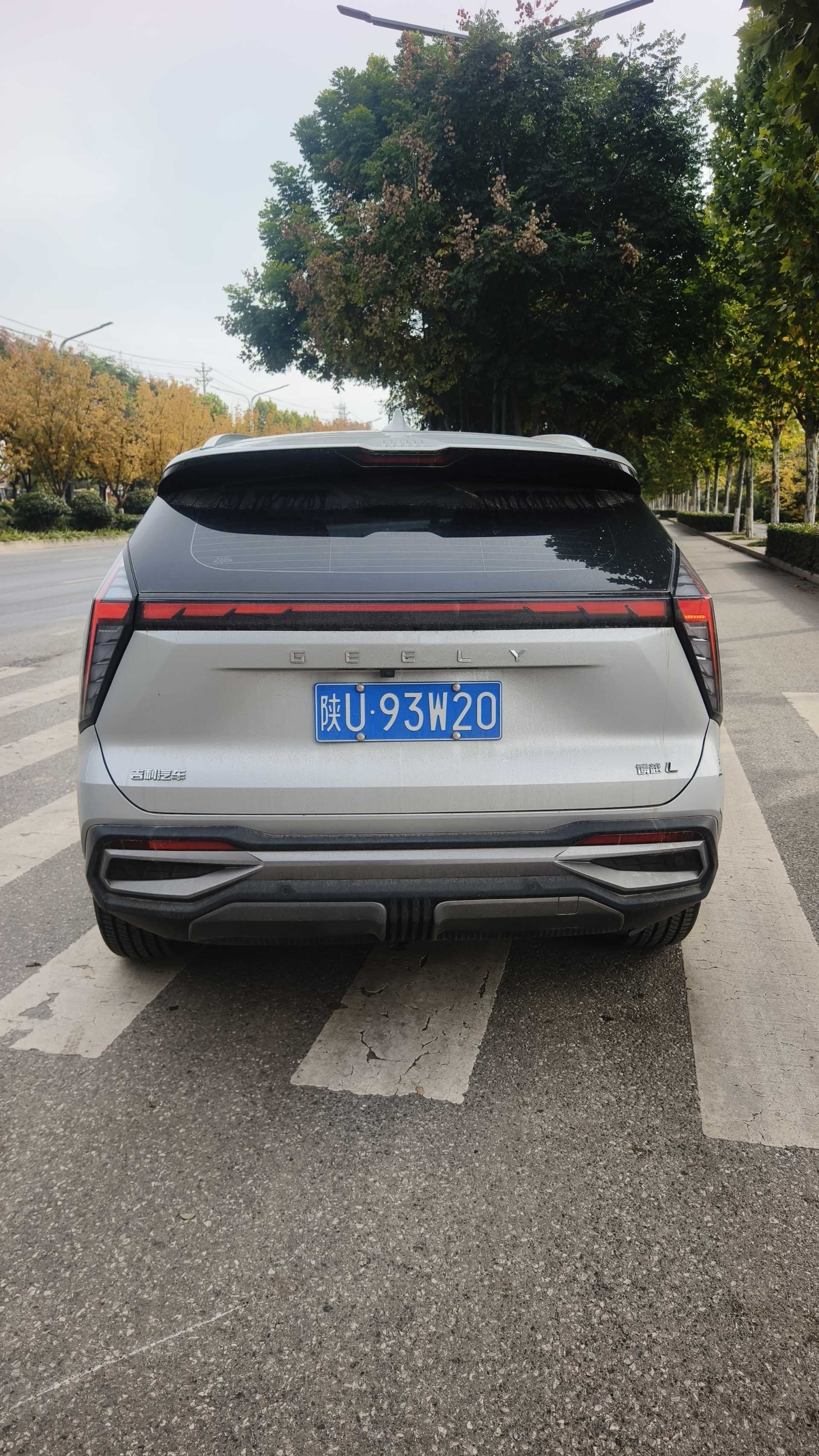
SeriesBoyue L
Year2025
First Registration2025/04
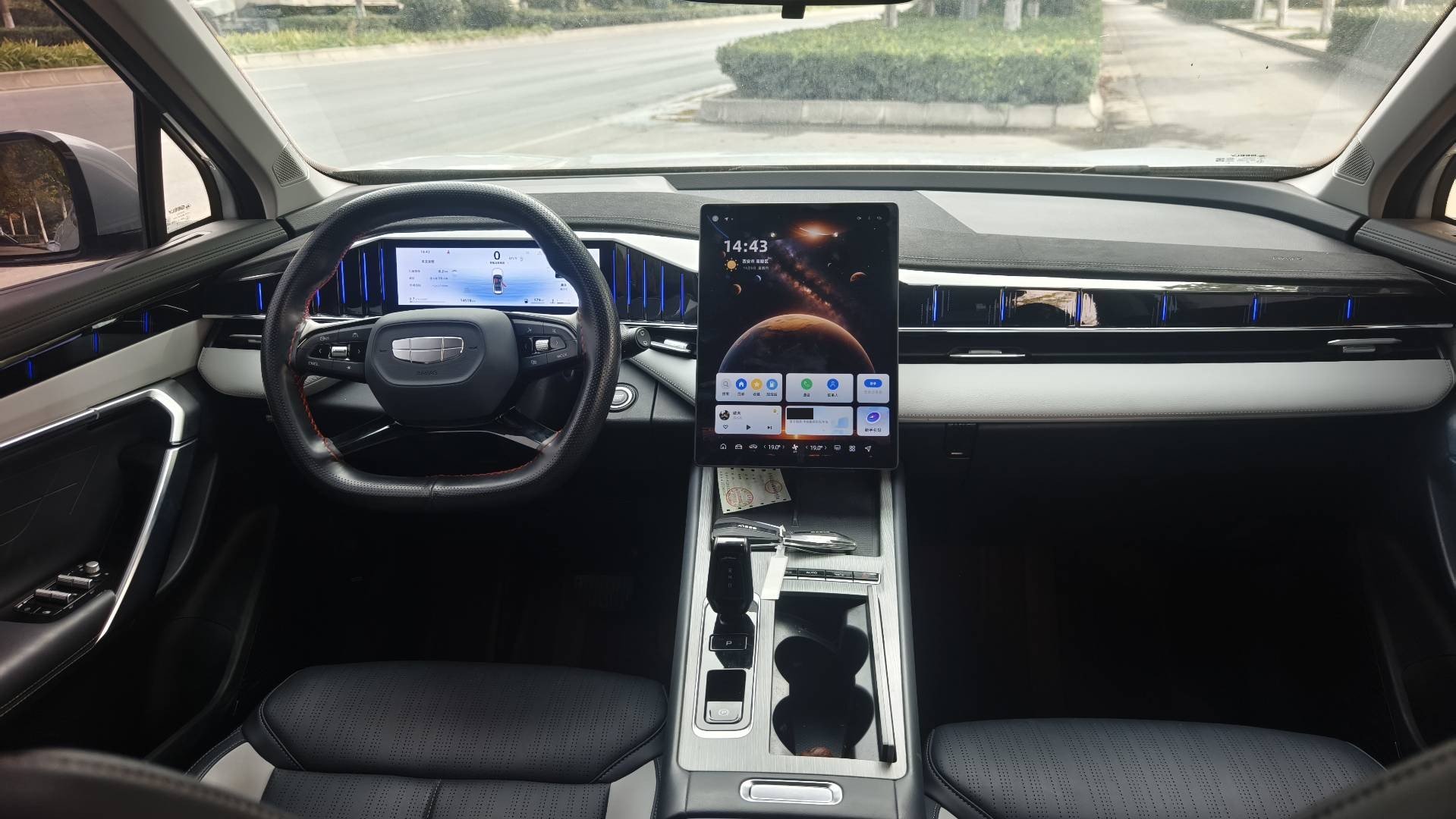
Mileage10,000km
Transfer Count0times
FuelGasoline
TransmissionDCT
Engine1.5T 181 L4
ColorGrey
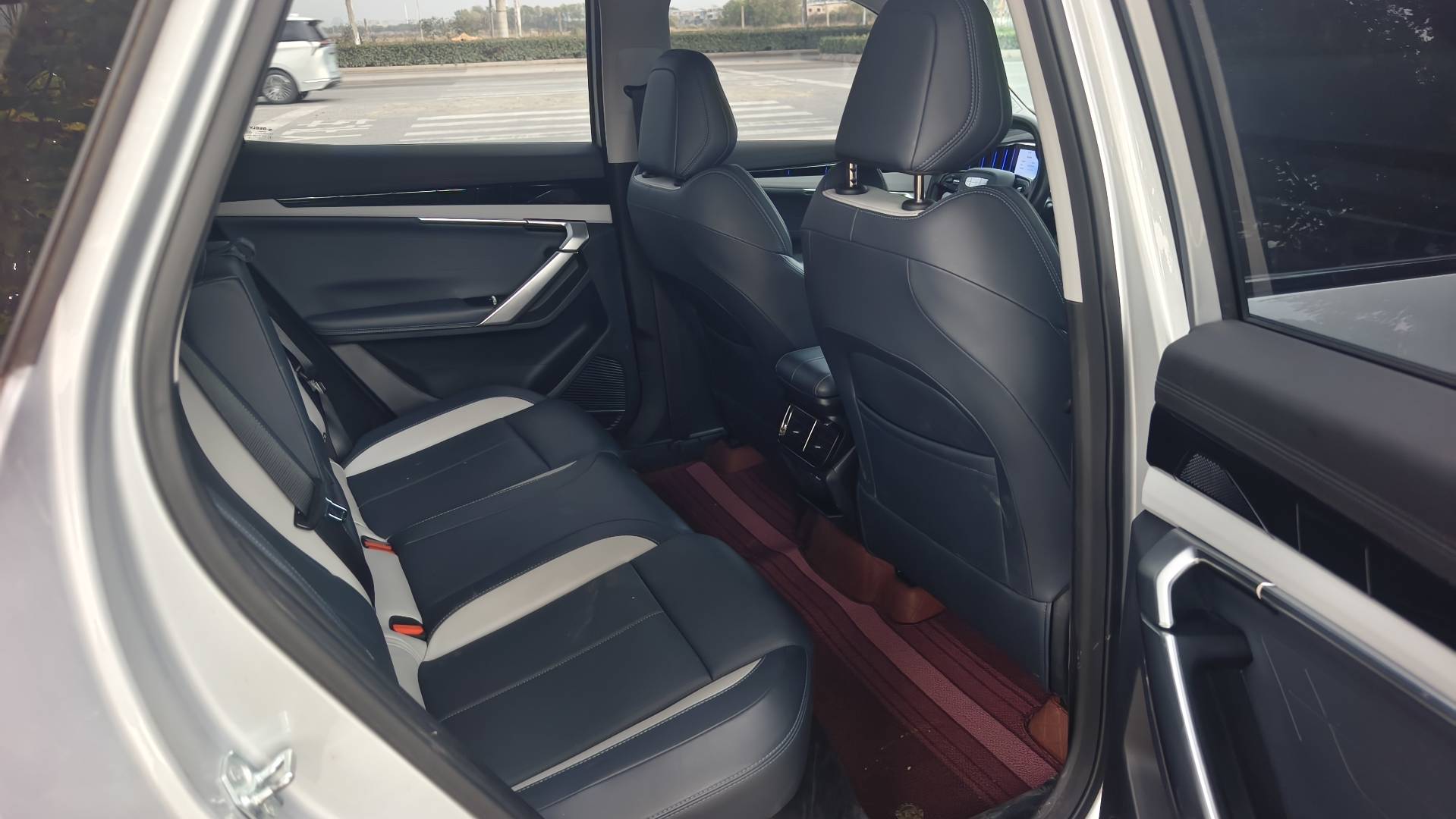
Seats5seats

Condition Description

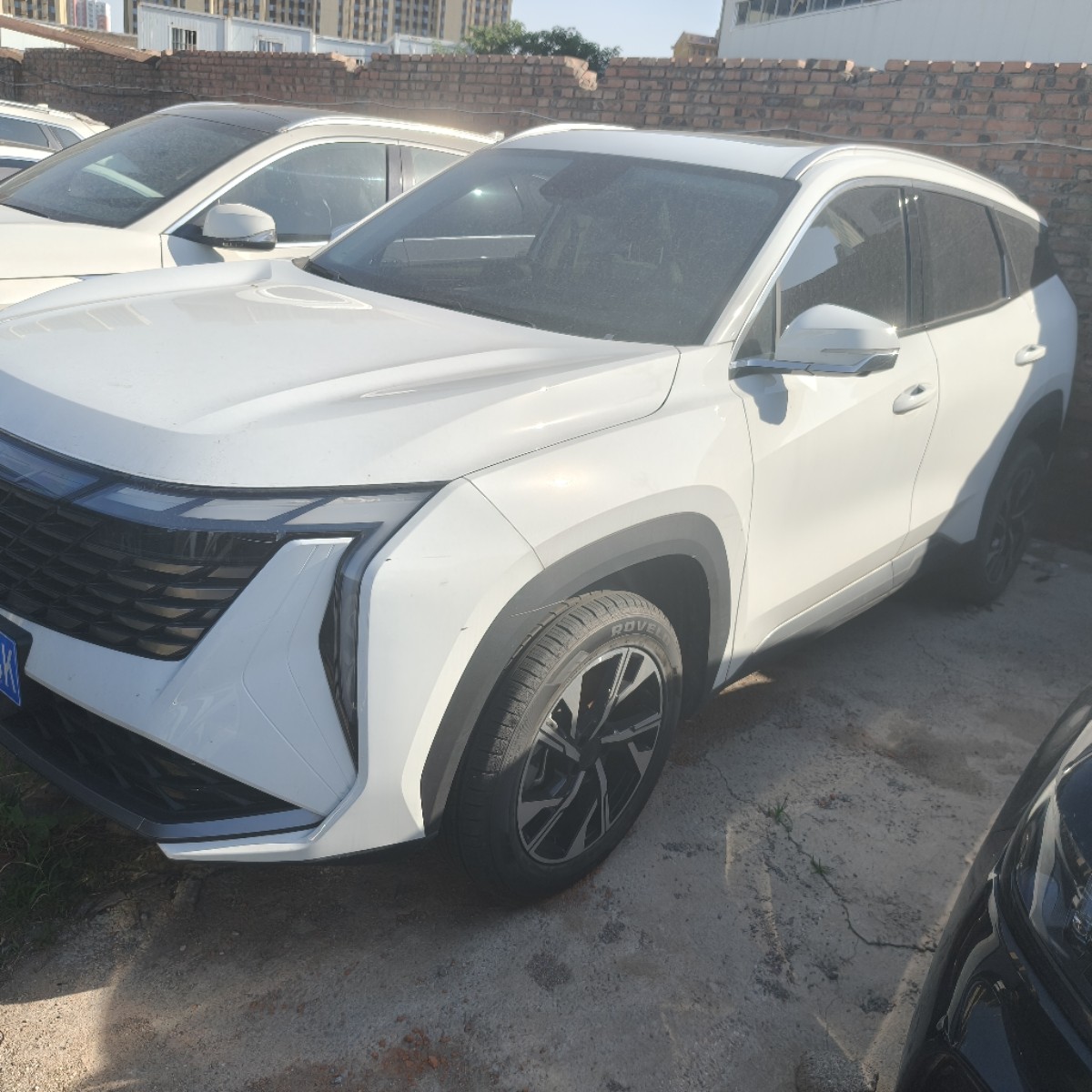
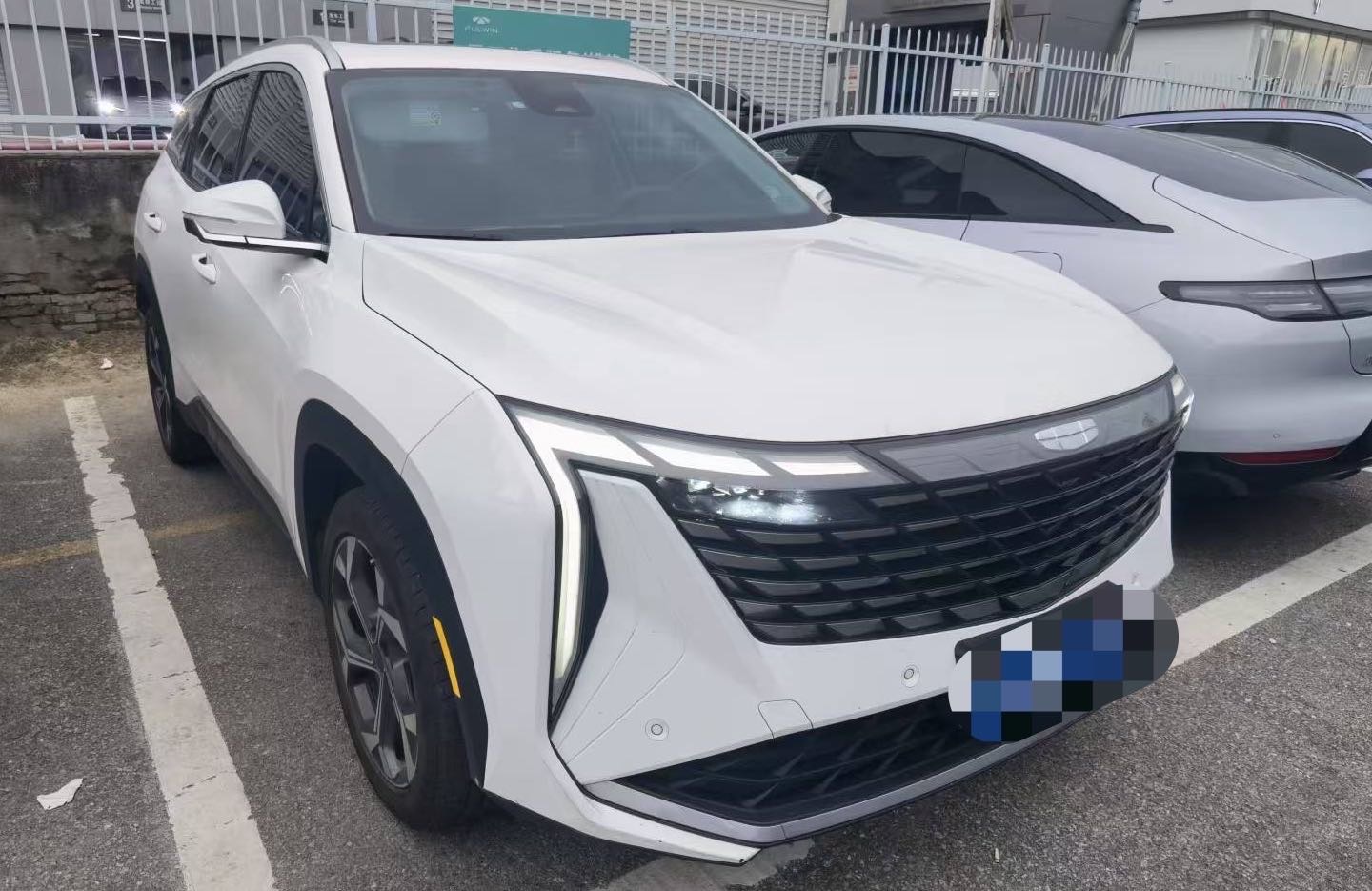
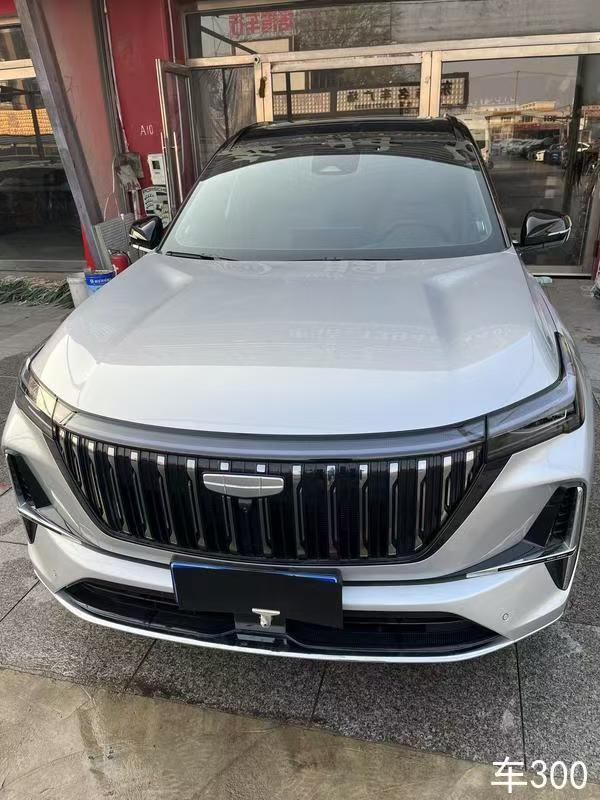
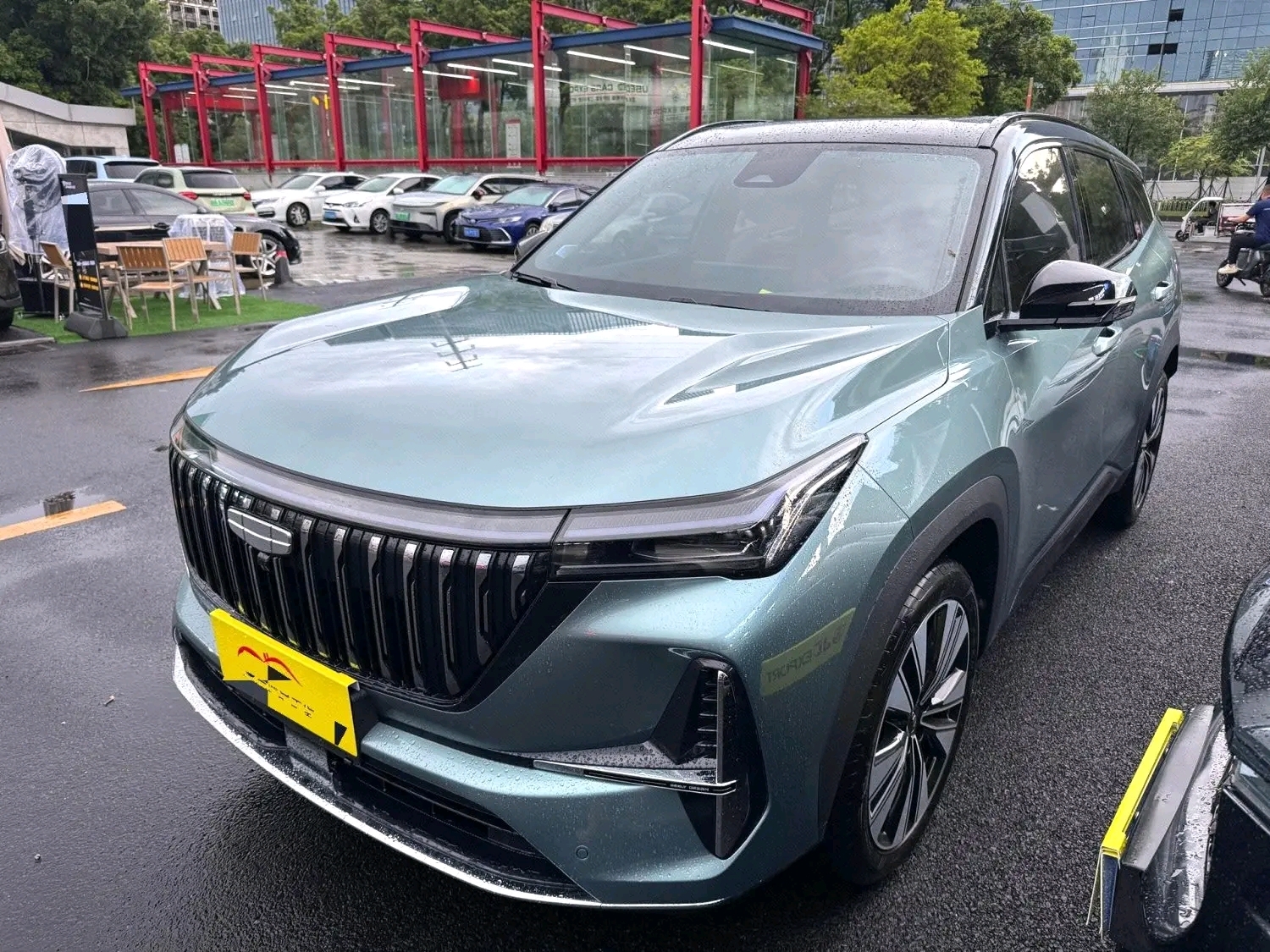
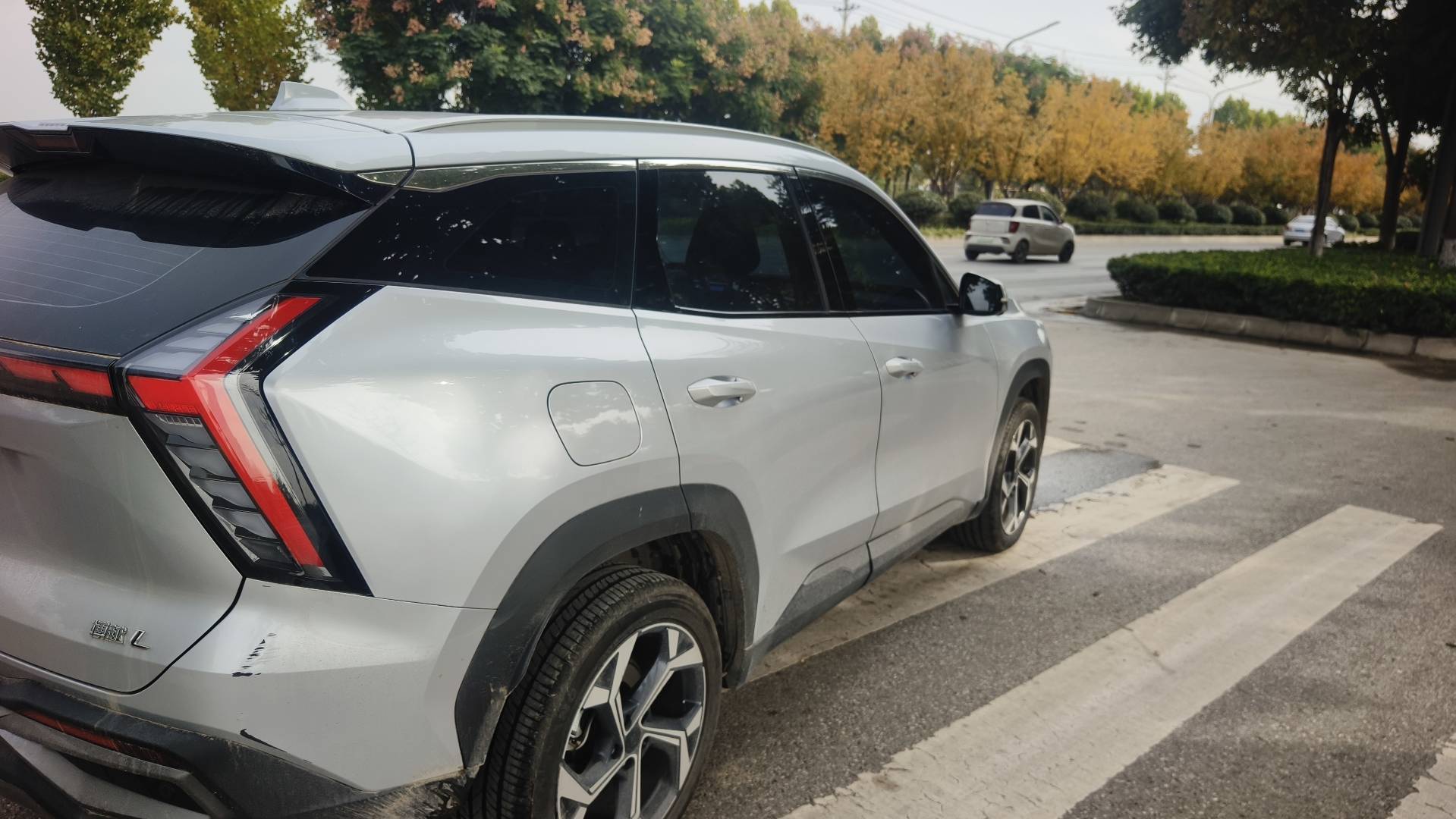
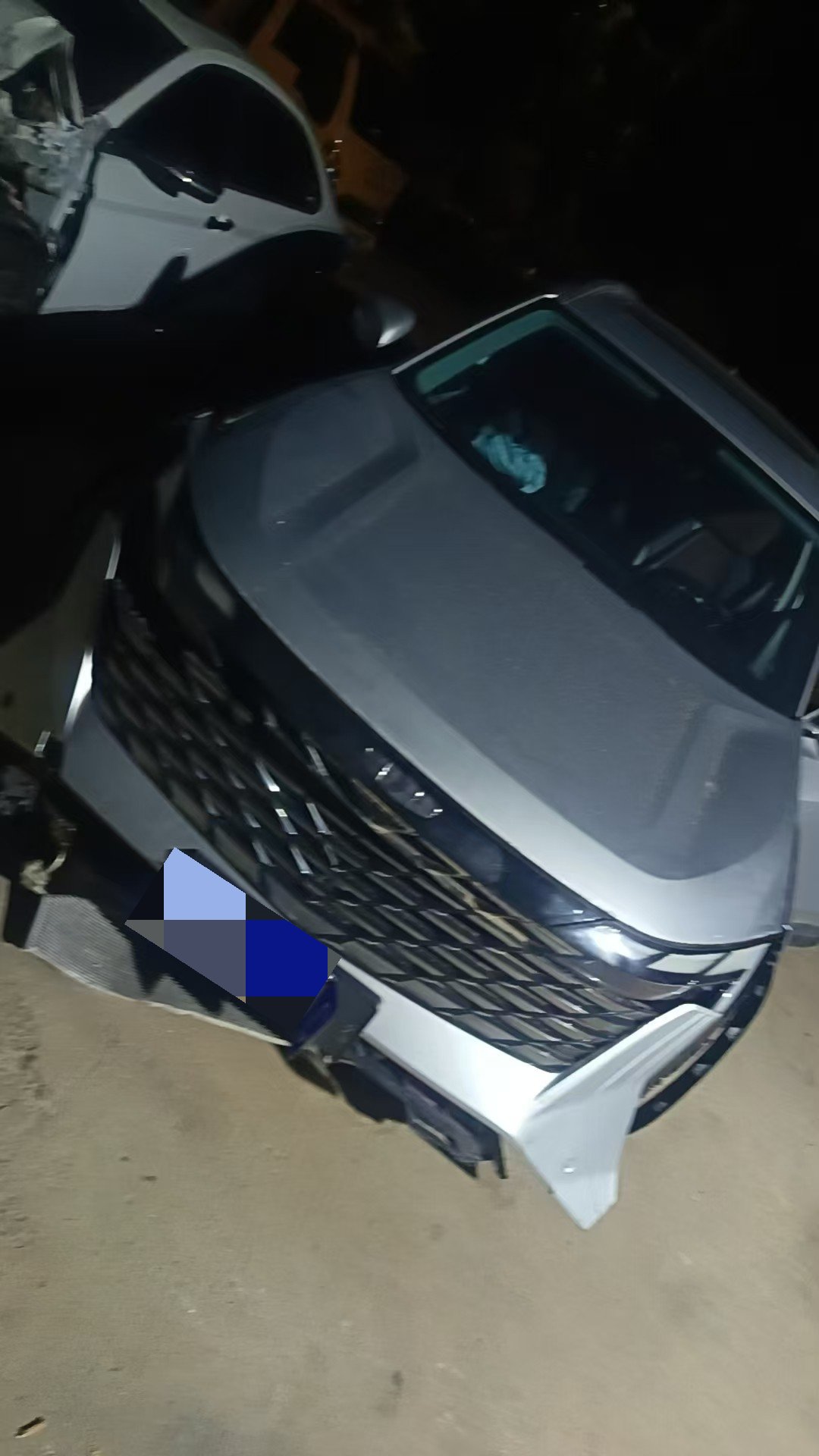
Manufactured in January 2025, actual odometer 10,000 km. Underbody scrape accident, with accident photos. Original paint. Recorded as total loss.

Document Information

Inspection Expiry Date-
Warranty Expiry Date-
Insurance Expiry Date2027/04

Q&A

More

What is a Chinese customs export declaration, and why do I need it to register the car in my country?

The export declaration (报关单) is the official Chinese customs document recording that the vehicle legally left China: VIN, HS code, declared value, origin port and date. Most destination countries ask for it—or for the certificate of origin—during registration to prove the car was legally exported, not stolen or smuggled. Practical points: ensure the VIN on the declaration matches your car exactly; a single digit mismatch can block registration. The declared value also anchors customs valuation in many countries, so an undervalued declaration may save the seller tax but can raise your import duty or trigger a re-valuation penalty. Ask the exporter for a stamped copy before shipping, verify the VIN yourself, and check that the document shows the correct consignee. Keep the original—some registries require it, and you'll need it again if you ever sell the car. If the exporter hesitates to provide it, treat that as a red flag.


What maintenance schedule should I follow for my imported Chinese car, and where can I find the official service intervals?

Start with the owner's manual for your exact model and year—it lists the official service intervals and the required fluid specifications. If the manual is only in Chinese, ask the exporter for the English version, or check the manufacturer's website and owner community forums for your region. After the car arrives, do a baseline service even if the seller says it was just serviced: engine oil and filter, air filter, cabin filter, brake fluid check, coolant, and a 12V battery test. From then on, follow the "severe" or "extreme conditions" schedule rather than the normal one—dusty roads, short trips, and hot or very cold climates all count as severe duty, and intervals are usually shorter. Keep every invoice and record. A documented maintenance history makes warranty claims easier and protects resale value.

Do I need an import permit before shipping a used car from China, and who applies for it?

It depends on your country's rules. Some markets (for example, Kenya, Ethiopia, Egypt, and several Central Asian countries) require an import permit or pre-import approval issued to you as the importer before the car can ship. Others only check compliance documents at customs after arrival. The permit is always applied for by you, the buyer, through your country's trade or transport authority—the Chinese exporter cannot do it for you. Processing takes anywhere from a few days to several weeks. Practical advice: before paying any deposit, confirm with a local customs broker or your transport ministry whether a permit is needed and what the requirements are (age limit, emissions, left-hand drive). Sending a car that requires a permit you don't have can mean seizure or forced re-export at your expense.