


24H

Basic Information

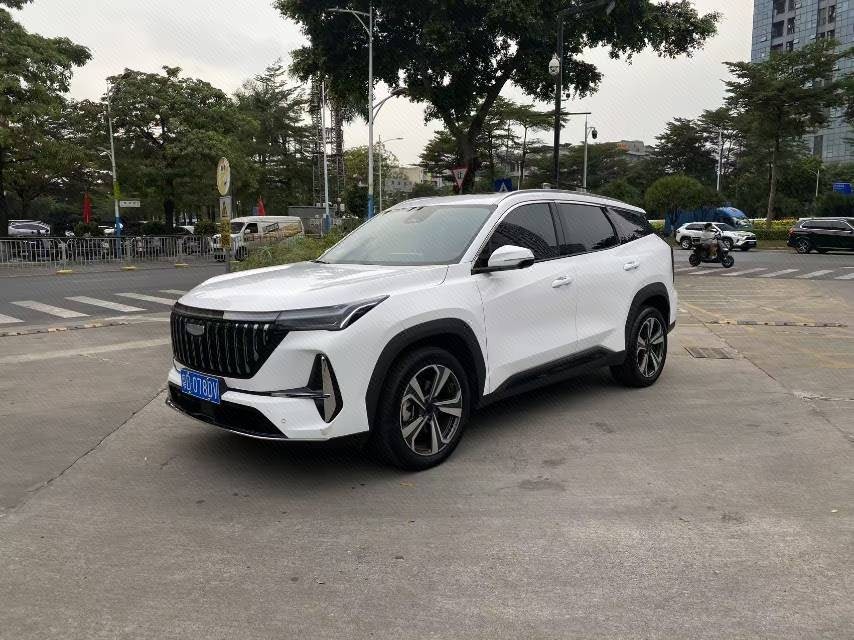
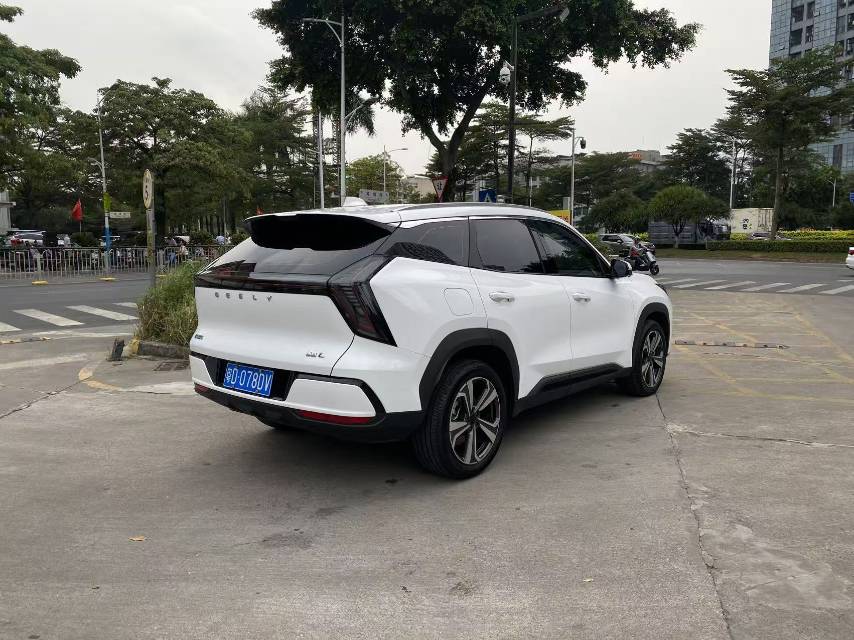
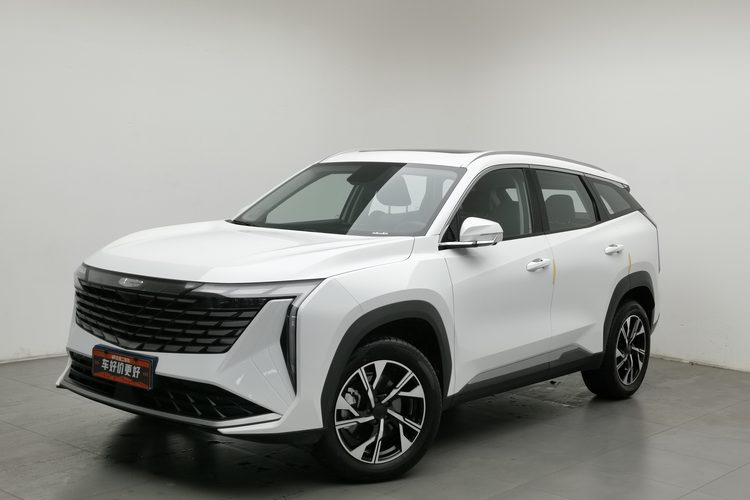
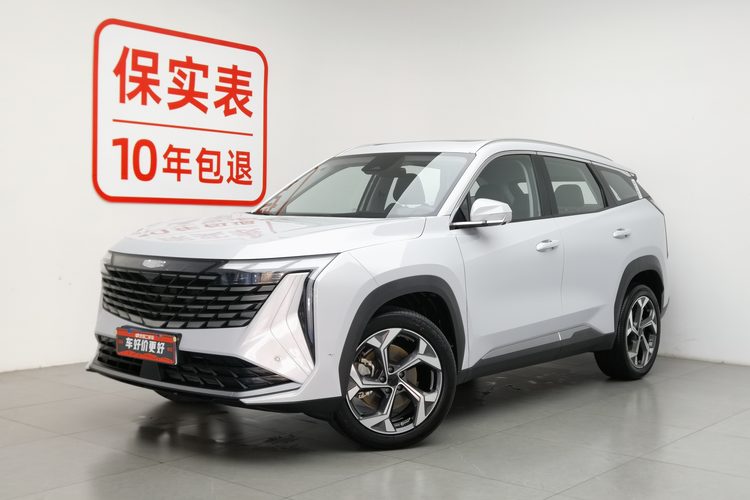
BrandGEELY
SeriesBoyue L
Year2025
First Registration2025/06
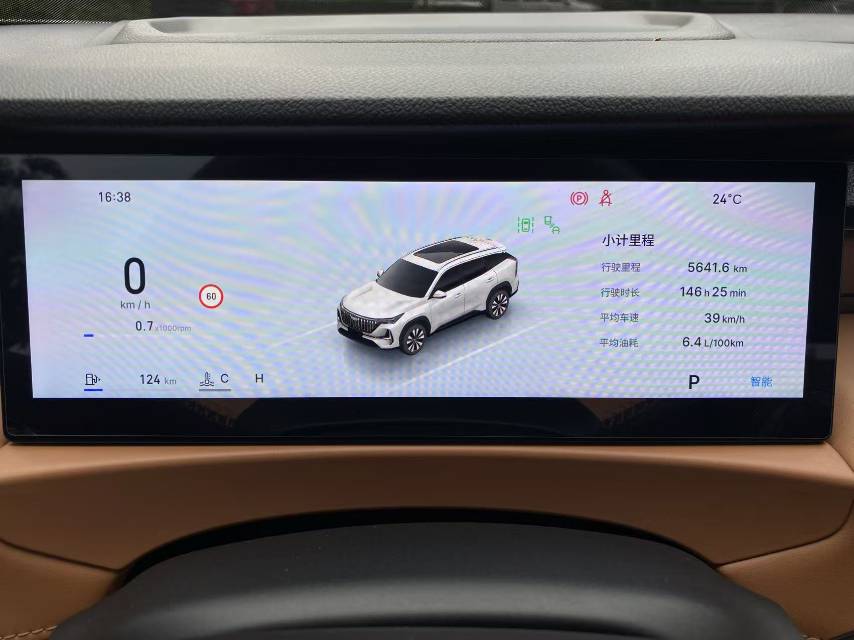
Mileage5,000km
Transfer Count0times
FuelGasoline
TransmissionDCT
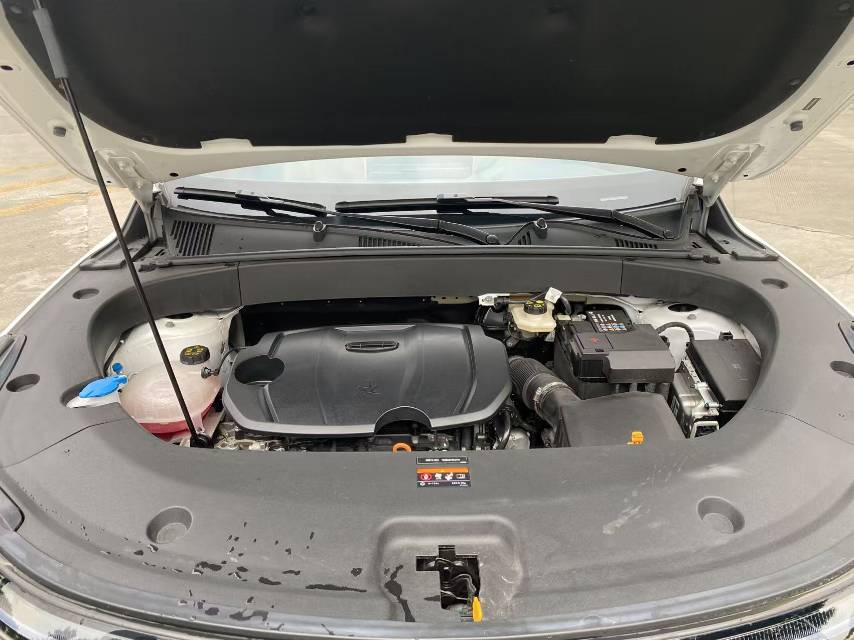
Engine1.5T 181 L4
ColorWhite
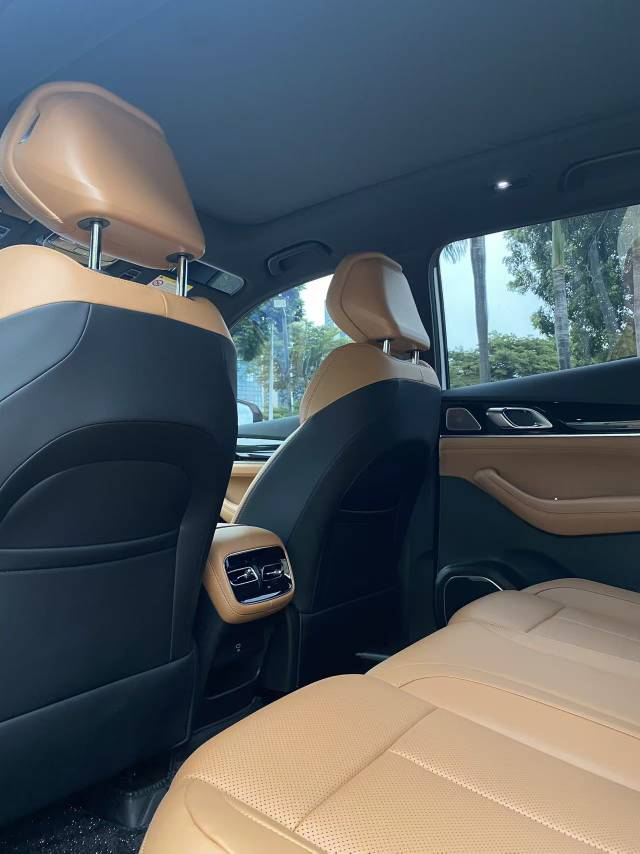
Seats5seats

Condition Description

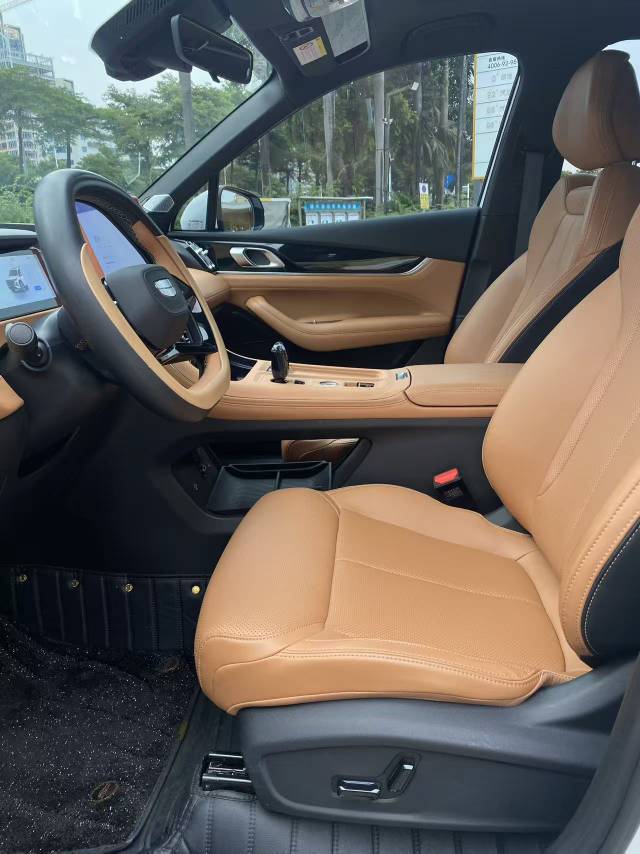
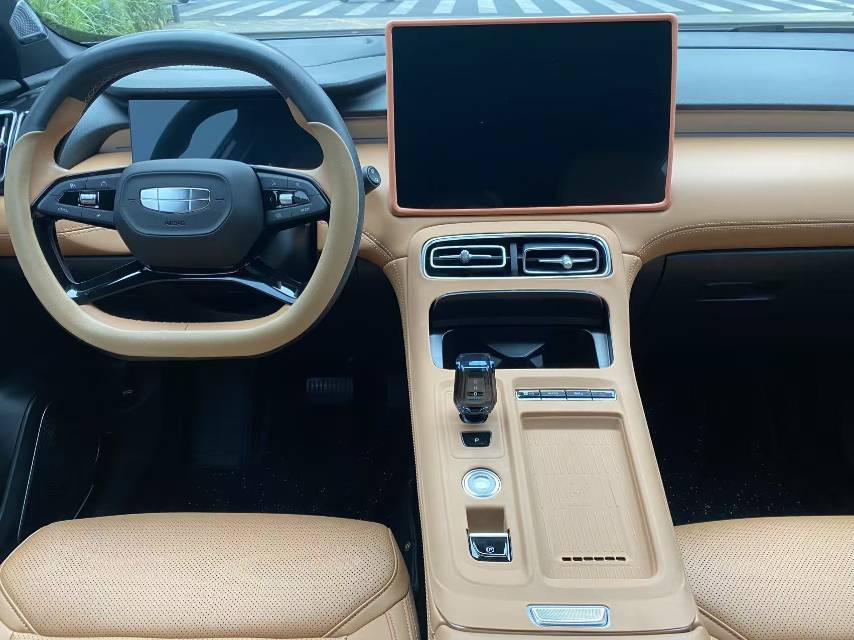
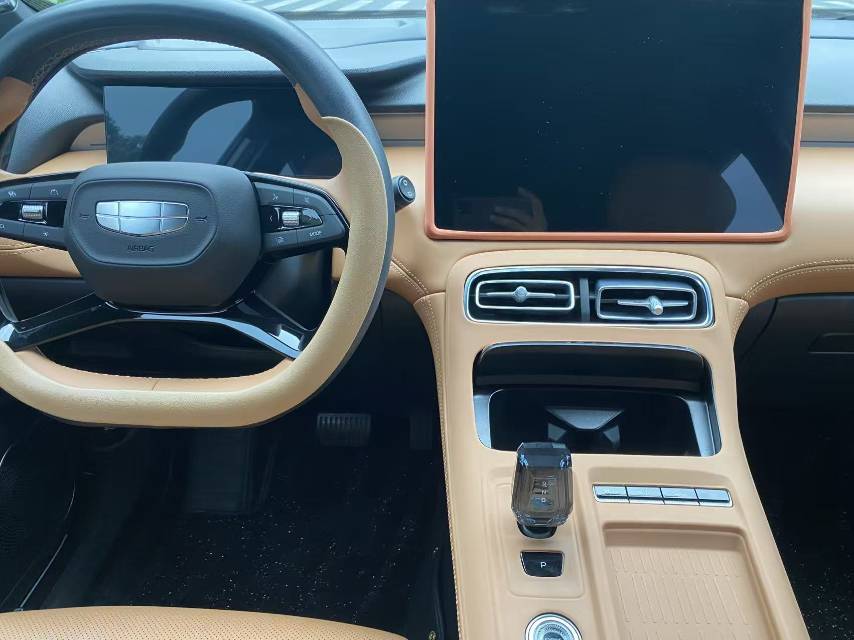
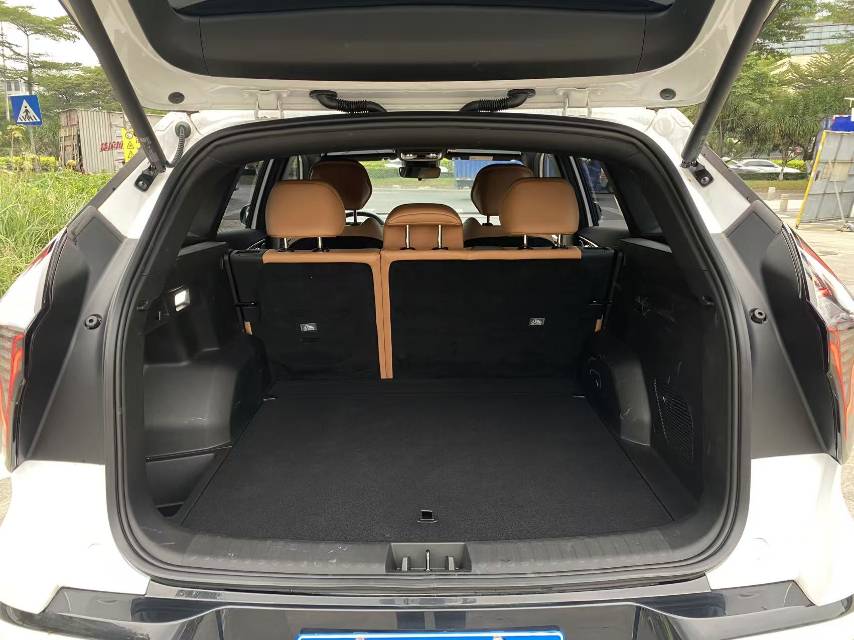
Registered June 2025, one owner, 15,000 km. Condition: original paint, one panel repainted.

Document Information

Inspection Expiry Date-
Warranty Expiry Date-
Insurance Expiry Date2027/06

Q&A

More

How to manage overseas buyers' expectations for continuous software updates of Chinese new energy vehicles (especially from new car manufacturers)?

We repeatedly confirm and emphasize to buyers before sale: after leaving mainland China, most Chinese smart electric vehicle ecosystems (such as cloud voice assistants, online maps, OTA updates) will be permanently offline. You are purchasing a hardware platform with excellent mechanical quality and a three-electric system; please use it as a "standalone" vehicle. Do not trust false promises from other channels claiming "perfect overseas unlocking and continuous official OTA updates."
If the vehicle's system goes black and crashes overseas due to misoperation, do you provide remote technical support?

Yes. For software crashes, a forced restart (Hard Reset) can usually be done with a specific combination of physical buttons or by disconnecting the negative terminal of the 12V battery for 5 minutes to recover. We will send you these engineering operation manuals.

Beyond the car price, what costs should I budget when importing a used car from China?

A realistic budget has several layers beyond the vehicle price. First, inland logistics in China: moving the car to the export port typically costs $300-$800. Second, export handling: inspection, customs declaration and paperwork usually add $500-$1,000. Third, ocean freight. A 20ft container to most destinations runs $1,200-$3,000 depending on route; RoRo shipping can be cheaper for driveable cars. Add marine insurance, usually 0.3%-0.5% of the car value. Fourth, destination charges: port handling, customs duties, VAT/GST and local registration fees. These vary widely; some countries charge duties of 20%-80% of the vehicle value plus an excise based on engine capacity. Finally, any compliance work: inspection certificates, modifications to meet local standards, or homologation. Ask your exporter for a full CIF quote and have a local customs broker confirm destination taxes before you commit.
