









48H

Basic Information

BrandGEELY
SeriesBoyue L
Year2025
First Registration2025/09
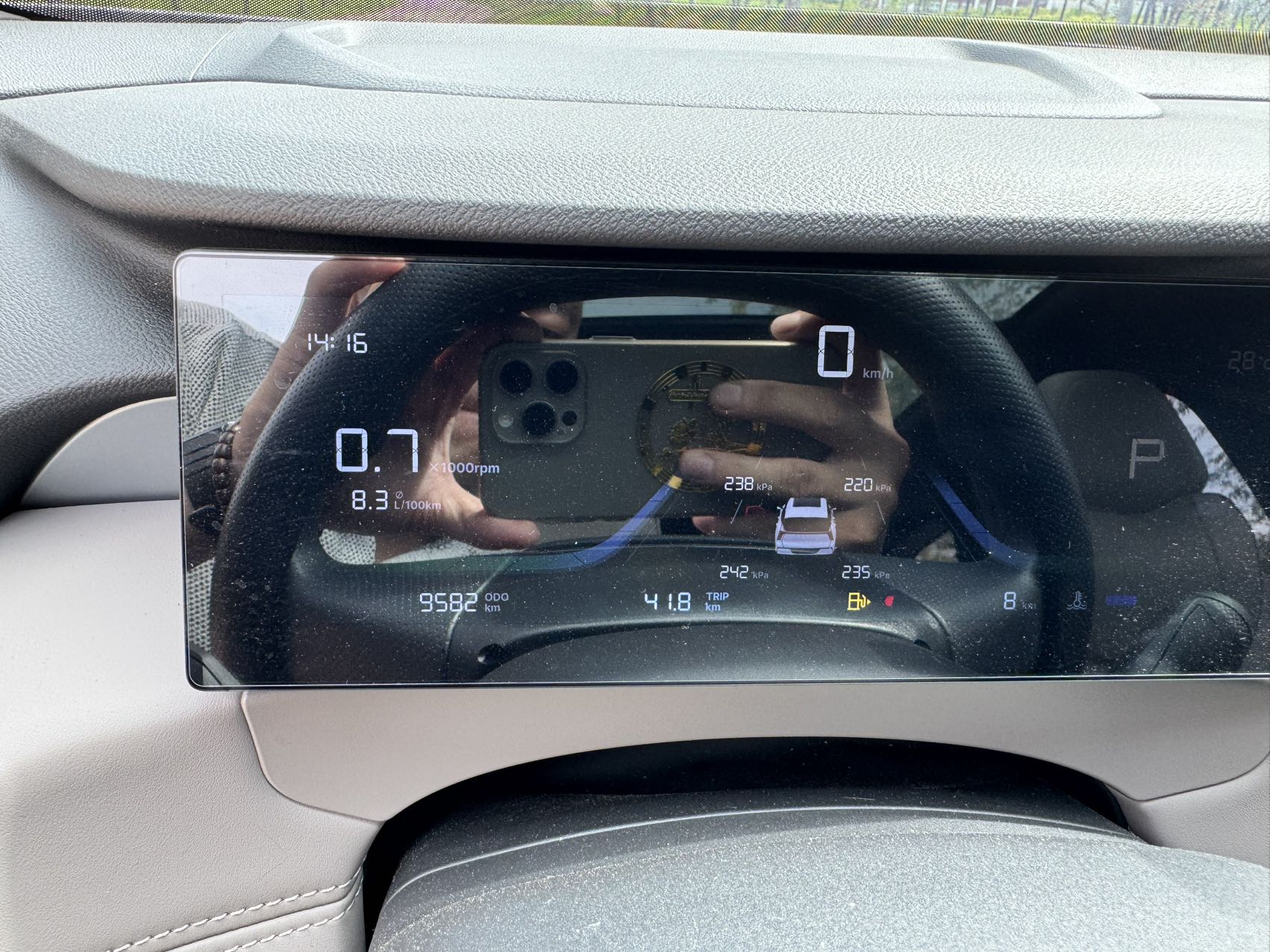
Mileage9,000km
Transfer Count0times
FuelGasoline
TransmissionDCT
Engine1.5T 181 L4
ColorWhite
Seats5seats

Condition Description

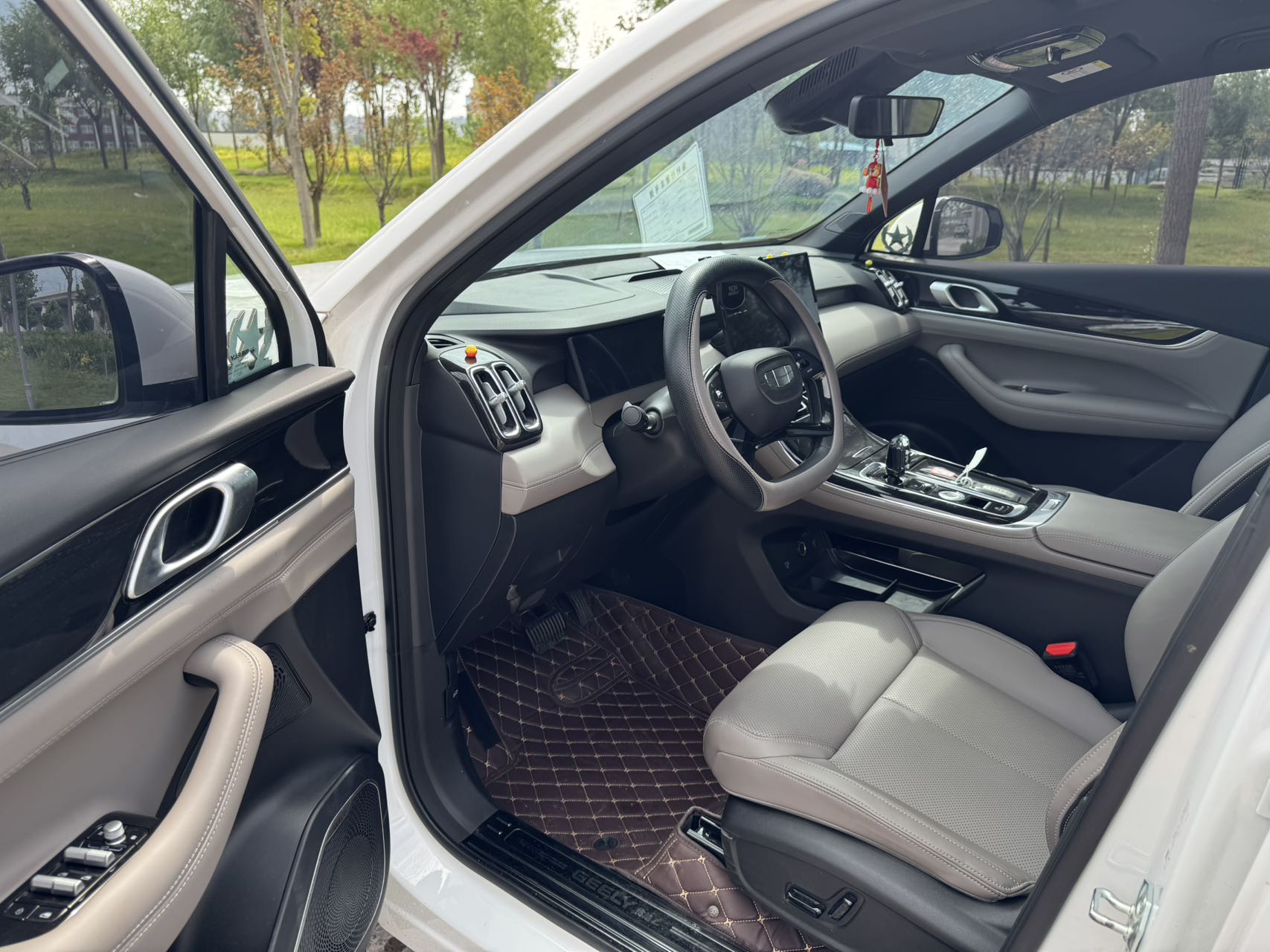
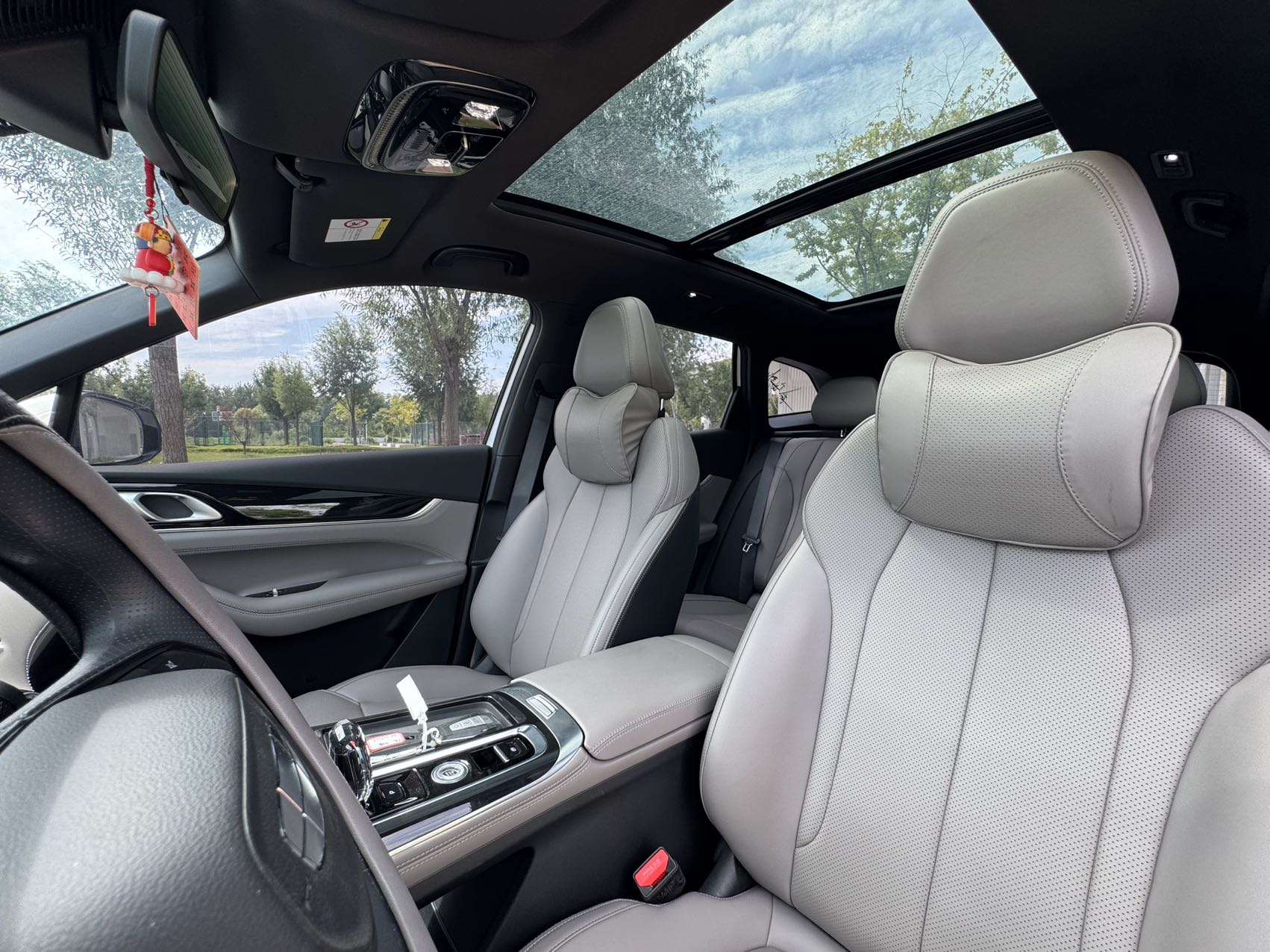
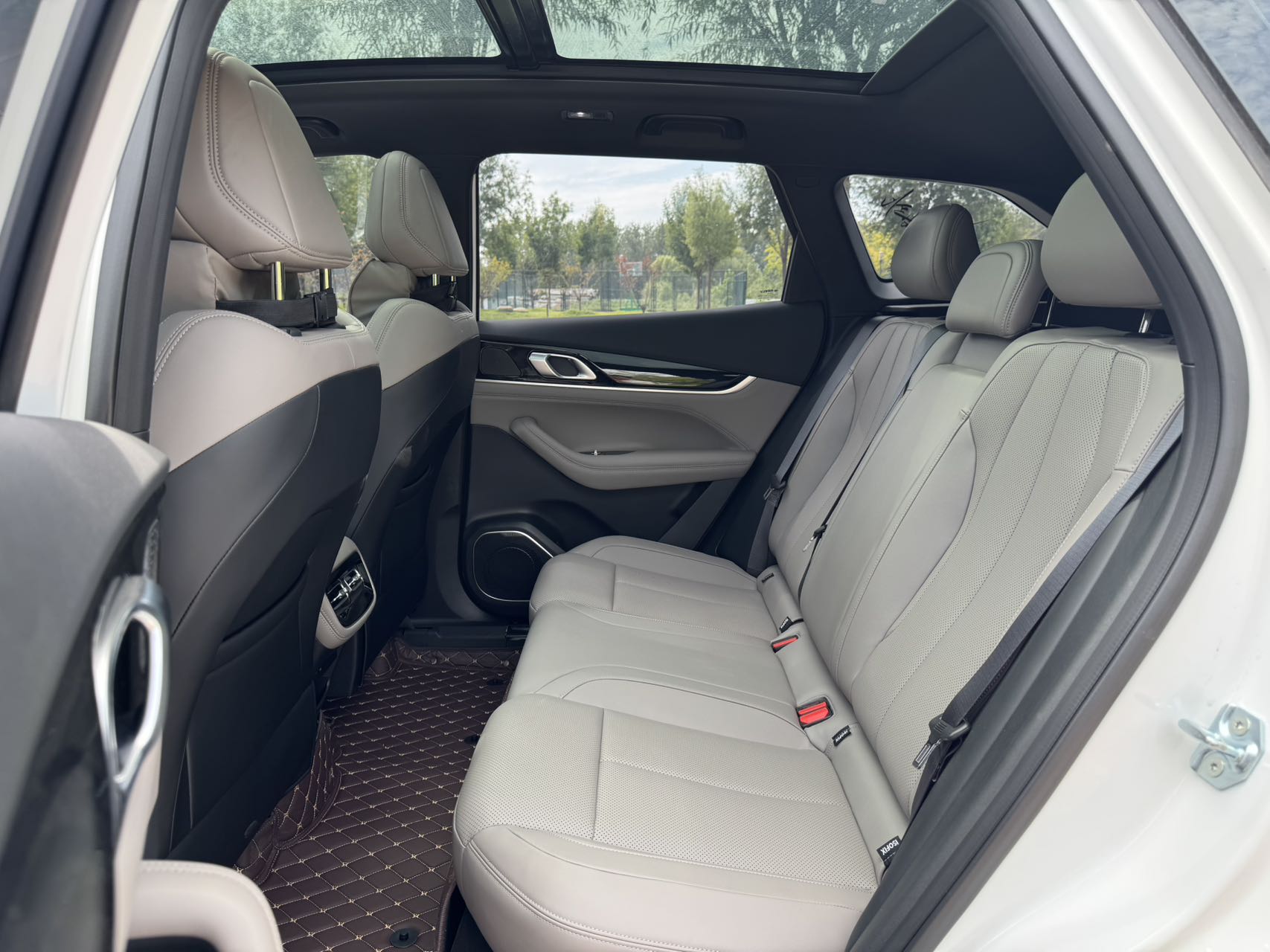
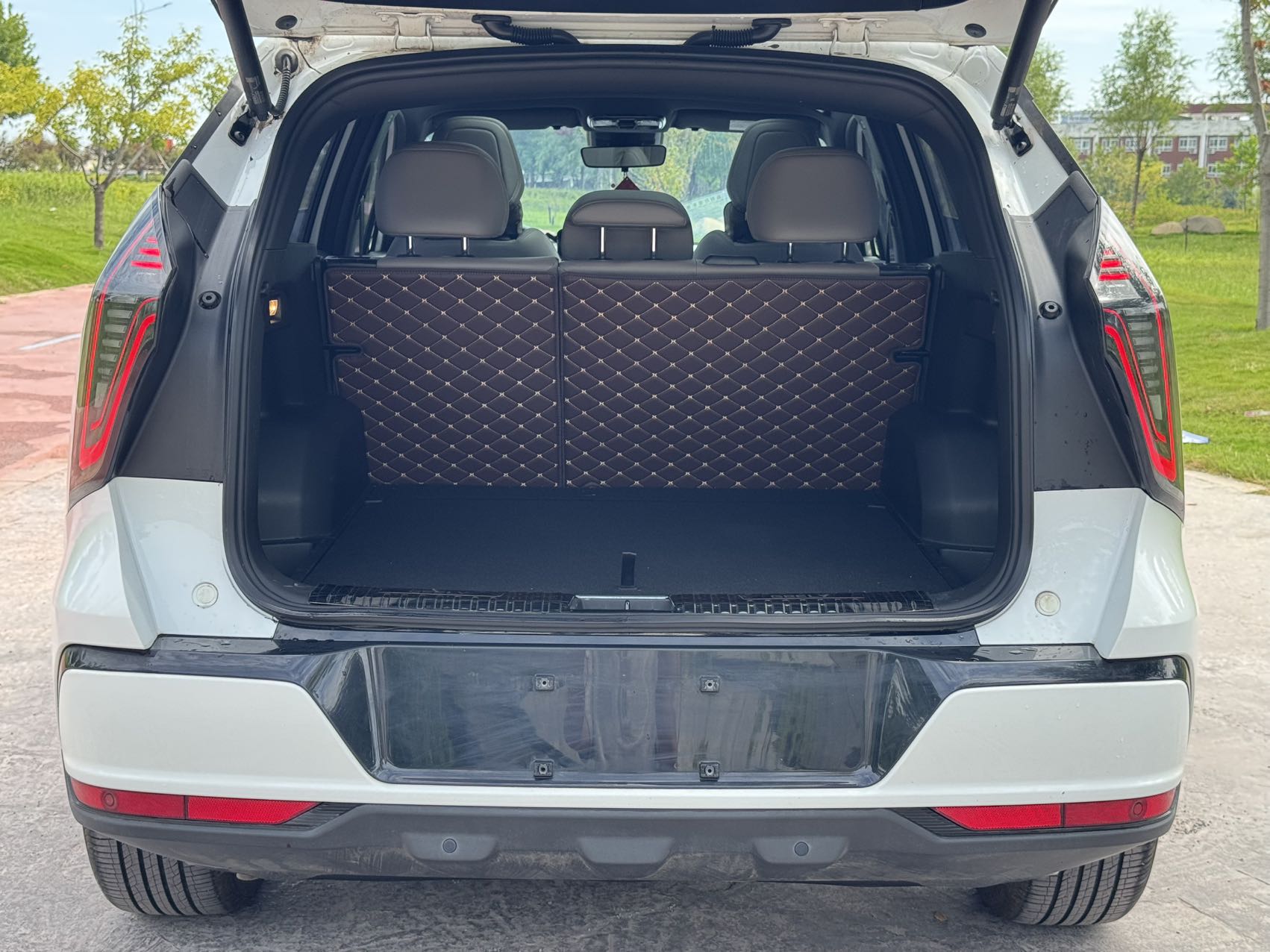
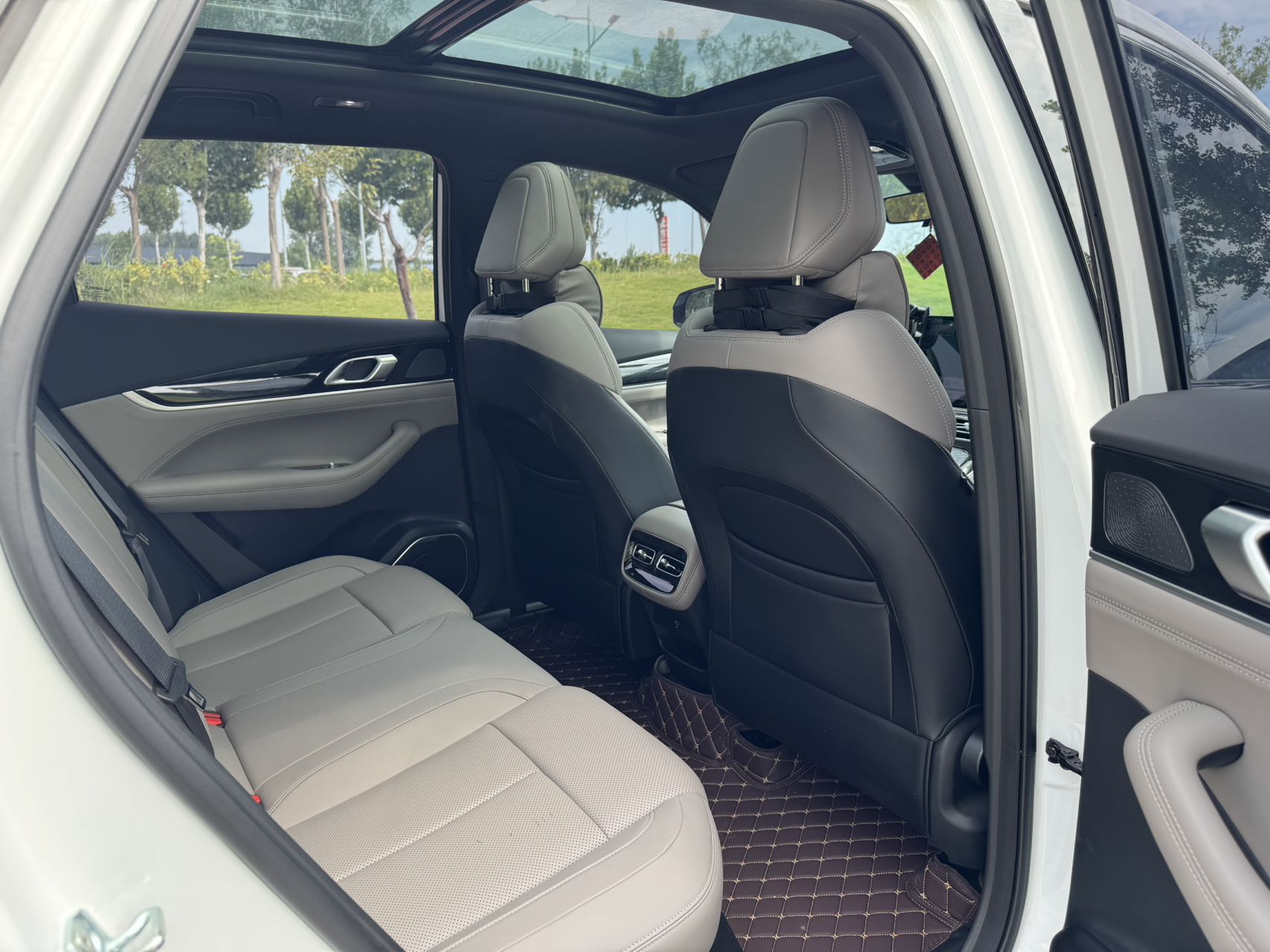
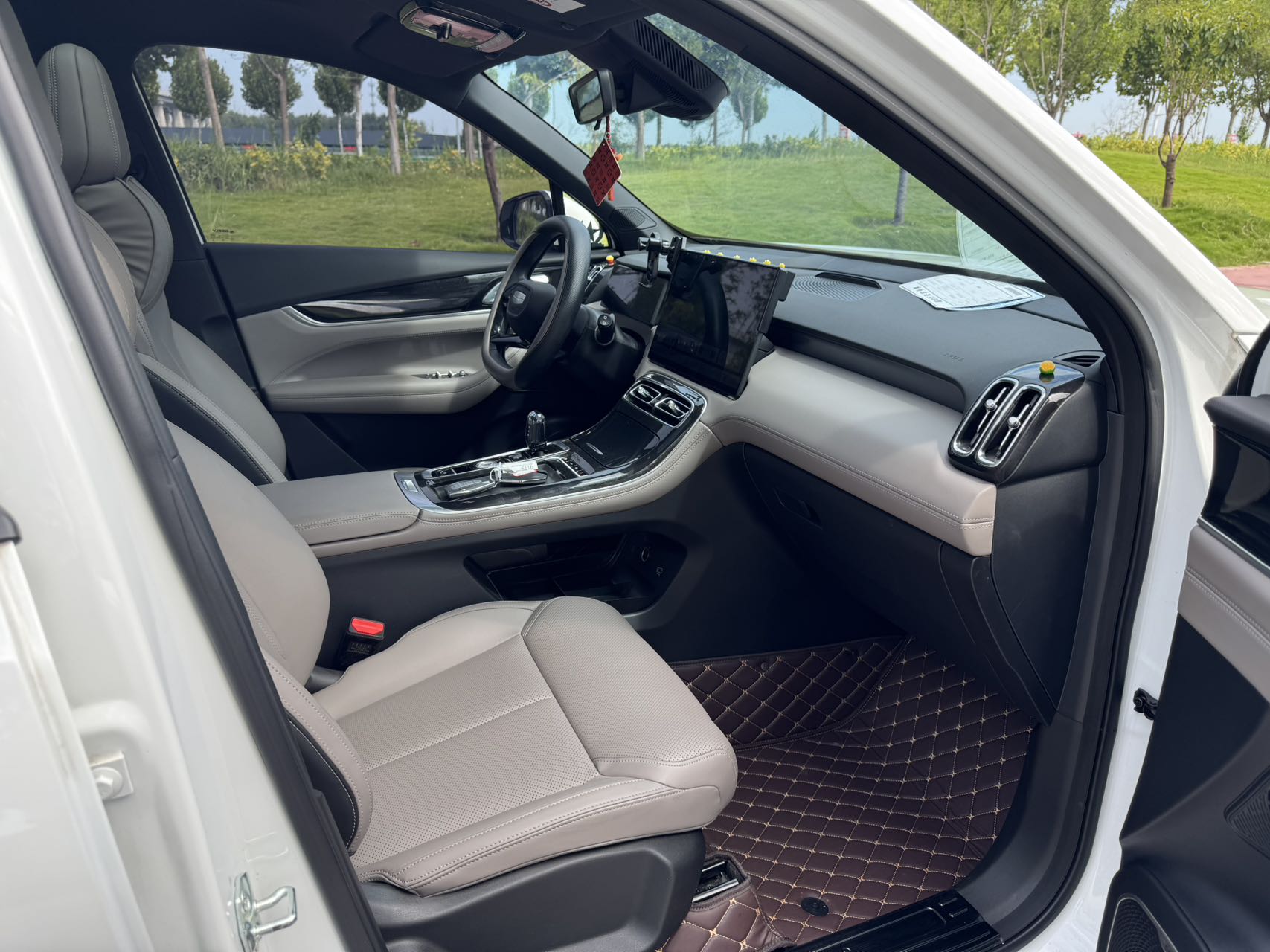
Manufacture date: July 2025; registration date: September 2025; mileage: 0.9 km; condition: original paint, no repairs.

Document Information

Inspection Expiry Date-
Warranty Expiry Date-
Insurance Expiry Date2026/09

Q&A

More

Can I request the original factory parameter sheet for the vehicle (such as the standard camber angles and toe values) from your after-sales service so I can do a four-wheel alignment locally?

This is after-sales support we are very happy to provide. Since overseas alignment machines often lack databases for Chinese brand vehicles, we will send you screenshots of the core chassis parameters from the service manual, making it easier for your technician to manually input the data for precise adjustments.


Who bears the intermediary bank fees incurred by bank wire transfers (T/T)?

International wire transfers generally follow "shared (SHA)" or "sender pays all (OUR)" principles. To ensure we receive the full remaining payment to release the bill of lading, we require all buyers to choose the "OUR" option when remitting, covering all intermediary bank fees.

How do I evaluate rust and corrosion on a used car from China, especially for coastal cities or snowy regions?

Rust is a deal-breaker that photos can hide, so be systematic. High-risk areas to check: 1. Underbody and frame rails—surface rust is normal, but flaking or bubbling paint means advanced corrosion 2. Wheel arches and rocker panels—these trap mud and salt 3. Door bottoms and the trunk floor—water collects here; lift the trunk mat and look for dampness or repair welds 4. Around the windshield and sunroof drains—leaks cause hidden rust in the A-pillars Ask the inspector to do a magnet test: filler-repaired areas won't hold a magnet, indicating past accident repairs. A paint thickness gauge reveals resprayed sections—uniform readings around 80-150 microns are normal; spikes over 300 suggest bodywork. Cars from northern China (salted roads in winter) or coastal cities need extra scrutiny on the underbody. If structural members show corrosion, walk away—repairs rarely restore original strength.