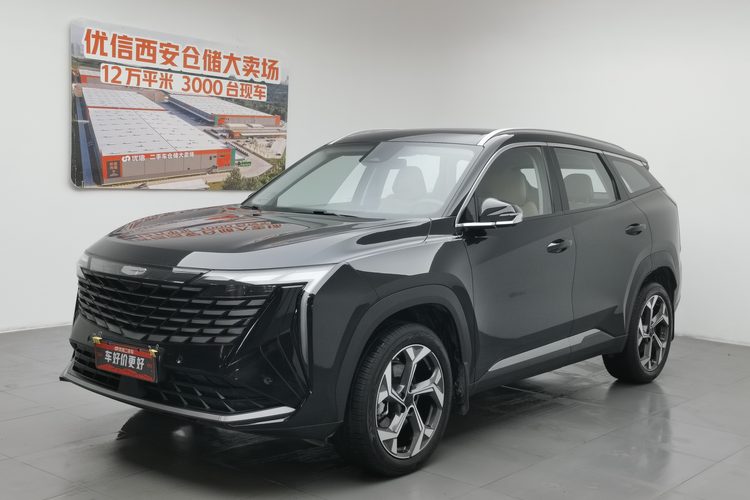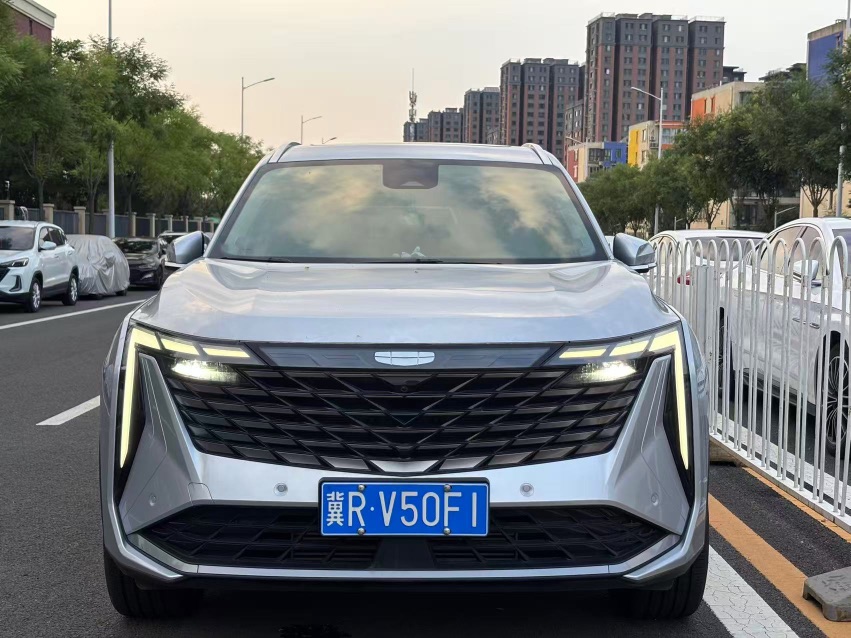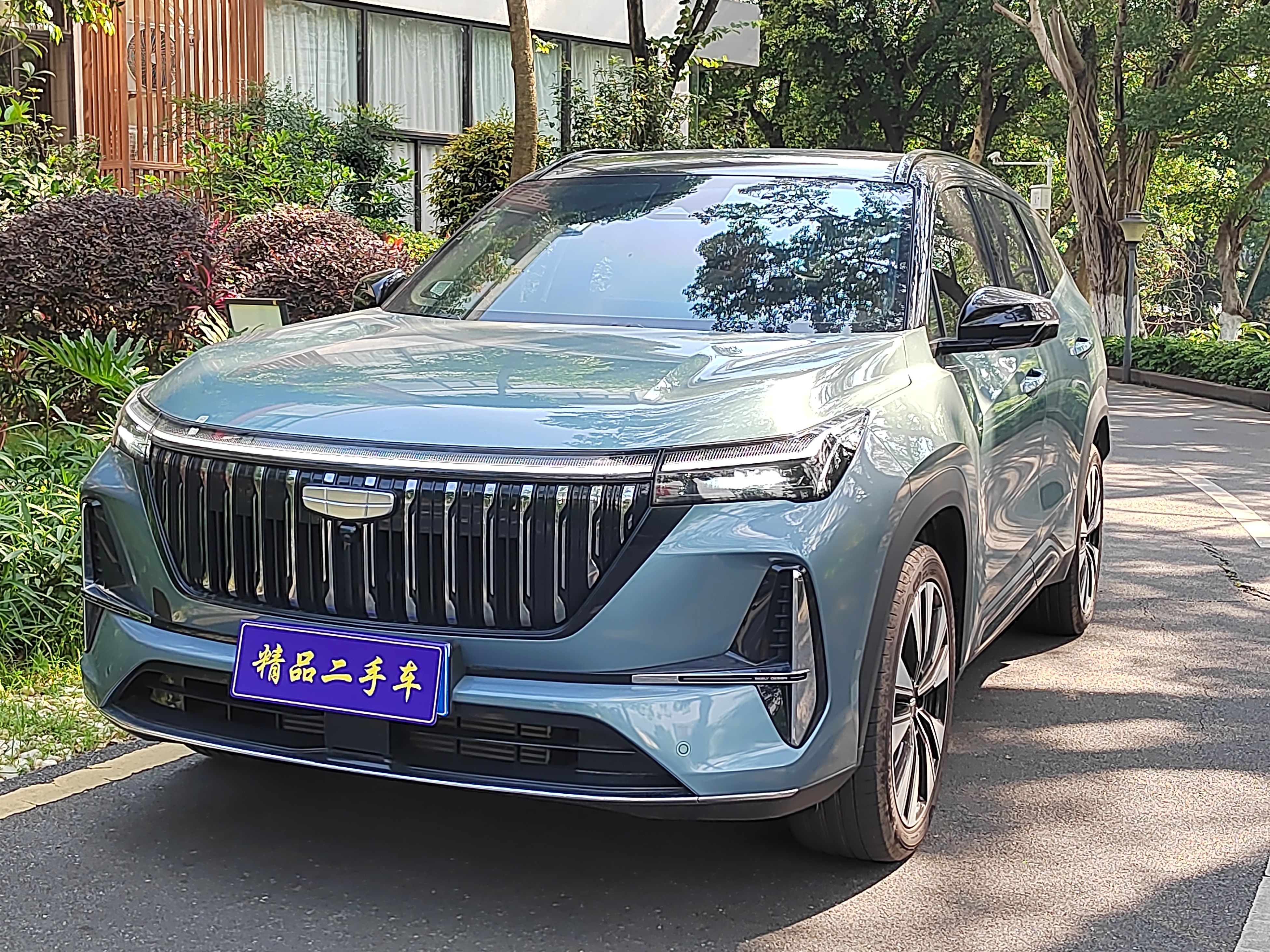
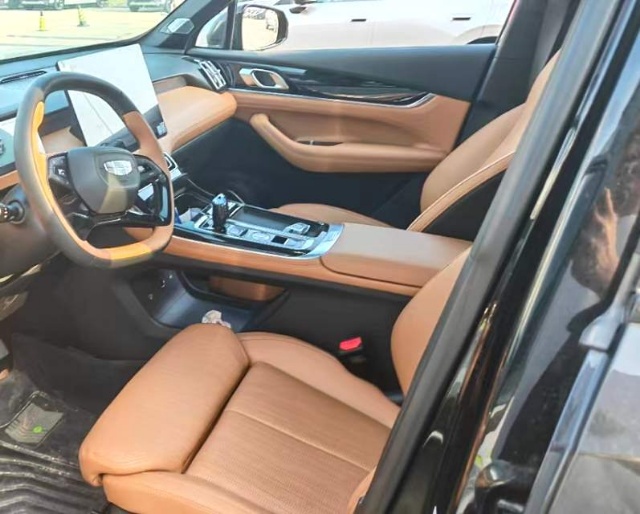
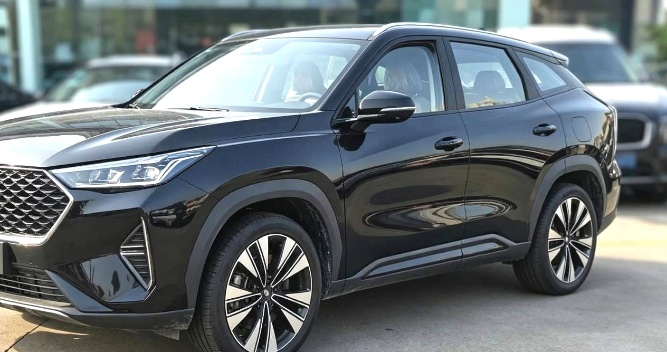
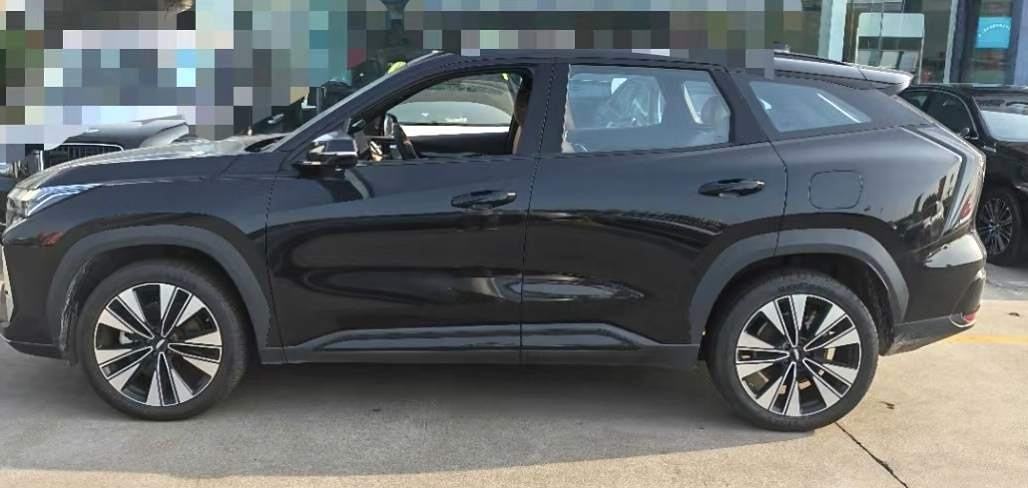
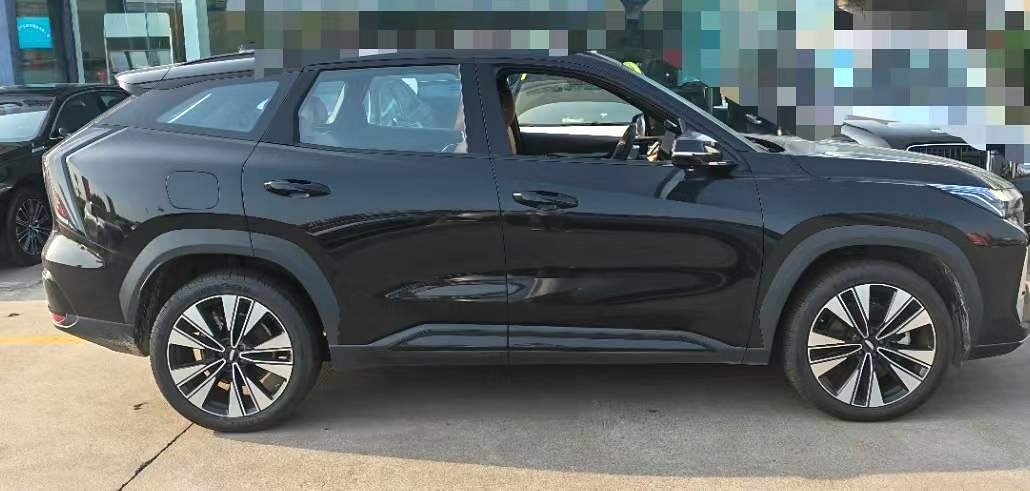



Stock

Basic Information

BrandGEELY
SeriesBoyue L
Year2026
First Registration2026/05
Mileage4,500km
Transfer Count0times
Fuel-
Transmission-
Engine-
ColorBlack
Seats-

Condition Description

Original paint

Q&A

More

My imported Chinese car's infotainment menus are all in Chinese. Can the system language be changed after import?

It depends on the brand and head-unit version, so check before assuming. Many newer Chinese cars (BYD, MG, Chery, Geely and others) ship with multilingual firmware, and English or other languages can be switched in the settings menu — ask the seller to confirm this in a video before you buy. If the menu has no language option, a dealer-level software flash may add languages, but this requires official tools and is not guaranteed for China-domestic versions. Avoid unofficial flashing services: a failed flash can brick the head unit and may void any remaining warranty. Keep expectations realistic: navigation maps, voice assistants and connected apps are usually tied to Chinese servers and accounts and often will not work abroad regardless of menu language. If local-language infotainment matters to you, prioritize models officially exported to your region, or plan to rely on phone mirroring (CarPlay/Android Auto where supported) as the practical workaround.


Will a used Chinese EV's apps, OTA updates and connected services work in my country?

It depends on the brand and model, so verify before you buy. Three things to check. First, connectivity: many Chinese EVs use embedded SIMs tied to Chinese carriers. Abroad, remote app control, live navigation and some cloud services may stop working unless the car can switch to a local SIM or the brand operates servers in your region. Second, language and navigation: ask the exporter to show the system menu in English or your language, and confirm the maps can be switched to your region — some head units carry China-only map data. Third, charging: verify the charge port standard (GB/T, CCS or Type 2) and whether the onboard AC charger accepts your local grid voltage and frequency. Also ask about OTA updates: official overseas models usually receive them; grey-import cars often do not. Get these answers in writing from the seller, and test the connected features over a video call before shipping.

When buying remotely, how do I assess the engine, transmission, brakes, and tires of a used car from China over a live video call?

A structured live video inspection can catch most mechanical problems. Ask the seller to do the following in order: Cold start: film the engine bay before starting — check for leaks, cracked hoses, and corrosion. Then start from cold and listen for rattling or knocking during the first minute; abnormal noises on cold start often mean worn internals. Fluids: pull the oil dipstick — milky or foamy oil suggests head gasket issues. Check coolant color and level. Transmission: with the car warmed up, film each gear shift, forward and reverse. Hesitation, harsh jerks, or slipping RPM are red flags. Brakes: test at low speed in a safe area — the pedal should feel firm, not spongy, and the car must not pull to one side. Tires: walk around and film each tire's sidewall and tread. Uneven wear suggests alignment or suspension problems. Combine this with an independent pre-shipment inspection for a professional report — the video call is your first filter, not the final verdict.