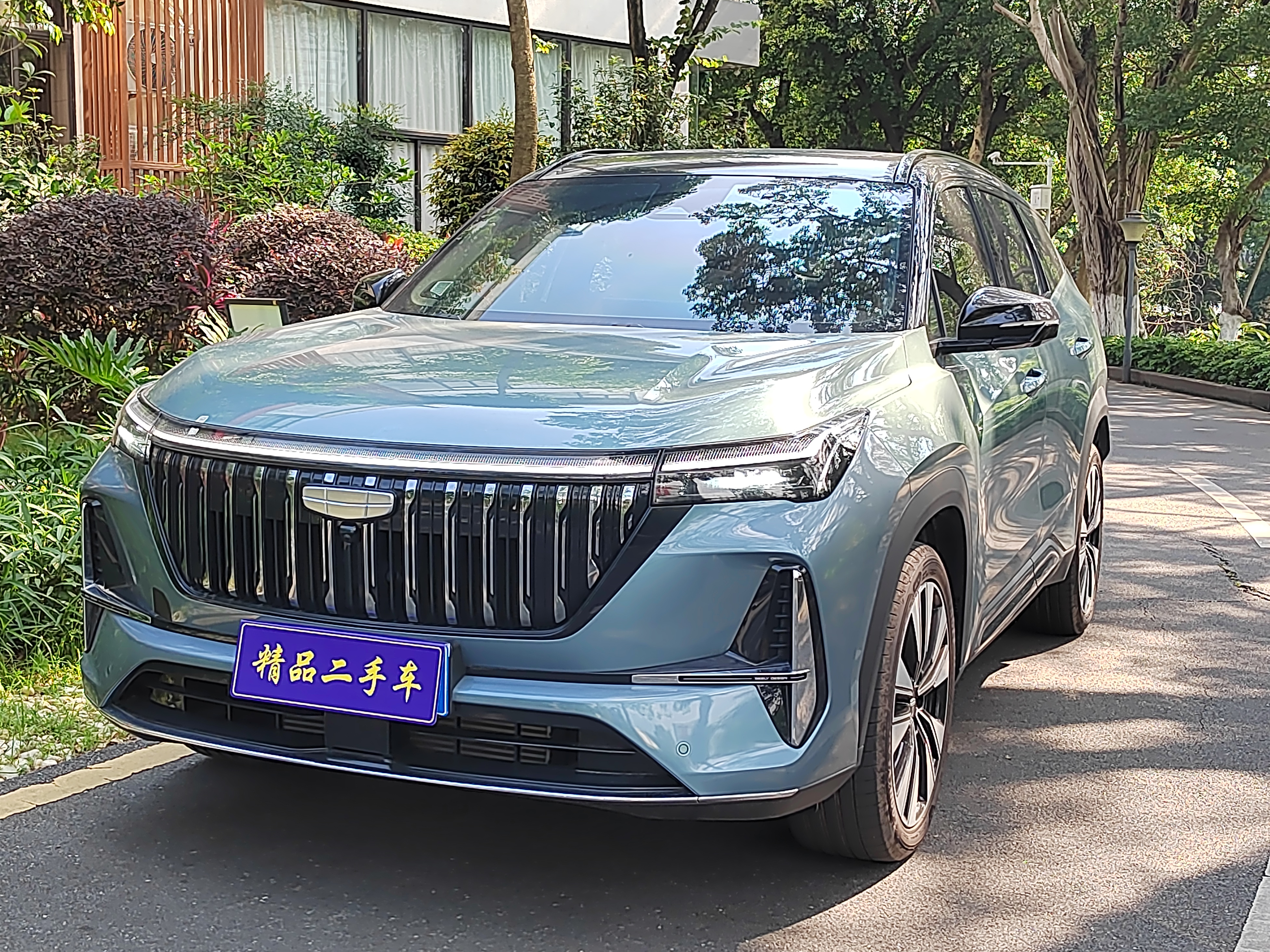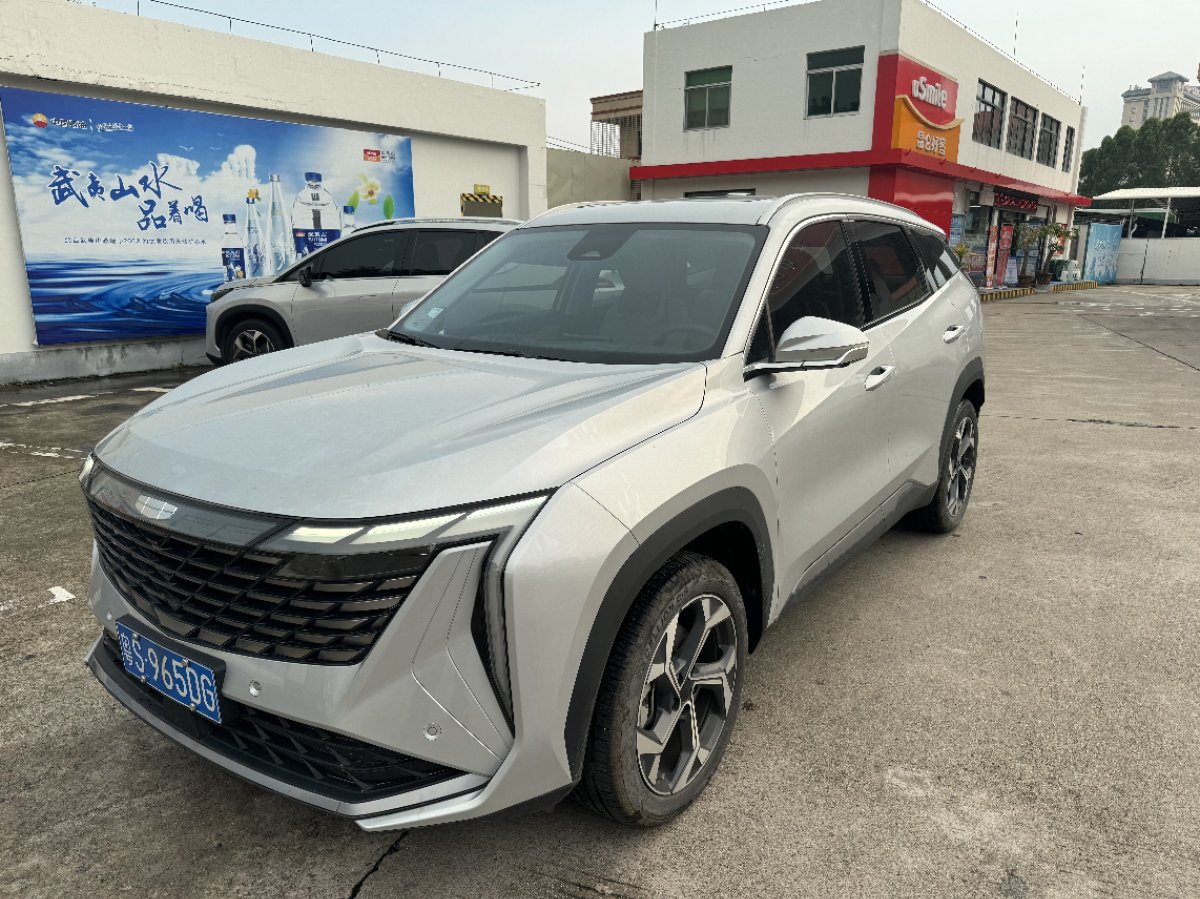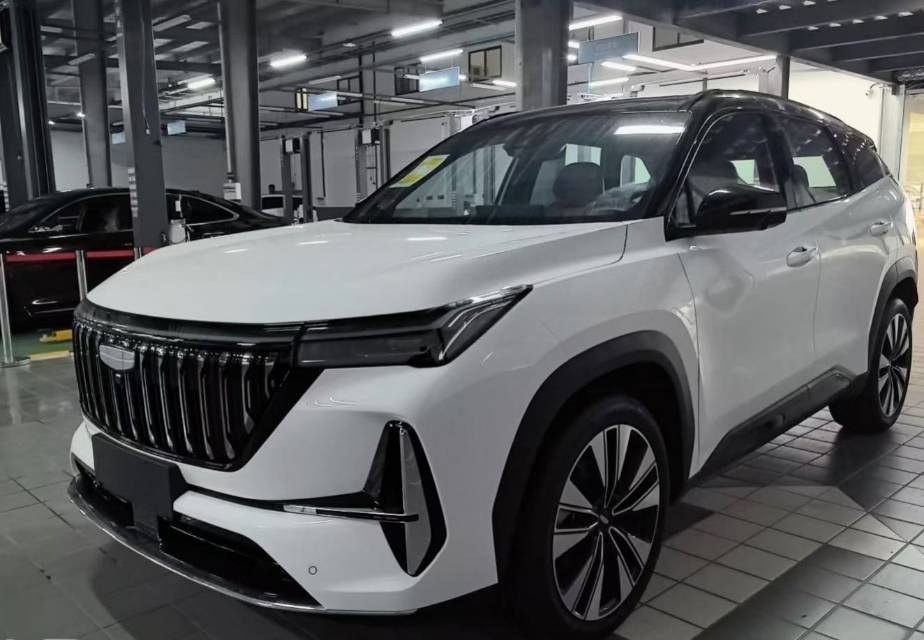
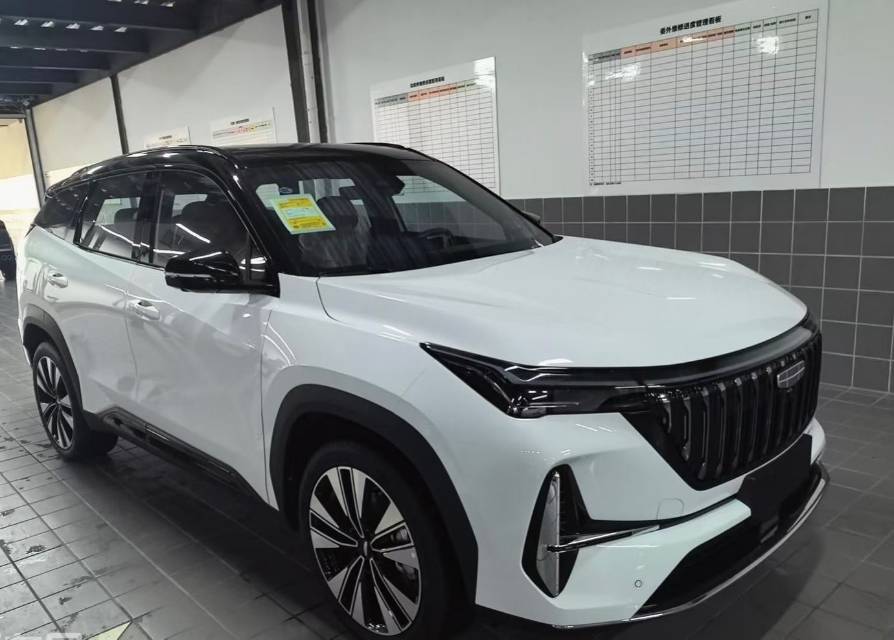
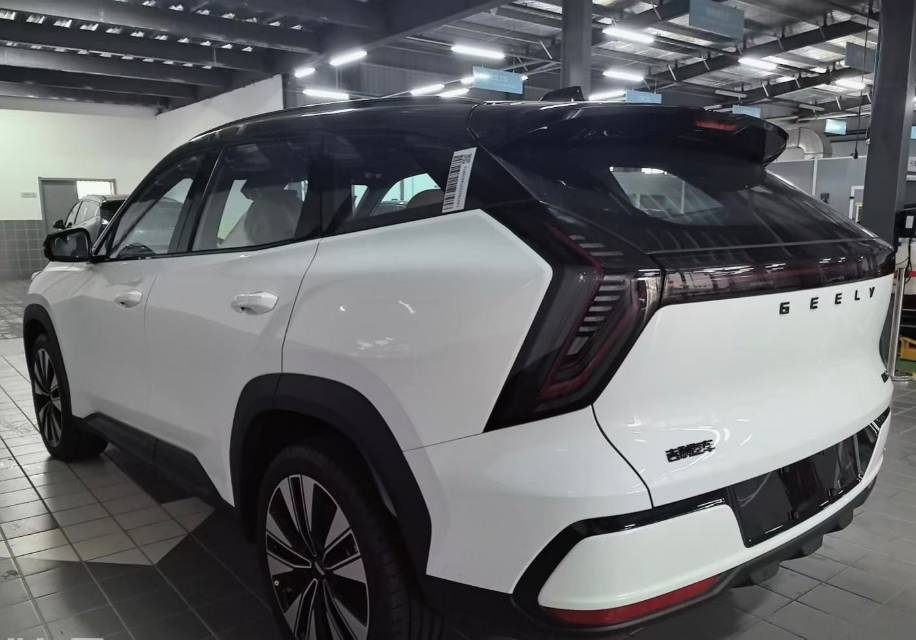
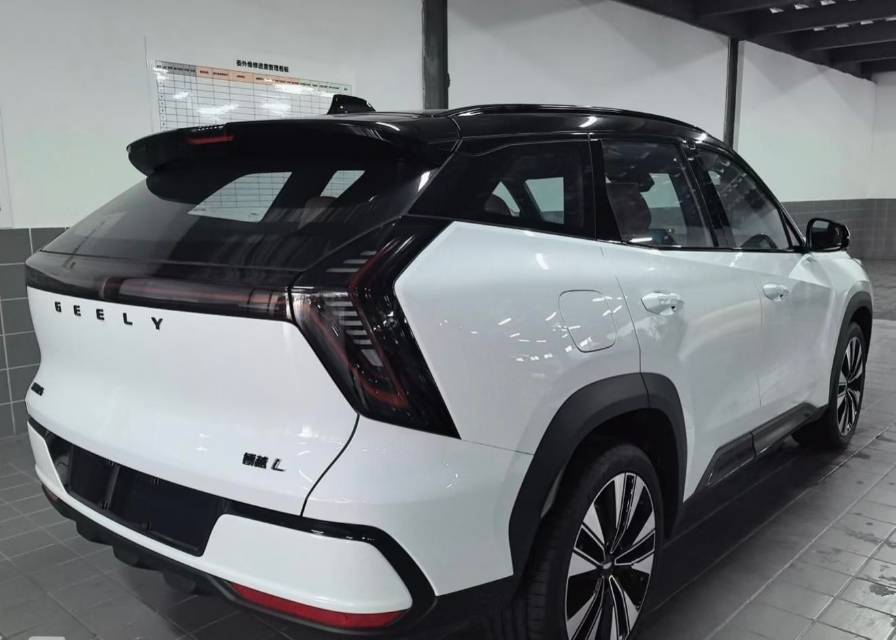
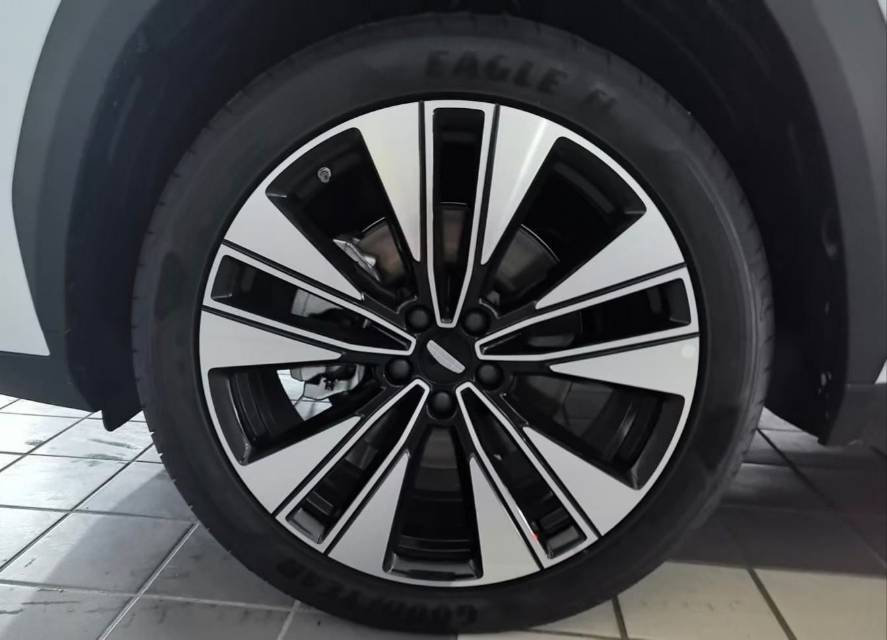
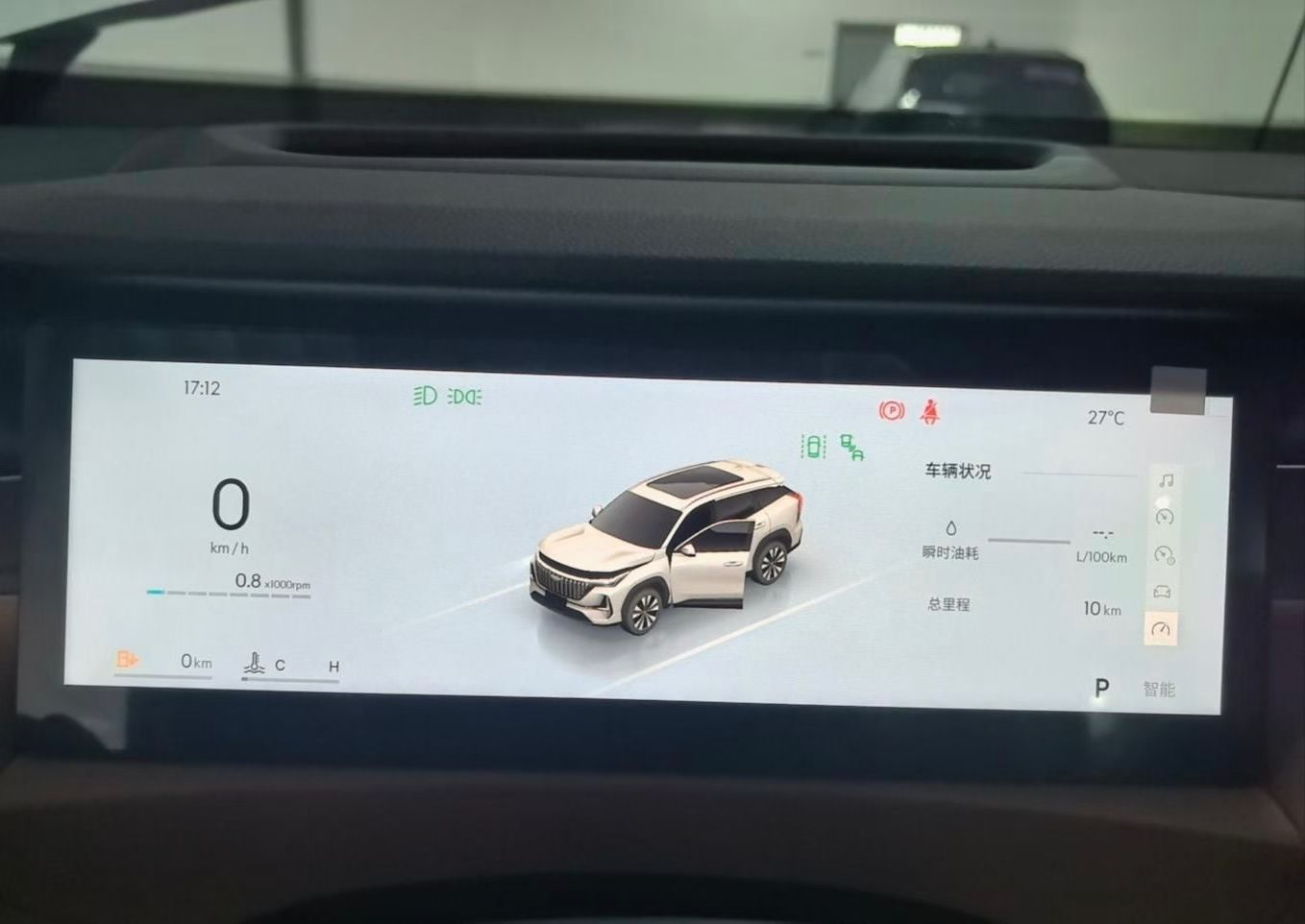
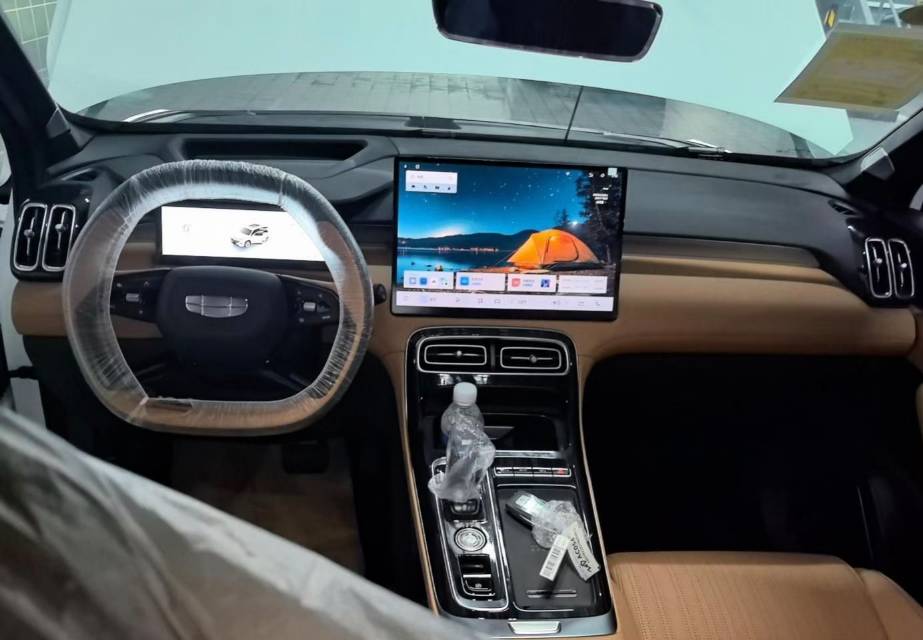
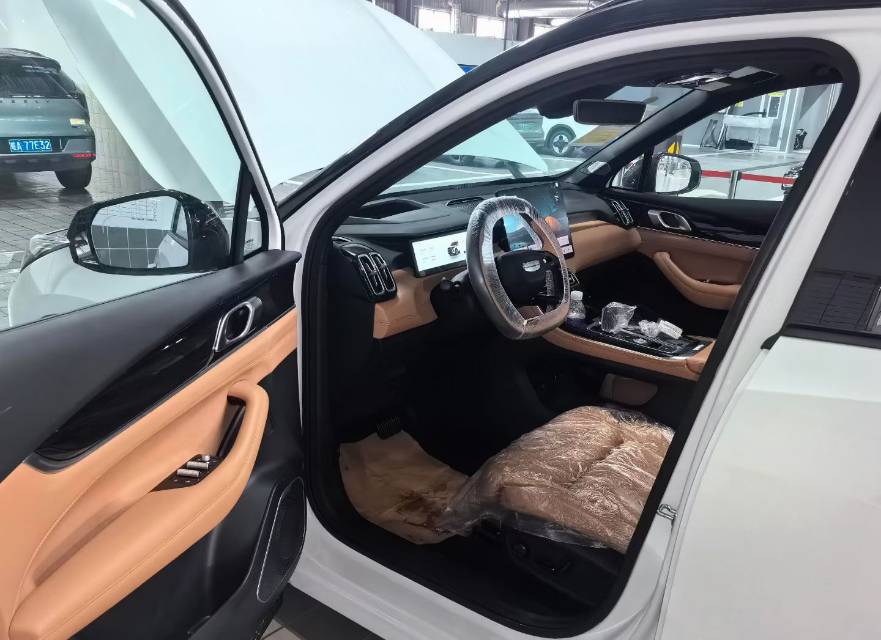
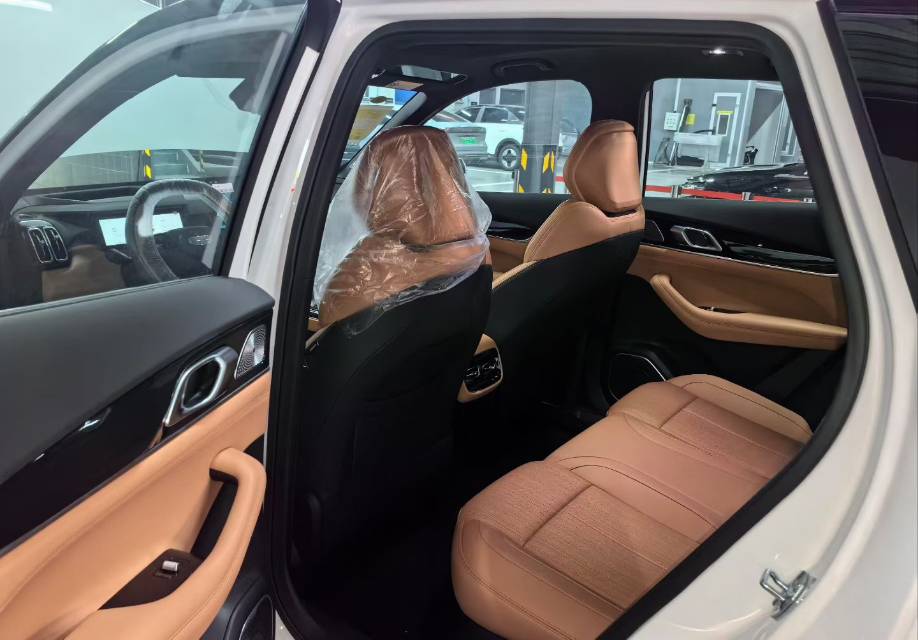



Basic Information

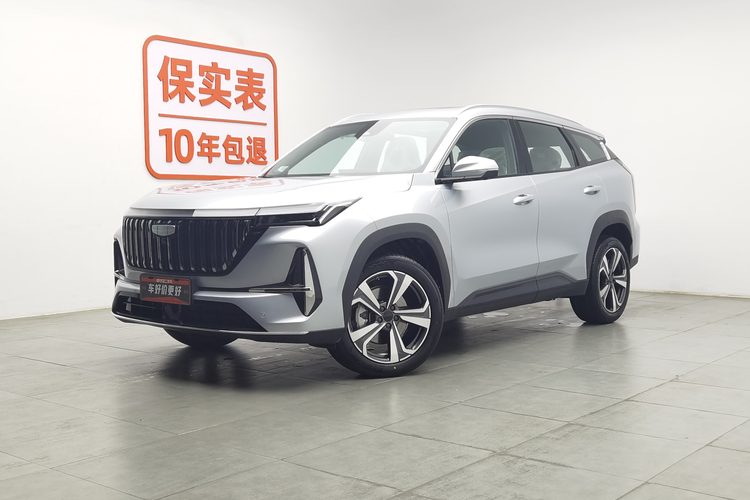
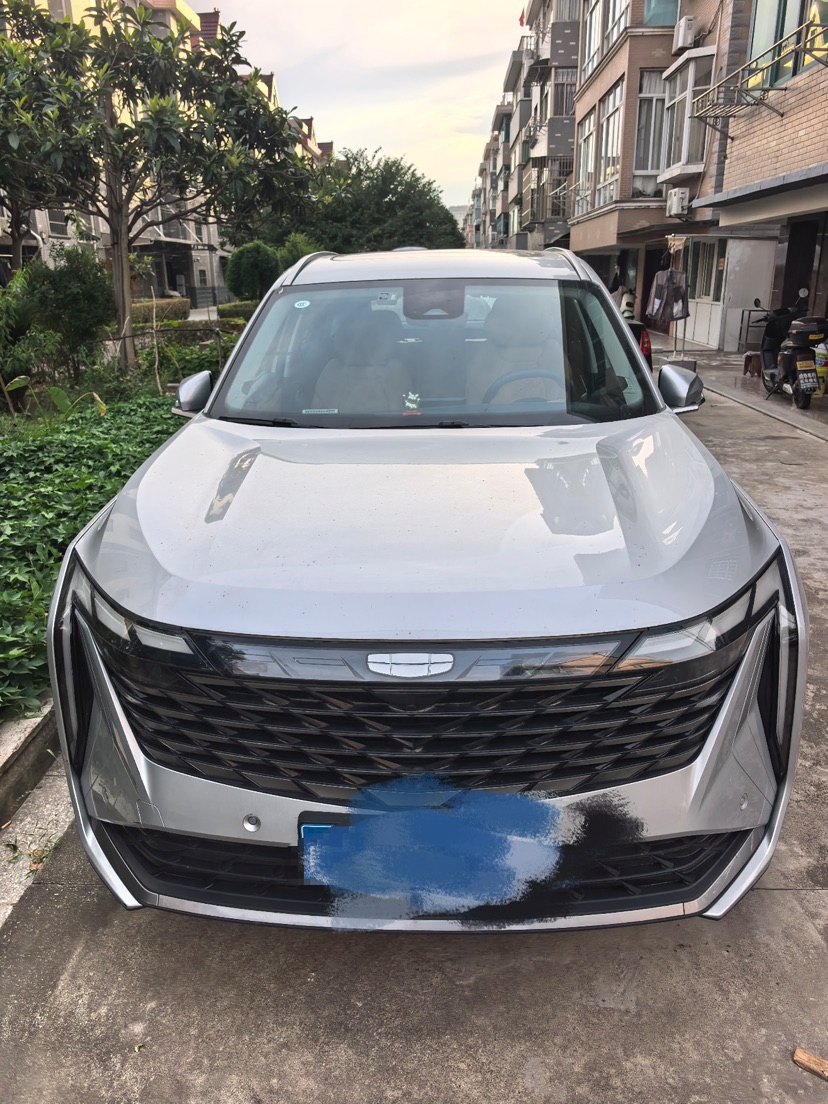
BrandGEELY
SeriesBoyue L
Year2026
First Registration2026/07
Mileage100km
Transfer Count0times
FuelGasoline
TransmissionDCT
Engine1.5T 181 L4
ColorWhite
Seats5seats

Condition Description

Average condition.

Original paint. New car, not yet registered. Eligible for scrappage subsidy.

可议价
已上架

Configuration Highlights

✓品牌: 吉利汽车
✓车系: 博越L
✓车型: 博越L 2025款 第四代 1.5TD DCT 锦绣
✓能源类型: 燃油车
✓发动机: 1.5T
✓变速箱: 7挡湿式双离合
✓驱动方式: 前置前驱
✓排放标准: 国VI
✓指导价: 12.69万
✓车源编号: 12774030
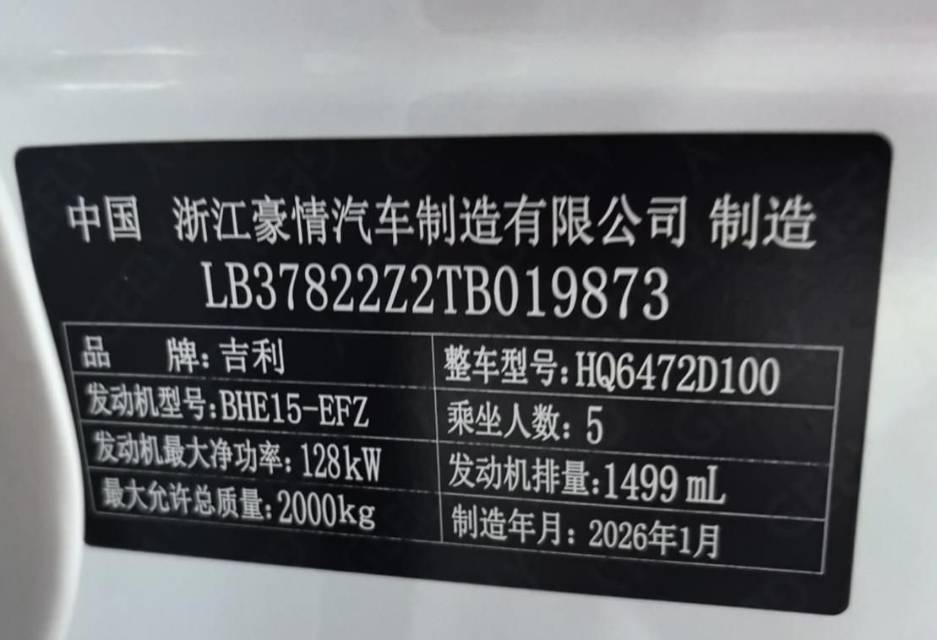
✓VIN: LB37822Z2TB019873

Document Information

Inspection Expiry Date2028/07
Warranty Expiry Date-
Insurance Expiry Date2027/07

Q&A

More

Does your technical testing include highway road tests (high-speed driving tests), or is it only low-speed driving in a closed area?

Due to legal restrictions preventing unregistered vehicles from high-speed driving on public roads in China, most of our dynamic tests are conducted in a closed area (with a maximum speed of around 60 km/h). This is sufficient to test for suspension noise and low gear smoothness, but it cannot simulate high-speed wind noise and tire balance vibrations at 120 km/h.
What should be done if the parameters on the vehicle's Chinese registration certificate do not match those in the destination country's customs database?

The commercial invoice and export license we provide are based on the vehicle's underlying VIN and official Chinese nameplate data. If there are minor discrepancies with the destination country's customs system parameters (such as curb weight), we will issue a "Parameter Explanation Letter" stamped by our company to assist you in explaining, but we cannot change the official document data.

Why is there a time difference between the production date on the vehicle nameplate and the first registration date on the registration certificate?

The nameplate date is the absolute time when the vehicle leaves the factory; the registration date is when the vehicle is registered with the traffic management department after sale. The difference represents the time the vehicle spent in the dealer's warehouse or logistics. If the time difference exceeds 6-8 months, the vehicle is considered a "stock vehicle," and we pay special attention to the natural aging of its rubber components.