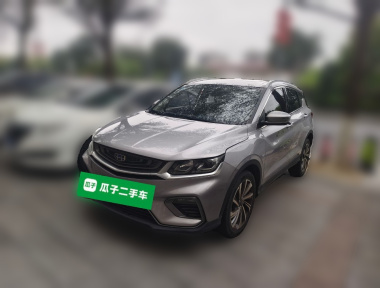
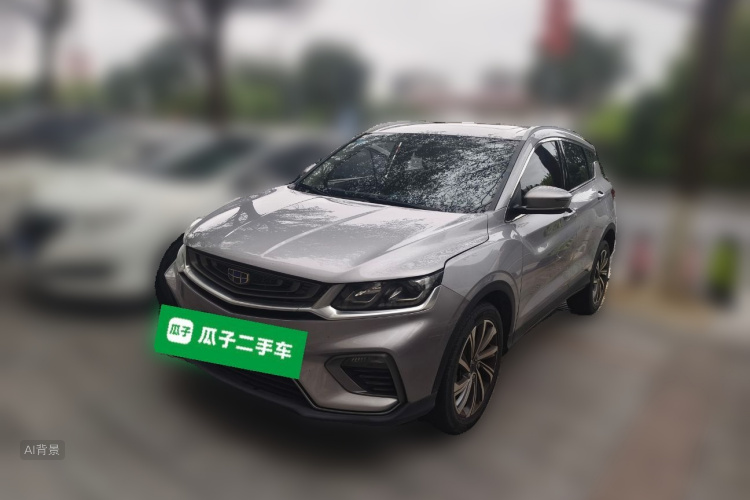



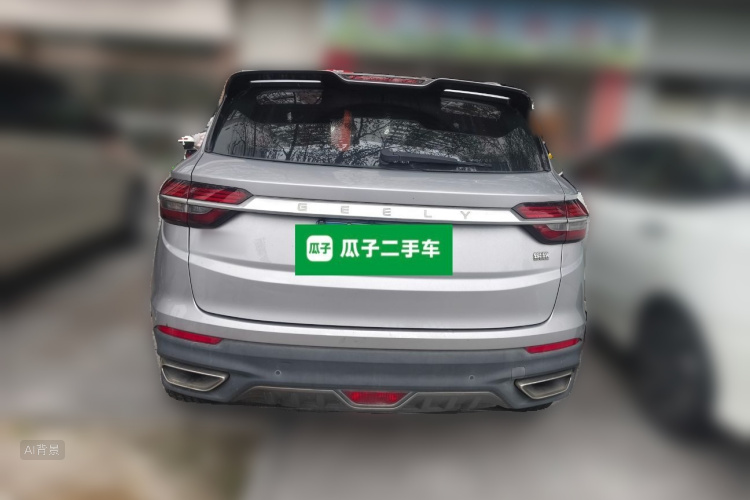
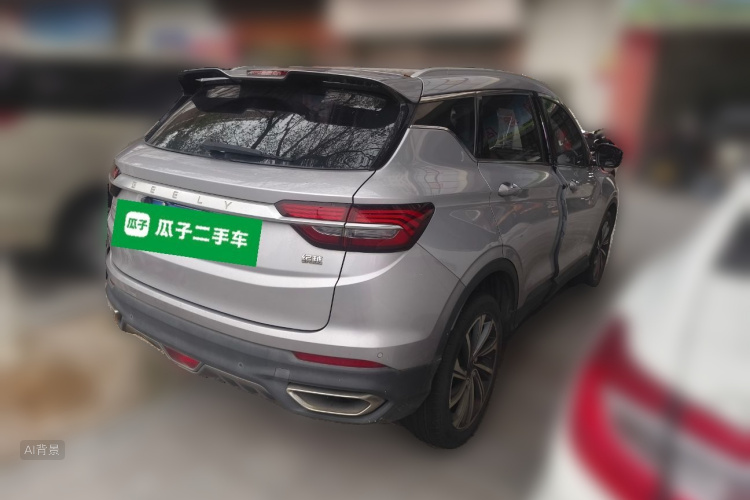









24H

Basic Information

BrandGEELY
SeriesCoolray
Year2019
First Registration2019/03
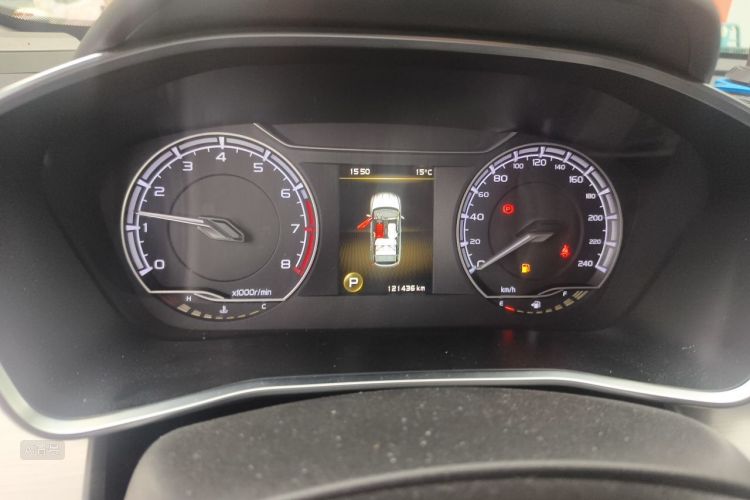
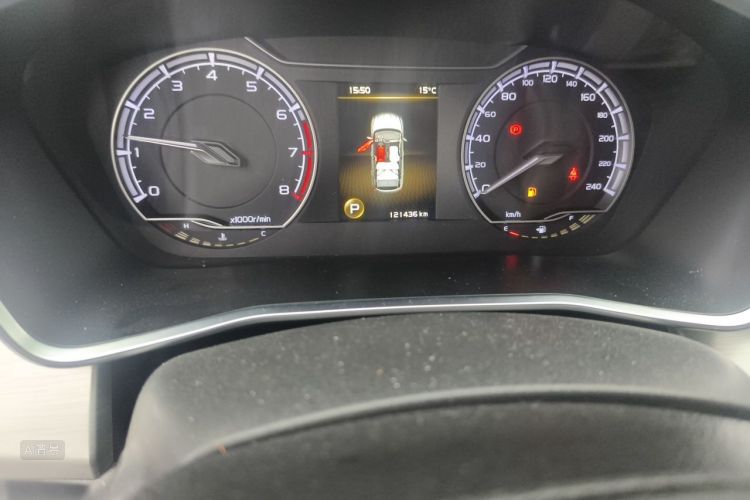
Mileage121,400km
Transfer Count1times
FuelGasoline
TransmissionDCT
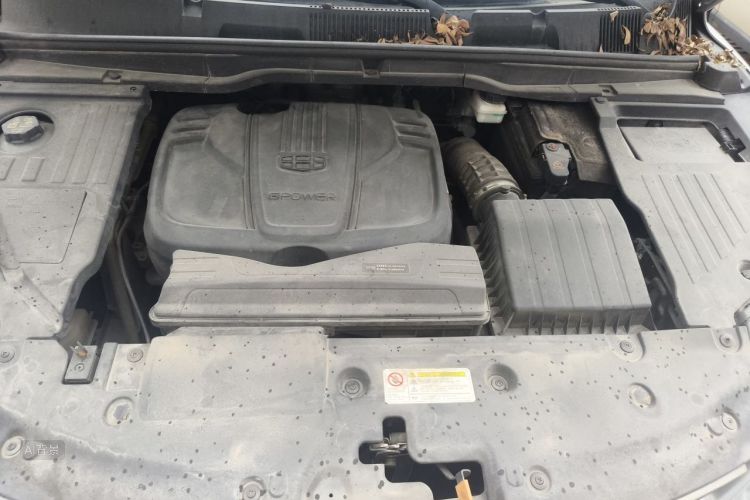
Engine1.5T 177 L3
Color
Seats-

Condition Description

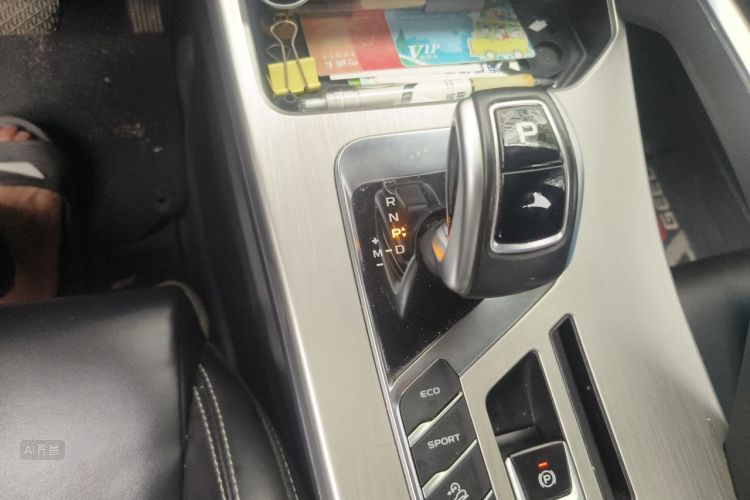
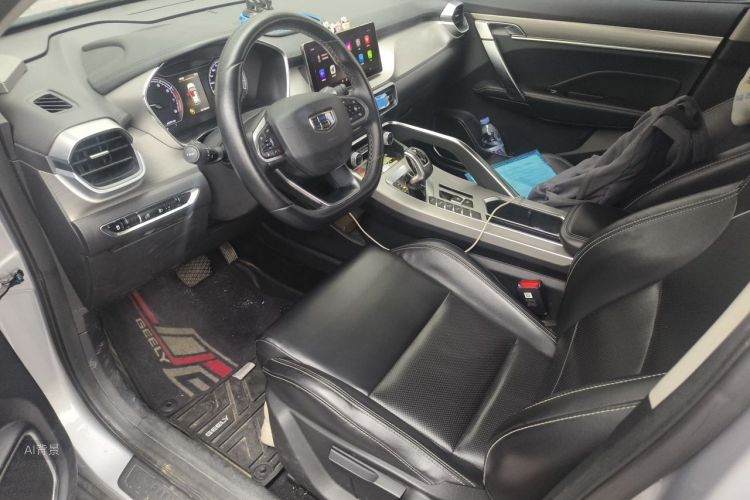
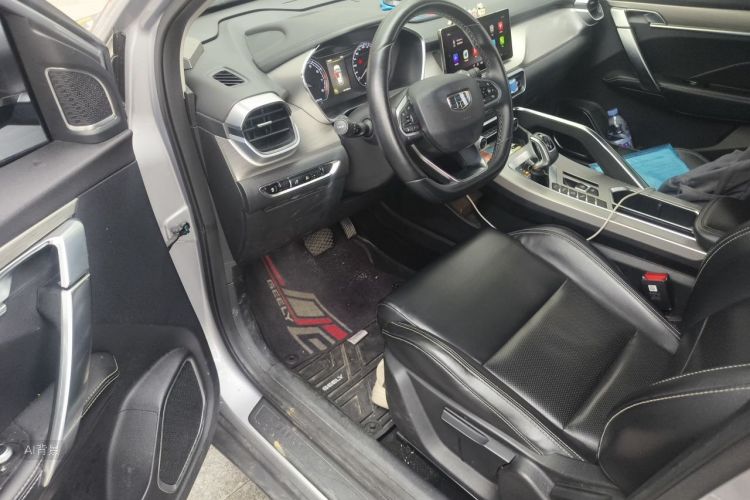
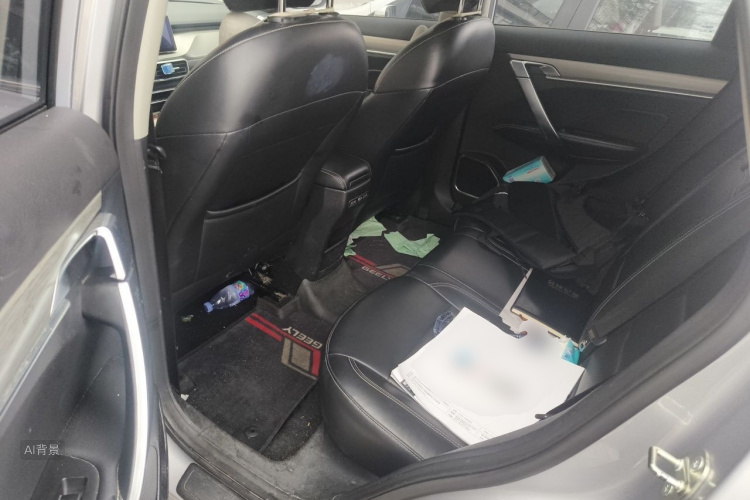
Basic condition: excellent | Transferred 1 time

Q&A

More

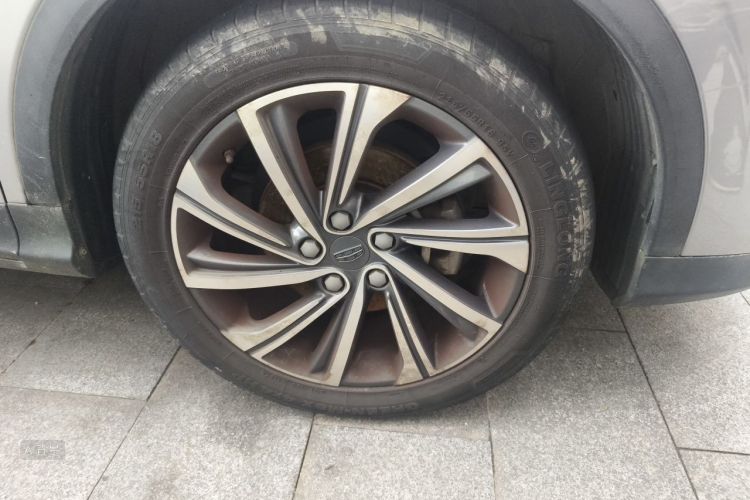
How can I judge the real condition of the tires and suspension of a used Chinese car from photos and video?

Photos and video can reveal a lot if you know what to ask for. Tires: ask for close-ups of all four tire sidewalls showing the DOT date code—the last four digits are the week and year of manufacture. Tires older than 5-6 years should be replaced or discounted, even with good tread. Uneven wear (more worn on one edge or one side) suggests alignment or suspension problems. Suspension: ask the seller to shoot a short video while slowly driving over a speed bump or rough pavement, and listen for clunks and rattles. During the walkaround, look at the ride height: if one corner sits lower, a shock absorber may be worn. Also check for fresh underbody paint or brand-new shocks on an otherwise original car—this can hide accident damage. For anything uncertain, a paid pre-purchase inspection at a local shop is worth the cost.


Which import rules (age limits, emissions, safety standards) apply to used cars from China in my country, and how do I confirm the car qualifies before paying?

Rules differ by country. Many markets limit the age of imported used cars (commonly 3-5 years), require left-hand drive, and set minimum emission standards such as Euro 4, 5 or 6. Some regions additionally require a local conformity certificate before the car arrives. Practical steps before any deposit: check your customs authority's official website, or spend 20 minutes with a local customs broker who imports vehicles regularly; give the exporter your country's requirements and the VIN, and ask for proof of the car's emission level (China's standards map roughly to Euro equivalents); confirm the exact model was legally exportable from China. A short verification call at the start can prevent the car being refused entry — or impounded — months later.

Are you responsible for re-spraying the chassis anti-rust coating (armor) if it is eroded by salt spray during sea transport?

No, we are not responsible. The high salt and humidity of the marine environment do have an impact on the chassis surface. We recommend buyers in tropical islands or countries that use salt for winter snow removal to perform a thorough chassis anti-rust spray locally immediately after the vehicle arrives.