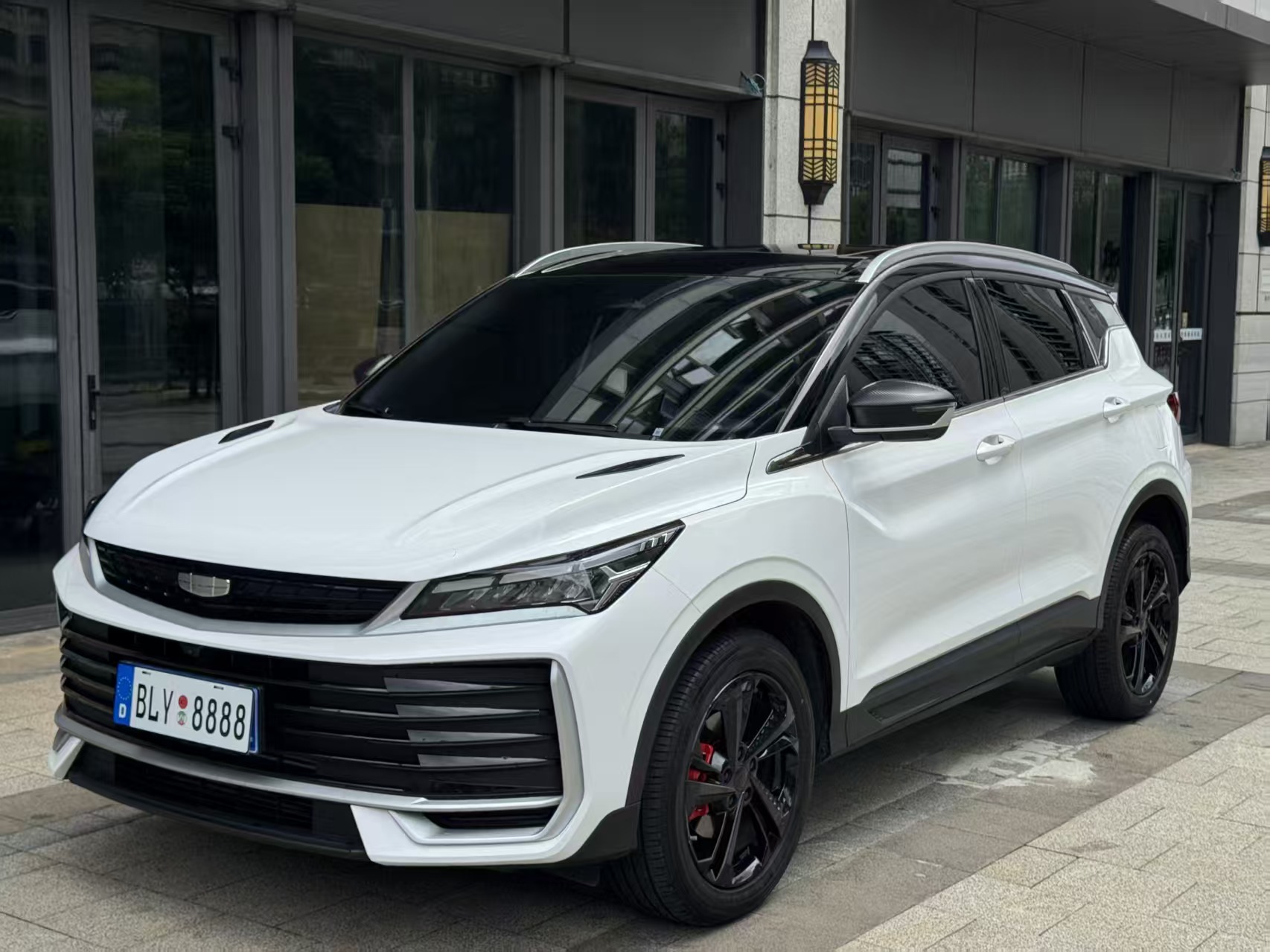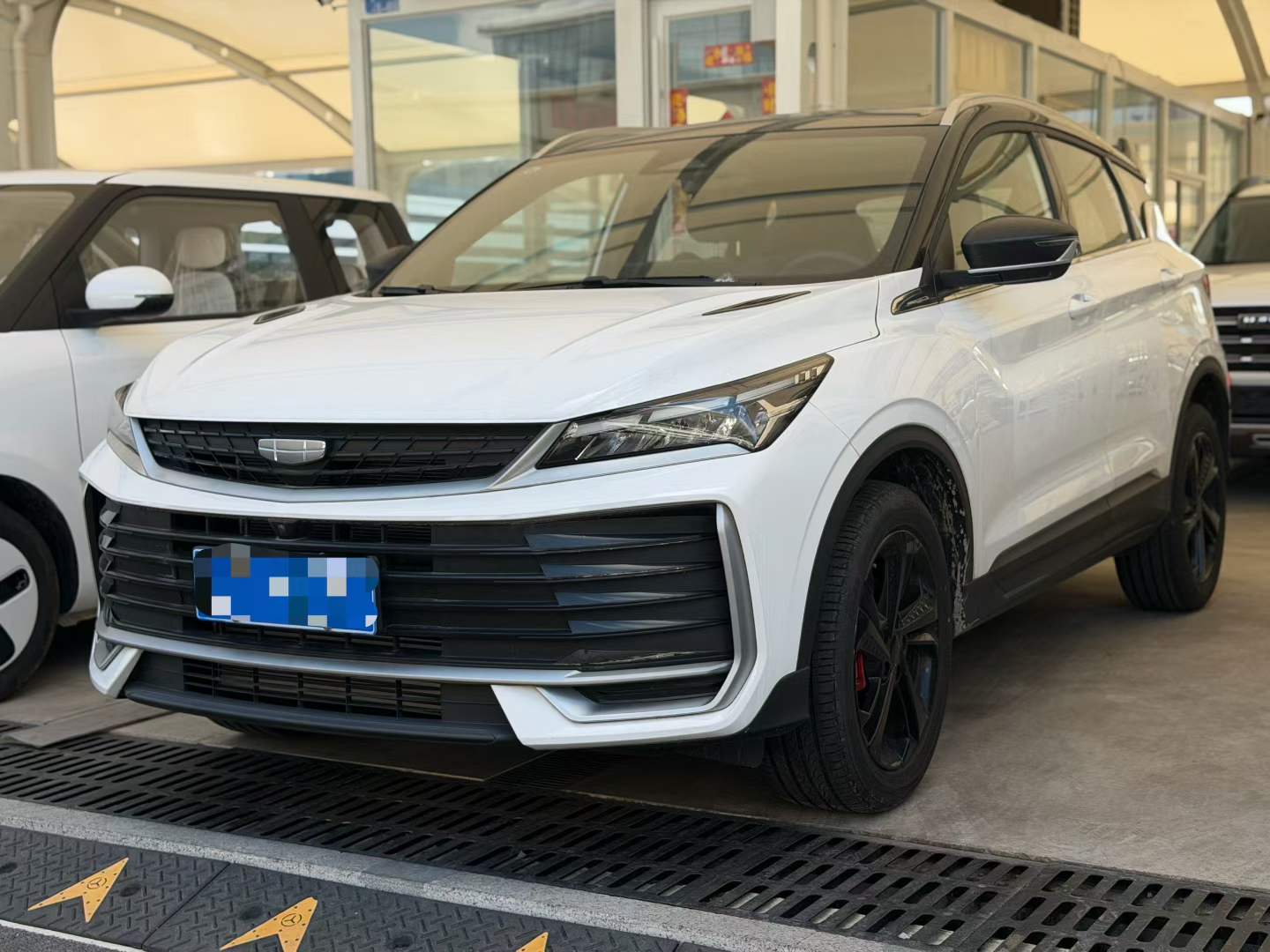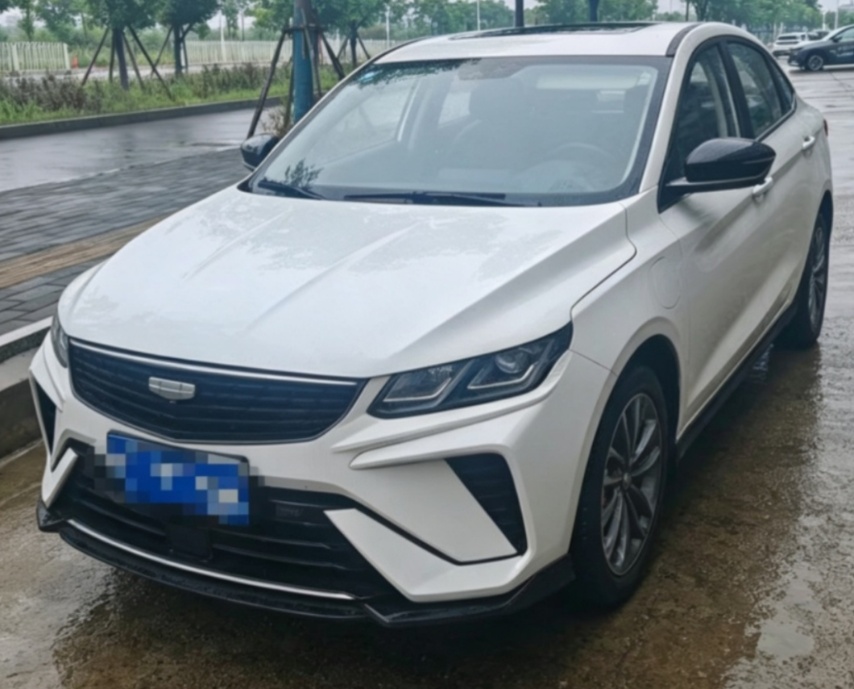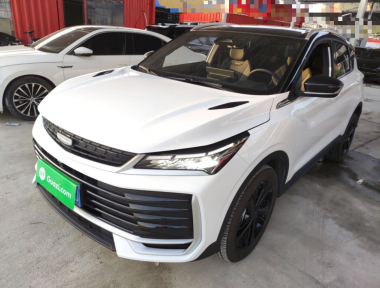



24H

Basic Information

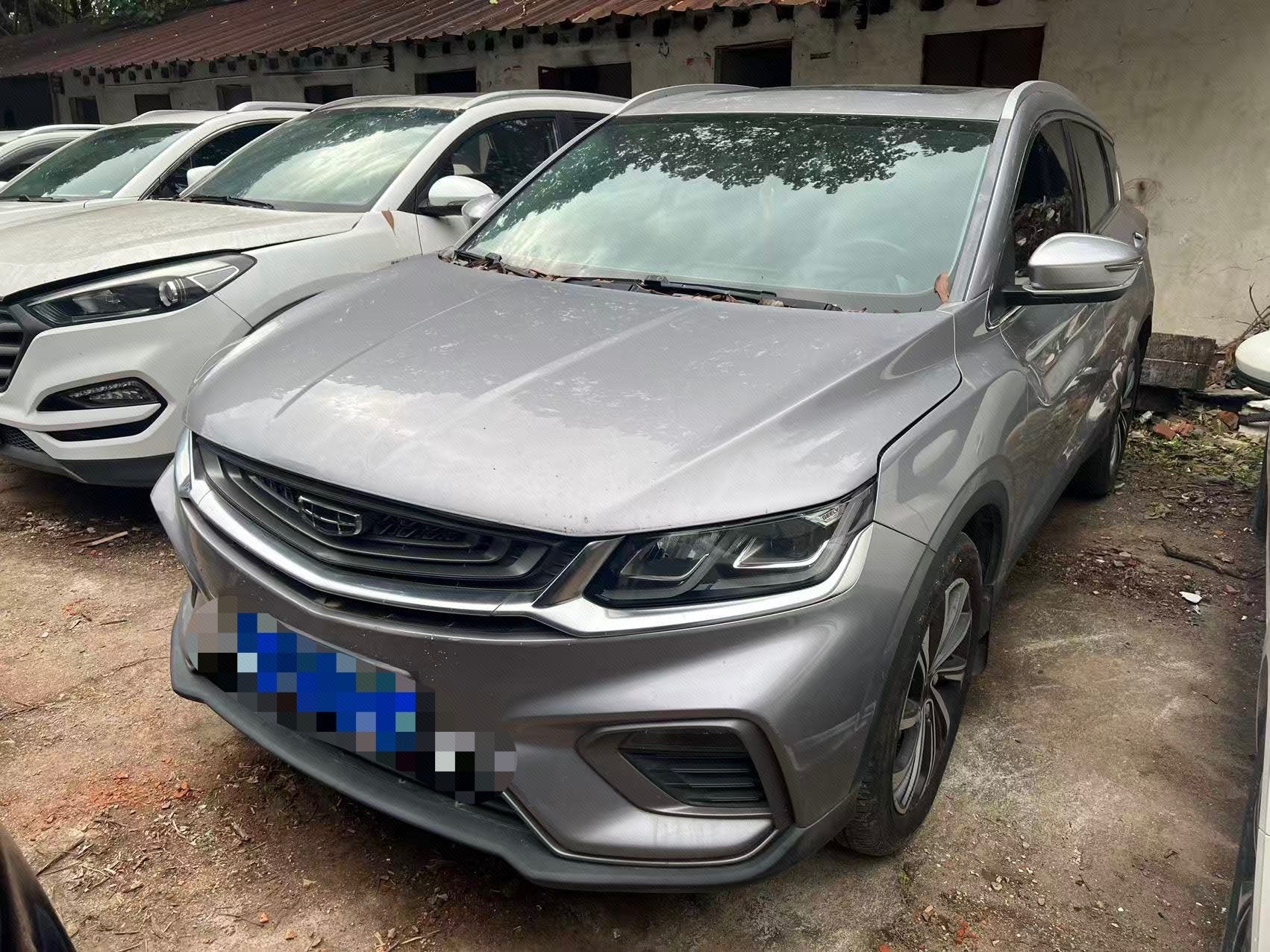
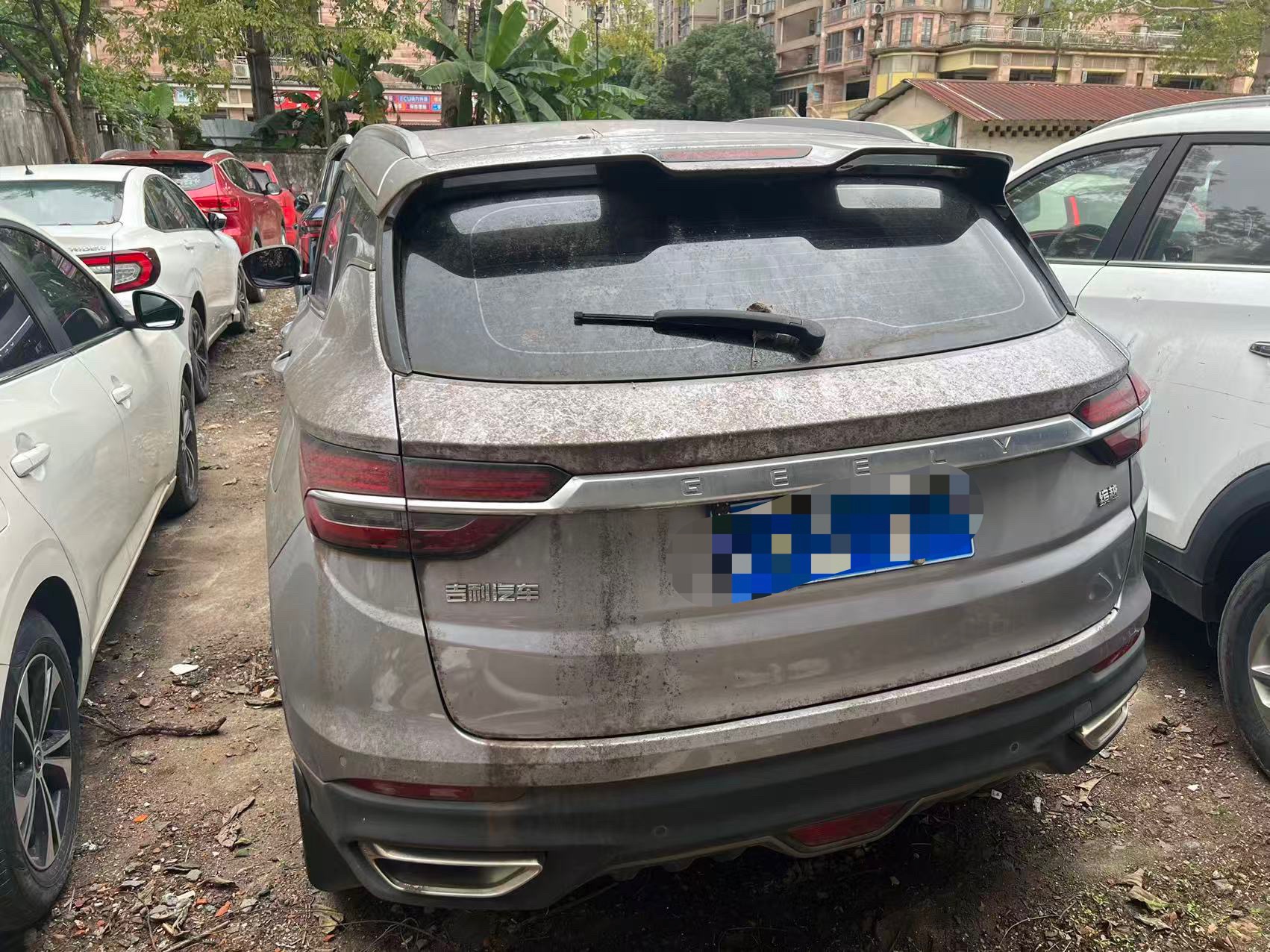
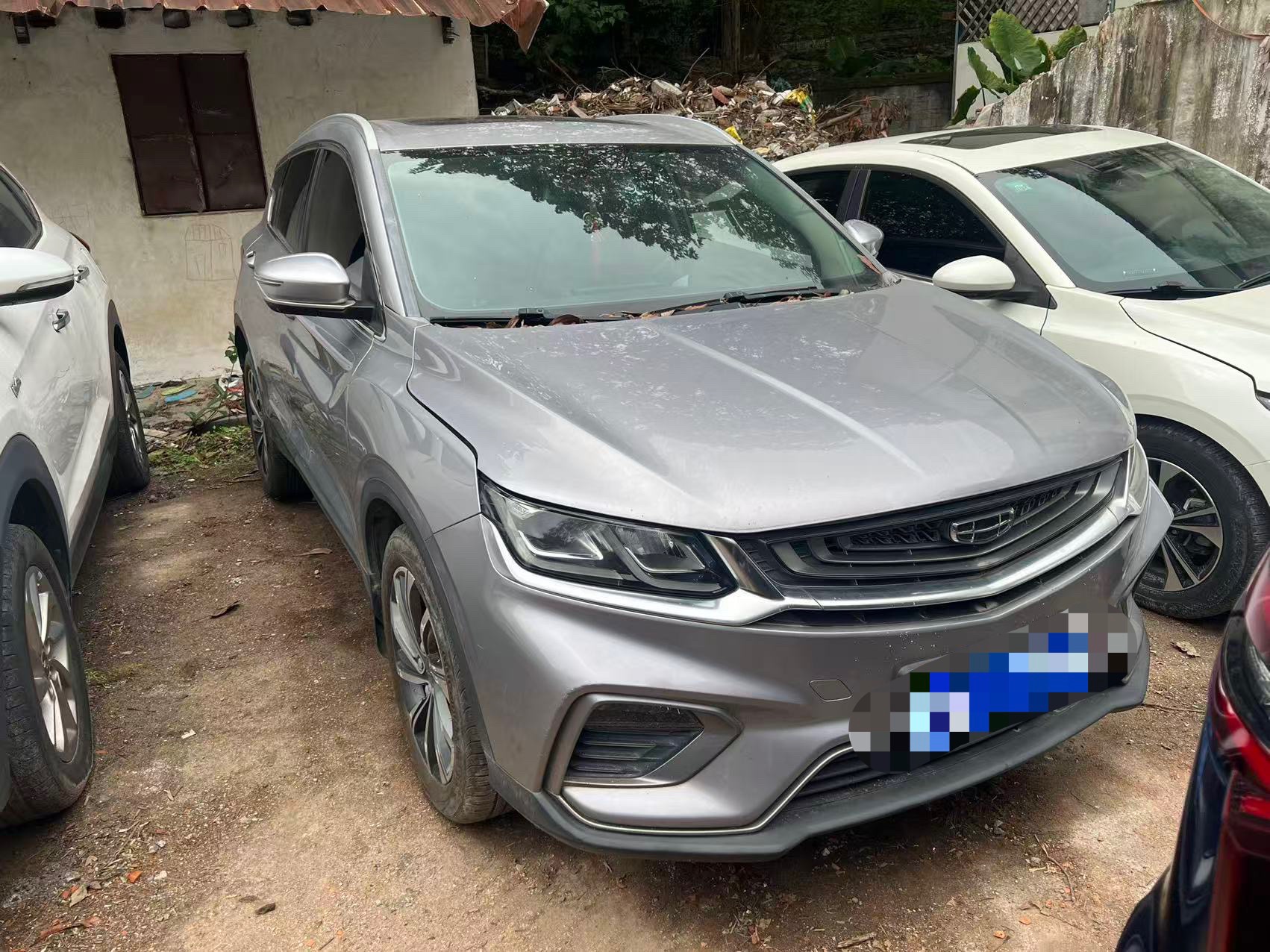
BrandGEELY
SeriesCoolray
Year2019
First Registration2019/10
Mileage86,000km
Transfer Count0times
FuelGasoline
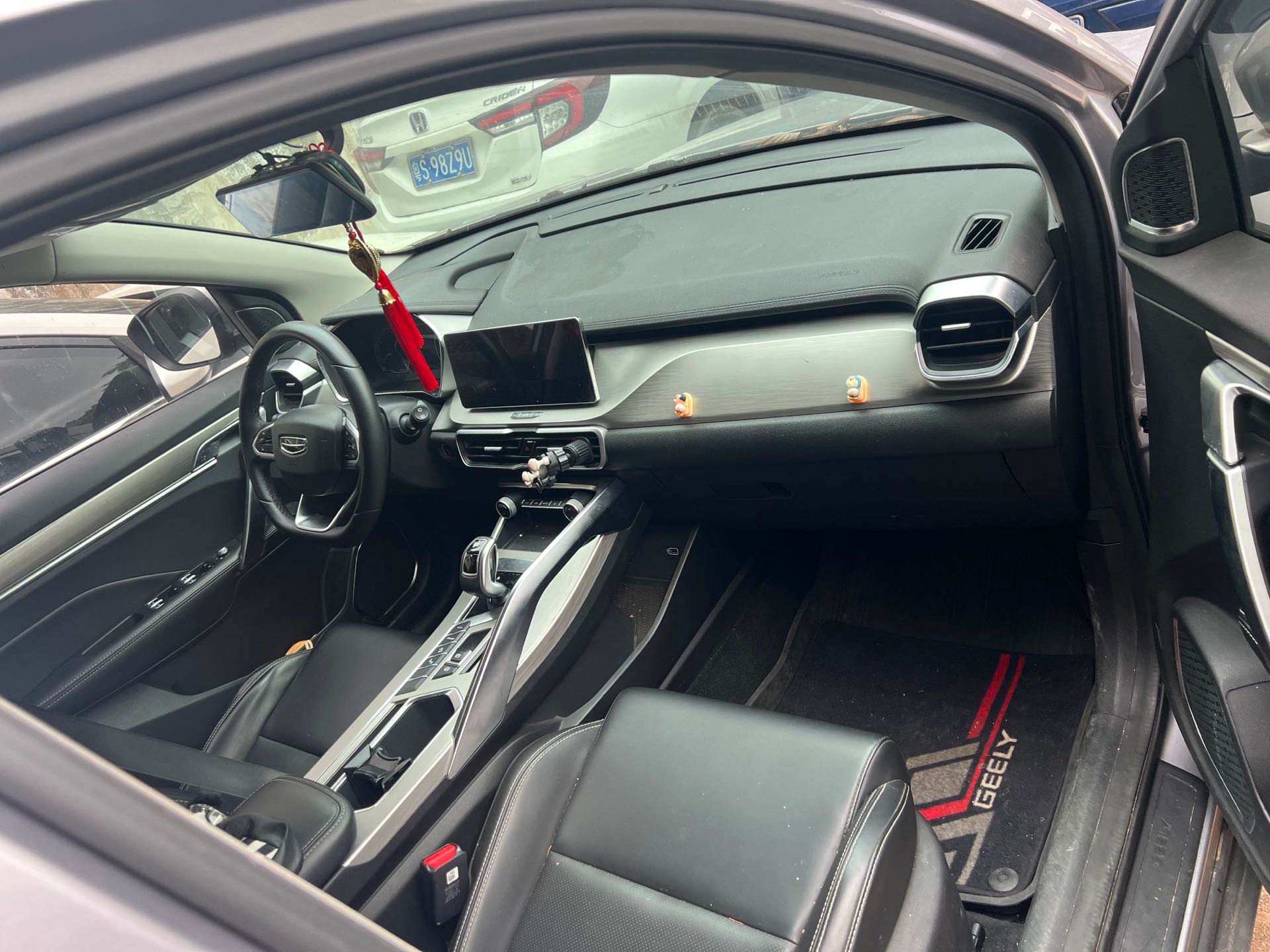
TransmissionDCT
Engine1.5T 177 L3
ColorGrey
Seats-

Condition Description

Four panels repainted.

Document Information

Inspection Expiry Date-
Warranty Expiry Date-
Insurance Expiry Date2027/10

Q&A

More

What should a pre-purchase inspection in China include if I cannot be there in person?

A proper third-party inspection has four parts, and you should insist on all of them. 1. Lift inspection: the car goes on a hoist to examine the underbody, frame rails, suspension arms and oil pan for impact damage or leaks — areas no photo set can cover. 2. Paint thickness check: a gauge reading from every panel. Inconsistent or very high values reveal repainting; structural points like the A/B/C pillars matter most because they indicate accident repairs. 3. OBD diagnostics: fault codes and live data from the engine, transmission, ABS and airbag modules. Stored historical codes often tell the truth the dashboard hides. 4. Road test: cold and warm driving to check shifting, braking and unusual noises. The report should carry the VIN, inspection date and the agency's stamp or digital signature. It costs very little compared to the price of the car, and it filters out most problem vehicles before your money moves.


How can I check if a used car from China has been in a major accident, and what records actually exist?

China does not have a single public accident database like CARFAX, but you can still verify history from several sources. First, ask the exporter for the insurance claim records (出险记录). Major repairs go through insurance, and the claim history shows the date, amount, and damaged parts. A car with large claim amounts (over half its value) is effectively a total loss rebuild. Second, check the vehicle's registration certificate (机动车登记证书) for transfer history — multiple transfers in a short period often follow an accident. Third, run a VIN check through commercial platforms (paid, around 20-50 RMB) which aggregate insurance, maintenance, and auction data. Cross-check everything against a physical inspection: paint thickness readings on structural points, weld quality under the seals, and underbody photos. If the records and the physical condition do not match, walk away or demand a large discount.

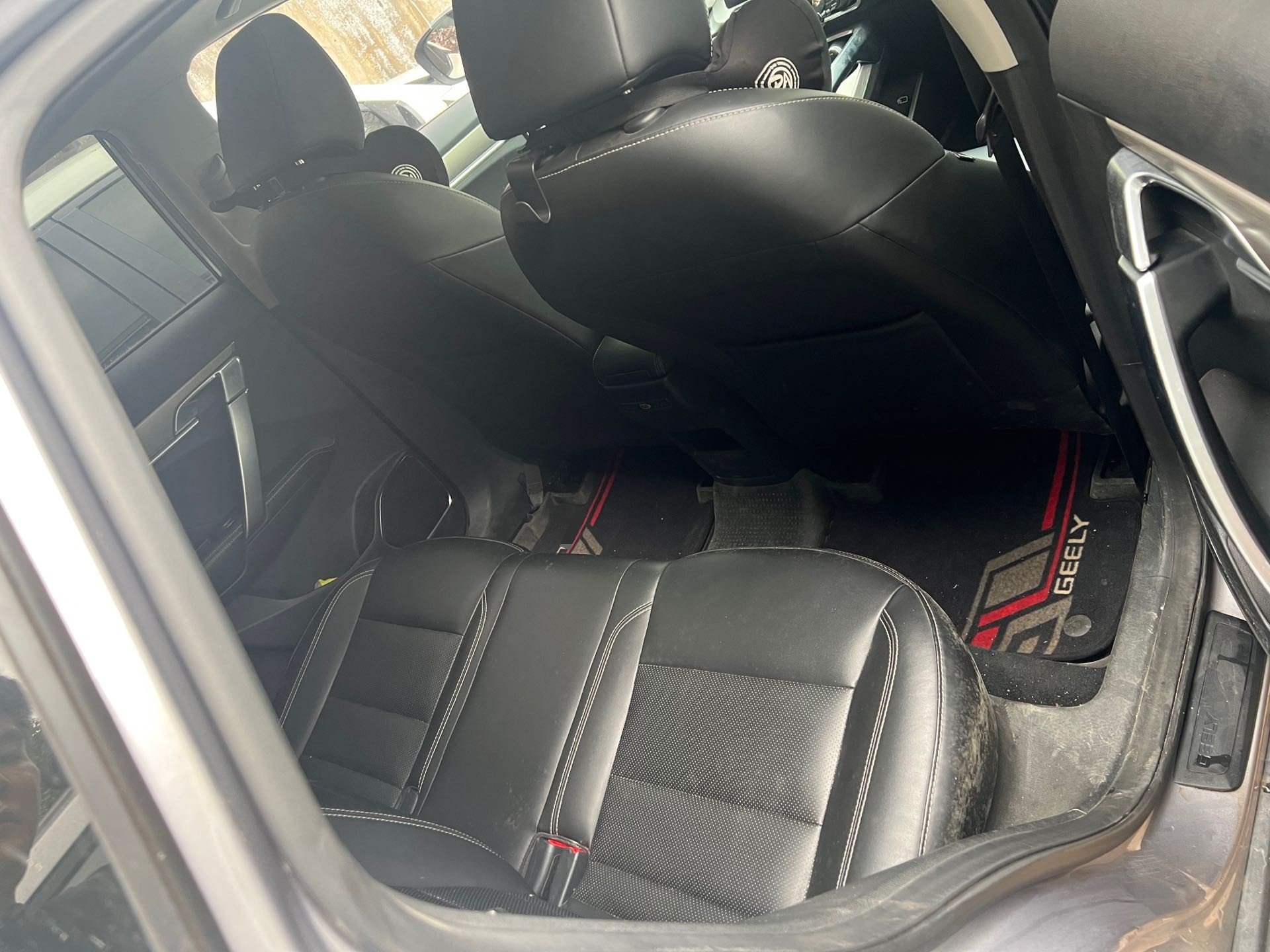
How can I judge the interior condition of a used Chinese car remotely to estimate real usage?

Ask the seller for detailed close-up video, not photos — video is harder to edit. Check: 1) Driver's seat bolster and steering wheel leather for wear matching the claimed mileage — a shiny, polished wheel at 30,000 km is a red flag; 2) Pedal rubbers — worn-through pedals contradict low mileage; 3) Buttons and knobs — faded or shiny climate and window controls suggest heavy use; 4) Seat rails and tracks — rust or heavy dirt means possible water exposure; 5) Headliner and seat backs — stains or sagging. Compare logically: wear should be consistent across the cabin. A car showing 50,000 km should have light wear everywhere, not a destroyed driver's seat with a pristine passenger side. Also ask for the odometer photo with the ignition on, plus the car's system info screen, which often logs total mileage independently.