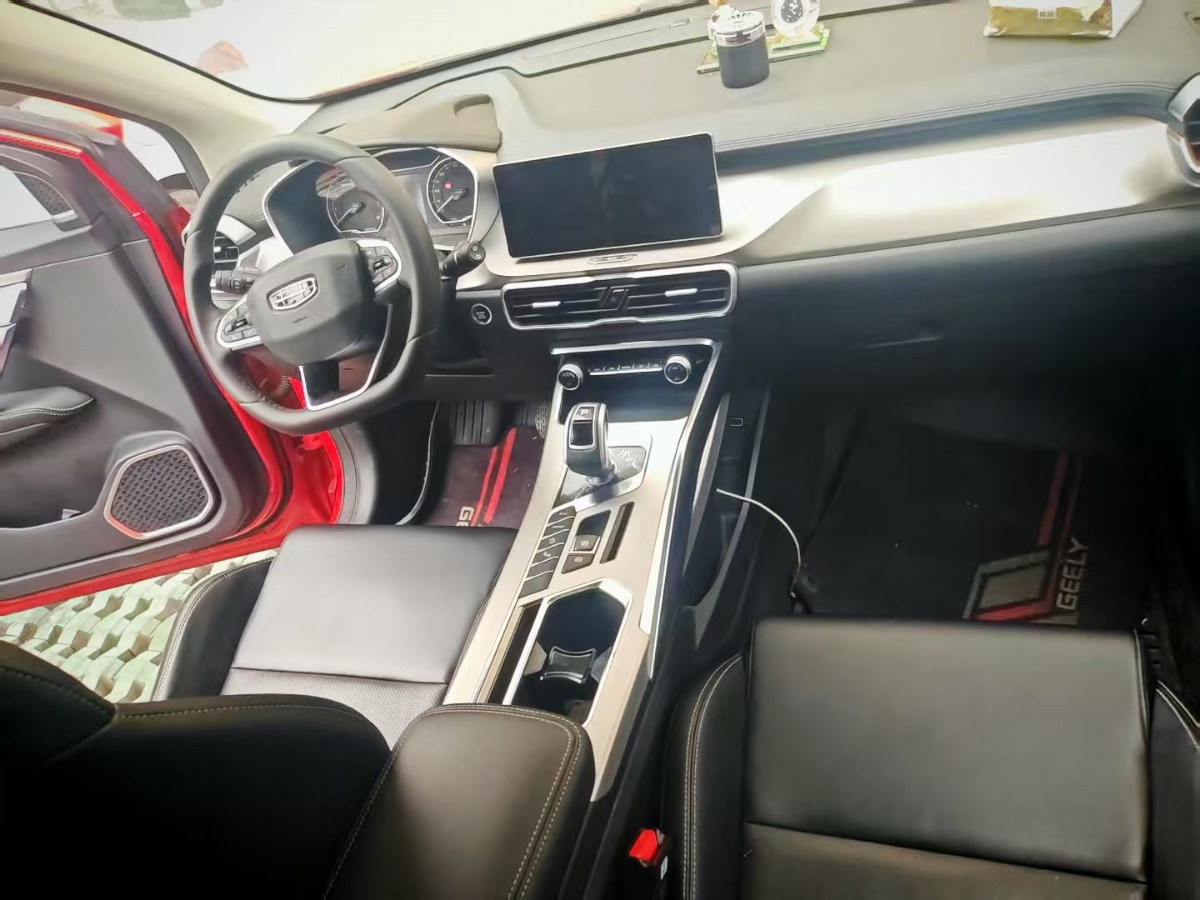
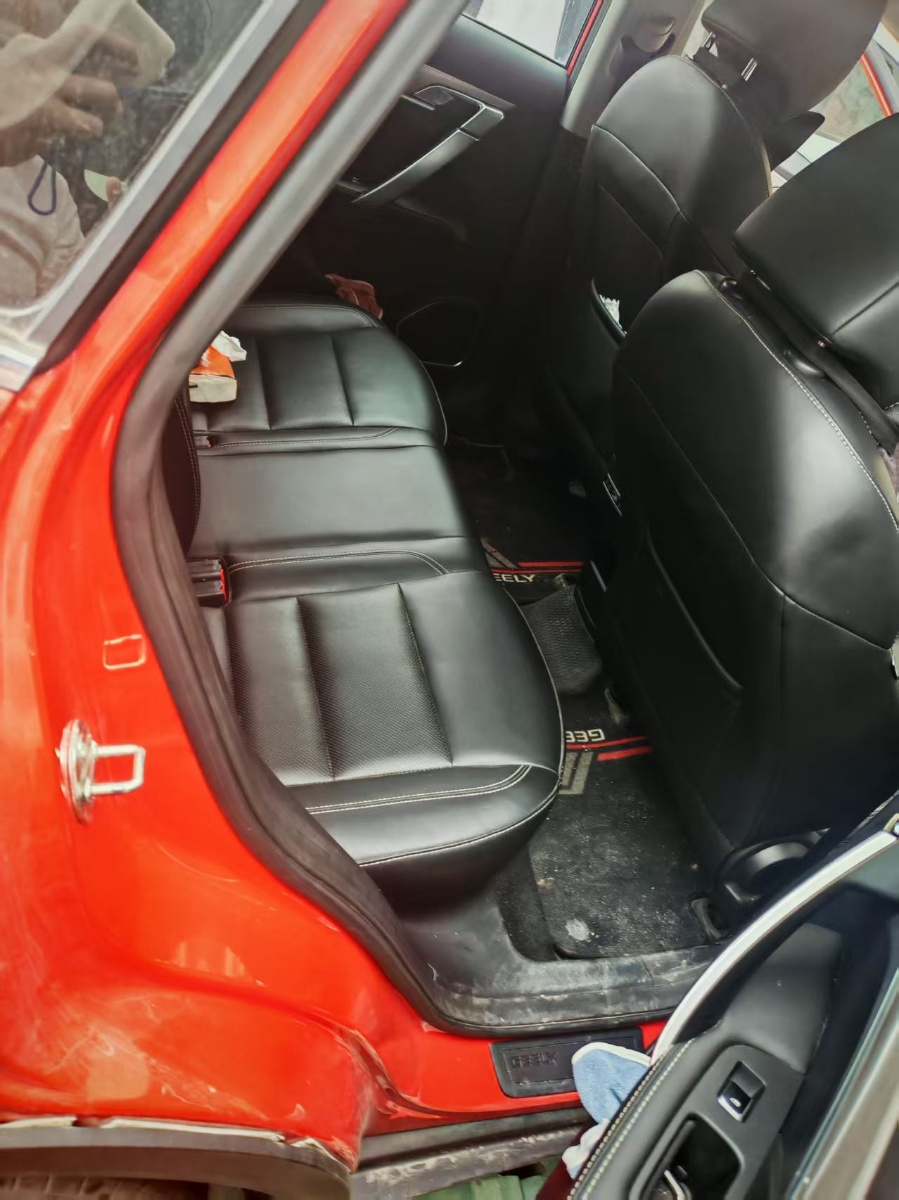
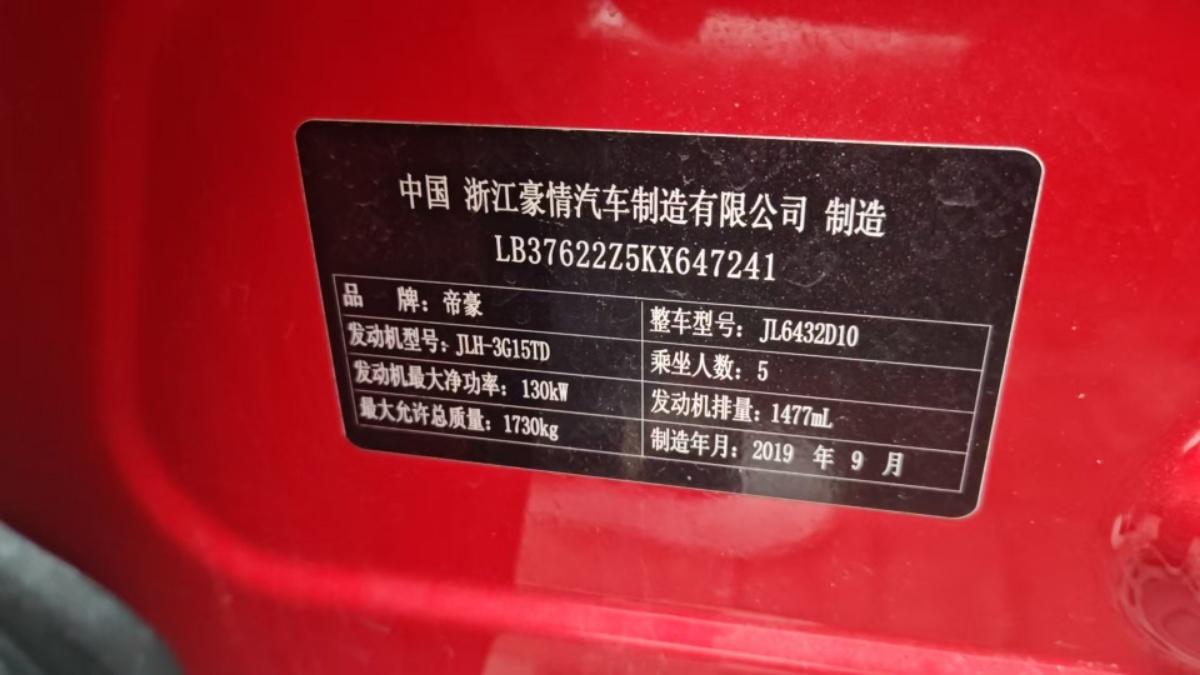



48H

Basic Information

BrandGEELY
SeriesCoolray
Year2019
First Registration2019/12
Mileage27,000km
Transfer Count1times
FuelGasoline
TransmissionDCT
Engine1.5T 177 L3
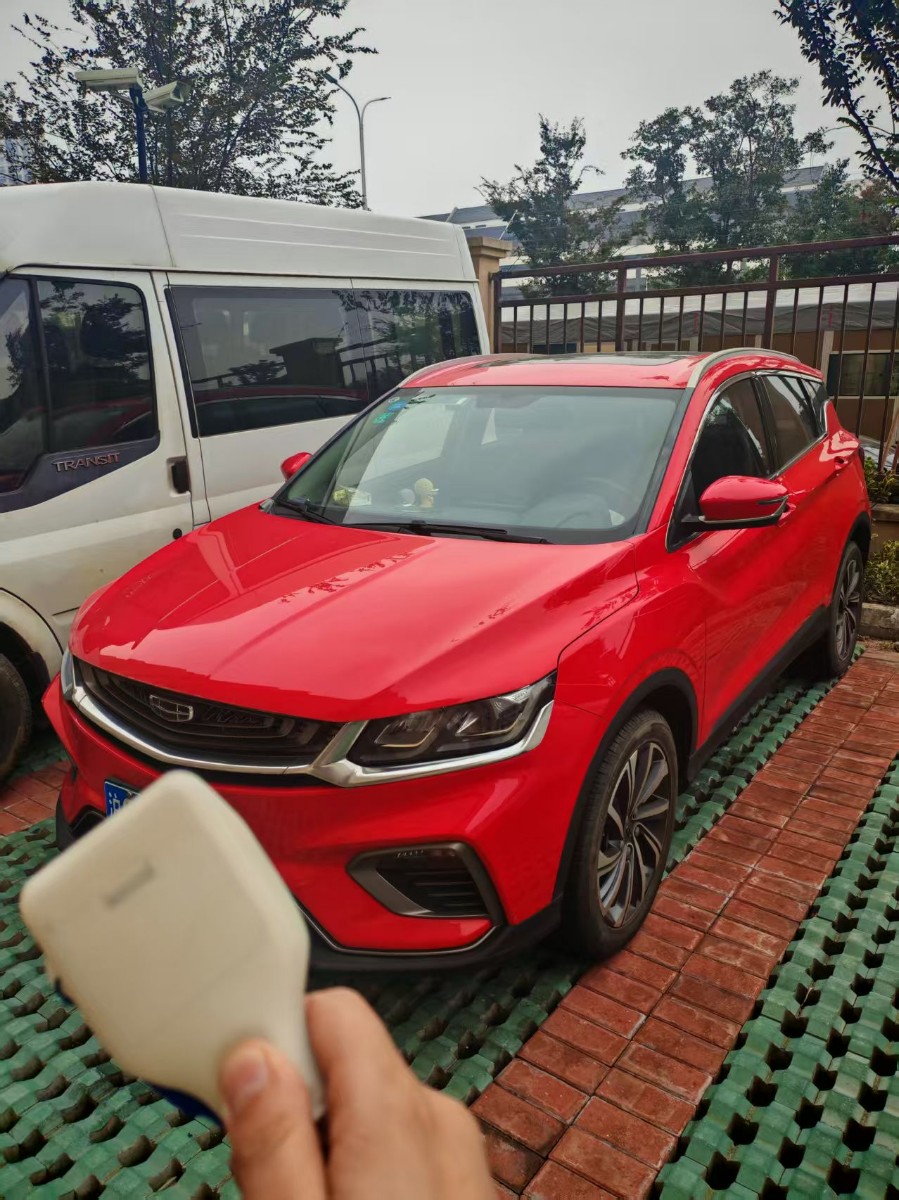
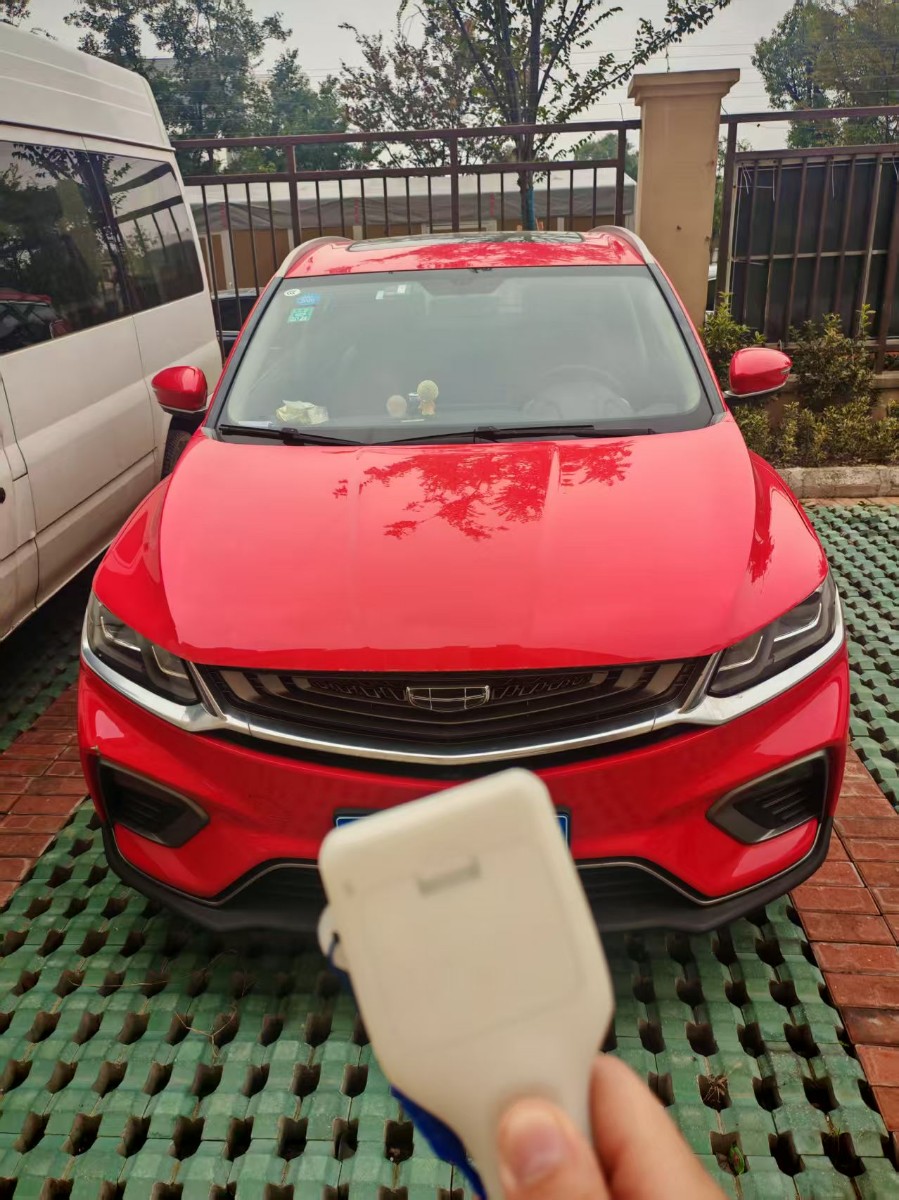
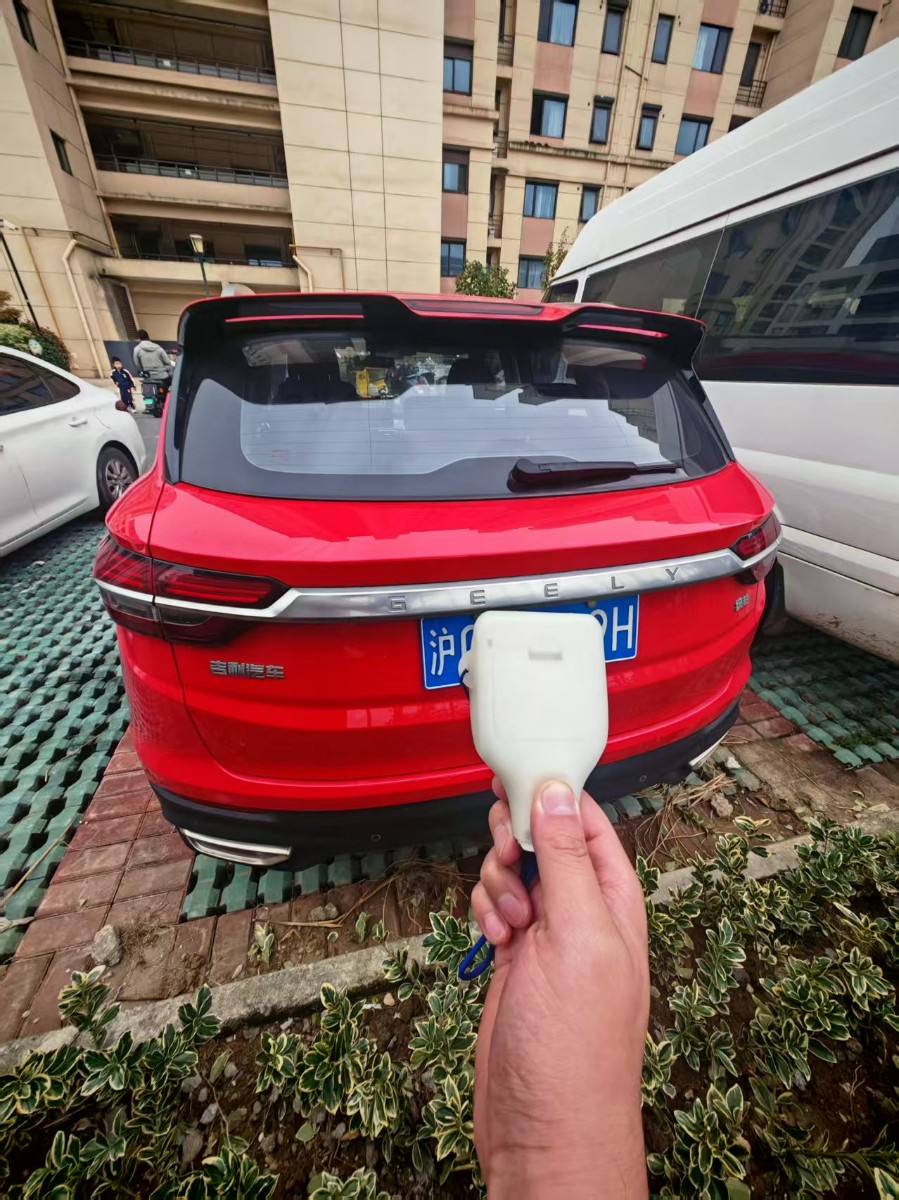
ColorRed
Seats-

Condition Description

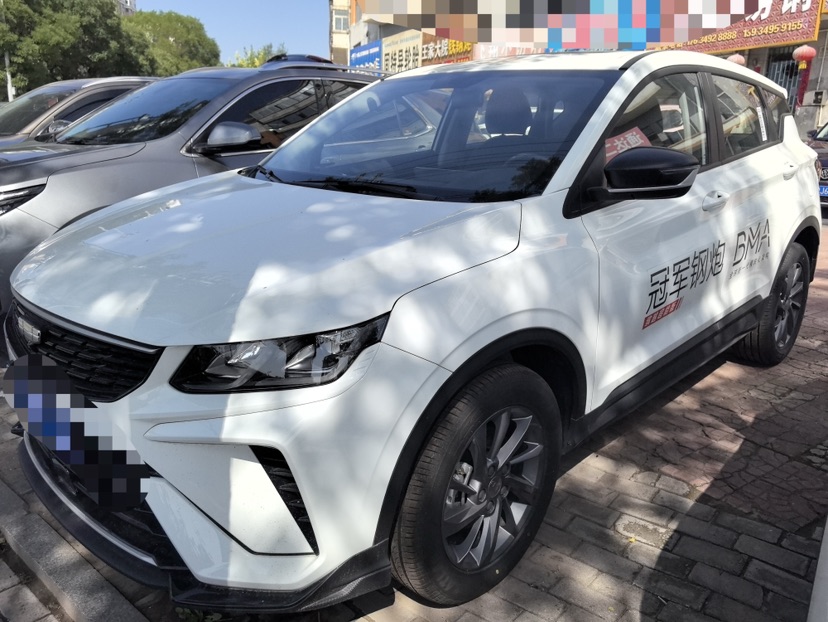
Right front door, right rear door, and right rear fender have been repaired with bodywork and repainting.

燃油车
SUV
自动
维保开放
事故开放
查验开放

Configuration Highlights

✓品牌: 吉利汽车
✓车系: 缤越
✓车型: 2019款 260T DCT骑士 国V
✓车身类型: SUV
✓座位数: 5
✓排量: 1.5T
✓变速箱: 自动
✓能源类型: 燃油车
✓VIN: LB37622Z5KX647241
✓搜索关键词: 吉利汽车缤越 2019款缤越260TDCT骑士国V

Q&A

More

Which export documents should the Chinese seller provide, and how do I verify they are authentic?

The standard set: commercial invoice, packing list, bill of lading, export customs declaration, certificate of origin, and a copy of the vehicle title/registration. How to verify: the bill of lading number should be trackable on the shipping line's website; the certificate of origin is verifiable through CCPIT's online system; and the VIN must match across all documents, the inspection report, and the car itself. Ask for scans of everything before paying the balance, and have a freight forwarder review the set. Mismatched VINs, missing title copies, or vague promises that "documents will follow" are red flags worth pausing the deal over.

Can you find out the history of a vehicle being stolen and then recovered by the police through traffic management data?

The underlying data of the China Public Security Traffic Management Network (12123 platform) has strict records for stolen vehicles. Any vehicle that is currently stolen or has had a complex criminal case that is not fully resolved cannot complete the transfer for export.

If our country has a free trade agreement (FTA) with China, can you provide specific certificates of origin to reduce tariffs?

Yes. If your country (such as Chile, Peru, ASEAN countries, etc.) has signed a bilateral free trade agreement with China, our documentation center will apply to Chinese customs or the trade promotion agency for specific versions of the certificate of origin (such as Form E, Form F, etc.), which can help you legally apply for significant tariff reductions at the destination port.